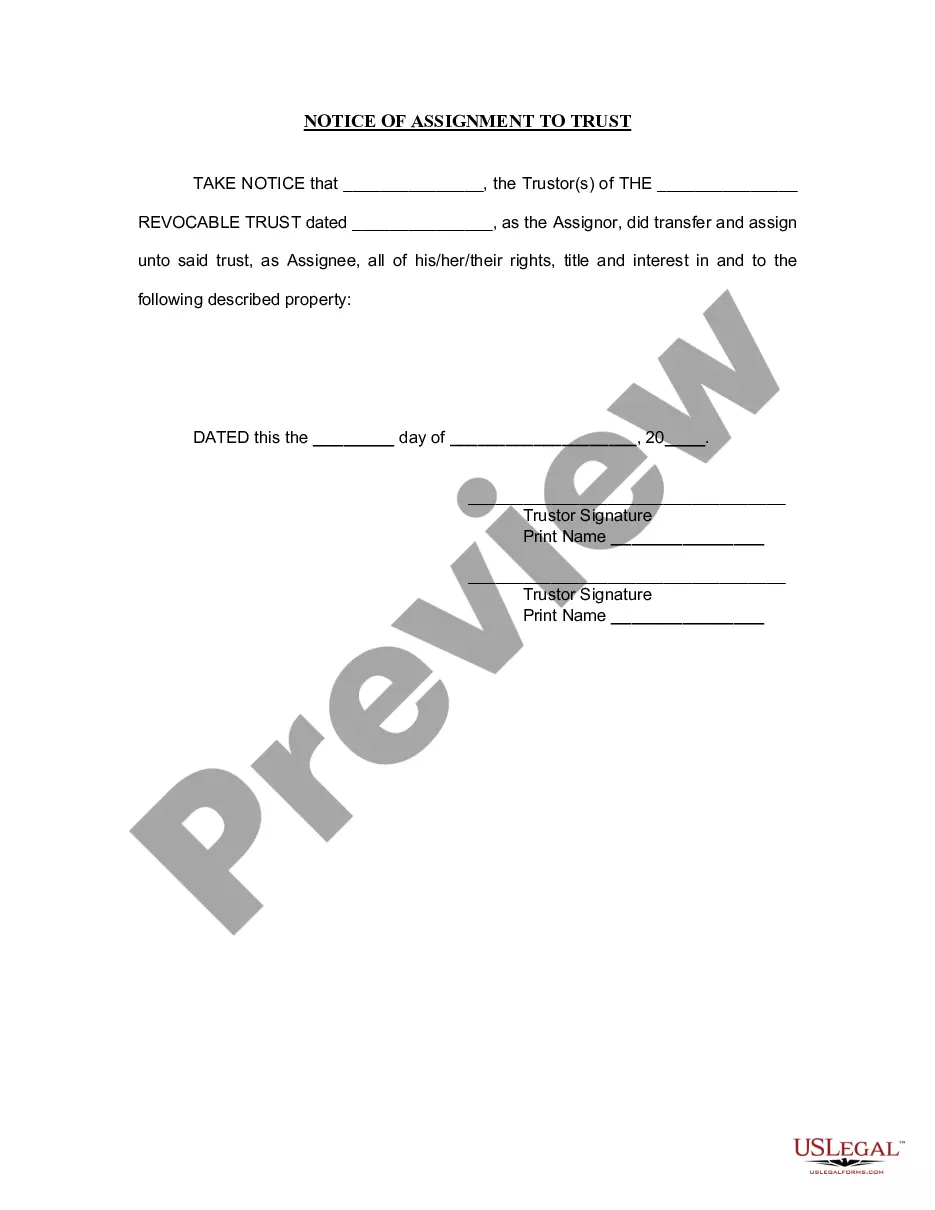
South Carolina Document Locator and Personal Information Package including burial information form
About this form
The Document Locator and Personal Information Package is a comprehensive tool designed to help individuals organize essential documents and convey their personal wishes, including burial preferences. This package stands out by not only listing important documents but also providing a platform for expressing final messages to loved ones. Using this package helps ensure that your family understands your choices and knows where to find necessary paperwork during difficult times.
Key parts of this document
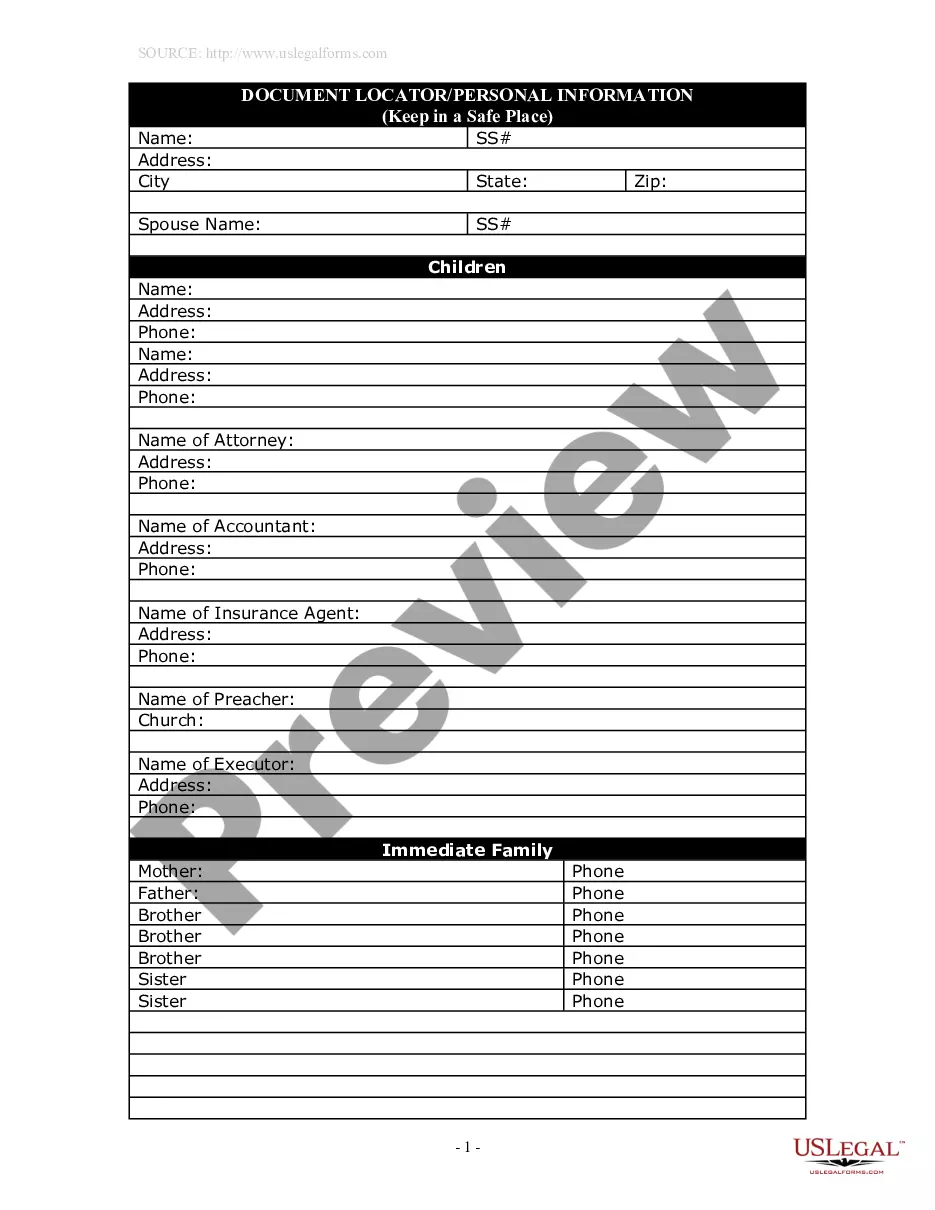
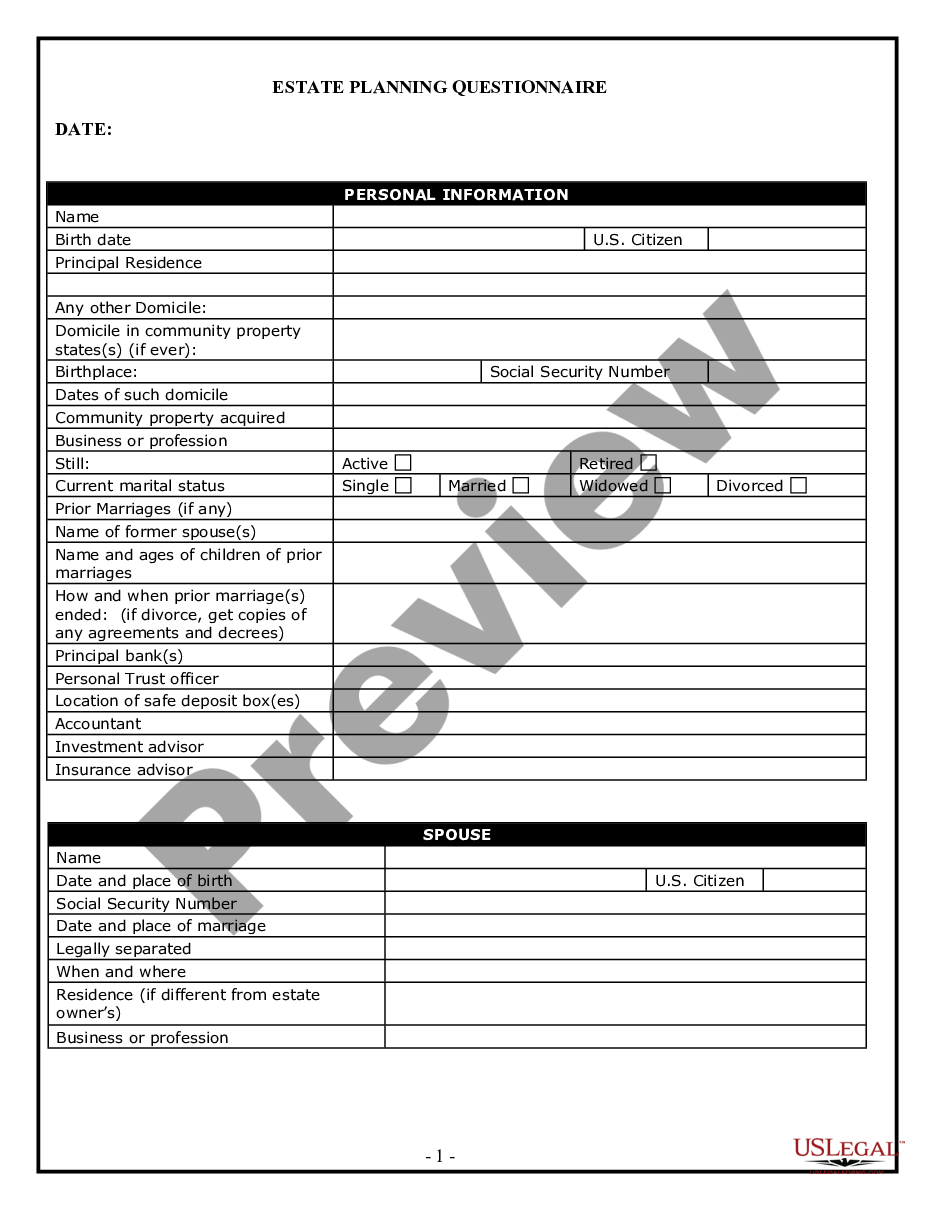
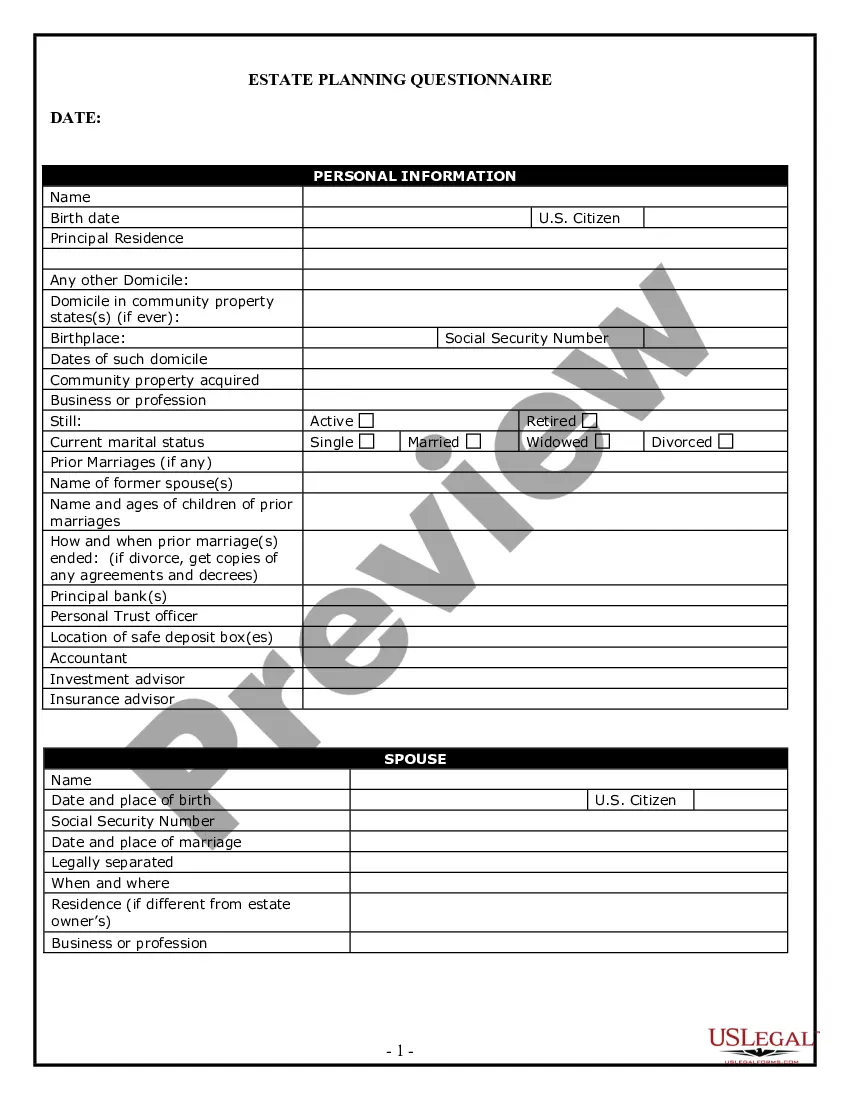
- Personal Information: Details about yourself, your spouse, children, and close contacts.
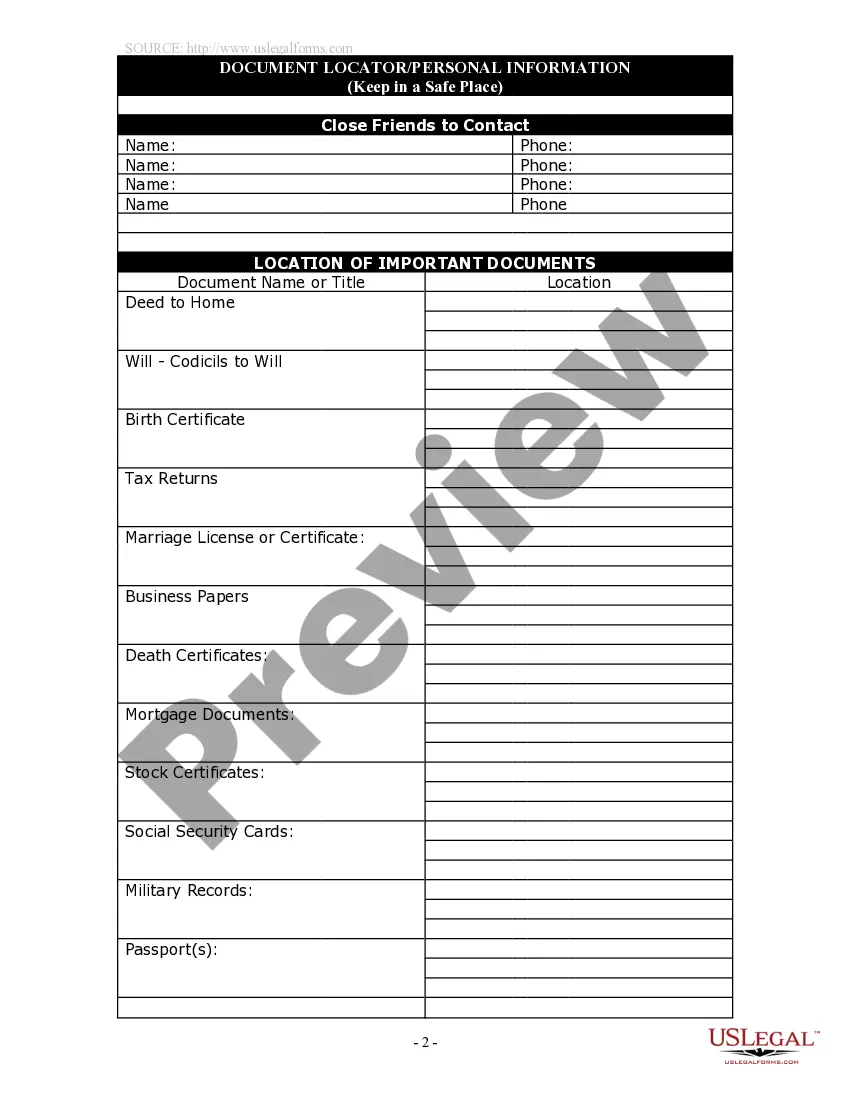
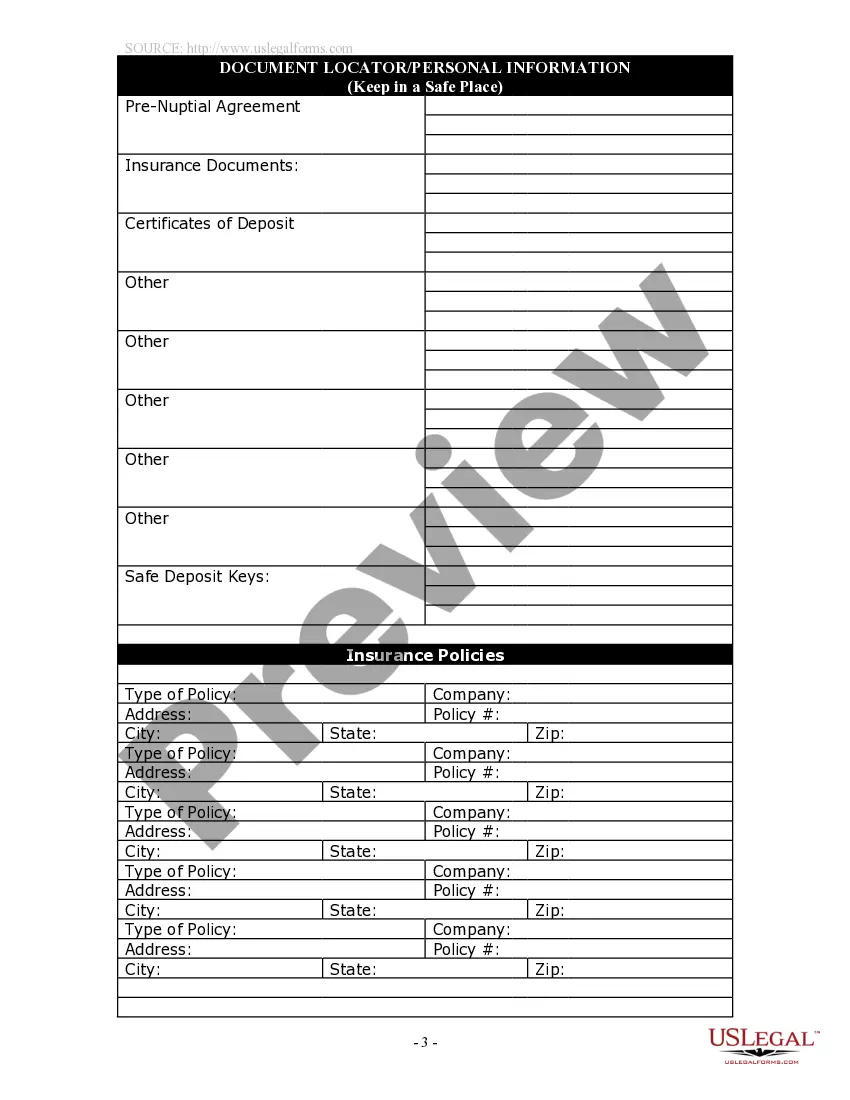
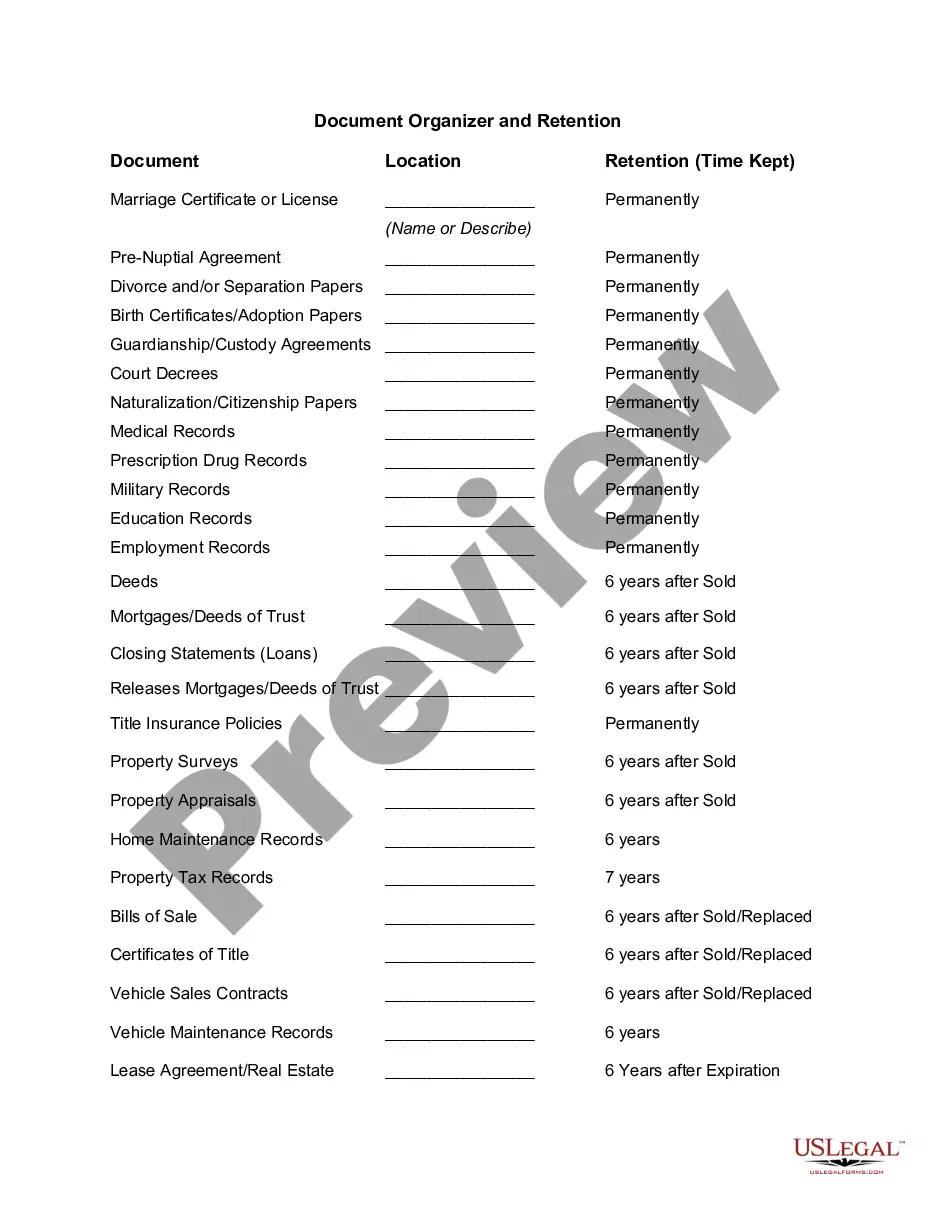
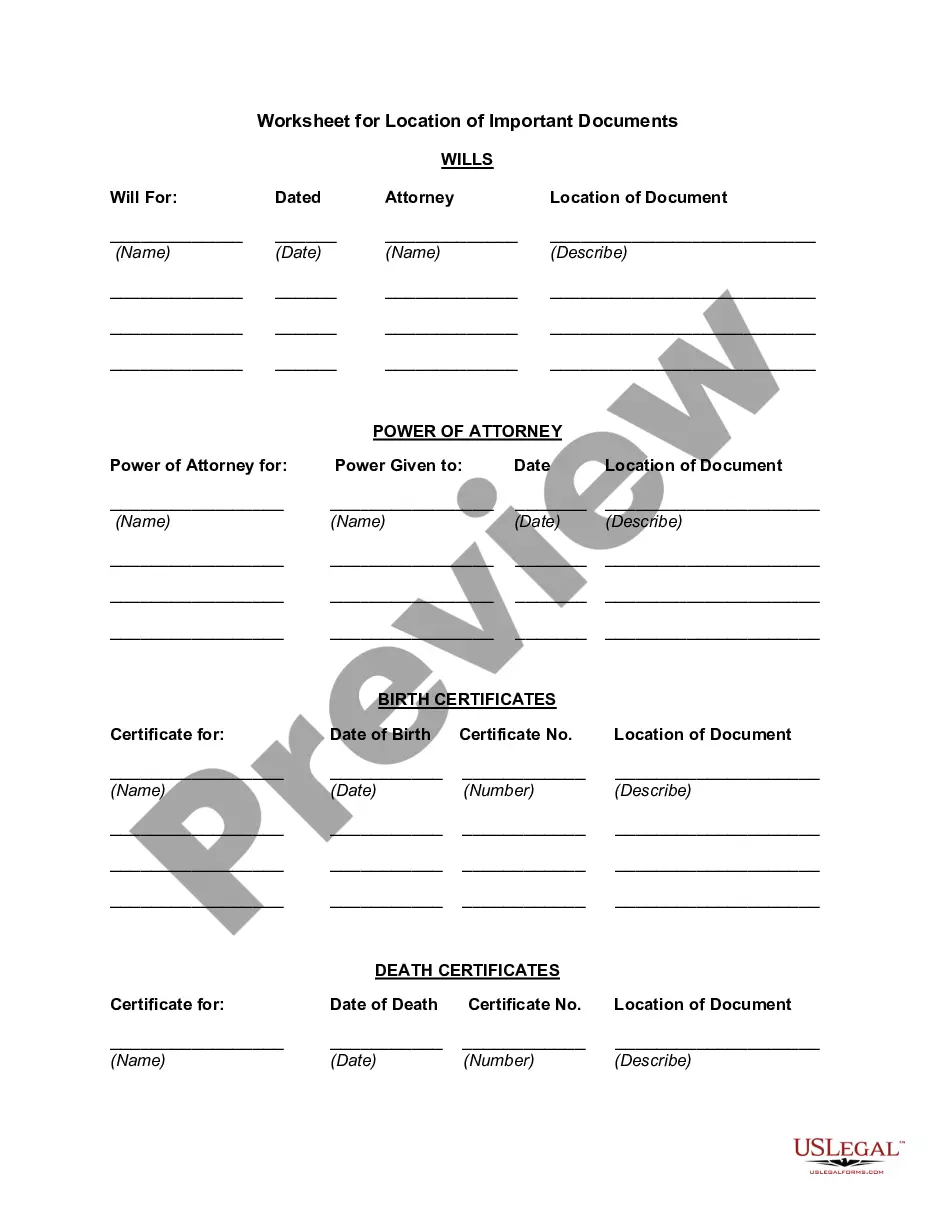
- Important Document Locator: A section to specify the location of critical documents such as wills, insurance policies, and financial records.
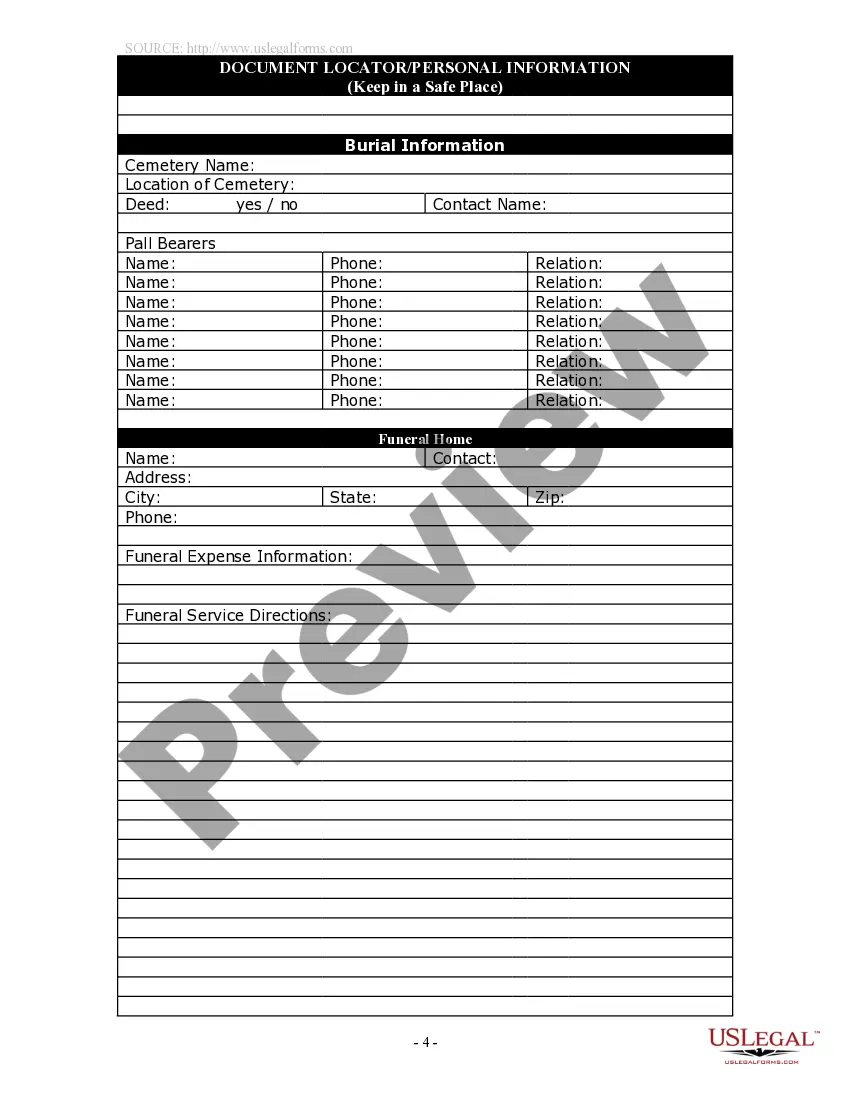
- Burial Information: Specifics on burial location and preferences, including contact names for pallbearers and funeral home details.
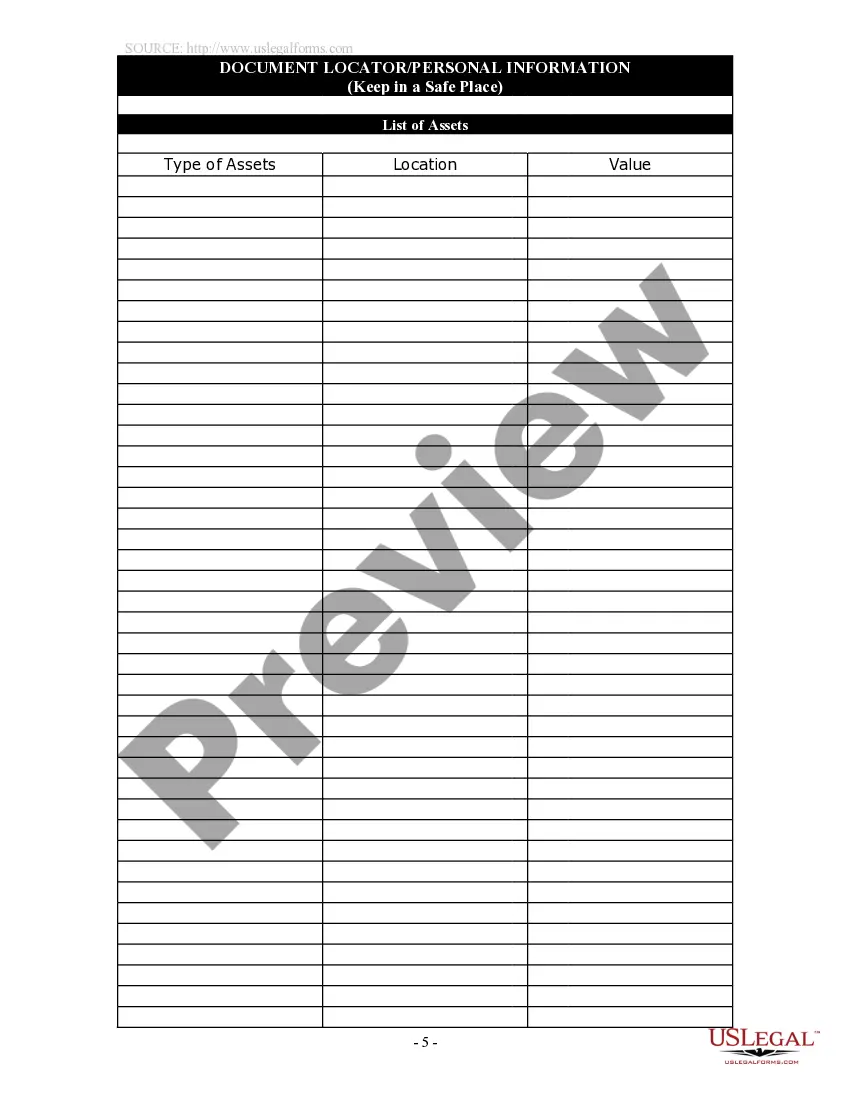
- Funeral Expense Information: Space to outline funeral service directions and asset lists.
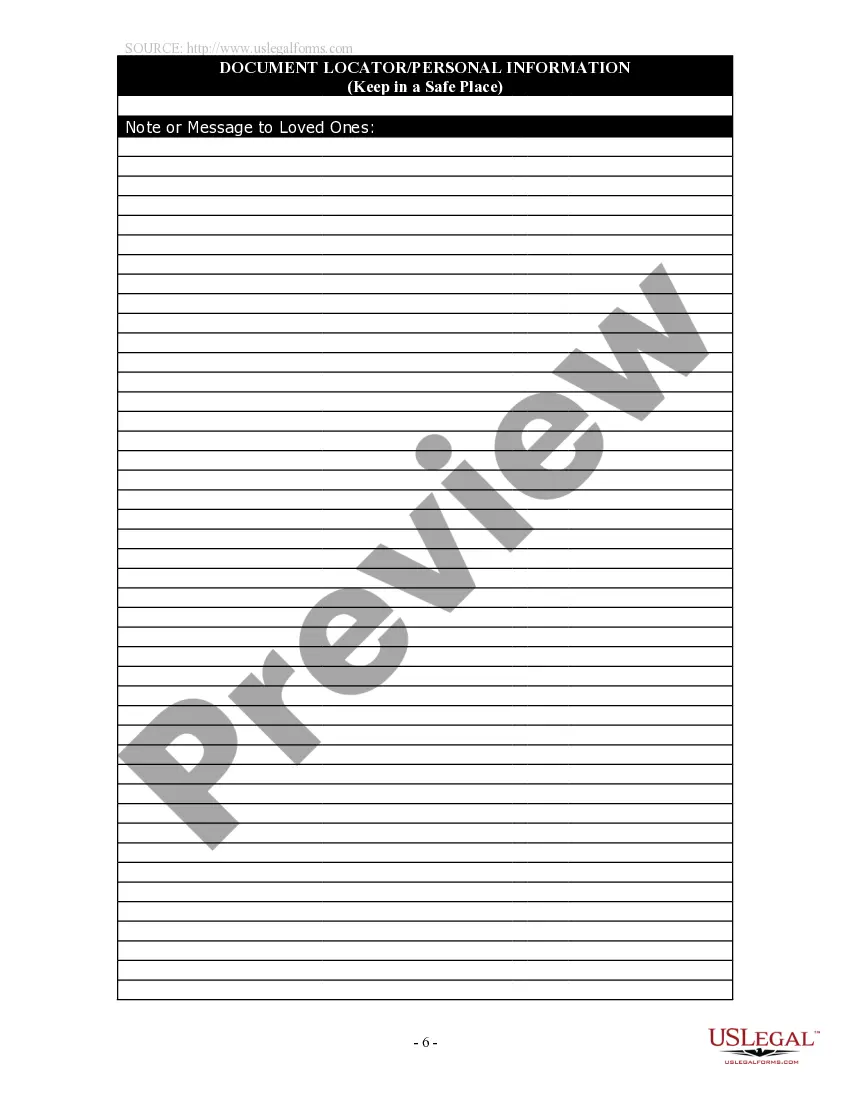
- Message to Loved Ones: An area to leave personal messages regarding your last wishes.
When to use this document
This form is ideal for anyone looking to prepare for the future by organizing personal information and outlining their final wishes. It is particularly useful when someone wants to ensure their loved ones have access to crucial information after their passing. This document can be used by individuals at any stage in life, but it is especially valuable for those entering their later years, planning an estate, or facing health challenges.
Who should use this form
This package is intended for:
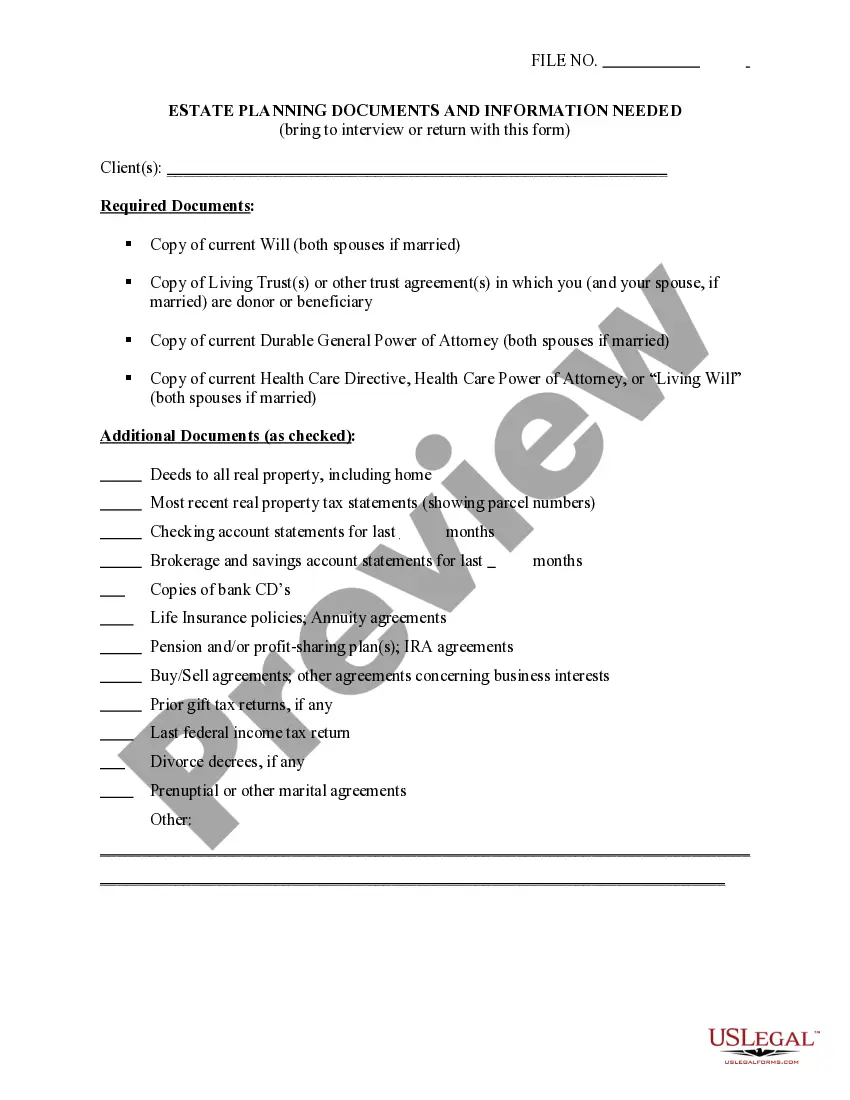
- Individuals looking to organize personal and financial information.
- Parents wanting to communicate important details about their children's care.
- Older adults planning for future medical or end-of-life situations.
- Anyone wishing to clarify their burial and funeral preferences to avoid family disputes.
Steps to complete this form
- Gather personal information, including names, addresses, and contact details for family members and key advisors.
- List important documents and specify their locations to ensure they can be easily accessed.
- Fill out details concerning burial preferences, including the cemetery location and pallbearer information.
- Provide a message or note to loved ones to communicate your last wishes.
- Store the completed document securely and inform trusted family members of its location.
Does this form need to be notarized?
This form does not typically require notarization to be legally valid. However, some jurisdictions or document types may still require it. US Legal Forms provides secure online notarization powered by Notarize, available 24/7 for added convenience.
Get your form ready online
Our built-in tools help you complete, sign, share, and store your documents in one place.
Make edits, fill in missing information, and update formatting in US Legal Forms—just like you would in MS Word.
Download a copy, print it, send it by email, or mail it via USPS—whatever works best for your next step.
Sign and collect signatures with our SignNow integration. Send to multiple recipients, set reminders, and more. Go Premium to unlock E-Sign.
If this form requires notarization, complete it online through a secure video call—no need to meet a notary in person or wait for an appointment.
We protect your documents and personal data by following strict security and privacy standards.

Make edits, fill in missing information, and update formatting in US Legal Forms—just like you would in MS Word.

Download a copy, print it, send it by email, or mail it via USPS—whatever works best for your next step.

Sign and collect signatures with our SignNow integration. Send to multiple recipients, set reminders, and more. Go Premium to unlock E-Sign.

If this form requires notarization, complete it online through a secure video call—no need to meet a notary in person or wait for an appointment.

We protect your documents and personal data by following strict security and privacy standards.
Avoid these common issues
- Failing to update the document locator as personal information changes (like moving or changing advisors).
- Neglecting to discuss burial preferences with family members, leading to confusion or disagreements.
- Not securely storing the document, making it difficult for loved ones to find when needed.
Benefits of using this form online
- Convenience: Easily accessible and can be completed at your own pace.
- Editable: You can update the information whenever necessary without needing to start over.
- Reliable: Developed by licensed attorneys to ensure legal soundness.
Quick recap
- The Document Locator and Personal Information Package ensures your loved ones know your last wishes and where to find important documents.
- Utilizing this form aids in important end-of-life planning and communication.
- Regularly update the form to ensure all information is current and complete.
Looking for another form?
Form popularity
FAQ
Creating an estate plan is a lot like getting into better shape. Step 1: Sign a will. Step 2: Name beneficiaries. Step 3: Dodge estate taxes. Step 4: Leave a letter. Step 5: Draw up a durable power of attorney. Step 6: Create an advance health care directive.
People at every age should put together an estate plan that fits their needs from something very simple for a 30 year old to a fully funded trust plan for a 60 year old. Here are the typical estate planning documents and issues to consider by age.
Estate planning is the preparation of tasks that serve to manage an individual's asset base in the event of their incapacitation or death. The planning includes the bequest of assets to heirs and the settlement of estate taxes. Most estate plans are set up with the help of an attorney experienced in estate law.
Anyone who wants their assets to be transferred to one or more surviving loved ones after they pass away should consider establishing a formal estate plan. This important set of legal documents can make it easier for your family to ensure that your wishes and needs are met if you're unable to speak for yourself.
A will may be a relatively simple document that sets forth your wishes regarding the distribution of property; it may also include instructions regarding the care of minor children. An estate plan goes much further than a will.
There are four main elements of an estate plan; these include a will, a living will and healthcare power of attorney, a financial power of attorney, and a trust.
An estate plan can minimize taxes and expenses and help your loved ones avoid legal hassles. Plus, an estate plan may be designed to prevent your assets from becoming public, which can protect your family's privacy.
There are four main elements of an estate plan; these include a will, a living will and healthcare power of attorney, a financial power of attorney, and a trust.
Creating an estate plan is a lot like getting into better shape. Step 1: Sign a will. Step 2: Name beneficiaries. Step 3: Dodge estate taxes. Step 4: Leave a letter. Step 5: Draw up a durable power of attorney. Step 6: Create an advance health care directive.