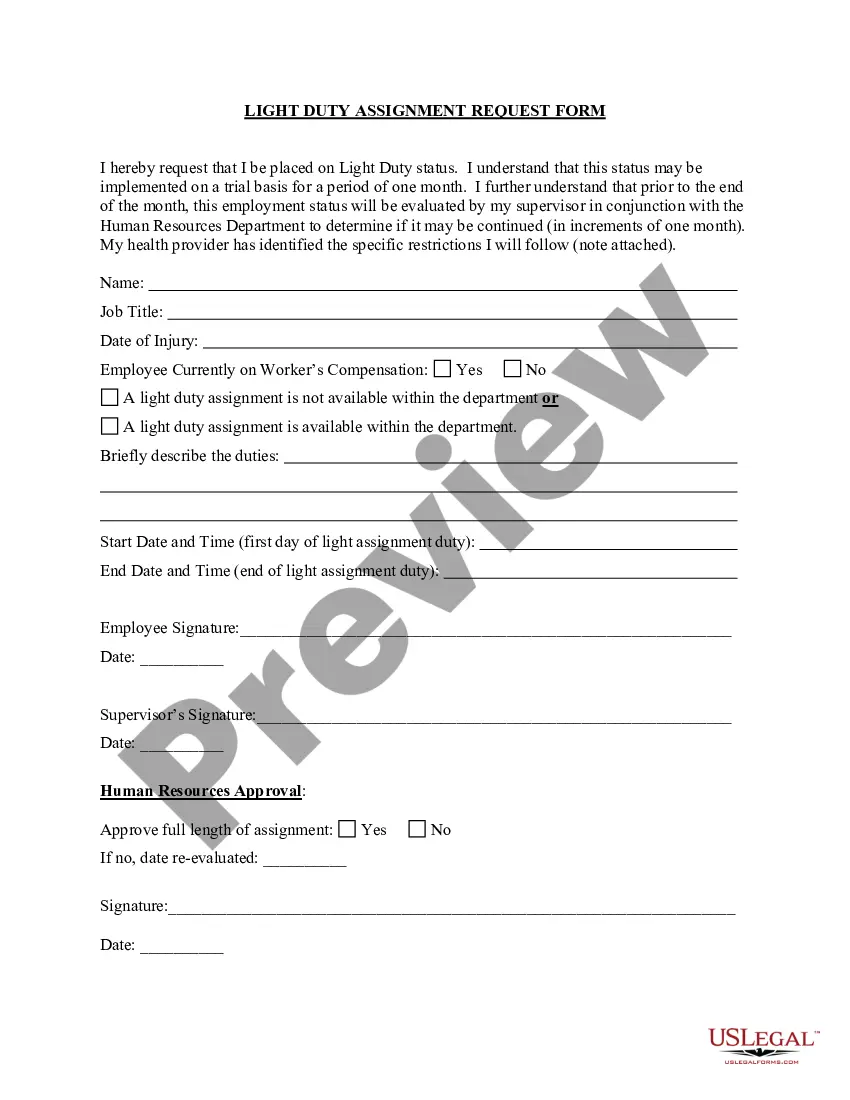
South Carolina Light Duty Assignment Request
Description
Get your form ready online
Our built-in tools help you complete, sign, share, and store your documents in one place.
Make edits, fill in missing information, and update formatting in US Legal Forms—just like you would in MS Word.
Download a copy, print it, send it by email, or mail it via USPS—whatever works best for your next step.
Sign and collect signatures with our SignNow integration. Send to multiple recipients, set reminders, and more. Go Premium to unlock E-Sign.
If this form requires notarization, complete it online through a secure video call—no need to meet a notary in person or wait for an appointment.
We protect your documents and personal data by following strict security and privacy standards.

Make edits, fill in missing information, and update formatting in US Legal Forms—just like you would in MS Word.

Download a copy, print it, send it by email, or mail it via USPS—whatever works best for your next step.

Sign and collect signatures with our SignNow integration. Send to multiple recipients, set reminders, and more. Go Premium to unlock E-Sign.

If this form requires notarization, complete it online through a secure video call—no need to meet a notary in person or wait for an appointment.

We protect your documents and personal data by following strict security and privacy standards.
Looking for another form?
How to fill out Light Duty Assignment Request?
Are you in a position where you frequently require documents for either business or personal purposes almost every day? There exists a multitude of legitimate document templates accessible online, yet finding those that you can rely on isn't simple.
US Legal Forms offers an extensive selection of form templates, including the South Carolina Light Duty Assignment Request, developed to meet federal and state requirements.
If you are already familiar with the US Legal Forms website and have an account, simply Log In. Afterward, you will be able to download the South Carolina Light Duty Assignment Request template.
- Identify the form you need and ensure it is for the correct city/state.
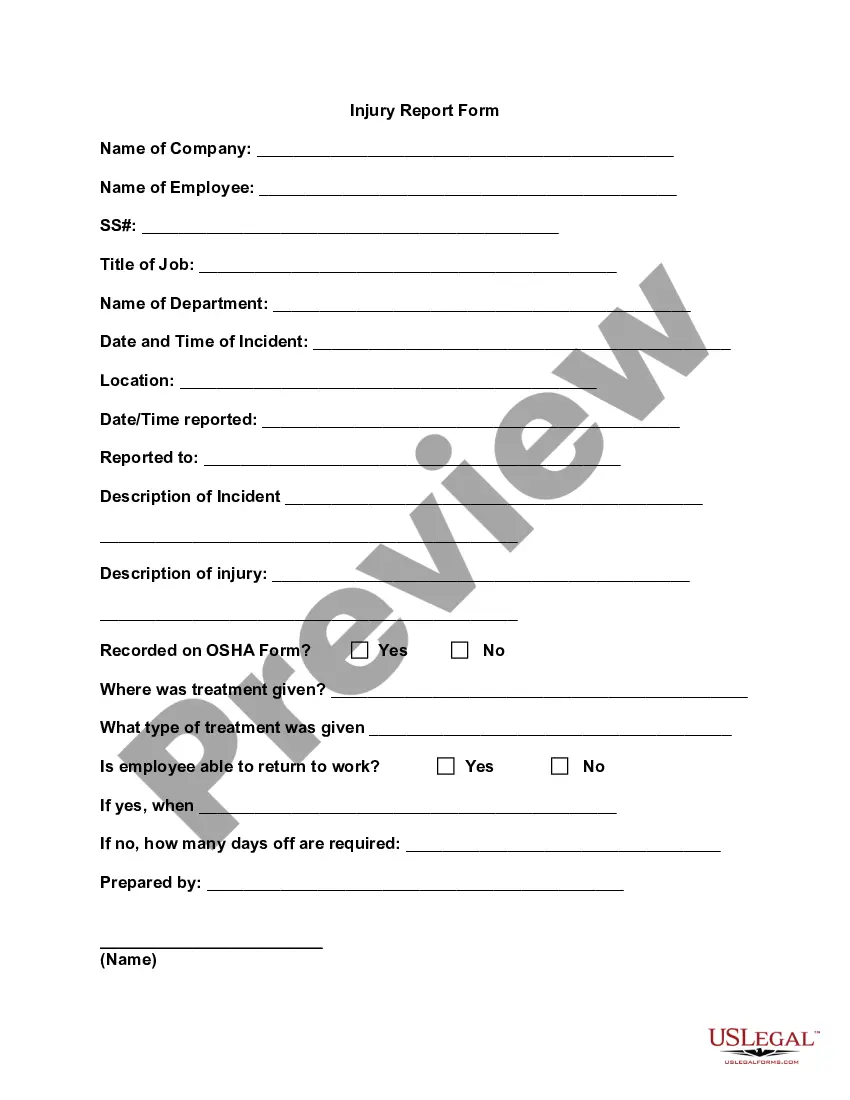
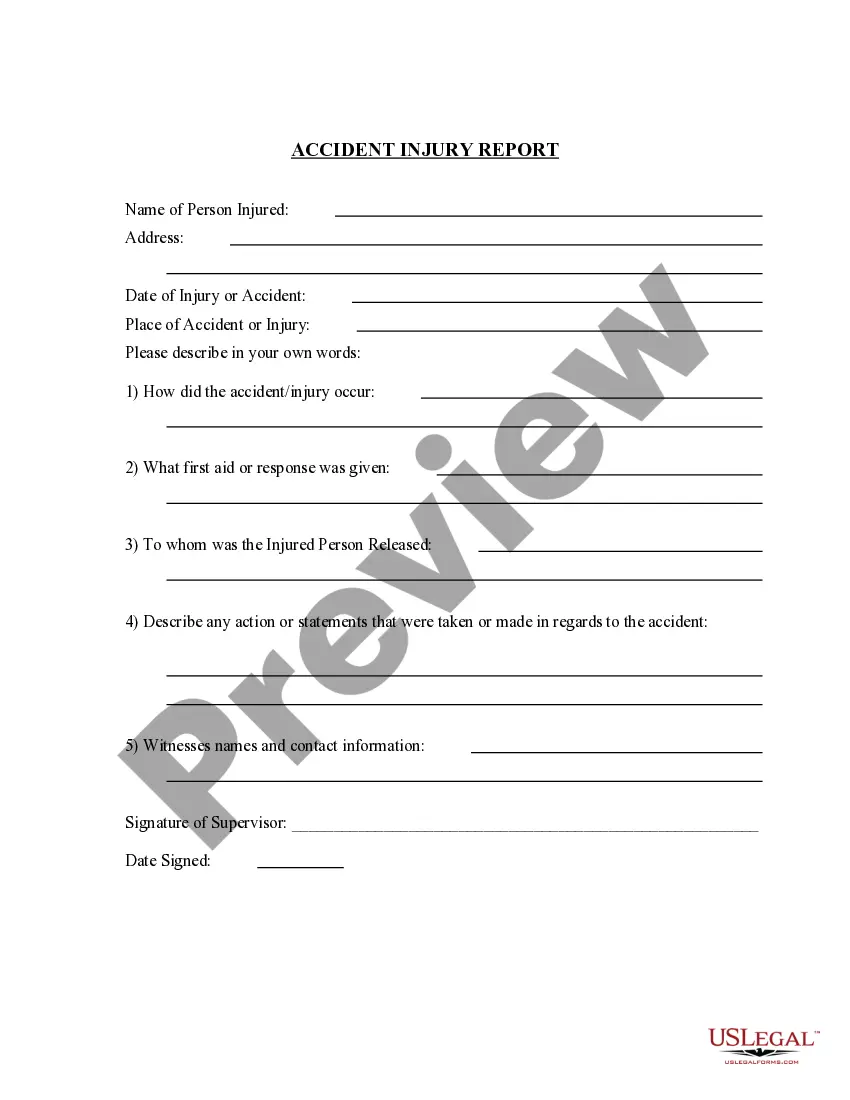
- Use the Preview option to review the document.
- Check the description to ensure you have chosen the correct form.
- If the form isn't what you're searching for, utilize the Search section to find the form that aligns with your needs and specifications.
- If you discover the right form, click Purchase now.
- Select the pricing plan you desire, complete the necessary information to create your account, and pay for the order using your PayPal or credit card.
- Choose a suitable format and download your copy.
Form popularity
FAQ
Generally, "light duty" refers to temporary or permanent work that is physically or mentally less demanding than normal job duties (EEOC, 1996).
Generally, "light duty" refers to temporary or permanent work that is physically or mentally less demanding than normal job duties (EEOC, 1996).
Examples of reasonable adjustments at work include:Adjusting performance requirements of the role.Arranging/allowing flexible working hours.Providing regular breaks.Providing adjustable furniture.
Light duty generally refers to less physically taxing work, often given on a short-term basis to help workers with temporary injuries keep their jobs while they recover. Pregnancy isn't an injury or disability, but pregnant workers may be entitled to light duty under the Pregnancy Discrimination Act (PDA).
Light-duty work generally refers to work that is less physically or mentally demanding than a worker's normal job duties. Light-duty work may be assigned on a temporary basis until an injured worker is fully healed or as a permanent job alteration to comply with doctor restrictions.
Examples of Light-Duty WorkTaking inventories.Performing office tasks.Working a desk job.Supervising and reporting on job sites.Monitoring surveillance cameras.Performing machinery/equipment maintenance.
Light-duty work is usually short term, used to relieve someone of their full work duties while they recover from an injury. Moving a worker from their full-time duties to light-duty work helps them prepare for their eventual return to full-time work while giving them space to recover from their injury or illness.
Light duty is any task that is physically or mentally less demanding than an injured worker's previous job. There is some evidence suggesting that getting injured workers back to work as soon as possible speeds up the recovery process and improves employee morale.