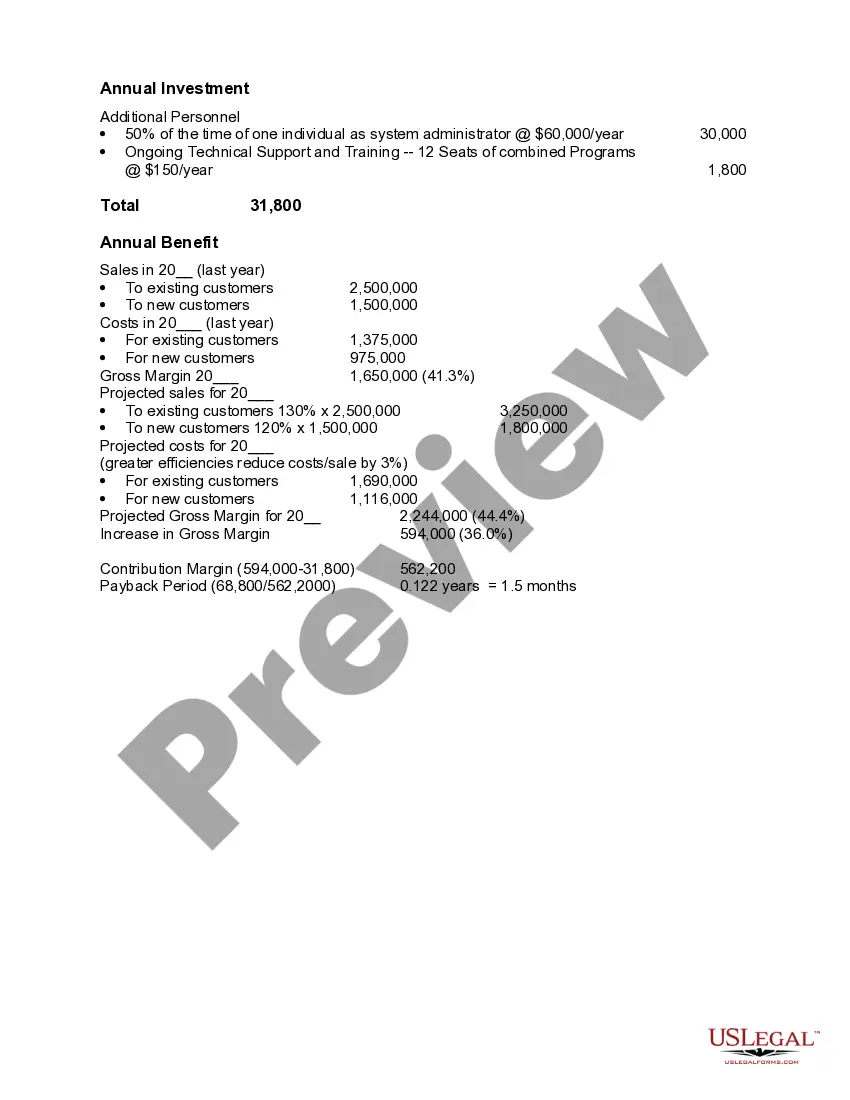
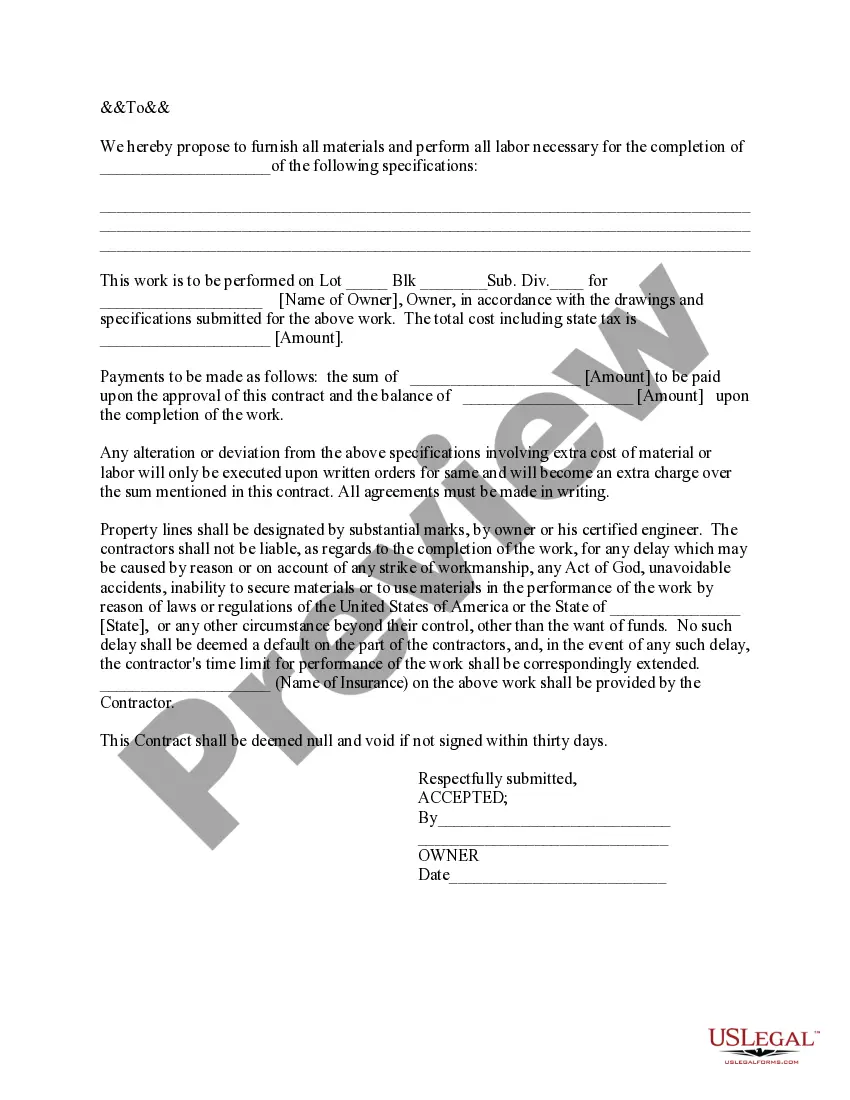
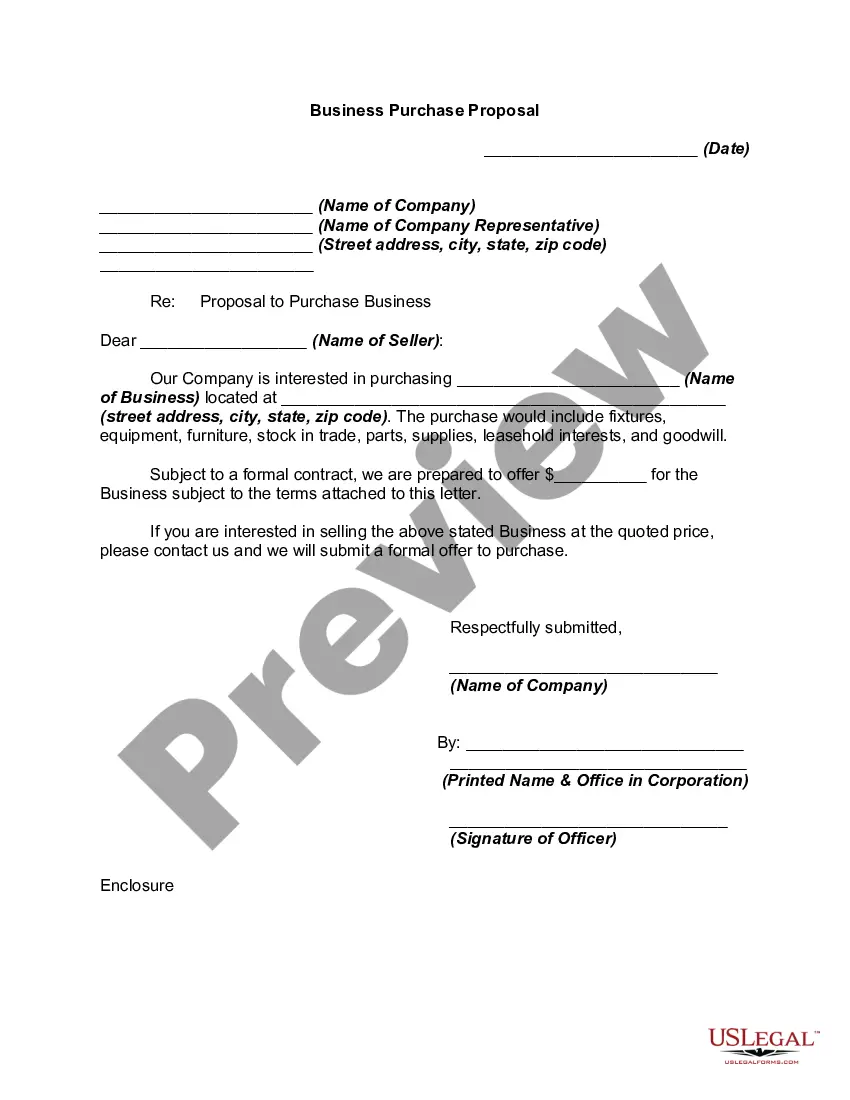
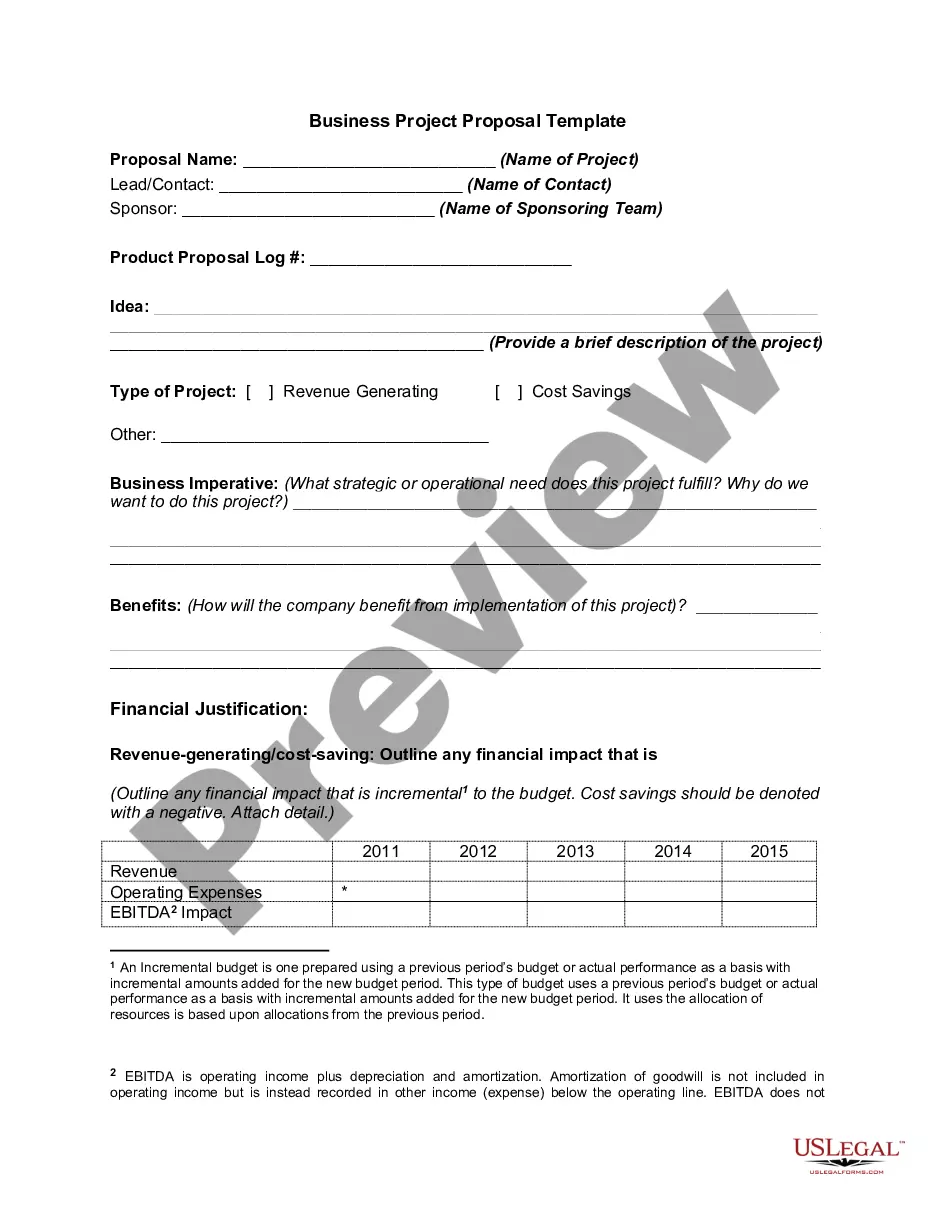
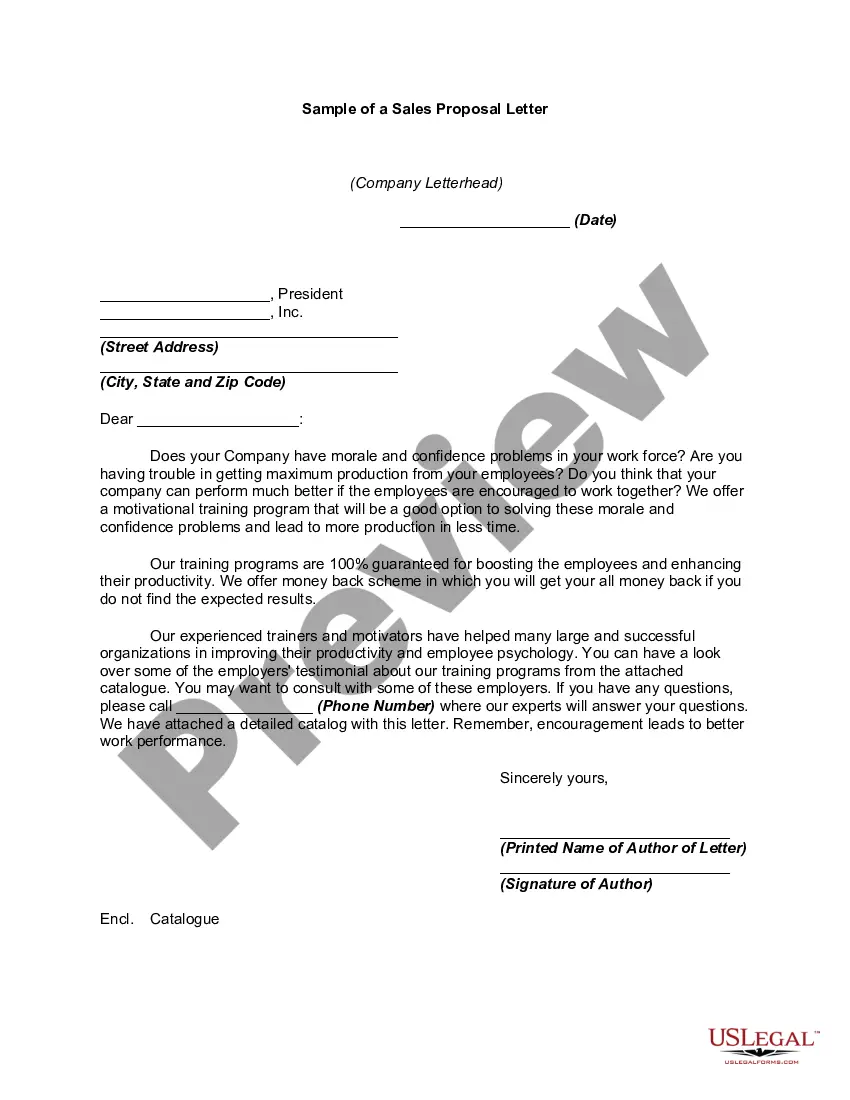
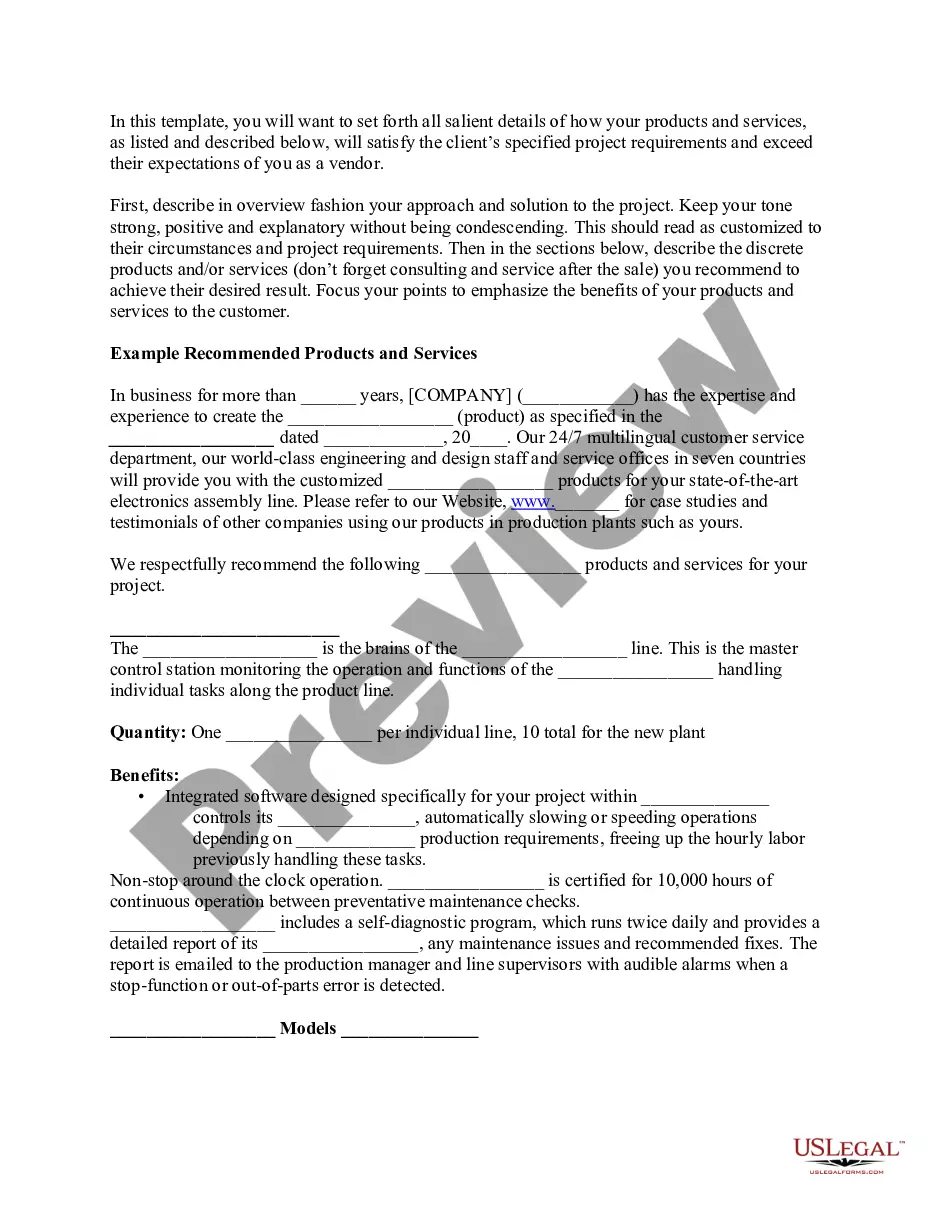
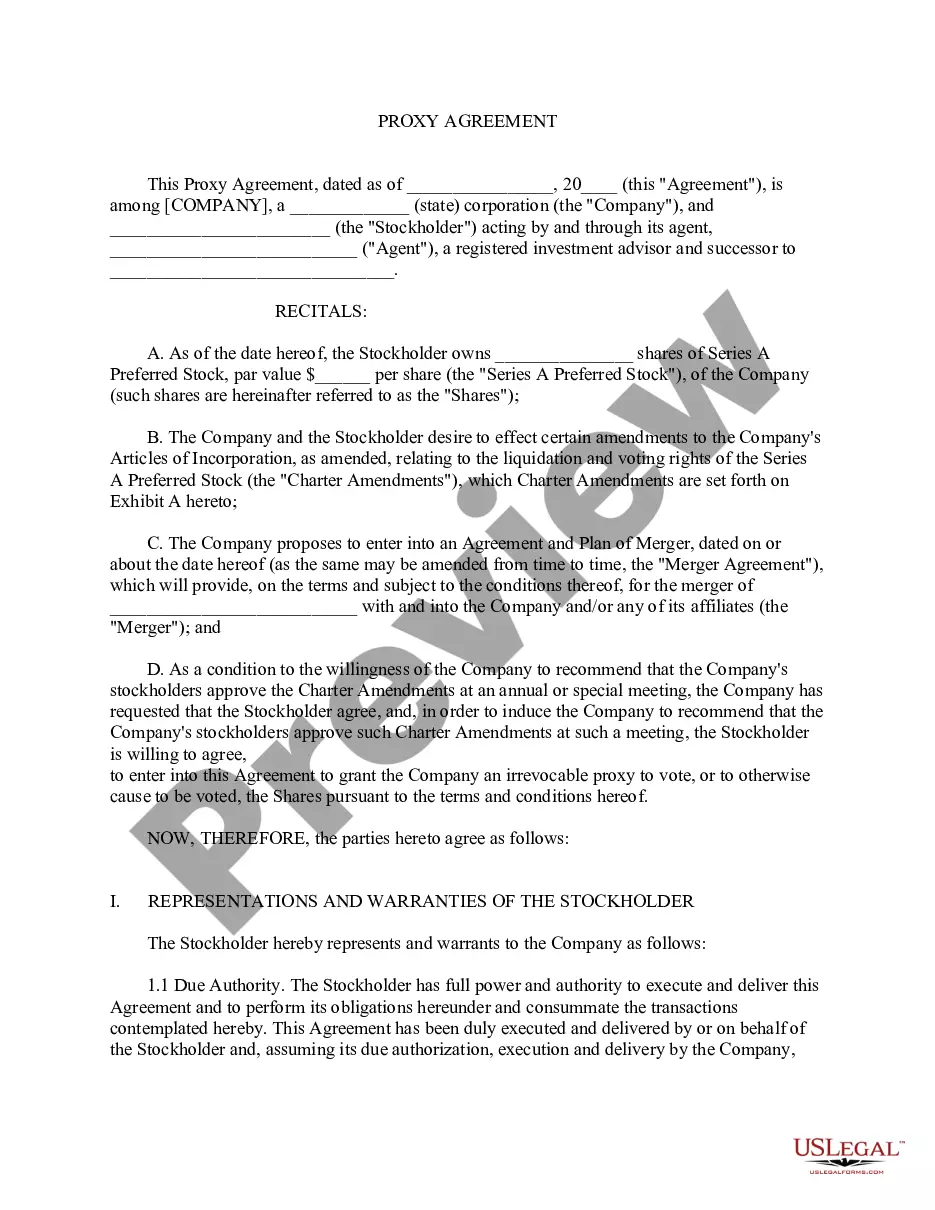
South Carolina Sample Sales Proposal
Description
Get your form ready online
Our built-in tools help you complete, sign, share, and store your documents in one place.
Make edits, fill in missing information, and update formatting in US Legal Forms—just like you would in MS Word.
Download a copy, print it, send it by email, or mail it via USPS—whatever works best for your next step.
Sign and collect signatures with our SignNow integration. Send to multiple recipients, set reminders, and more. Go Premium to unlock E-Sign.
If this form requires notarization, complete it online through a secure video call—no need to meet a notary in person or wait for an appointment.
We protect your documents and personal data by following strict security and privacy standards.

Make edits, fill in missing information, and update formatting in US Legal Forms—just like you would in MS Word.

Download a copy, print it, send it by email, or mail it via USPS—whatever works best for your next step.

Sign and collect signatures with our SignNow integration. Send to multiple recipients, set reminders, and more. Go Premium to unlock E-Sign.

If this form requires notarization, complete it online through a secure video call—no need to meet a notary in person or wait for an appointment.

We protect your documents and personal data by following strict security and privacy standards.
Looking for another form?



How to fill out Sample Sales Proposal?
You might spend numerous hours online trying to locate the appropriate legal document template that meets the federal and state requirements you need.
US Legal Forms offers a vast array of legal forms that have been evaluated by experts.
You can conveniently download or print the South Carolina Sample Sales Proposal from the service.
If you wish to get another version of the form, utilize the Search field to find the template that fits your needs.
- If you already have a US Legal Forms account, you can sign in and select the Obtain option.
- Following that, you can complete, edit, print, or sign the South Carolina Sample Sales Proposal.
- Each legal document template you purchase is yours permanently.
- To obtain another copy of any document you bought, go to the My documents section and click on the corresponding option.
- If you're using the US Legal Forms website for the first time, follow the simple instructions below.
- First, ensure that you have chosen the correct document template for the county/city of your preference.
- Review the form description to verify that you selected the appropriate form.
Form popularity
FAQ
7 strategies for writing a winning sales proposalBe brief. The longer your proposal, the less likely your prospect will finish it.Customize your template.Focus on solving problems, not deliverables.Give them options.Order prices high to low.Use visuals.Keep it simple.
How to write a sales proposalWrite an outline.Define your prospect's problem.Write an executive summary.Do market research.Offer the solution.Identify the deliverables.Know your audience.Be detailed and transparent with pricing.More items...?
How to write a sales letterWrite a catchy headline that grabs your customer's attention.Hook the reader by identifying what they need and why.Include bullet points with key information.Use testimonials or statistics.Give readers a call to action.Offer something to the customer that is limited in time or quantity.More items...?
Here are five elements your sales proposal should include making it persuasive and powerful.An executive summary.The appropriate level of detail.A reason to buy now.An outline of next steps.Easy to read, persuasive design.
How to write a sales proposalWrite an outline.Define your prospect's problem.Write an executive summary.Do market research.Offer the solution.Identify the deliverables.Know your audience.Be detailed and transparent with pricing.More items...?
A sales proposal is a document a person or a business uses to pitch their services or products to potential clients and customers. You might also hear them referred to as business proposals, project proposals, or executive summaries.
Here are five elements your sales proposal should include making it persuasive and powerful.An executive summary.The appropriate level of detail.A reason to buy now.An outline of next steps.Easy to read, persuasive design.
The 10 essential elements every sales proposal must havePersonalized cover letter.Know your customer's motivations.Executive summary.Outcomes.Interactive pricing tables.Compelling imagery.Make an action plan.Include social proof.More items...?
7 strategies for writing a winning sales proposalBe brief. The longer your proposal, the less likely your prospect will finish it.Customize your template.Focus on solving problems, not deliverables.Give them options.Order prices high to low.Use visuals.Keep it simple.
Here's the general structure of a proposal: As you can see, a proposal generally consists of: Introduction: A brief overview of the problem, solution, costs, and benefits. Issue: The main definition of the issue, including subject, purpose, main argument, background information and importance.