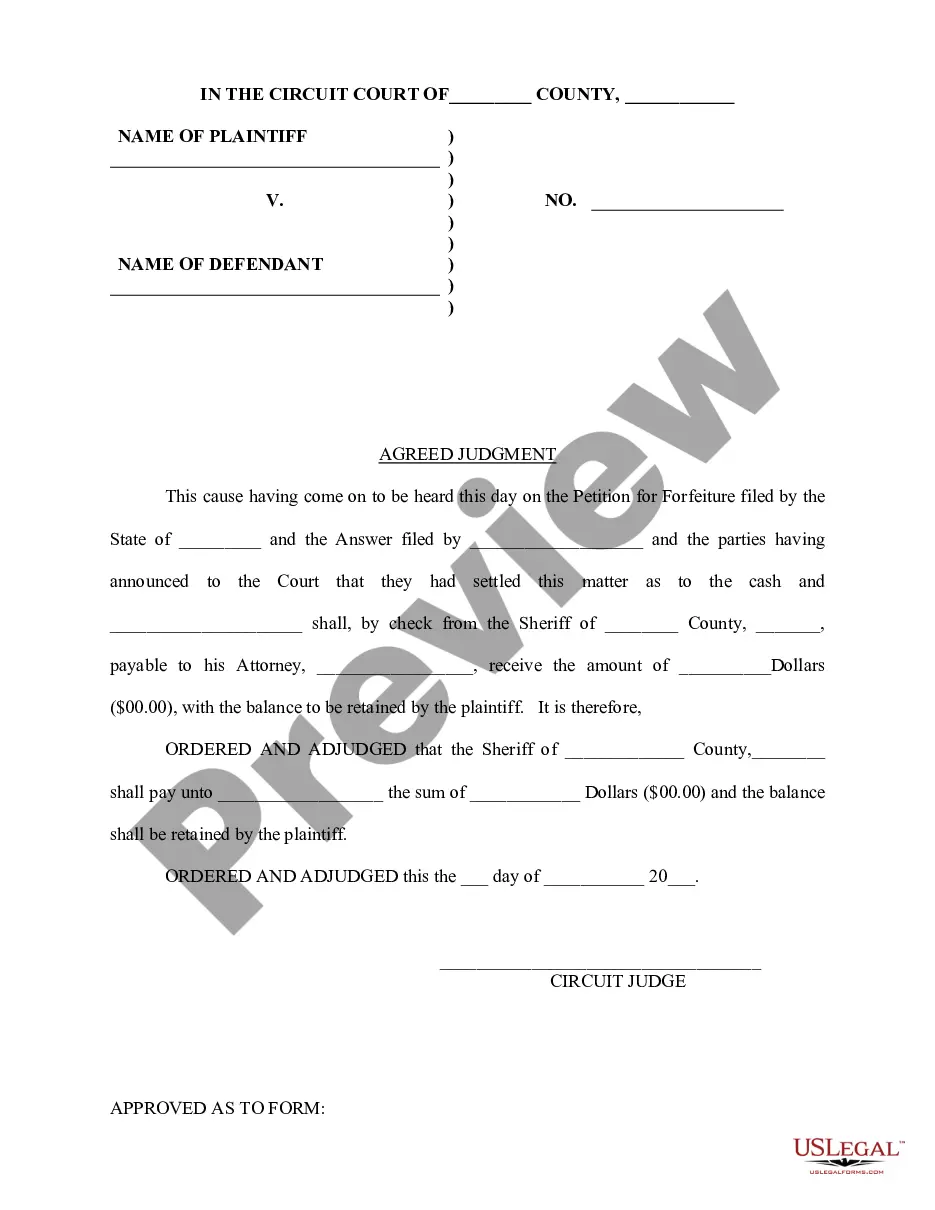
South Carolina Agreed Judgment
Description
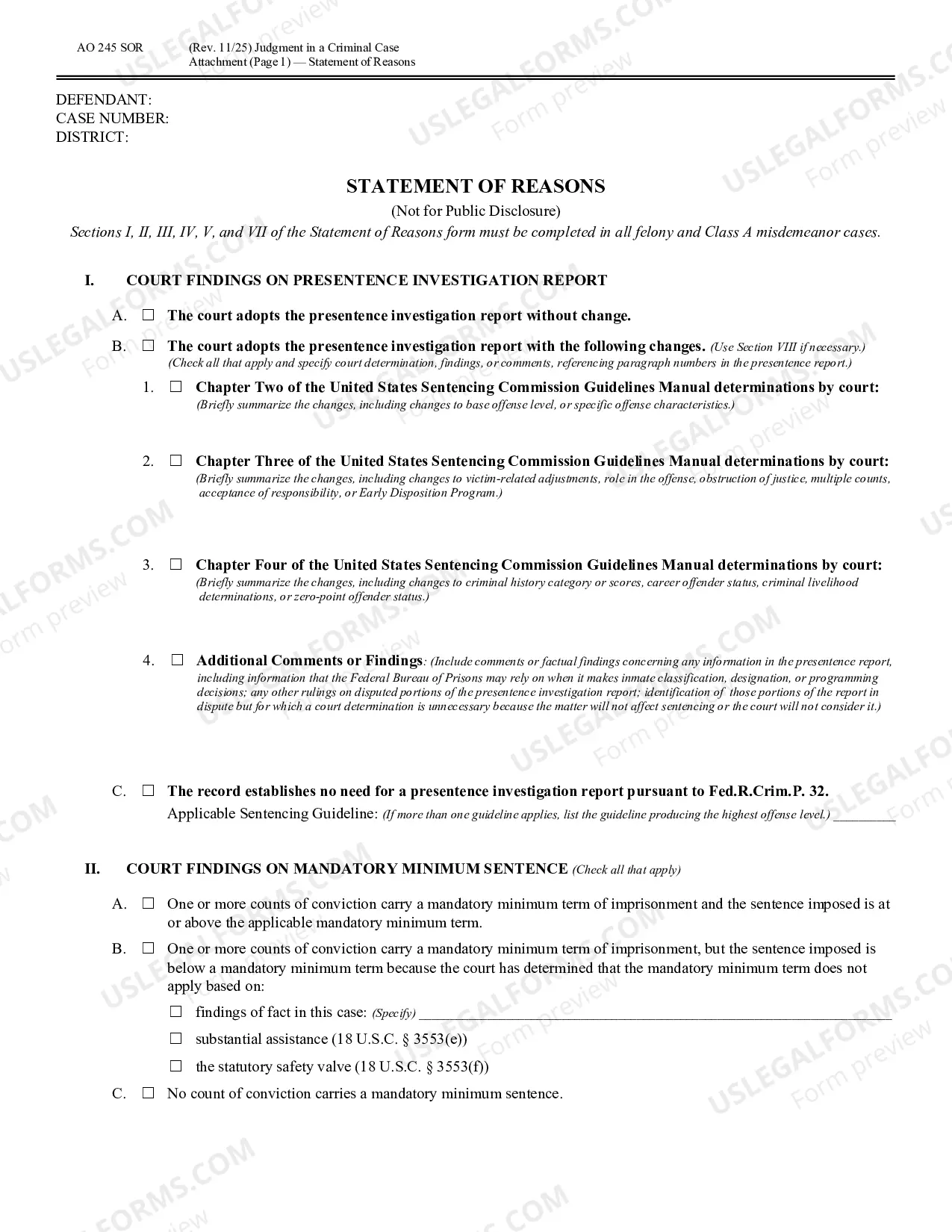
Get your form ready online
Our built-in tools help you complete, sign, share, and store your documents in one place.
Make edits, fill in missing information, and update formatting in US Legal Forms—just like you would in MS Word.
Download a copy, print it, send it by email, or mail it via USPS—whatever works best for your next step.
Sign and collect signatures with our SignNow integration. Send to multiple recipients, set reminders, and more. Go Premium to unlock E-Sign.
If this form requires notarization, complete it online through a secure video call—no need to meet a notary in person or wait for an appointment.
We protect your documents and personal data by following strict security and privacy standards.

Make edits, fill in missing information, and update formatting in US Legal Forms—just like you would in MS Word.

Download a copy, print it, send it by email, or mail it via USPS—whatever works best for your next step.

Sign and collect signatures with our SignNow integration. Send to multiple recipients, set reminders, and more. Go Premium to unlock E-Sign.

If this form requires notarization, complete it online through a secure video call—no need to meet a notary in person or wait for an appointment.

We protect your documents and personal data by following strict security and privacy standards.
Looking for another form?
How to fill out Agreed Judgment?
Are you currently in the location that you require documents for either business or personal purposes almost every day? There are numerous legal document templates available online, but locating reliable ones is not easy.
US Legal Forms offers a wide array of form templates, including the South Carolina Agreed Judgment, which can be completed to satisfy federal and state regulations.
If you are already acquainted with the US Legal Forms website and possess an account, simply Log In. Afterwards, you can download the South Carolina Agreed Judgment template.
Select a convenient file format and download your copy.
Access all the document templates you have purchased in the My documents section. You can obtain another copy of the South Carolina Agreed Judgment anytime, if necessary. Just click the desired form to download or print the format.
- If you do not have an account and wish to start using US Legal Forms, follow these steps.
- Find the form you need and ensure it is for the correct city/county.
- Utilize the Preview button to examine the form.
- Check the details to confirm that you have selected the right form.
- If the form isn’t what you are looking for, use the Lookup section to find the form that suits your needs and requirements.
- Once you find the correct form, click Acquire now.
- Choose the payment plan you desire, fill in the required information to create your account, and pay for the order using your PayPal or Visa or Mastercard.
Form popularity
FAQ
Hear this out loud PauseFirst, the creditor has to apply for an execution by the Sheriff. These executions rarely create any benefits. After the Sheriff returns the execution uncollected (also called Nulla Bona), then the creditor must file an action called Supplemental Proceedings with the Master-in-Equity.
Hear this out loud PauseCan I go to jail for not paying a judgment? No, you cannot go to jail for not paying a judgment. A judgment means the company can try to collect from you, it does not mean you have to pay them if you are unable to. (See South Carolina Legal Services' brochure: ?Being Judgment Proof?.
Hear this out loud PauseIn South Carolina, a judgment lien can be attached to real estate only.
Generally, where the court's judgment requires payment of money, the most common remedy in magistrate's court is execution. The process to enforce a judgment for the payment of money shall be by writ of execution and shall be conducted as provided by law.
A magistrate's judgment is valid for three years, whereas a circuit court judgment is valid for ten years. Therefore, the filing of a magistrate's judgment in circuit court extends the life of the judgment to that of the circuit court's. Judgments in South Carolina may not be renewed.
If you have won a civil lawsuit in South Carolina, your judgment will be valid for 10 years from the date the judgment is entered.
Hear this out loud PauseA magistrate's judgment is valid for three years, whereas a circuit court judgment is valid for ten years. Therefore, the filing of a magistrate's judgment in circuit court extends the life of the judgment to that of the circuit court's. Judgments in South Carolina may not be renewed.
Any party in a civil action, except a domestic relations action, may file, no later than twenty days before the trial date, a written offer of judgment signed by the offeror or his attorney, directed to the opposing party, offering to take judgment in the offeror's favor, or to allow judgment to be taken against the ...