Balance Sheet Notes Payable
Overview of this form
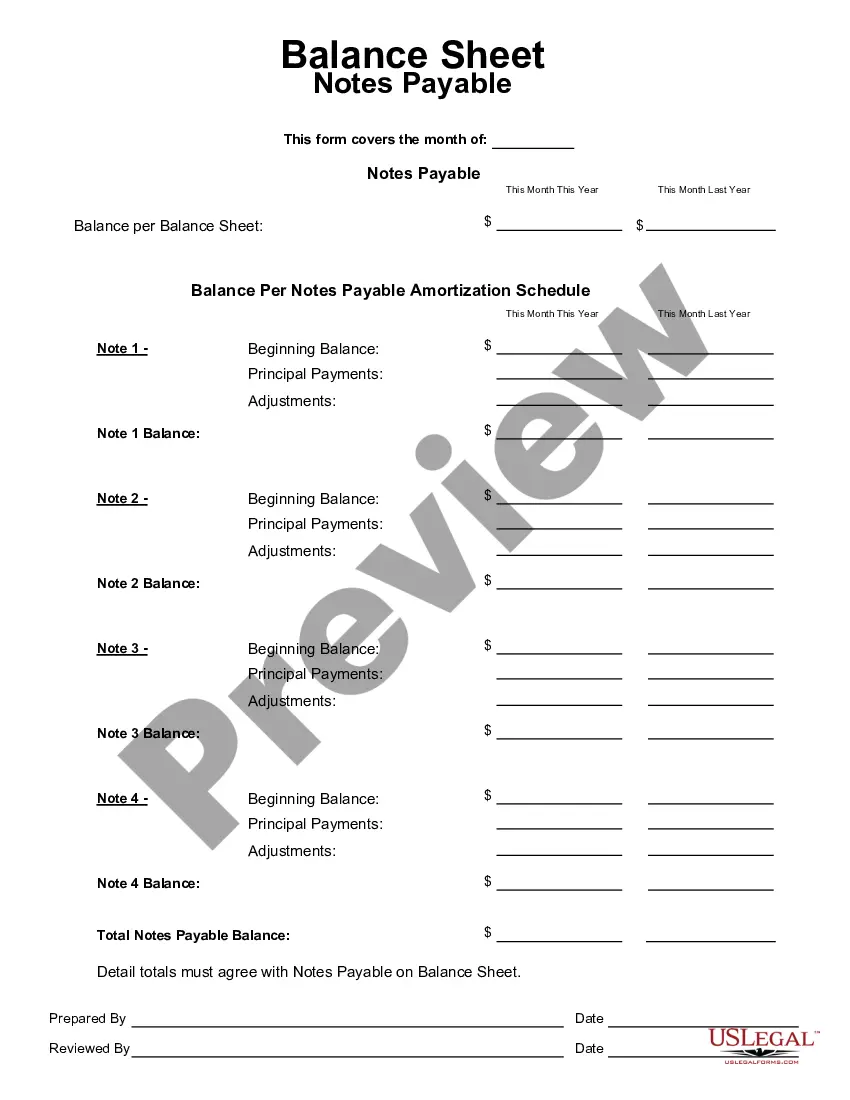
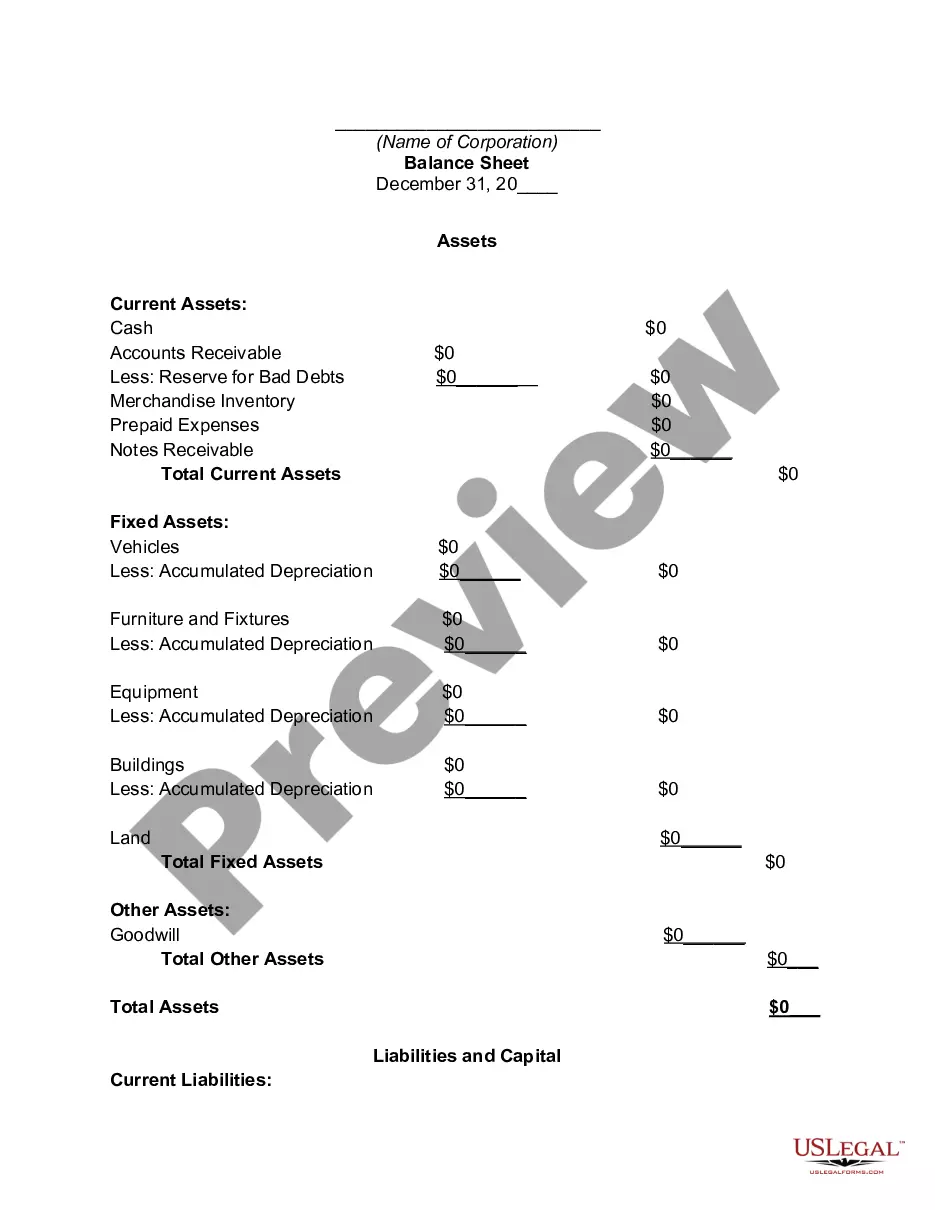
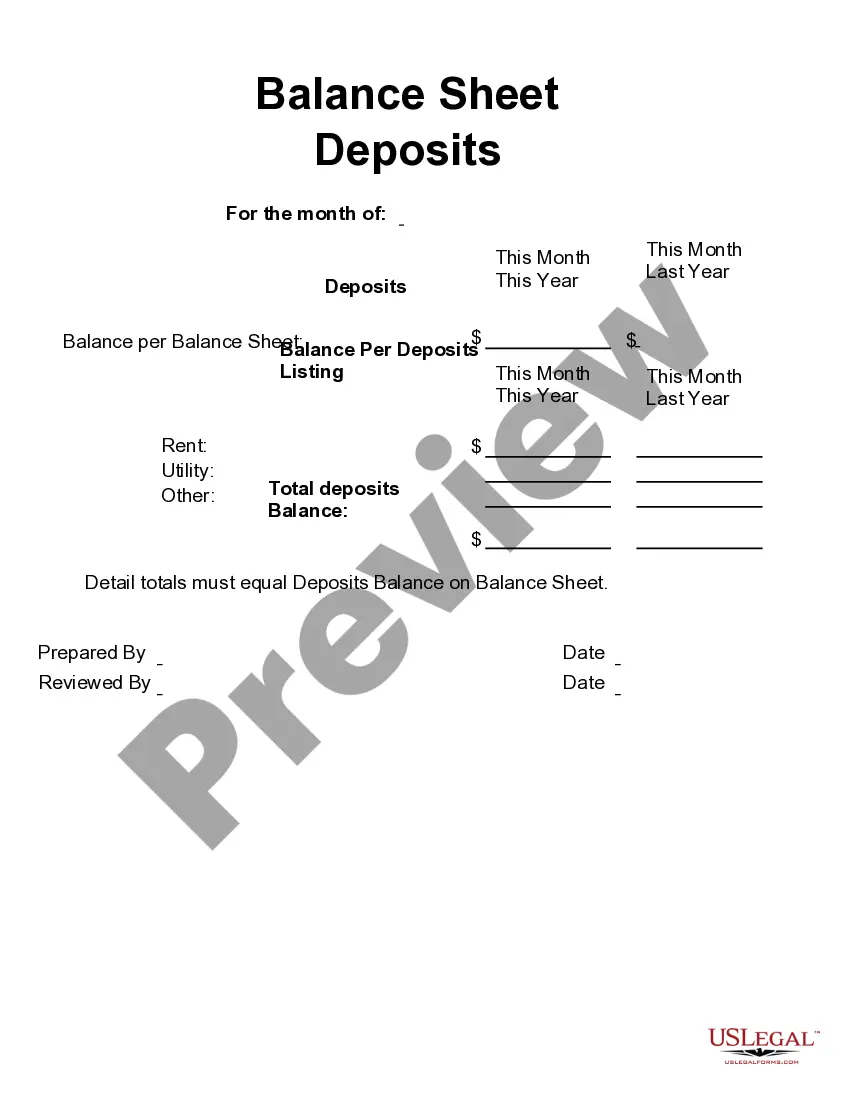
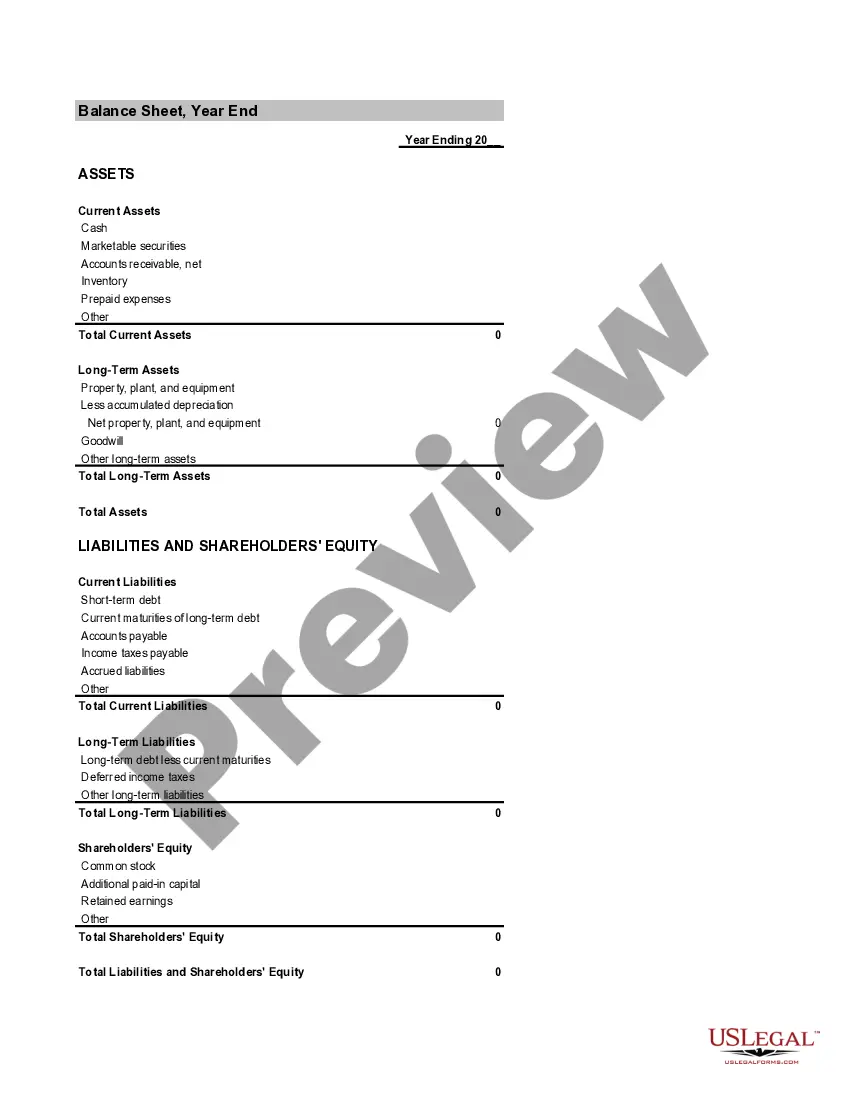
The Balance Sheet Notes Payable is a financial document used by businesses to detail outstanding debts owed to creditors. This form serves to organize the information regarding the company's notes payable, making it easier to track financial obligations and amortization schedules. Unlike other financial forms, this specific document focuses on short-term and long-term liabilities, providing a clear snapshot of what the business owes at a given time.
Form components explained
- Balance per Balance Sheet
- Balance per Notes Payable Amortization Schedule
- Detailed entries for each note, including beginning balance, principal payments, and adjustments
- Total notes payable balance
- Sections for preparation and review dates
When to use this form
This form is typically used during financial reporting periods or when the company needs to assess its liabilities. Businesses should utilize it when preparing balance sheets, conducting audits, or loan applications to clearly outline their notes payable. It is also beneficial during financial planning to ensure that all debts are accounted for and managed appropriately.
Who can use this document
The following parties may find this form useful:
- Business owners looking to organize their liabilities
- Accountants managing financial statements
- Financial analysts assessing a company's debt
- Loan officers reviewing business finances
Instructions for completing this form
- Start by entering the balance per the balance sheet.
- Fill in the balance per the notes payable amortization schedule for the current month and year.
- Update individual notes, including beginning balance, principal payments, and any adjustments for each note.
- Calculate the total notes payable balance and ensure it aligns with the overall balance sheet.
- Include the date of preparation and review at the end of the document.
Notarization requirements for this form
This form does not typically require notarization unless specified by local law.
Get your form ready online
Our built-in tools help you complete, sign, share, and store your documents in one place.
Make edits, fill in missing information, and update formatting in US Legal Forms—just like you would in MS Word.
Download a copy, print it, send it by email, or mail it via USPS—whatever works best for your next step.
Sign and collect signatures with our SignNow integration. Send to multiple recipients, set reminders, and more. Go Premium to unlock E-Sign.
If this form requires notarization, complete it online through a secure video call—no need to meet a notary in person or wait for an appointment.
We protect your documents and personal data by following strict security and privacy standards.

Make edits, fill in missing information, and update formatting in US Legal Forms—just like you would in MS Word.

Download a copy, print it, send it by email, or mail it via USPS—whatever works best for your next step.

Sign and collect signatures with our SignNow integration. Send to multiple recipients, set reminders, and more. Go Premium to unlock E-Sign.

If this form requires notarization, complete it online through a secure video call—no need to meet a notary in person or wait for an appointment.

We protect your documents and personal data by following strict security and privacy standards.
Avoid these common issues
- Forgetting to update the beginning balance when adding new notes payable.
- Omitting adjustments for notes that have undergone changes during the period.
- Failing to check that the total notes payable matches the balance sheet.
Benefits of using this form online
- Convenient access from any device at any time.
- Editable fields for easy customization and accuracy.
- Reliable templates created by licensed attorneys, ensuring compliance with legal standards.
Legal use & context
- The form is used for accurate financial reporting to stakeholders.
- Provides a clear record of liabilities necessary for audits and financial evaluations.
- Ensures compliance with accounting standards by detailing notes payable appropriately.
Summary of main points
- The Balance Sheet Notes Payable form is essential for tracking business liabilities.
- It helps businesses accurately report their financial condition.
- Users must ensure accuracy in entering financial details for effective use.
Looking for another form?

Form popularity
FAQ
Recording the purchase of office equipment through notes payable requires that the notes payable is placed as a credit and the office equipment as a debit. This is because assets increase with debits and debits equal credits. Related interest expense is recorded as a debit and interest payable as a credit.
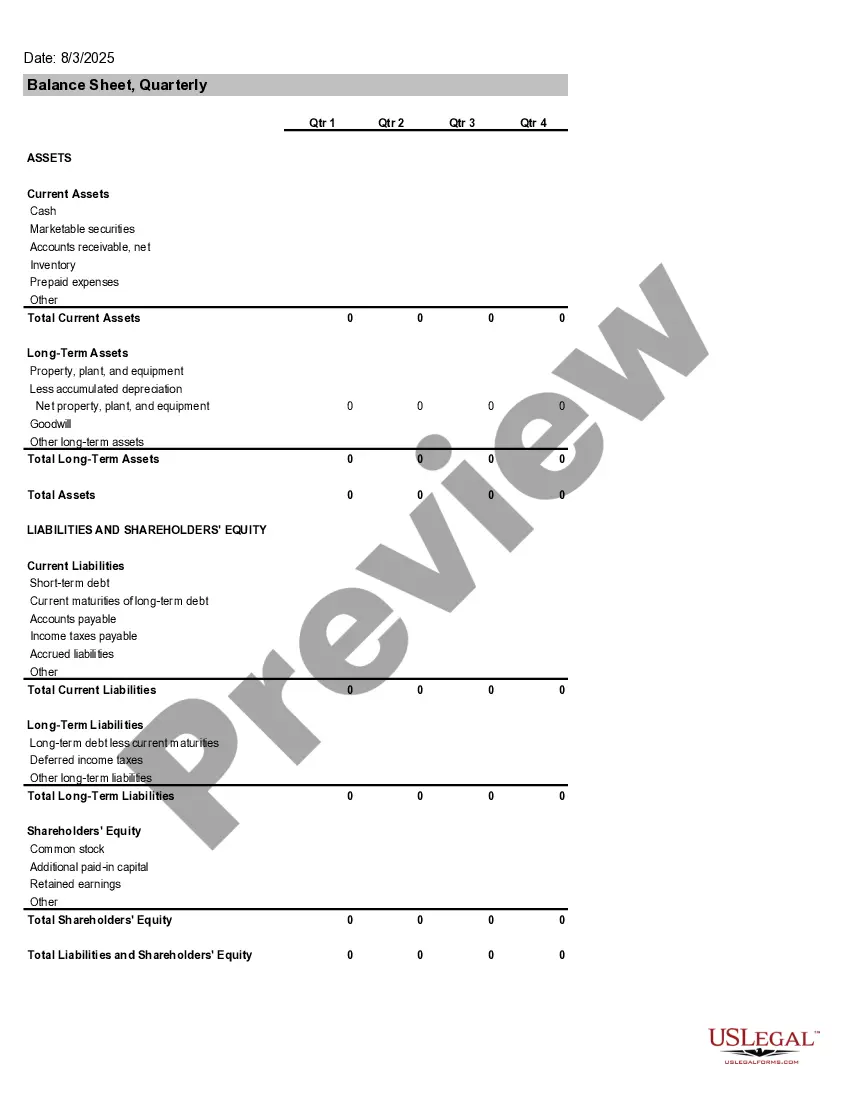
Notes Payable on a Balance SheetNotes payable appear as liabilities on a balance sheet.When a note's maturity is more than one year in the future, it is classified with long-term liabilities. An example of different accounts on a balance sheet: Notice how notes payable can be short-term or long-term in nature.
When repaying a loan, the company records notes payable as a debit entry, and credits the cash account, which is recorded as a liability on the balance sheet.
Accounts payable is listed on a company's balance sheet. Accounts payable is a liability since it's money owed to creditors and is listed under current liabilities on the balance sheet. Current liabilities are short-term liabilities of a company, typically less than 90 days.
Notes payable appear as liabilities on a balance sheet.When a note's maturity is more than one year in the future, it is classified with long-term liabilities. An example of different accounts on a balance sheet: Notice how notes payable can be short-term or long-term in nature.
The notes payable is in the liabilities section of the balance sheet. If you will pay off the principal in less than a year, it is in current liabilities. If it takes more than a year, it is a long-term liability.
Recording the purchase of office equipment through notes payable requires that the notes payable is placed as a credit and the office equipment as a debit. This is because assets increase with debits and debits equal credits. Related interest expense is recorded as a debit and interest payable as a credit.
Current liabilities are typically settled using current assets, which are assets that are used up within one year. Examples of current liabilities include accounts payable, short-term debt, dividends, and notes payable as well as income taxes owed.
Notes payable is a liability account where a borrower records a written promise to repay the lender. When carrying out and accounting for notes payable, "the maker" of the note creates liability by borrowing from another entity, promising to repay the payee with interest.