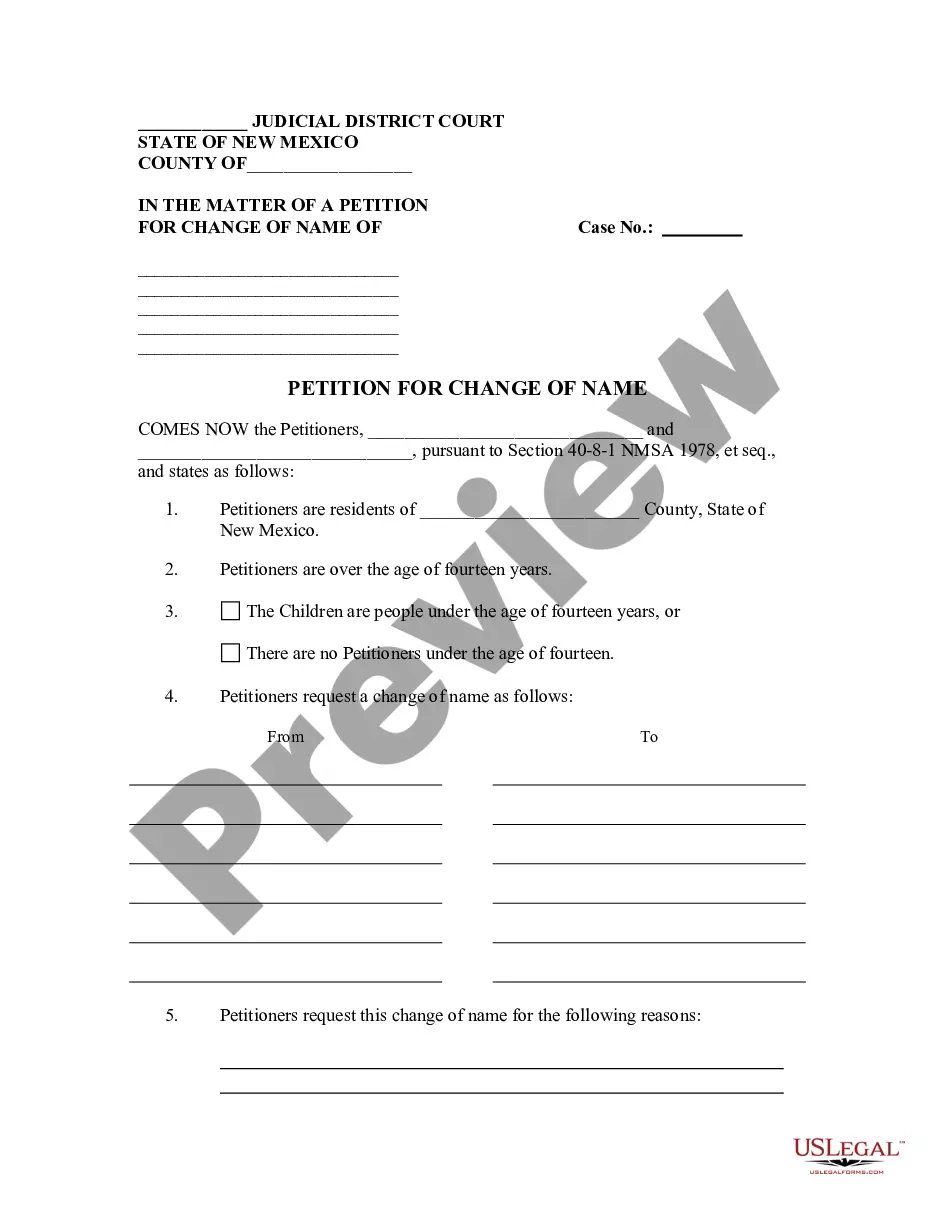
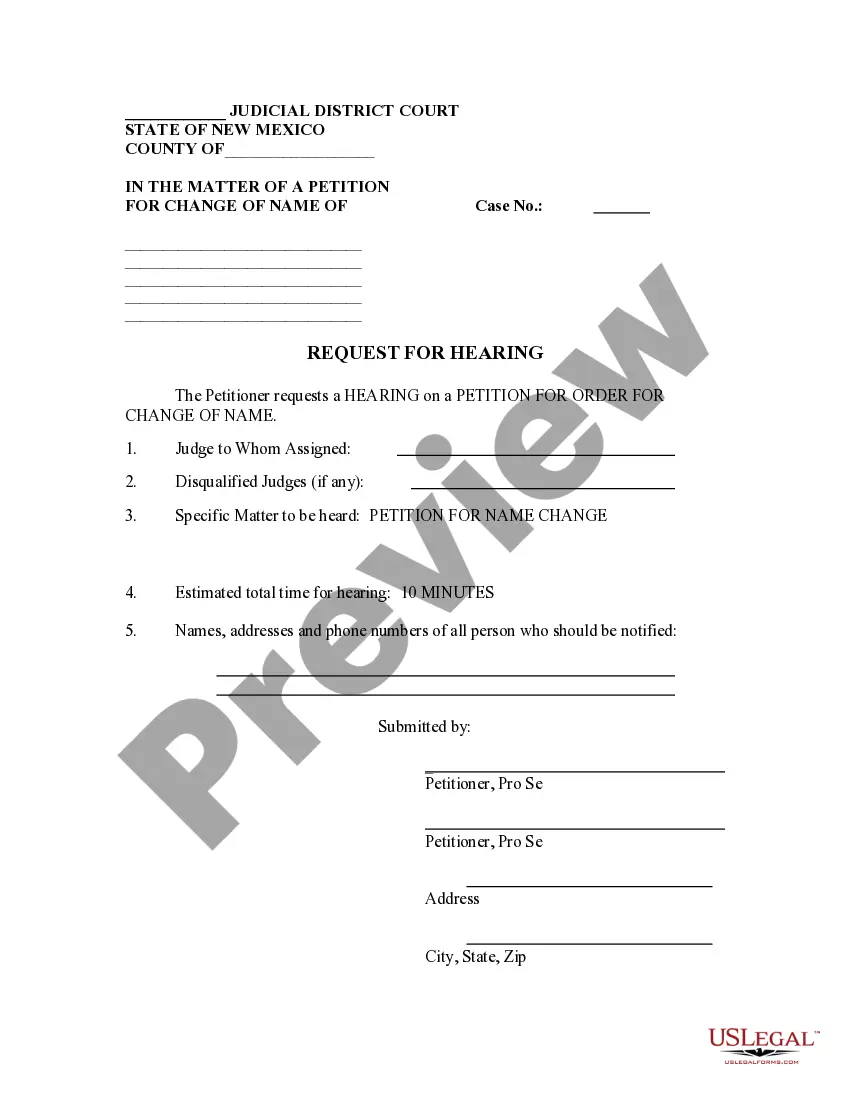
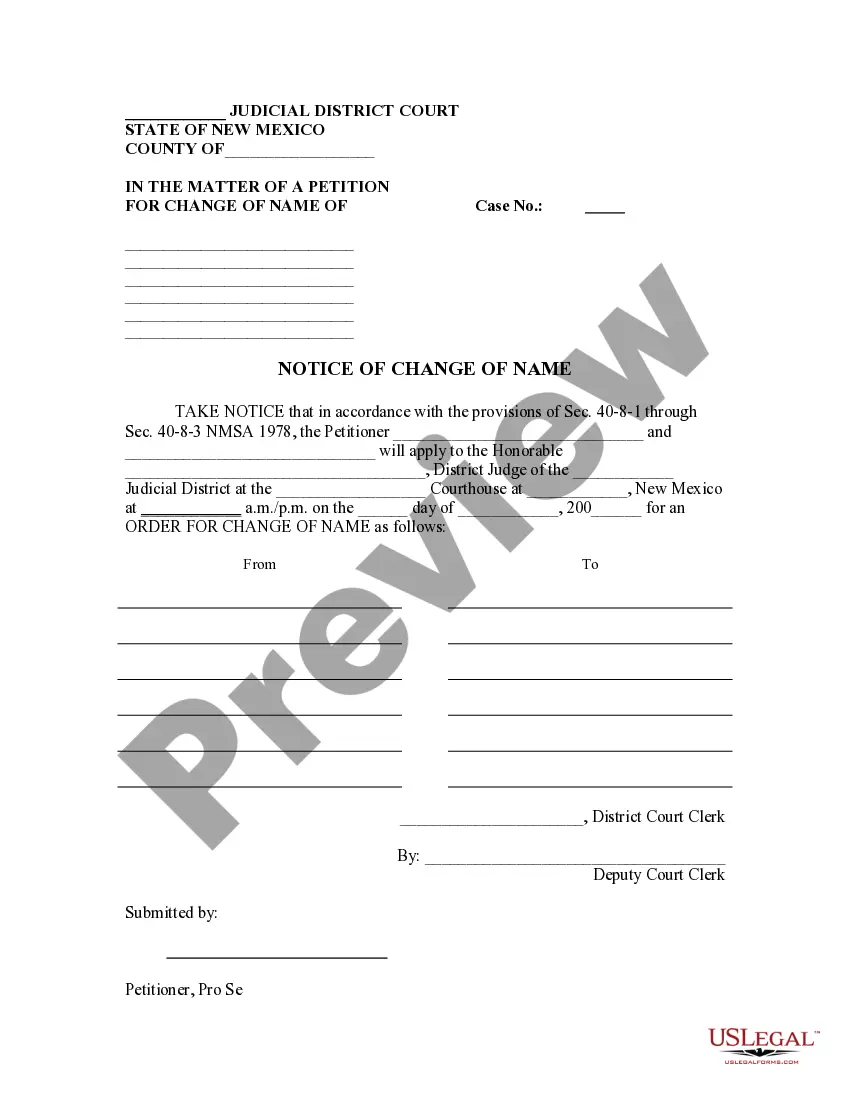
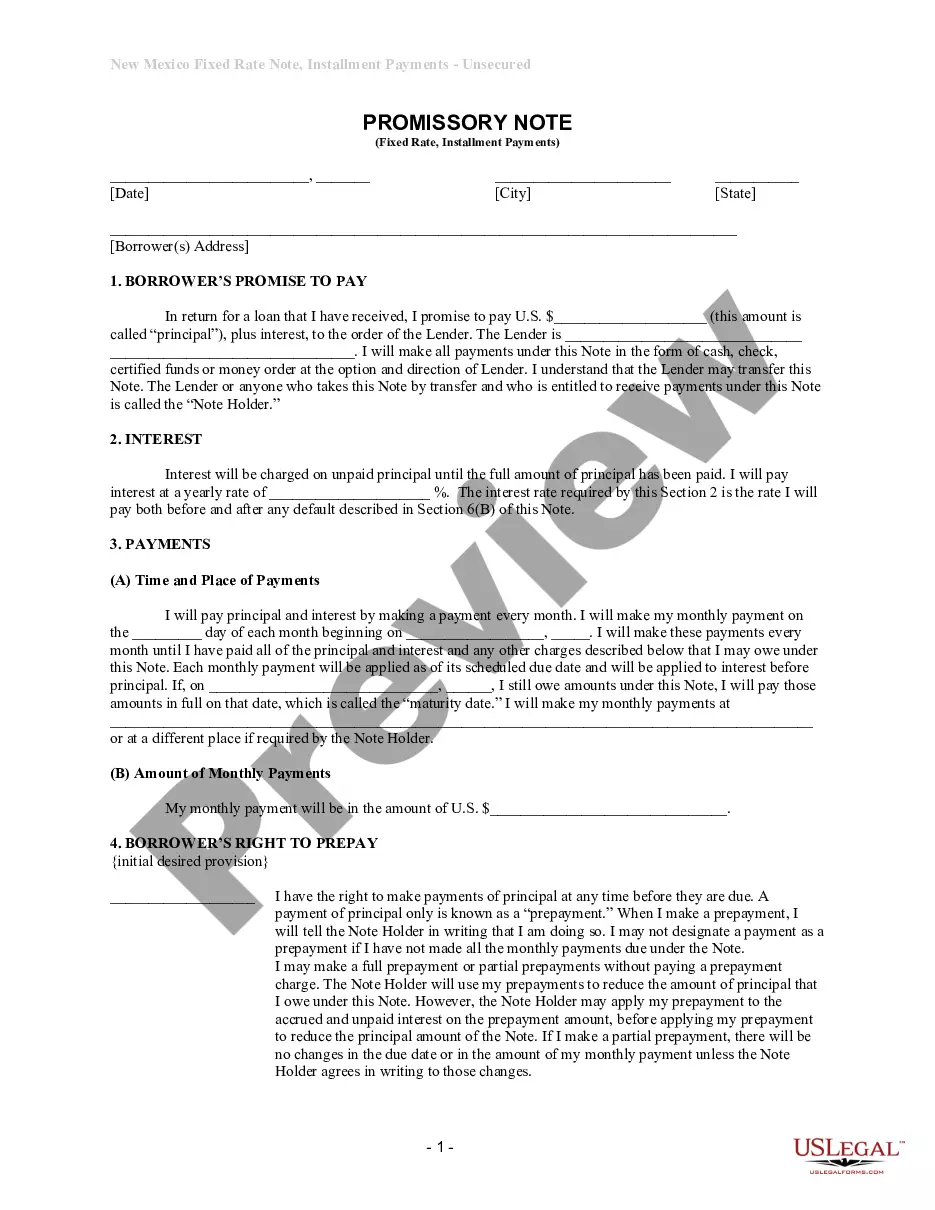
South Carolina Probate Court Guidelines
Description

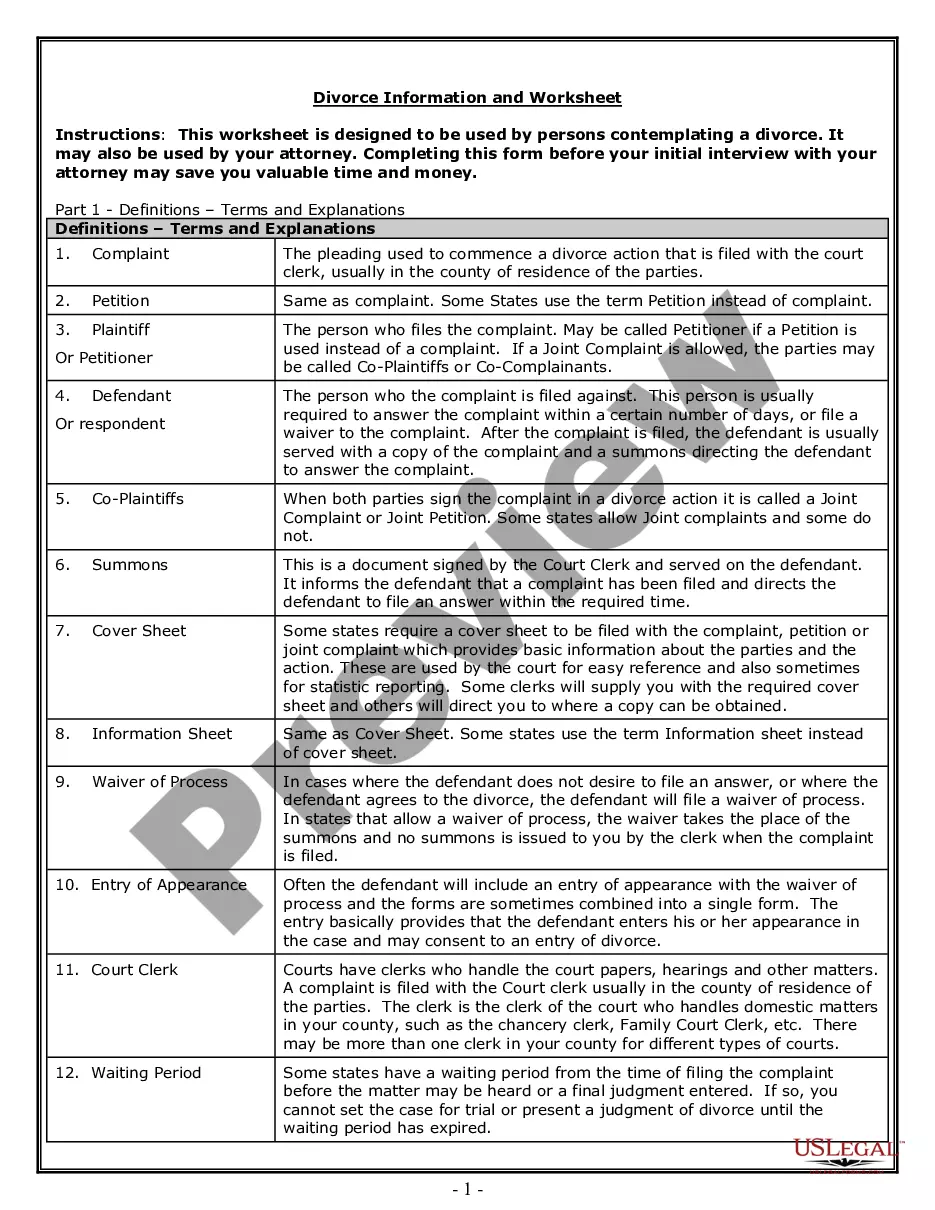

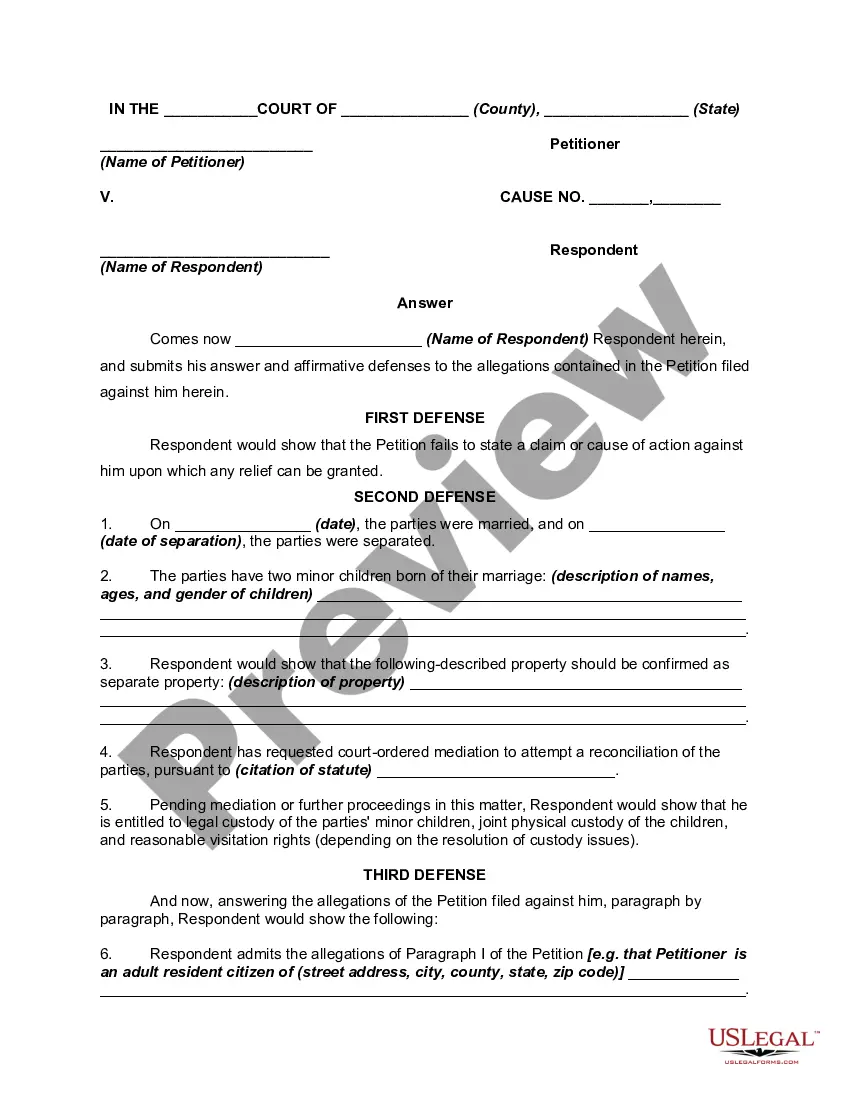

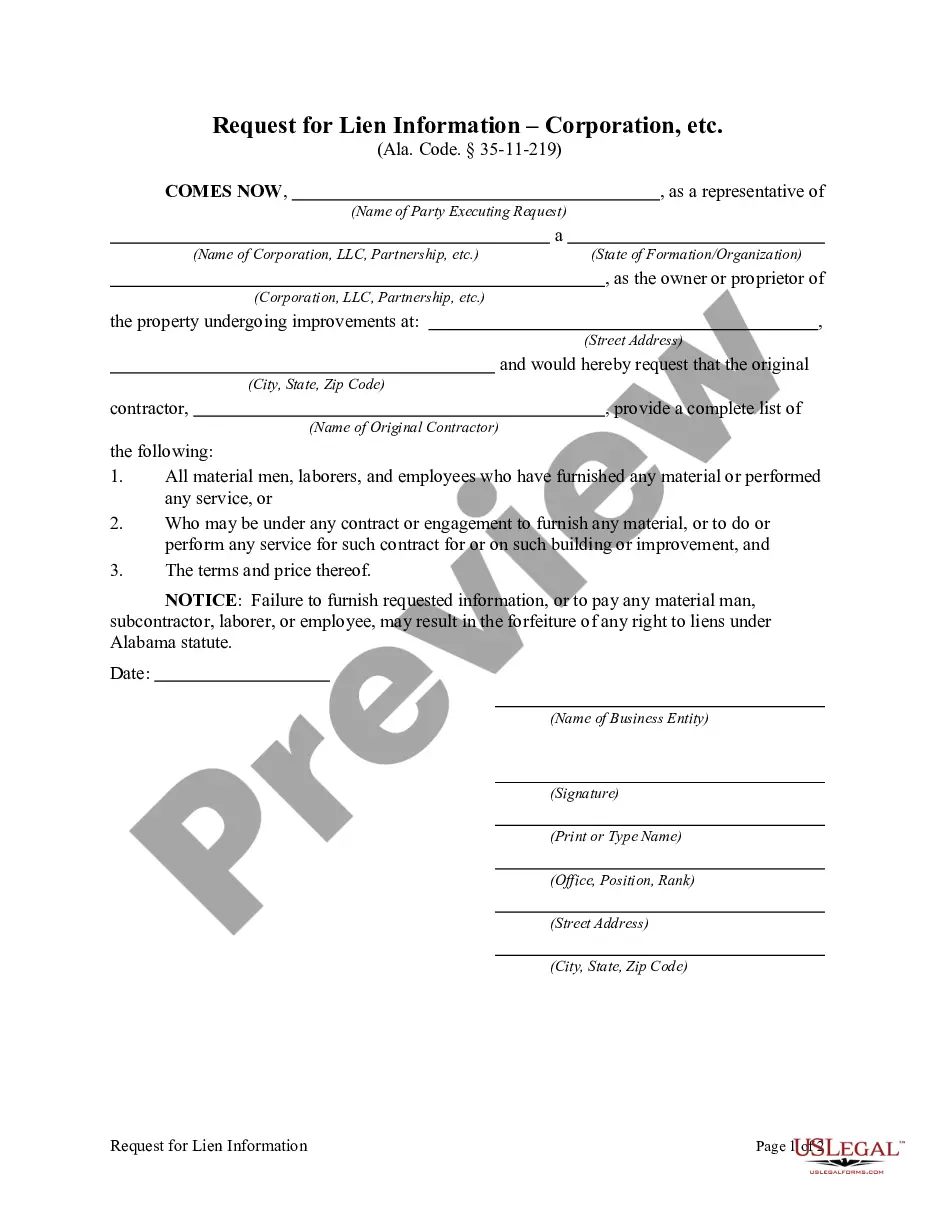

How to fill out South Carolina Probate Court Guidelines?
How much time and resources do you often spend on drafting official documentation? There’s a greater option to get such forms than hiring legal experts or wasting hours browsing the web for a proper template. US Legal Forms is the leading online library that offers professionally designed and verified state-specific legal documents for any purpose, including the South Carolina Probate Court Guidelines.
To get and complete an appropriate South Carolina Probate Court Guidelines template, adhere to these simple instructions:
- Examine the form content to make sure it complies with your state requirements. To do so, check the form description or utilize the Preview option.
- If your legal template doesn’t meet your needs, locate a different one using the search bar at the top of the page.
- If you already have an account with us, log in and download the South Carolina Probate Court Guidelines. Otherwise, proceed to the next steps.
- Click Buy now once you find the correct document. Choose the subscription plan that suits you best to access our library’s full service.
- Create an account and pay for your subscription. You can make a payment with your credit card or via PayPal - our service is absolutely reliable for that.
- Download your South Carolina Probate Court Guidelines on your device and fill it out on a printed-out hard copy or electronically.
Another benefit of our service is that you can access previously acquired documents that you securely store in your profile in the My Forms tab. Get them anytime and re-complete your paperwork as often as you need.
Save time and effort preparing legal paperwork with US Legal Forms, one of the most trustworthy web services. Sign up for us today!
Form popularity
FAQ
South Carolina probate follows this general flow: contact the court, get appointed as personal representative, submit will if it exists, inventory and submit valuations of all relevant assets, have the court and beneficiaries approve it, and then distribute the assets to beneficiaries.
Is Probate Required in South Carolina? In most cases, the answer is ?yes.? Probate will be a necessary step in distributing he assets of the estate. The court monitors this process to ensure the decedent's wishes are followed as indicated in the will.
If you are unmarried and die intestate in South Carolina and have children, your children will inherit your estate in equal shares. If the deceased has no children but has living parents, their estate will pass on to their parents. If parents are no longer living, the estate then goes to siblings.
In South Carolina, you will need an Order from the Probate Court in order to transfer the title of the vehicle to your name if you are not considered a surviving owner.
In South Carolina, the following assets are subject to probate: Property only held in the deceased's name. Any real estate that the decedent held as a tenant in common. The deceased's interest in an LLC, corporation or a partnership.
Do All Estates Have to Go Through Probate in South Carolina? Most estates will need to go through probate before the assets can be distributed. You may qualify for a simplified version of probate which is less time-consuming and completed in a shorter timeframe. The value must be $25,000 or less.
In South Carolina, you can use an Affidavit if an estate value is less than $25,000. You must wait 30 days after the death, and a probate judge will need to approve it. There is also potential to use a summary probate procedure, which is a possibility when an estate value is less than $25,000.