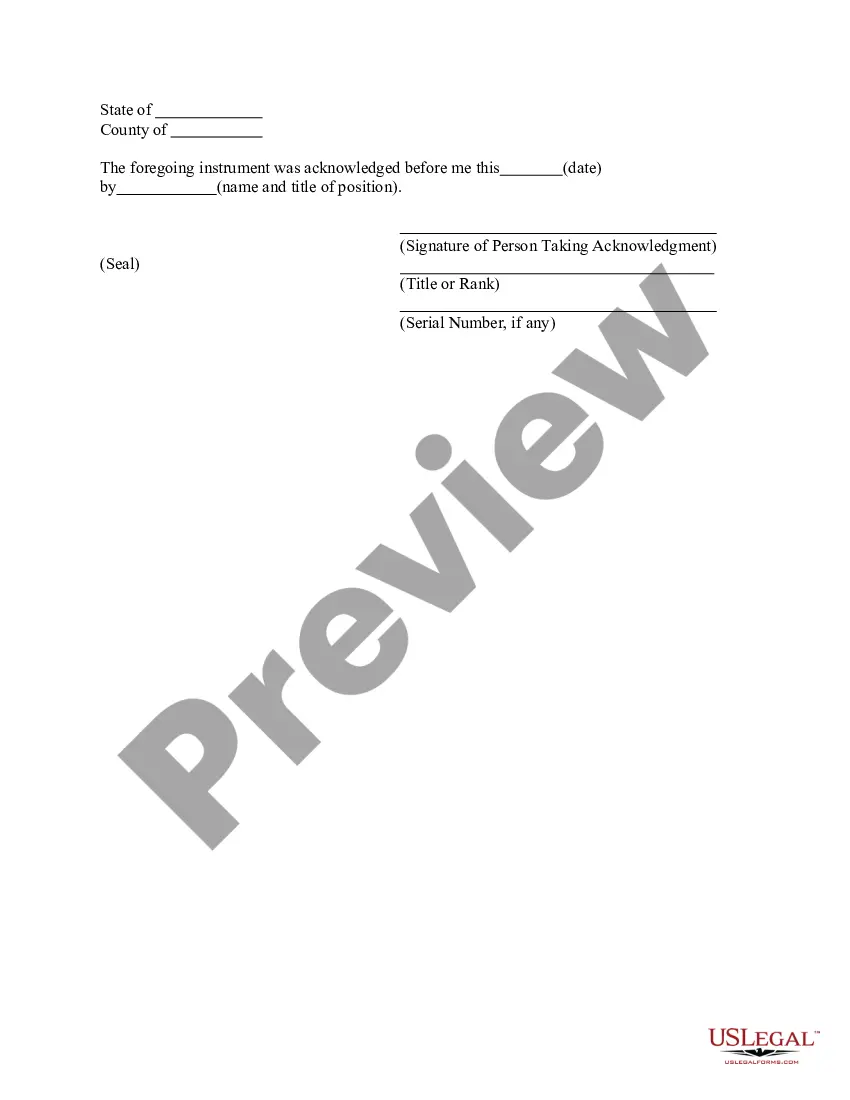
South Carolina Acknowledgment by Public Officer
Understanding this form
The Acknowledgment by Public Officer is a legal document that certifies that a particular act, statement, or signature has been formally acknowledged by a public officer. This form is typically used to provide proof of acknowledgment in various legal processes, differentiating it from other notarial acts by emphasizing the role of a designated public official in ensuring the integrity of the acknowledgment. It serves as an official record that can be utilized in court or other legal contexts when required.
Key components of this form
- Date of acknowledgment.
- Name and title of the public officer performing the acknowledgment.
- Signature of the public officer.
- Seal of the public officer, if applicable.
- Space for additional relevant information, such as a serial number.
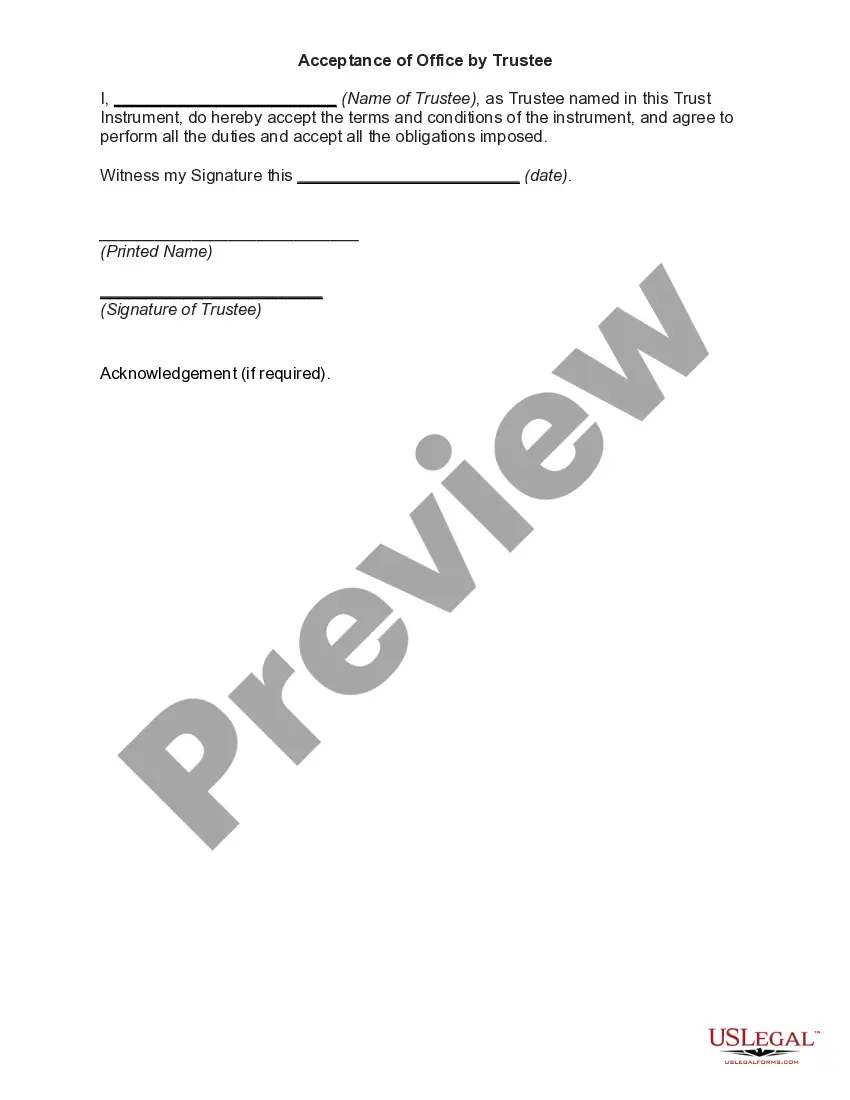

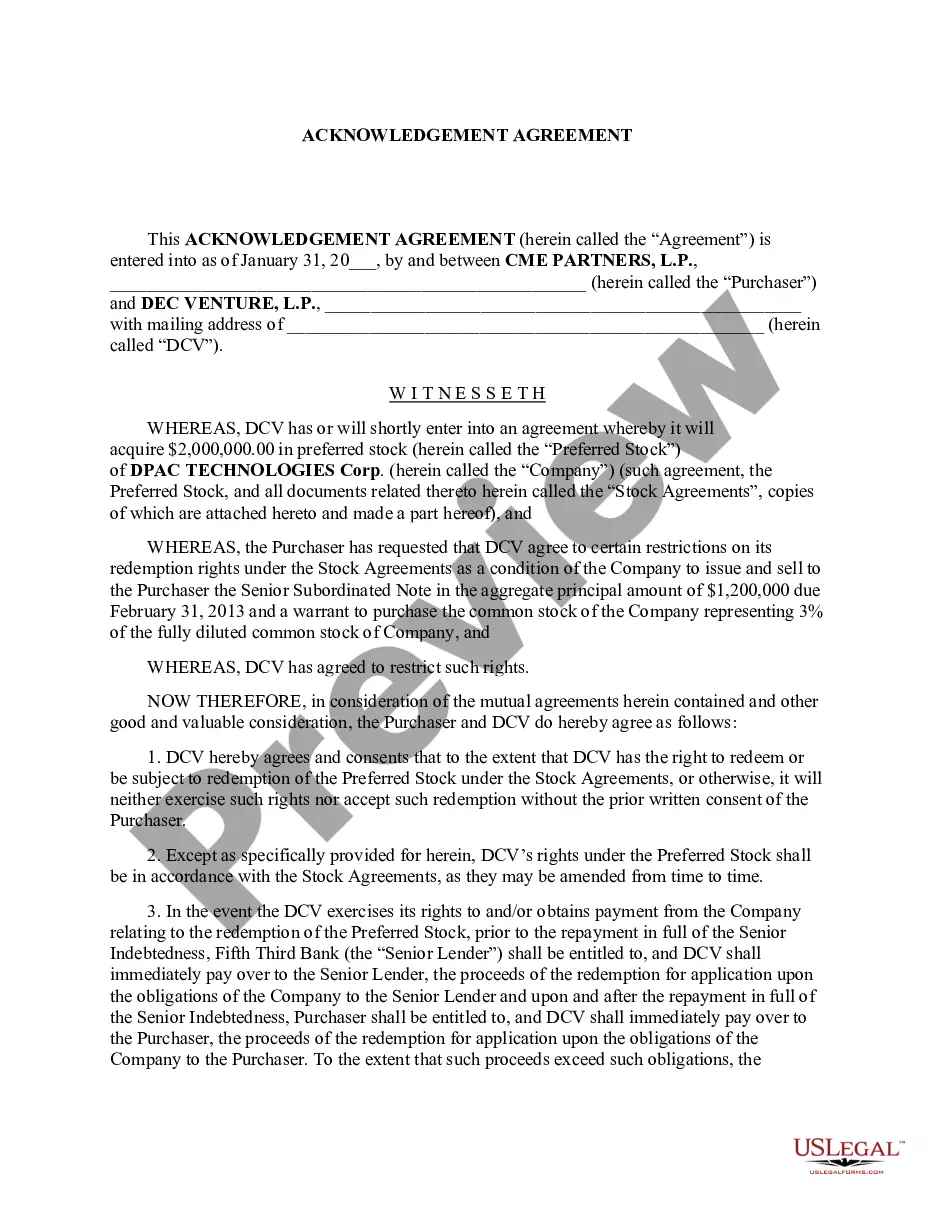
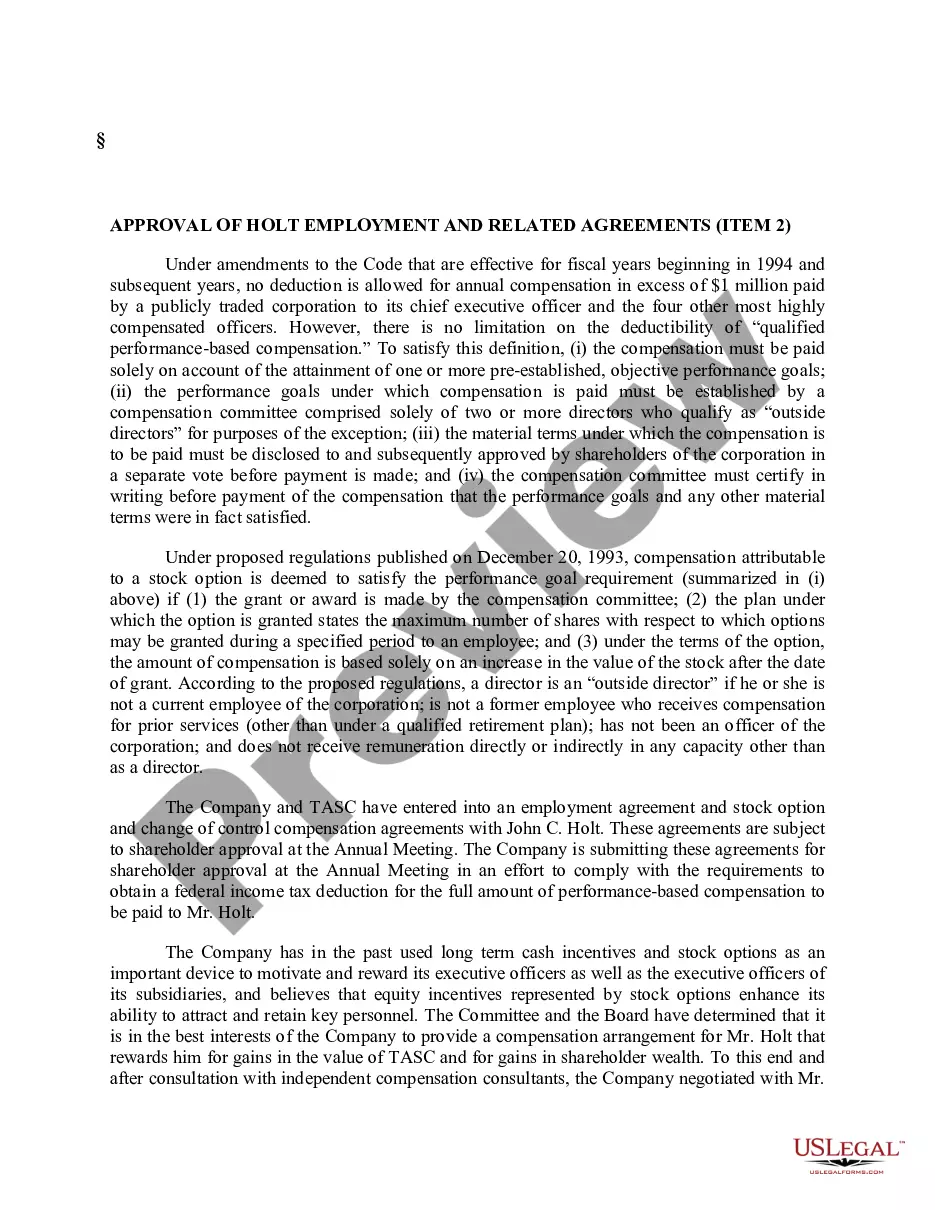
When to use this form
This form is used when a signature or document requires formal acknowledgment by a public officer. Situations may include the execution of legal documents such as contracts, property deeds, or affidavits where verification of identity and authority is necessary. It is vital in ensuring that the parties involved are recognized and that the document holds legal validity.
Who can use this document
Individuals and entities that may require an official acknowledgment include:
- Notaries public who are authorized to execute such acknowledgments.
- Legal professionals preparing documents that require public officer acknowledgment.
- Individuals seeking to confirm the legitimacy of their signatures and documents for legal purposes.
How to prepare this document
- Enter the date in the designated space where acknowledgment occurs.
- Fill in the name and title of the public officer performing the acknowledgment.
- Have the individual or party requiring acknowledgment sign the document in the specified area.
- Ensure the public officer signs and applies their seal, if necessary, in the correct sections.
- Review all entries for accuracy before finalizing the document.
Does this document require notarization?
No, this form does not typically require notarization unless specified by local law. It serves as an acknowledgment by a public officer and is intended to provide a formal record of that acknowledgment.
Get your form ready online
Our built-in tools help you complete, sign, share, and store your documents in one place.
Make edits, fill in missing information, and update formatting in US Legal Forms—just like you would in MS Word.
Download a copy, print it, send it by email, or mail it via USPS—whatever works best for your next step.
Sign and collect signatures with our SignNow integration. Send to multiple recipients, set reminders, and more. Go Premium to unlock E-Sign.
If this form requires notarization, complete it online through a secure video call—no need to meet a notary in person or wait for an appointment.
We protect your documents and personal data by following strict security and privacy standards.

Make edits, fill in missing information, and update formatting in US Legal Forms—just like you would in MS Word.

Download a copy, print it, send it by email, or mail it via USPS—whatever works best for your next step.

Sign and collect signatures with our SignNow integration. Send to multiple recipients, set reminders, and more. Go Premium to unlock E-Sign.

If this form requires notarization, complete it online through a secure video call—no need to meet a notary in person or wait for an appointment.

We protect your documents and personal data by following strict security and privacy standards.
Mistakes to watch out for
- Missing the date of acknowledgment.
- Neglecting to include the public officer's title and seal.
- Failing to verify the identity of the individual signing the document.
- Overlooking the need for additional information, like a serial number, if required.
Benefits of using this form online
- Convenient access to the form anytime and anywhere.
- Editable templates that allow for quick customization.
- High reliability with forms drafted by licensed attorneys.
- Instant downloads ensure you can proceed without delays.
Looking for another form?

Form popularity
FAQ
Require Personal Appearance. Review The Document. Screen The Signer And Verify The Facts. Record The Notarization. Complete The Notarization.
Take acknowledgments. Administer oaths and affirmations. Execute attestations and jurats. Witness signatures. Take verifications of fact. Perform marriage ceremonies (SCC §20-1-20) Any other acts authorized by law.
In the state of South Carolina, notaries public are able to perform a wide range of duties. Among them are administration of oaths, taking of depositions and affidavits, notarizing signatures, and performing marriage ceremonies.
South Carolina Secretary of State sets the maximum fee Notaries can charge at $5 per notarial act. An additional fee for travel can be charged, but only if the signer agrees to it ahead of the notarization and understands the travel fee is separate from the notarization fee.
South Carolina Notary Stamps Yes! RequiredS.C. Code Ann. § 26-1-60 requires notaries to have a seal of office for affixation onto all notarial acts. This seal of office can be either a stamp or seal embosser.
The certificate of a notary public, justice of the peace, or other authorized officer, attached to a deed, mortgage, or other instrument, setting forth that the parties thereto personally appeared before him on such a date and acknowledged the instrument to be their free and voluntary act and deed. Read v.
The South Carolina Lottery Commission said the only people not allowed to win the lottery are public officials who take an oath of office. However, the interesting part to this is while notaries are not typically considered public officials, since they take an oath, they may not take the lottery money home.
Witnessing and authenticating the signatures on any legal document. Signing and stamping legal documents once their authenticity is verified. Administering oaths and taking affidavits. Ensuring that all personal information of the involved parties is correct. Maintaining a record of all activities performed.
Step 1: Require Personal Appearance. Step 2: Check Over The Document. Step 3: Carefully Identify The Signer. Step 4: Record Your Journal Entry. Step 5: Complete The Notarial Certificate. A Last Note: Never Give Advice.