South Carolina Memorandum of Tenancy-in-Common Agreement
About this form
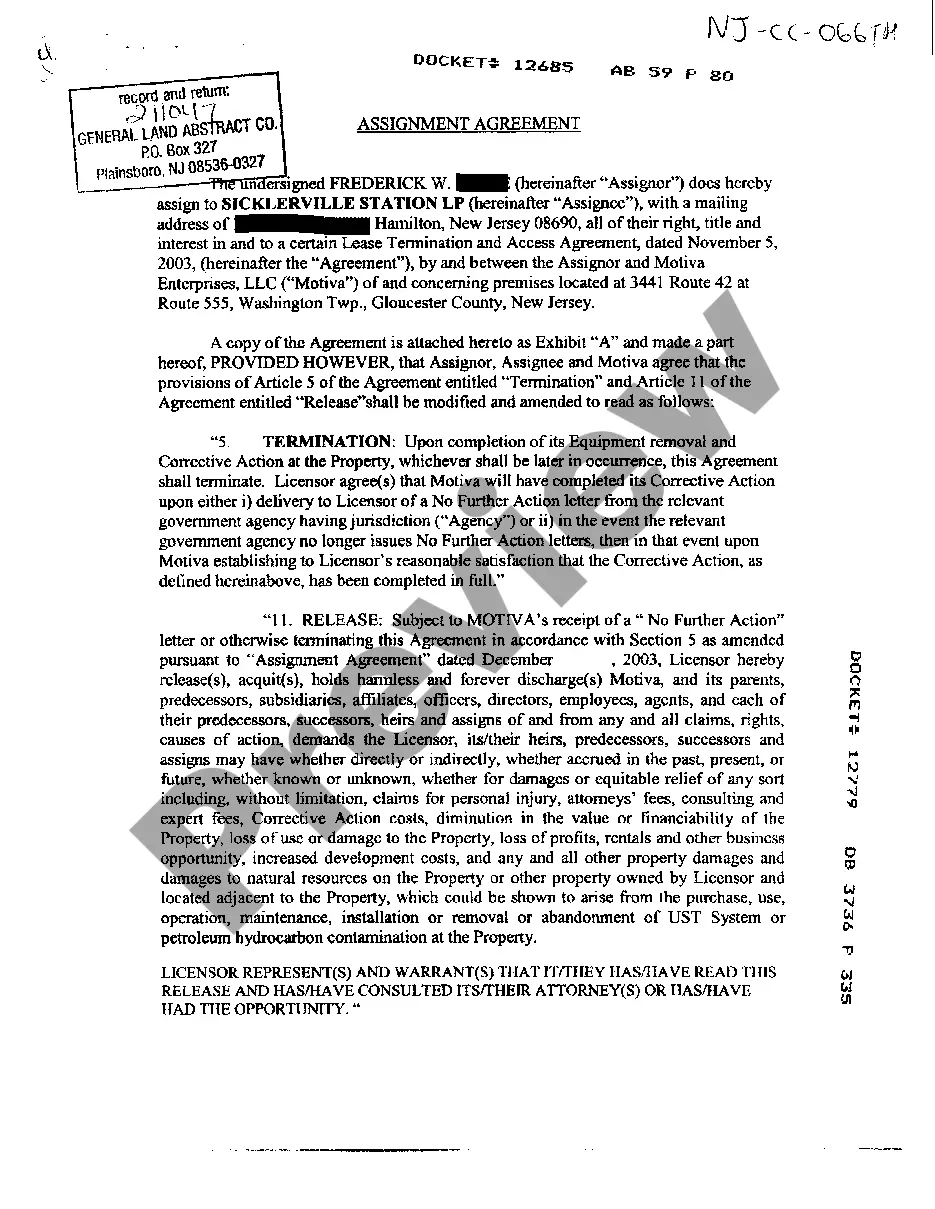
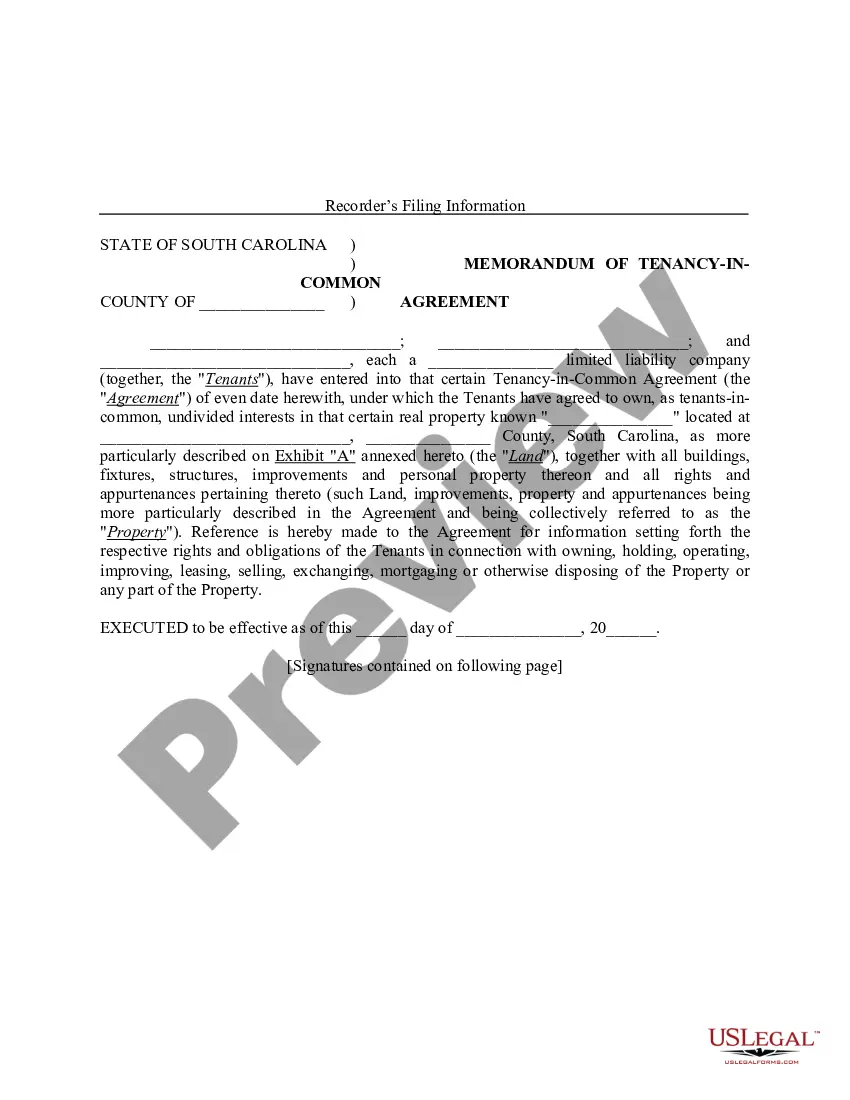
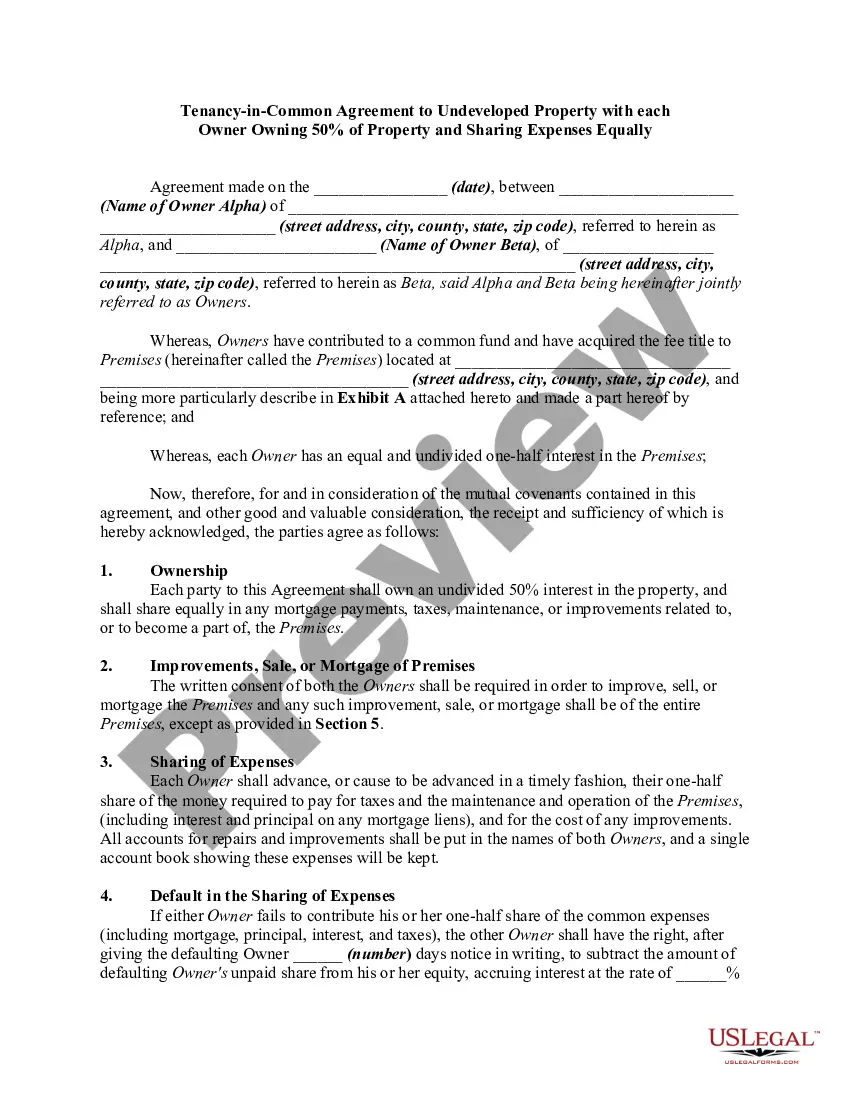
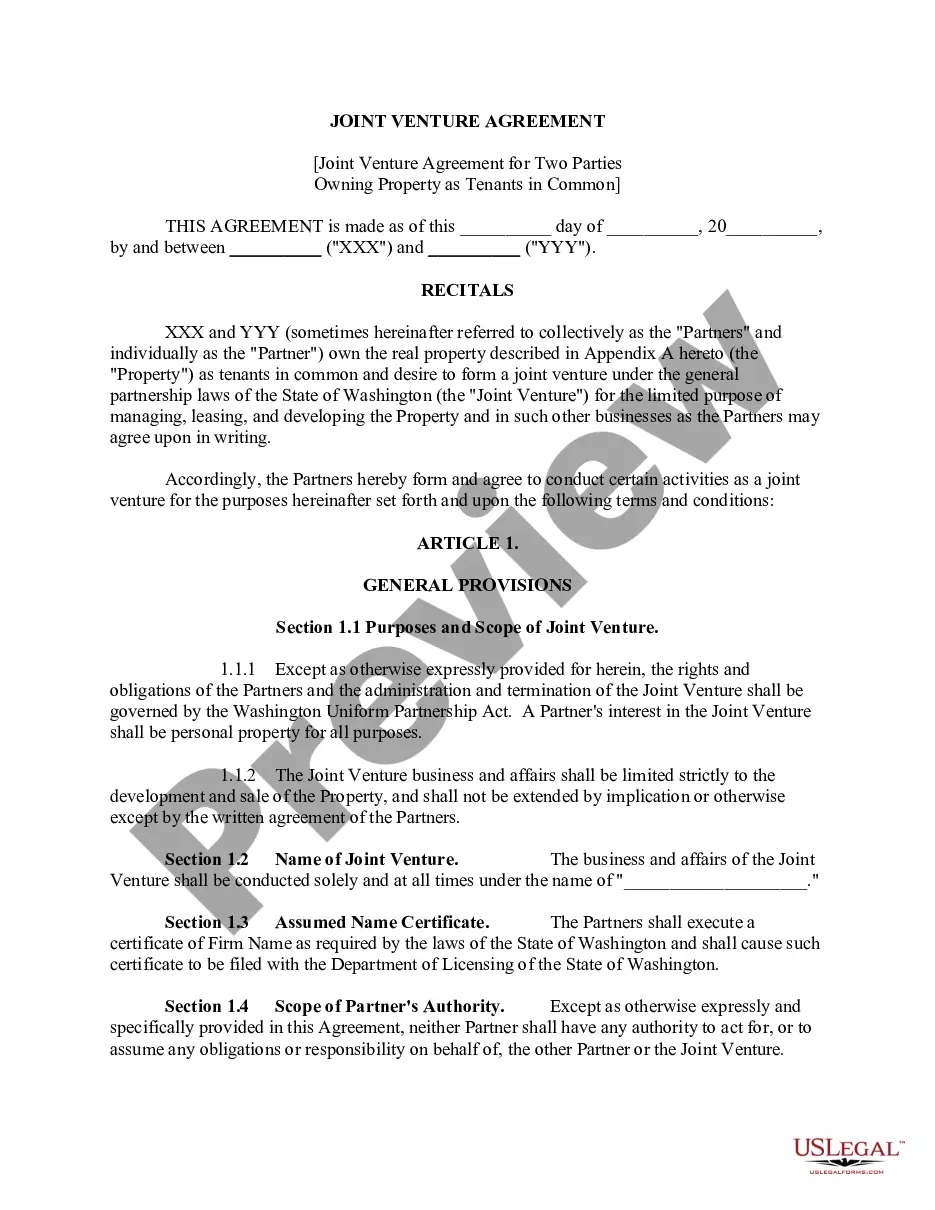
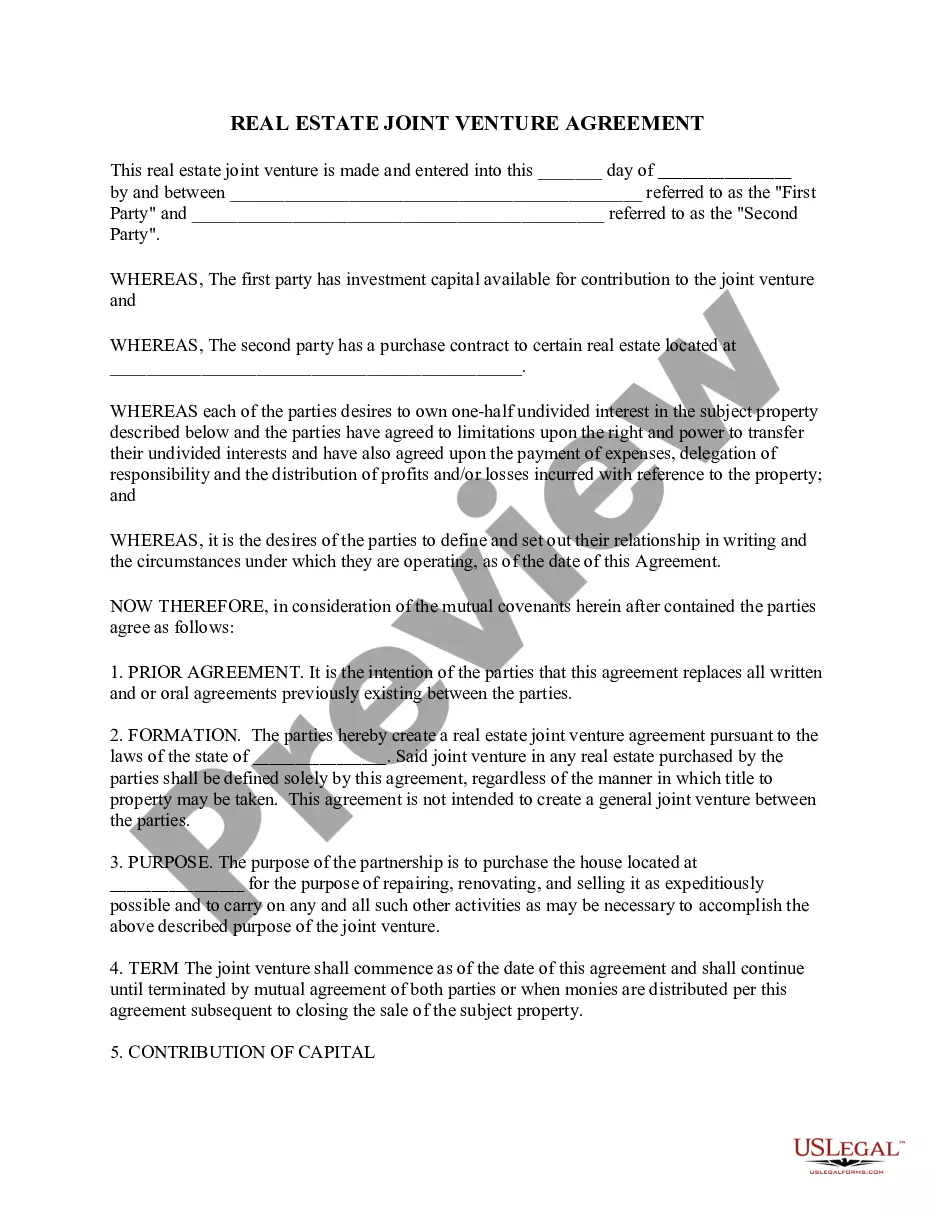
The Memorandum of Tenancy-in-Common Agreement is a legal document that notifies third parties of an agreement between two or more individuals who jointly own a property as tenants-in-common. This form distinguishes itself from other ownership structures by allowing each owner to leave their share of the property to any beneficiary upon their death. It serves as constructive notice of the tenancy-in-common arrangement encumbering real property, ensuring all interested parties are aware of each ownerâs rights and obligations related to the property.
Form components explained
- Identification of the tenants, including names and entity types.
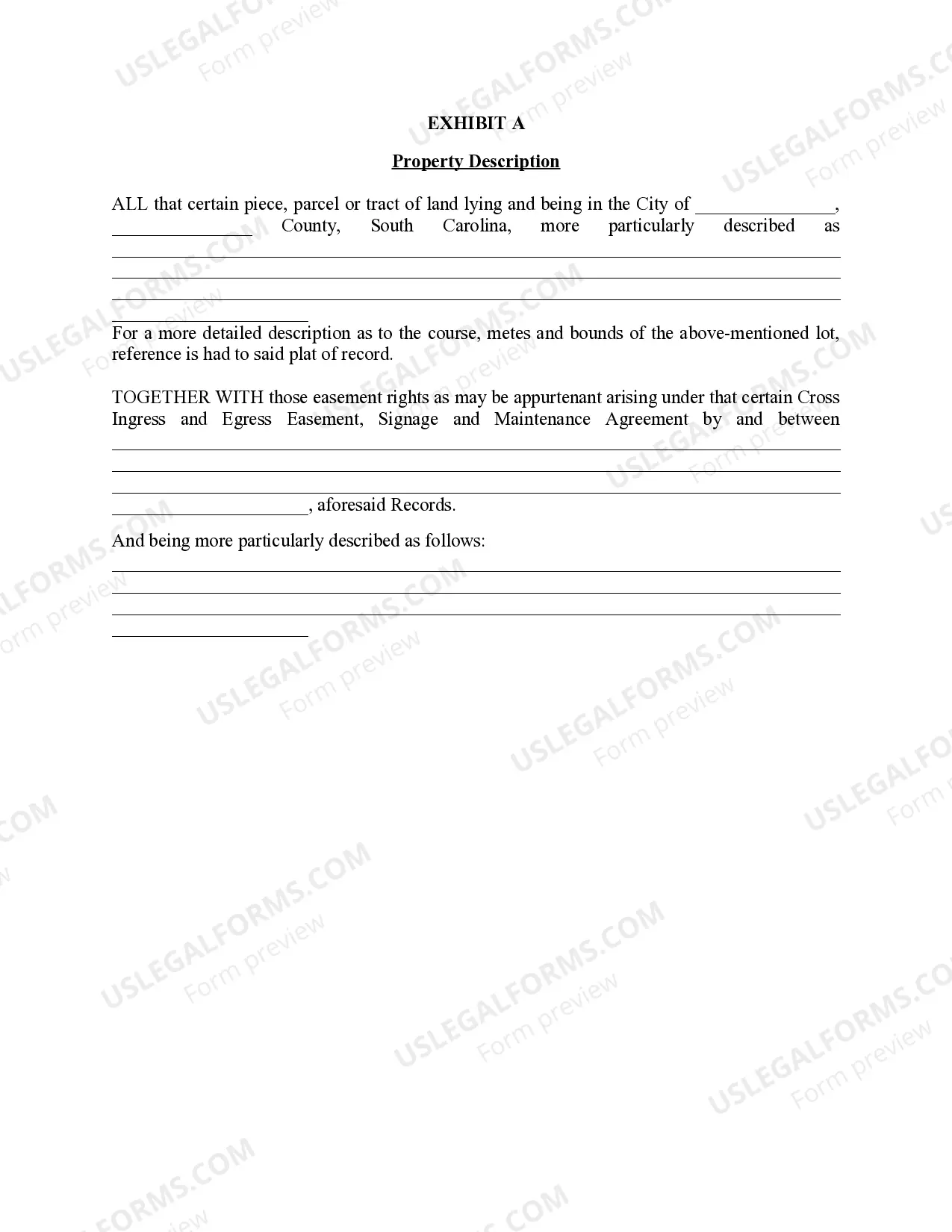
- Description of the property being co-owned, including location and any relevant exhibit or exhibit details.
- Details about the respective ownership interests of each tenant.
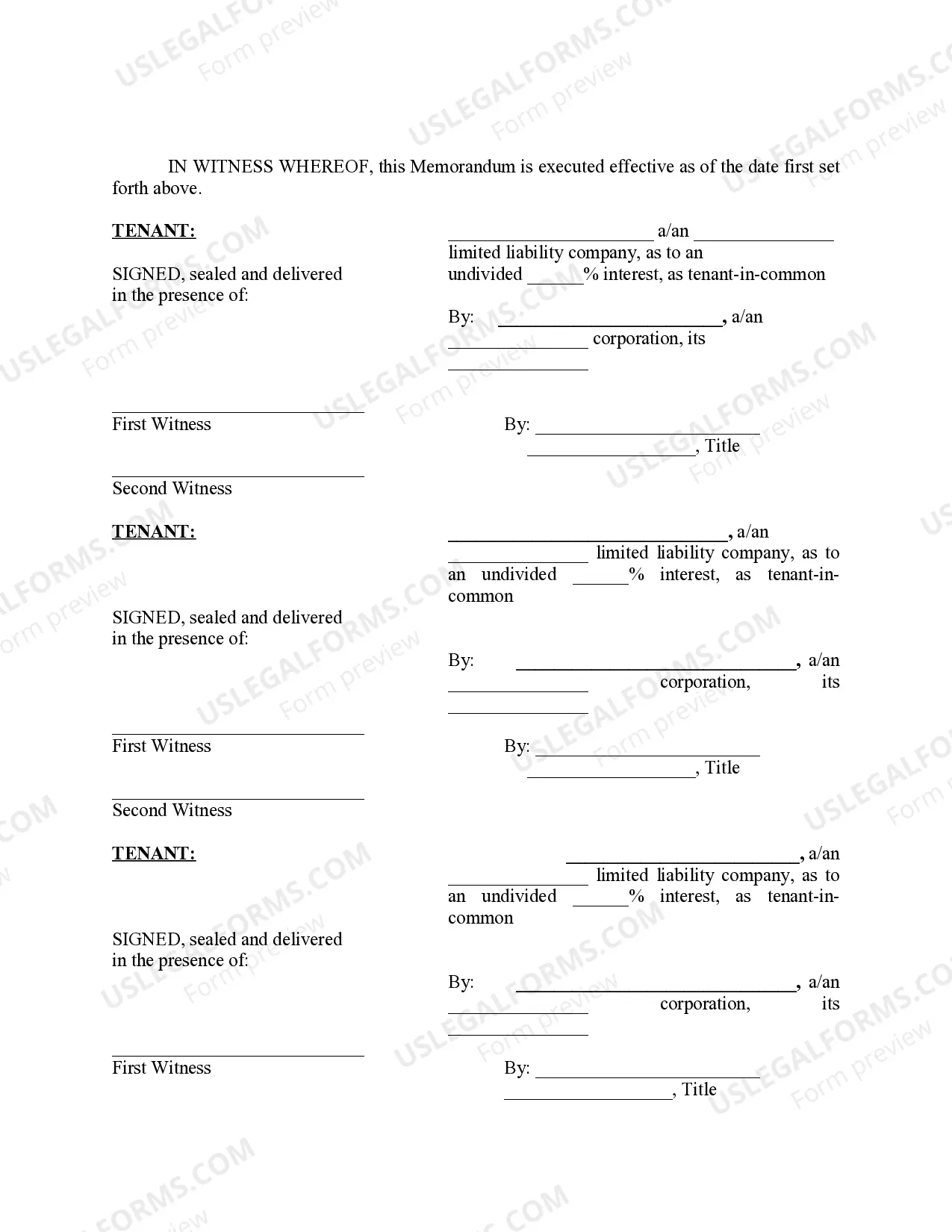
- Execution and signature lines for all tenants and witnesses.
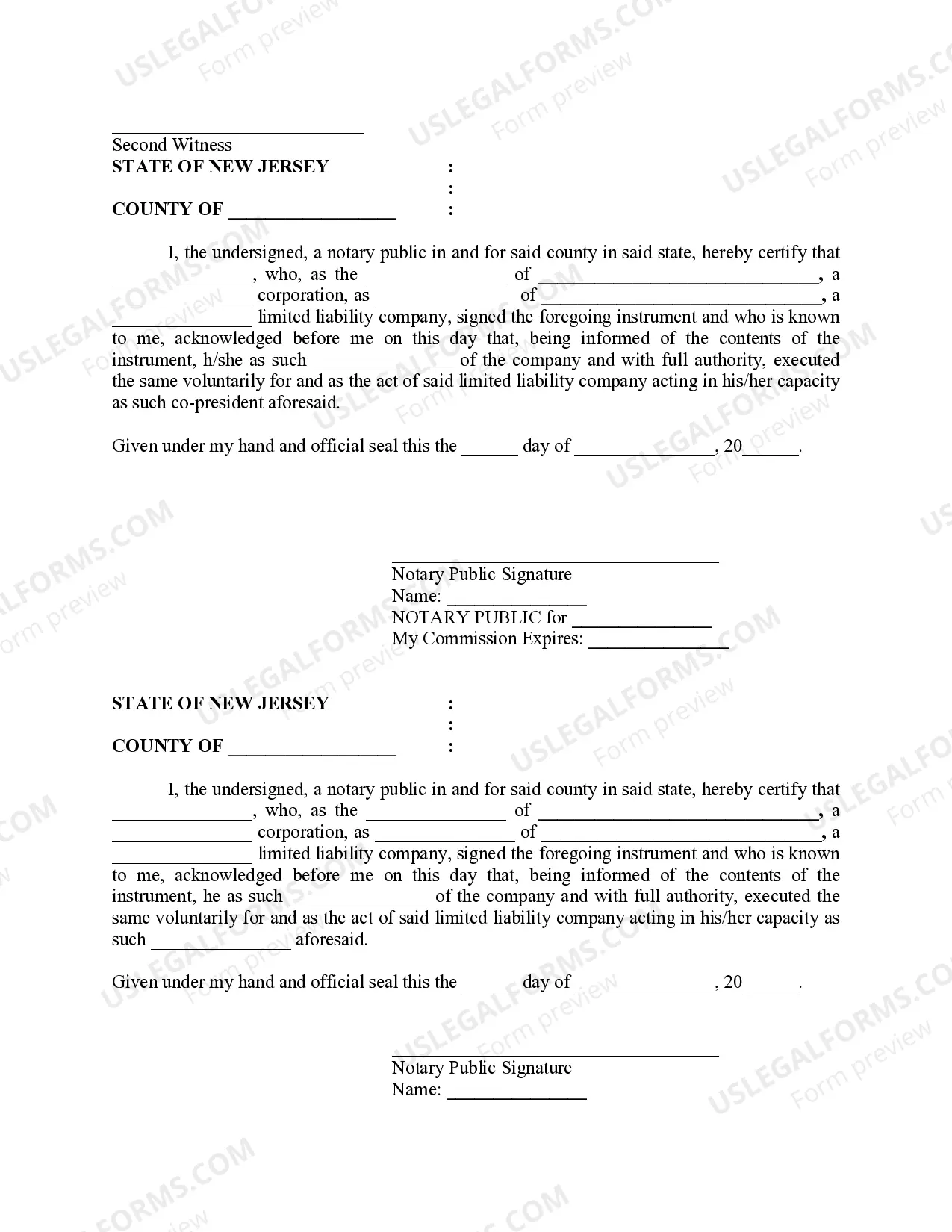
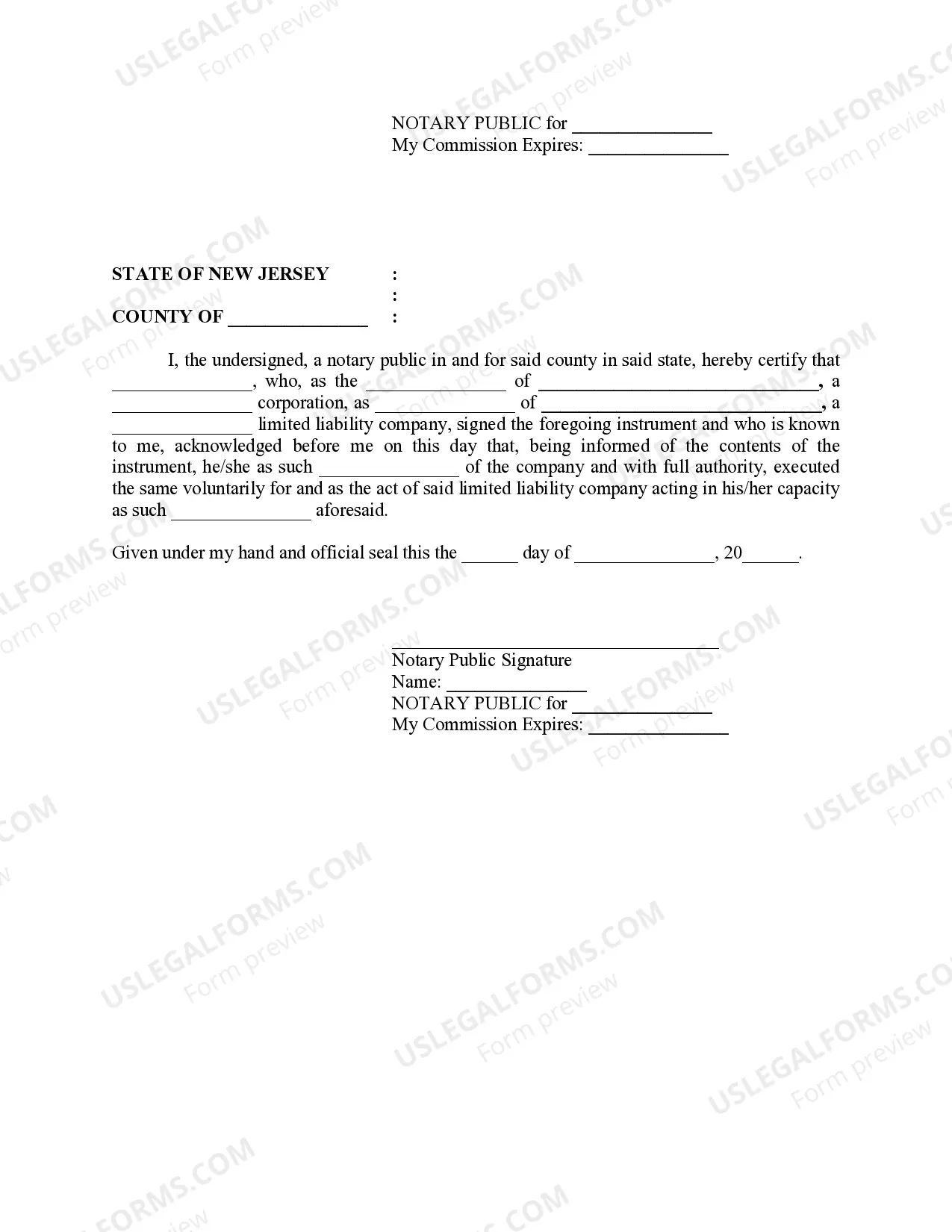
- Notary acknowledgment to validate the agreement.
When to use this form
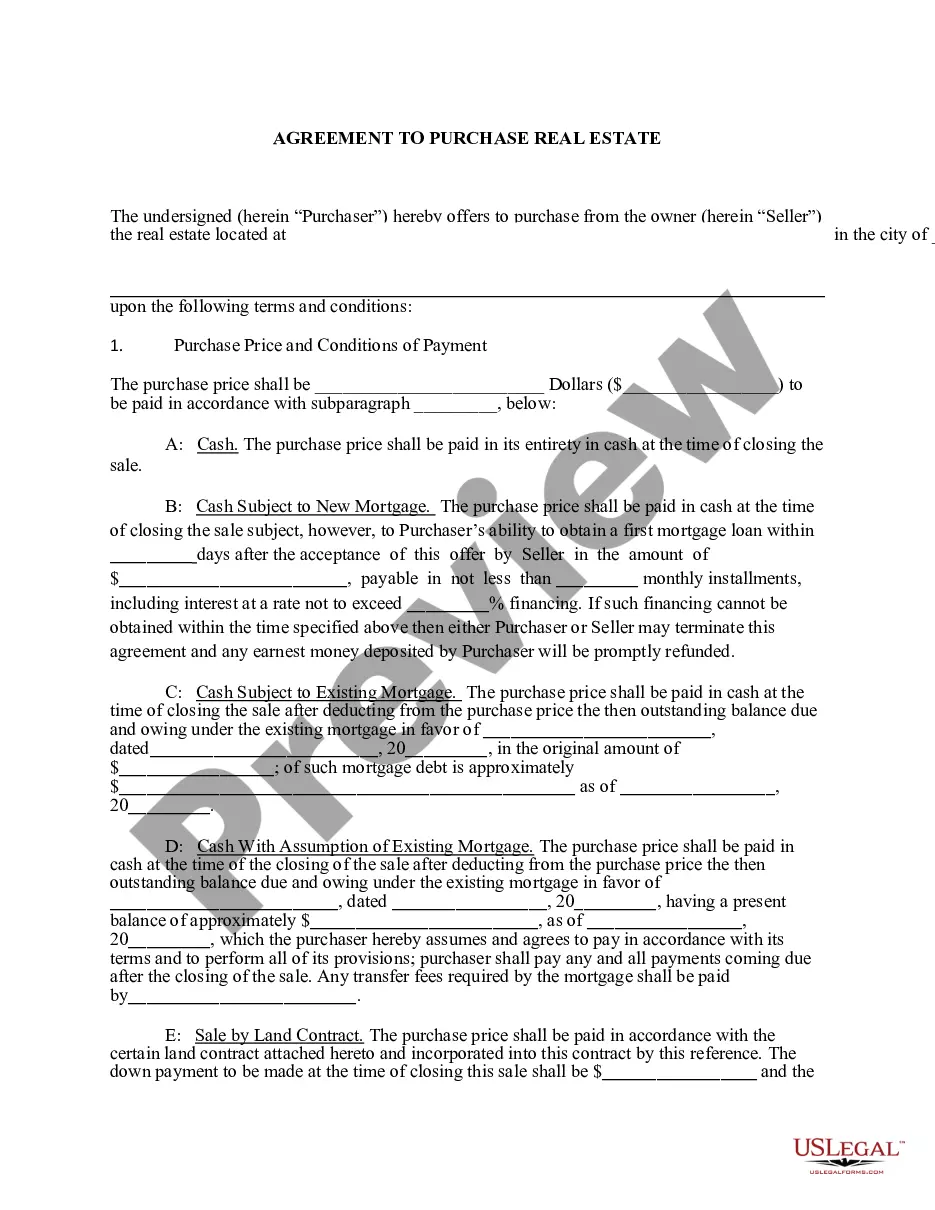
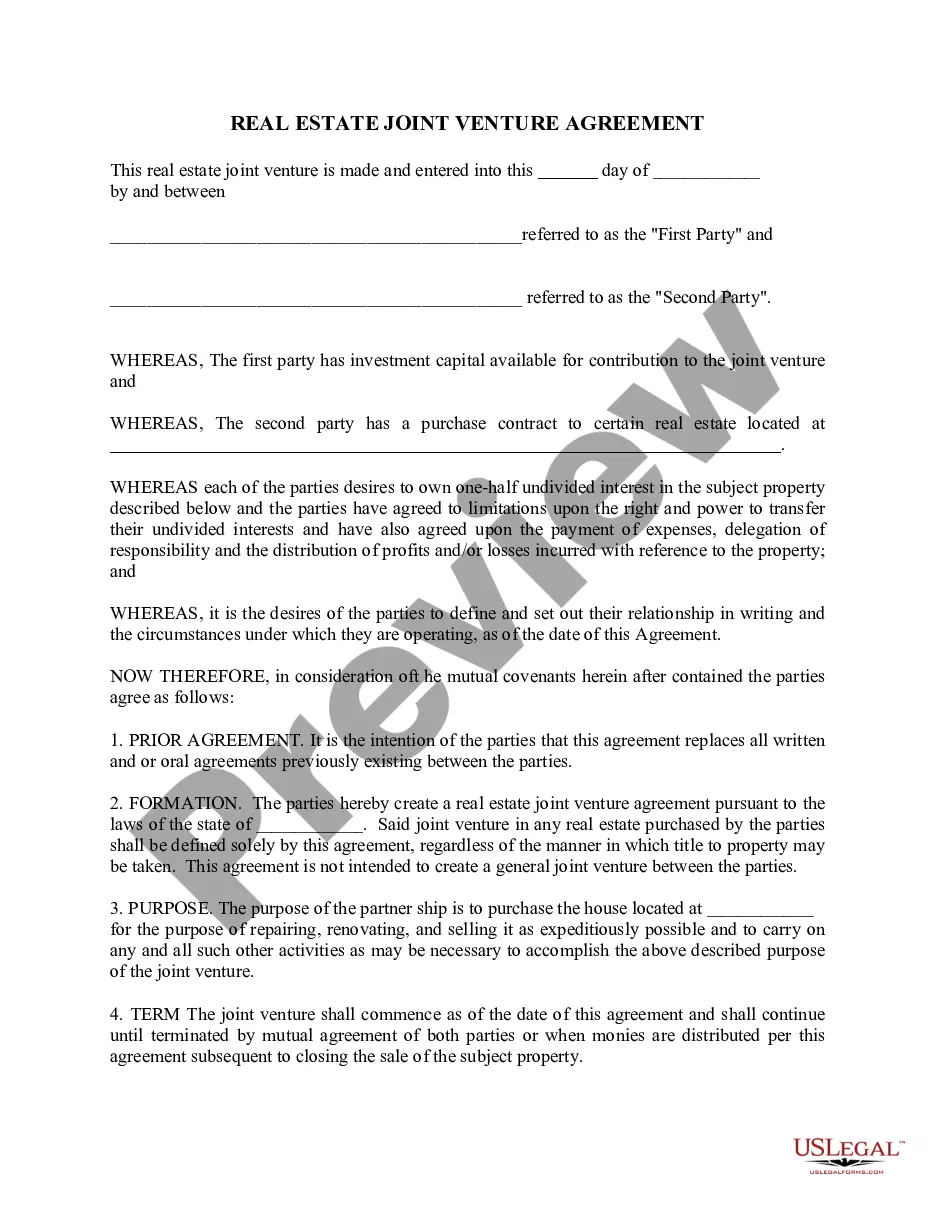
This form is used when two or more individuals or limited liability companies wish to jointly own a property as tenants-in-common. It is particularly beneficial when the parties want to ensure that their ownership rights are clearly established and recognized by third parties, such as financial institutions or prospective buyers. Situations may include the purchase of a vacation home, investment properties, or family inheritance scenarios where multiple owners wish to hold separate interests in the property.
Who should use this form
- Individuals or entities entering a joint ownership arrangement of real estate.
- Investors pooling resources to purchase property.
- Families with shared inherited property wanting to clarify ownership interests.
- Limited liability companies managing shared investments in real estate.
Steps to complete this form
- Identify the tenants involved in the agreement and specify their respective ownership interests.
- Provide a detailed description of the property, including its location and any relevant attachments.
- Select the date of the execution of the memorandum.
- All tenants must sign the document in the presence of witnesses.
- Have the signatures notarized to ensure legal validity.
Notarization requirements for this form
Yes, this form must be notarized to be legally valid. The presence of a notary public assures that the identities of the signers are verified and that the signatures are executed willingly and without coercion. US Legal Forms provides integrated online notarization services available around the clock to ensure a smooth and secure process.
Get your form ready online
Our built-in tools help you complete, sign, share, and store your documents in one place.
Make edits, fill in missing information, and update formatting in US Legal Forms—just like you would in MS Word.
Download a copy, print it, send it by email, or mail it via USPS—whatever works best for your next step.
Sign and collect signatures with our SignNow integration. Send to multiple recipients, set reminders, and more. Go Premium to unlock E-Sign.
If this form requires notarization, complete it online through a secure video call—no need to meet a notary in person or wait for an appointment.
We protect your documents and personal data by following strict security and privacy standards.

Make edits, fill in missing information, and update formatting in US Legal Forms—just like you would in MS Word.

Download a copy, print it, send it by email, or mail it via USPS—whatever works best for your next step.

Sign and collect signatures with our SignNow integration. Send to multiple recipients, set reminders, and more. Go Premium to unlock E-Sign.

If this form requires notarization, complete it online through a secure video call—no need to meet a notary in person or wait for an appointment.

We protect your documents and personal data by following strict security and privacy standards.
Common mistakes to avoid
- Failing to accurately describe the property, leading to potential disputes.
- Not having all tenants sign the document.
- Overlooking the requirement for notarization, if applicable.
- Using incorrect witness signatures or omitting witness signatures entirely.
- Neglecting to review local laws that may affect the tenancy-in-common arrangement.
Advantages of online completion
- Convenience of downloading and printing the form from anywhere.
- Editability allows users to customize details specific to their arrangement.
- Access to a reliable and attorney-drafted form ensures compliance with legal standards.
- Guidance through the completion process helps reduce errors.
- 24/7 access to integrated online notarization services for additional convenience.
Looking for another form?
Form popularity
FAQ
Rights And Responsibilities All tenants in common have an equal right of access to the property, regardless of their ownership amount. If the property produces an income, co-owners are entitled to a percentage of that income equal to their ownership shares.
Although tenants in common can make a written agreement specifying their rights and responsibilities in the property, they are not legally required to do so. State law specifies the legal principles that apply to tenants in common when there is no written agreement.
If one person passes away, the home will automatically continue to be owned by the surviving partner, even if there is no will. This is known as the survivorship rule. However, many couples choose to hold their homes as tenants in common.
The Title Register Document will show the names of the people that own the property and, if you are tenants in common will also have wording similar to: "No disposition by a sole proprietor of the registered estate (except a trust corporation) under which capital money arises is to be registered unless authorised by an
If a home is owned by only one person then it is not registered with the Land Registry as either Joint Tenants or Tenants in Common. It is registered as a Sole Owner, you can only be a joint tenant or tenant in common if there is more than one owner of the property.
You may agree with your other co-tenant(s) to sever it. If you cannot agree on how to divide the property, you may terminate your tenancy in common by seeking judicial partition of the property.
A If you and your co-owners are tenants in common - and so each own a distinct share of the property - then yes you can force a sale.Whatever your position, you will need to seek independent legal advice if you decide that forcing a sale is the way to go.
If a home is owned by only one person then it is not registered with the Land Registry as either Joint Tenants or Tenants in Common. It is registered as a Sole Owner, you can only be a joint tenant or tenant in common if there is more than one owner of the property.