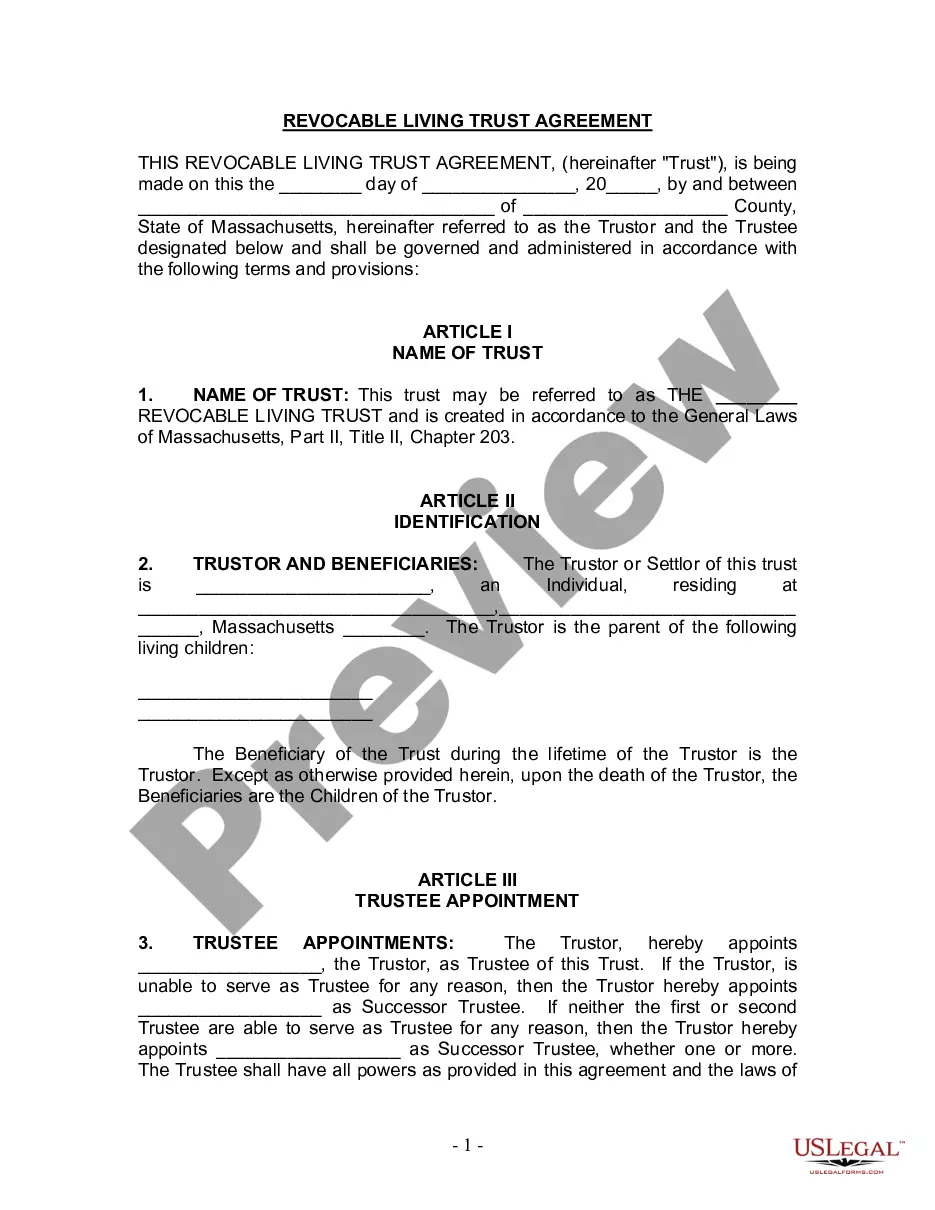
Tenancy-in-Common Agreement-Equal shares
Understanding this form
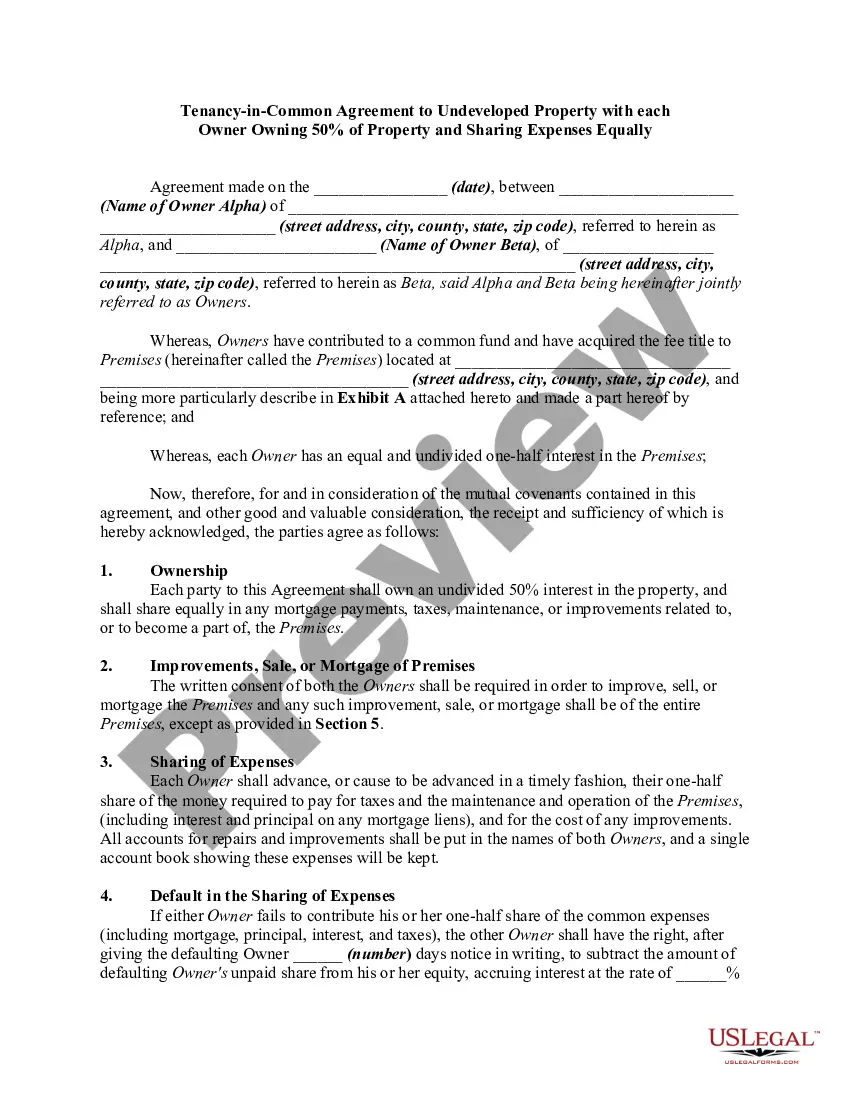
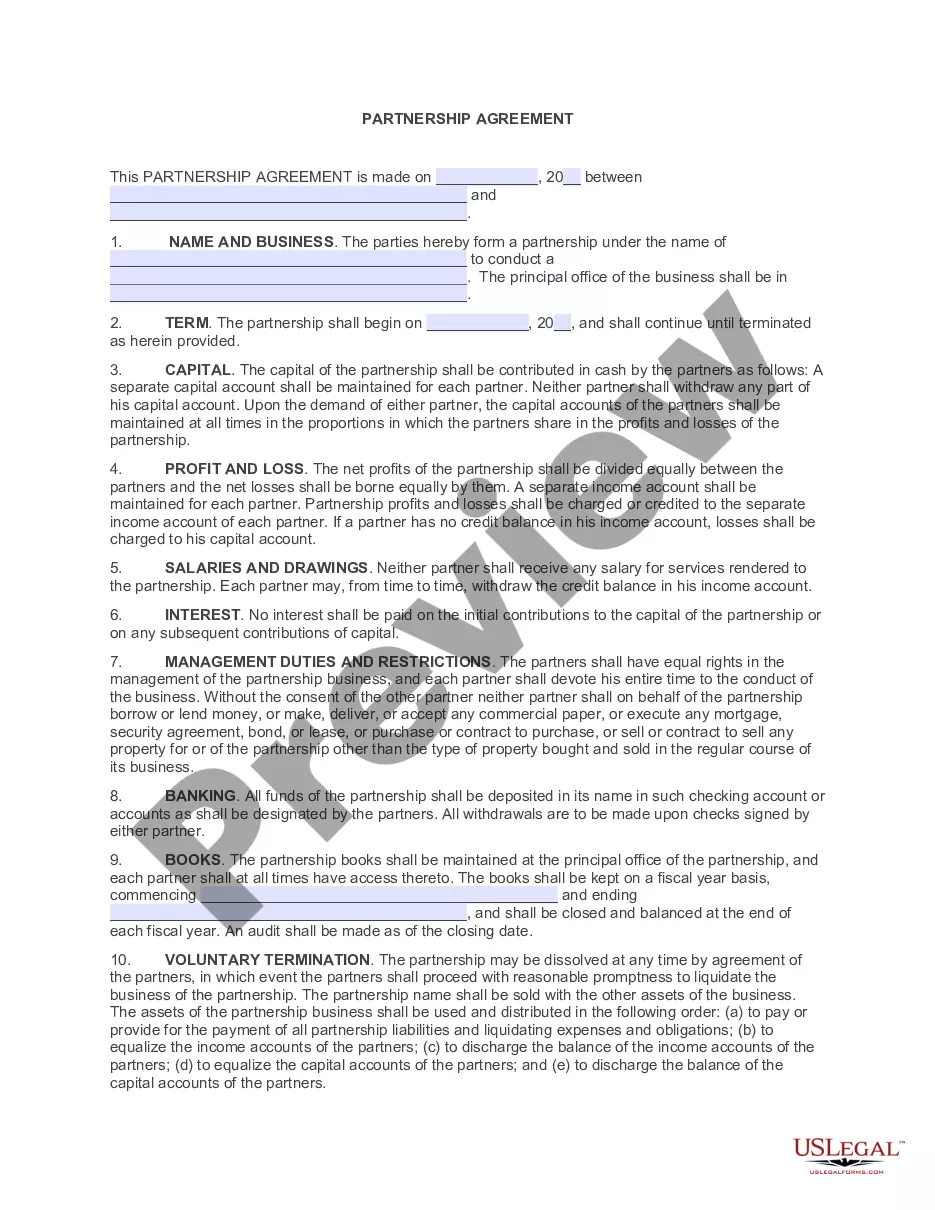
The Tenancy-in-Common Agreement for equal shares is a legal document that outlines the ownership structure and responsibilities of co-owners of undeveloped property. Unlike other ownership agreements, this form specifies that each owner holds an undivided fifty percent interest in the property, ensuring shared decision-making and expense responsibilities. This agreement is crucial for co-owners to define their rights and obligations, preventing misunderstandings and potential disputes in the future.
What’s included in this form
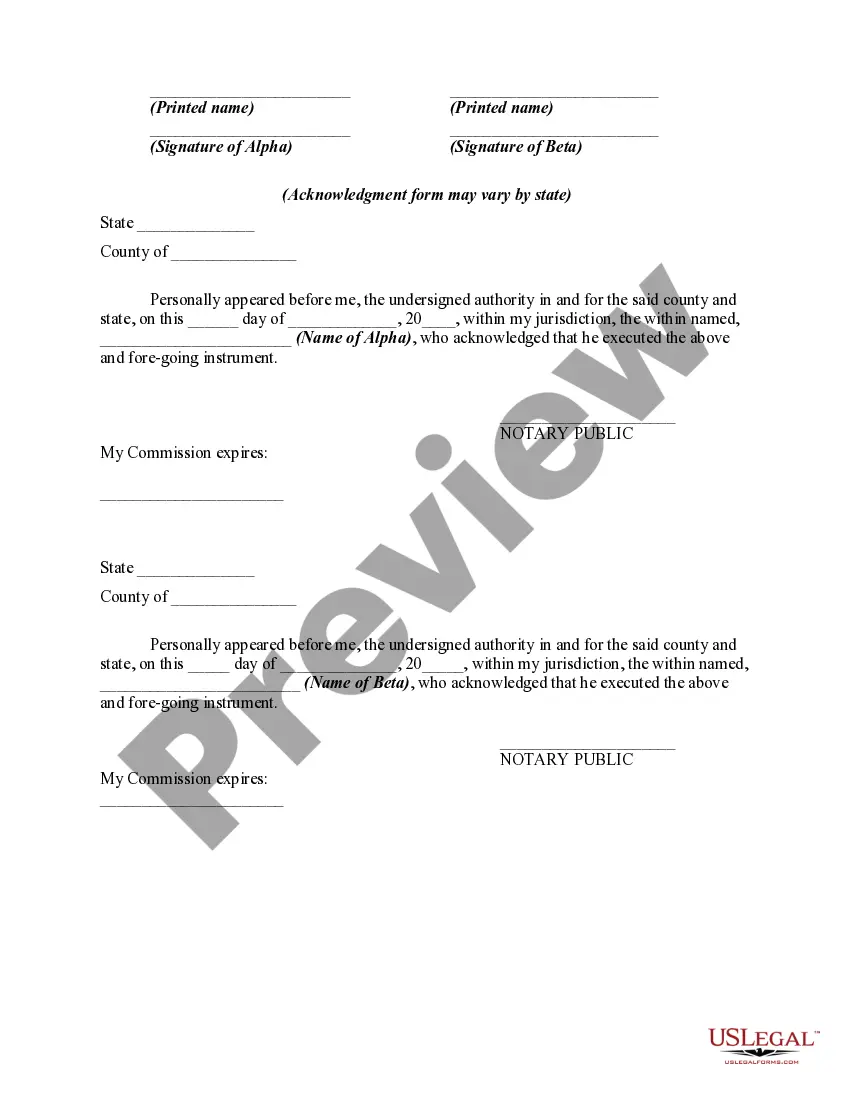
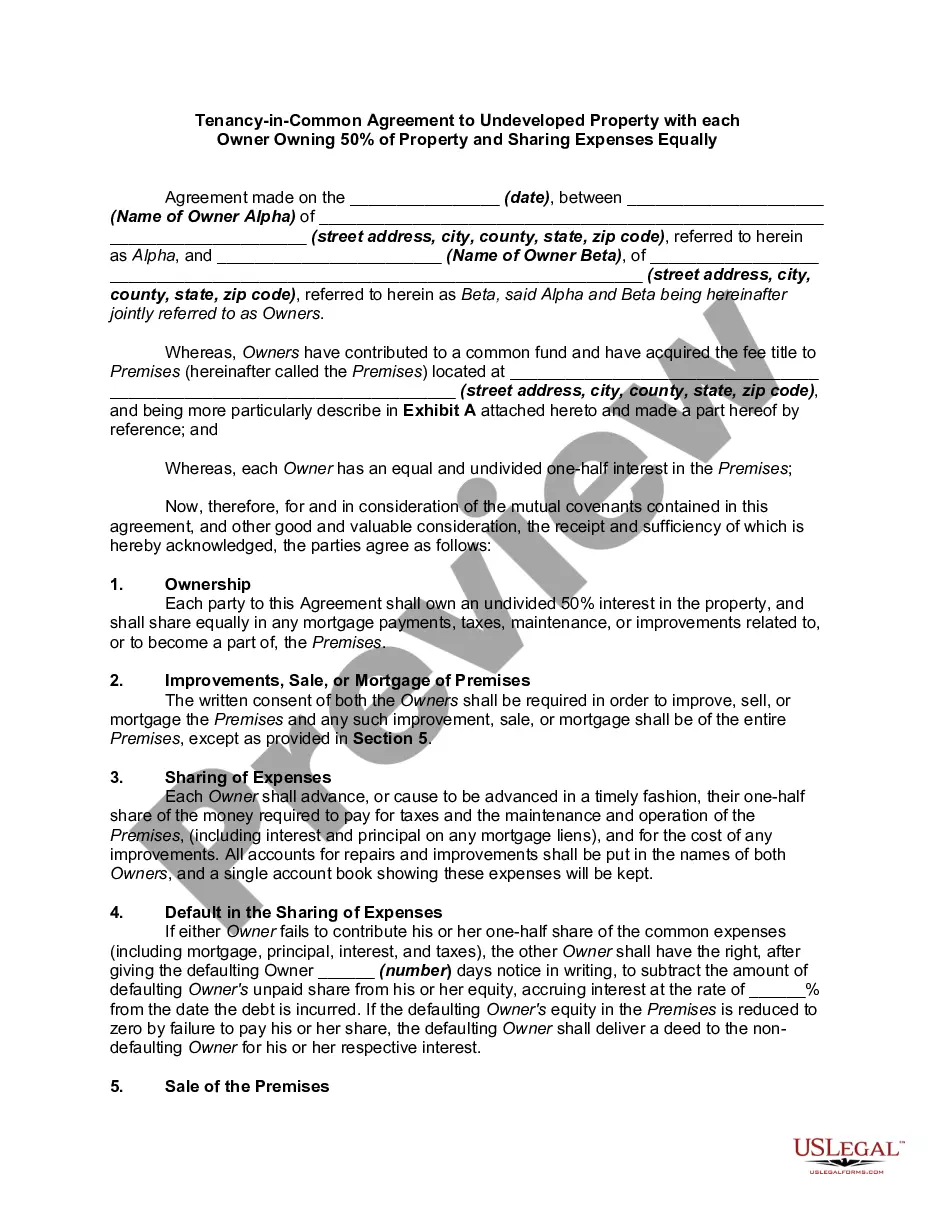
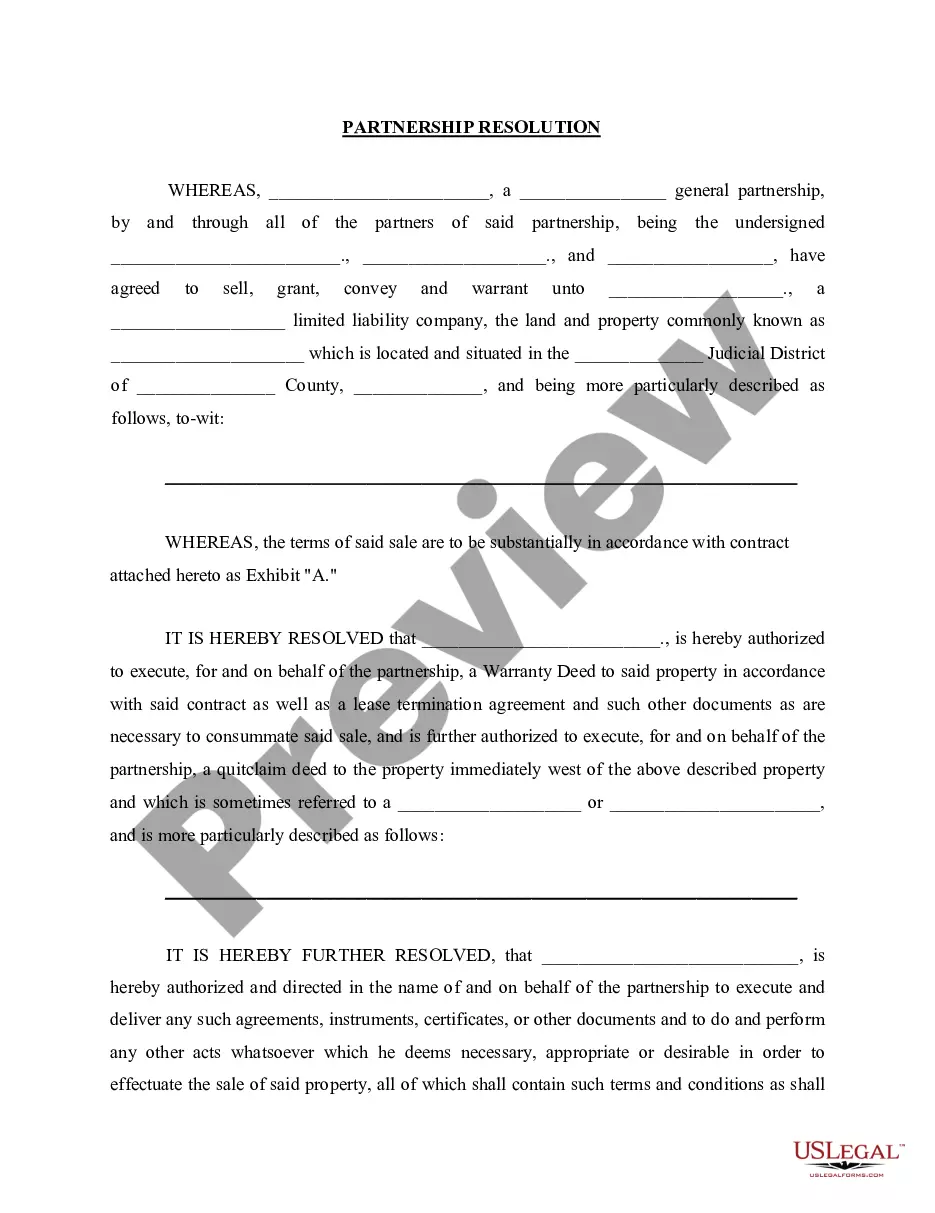
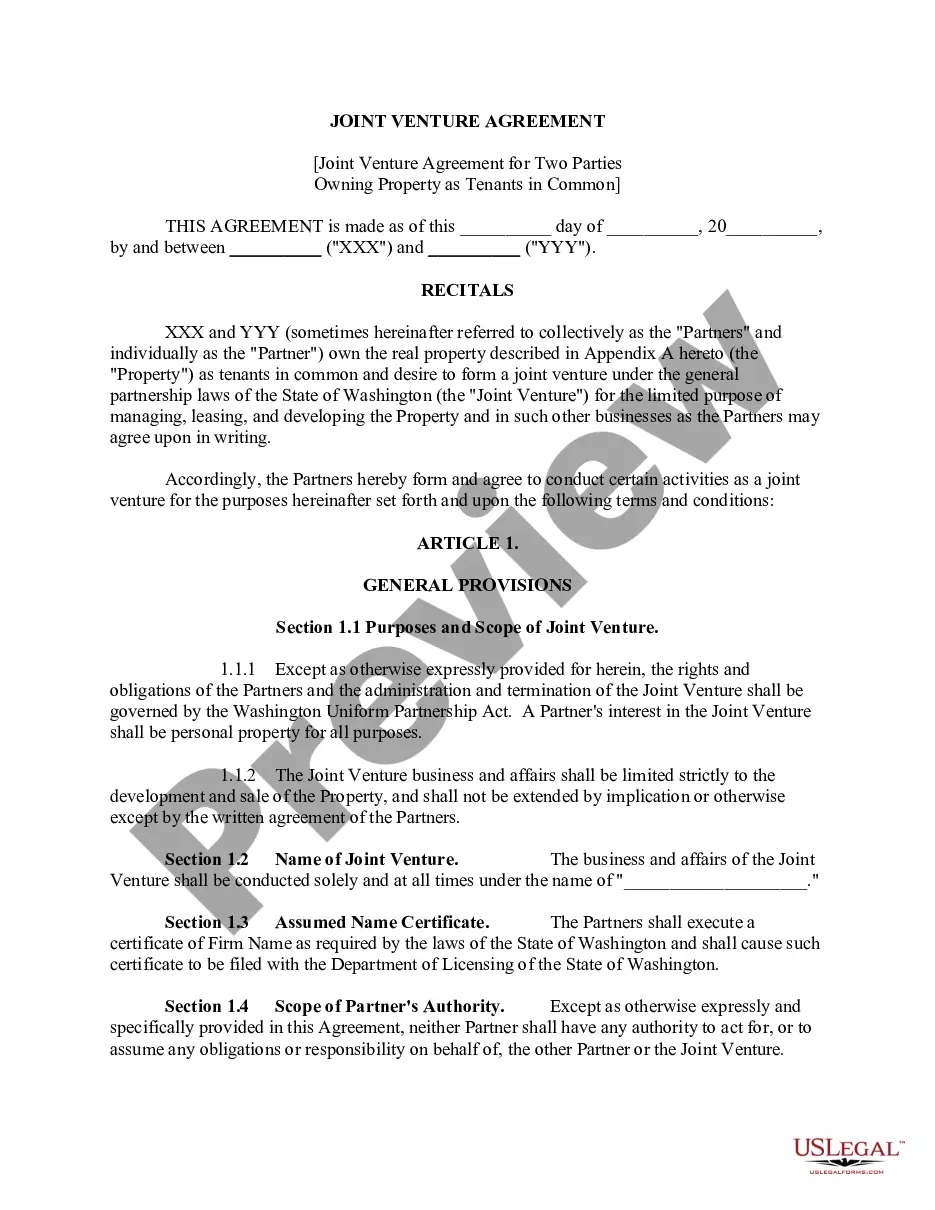
- Ownership: Specifies equal ownership interests and shared expenses.
- Improvements, Sale, or Mortgage: Requires joint consent for any alterations or transactions related to the property.
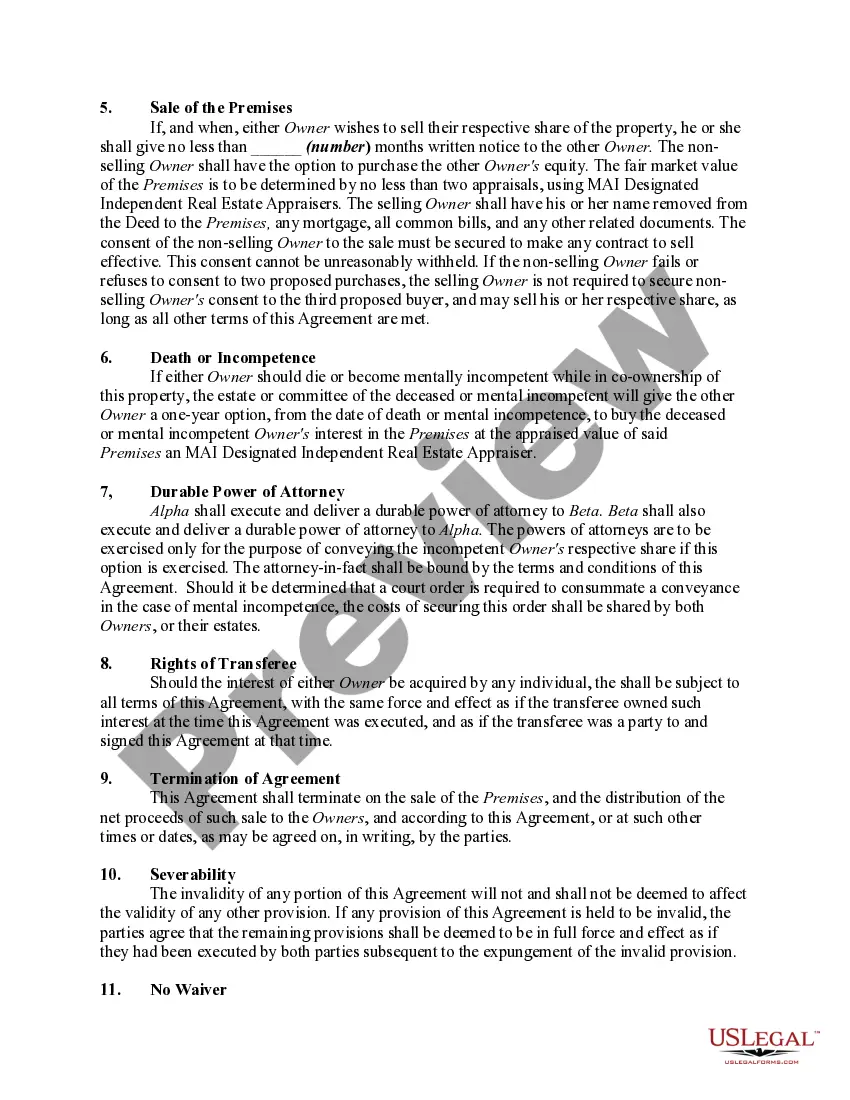
- Default in Expenses: Outlines actions if an owner fails to pay their share of costs.
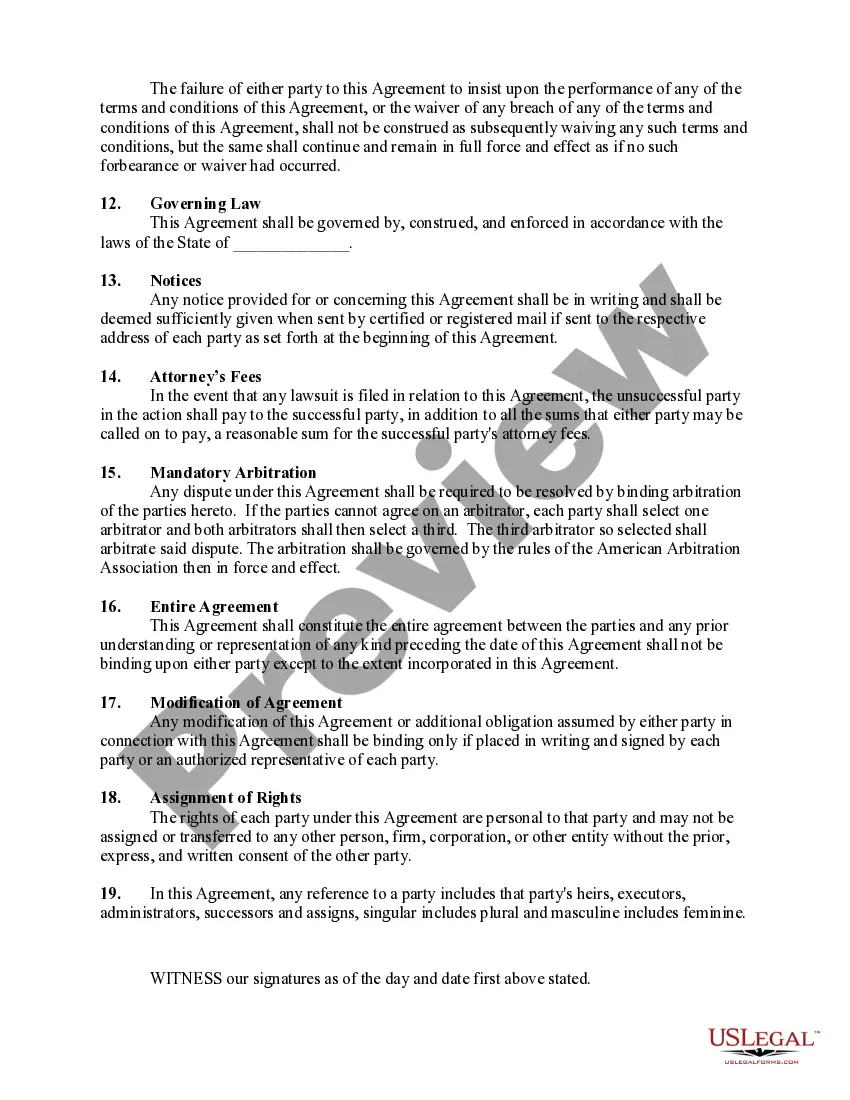
- Rights upon Death or Incompetence: Addresses procedures if an owner passes away or becomes mentally incompetent.
- Termination: Defines the conditions under which the agreement may end.
Situations where this form applies
This form is used when two or more individuals wish to co-own a property without forming a joint tenancy. It is ideal for friends, family, or business partners interested in purchasing undeveloped land and ensuring a clear understanding of ownership rights, decision-making processes, and expense sharing.
Who needs this form
- Individuals purchasing property together.
- Friends or family members co-investing in land.
- Business partners seeking to acquire undeveloped property.
- Anyone needing clarity on shared ownership responsibilities.
Steps to complete this form
- Identify the parties by entering the names and addresses of all owners.
- Specify the property location, including the full address and description.
- Fill in the date when the agreement is made.
- Detail any specific periods required for written notices regarding sale or other transactions.
- Ensure all parties sign the agreement and include acknowledgment if required.
Does this form need to be notarized?
This form needs to be notarized to ensure legal validity. US Legal Forms provides secure online notarization powered by Notarize, allowing you to complete the process through a verified video call, available anytime.
Get your form ready online
Our built-in tools help you complete, sign, share, and store your documents in one place.
Make edits, fill in missing information, and update formatting in US Legal Forms—just like you would in MS Word.
Download a copy, print it, send it by email, or mail it via USPS—whatever works best for your next step.
Sign and collect signatures with our SignNow integration. Send to multiple recipients, set reminders, and more. Go Premium to unlock E-Sign.
If this form requires notarization, complete it online through a secure video call—no need to meet a notary in person or wait for an appointment.
We protect your documents and personal data by following strict security and privacy standards.

Make edits, fill in missing information, and update formatting in US Legal Forms—just like you would in MS Word.

Download a copy, print it, send it by email, or mail it via USPS—whatever works best for your next step.

Sign and collect signatures with our SignNow integration. Send to multiple recipients, set reminders, and more. Go Premium to unlock E-Sign.

If this form requires notarization, complete it online through a secure video call—no need to meet a notary in person or wait for an appointment.

We protect your documents and personal data by following strict security and privacy standards.
Mistakes to watch out for
- Not including a detailed description of the property, which can lead to future disputes.
- Overlooking the need for joint consent on improvements or sales, which could cause conflict.
- Failing to specify notice periods for selling shares, leading to misunderstandings.
- Not having all parties sign the document, which may render the agreement ineffective.
Why complete this form online
- Convenience of downloading and filling out the form at your own pace.
- Editability allows for tailoring the agreement to meet specific needs.
- Reliability of legal templates drafted by licensed attorneys.
Looking for another form?

Form popularity
FAQ
When two or more people own property as tenants in common, all areas of the property are owned equally by the group, even if tenants have a different share of the ownership. For example, you and your partner/significant other may each own 25% of a property, while your third roommate might own 50%.
Joint tenancy is a legally simple way for two or more people to share equal interests in real estate or another form of property. When one tenant dies, there is no need to probate their share of the property with their estate.
To sum up: joint tenants must receive their property interest simultaneously and from the same source and must have an equal share with equal right to possess the entire property. On the other hand, tenants in common can receive their interest at different times and sources and don't have to possess equal shares.
Tenants in common each own a distinct share of the property, and can bequeath their share to someone else in their Will. They are presumed to have equal shares, unless there is evidence to the contrary.
Joint Tenancy When parties own real estate as joint tenants, they have the equal, undivided right to sell, mortgage, transfer or encumber their property. No one owner has a greater share than another.
The term "joint tenancy" refers to a legal arrangement in which two or more people own a property together, each with equal rights and obligations. Joint tenancies can be created by married and non-married couples, friends, relatives, and business associates.
Joint Tenancy. property owned by two or more people, whether married or unmarried. The distinguishing feature of joint tenancy is right of survivorship. Right of Survivorship. upon the death of a joint tenant, the deceased interest transfers directly to the surviving joint tenant/s.
The tenants have an equal and indivisible ownership interest. Which of the following is true of a tenancy in common? The tenants share an indivisible interest.