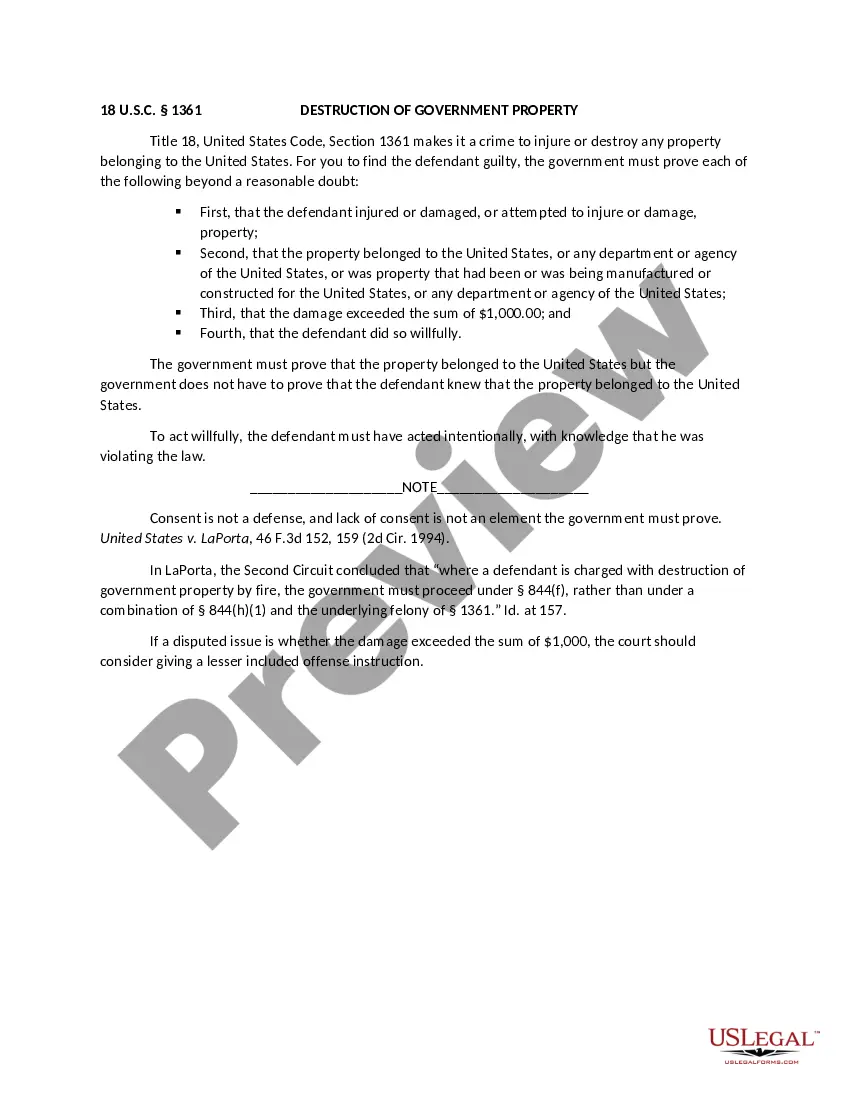
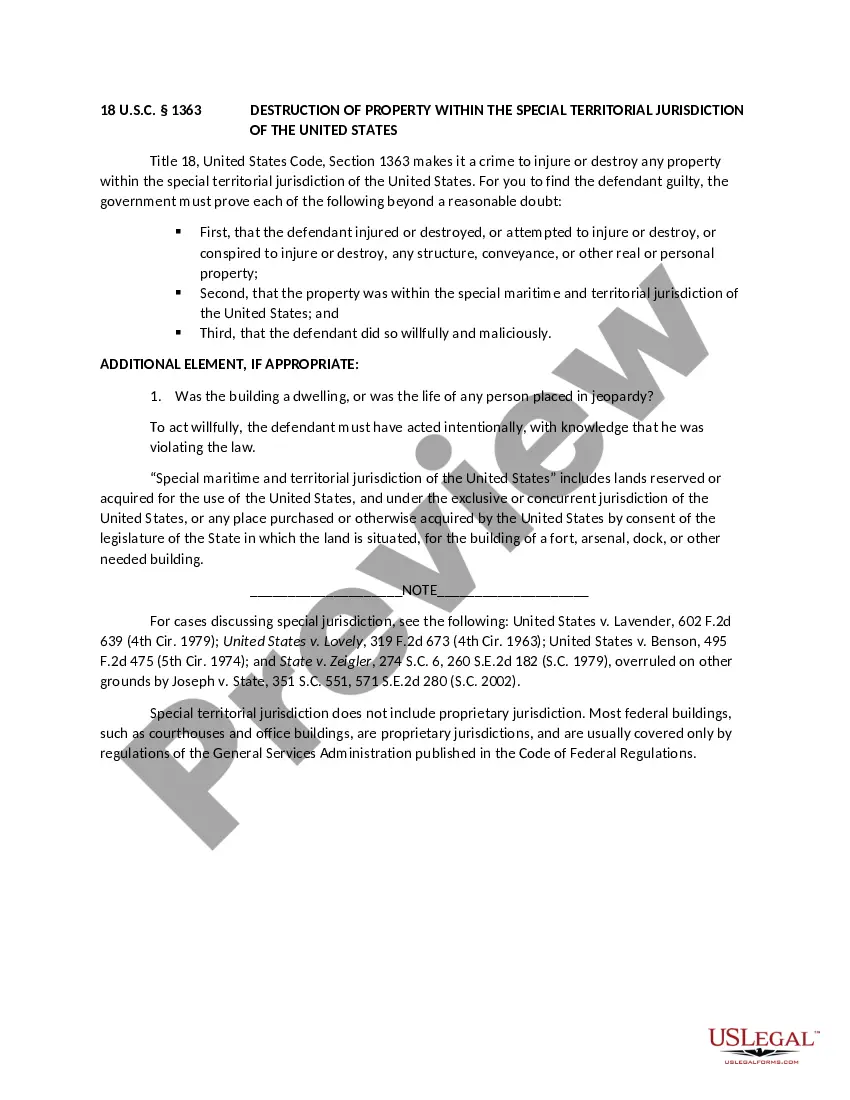
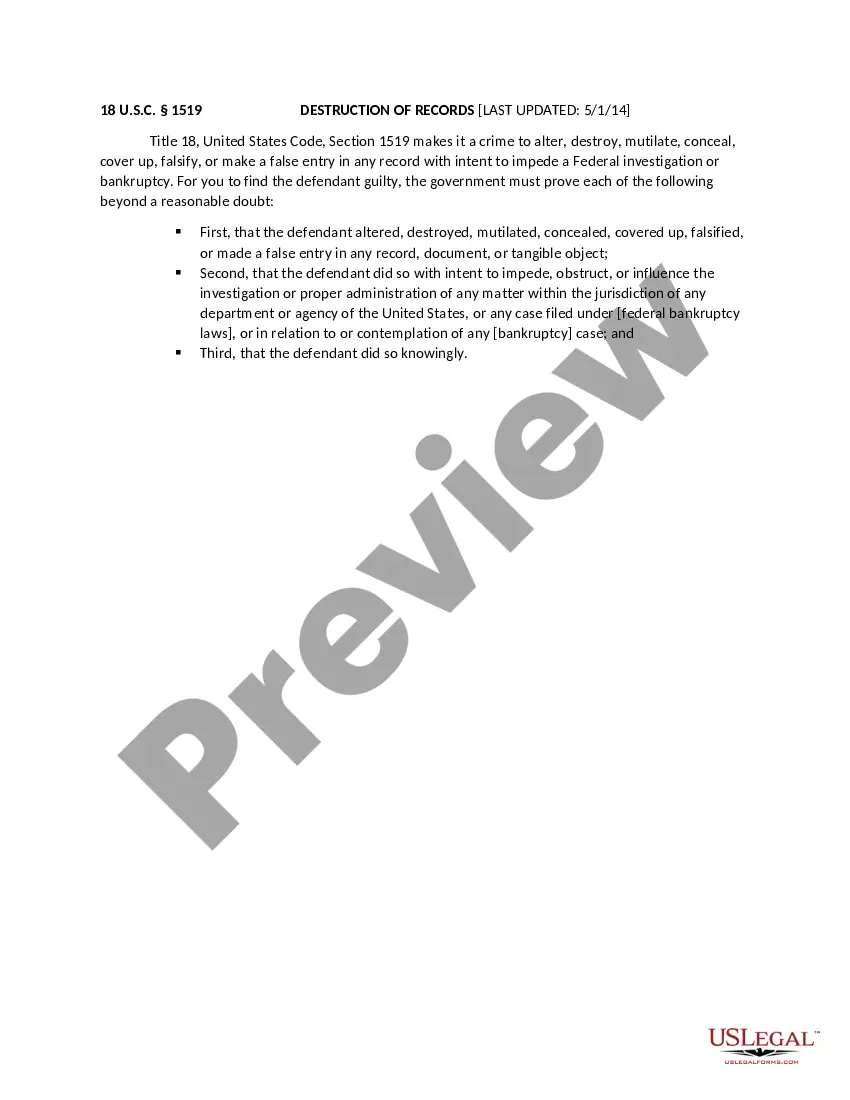
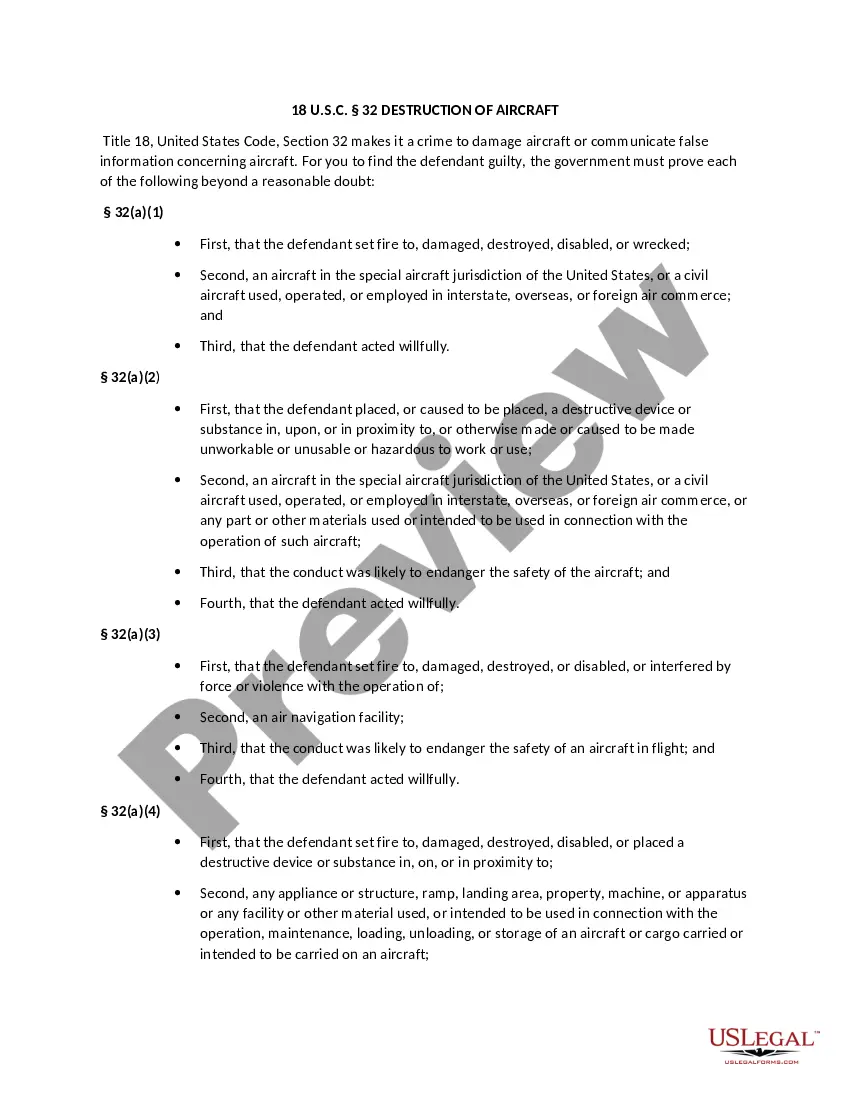
South Carolina Destruction of Records is the process of destroying records that are no longer required by law or policy to be retained. This may include electronic, paper, audio, and visual records. There are three main types of South Carolina Destruction of Records: 1. Scheduled Destruction: This type of destruction occurs when records reach the end of their legal or policy-defined retention period. The records must be destroyed in a secure, confidential manner. 2. Unscheduled Destruction: This type of destruction occurs when records are no longer needed or are outdated and can be destroyed without violating any legal or policy requirements. 3. Forced Destruction: This type of destruction occurs when records are destroyed because of a court order or other legal authority. Forced destruction must be done in compliance with all laws and policies.
South Carolina DESTRUCTION OF RECORDS
Description
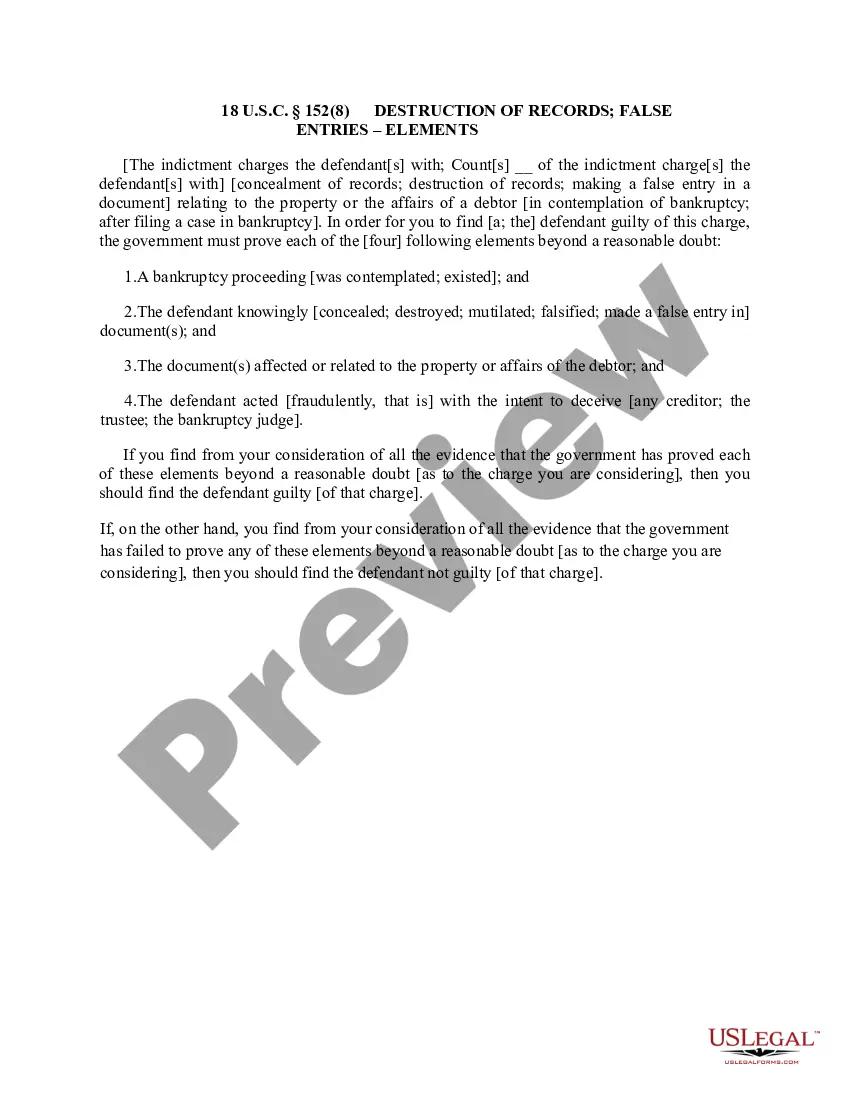
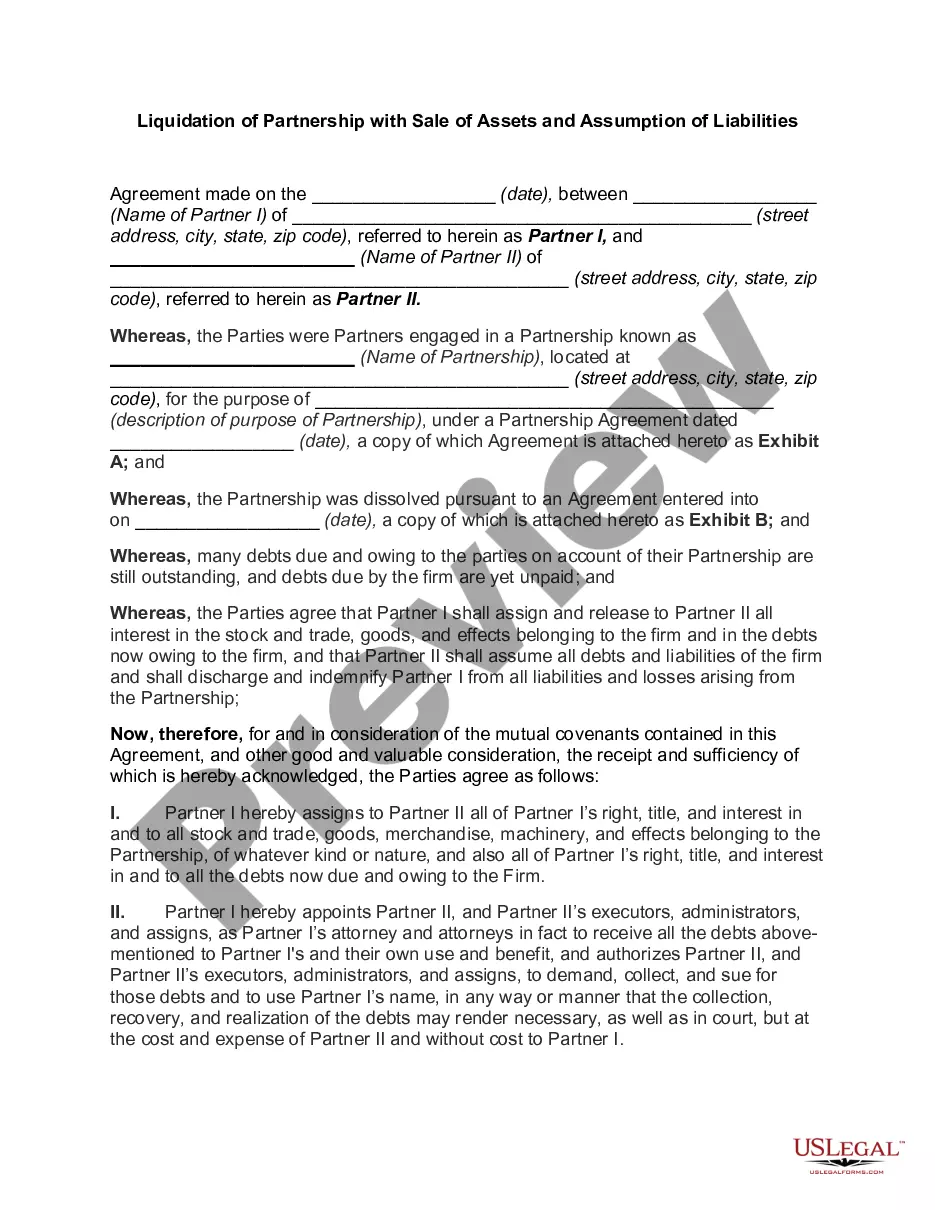
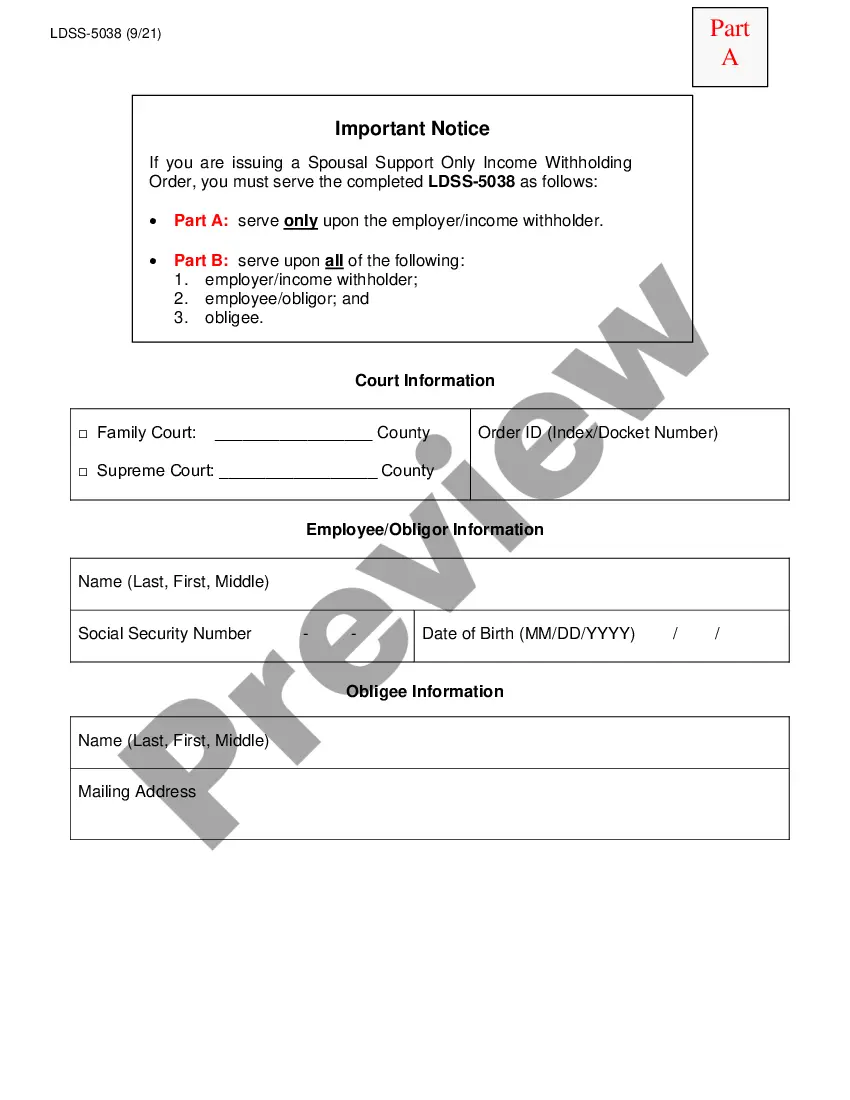

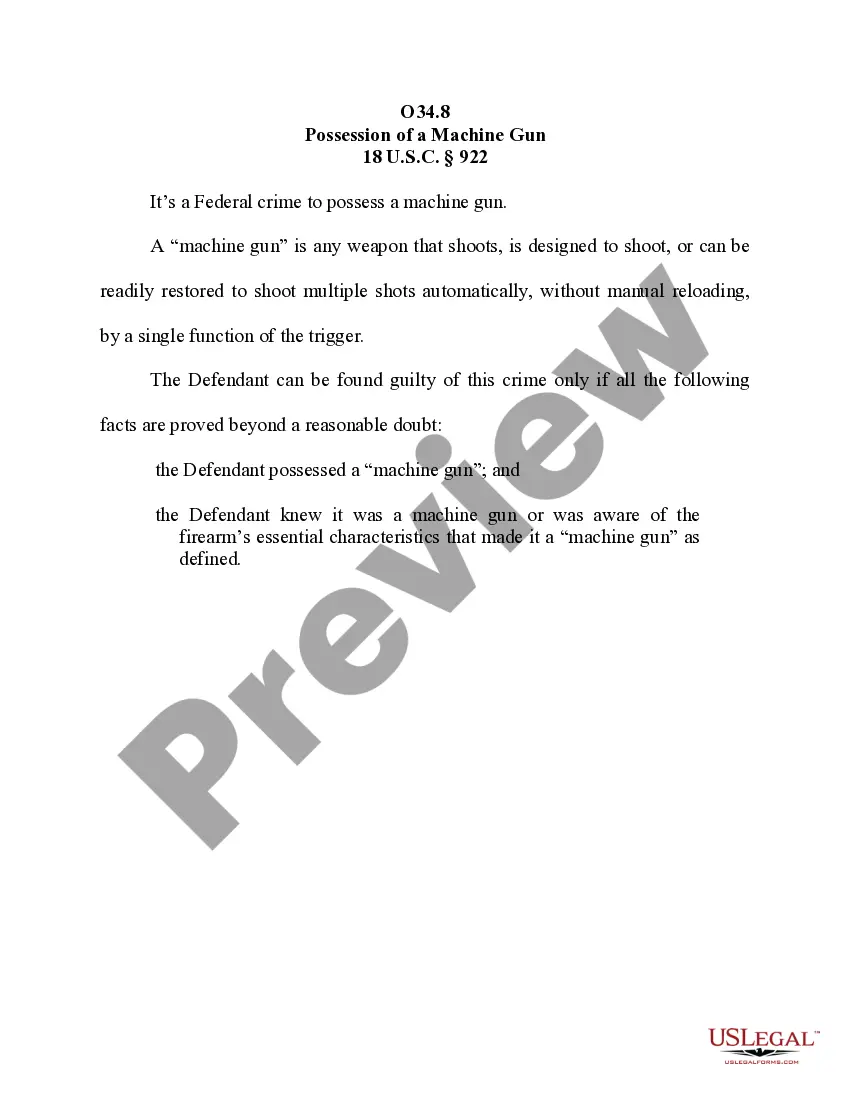
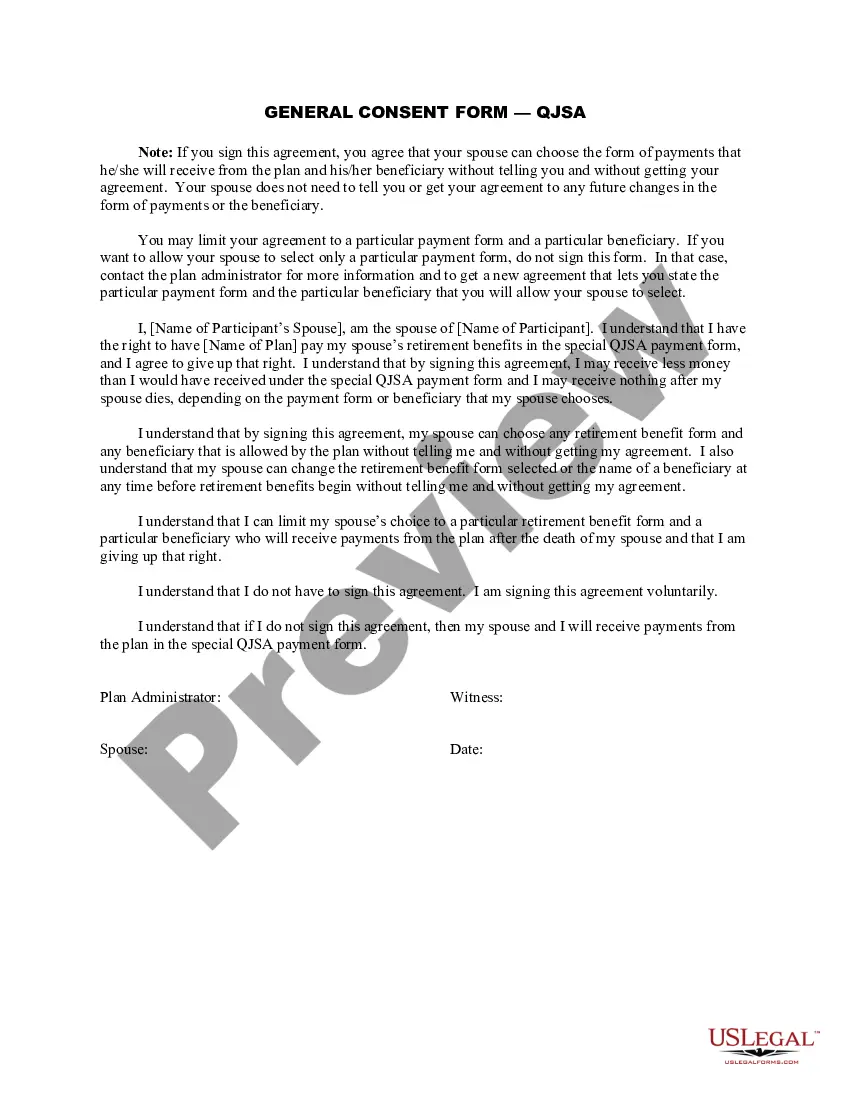

How to fill out South Carolina DESTRUCTION OF RECORDS?
Preparing legal paperwork can be a real burden unless you have ready-to-use fillable templates. With the US Legal Forms online library of formal documentation, you can be certain in the blanks you find, as all of them comply with federal and state laws and are verified by our specialists. So if you need to fill out South Carolina DESTRUCTION OF RECORDS, our service is the best place to download it.
Obtaining your South Carolina DESTRUCTION OF RECORDS from our library is as simple as ABC. Previously registered users with a valid subscription need only log in and click the Download button once they locate the correct template. Later, if they need to, users can take the same document from the My Forms tab of their profile. However, even if you are unfamiliar with our service, signing up with a valid subscription will take only a few minutes. Here’s a quick guide for you:
- Document compliance verification. You should attentively review the content of the form you want and ensure whether it satisfies your needs and meets your state law regulations. Previewing your document and looking through its general description will help you do just that.
- Alternative search (optional). If there are any inconsistencies, browse the library using the Search tab above until you find a suitable blank, and click Buy Now once you see the one you want.
- Account registration and form purchase. Create an account with US Legal Forms. After account verification, log in and select your preferred subscription plan. Make a payment to proceed (PayPal and credit card options are available).
- Template download and further usage. Choose the file format for your South Carolina DESTRUCTION OF RECORDS and click Download to save it on your device. Print it to complete your paperwork manually, or use a multi-featured online editor to prepare an electronic version faster and more efficiently.
Haven’t you tried US Legal Forms yet? Subscribe to our service today to get any official document quickly and easily every time you need to, and keep your paperwork in order!
Form popularity
FAQ
You can access criminal records in South Carolina through the South Carolina Law Enforcement Department site, called SLED, or obtain criminal case information on the website, SearchSystems.net. SLED allows you to check information on arrests and the charges, court findings, and sentencing.
SECTION 16-9-340. Intimidation of court officials, jurors or witnesses. (2) destroy, impede, or attempt to obstruct or impede the administration of justice in any court.
Criminal records are considered public records in South Carolina public records due to the state's Freedom of Information Act. Any interested person, such as a curious individual or employer, can request the criminal history or rap sheet on an individual who has a history with law enforcement agencies in the state.
There is a little-known law in South Carolina called the Sunshine Law. Its very name suggests that the sun always shine onto the Palmetto State's residents, but the law itself is meant to keep our government and elected leaders in check.
All requests for public records pursuant to the Freedom of Information Act must be made in writing and may be submitted in person or by mail or fax. Please state that you are requesting the records under the South Carolina Freedom of Information Act.
South Carolina is classified as a one-party consent state, meaning that it is a criminal offense to use a device to share or record wire, oral, or electronic communications without the consent of at least one participant.
South Carolina's FOIA starts with the presumption that all public body records and meetings are open and available to the public. A record cannot be withheld and a meeting cannot be closed unless a specific exemption or some other state law applies.
(a) Law enforcement and prosecution agencies shall retain the arrest and booking record, associated bench warrants, mug shots, and fingerprints of the person under seal for three years and one hundred twenty days.