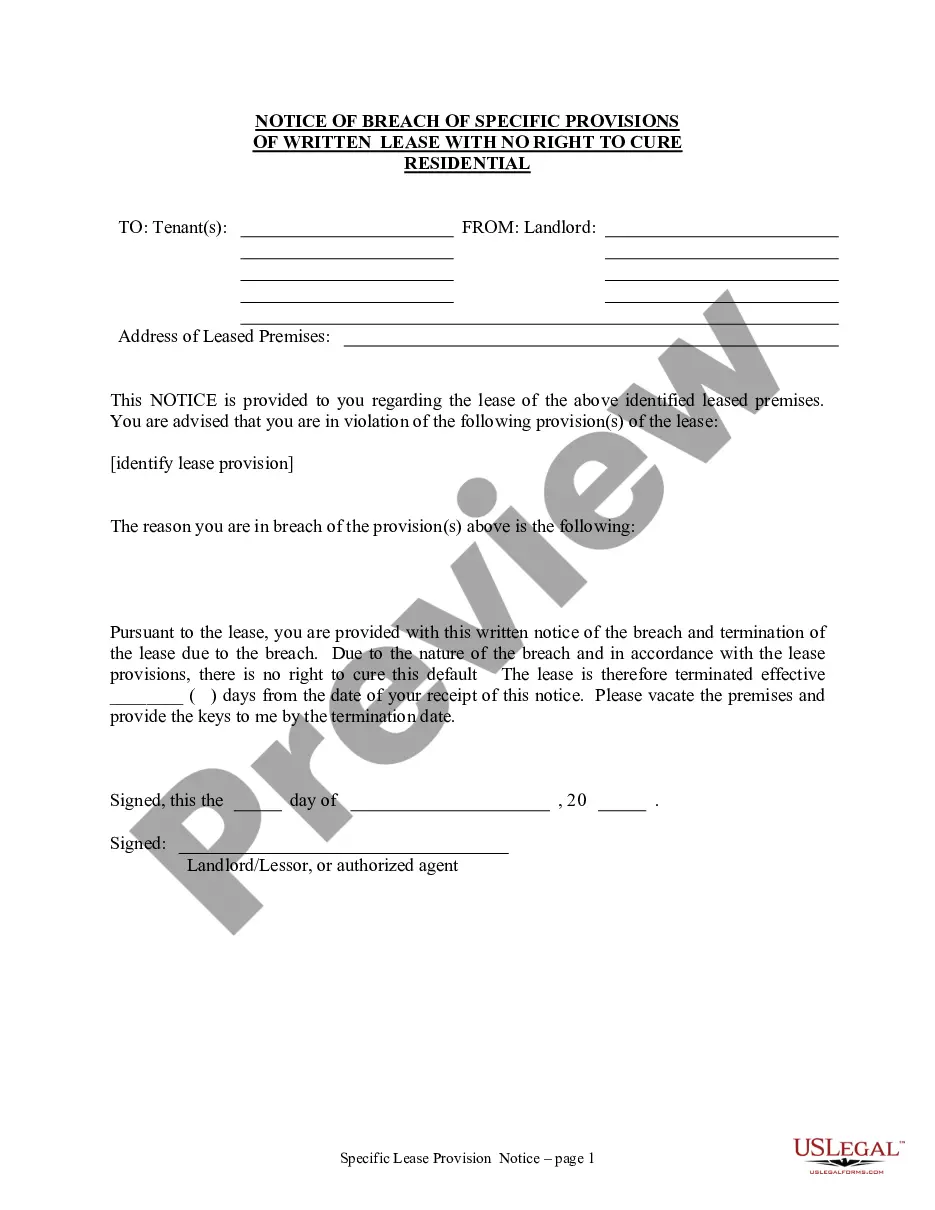
South Carolina Landlord Agreement to allow Tenant Alterations to Premises
Overview of this form
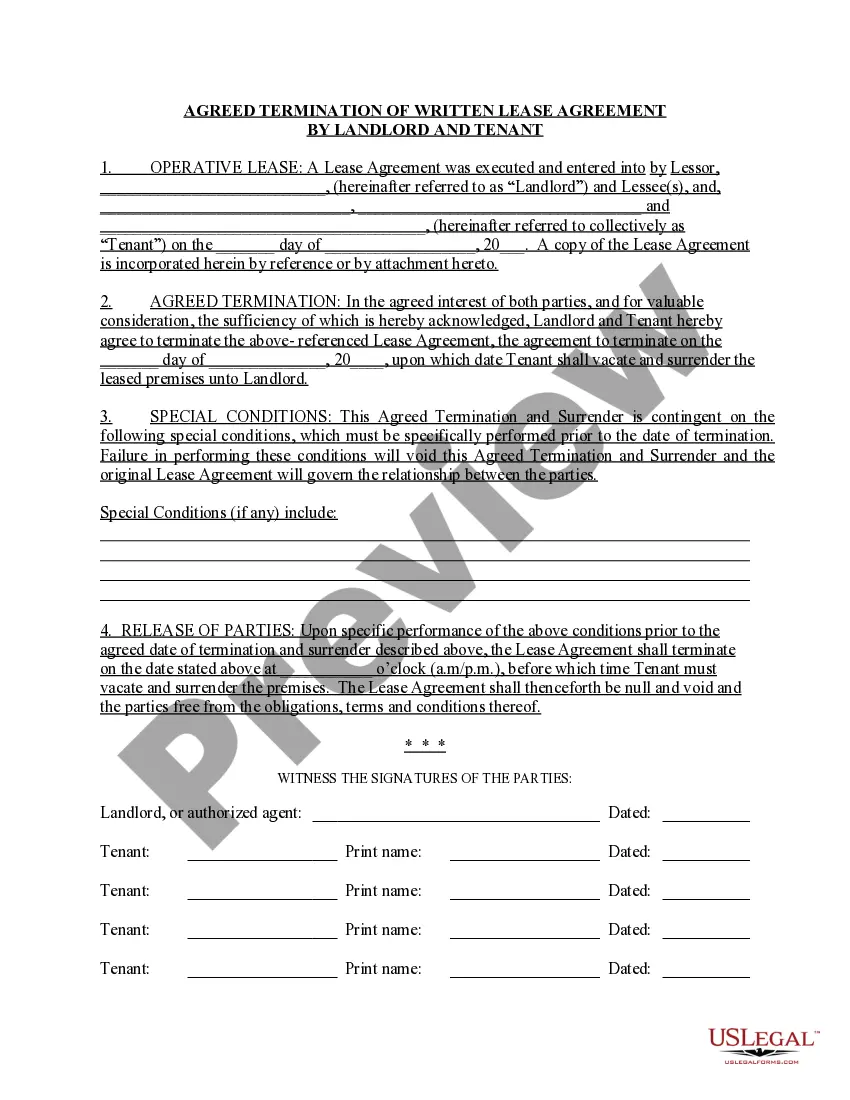
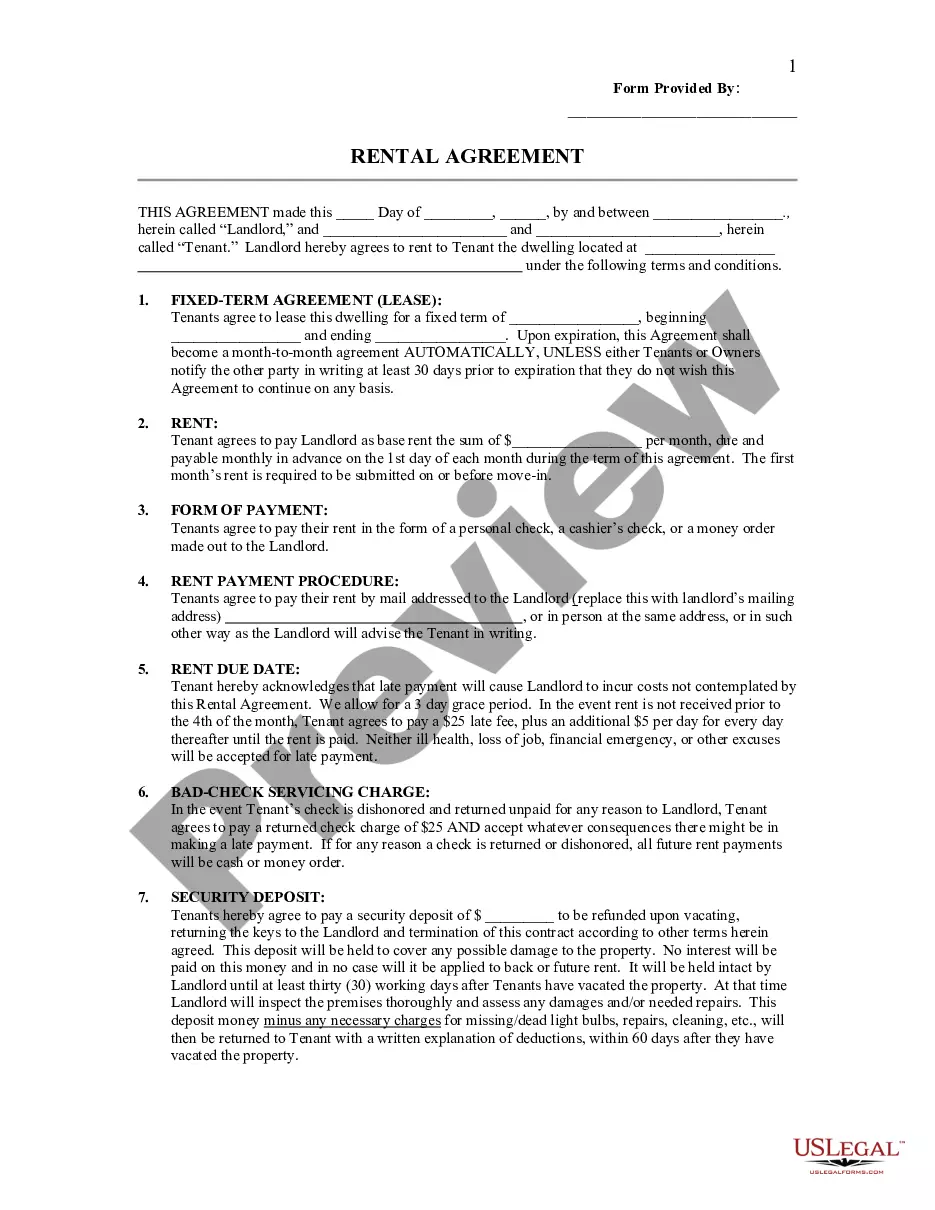
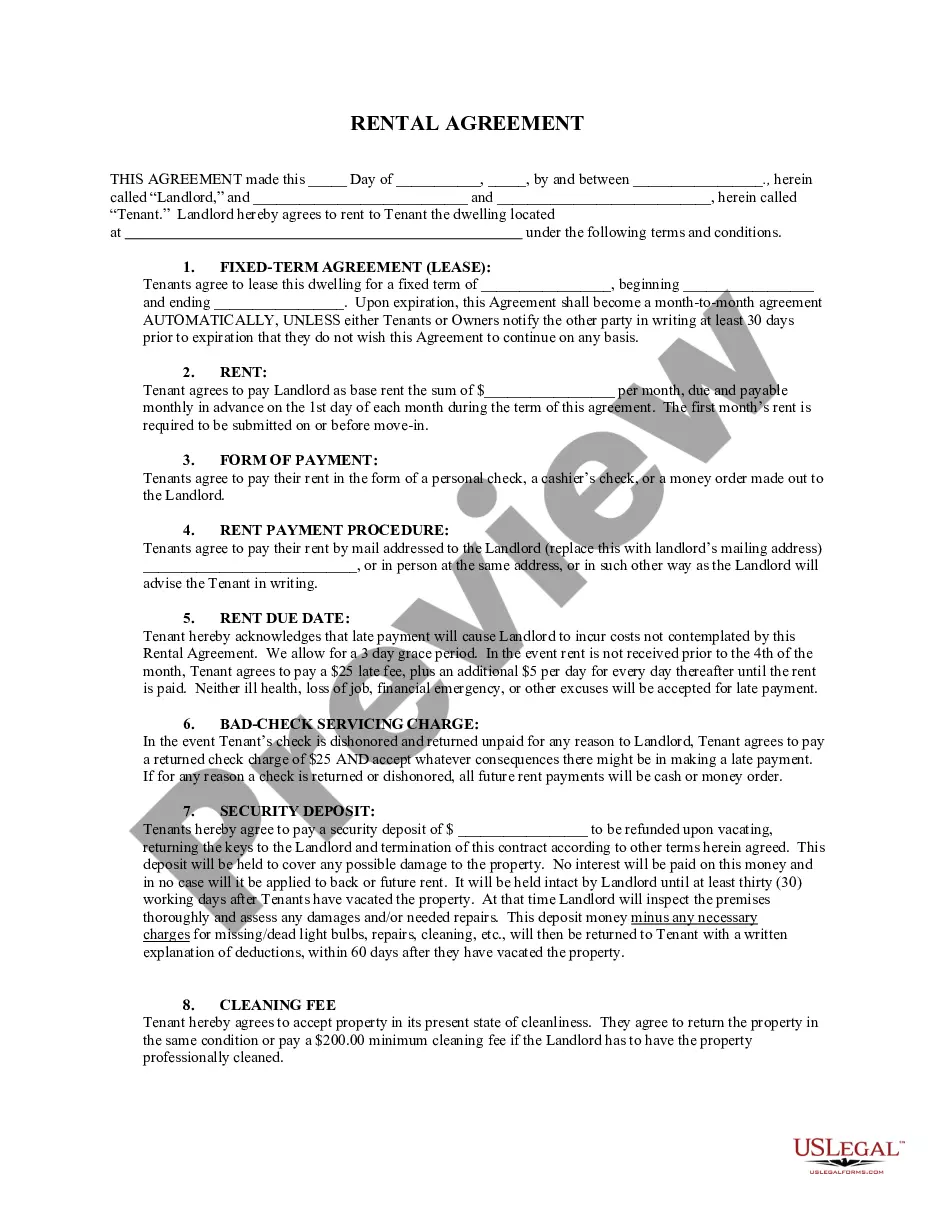
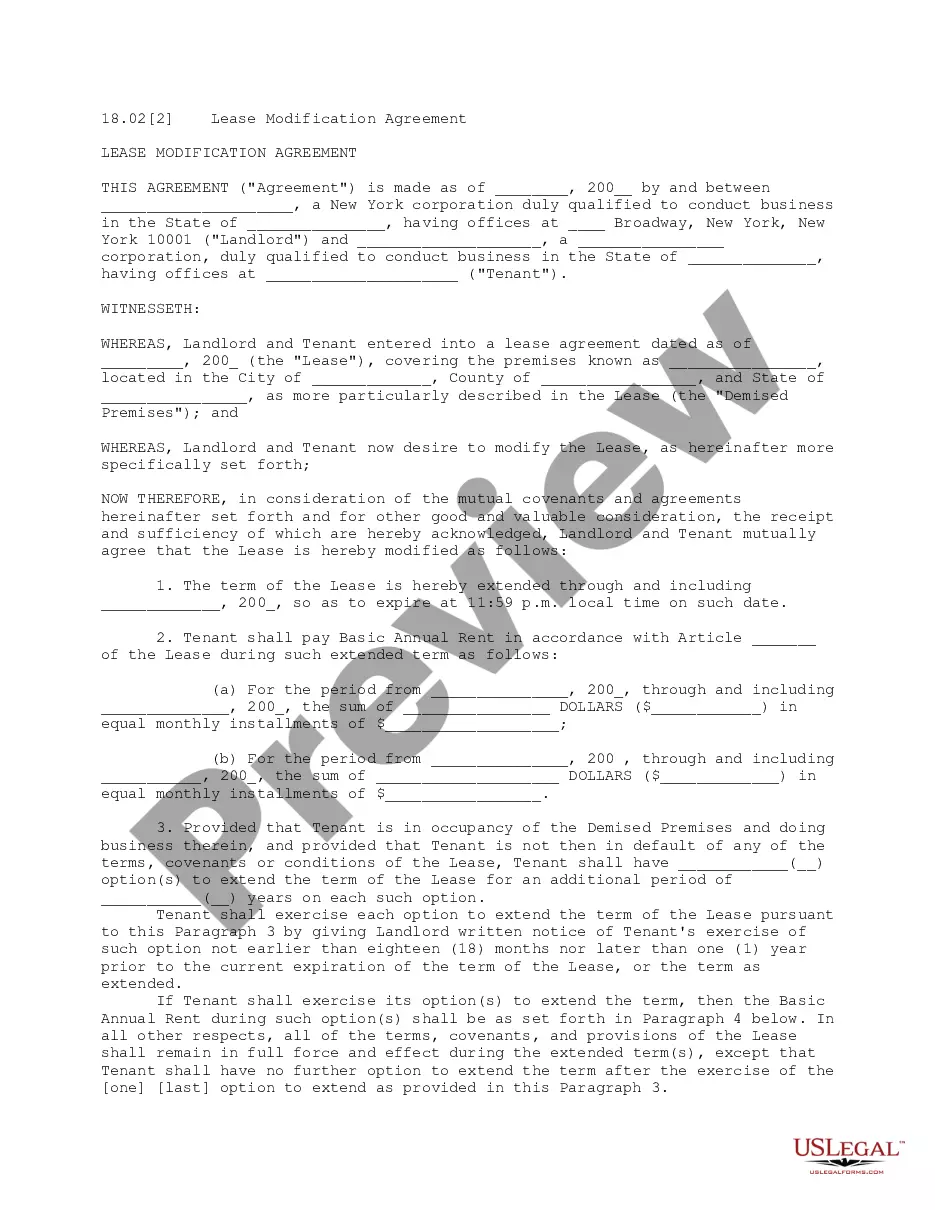
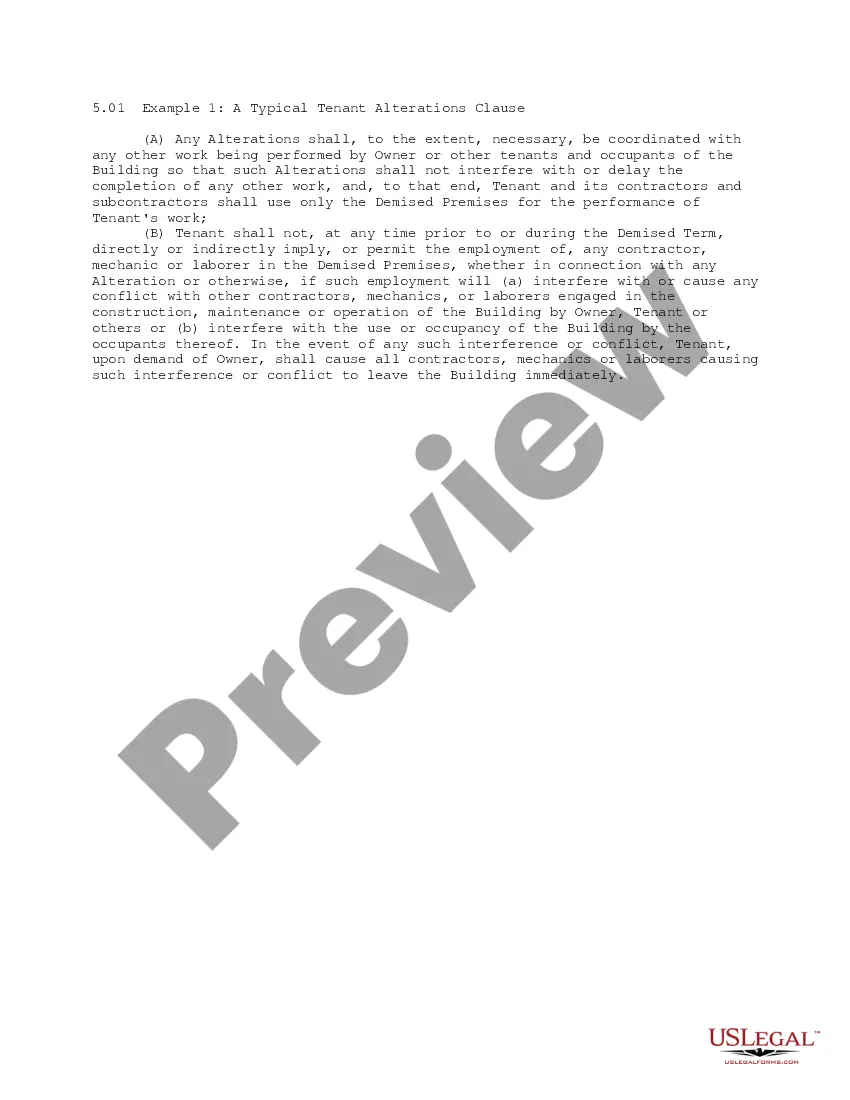
The Landlord Agreement to allow Tenant Alterations to Premises is a legal document that outlines the terms under which a tenant may make alterations to a rental property. This form is essential for clearly defining the responsibilities and rights of both the landlord and tenant regarding property modifications, thereby preventing potential disputes. Unlike general rental agreements, this specific form addresses alteration-related issues, such as ownership of the improvements and conditions for their removal.
Main sections of this form
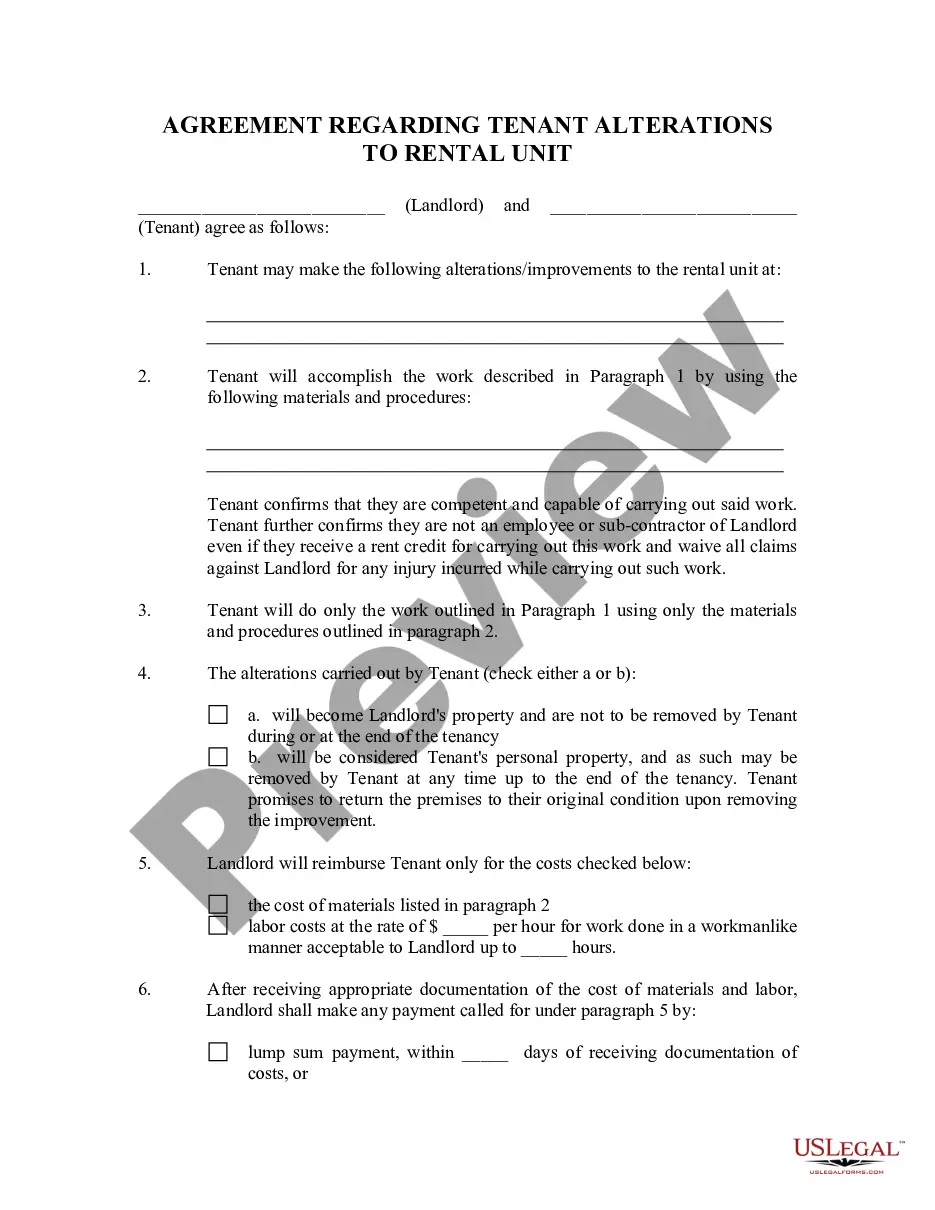
- Identification of the landlord and tenant involved in the agreement.
- Details of the specific alterations or improvements allowed on the premises.
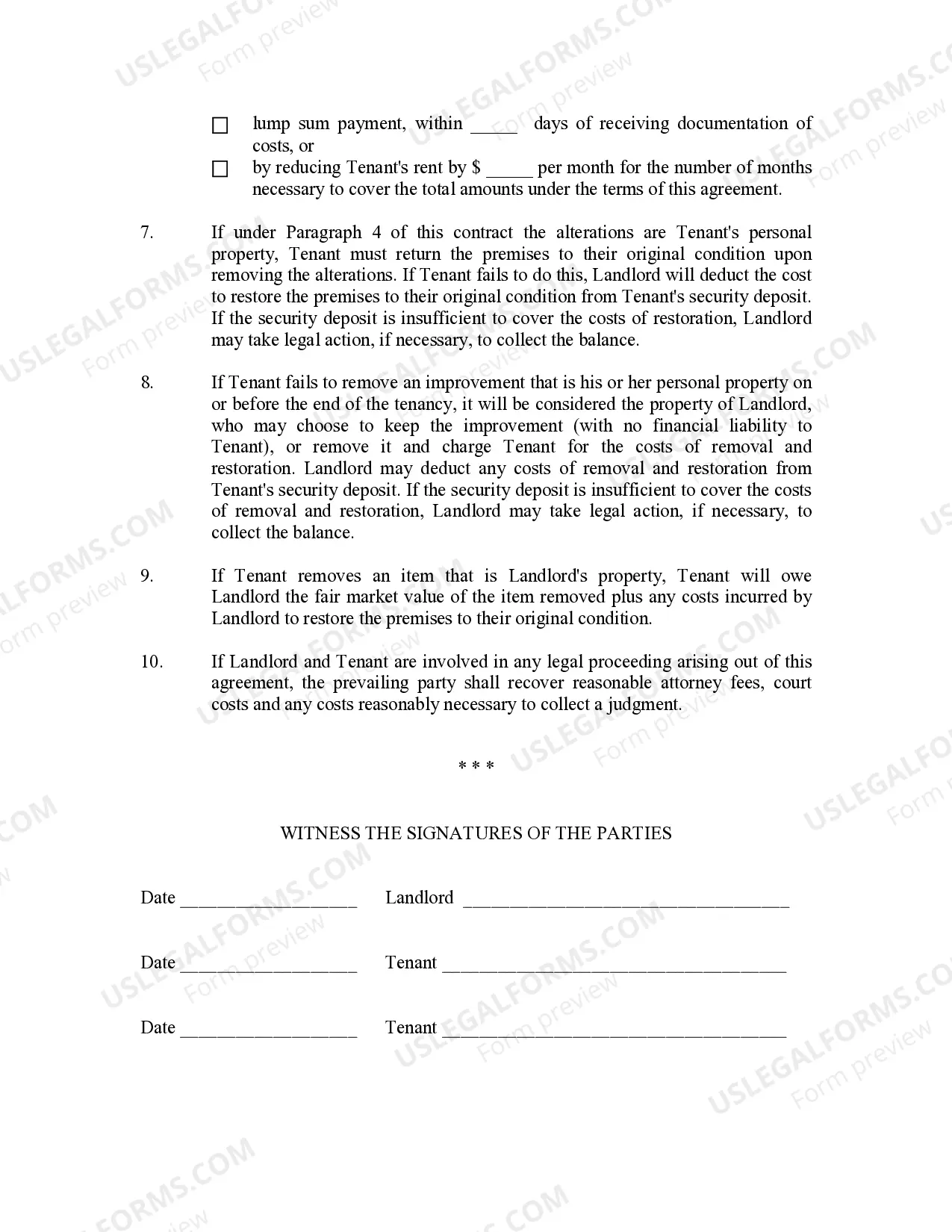
- Conditions regarding ownership of alterationsâwhether they remain the landlord's property or the tenant's personal property.
- Provisions for reimbursement of costs related to materials and labor for alterations.
- Requirements for restoring the premises to their original condition upon removal of alterations.
- Legal recourse in the event of disputes, including attorney fees and court costs.
Common use cases
This form should be used when a tenant wishes to make changes or improvements to a rental unit, such as remodeling a kitchen, painting walls, or installing fixtures. It is important to have a formal agreement to ensure that both parties understand their rights and obligations concerning the alterations. Using this form can help avoid misunderstandings that may arise throughout the tenancy regarding property modifications.
Who this form is for
This form is suitable for:
- Landlords who wish to permit tenants to make alterations while retaining control over the property.
- Tenants planning significant modifications to the rental premises and seeking approval from their landlord.
- Property managers overseeing rental agreements and maintenance of rental properties.
How to complete this form
- Identify the parties by entering the names of the landlord and tenant at the top of the form.
- Specify the property by providing the address of the rental unit where alterations will occur.
- Detail the specific alterations allowed in the designated section of the agreement.
- Indicate whether the alterations will remain the landlord's property or belong to the tenant.
- Fill in reimbursement details, including costs for materials and any labor charges applicable.
- Have both parties sign and date the form to finalize the agreement.
Notarization requirements for this form
This form does not typically require notarization unless specified by local law. However, having it notarized can add an extra layer of authenticity and security to the agreement.
Get your form ready online
Our built-in tools help you complete, sign, share, and store your documents in one place.
Make edits, fill in missing information, and update formatting in US Legal Forms—just like you would in MS Word.
Download a copy, print it, send it by email, or mail it via USPS—whatever works best for your next step.
Sign and collect signatures with our SignNow integration. Send to multiple recipients, set reminders, and more. Go Premium to unlock E-Sign.
If this form requires notarization, complete it online through a secure video call—no need to meet a notary in person or wait for an appointment.
We protect your documents and personal data by following strict security and privacy standards.

Make edits, fill in missing information, and update formatting in US Legal Forms—just like you would in MS Word.

Download a copy, print it, send it by email, or mail it via USPS—whatever works best for your next step.

Sign and collect signatures with our SignNow integration. Send to multiple recipients, set reminders, and more. Go Premium to unlock E-Sign.

If this form requires notarization, complete it online through a secure video call—no need to meet a notary in person or wait for an appointment.

We protect your documents and personal data by following strict security and privacy standards.
Typical mistakes to avoid
- Failing to specify the alterations clearly, leading to misunderstandings.
- Not addressing who will pay for the labor and materials.
- Omitting details on what happens to alterations if the tenant moves out.
- Neglecting to keep the form signed and dated by both parties.
Why use this form online
- Convenient access and the ability to download the form immediately after completion.
- Editability allows users to tailor the agreement to their specific needs.
- Prepared by licensed attorneys, ensuring legal reliability and compliance.
- Fast and easy process, minimizing the need for in-person meetings.
Legal use & context
- This agreement is legally binding and serves to protect both the landlord's property and the tenant's investments.
- It may help avoid disputes by providing clear guidelines for alterations and responsibilities.
- Understanding jurisdictional laws regarding tenant improvements can enhance the enforceability of this agreement.
What to keep in mind
- The form establishes a formal agreement between landlord and tenant regarding property alterations.
- Clear documentation helps prevent potential disputes and misunderstandings.
- Always ensure both parties agree on the terms and conditions outlined in the agreement.
Looking for another form?
Form popularity
FAQ
Complying with all state and local health and building codes. Maintaining structural components and a reasonably weather-protected unit. Providing the necessary heat, electric, and hot and cold water facilities. Making any requested repairs promptly.
The role of the tenant.Be considerate of the landlord's and other tenants' rights. Not destroy, damage or deface the premises, or allow anyone else to do so. Keep the premises as clean and sanitary as the condition of the premises permits.
Tenant Rights to Withhold Rent in South CarolinaTenants may withhold rent or exercise the right to repair and deduct if a landlord fails to take care of important repairs, such as a broken heater. For specifics, see South Carolina Tenant Rights to Withhold Rent or Repair and Deduct.
Can a tenant claim for improvements made during the lease? The position differs in the case of immovable and movable property. Tenant can claim for:The claim arises only once the lease is terminated and lessee vacated the property.
Keep your rental unit as clean and safe as the condition of the premises permits. Dispose of garbage, rubbish, and other waste in a clean and safe manner. Keep plumbing fixtures as clean as their condition permits.
Following building and housing codes. Keeping the unit safe and sanitary. Disposing of garbage. Maintaining plumbing fixtures. Properly operating all plumbing and electric fixtures. Maintaining appliances supplied by the landlord. Not damaging the unit.
Abide by the agreements made in the lease or rental agreement. Follow fair housing laws. Make required disclosures to rental applicants and tenants. Respect their tenants' privacy. Not retaliate against tenants or misuse the eviction process. Handle all rental-related matters in good faith.
Tenant Rights to Withhold Rent in South CarolinaTenants may withhold rent or exercise the right to repair and deduct if a landlord fails to take care of important repairs, such as a broken heater.
A landlord cannot evict a tenant without an adequately obtained eviction notice and sufficient time. A landlord cannot retaliate against a tenant for a complaint. A landlord cannot forego completing necessary repairs or force a tenant to do their own repairs.A landlord cannot remove a tenant's personal belongings.