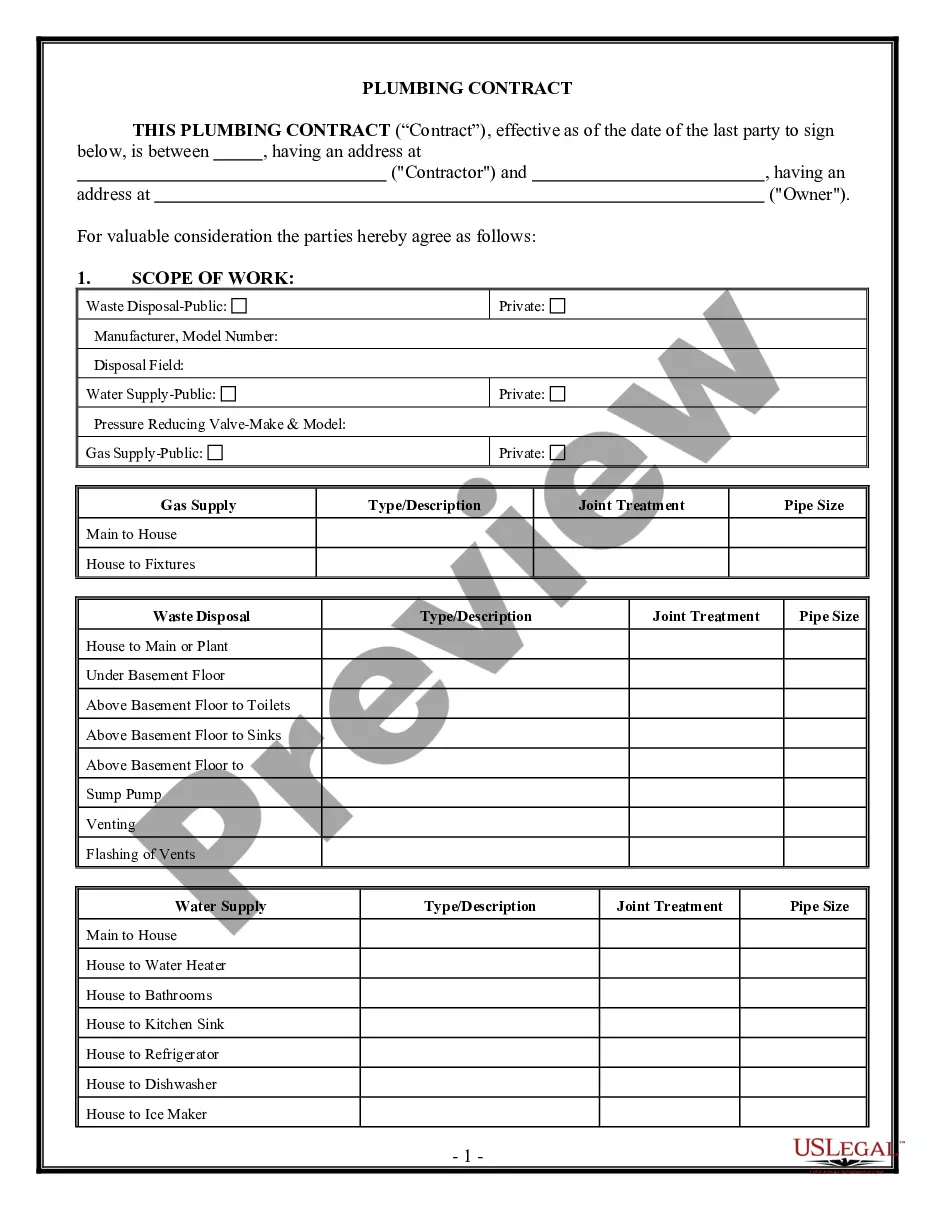
South Carolina Drainage Contract for Contractor
What is this form?
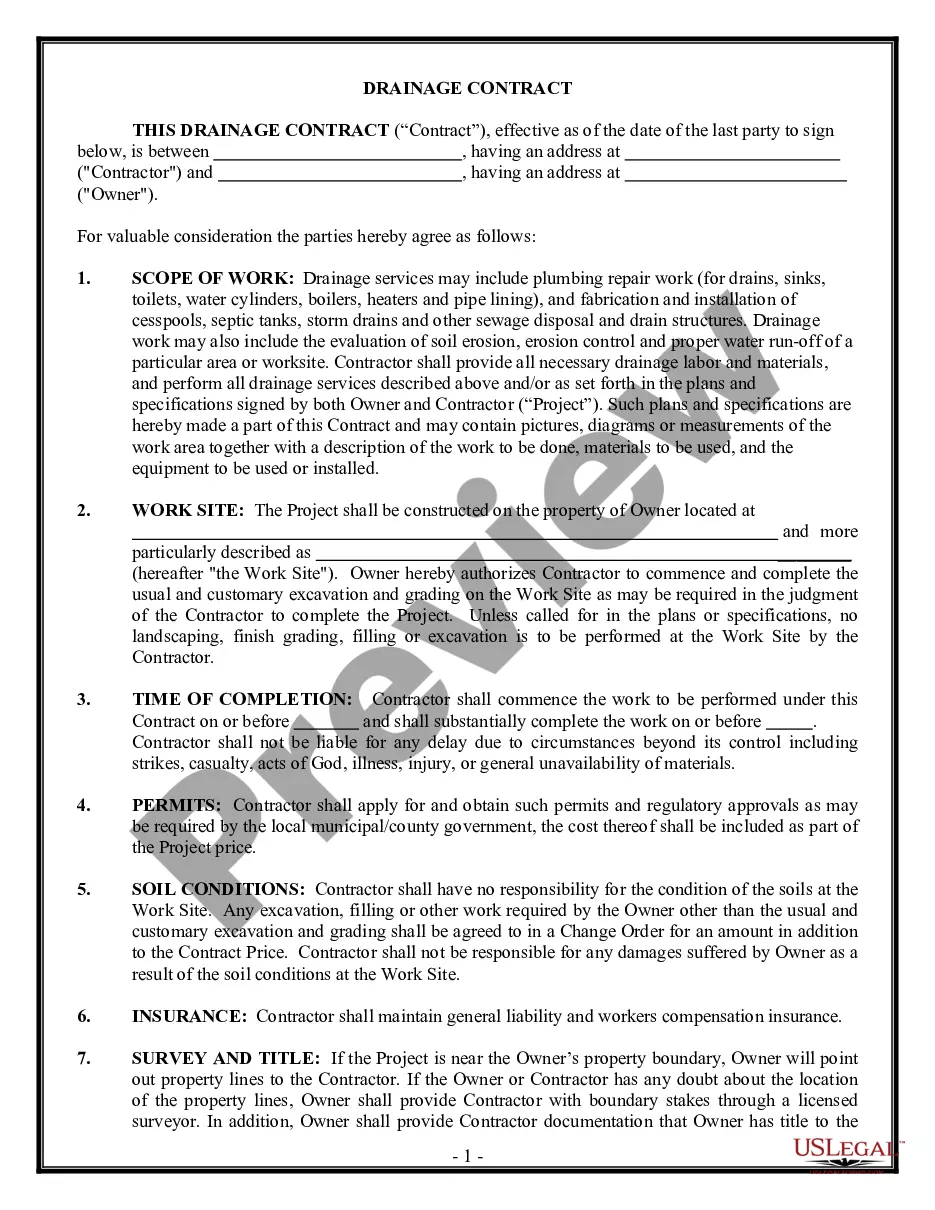
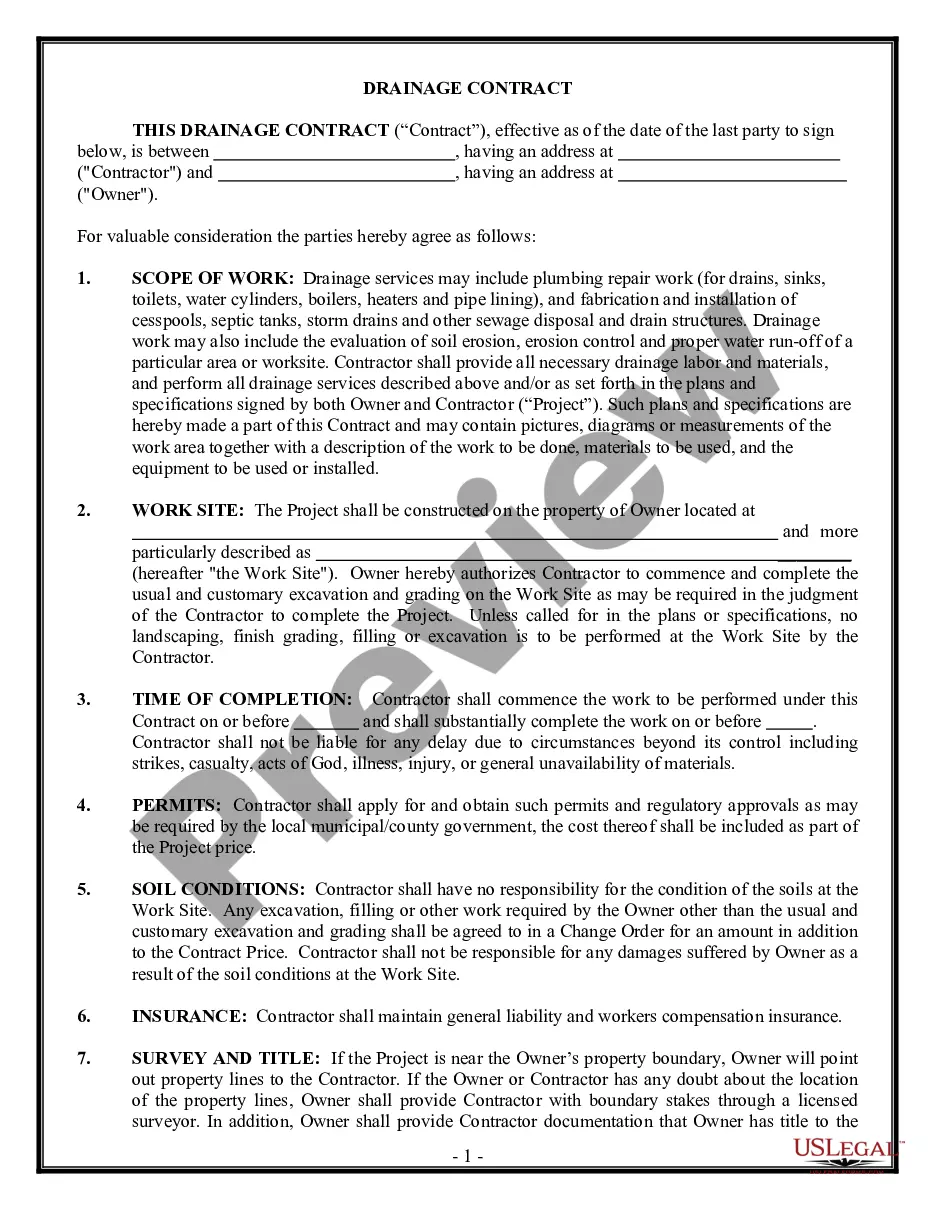
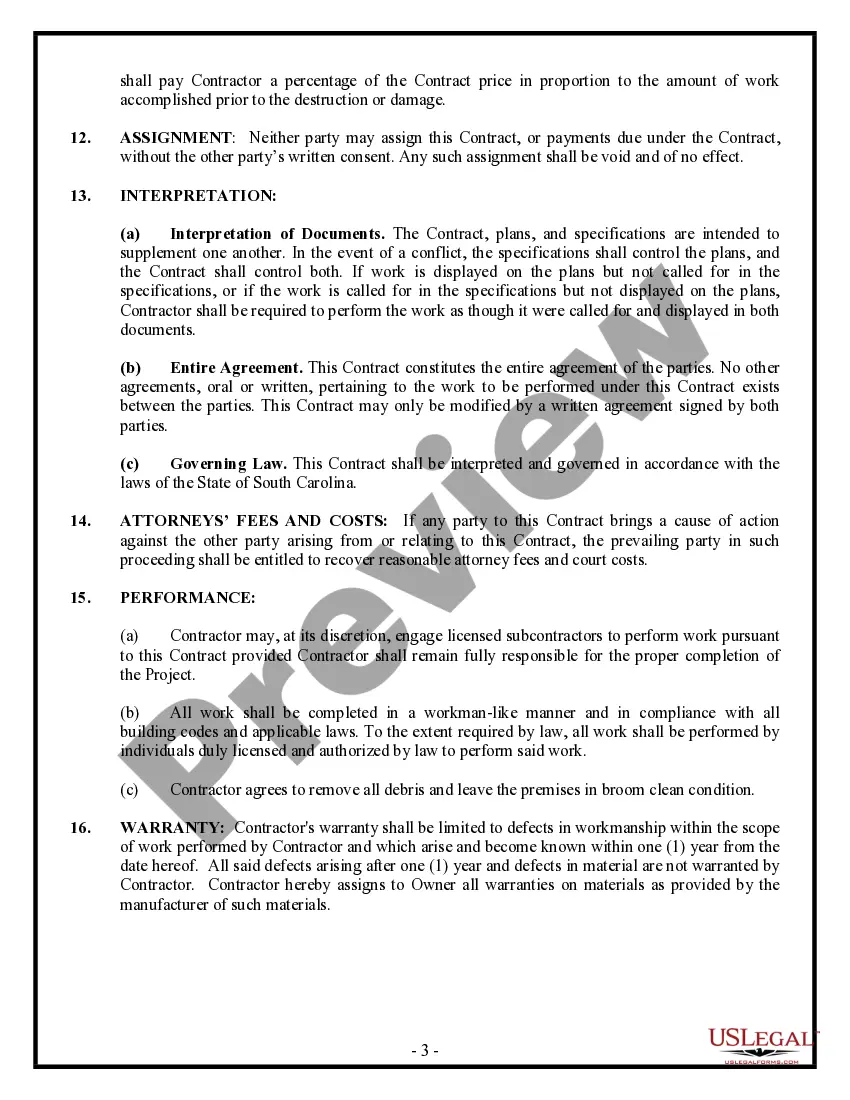
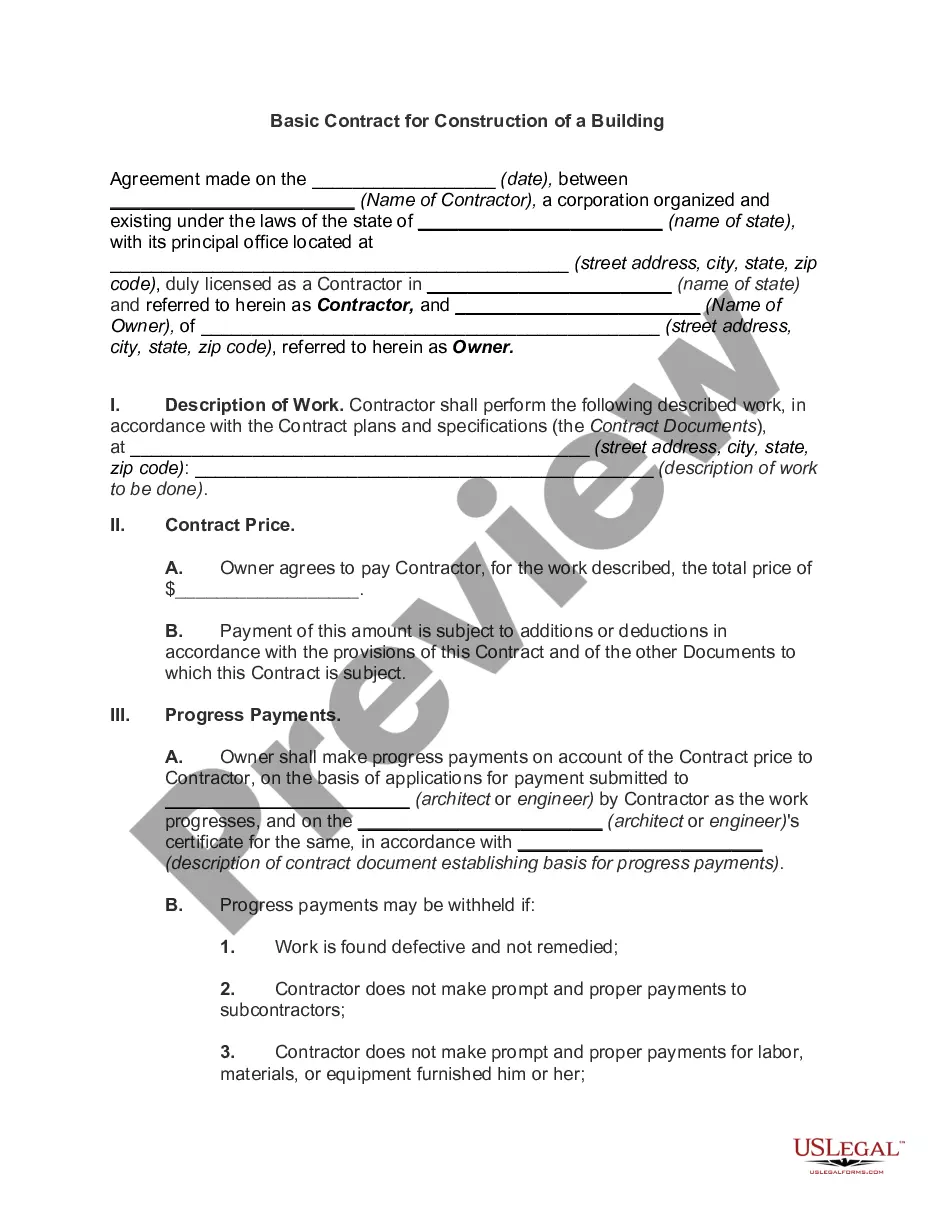
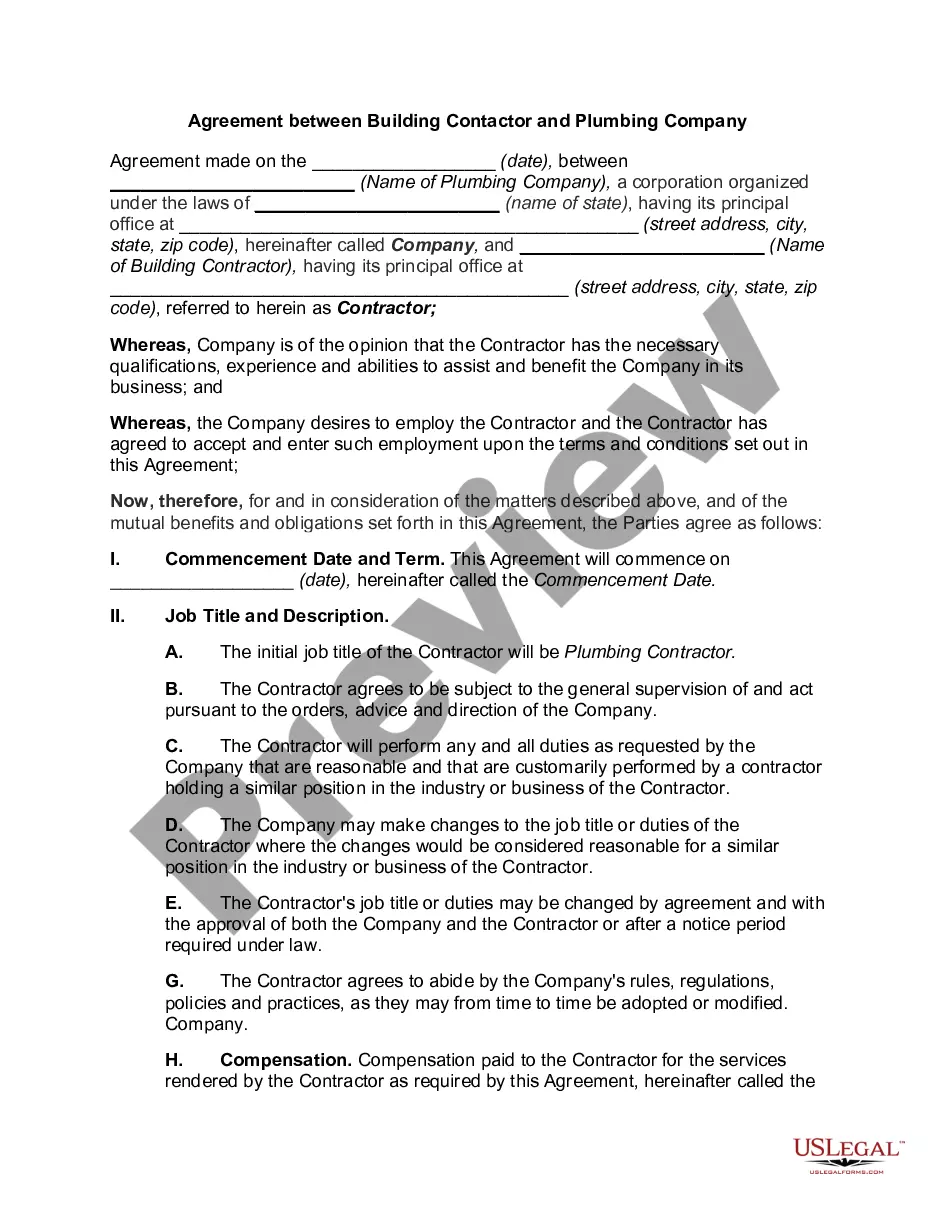
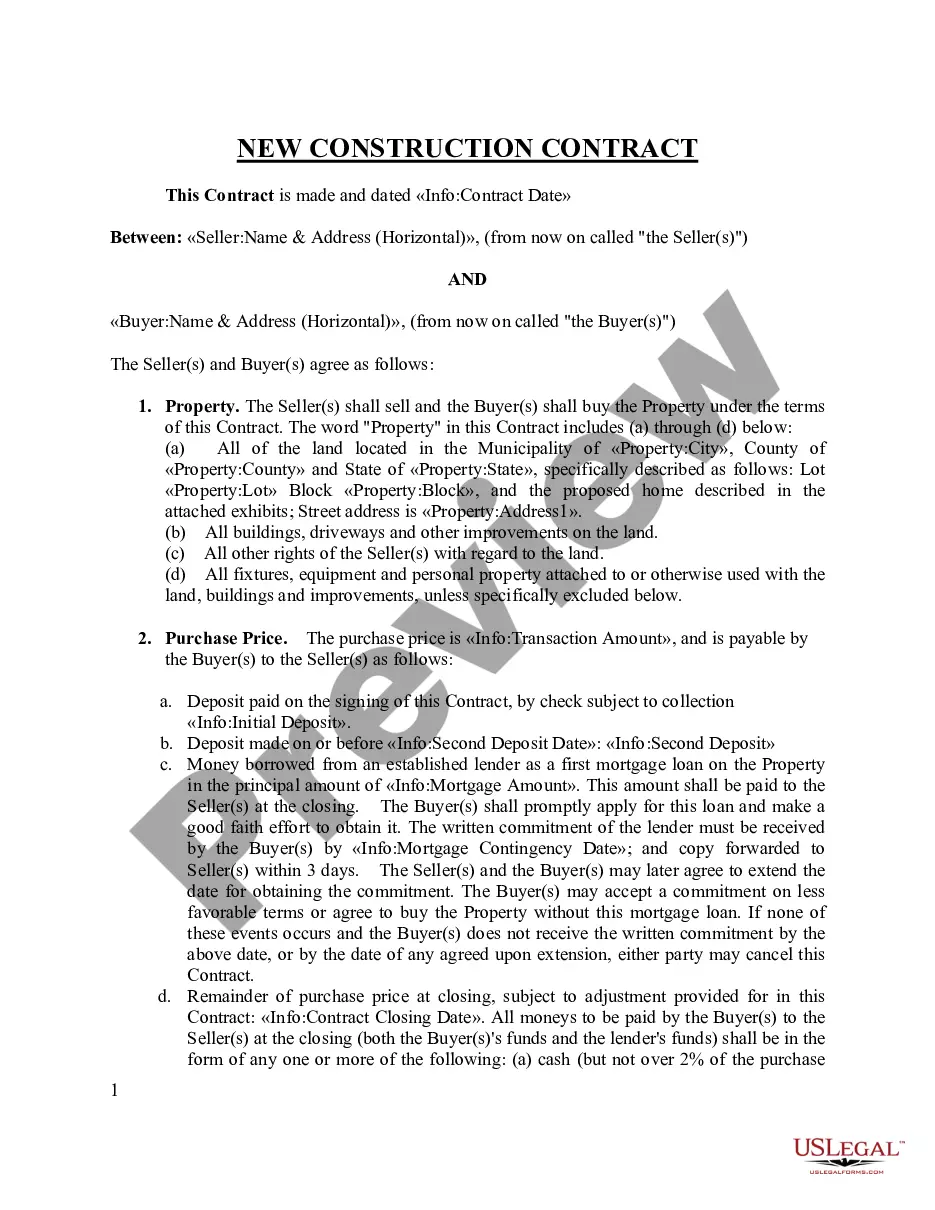
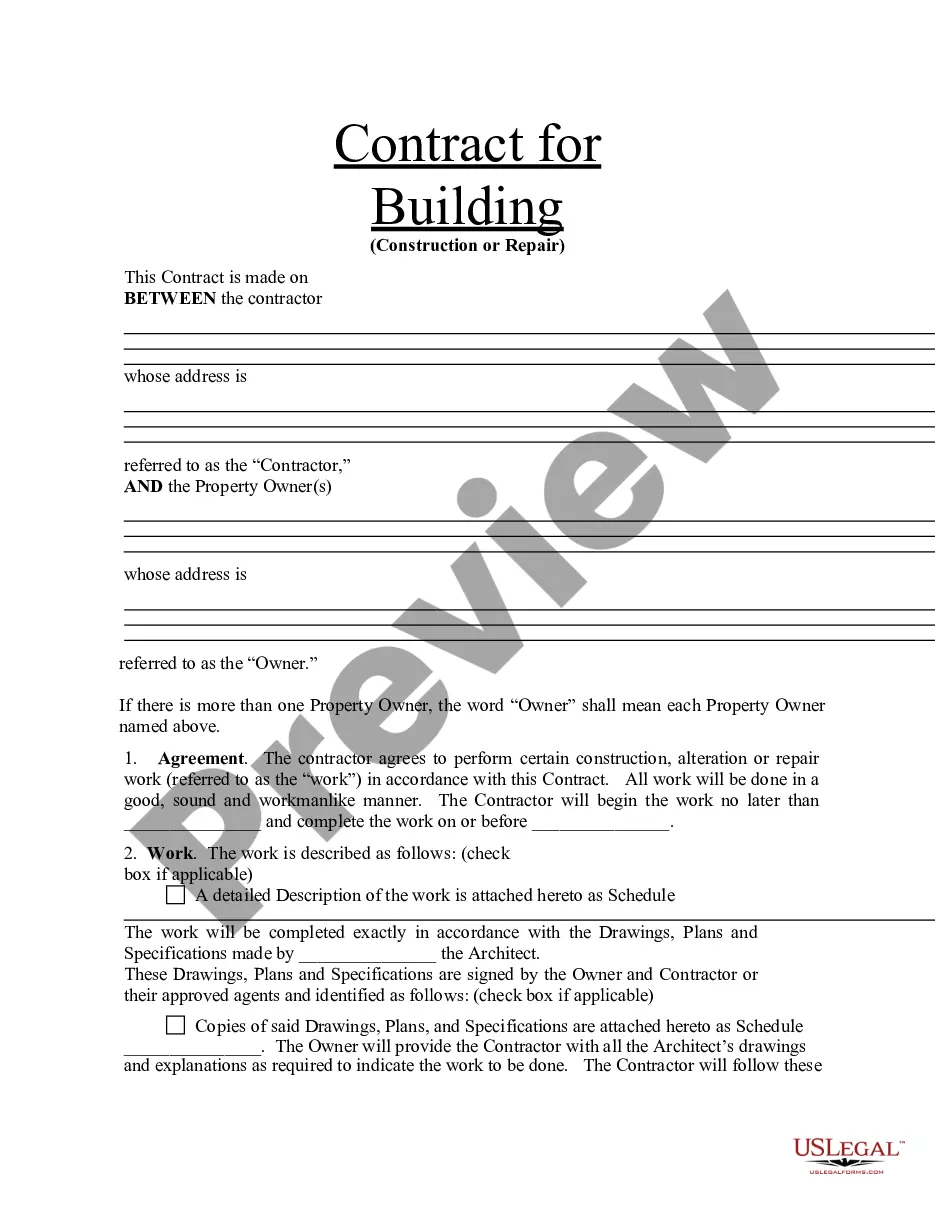
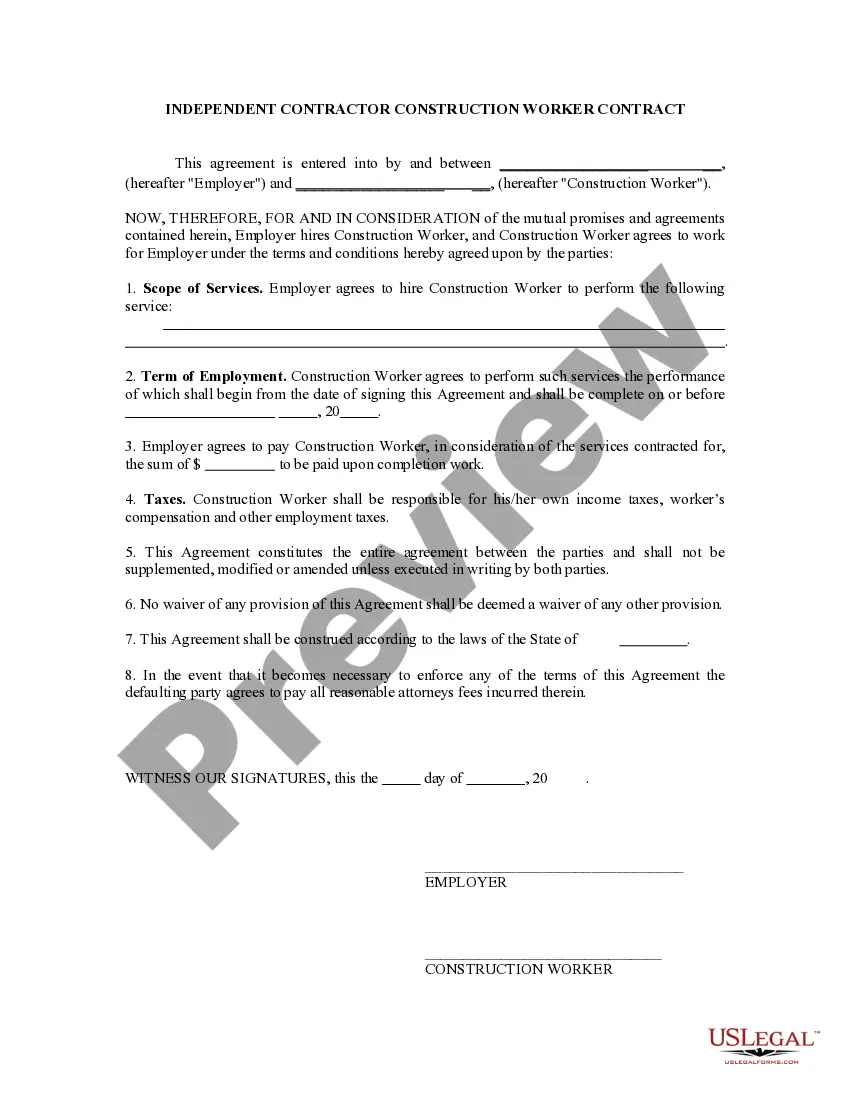
The Drainage Contract for Contractor is a legally binding agreement between drainage contractors and property owners, tailored for projects involving drainage work. This contract offers flexibility in payment arrangements, such as cost-plus or fixed fee, and encompasses critical aspects like change orders, insurance, and warranty provisions. It ensures compliance with South Carolina laws, making it suitable for local projects.
Key parts of this document
- Work site details, including the location of the project.
- Responsibilities related to permits and regulatory approvals.
- Provisions regarding soil conditions and change orders.
- Insurance requirements, including liability and workers compensation.
- Terms for payment, late payments, and default scenarios.
- Warranty coverage and conditions for damages or destruction.

When this form is needed
This form should be used when entering into an agreement for drainage work on a property, ensuring clear terms and conditions are established. It is particularly useful when projects may involve unforeseen changes to the scope of work, allowing for proper documentation of these adjustments through change orders. Utilizing this contract helps protect both the contractor's and owner's interests by outlining expectations and responsibilities.
Who should use this form
- Property owners seeking drainage services.
- Drainage contractors offering services to property owners.
- Individuals or businesses planning drainage projects in South Carolina.
How to complete this form
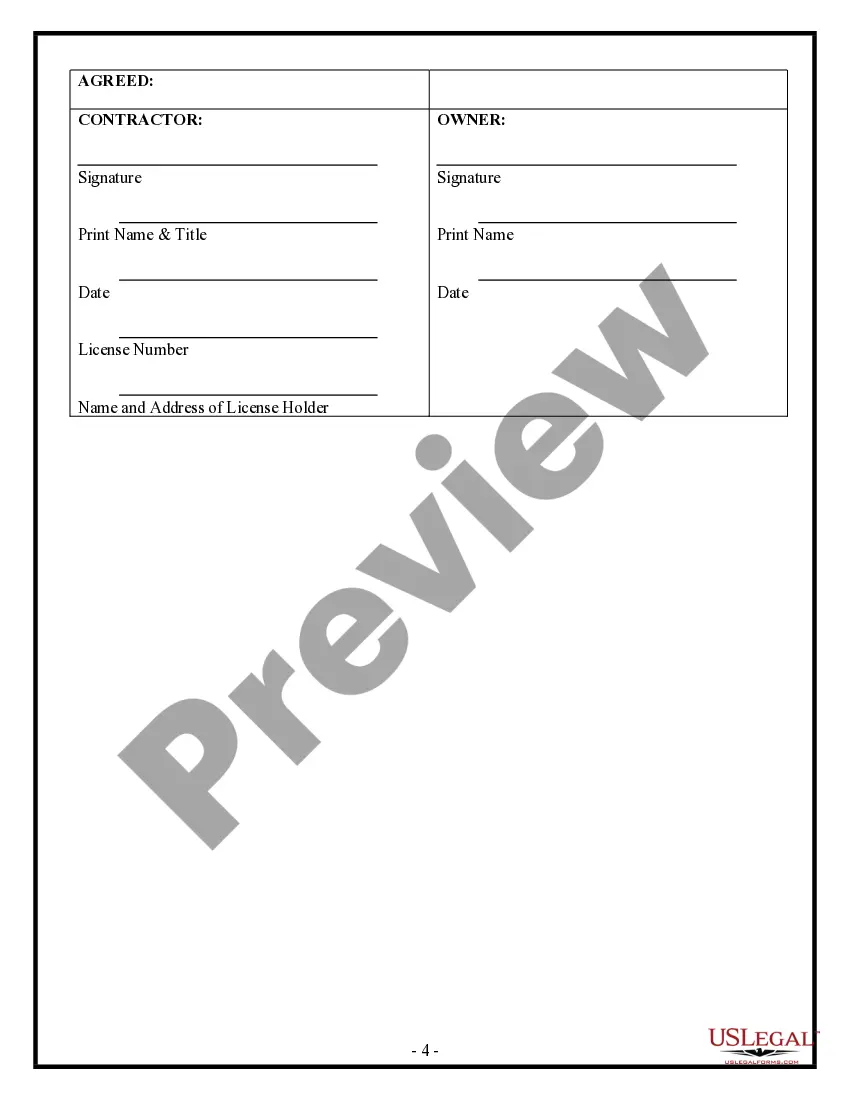
- Identify the parties involved, including the contractor and property owner.
- Specify the work site address where the drainage project will take place.
- Outline the payment structure, indicating whether it is cost-plus or a fixed fee.
- List applicable permits required by local authorities.
- Complete sections regarding change orders and warranties as necessary.
Notarization guidance
This form does not typically require notarization to be legally valid. However, some jurisdictions or document types may still require it. US Legal Forms provides secure online notarization powered by Notarize, available 24/7 for added convenience.
Get your form ready online
Our built-in tools help you complete, sign, share, and store your documents in one place.
Make edits, fill in missing information, and update formatting in US Legal Forms—just like you would in MS Word.
Download a copy, print it, send it by email, or mail it via USPS—whatever works best for your next step.
Sign and collect signatures with our SignNow integration. Send to multiple recipients, set reminders, and more. Go Premium to unlock E-Sign.
If this form requires notarization, complete it online through a secure video call—no need to meet a notary in person or wait for an appointment.
We protect your documents and personal data by following strict security and privacy standards.

Make edits, fill in missing information, and update formatting in US Legal Forms—just like you would in MS Word.

Download a copy, print it, send it by email, or mail it via USPS—whatever works best for your next step.

Sign and collect signatures with our SignNow integration. Send to multiple recipients, set reminders, and more. Go Premium to unlock E-Sign.

If this form requires notarization, complete it online through a secure video call—no need to meet a notary in person or wait for an appointment.

We protect your documents and personal data by following strict security and privacy standards.
Common mistakes
- Failing to specify the exact work site location.
- Not discussing and agreeing on change orders in writing.
- Overlooking insurance requirements that could affect liability.
- Neglecting to clarify payment terms, leading to disputes.
Advantages of online completion
- Convenient access to the contract, allowing for easy downloads.
- Editable fields to tailor the contract to specific needs.
- Reliability in ensuring that the document meets legal standards.
Legal use & context
- This contract is enforceable under South Carolina law, ensuring legal backing.
- It establishes clear communication and expectations between parties involved in drainage projects.
Summary of main points
- The Drainage Contract is essential for defining the scope and terms of drainage work.
- Ensures compliance with South Carolina's legal requirements.
- Facilitates good communication and documentation between contractor and property owner.
Looking for another form?
Form popularity
FAQ
Generally speaking, a general contractor is someone who manages a team of subcontractors to help do various types of construction projects in your home. A custom home builder, however, is specialized in building custom homes and is able to complete this specific type of project start to finish on their own.
Residential contractors build and renovate homes or manage such projects from start to finish. The residential contractor typically secures permits, supervises labor and enlists specialized subcontractors such as plumbers and electricians.
FILE A WRITTEN APPLICATION. First things first! SUBMIT A CERTIFIED CHECK. SUBMIT AN AFFIDAVIT. PASS THE EXAM. PAY THE LICENSE FEE.
FILE A WRITTEN APPLICATION. First things first! SUBMIT A CERTIFIED CHECK. SUBMIT AN AFFIDAVIT. PASS THE EXAM. PAY THE LICENSE FEE.
A handyman, under the classification of Residential Specialty Contractor, does not need a license to work in South Carolina. However, you will need to register with the South Carolina Department of Labor, Licensing and Regulation.
In South Carolina, the South Carolina Department of Labor, Licensing and Regulations is responsible for the licensing of all contractors. General, mechanical, specialty and manufactured housing contractors must be licensed in order to work in the state.
Per South Carolina state law, a general handyman does not need a license to perform basic repair and maintenance tasks for homeowners. However, one does need to register with the South Carolina Department of Labor, Licensing and Regulation.
SC Regulation 117-314.2 states: Building materials when purchased by builders, contractors, or landowners for use in adding to, repairing or altering real property are subject to either the sales or use tax at the time of purchase by such builder, contractor, or landowner.
A certified contractor passed the state licensing examination. Certified contractors can work anywhere within the state in which they are licensed. A registered contractor is registered by a local county or municipality and receives a certificate of competency from the Electrical Contractors' Licensing Board.