Rhode Island Registration Rights Agreement between Turnstone Systems, Inc. and purchaser
Description
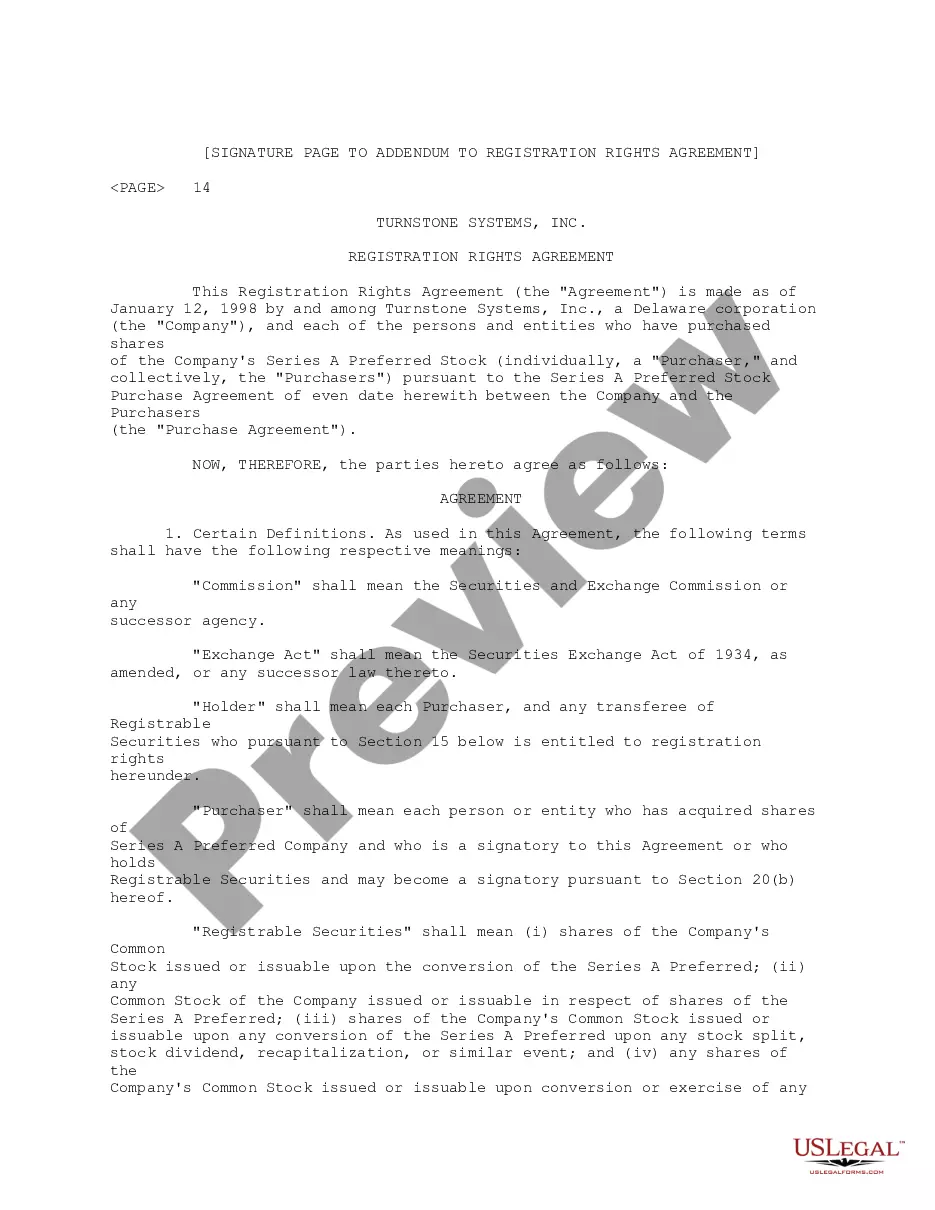
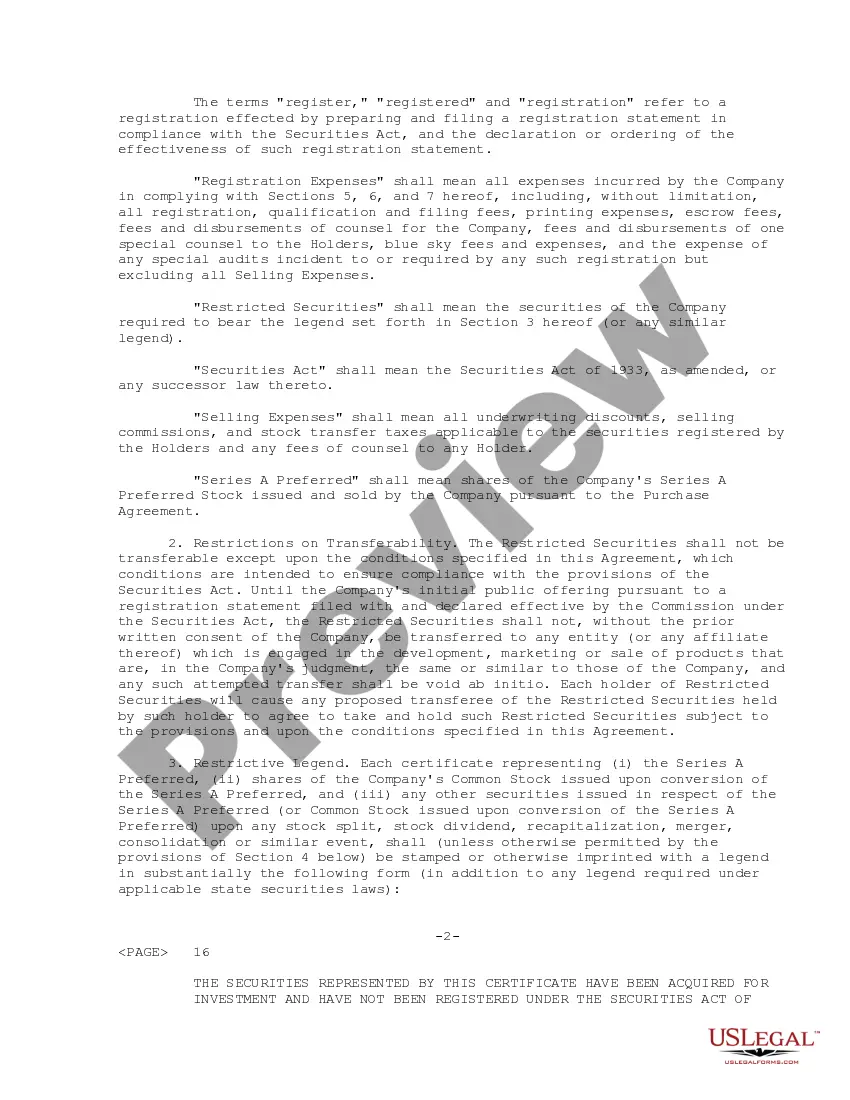
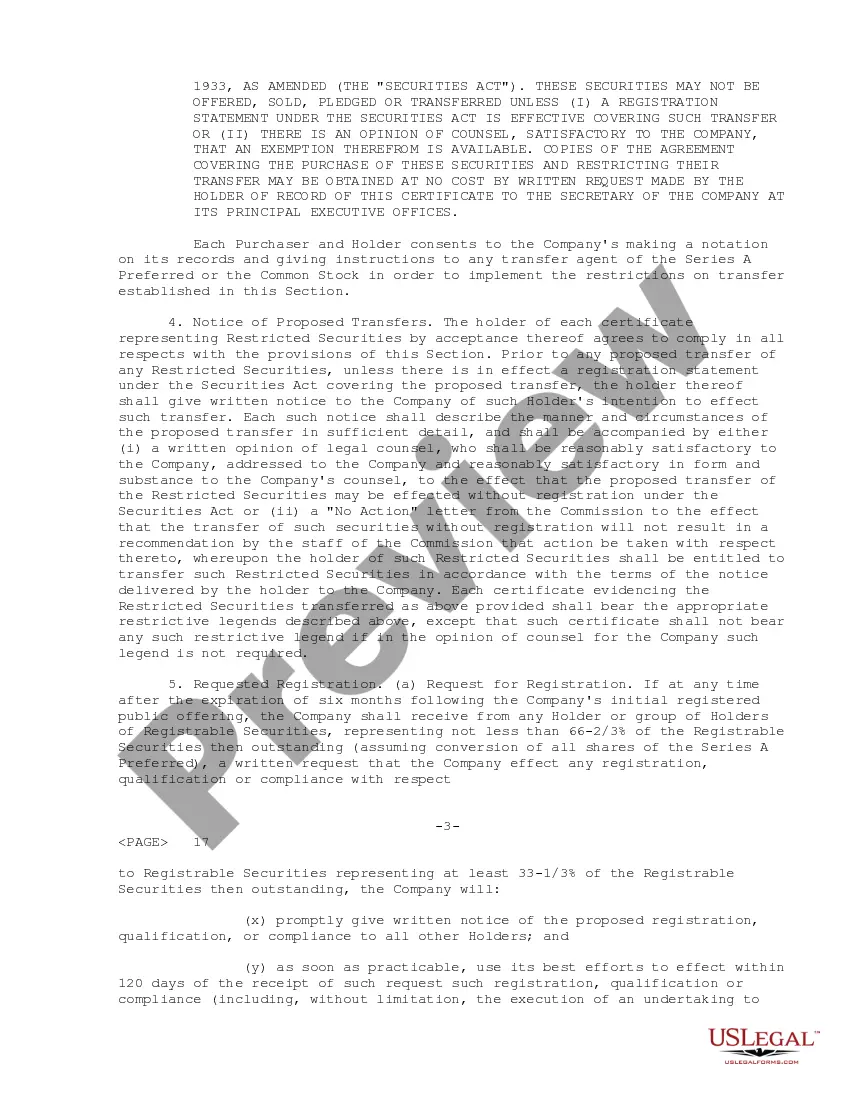
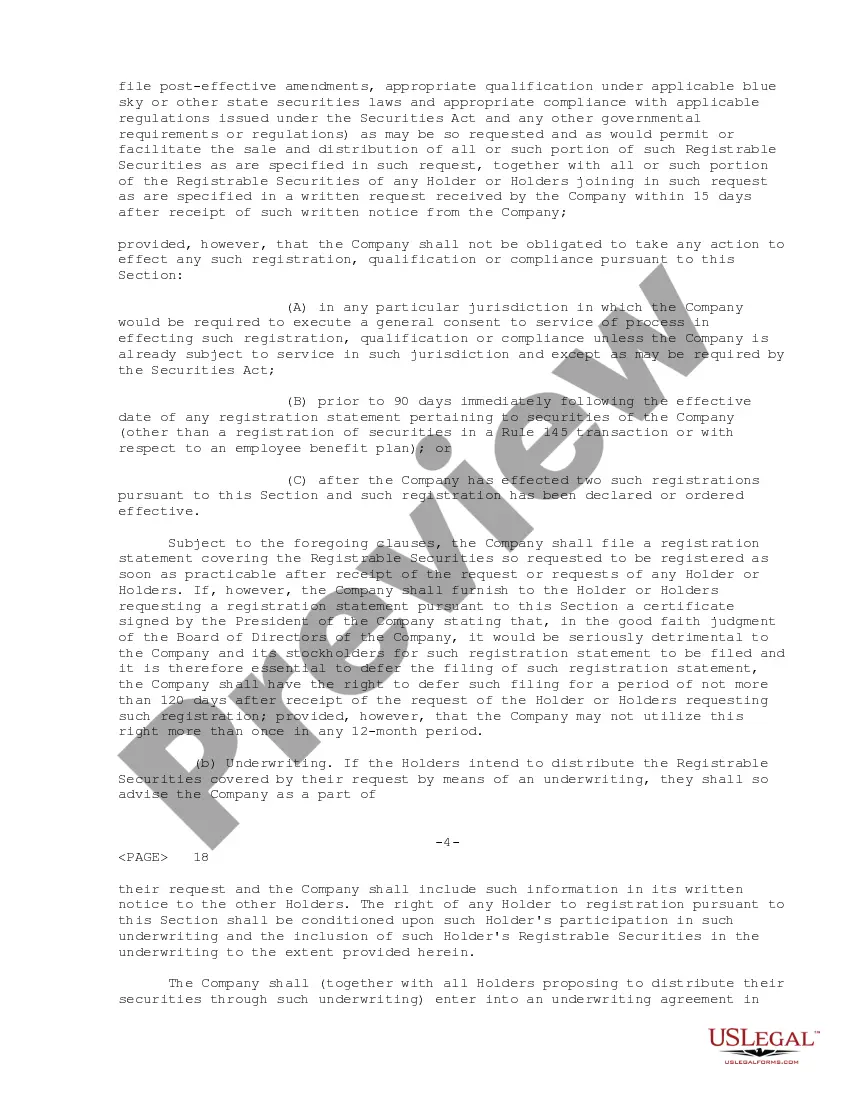
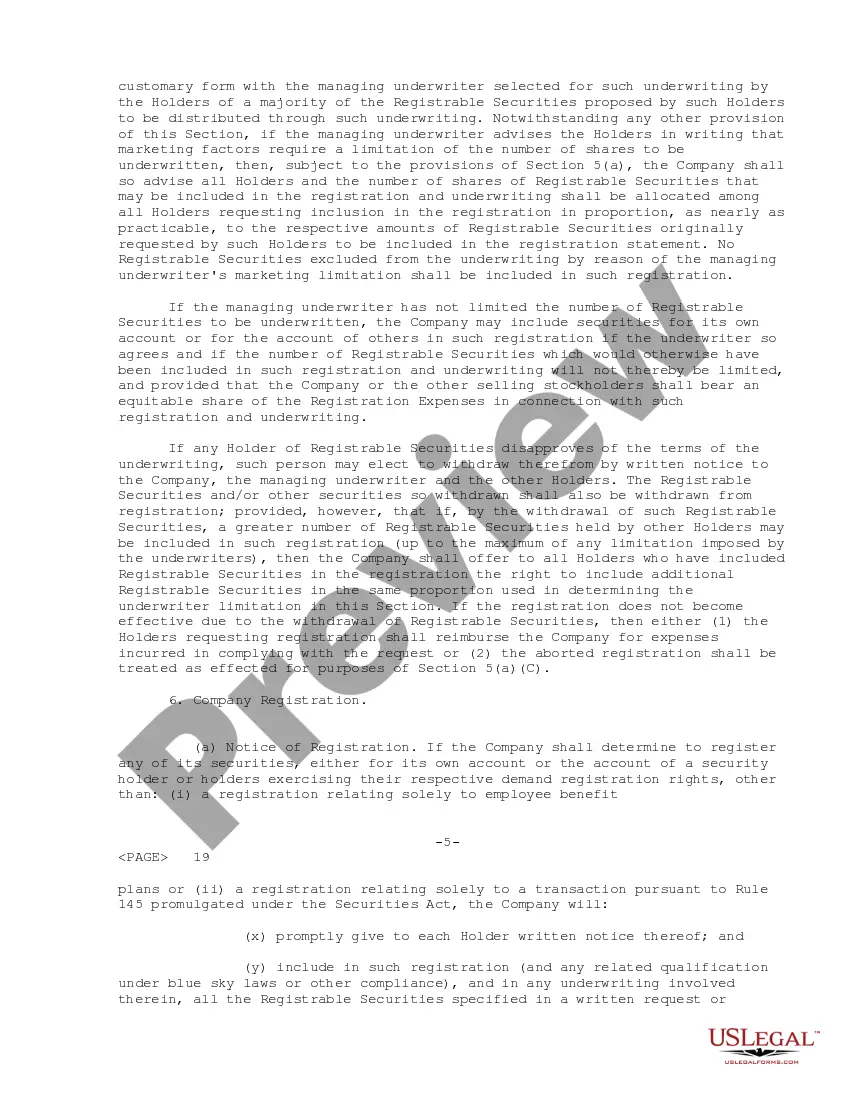
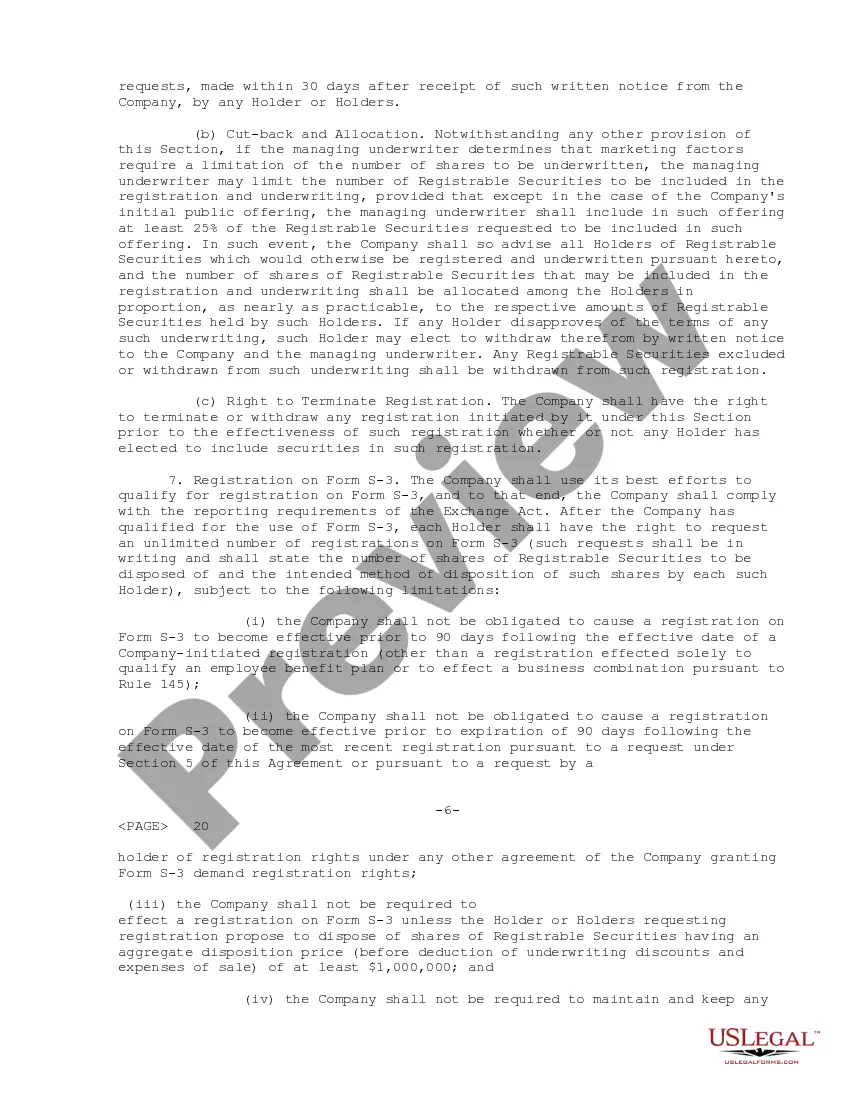
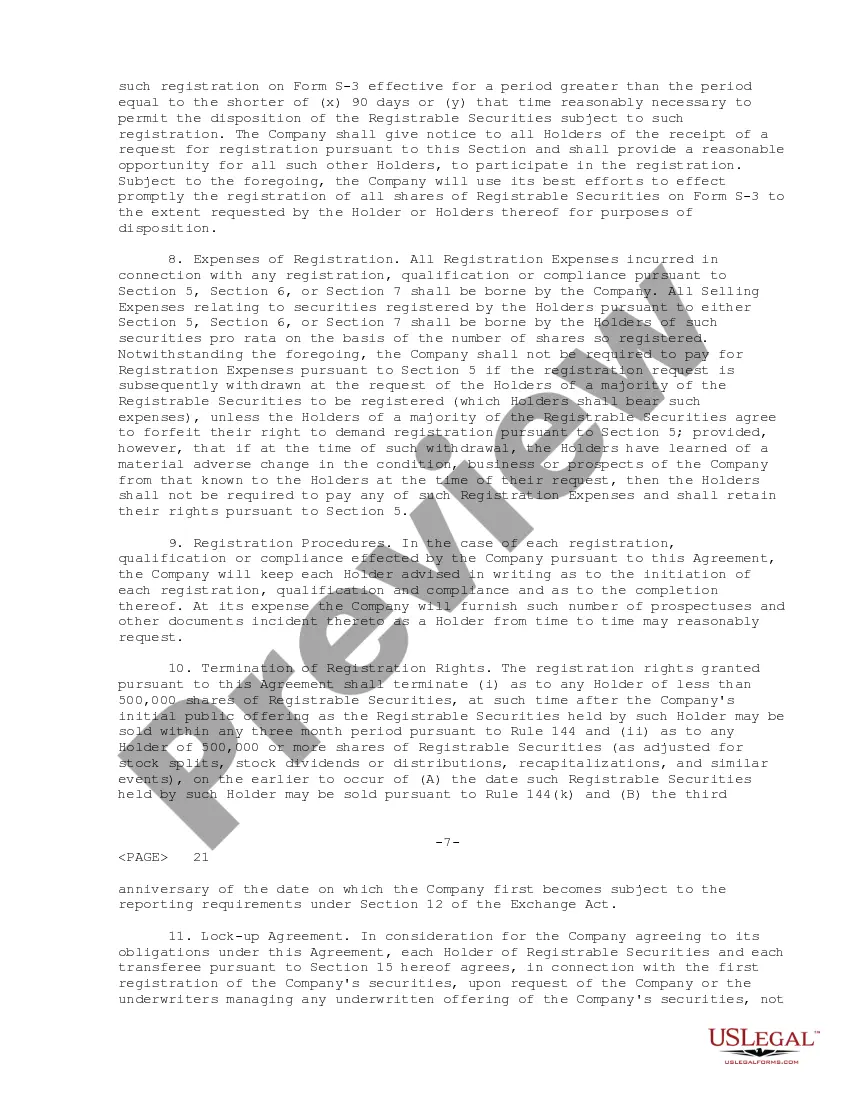
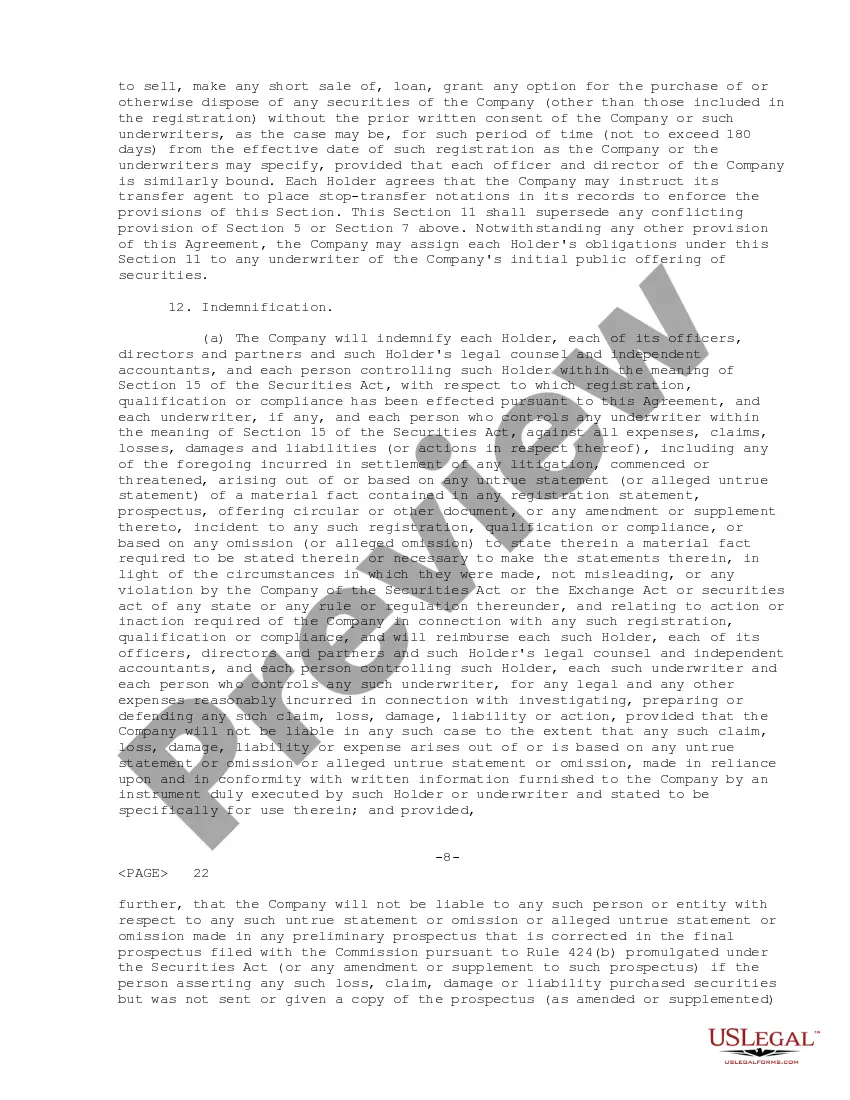
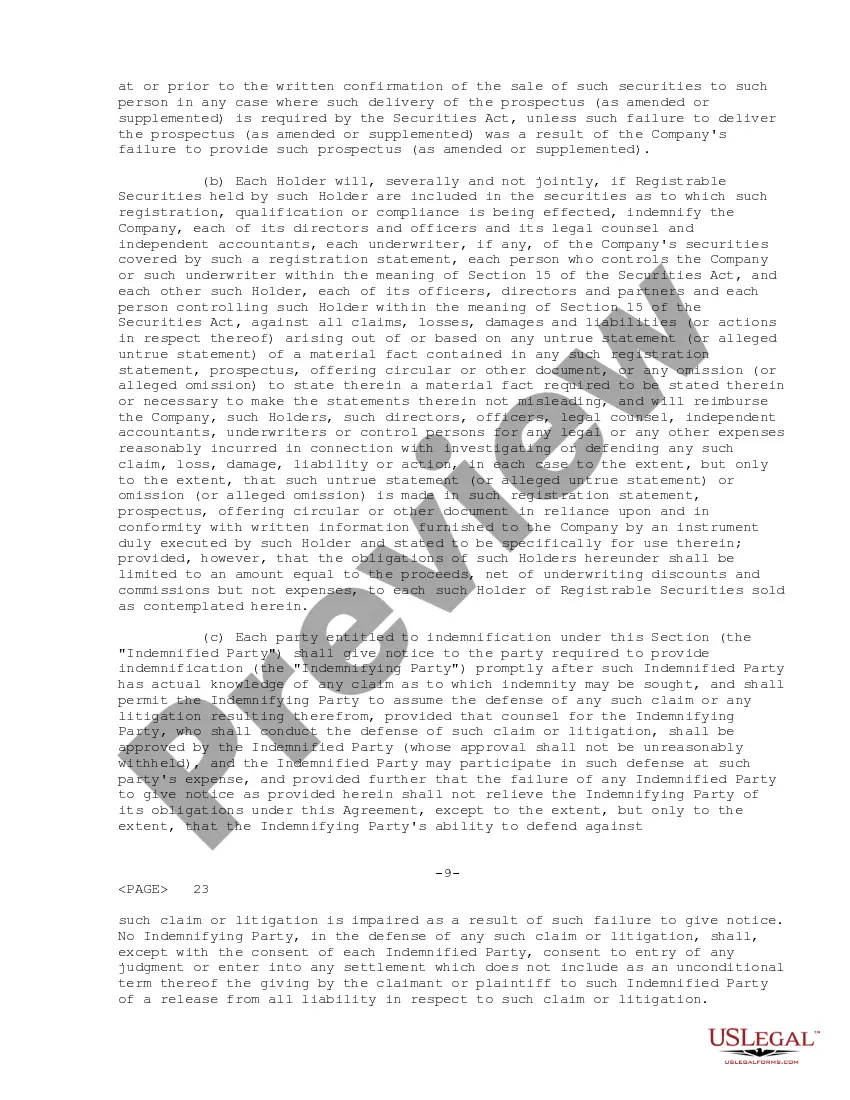
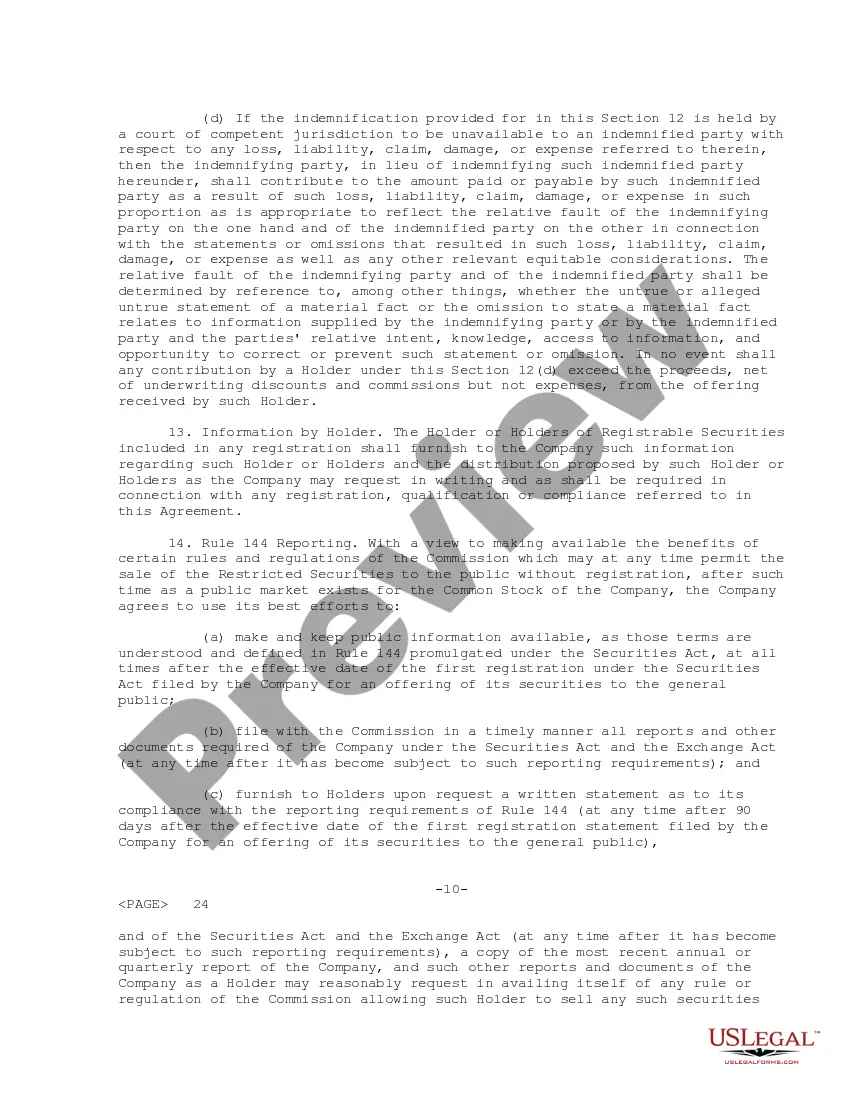

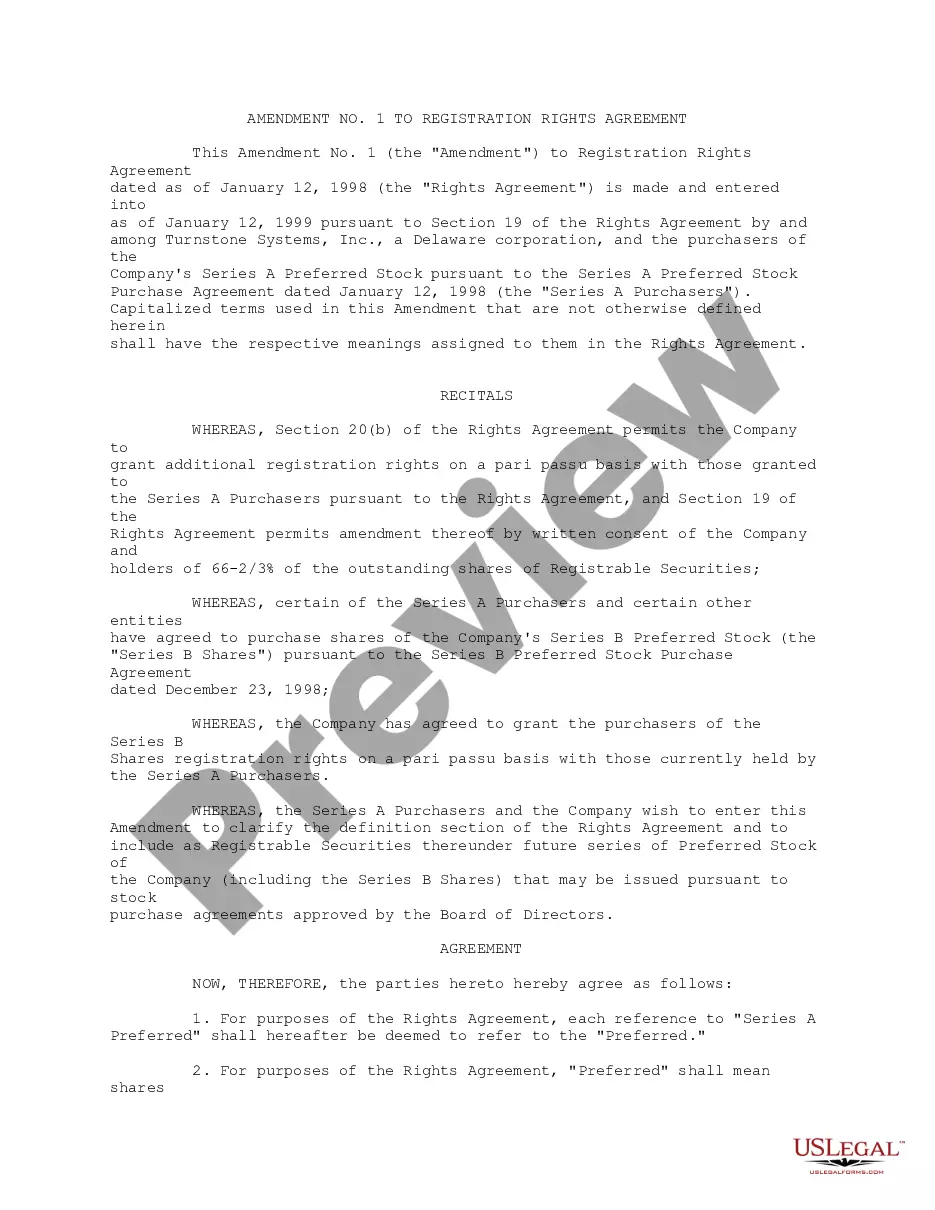
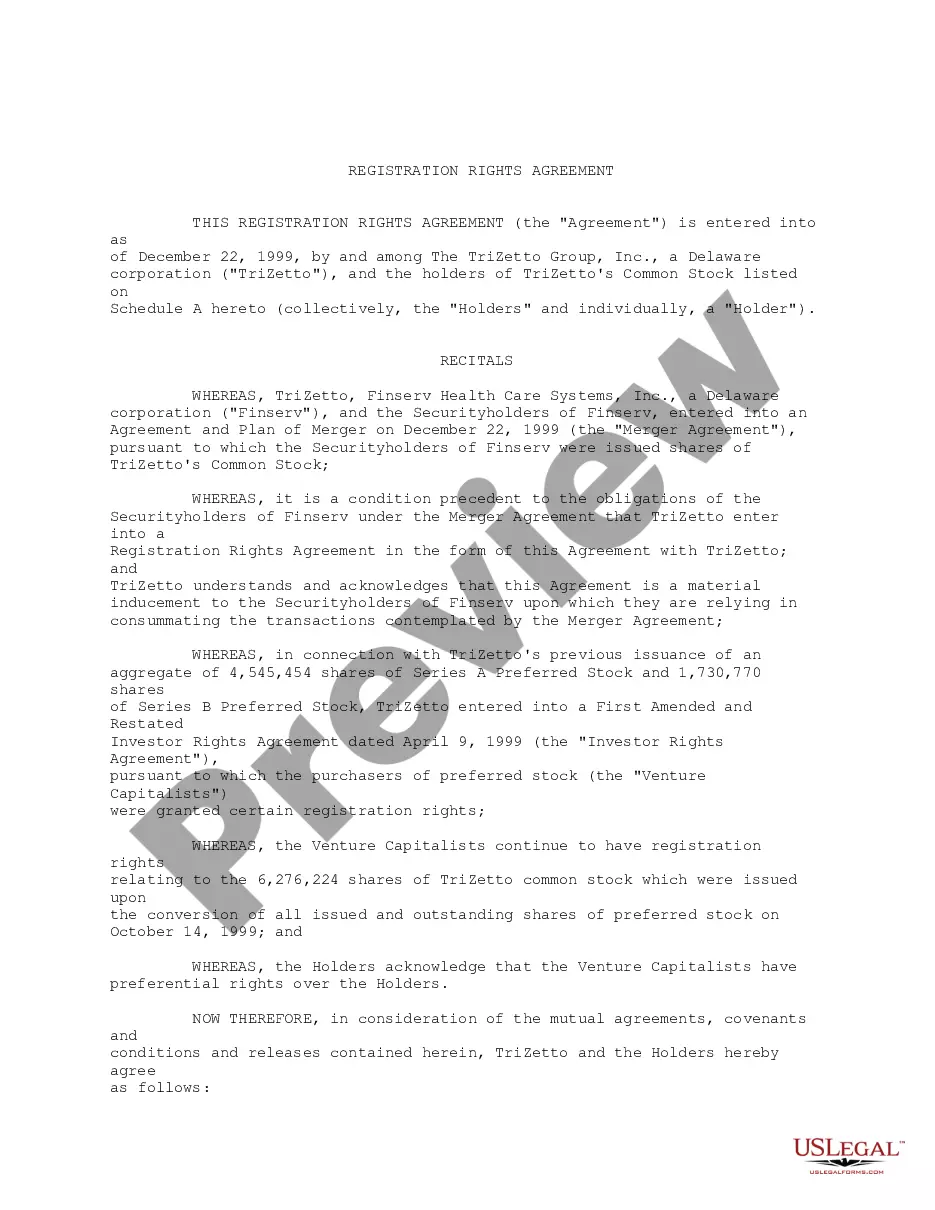
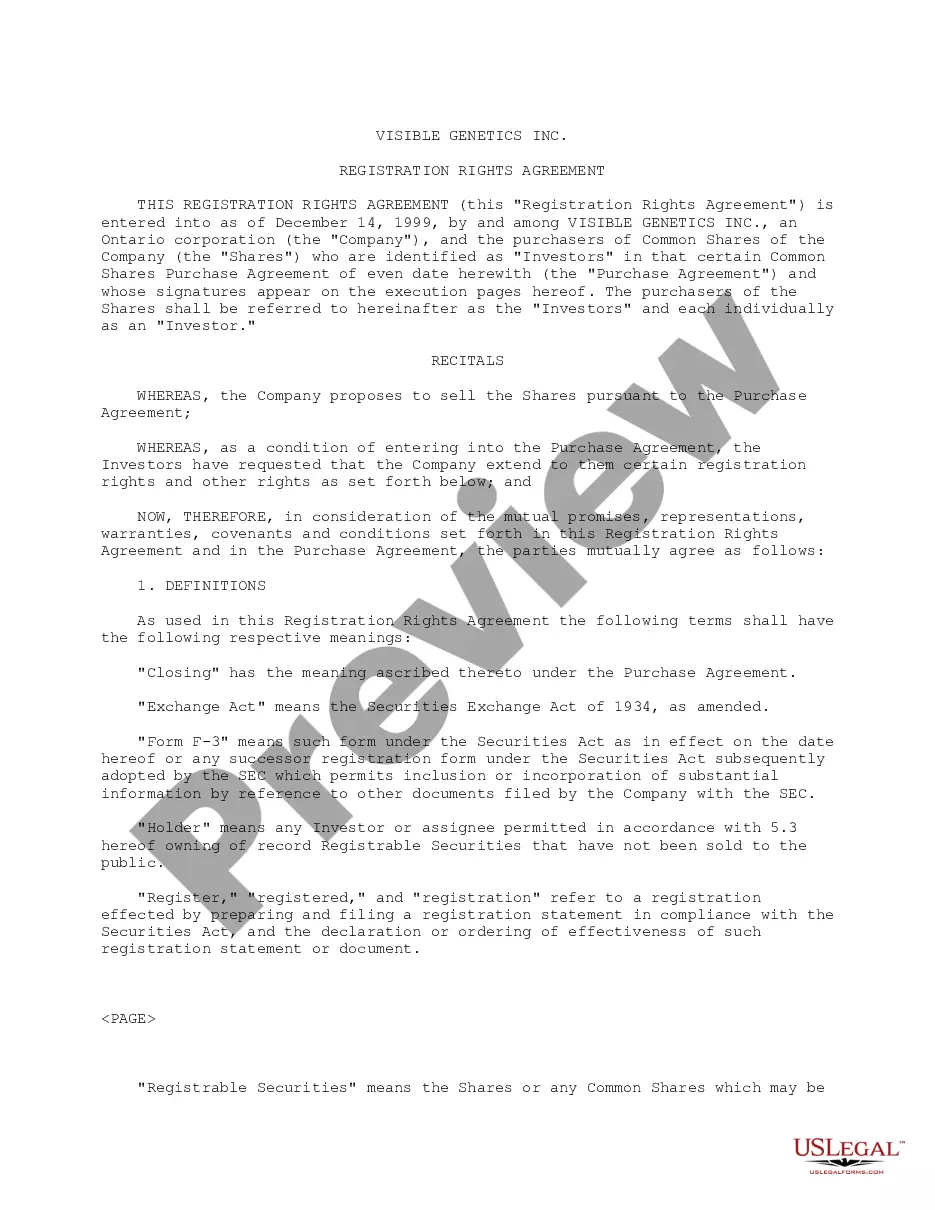
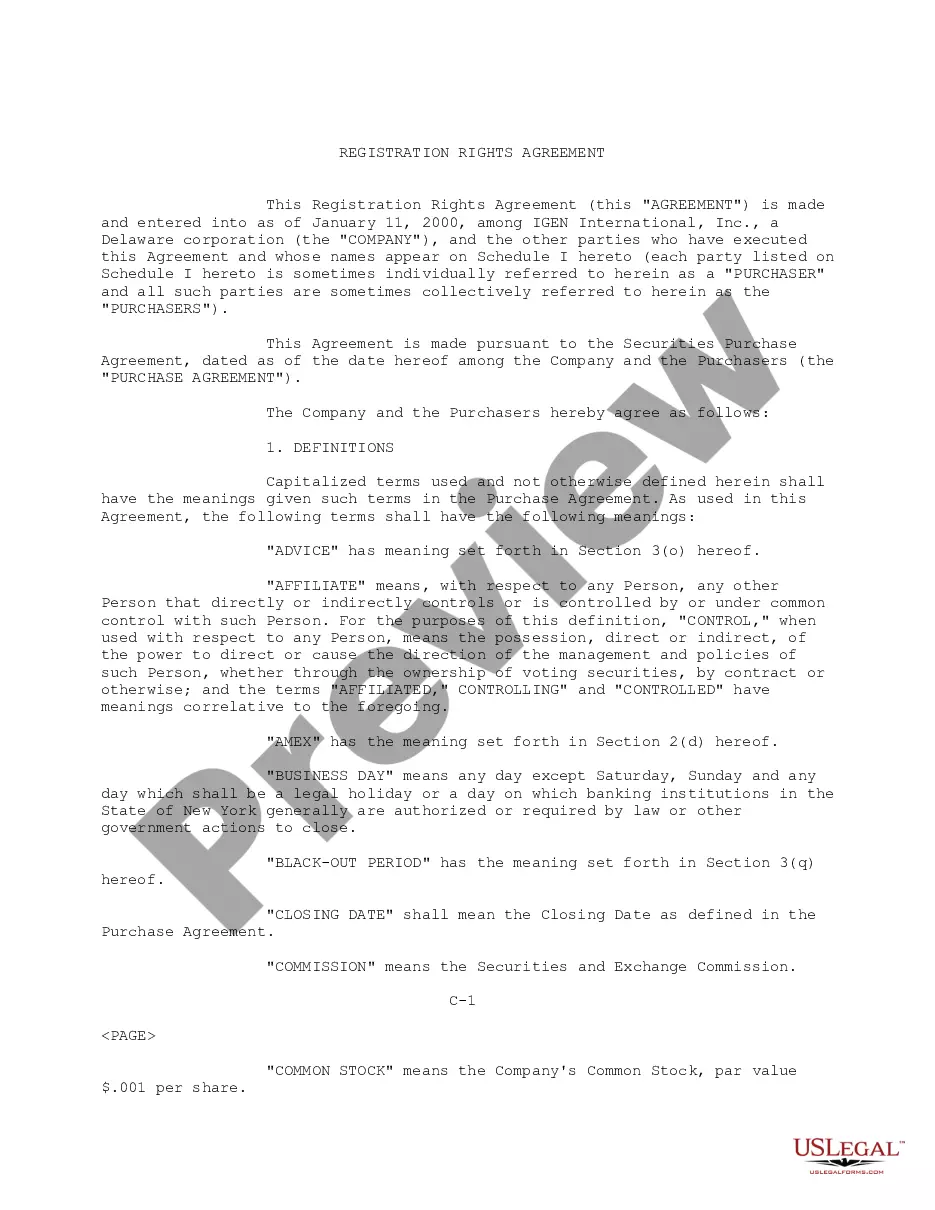
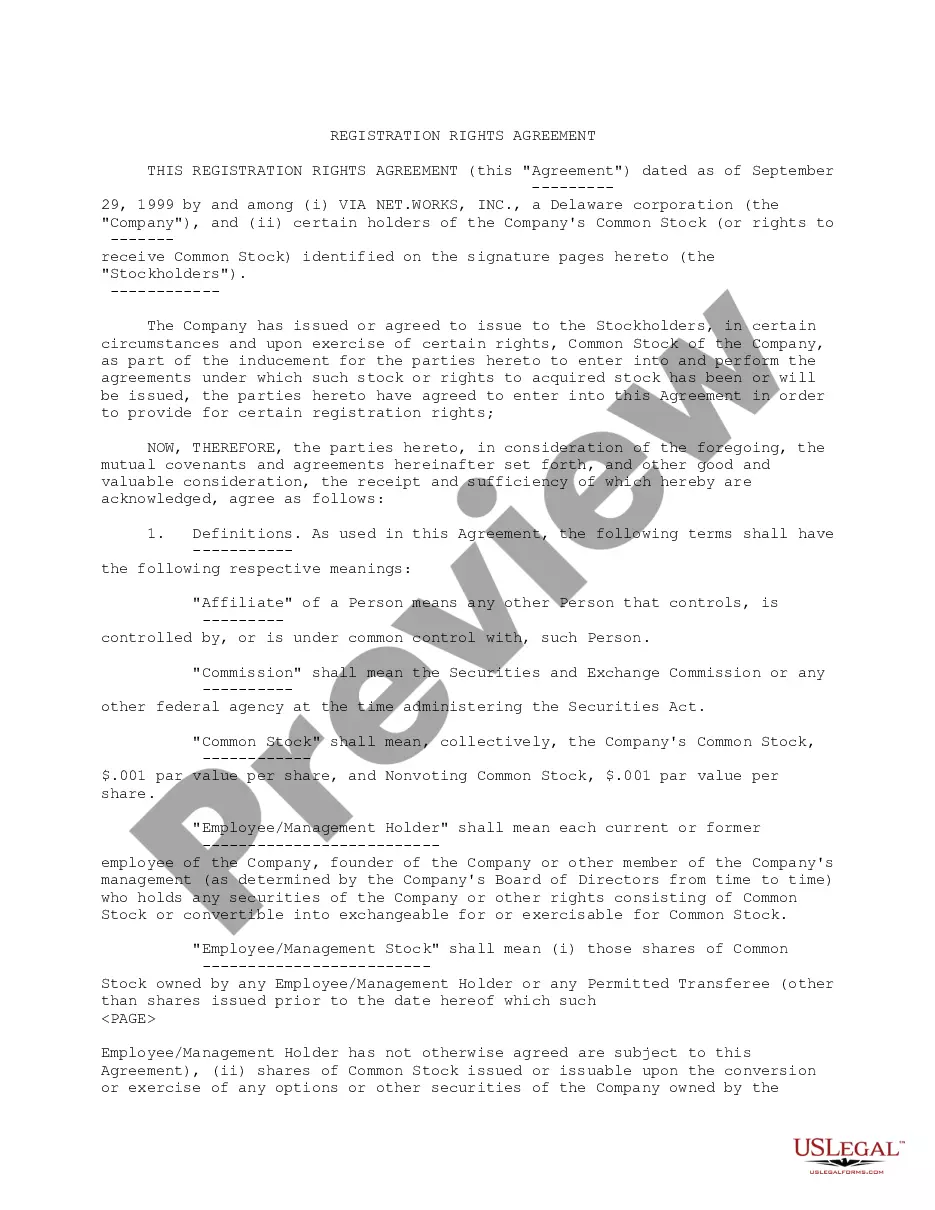
How to fill out Registration Rights Agreement Between Turnstone Systems, Inc. And Purchaser?
You can devote hrs on the web trying to find the authorized papers format that suits the federal and state demands you will need. US Legal Forms offers a huge number of authorized types that happen to be analyzed by professionals. It is simple to acquire or produce the Rhode Island Registration Rights Agreement between Turnstone Systems, Inc. and purchaser from my support.
If you already possess a US Legal Forms accounts, it is possible to log in and click on the Down load button. After that, it is possible to full, edit, produce, or indicator the Rhode Island Registration Rights Agreement between Turnstone Systems, Inc. and purchaser. Every single authorized papers format you acquire is yours forever. To have yet another duplicate of any purchased develop, visit the My Forms tab and click on the corresponding button.
If you are using the US Legal Forms internet site the very first time, adhere to the straightforward recommendations beneath:
- Initial, make certain you have selected the correct papers format for that state/area of your choice. Browse the develop outline to ensure you have picked out the proper develop. If offered, take advantage of the Review button to search through the papers format also.
- If you want to discover yet another version in the develop, take advantage of the Research industry to find the format that suits you and demands.
- Once you have discovered the format you would like, click on Acquire now to carry on.
- Find the pricing strategy you would like, key in your credentials, and sign up for a free account on US Legal Forms.
- Full the transaction. You may use your bank card or PayPal accounts to pay for the authorized develop.
- Find the structure in the papers and acquire it for your system.
- Make changes for your papers if necessary. You can full, edit and indicator and produce Rhode Island Registration Rights Agreement between Turnstone Systems, Inc. and purchaser.
Down load and produce a huge number of papers layouts utilizing the US Legal Forms website, which provides the biggest selection of authorized types. Use skilled and state-particular layouts to take on your small business or personal requires.
Form popularity
FAQ
What Is Registration? Registration is the process by which a company files required documents with the Securities and Exchange Commission (SEC), detailing the particulars of a proposed public offering. The registration typically has two parts: the prospectus and private filings.
Related Content. In an unregistered securities offering, an agreement between the issuer and the purchasers of the security that creates an obligation for the issuer to register the re-offer and resale of the securities being offered at some time in the future (usually within six months).
Shelf registration, shelf offering, or shelf prospectus is a type of public offering where certain issuers are allowed to offer and sell securities to the public without a separate prospectus for each act of offering and without the issue of further prospectus.
3 registration gives investors the right to demand that a company registers their shares using Form 3. Form 3 is a shorter registration form than Form 1, which is used in an initial stock launch or IPO. Form 3 can be used by a company one year after an IPO.
If the seller complies with Rule 144, the sale will not violate the registration requirements of the Securities Act. Rule 144 imposes certain holding period, informational, volume, manner of sale and notice obligations in certain situations and for certain stockholders.
A registration right is a right entitling an investor who owns restricted stock to require that a company list the shares publicly so that the investor can sell them. Registration rights, if exercised, can force a privately-held company to become a publicly-traded company.