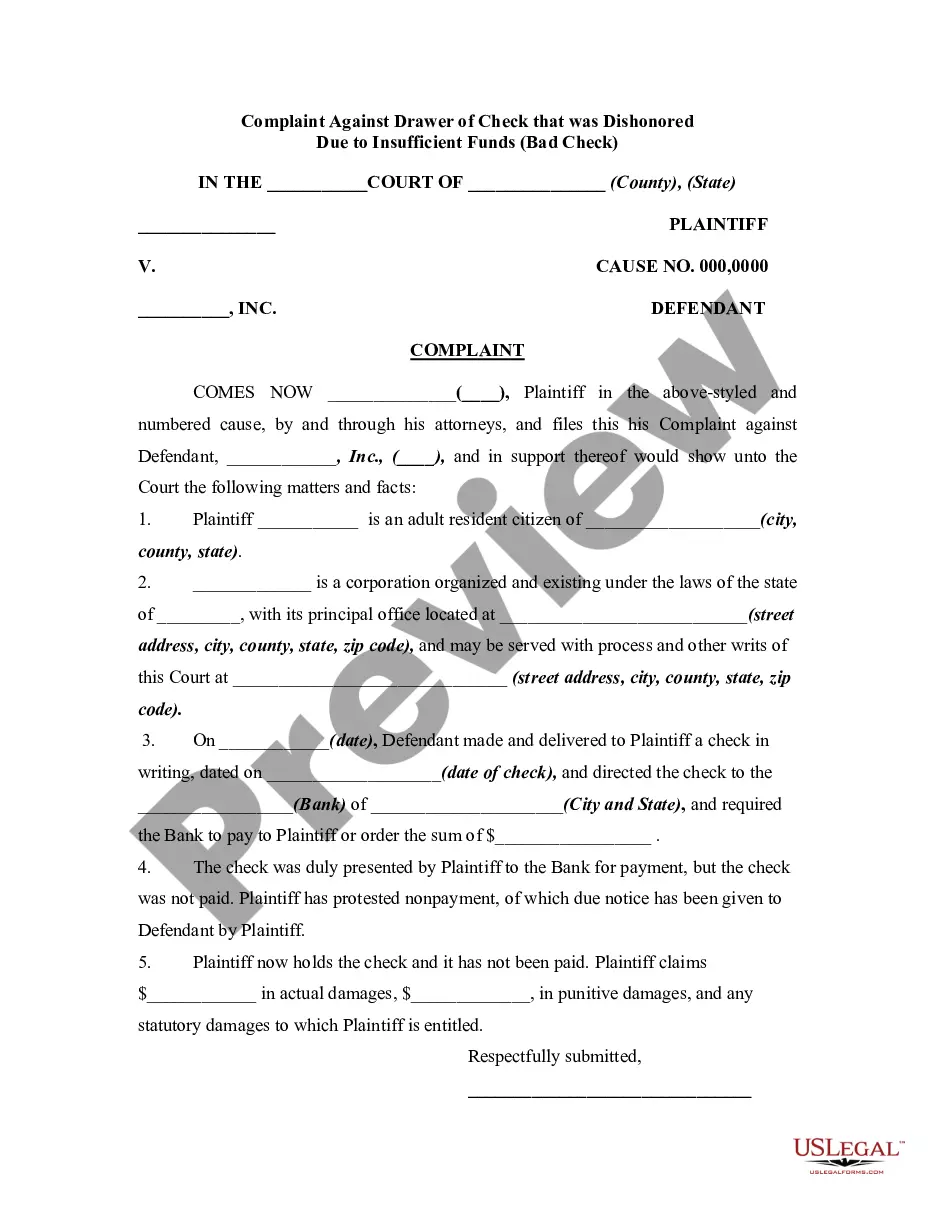
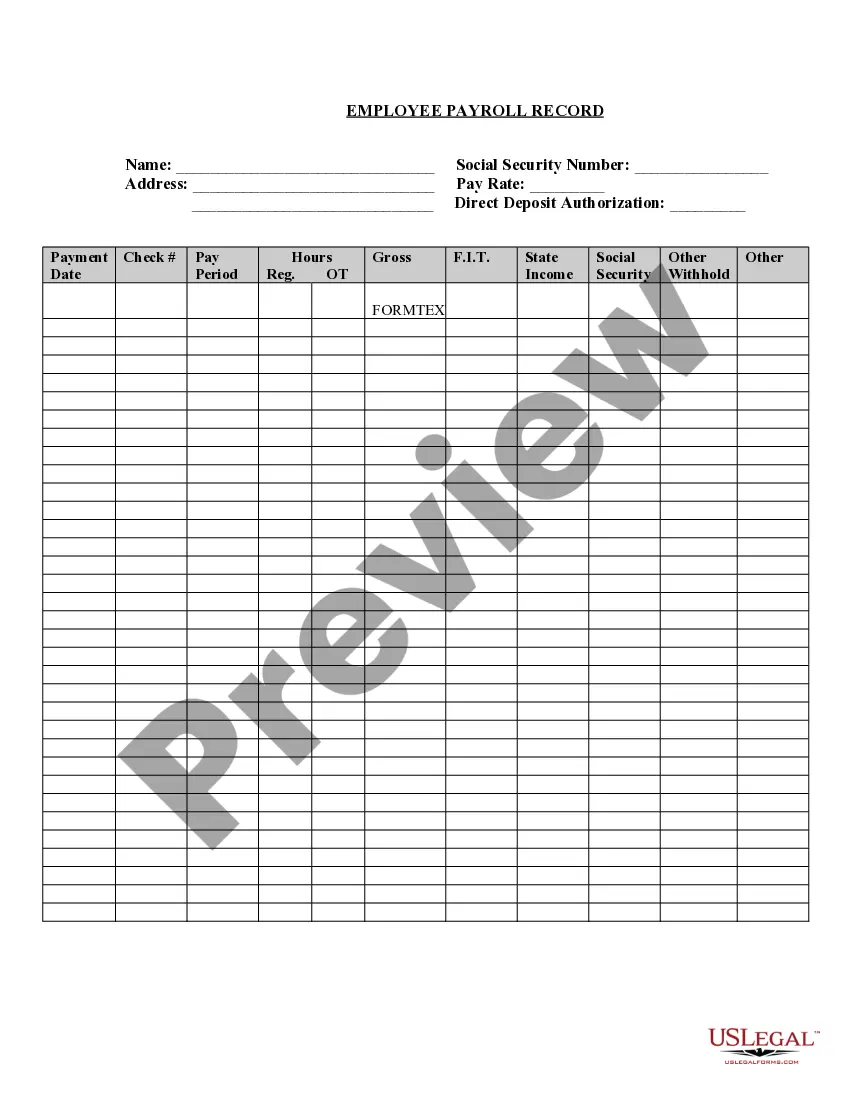
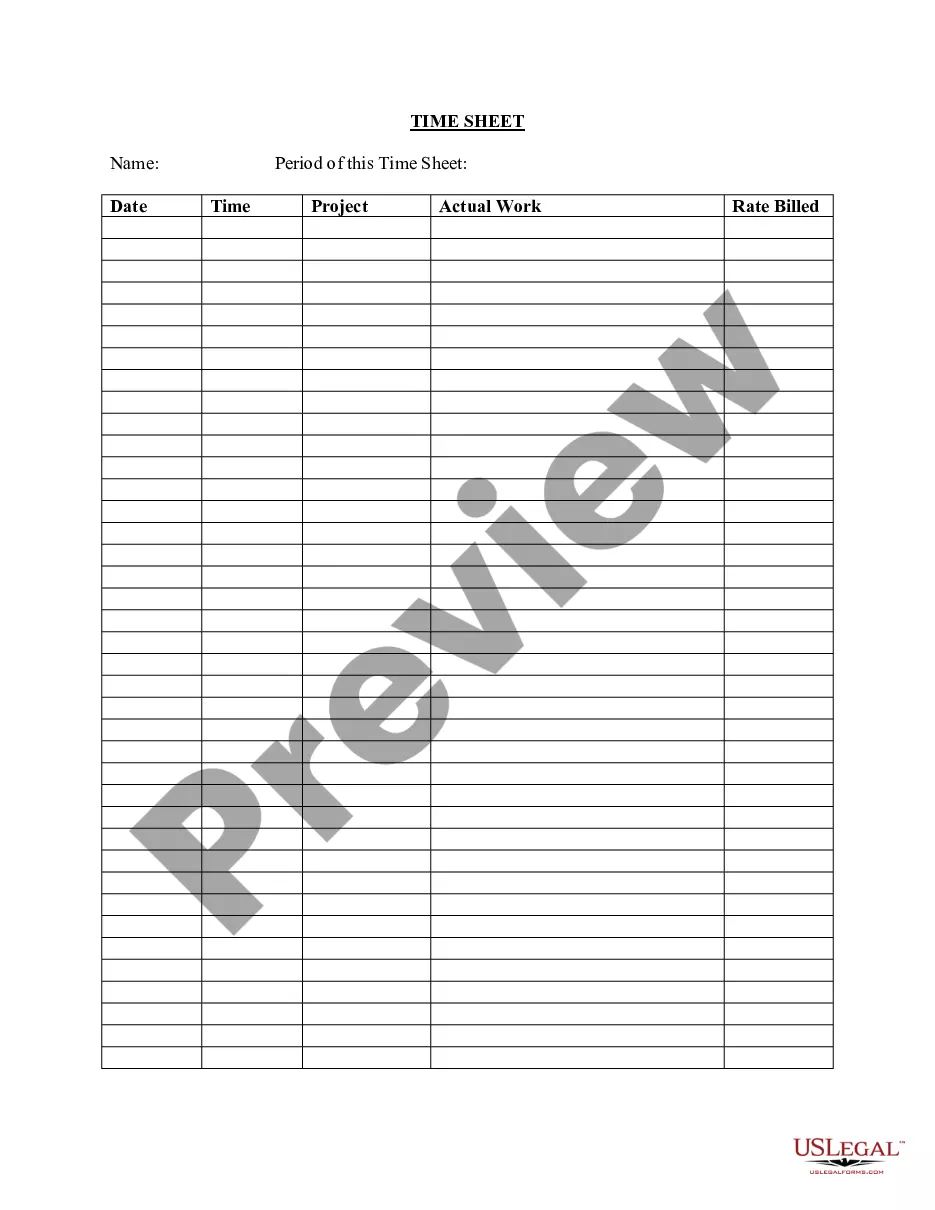
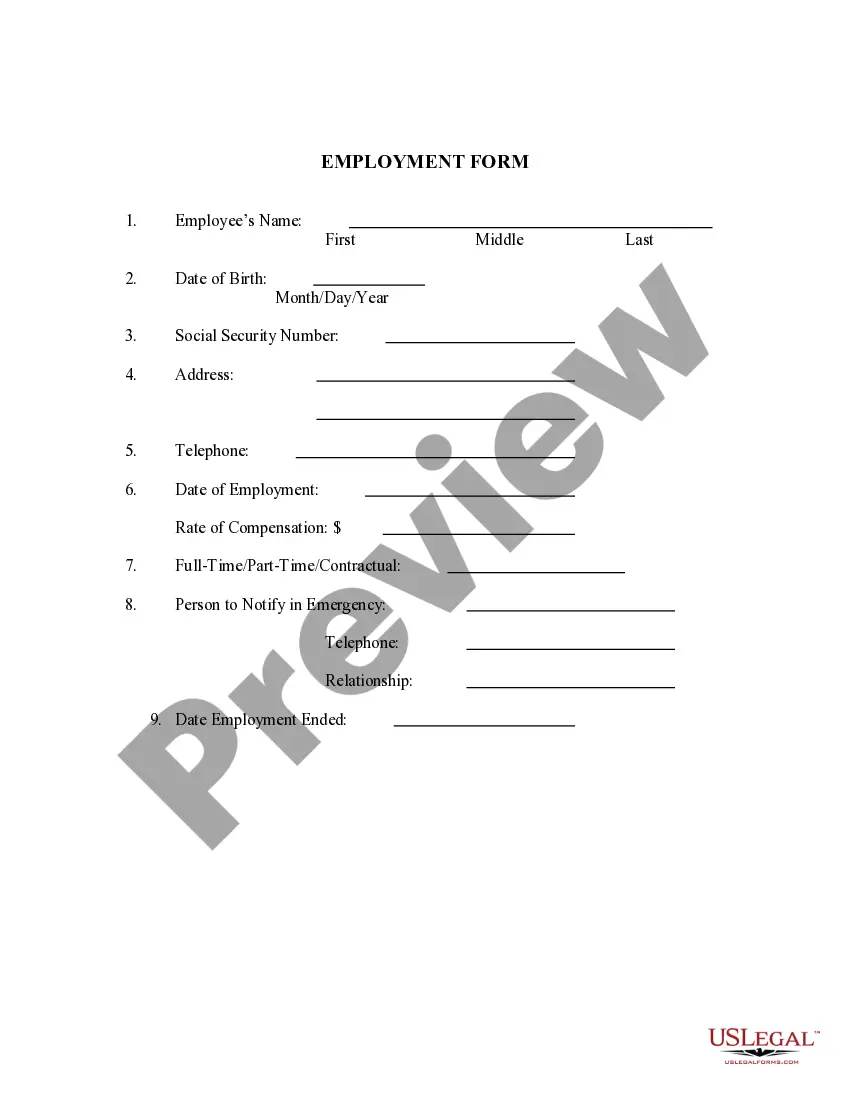
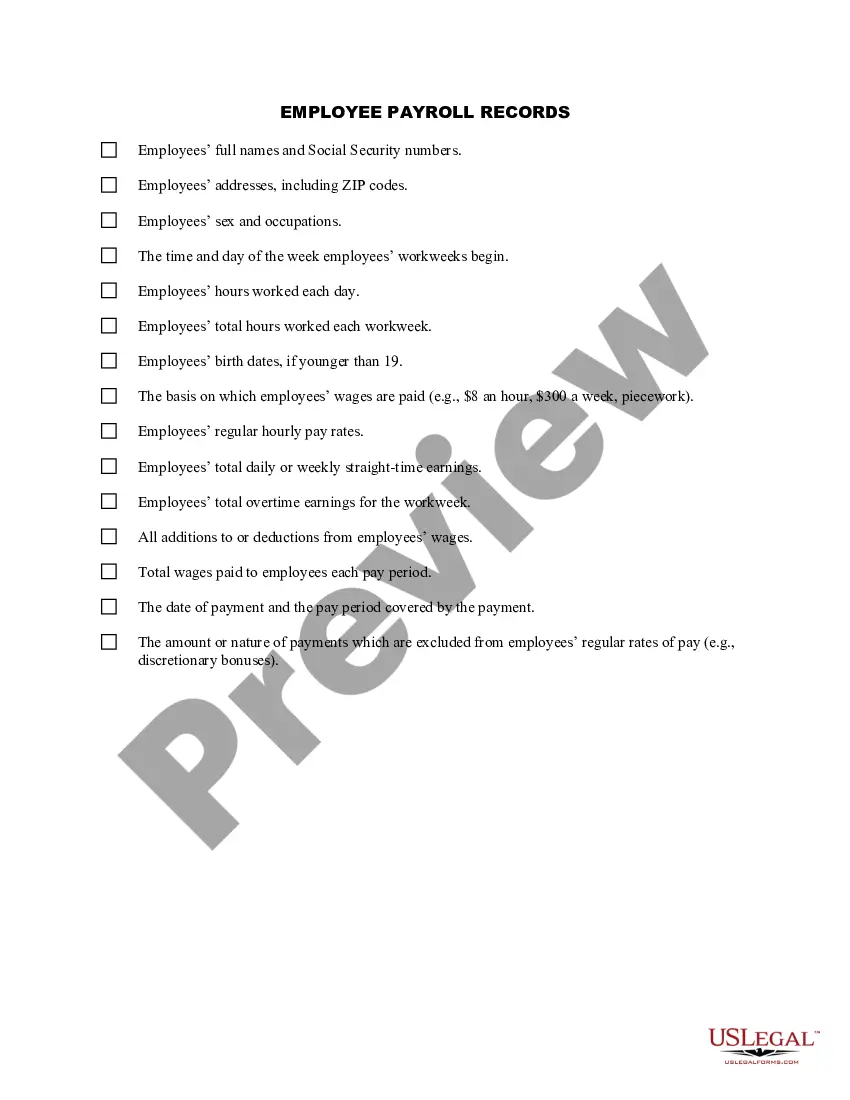
Rhode Island Employee Payroll Record
Description
Get your form ready online
Our built-in tools help you complete, sign, share, and store your documents in one place.
Make edits, fill in missing information, and update formatting in US Legal Forms—just like you would in MS Word.
Download a copy, print it, send it by email, or mail it via USPS—whatever works best for your next step.
Sign and collect signatures with our SignNow integration. Send to multiple recipients, set reminders, and more. Go Premium to unlock E-Sign.
If this form requires notarization, complete it online through a secure video call—no need to meet a notary in person or wait for an appointment.
We protect your documents and personal data by following strict security and privacy standards.

Make edits, fill in missing information, and update formatting in US Legal Forms—just like you would in MS Word.

Download a copy, print it, send it by email, or mail it via USPS—whatever works best for your next step.

Sign and collect signatures with our SignNow integration. Send to multiple recipients, set reminders, and more. Go Premium to unlock E-Sign.

If this form requires notarization, complete it online through a secure video call—no need to meet a notary in person or wait for an appointment.

We protect your documents and personal data by following strict security and privacy standards.
Looking for another form?



How to fill out Employee Payroll Record?
If you want to finalize, download, or create legal document templates, utilize US Legal Forms, the largest repository of legal forms available online.
Employ the site’s simple and user-friendly search feature to locate the documents you need.
Various templates for business and personal purposes are categorized by type, state, or keywords.
Step 4. Once you have identified the form you need, click on the Purchase now button. Choose the pricing plan you prefer and input your details to register for an account.
Step 5. Process the payment. You can use your credit card or PayPal account to complete the transaction.
- Use US Legal Forms to quickly find the Rhode Island Employee Payroll Record with just a few clicks.
- If you are already a US Legal Forms user, Log In to your account and click the Obtain button to retrieve the Rhode Island Employee Payroll Record.
- You can also access forms you previously saved in the My documents section of your account.
- If you are using US Legal Forms for the first time, follow the steps below.
- Step 1. Ensure you have chosen the form for the correct city/state.
- Step 2. Utilize the Review option to examine the form’s details. Don’t forget to read the information.
- Step 3. If you are not satisfied with the form, use the Search field at the top of the screen to find other versions of the legal form template.
Form popularity
FAQ
The so-called 'Taylor Swift tax' refers to a brief increase in hotel taxes in Rhode Island associated with her concerts, intended to boost local revenue. While it's a catchy name, it emphasizes how events can influence tax regulation. Always consult your Rhode Island Employee Payroll Record to stay informed about any payroll deductions or adjustments associated with local tax laws.
Payroll tax in Rhode Island consists of federal, state, and local taxes. The state imposes a progressive income tax, and employers also contribute to Social Security and Medicare taxes. Understanding these deductions can be simplified by reviewing your Rhode Island Employee Payroll Record regularly.
Rhode Island's SDI tax, or State Disability Insurance tax, provides income support to workers who are unable to work due to a non-work-related injury or illness. This tax is deducted from your paycheck and is part of ensuring financial security. Review your Rhode Island Employee Payroll Record to see how much SDI tax is withheld.
To obtain payroll information in Rhode Island, you can contact your employer's HR or payroll department directly. They are required to provide you with your Rhode Island Employee Payroll Record upon request. Additionally, many companies offer online portals where you can access payroll information conveniently.
In Rhode Island, the percentage of your paycheck that goes to taxes can vary based on your income level. Generally, state income tax rates range from 3.75% to 5.99%. Additionally, Social Security and Medicare taxes are also deducted. It's important to regularly review your Rhode Island Employee Payroll Record for accurate deduction details.
Finding your payroll information, including your Rhode Island Employee Payroll Record, can be done through your employer's payroll system or HR department. If your employer uses an online system, simply log in and navigate to the payroll section. Additionally, reaching out to HR can provide you with the details you need. UsLegalForms can assist you in organizing your payroll records with ease.
Rhode Island does not have a local income tax; instead, it has a state income tax that applies to all residents. This means you can focus on maintaining a clean Rhode Island Employee Payroll Record without worrying about local tax obligations. Knowledge of your tax responsibilities allows you to prepare for tax season confidently. If you need help tracking your income accurately, consider exploring resources at uslegalforms.
In Rhode Island, certain items like non-prepared food and certain medical services are tax-exempt. Understanding these exemptions helps you better manage your financial records, including your Rhode Island Employee Payroll Record. Ensure you stay updated on the list of exempt items to maximize your budgeting strategies. Being informed will support your overall financial health.
Rhode Island does not impose additional local payroll taxes; however, it does require state income tax withholding. Keeping accurate records in your Rhode Island Employee Payroll Record ensures you comply with all state tax obligations. It is wise to consult local regulations regularly, as they can change frequently. Stay proactive to manage your finances effectively.
States like Florida, Nevada, and Texas do not impose a payroll tax on wages earned. This can significantly benefit employees, allowing them to keep more of their earnings. When managing a Rhode Island Employee Payroll Record, it's crucial to stay informed about different state tax laws, especially if your business operates in multiple regions. Awareness of tax regulations will help you avoid unexpected expenses.