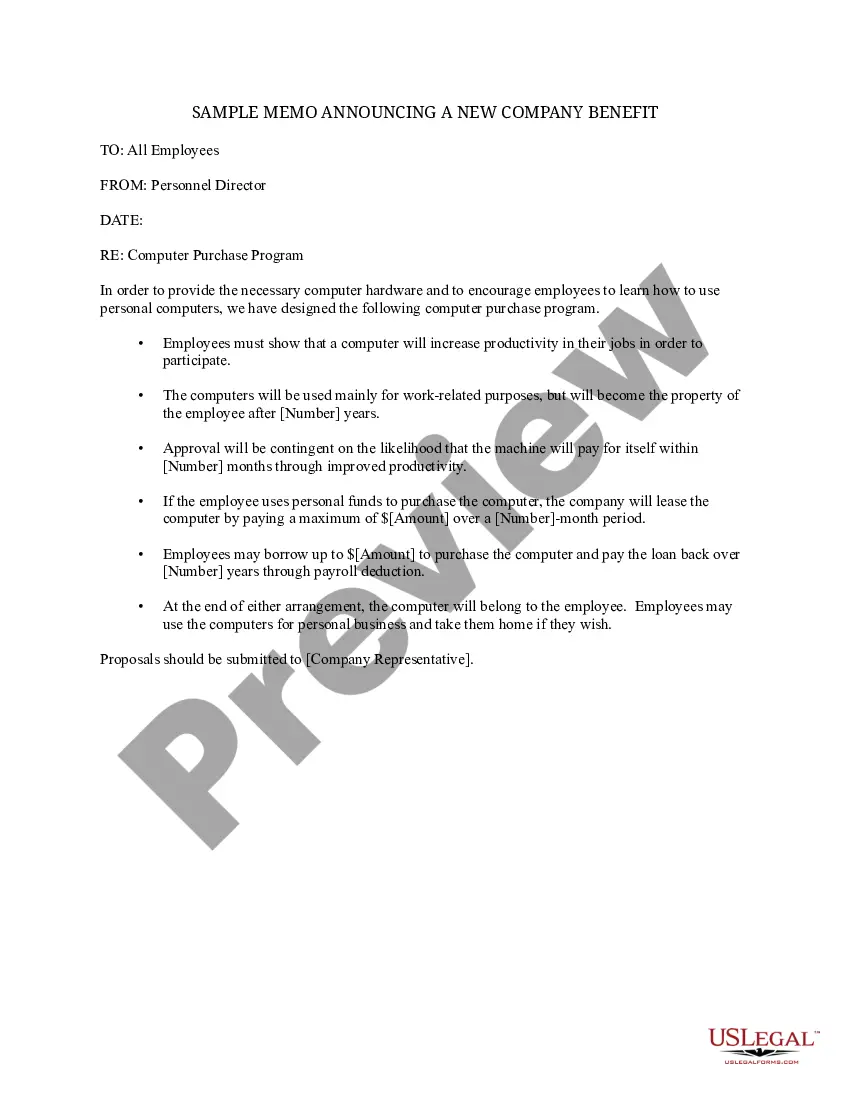
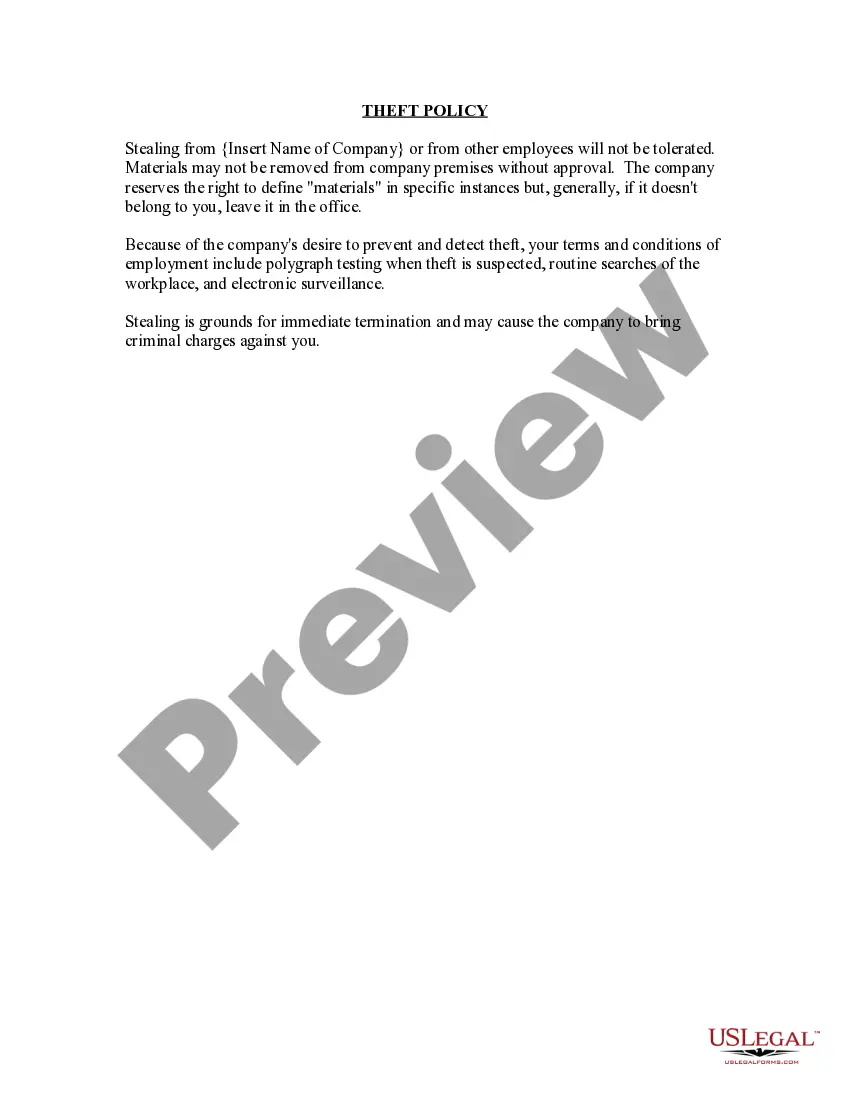
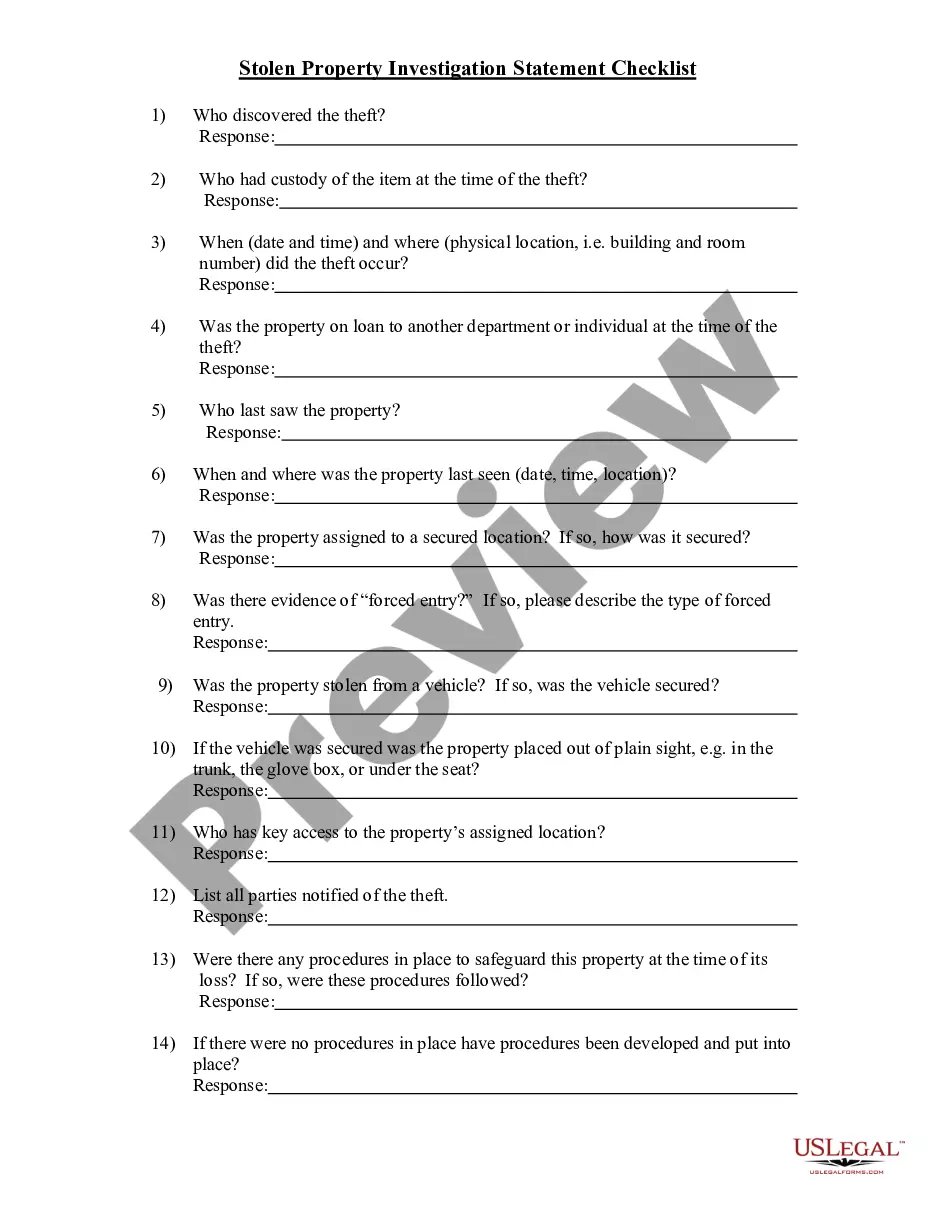
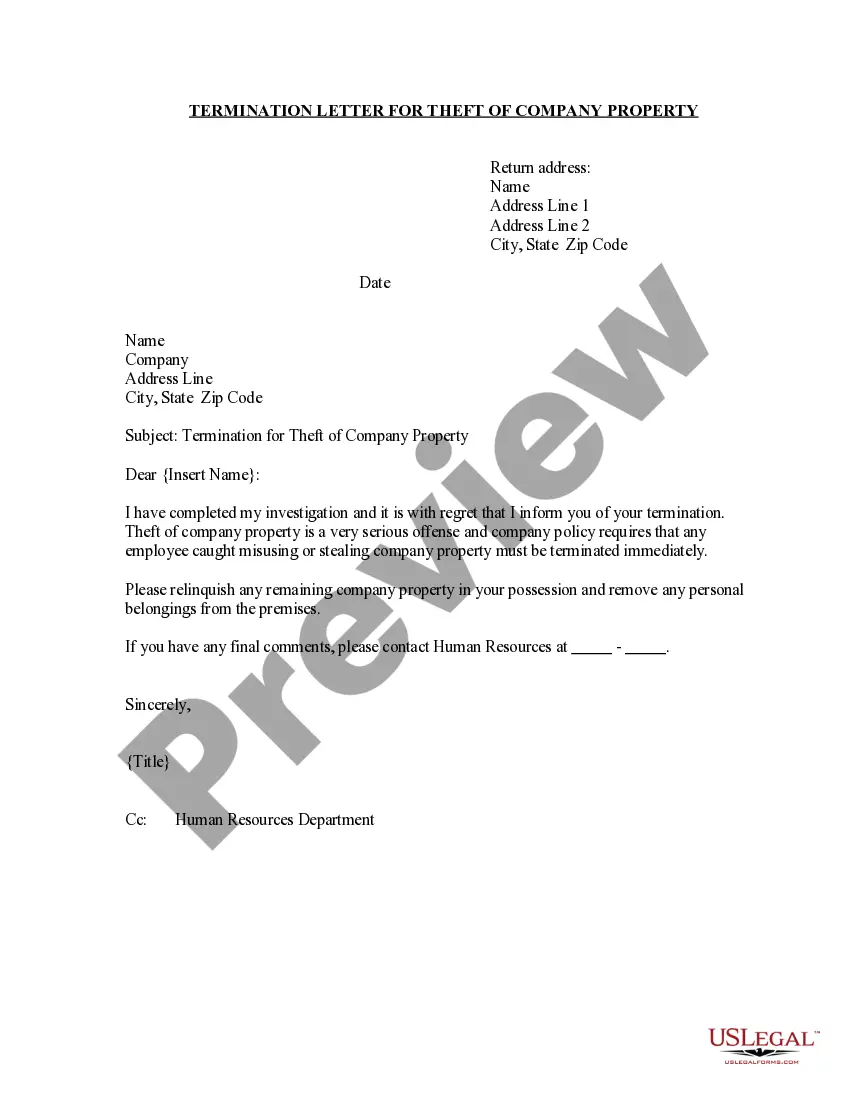
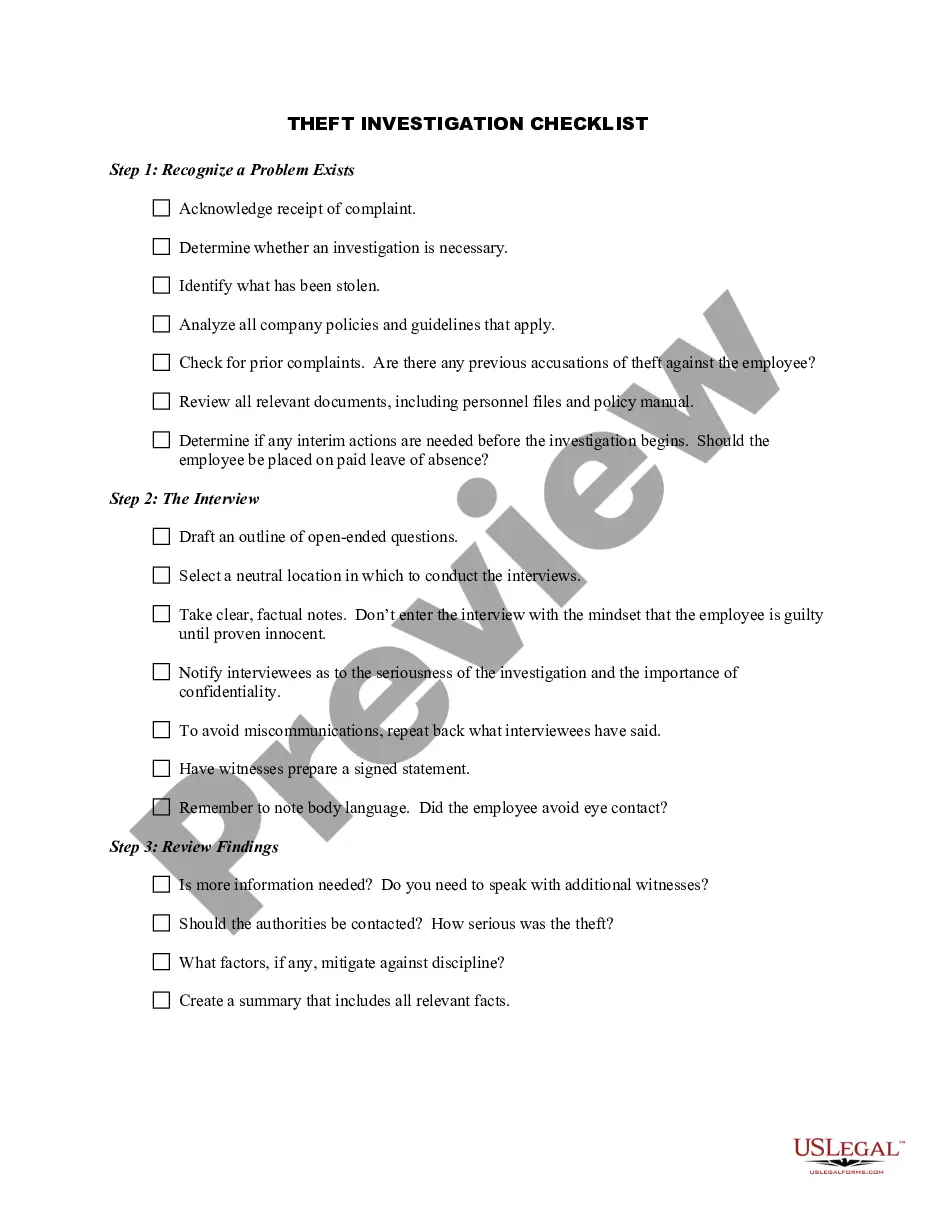
Rhode Island Theft Policy
Description

Get your form ready online
Our built-in tools help you complete, sign, share, and store your documents in one place.
Make edits, fill in missing information, and update formatting in US Legal Forms—just like you would in MS Word.
Download a copy, print it, send it by email, or mail it via USPS—whatever works best for your next step.
Sign and collect signatures with our SignNow integration. Send to multiple recipients, set reminders, and more. Go Premium to unlock E-Sign.
If this form requires notarization, complete it online through a secure video call—no need to meet a notary in person or wait for an appointment.
We protect your documents and personal data by following strict security and privacy standards.

Make edits, fill in missing information, and update formatting in US Legal Forms—just like you would in MS Word.

Download a copy, print it, send it by email, or mail it via USPS—whatever works best for your next step.

Sign and collect signatures with our SignNow integration. Send to multiple recipients, set reminders, and more. Go Premium to unlock E-Sign.

If this form requires notarization, complete it online through a secure video call—no need to meet a notary in person or wait for an appointment.

We protect your documents and personal data by following strict security and privacy standards.
Looking for another form?




How to fill out Theft Policy?
If you need to obtain, download, or print legal document templates, utilize US Legal Forms, the largest array of legal forms, available online.
Take advantage of the site's convenient and user-friendly search to find the documents you require.
Various templates for business and personal needs are organized by categories and states, or keywords.
Step 4. Once you find the form you need, click the Buy now button. Choose the pricing plan you prefer and enter your details to register for an account.
Step 5. Complete the transaction. You can use your credit card or PayPal account to finish the payment.
- Use US Legal Forms to obtain the Rhode Island Theft Policy with just a few clicks.
- If you are already a US Legal Forms user, Log In to your account and click on the Acquire button to locate the Rhode Island Theft Policy.
- You can also access templates you have previously downloaded from the My documents section of your account.
- If you are using US Legal Forms for the first time, follow the steps below.
- Step 1. Ensure you have selected the form for your correct state/country.
- Step 2. Use the Review option to inspect the form's content. Be sure to read the description.
- Step 3. If you are not satisfied with the template, use the Search field at the top of the screen to find other versions of your legal form template.
Form popularity
FAQ
Embezzlement is a wobbler crime, meaning you could be charged with a misdemeanor ro a felony depending upon the value of the property taken: Misdemeanor embezzlement When the property taken is valued at less than $950, you will likely be charged with a misdemeanor.
Stolen property valued at more than $1,500 is considered a felony. The maximum penalty increases as the value of the stolen items increases. For property that exceeds $1,500 but is less than $5,000 in value, the maximum penalty is a three-year prison sentence and a $1,500 fine.
In Rhode Island, felonies are any crimes that may be punished by imprisonment for more than a year and/or a fine of more than $1,000. Crimes with lesser potential punishments are misdemeanors in Rhode Island. (R.I. Gen. Laws § 11-1-2 (2020).)
Penalty for a Theft by Taking Conviction in Georgia The consequences of a misdemeanor include a fine of no more than $1,000 and a jail sentence of no more than 12 months.
Larceny of property or money in excess of $1,500 is a felony in Rhode Island. In addition to a serious criminal conviction, Larceny Over $1,500 but less than $5,000 carries with it up to 3 years in jail and up to a $1,500 fine.
However, if the embezzled amount exceeds $100, then it becomes a felony punishable by up to twenty years in prison, a fine of up to $50,000 or three times the amount of the embezzlement, or both.
WHAT ARE THE PENALTIES? Embezzlement is a 'common law' offence. This means that there is no specific penalty imposed by the government. A Judge, Sheriff or Justice of the Peace can impose the sentence they think is appropriate.