Rhode Island Information Technology Third-Party Non-Disclosure Agreement
Description
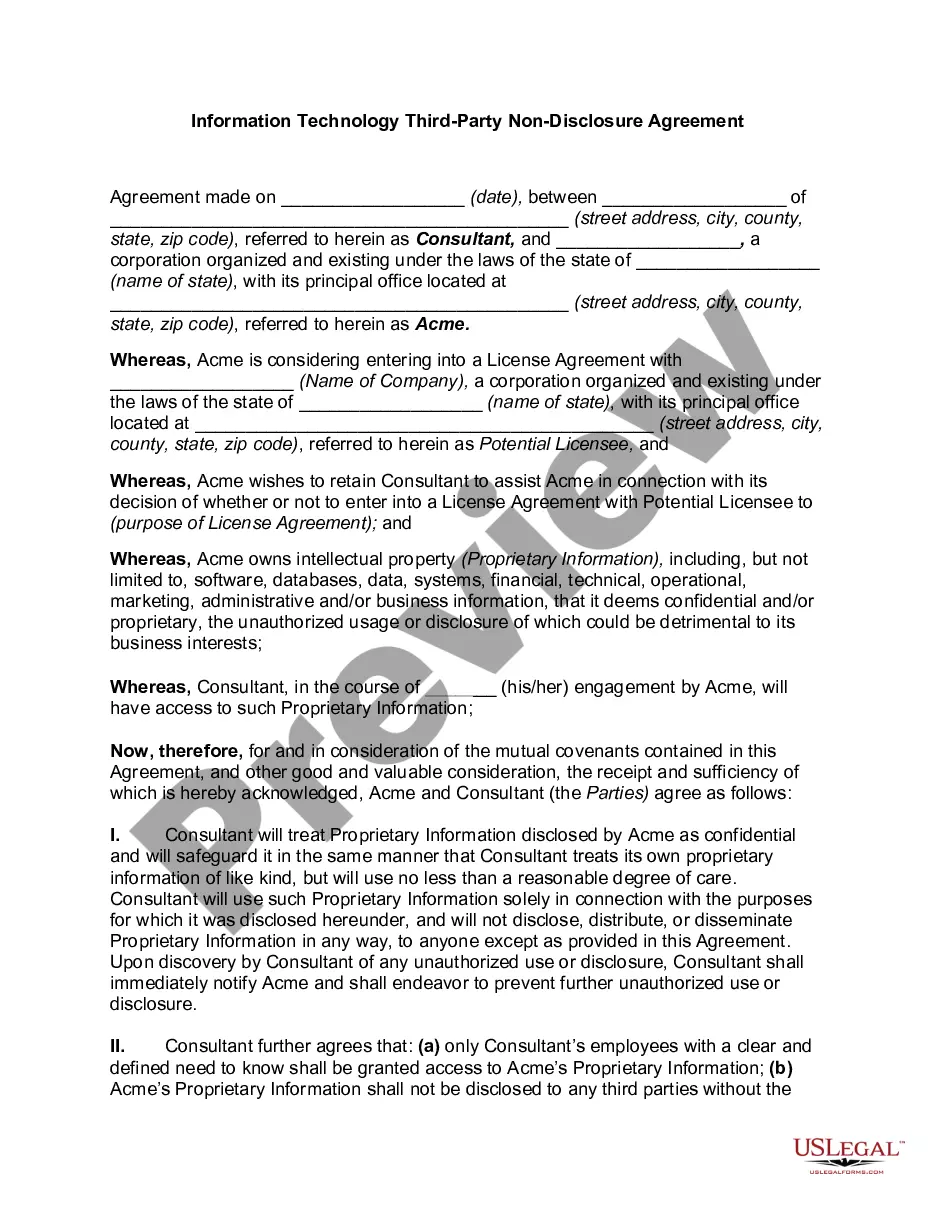
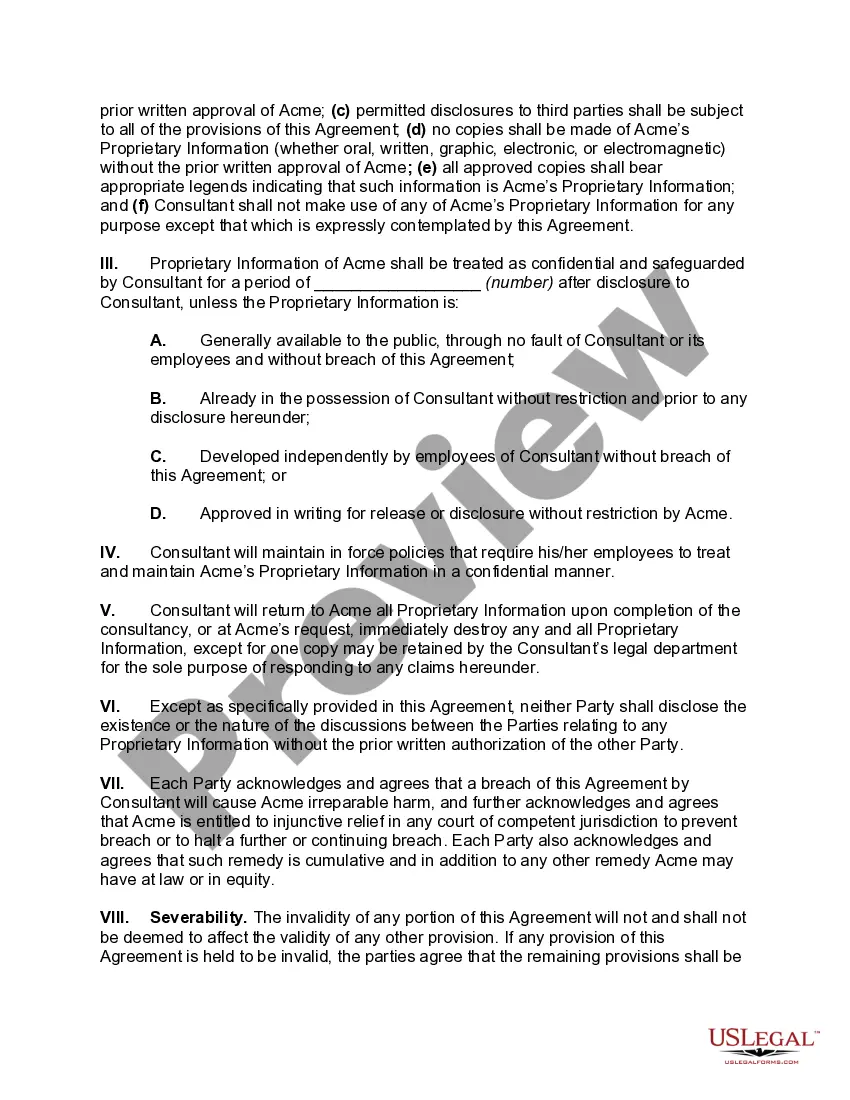
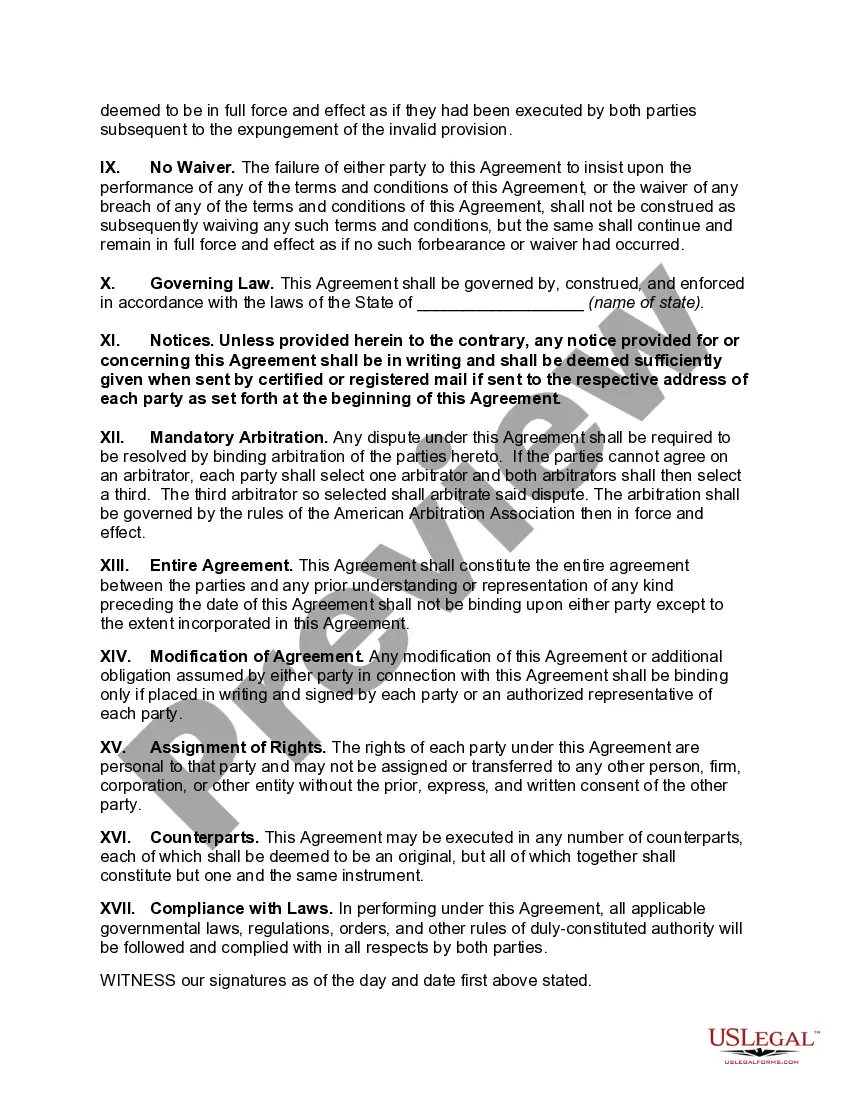
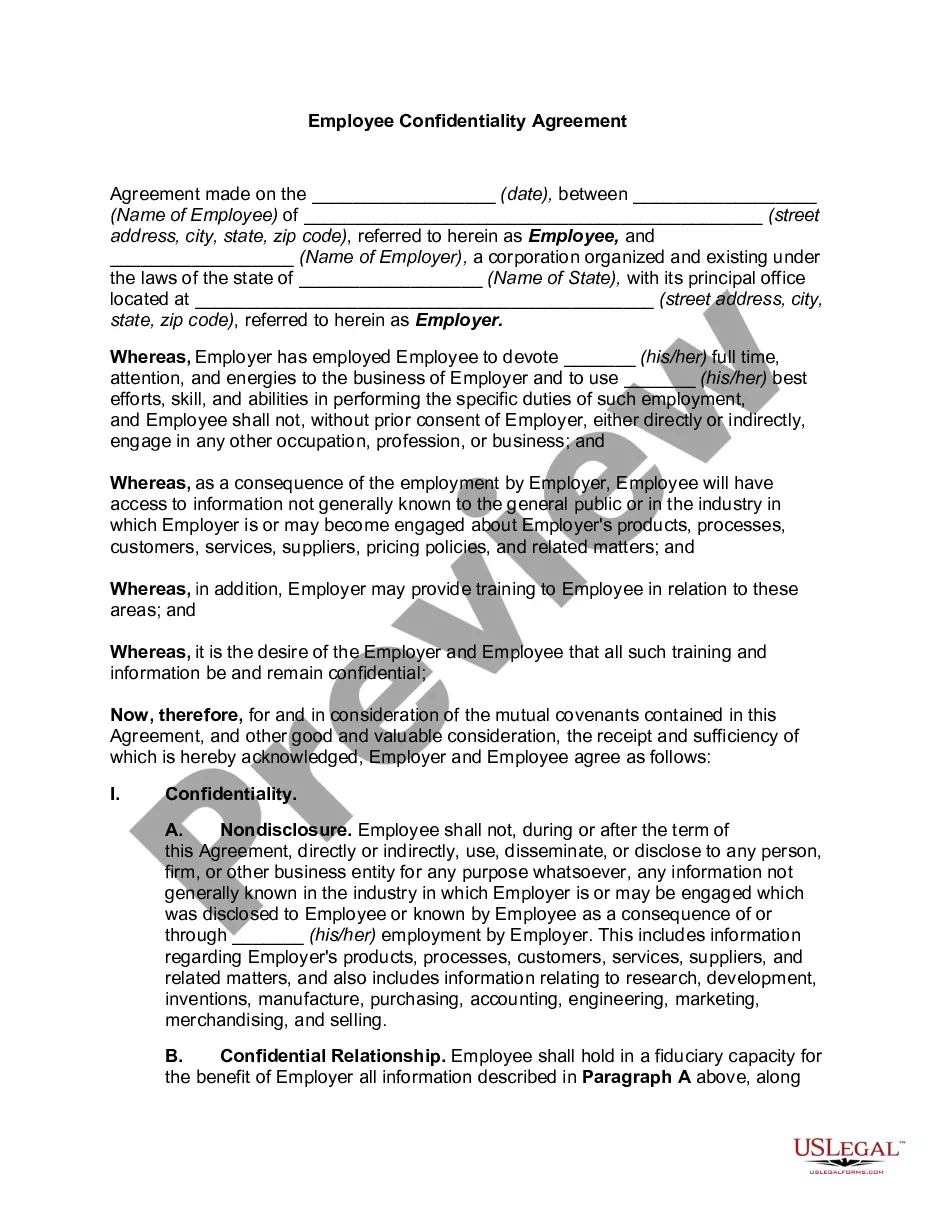
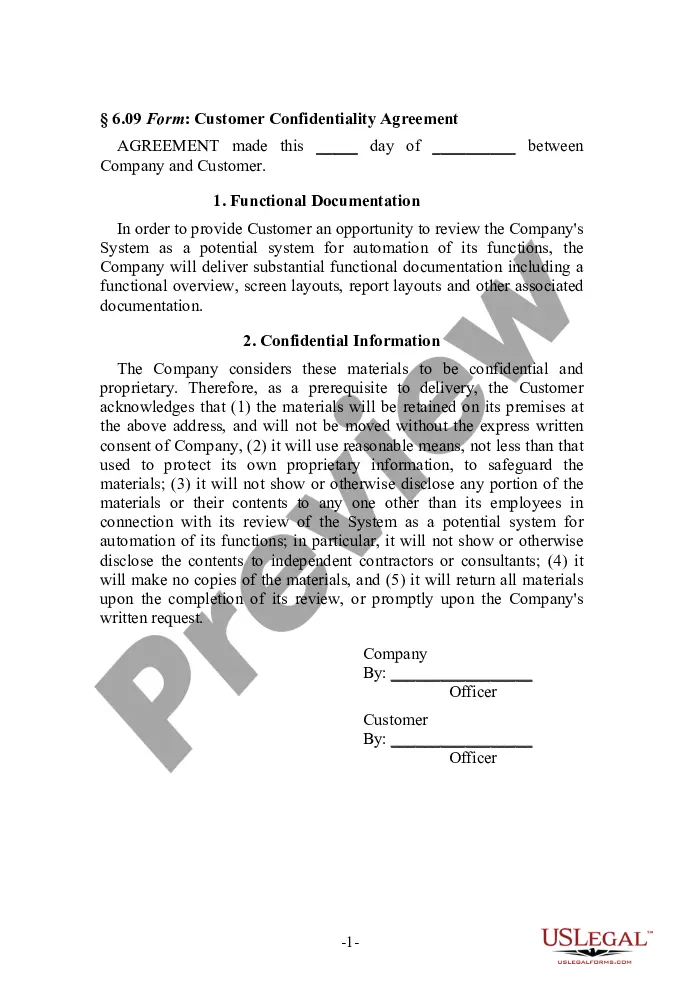
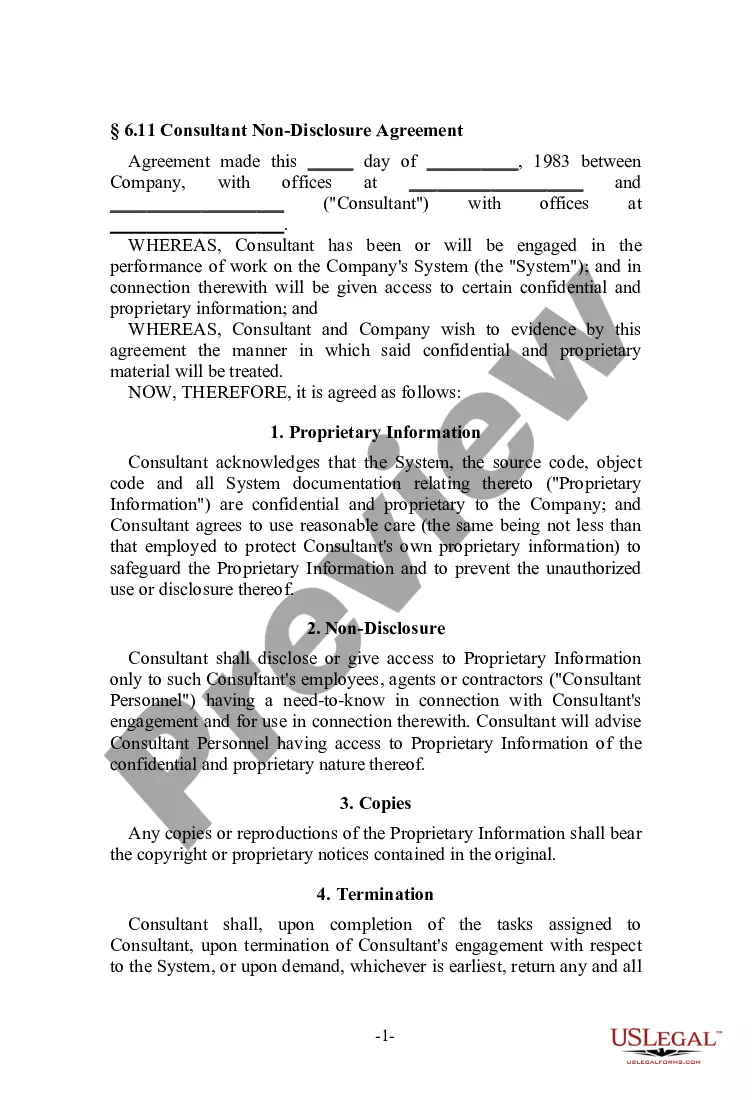
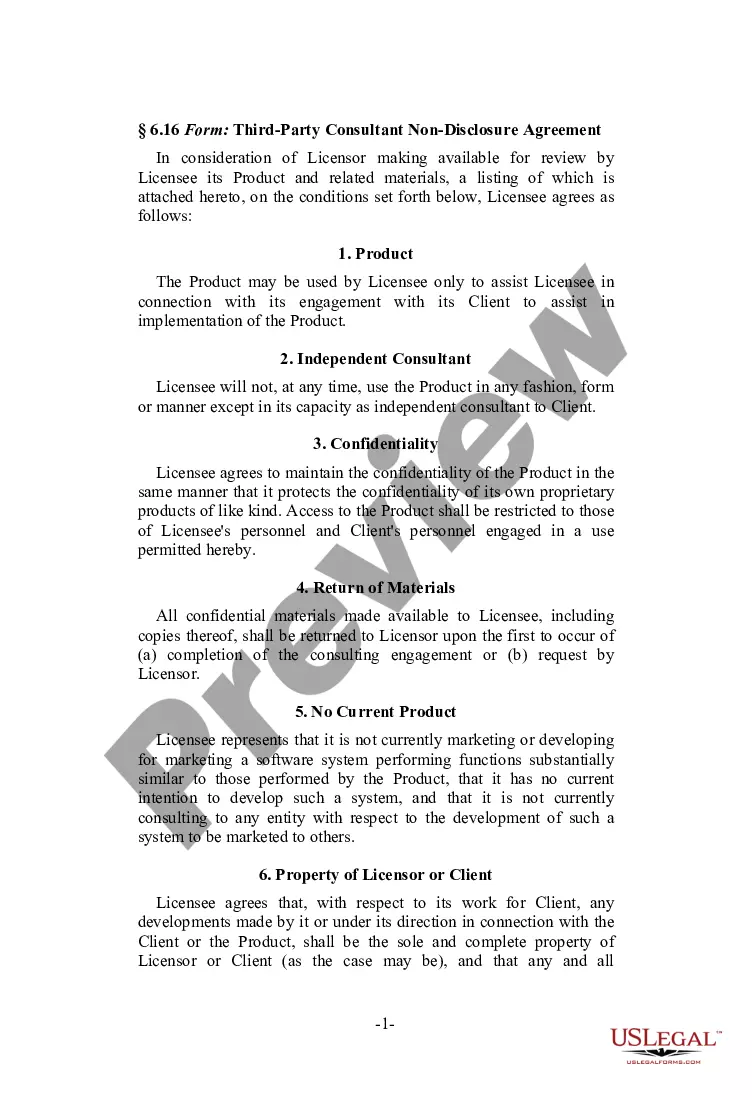
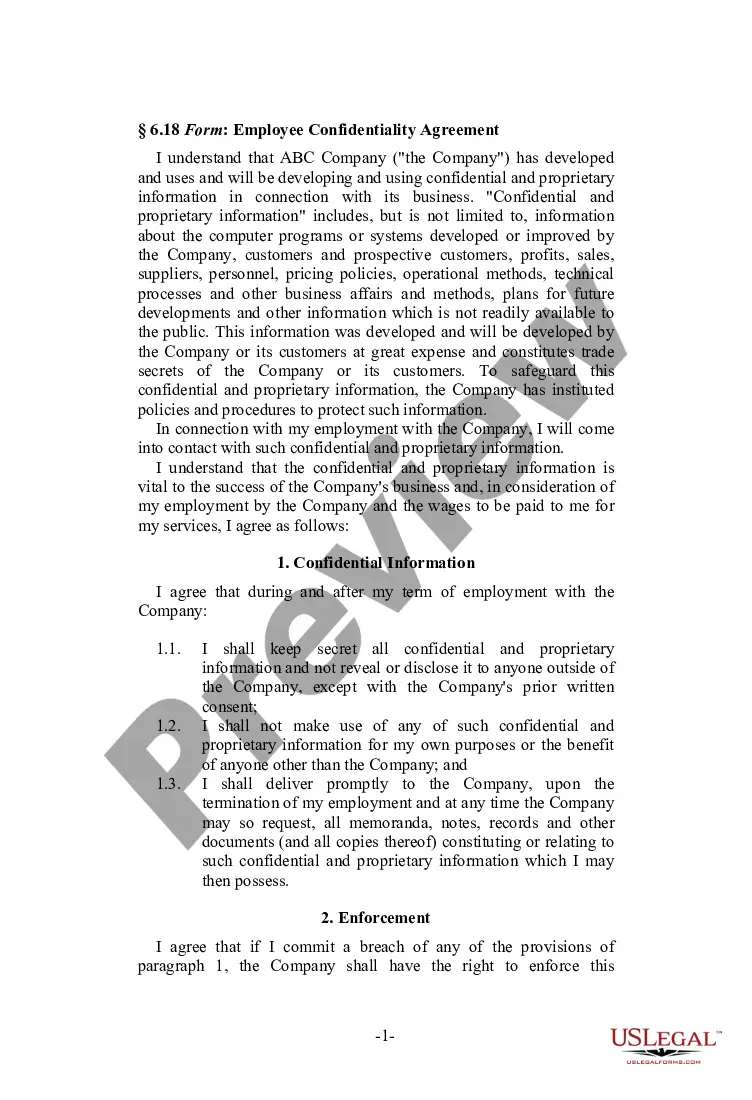




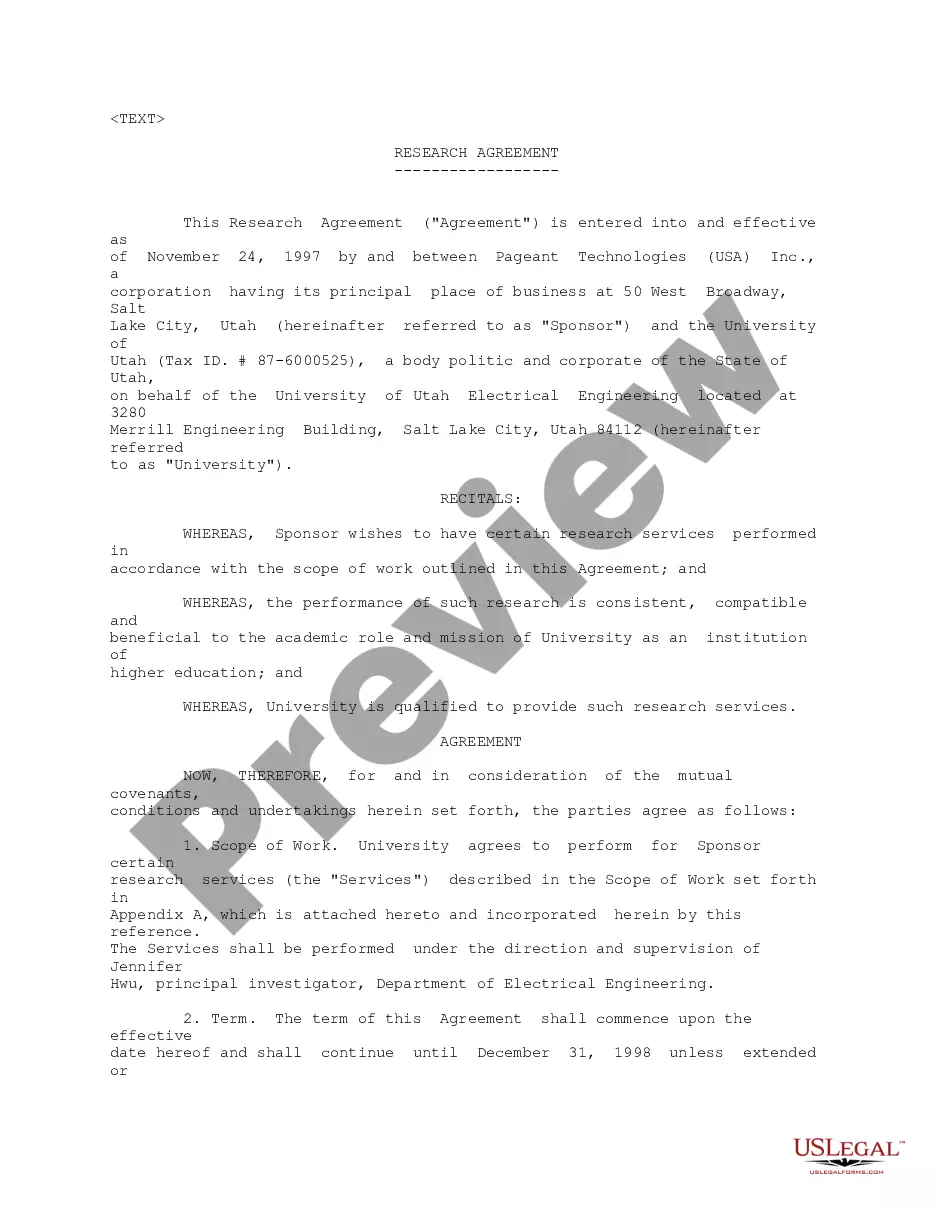



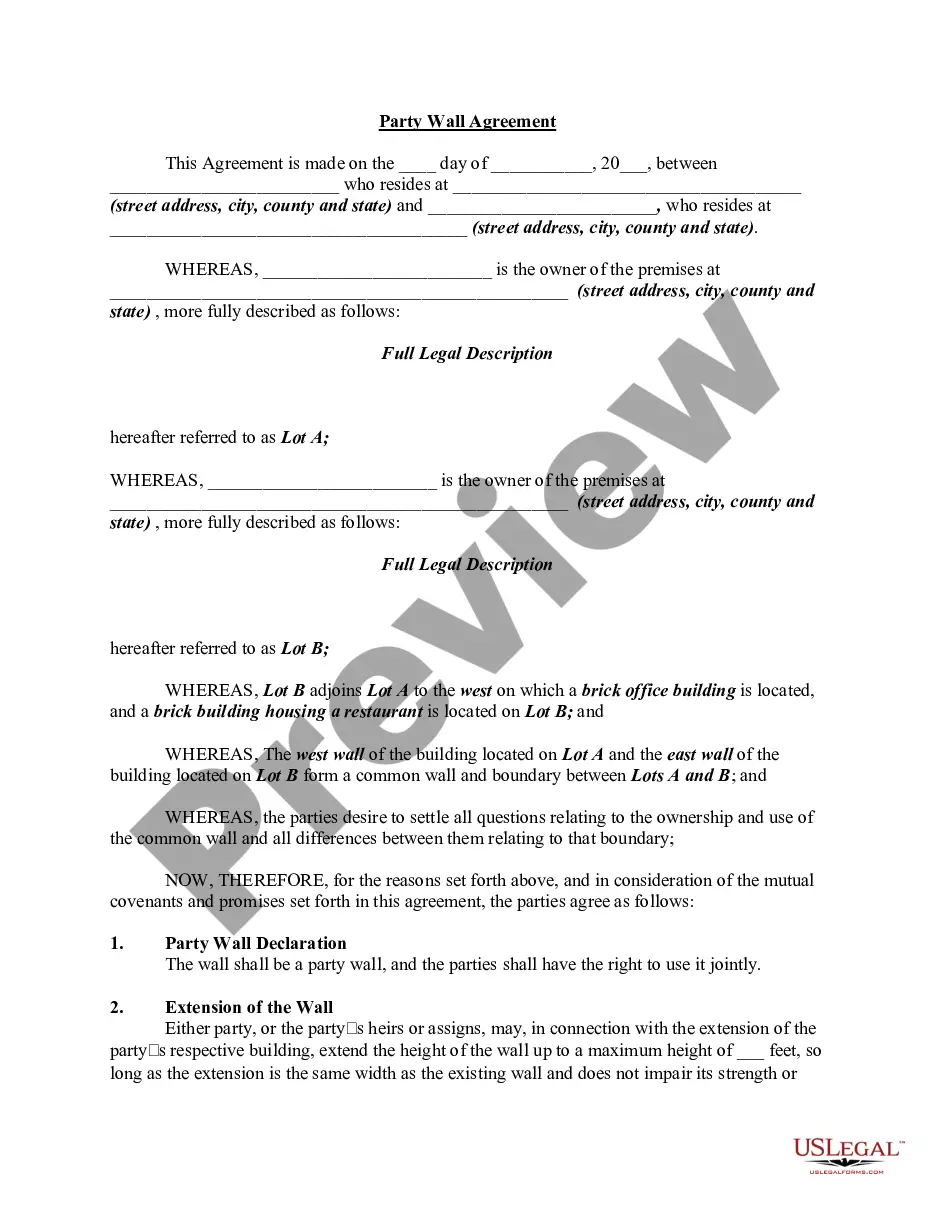

How to fill out Information Technology Third-Party Non-Disclosure Agreement?
You can spend hours online trying to find the legal document template that fulfills the state and federal requirements you will need.
US Legal Forms offers a vast array of legal documents that have been reviewed by experts.
It is easy to download or print the Rhode Island Information Technology Third-Party Non-Disclosure Agreement from the service.
Review the form outline to ensure you have chosen the correct form. If available, use the Preview button to view the document template as well.
- If you already possess a US Legal Forms account, you can Log In and then click the Download button.
- Subsequently, you can complete, modify, print, or sign the Rhode Island Information Technology Third-Party Non-Disclosure Agreement.
- Every legal document template you acquire is yours forever.
- To obtain another version of a purchased form, visit the My documents tab and click the associated button.
- If you are using the US Legal Forms website for the first time, follow the simple instructions below.
- First, make sure you have selected the correct document template for the county/town of your choice.
Form popularity
FAQ
The key elements of Non-Disclosure Agreements: Identification of the parties. Definition of what is deemed to be confidential. The scope of the confidentiality obligation by the receiving party.
The Key Elements of Non-Disclosure AgreementsIdentification of the parties.Definition of what is deemed to be confidential.The scope of the confidentiality obligation by the receiving party.The exclusions from confidential treatment.The term of the agreement.10-Mar-2016
Key elements of Non-disclosure AgreementIdentification of the parties that are signing the agreement. A precise definition of what is considered confidential under the agreement. The clear reason as to why the information is shared and for what purpose.
Keep your information protected Depending on your needs, you can choose from three types of NDAs: unilateral, bilateral, and unilateral. Unilateral NDAs only require one party to disclose confidential information, while bilateral NDAs require two parties to disclose private information.
To create a legally-binding non-disclosure contract, you must use specific language when defining confidential information, parties, and scope. Broad language that can be interpreted many ways may not hold up in a legal dispute.
Doctorpatient confidentiality (physicianpatient privilege), attorneyclient privilege, priestpenitent privilege and bankclient confidentiality agreements are examples of NDAs, which are often not enshrined in a written contract between the parties.
A Confidential Disclosure Agreement (CDA), also referred to as non-disclosure agreement (NDA) or secrecy agreement, is a legal agreement between a minimum of two parties which outlines information the parties wish to share with one another for certain evaluation purposes, but wish to restrict from wider use and
How to terminate the NDARead the Duration clauses. Good NDAs will have two different terms of duration.Read the termination clause. Like any other relationship, business partnerships can come to an early end unexpectedly.Read the Return of Information clause.31-Aug-2021
Typical exceptions to the definition of confidential information include (i) information publicly known or in the public domain prior to the time of disclosure, (ii) information publicly known and made generally available after disclosure through no action or inaction of the recipient, (ii) information already in the
A Confidential Disclosure Agreement (CDA), also referred to as non-disclosure agreement (NDA) or secrecy agreement, is a legal agreement between a minimum of two parties which outlines information the parties wish to share with one another for certain evaluation purposes, but wish to restrict from wider use and