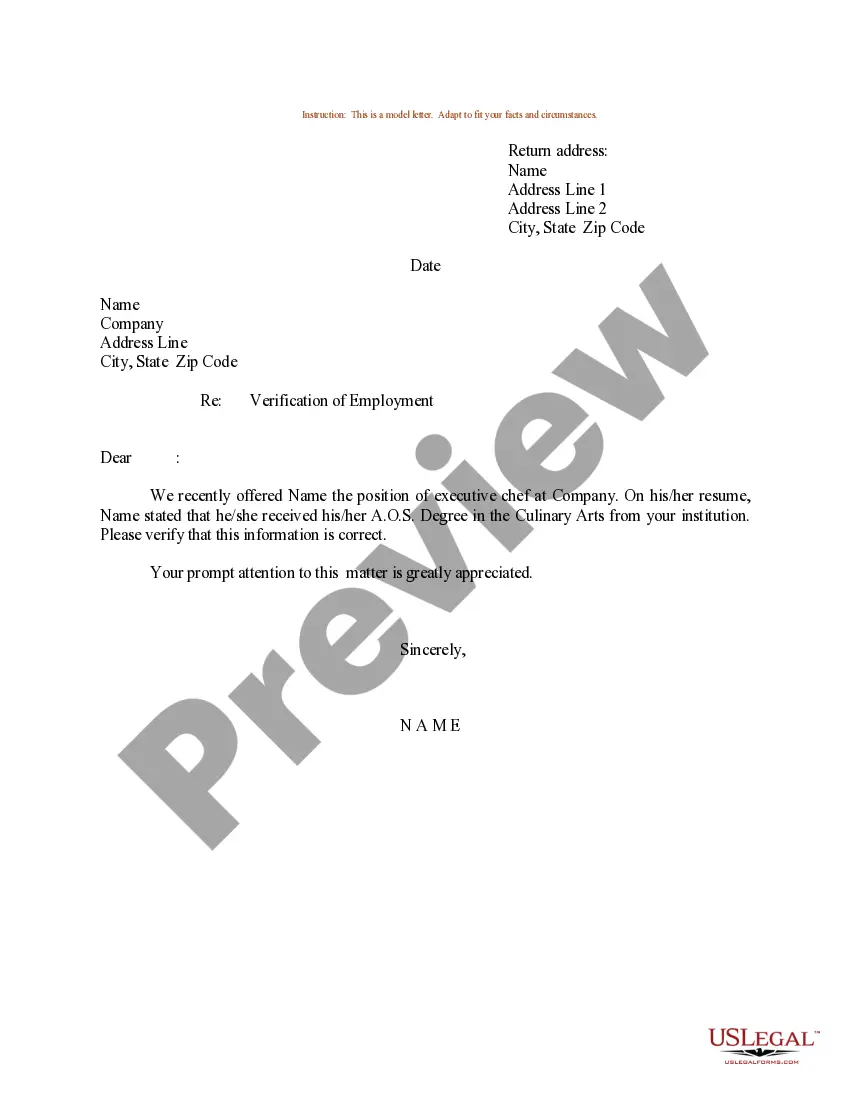
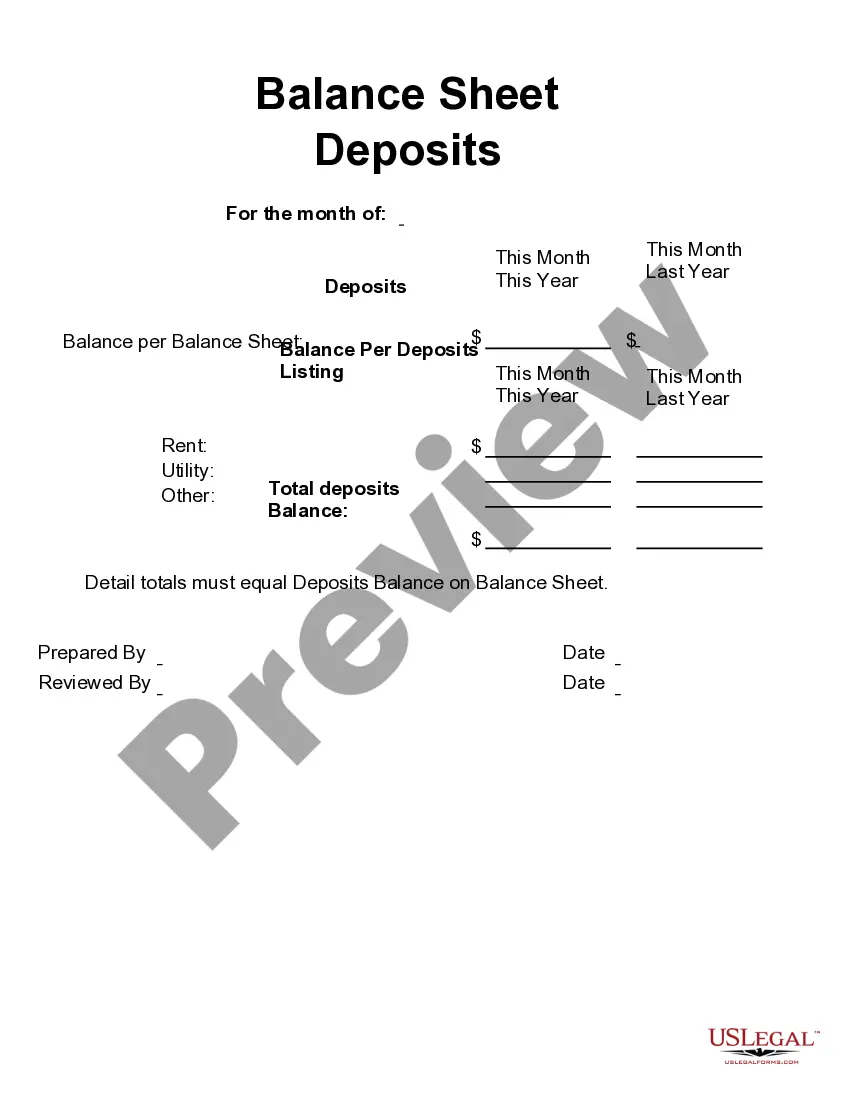
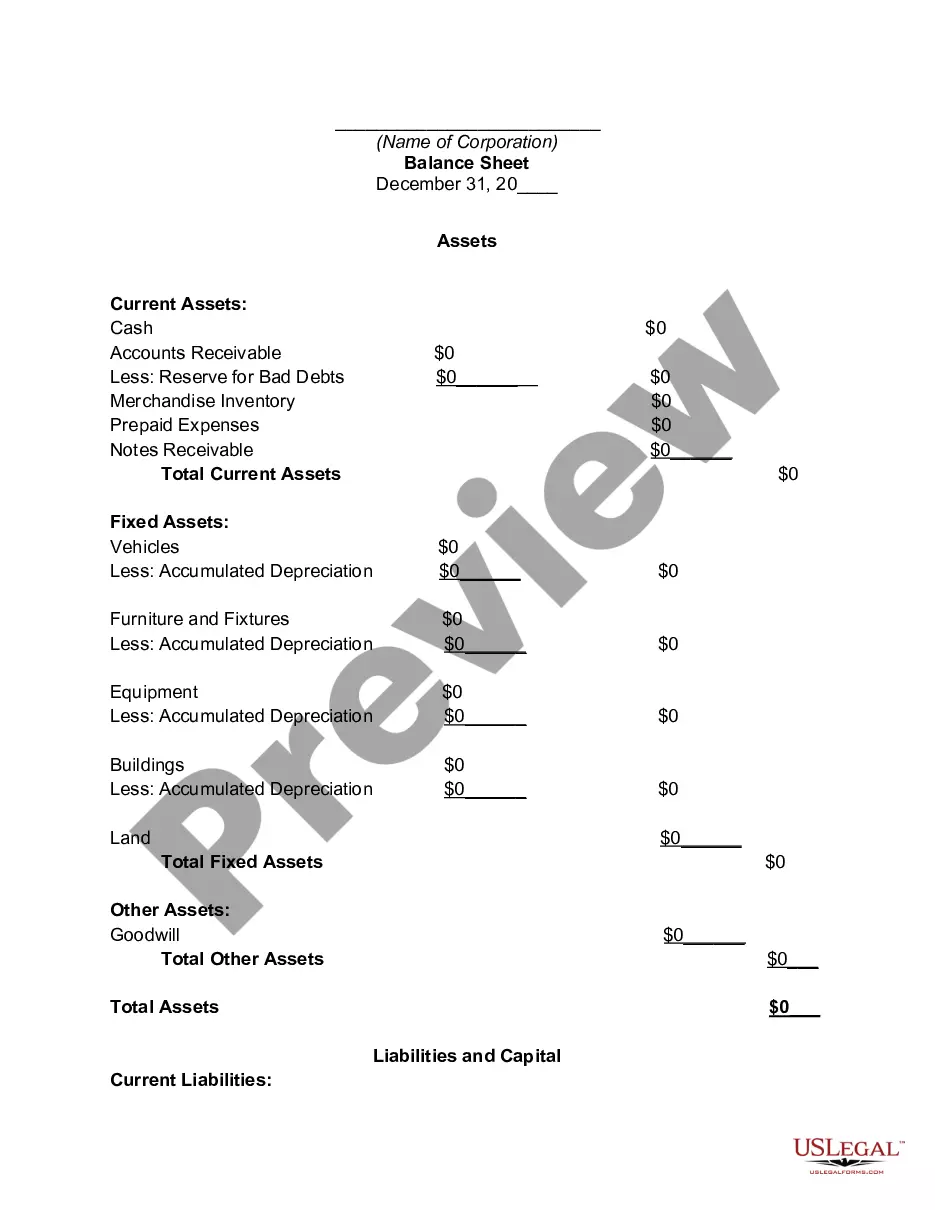
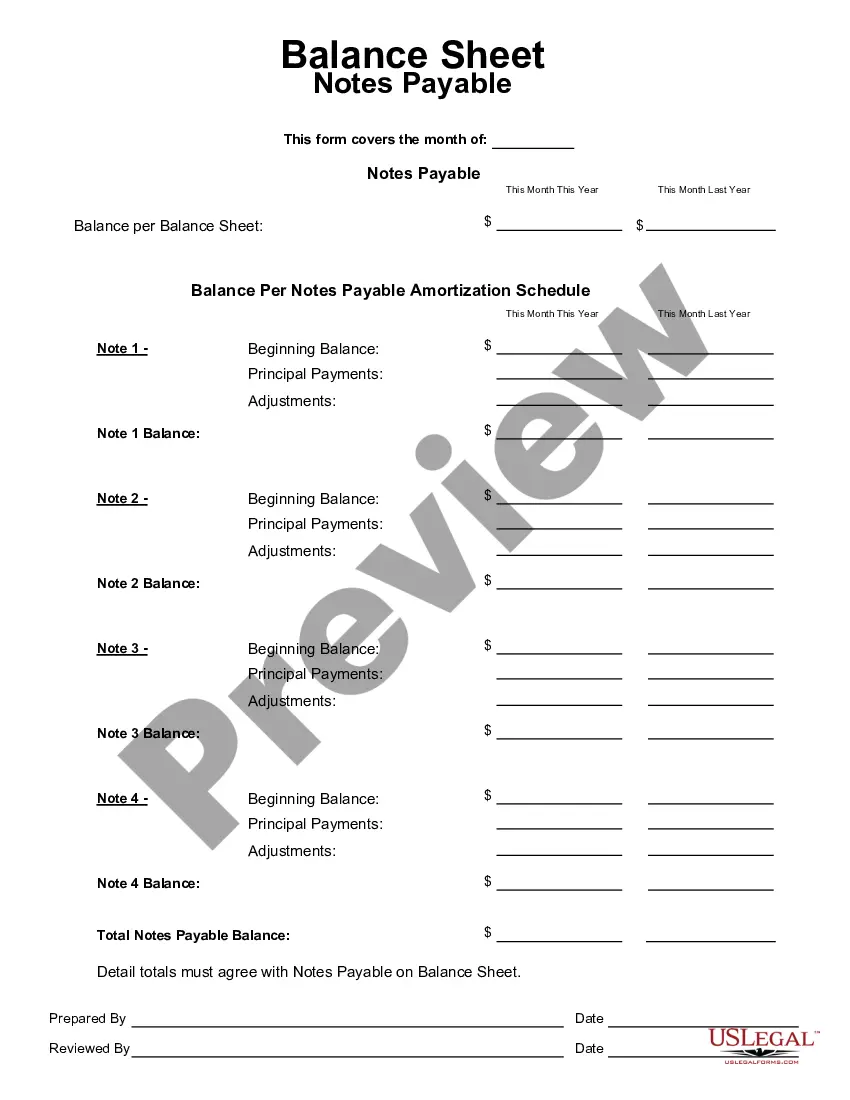
This form is a business type form that is formatted to allow you to complete the form using Adobe Acrobat or Word. The word files have been formatted to allow completion by entry into fields. Some of the forms under this category are rather simple while others are more complex. The formatting is worth the small cost.
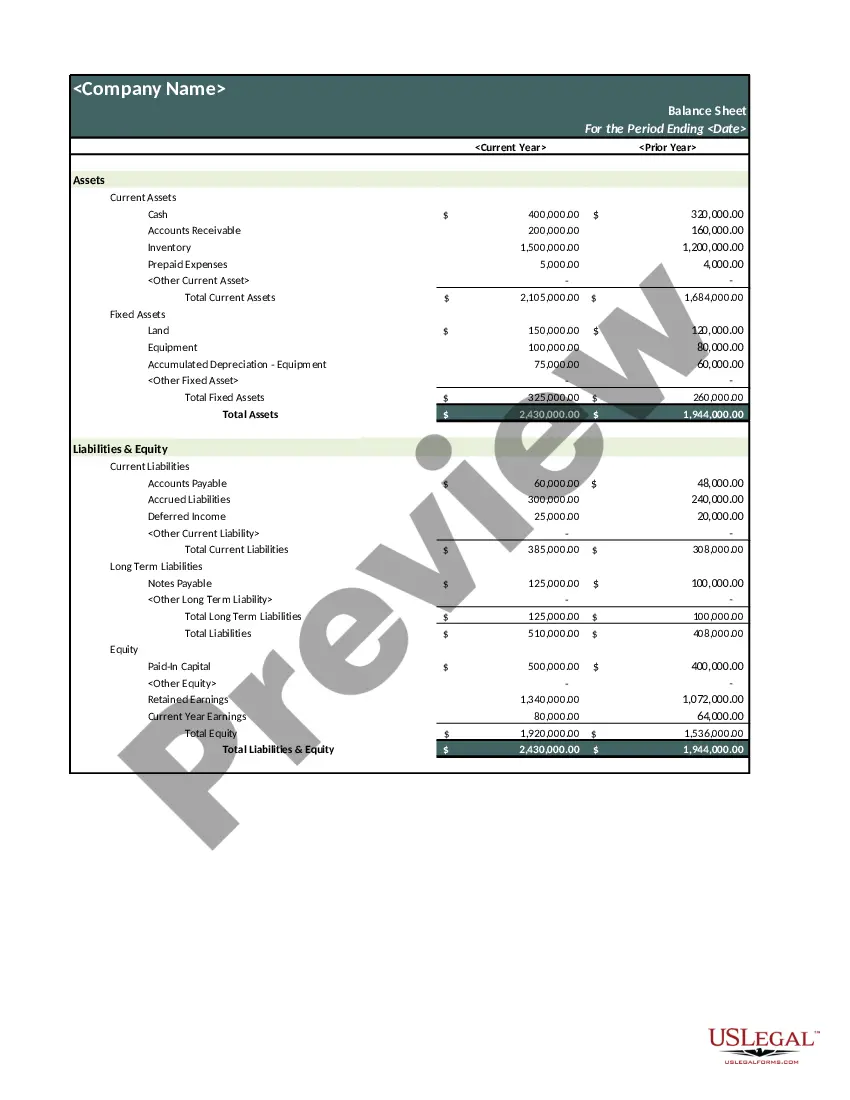
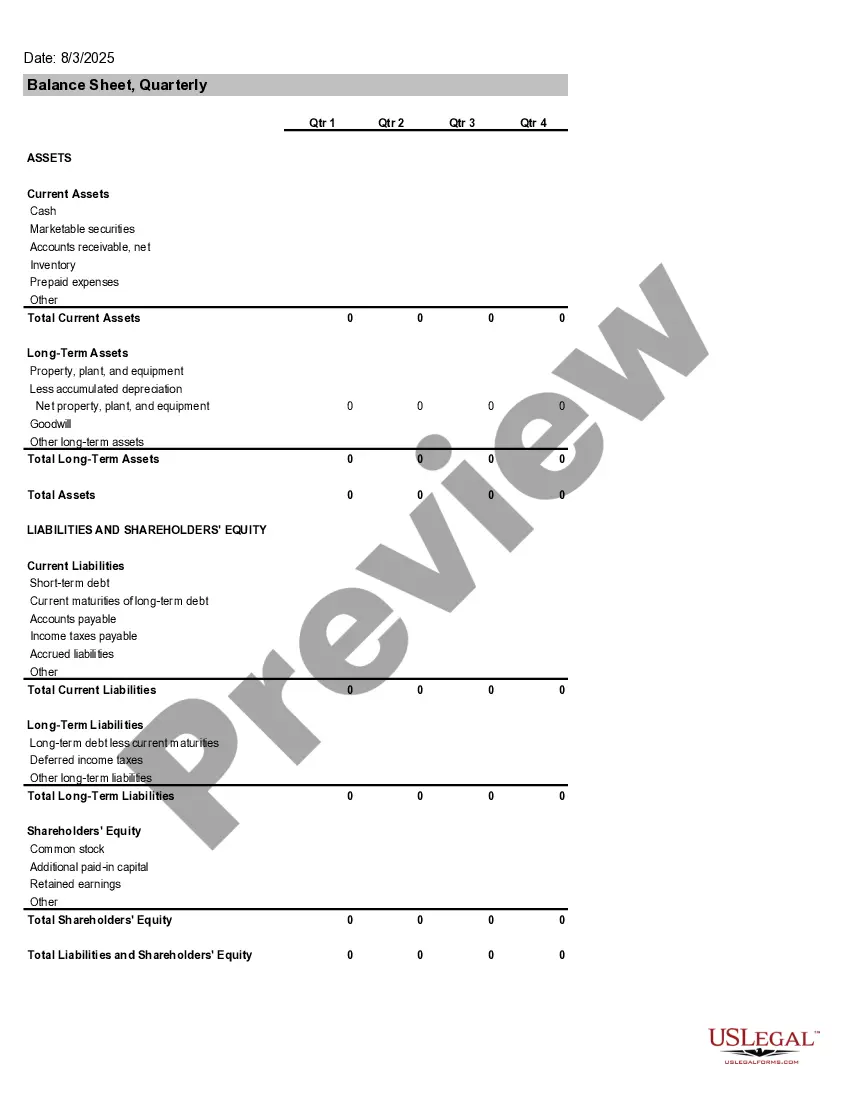
Rhode Island Balance Sheet Deposits
Category:
State:
Multi-State
Control #:
US-122-AZ
Format:
Word;
PDF;
Rich Text
Instant download
Description
Get your form ready online
Our built-in tools help you complete, sign, share, and store your documents in one place.
Built-in online Word editor
Make edits, fill in missing information, and update formatting in US Legal Forms—just like you would in MS Word.
Export easily
Download a copy, print it, send it by email, or mail it via USPS—whatever works best for your next step.
E-sign your document
Sign and collect signatures with our SignNow integration. Send to multiple recipients, set reminders, and more. Go Premium to unlock E-Sign.
Notarize online 24/7
If this form requires notarization, complete it online through a secure video call—no need to meet a notary in person or wait for an appointment.
Store your document securely
We protect your documents and personal data by following strict security and privacy standards.

Make edits, fill in missing information, and update formatting in US Legal Forms—just like you would in MS Word.

Download a copy, print it, send it by email, or mail it via USPS—whatever works best for your next step.

Sign and collect signatures with our SignNow integration. Send to multiple recipients, set reminders, and more. Go Premium to unlock E-Sign.

If this form requires notarization, complete it online through a secure video call—no need to meet a notary in person or wait for an appointment.

We protect your documents and personal data by following strict security and privacy standards.
Looking for another form?


How to fill out Balance Sheet Deposits?
If you require to complete, download, or print out legal document templates, utilize US Legal Forms, the largest selection of legal forms that are available online.
Employ the site's straightforward and convenient search tool to find the documents you need.
Numerous templates for business and personal purposes are grouped by categories and states, or keywords.
Every legal document template you obtain is yours indefinitely.
You may access every document you saved in your account. Go to the My documents section and choose a document to print or download again. Stay competitive and download, and print the Rhode Island Balance Sheet Deposits with US Legal Forms. There are numerous professional and state-specific forms you can use for your business or personal needs.
- Utilize US Legal Forms to obtain the Rhode Island Balance Sheet Deposits with just a few clicks.
- If you are currently a US Legal Forms user, Log In to your account and click the Acquire button to locate the Rhode Island Balance Sheet Deposits.
- You can also access forms you have previously saved in the My documents section of your account.
- If you are using US Legal Forms for the first time, follow the guidelines below.
- Step 1. Ensure you have selected the form for the correct area/state.
- Step 2. Use the Review option to examine the form's details. Don't forget to read the information.
- Step 3. If you are unsatisfied with the form, utilize the Search field at the top of the page to find other versions of the legal document template.
- Step 4. Once you have located the form you want, click on the Acquire now button. Select the payment plan you prefer and enter your information to register for an account.
- Step 5. Complete the transaction. You can use your credit card or PayPal account to finalize the purchase.
- Step 6. Choose the format of the legal document and download it to your device.
- Step 7. Fill out, modify, and print or sign the Rhode Island Balance Sheet Deposits.
Form popularity
FAQ
Deposits as Assets When a business places a security deposit that is, it gives someone else money to hold against possible future charges the deposit is listed as an asset on its balance sheet.
In either case, on a bank's T-account, assets will always equal liabilities plus net worth. When bank customers deposit money into a checking account, savings account, or a certificate of deposit, the bank views these deposits as liabilities.
Income statements include revenue, costs of goods sold, and operating expenses, along with the resulting net income or loss for that period. An operating expense is an expense that a business regularly incurs such as payroll, rent, and non-capitalized equipment.
The income statement accounts most commonly used are as follows:Revenue. Contains revenue from the sale of products and services.Sales discounts.Cost of goods sold.Compensation expense.Depreciation and amortization expense.Employee benefits.Insurance expense.Marketing expenses.More items...?
Get To the Bottom of It To start with, go to the bottom of the company's balance sheet and look for a line called Total Equity. Now compare that to the same line from the previous quarter's or previous year's balance sheet. The difference between them is the starting point for determining the company's net income.
The balance sheet reports assets, liabilities, and equity, while the income statement reports revenues and expenses that net to a profit or loss. The income statement also notes any tax expense, while the balance sheet contains any unpaid tax liabilities.
(028cð0259r 026ank028cm) (Accounting: Financial statements, Income statement) Other income is income that does not come from a company's main business, such as interest. Examples of other income include income from interest, rent, and gains resulting from the sale of fixed assets.
Deposits is a current liability account in the general ledger, in which is stored the amount of funds paid by customers in advance of a product or service delivery. These funds are essentially down payments.
Cash and cash equivalents under the current assets section of a balance sheet represent the amount of money the company has in the bank, whether in the form of cash, savings bonds, certificates of deposit, or money invested in money market funds. It tells you how much money is available to the business immediately.
The deposit itself is a liability owed by the bank to the depositor. Bank deposits refer to this liability rather than to the actual funds that have been deposited.