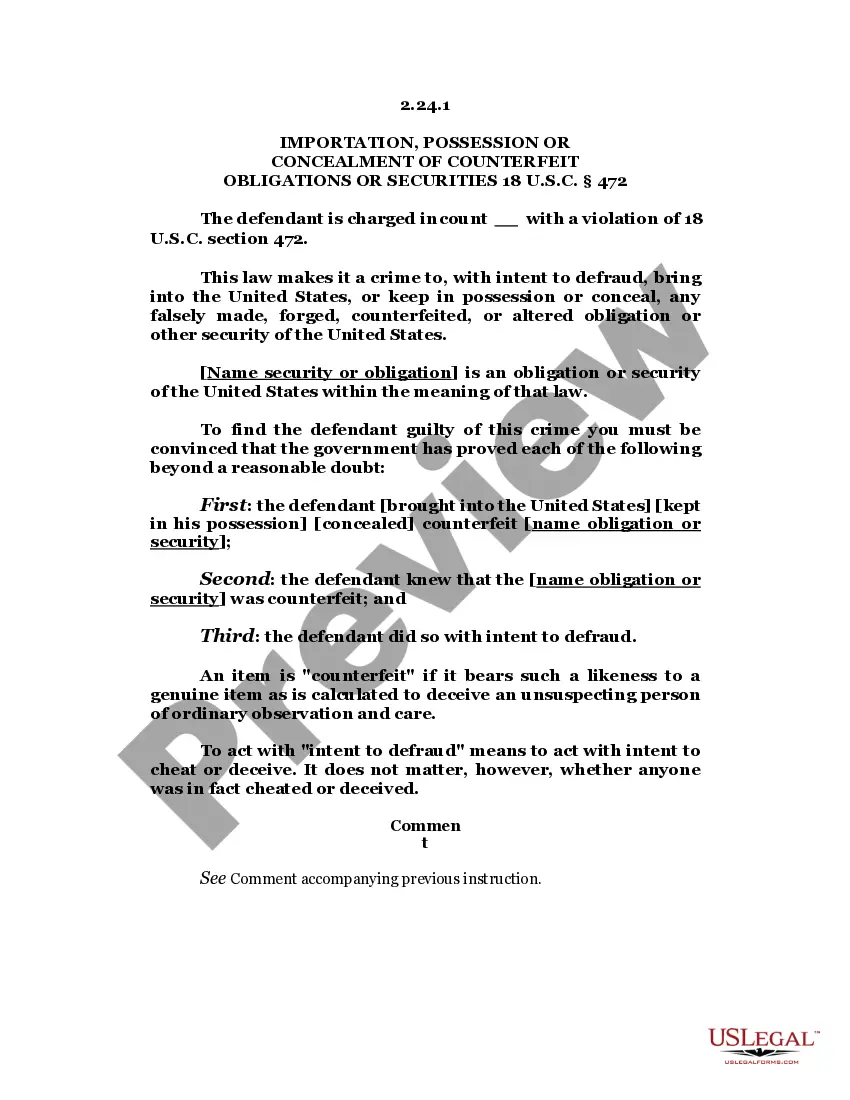
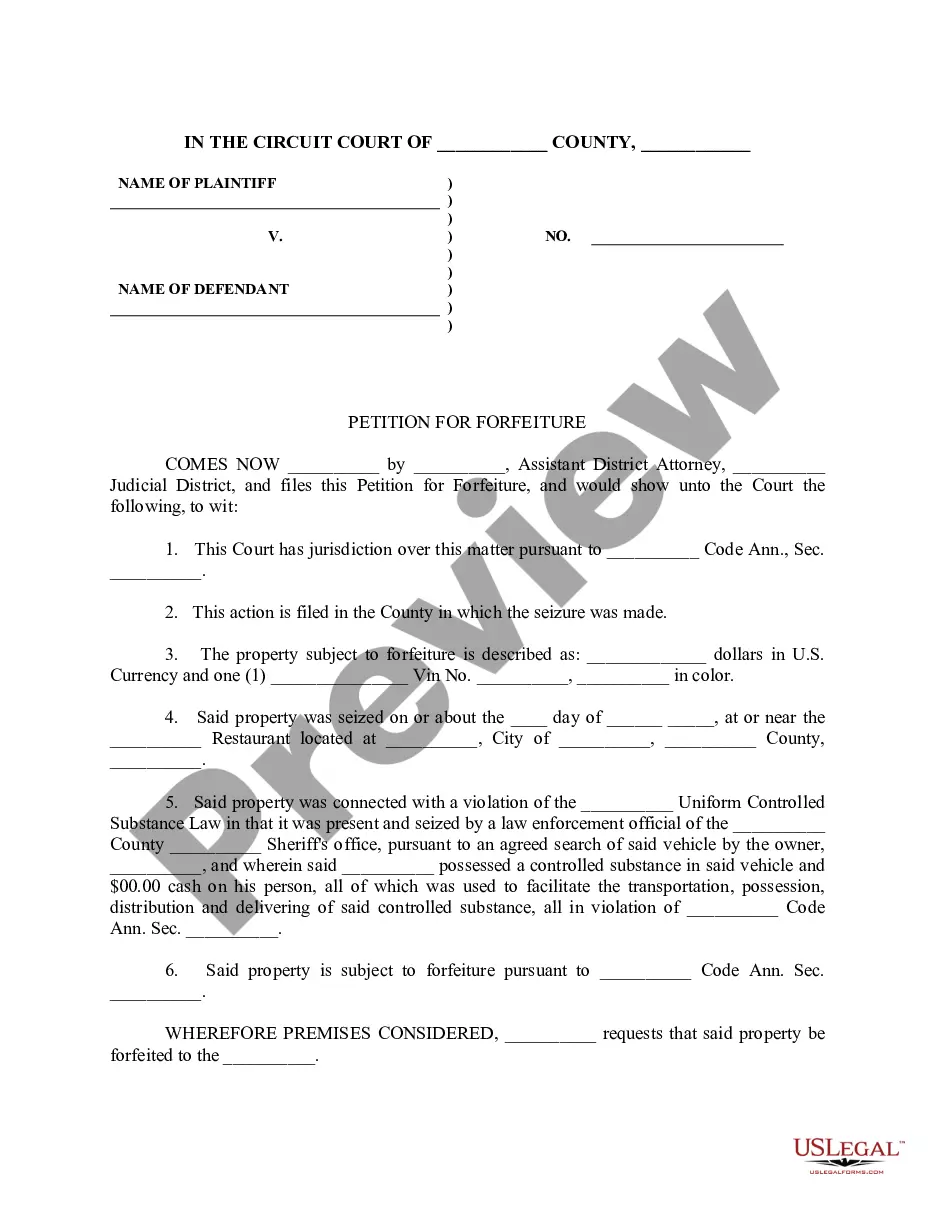
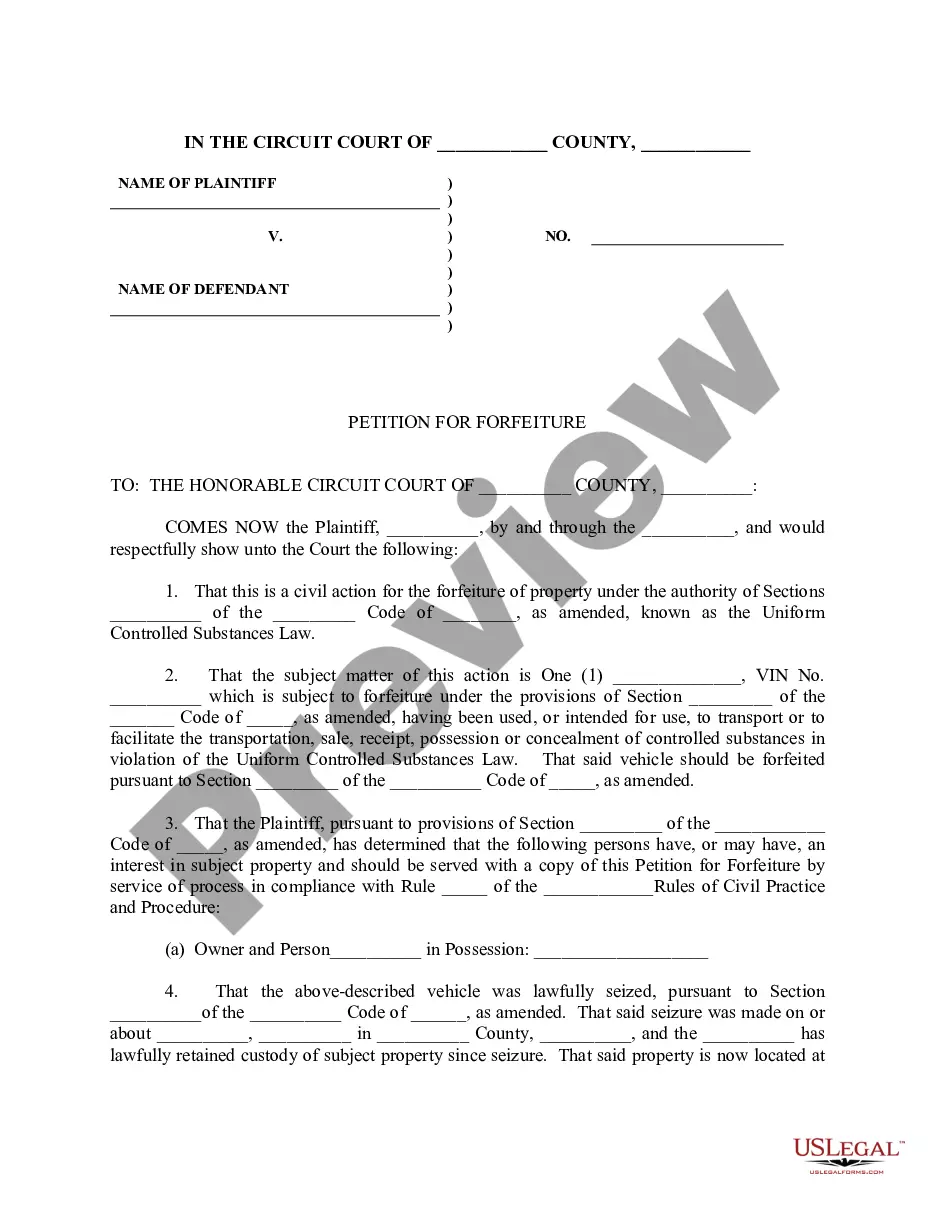
Rhode Island Petition for Forfeiture
Description

Get your form ready online
Our built-in tools help you complete, sign, share, and store your documents in one place.
Make edits, fill in missing information, and update formatting in US Legal Forms—just like you would in MS Word.
Download a copy, print it, send it by email, or mail it via USPS—whatever works best for your next step.
Sign and collect signatures with our SignNow integration. Send to multiple recipients, set reminders, and more. Go Premium to unlock E-Sign.
If this form requires notarization, complete it online through a secure video call—no need to meet a notary in person or wait for an appointment.
We protect your documents and personal data by following strict security and privacy standards.

Make edits, fill in missing information, and update formatting in US Legal Forms—just like you would in MS Word.

Download a copy, print it, send it by email, or mail it via USPS—whatever works best for your next step.

Sign and collect signatures with our SignNow integration. Send to multiple recipients, set reminders, and more. Go Premium to unlock E-Sign.

If this form requires notarization, complete it online through a secure video call—no need to meet a notary in person or wait for an appointment.

We protect your documents and personal data by following strict security and privacy standards.
Looking for another form?
How to fill out Petition For Forfeiture?
You can dedicate hours online searching for the valid document template that meets the federal and state regulations you require. US Legal Forms offers a vast selection of legal forms that are reviewed by professionals.
You can easily download or print the Rhode Island Petition for Forfeiture from our platform. If you have a US Legal Forms account, you can Log In and click the Download button. After that, you can complete, modify, print, or sign the Rhode Island Petition for Forfeiture.
Every legal document template you obtain is yours permanently. To acquire another copy of the purchased form, go to the My documents section and click the corresponding button. If this is your first time using the US Legal Forms website, follow the straightforward instructions below: First, ensure you have selected the correct document template for your desired area/city. Review the form description to confirm you have chosen the right form. If available, utilize the Review button to examine the document template as well.
- If you wish to obtain another version of the form, use the Search field to find the template that suits your needs and requirements.
- Once you have found the template you want, click on Get now to proceed.
- Choose the pricing plan you prefer, enter your details, and register for an account on US Legal Forms.
- Complete the transaction. You can use your credit card or PayPal account to pay for the legal form.
- Select the format of the document and download it to your device.
- Make modifications to your document if necessary. You can complete, edit, sign, and print the Rhode Island Petition for Forfeiture.
- Download and print thousands of document templates using the US Legal Forms website, which offers the largest collection of legal forms. Utilize professional and state-specific templates to address your business or personal needs.
Form popularity
FAQ
Under Texas law, an asset forfeiture proceeding is civil and the property, not the owner, is charged with involvement in a crime.
Asset Forfeiture, Seizure and Money Laundering. Chapter 59 of the Code of Criminal Procedure gives the Police Department the authority to seize certain property that has been used in the commission of certain felonies, including felony narcotics offenses. This property may then be forfeited after a court hearing.
In the United States, civil forfeiture (also called civil asset forfeiture or civil judicial forfeiture) is a process in which law enforcement officers take assets from people who are suspected of involvement with crime or illegal activity without necessarily charging the owners with wrongdoing.
Civil asset forfeiture is the legal process that allows law enforcement to take property they believe is used or intended to be used in committing certain crimes. The owners of the property do not have to be charged with a crime for the property to be taken.
A: There are different legal theories of forfeiture. Property that the wrongdoer would not have had but for the crime can be forfeited as proceeds. For example, cash acquired through an unlawful activity such as drug dealing, or a car bought with cash from drug dealing can be forfeited under the proceeds theory.
Forfeiture is broadly defined as the loss of property for failing to obey the law, and that property is generally lost to the state. A person may have a vested interest in property to be forfeit in two ways: In personum jurisdiction and in rem jurisdiction.