Rhode Island Mutual Aid Contract for Emergencies
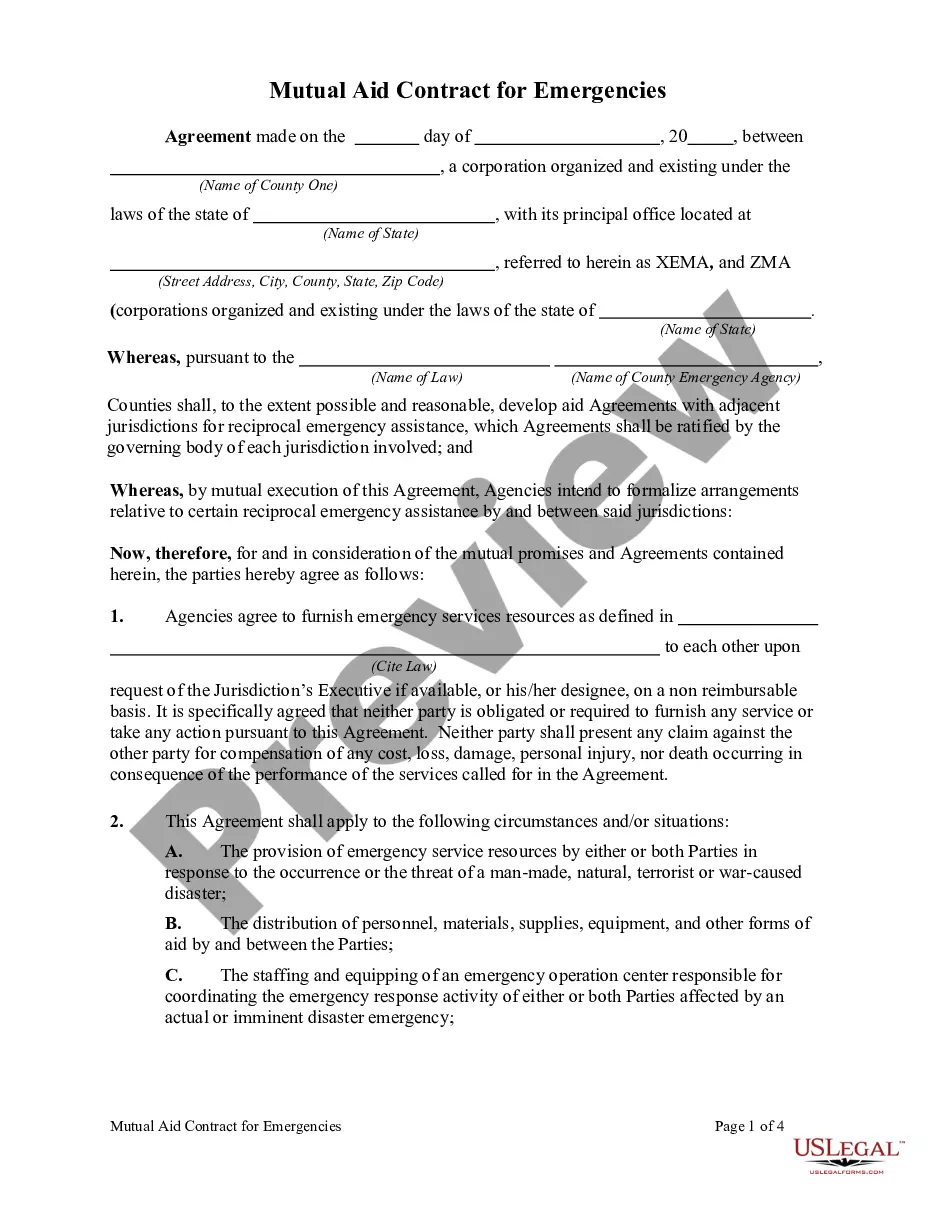
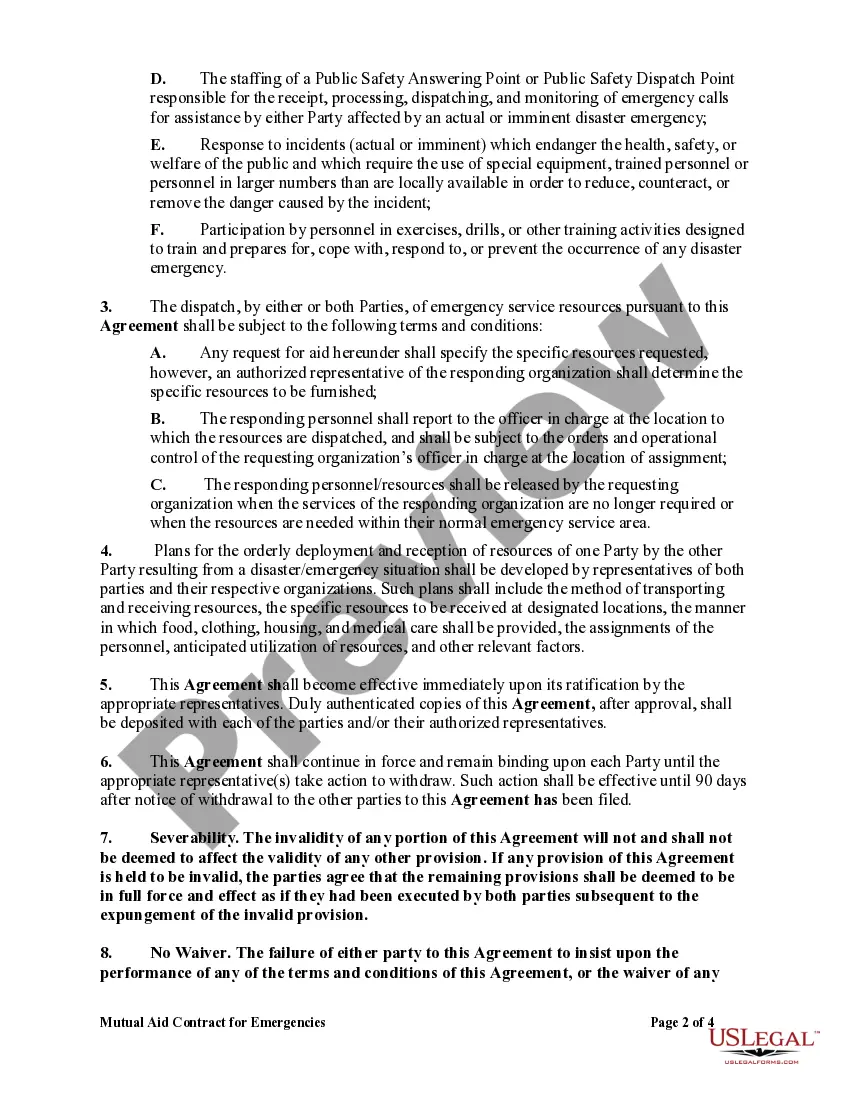
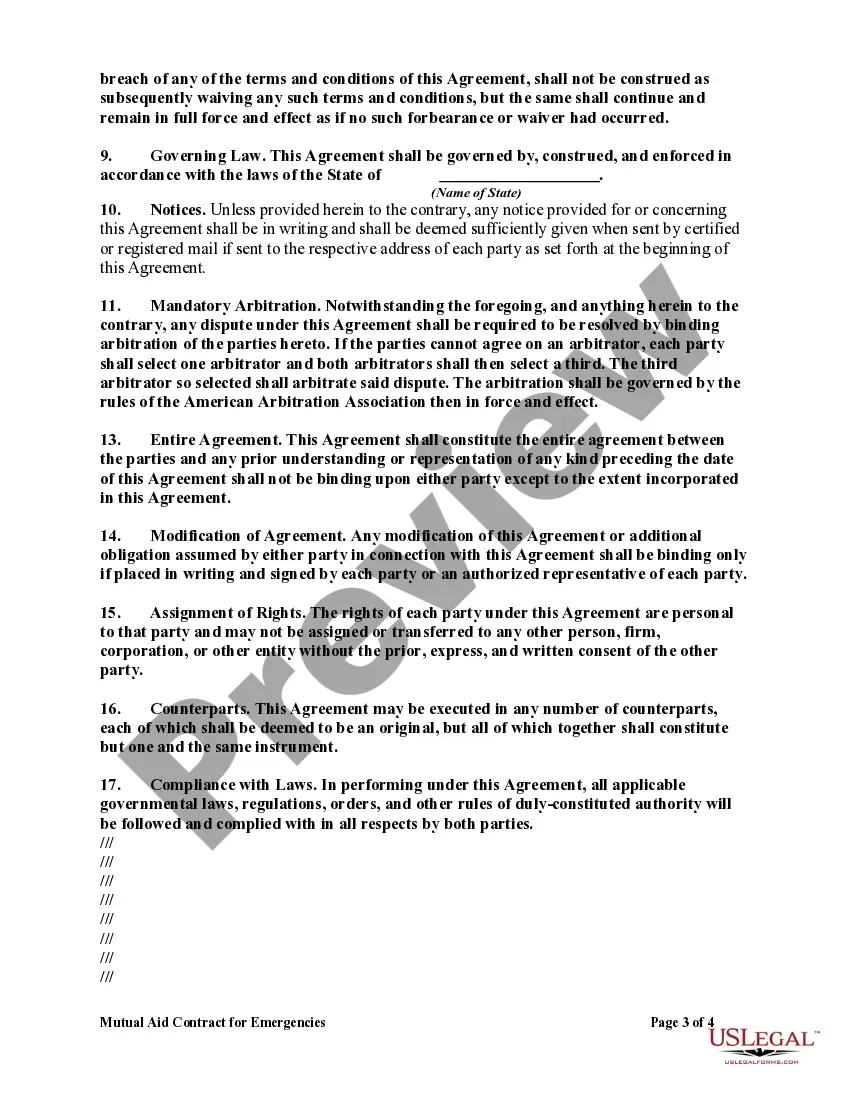
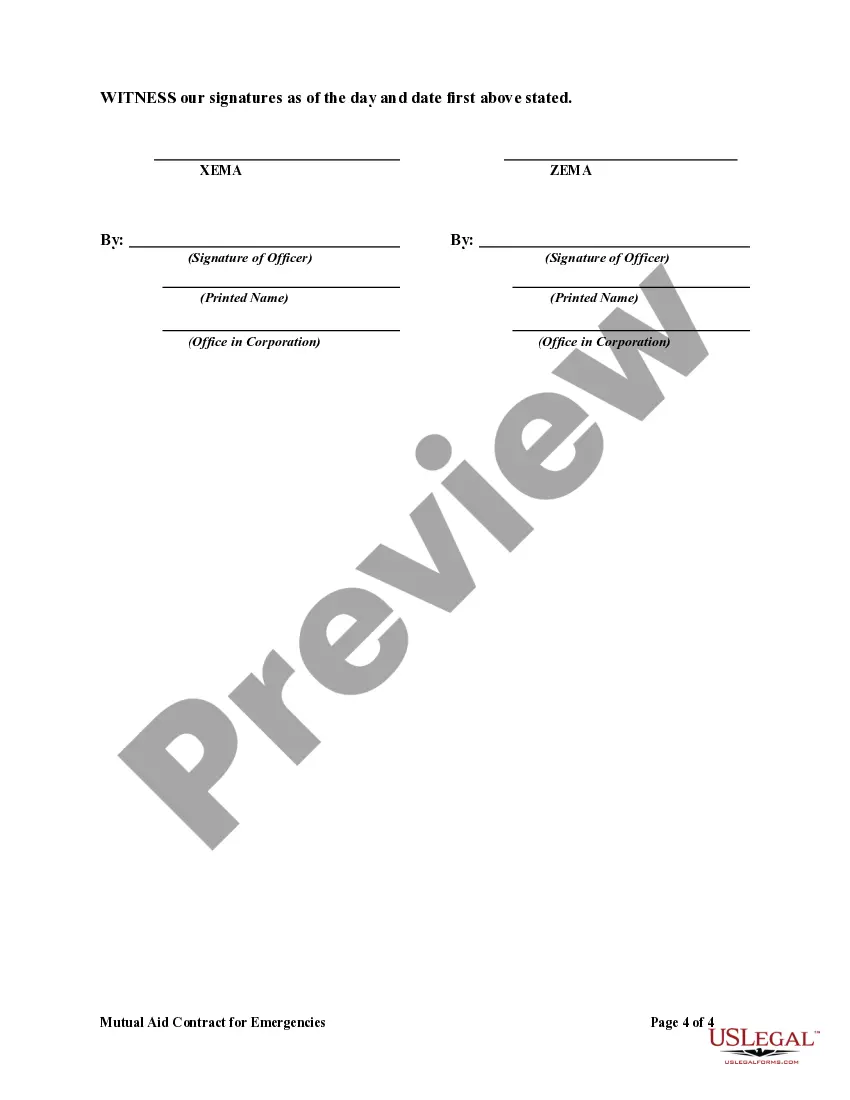
Description


Get your form ready online
Our built-in tools help you complete, sign, share, and store your documents in one place.
Make edits, fill in missing information, and update formatting in US Legal Forms—just like you would in MS Word.
Download a copy, print it, send it by email, or mail it via USPS—whatever works best for your next step.
Sign and collect signatures with our SignNow integration. Send to multiple recipients, set reminders, and more. Go Premium to unlock E-Sign.
If this form requires notarization, complete it online through a secure video call—no need to meet a notary in person or wait for an appointment.
We protect your documents and personal data by following strict security and privacy standards.

Make edits, fill in missing information, and update formatting in US Legal Forms—just like you would in MS Word.

Download a copy, print it, send it by email, or mail it via USPS—whatever works best for your next step.

Sign and collect signatures with our SignNow integration. Send to multiple recipients, set reminders, and more. Go Premium to unlock E-Sign.

If this form requires notarization, complete it online through a secure video call—no need to meet a notary in person or wait for an appointment.

We protect your documents and personal data by following strict security and privacy standards.
Looking for another form?


How to fill out Mutual Aid Contract For Emergencies?
Are you presently in a position where you need documents for either business or personal purposes almost all the time.
There are numerous legal document templates accessible online, but finding trustworthy ones is not simple.
US Legal Forms provides a vast array of form templates, including the Rhode Island Mutual Aid Contract for Emergencies, designed to comply with federal and state regulations.
Once you obtain the right form, click Get now.
Select the pricing plan you prefer, complete the required information to create your account, and pay for your order using PayPal or a credit card.
- If you are already familiar with the US Legal Forms website and have an account, simply Log In.
- Next, you can download the Rhode Island Mutual Aid Contract for Emergencies template.
- If you do not have an account and wish to utilize US Legal Forms, follow these steps.
- Locate the form you need and ensure it is designated for the correct city/state.
- Use the Preview button to review the document.
- Check the description to verify that you have selected the correct form.
- If the form isn’t what you’re looking for, utilize the Search field to find the document that meets your requirements.
Form popularity
FAQ
The components of a Rhode Island Mutual Aid Contract for Emergencies typically include an overview of the participating agencies, a resource-sharing framework, and procedures for activation. Additionally, the agreement outlines the legal protections for agencies involved and specifies how costs will be managed. These elements collectively contribute to a robust framework that promotes swift and effective emergency responses.
To create a mutual aid agreement like the Rhode Island Mutual Aid Contract for Emergencies, begin by gathering input from all involved agencies. Draft the document to include specific terms, conditions, and responsibilities. After thorough discussion, the agreement should be reviewed and signed by all parties to formalize their commitment to mutual aid during emergencies.
The mutual aid process involves several key stages, starting with the activation of the Rhode Island Mutual Aid Contract for Emergencies. Agencies evaluate the needs of the incident, communicate resource requirements, and mobilize support accordingly. Continuous assessment and reporting ensure that resources are effectively utilized and adjustments can be made as the situation evolves.
The first step in creating a Rhode Island Mutual Aid Contract for Emergencies is to identify the stakeholders involved. This usually involves local government agencies, fire departments, and law enforcement. Once stakeholders are identified, a discussion should take place to outline objectives and the types of support each entity can provide during emergencies.
The Rhode Island Mutual Aid Contract for Emergencies includes clear operational guidelines, defined roles for participating entities, and provisions for sharing resources. These features ensure effective collaboration among agencies during emergencies. By having a structured agreement, all parties understand their responsibilities, which enhances coordination and response times.
A mutual aid agreement with FEMA facilitates assistance between agencies during federally declared emergencies. This agreement ensures that resources and support are available quickly to affected regions, such as in Rhode Island. Through FEMA’s guidance, communities can establish robust mutual aid contracts that enhance preparedness and response capabilities.
In FEMA, ICS refers to the standardized approach used to manage incidents at all levels, from local to federal. It provides a flexible framework that enables various organizations to work together seamlessly during disasters. The integration of ICS in Rhode Island’s emergency response helps local communities effectively navigate complex situations and deliver timely assistance.
The primary purpose of the ICS is to provide a clear, organized structure for emergency response. It facilitates effective communication, coordination, and resource management among various agencies involved in incident response. For residents of Rhode Island, understanding the ICS is crucial for maximizing local emergency response effectiveness and ensuring safety during crises.
A mutual aid pact refers to a formal agreement between parties to assist each other during emergencies or crises. In the context of Rhode Island, these pacts are essential for fostering regional cooperation among emergency services. They ensure that help is available when local resources are overwhelmed, thereby enhancing community safety.
A mutual aid agreement typically includes the roles and responsibilities of participating agencies, processes for resource sharing, communication protocols, and terms of reimbursement. Specifics may vary based on local needs, but the core goal remains consistent: to ensure efficient collaboration during emergencies in Rhode Island. This structured approach helps protect communities and enhances overall preparedness.