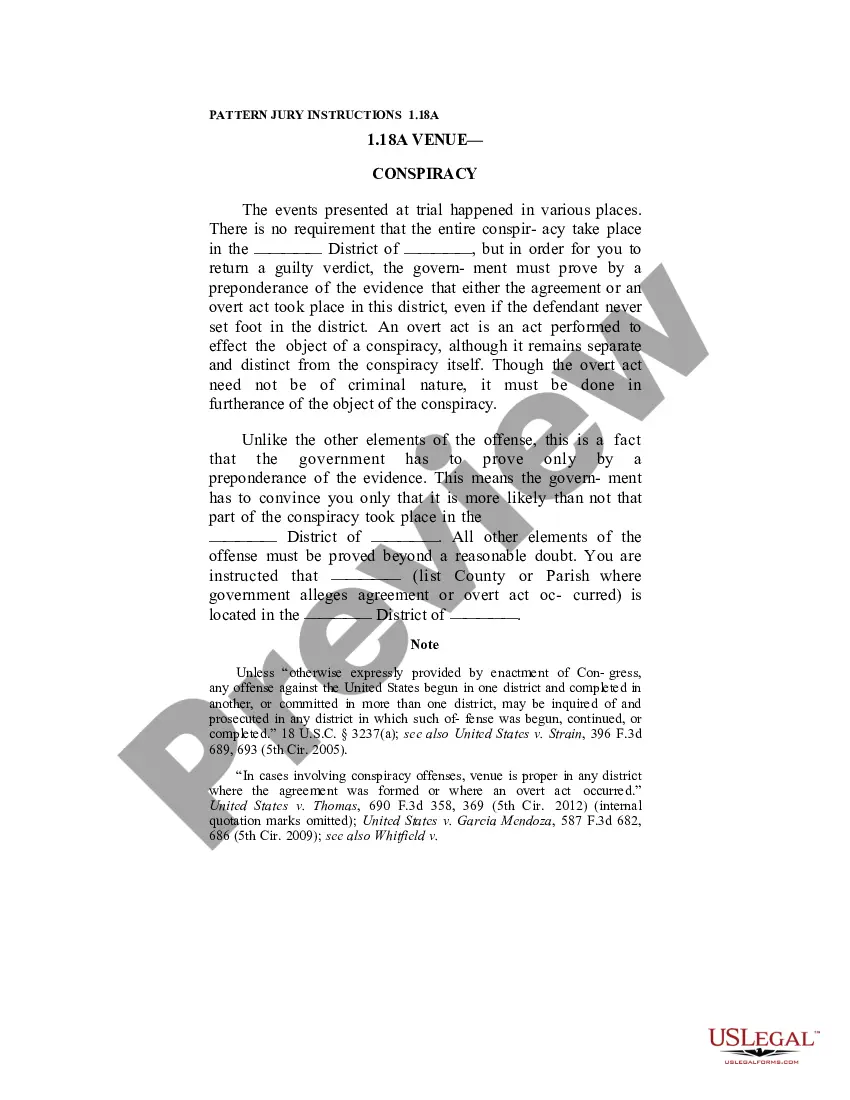
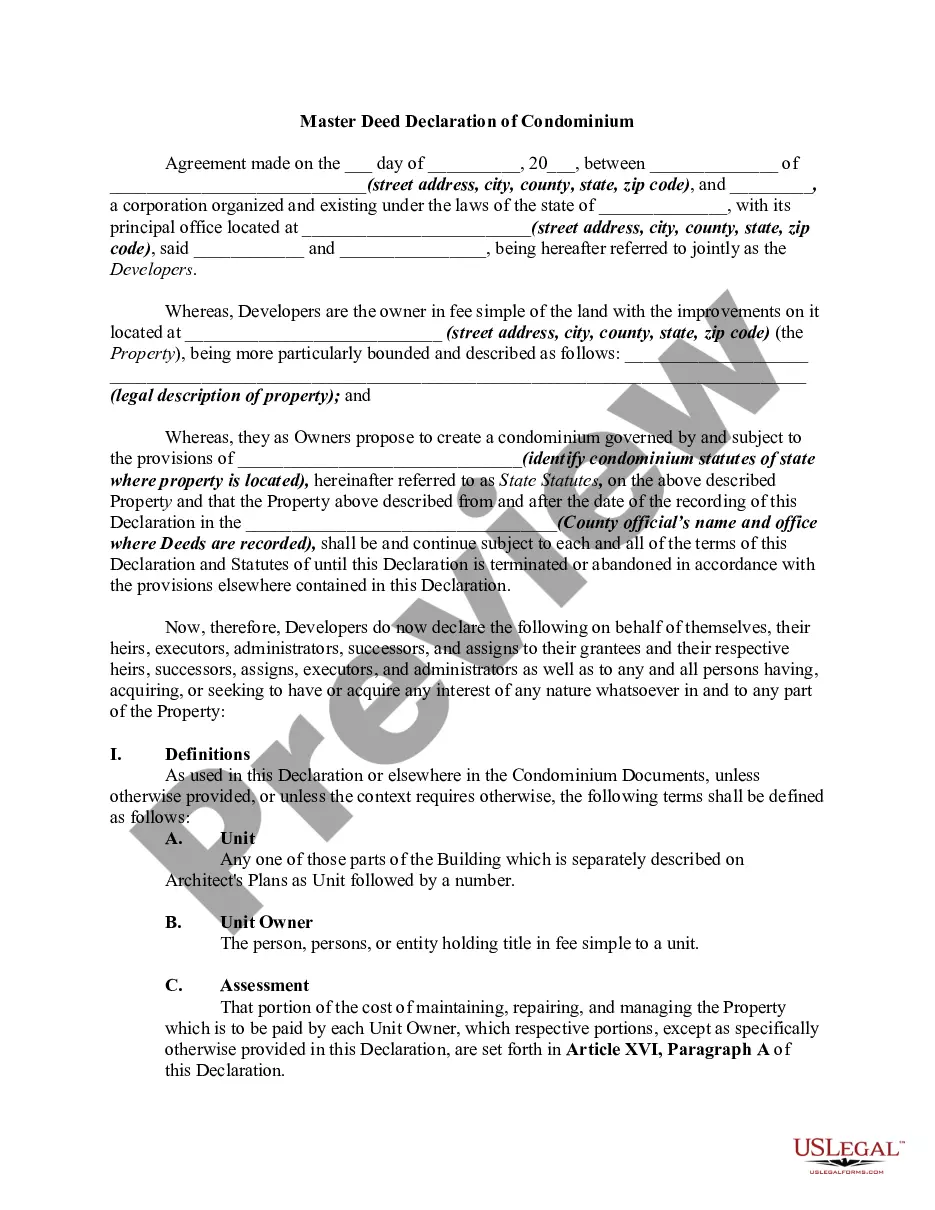
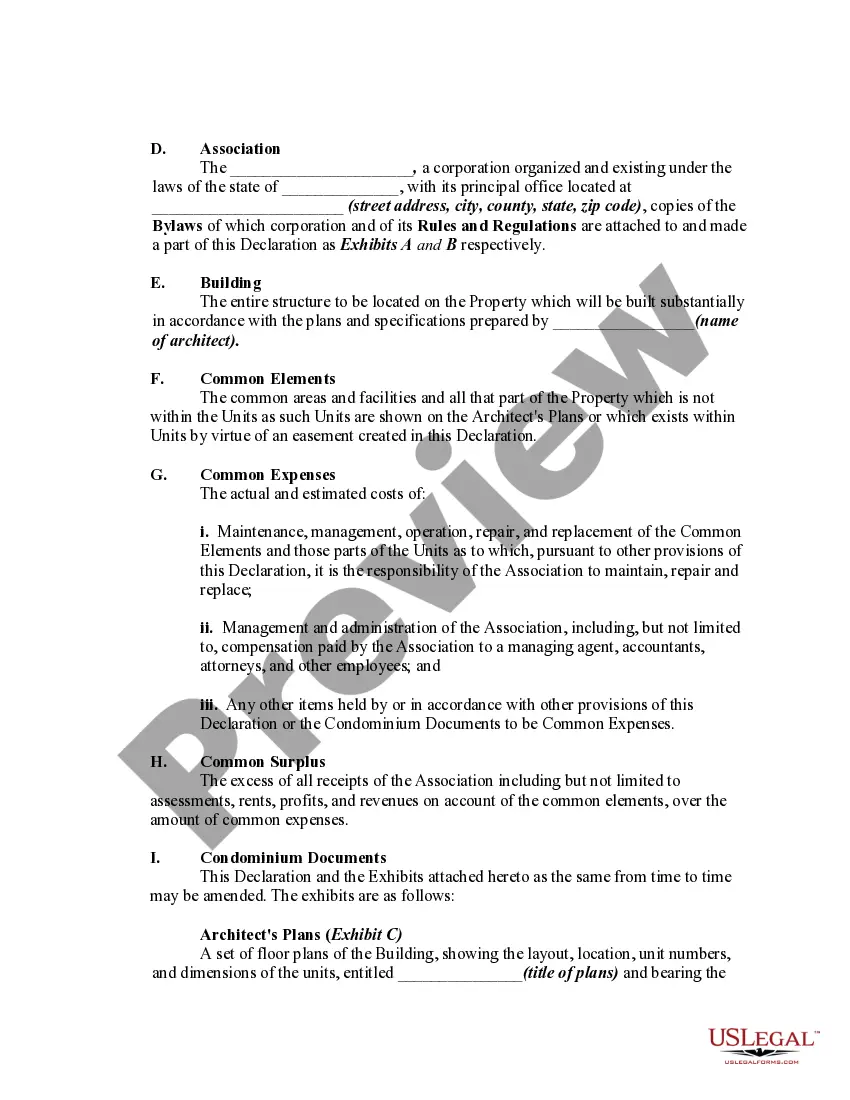
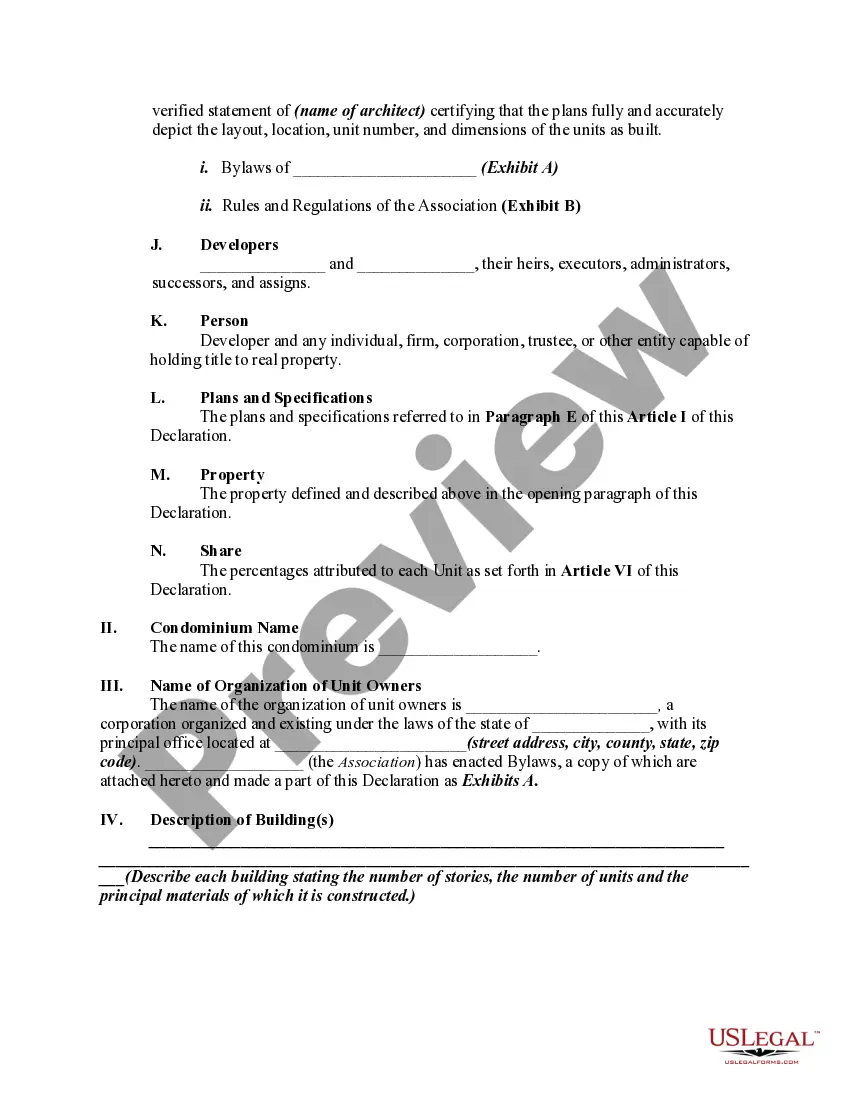
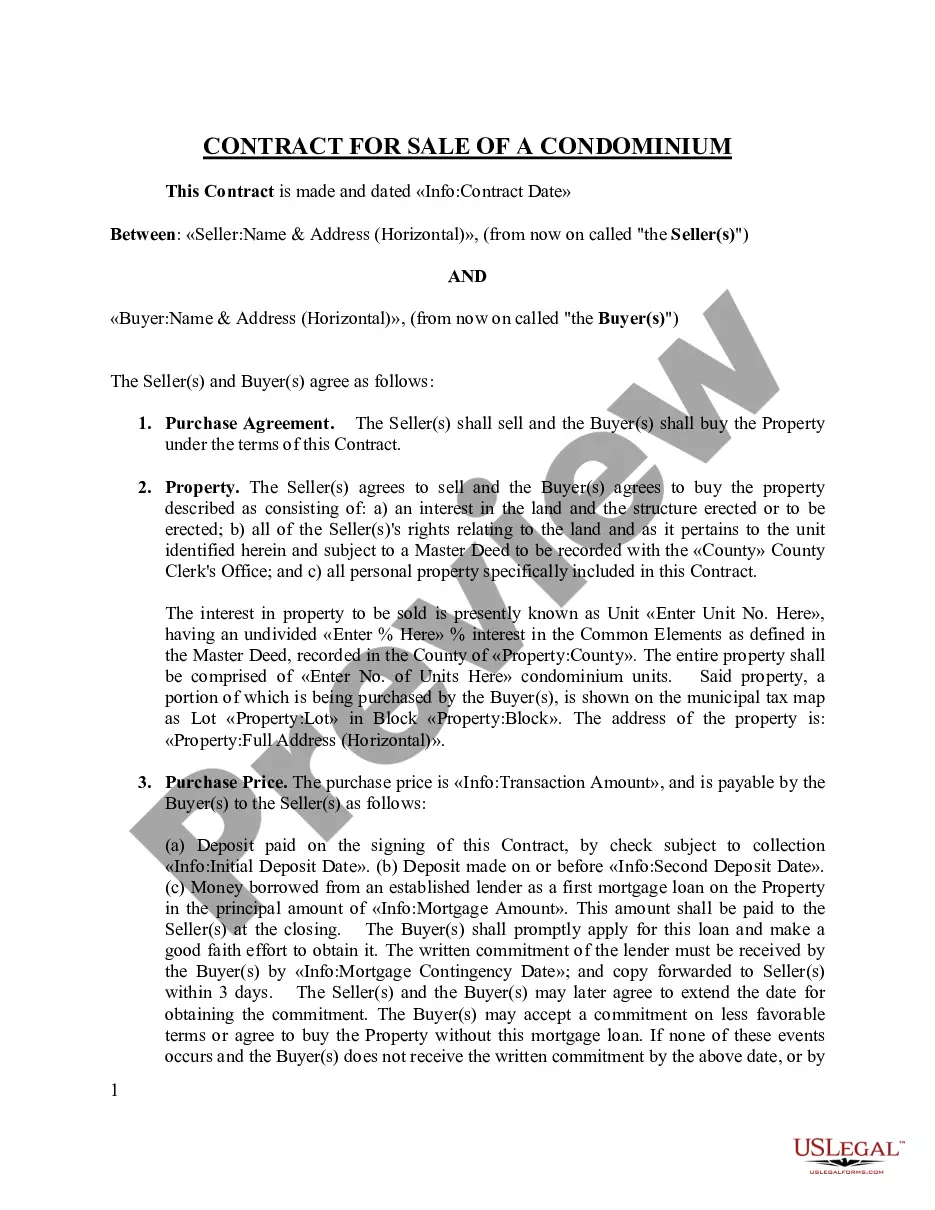
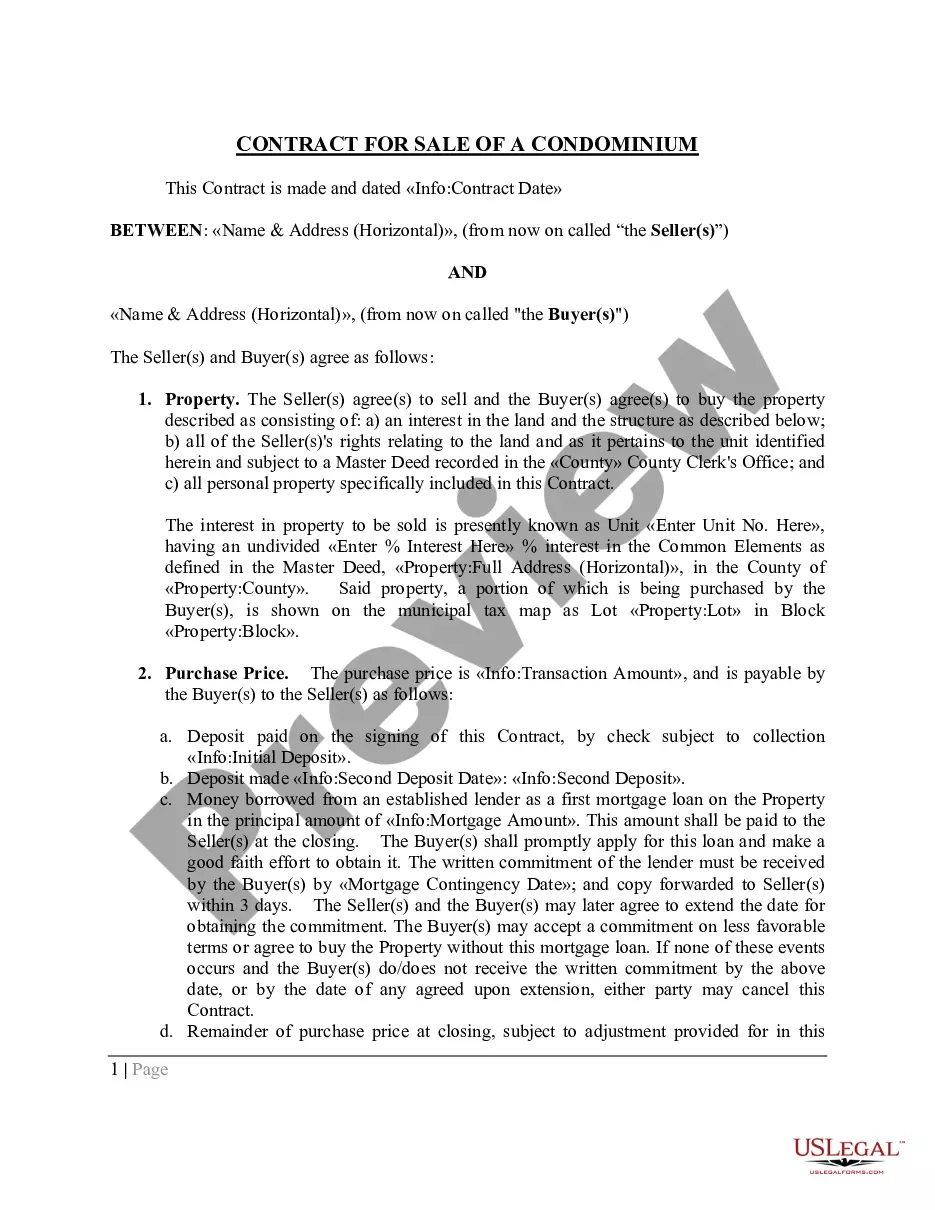
Rhode Island Master Deed Declaration of Condominium
Description
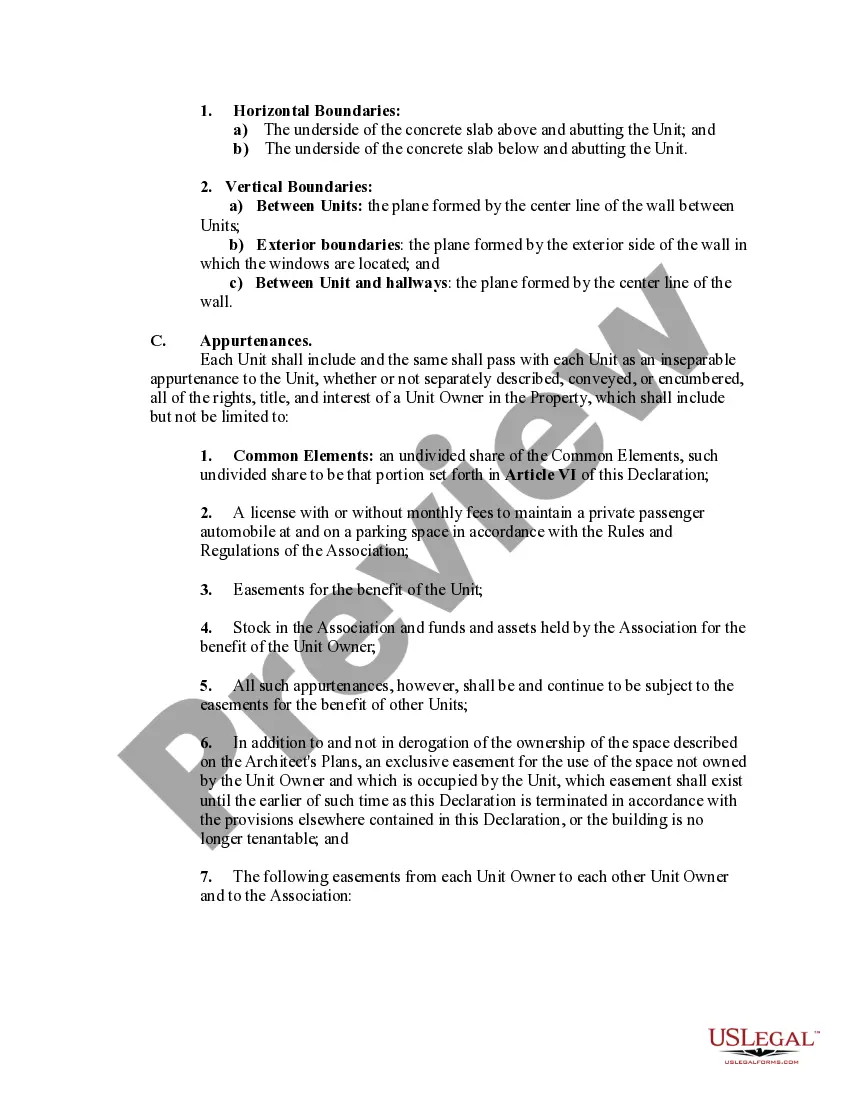
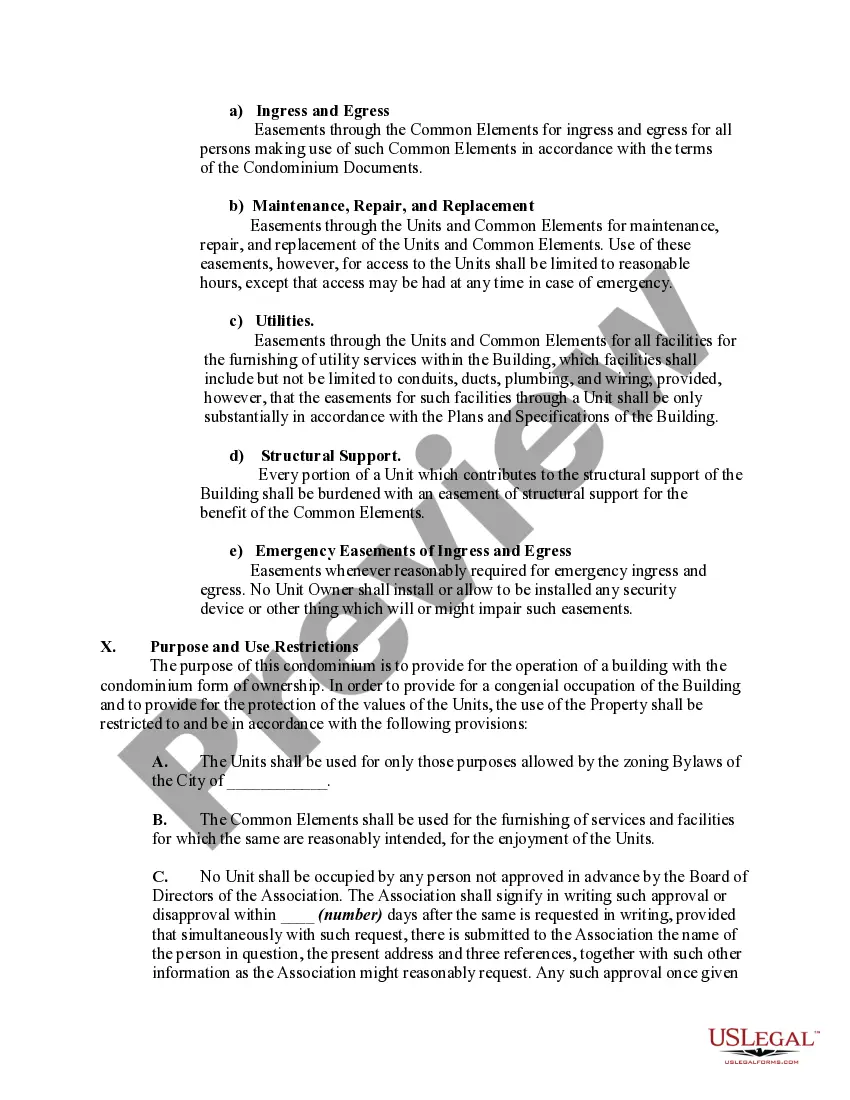
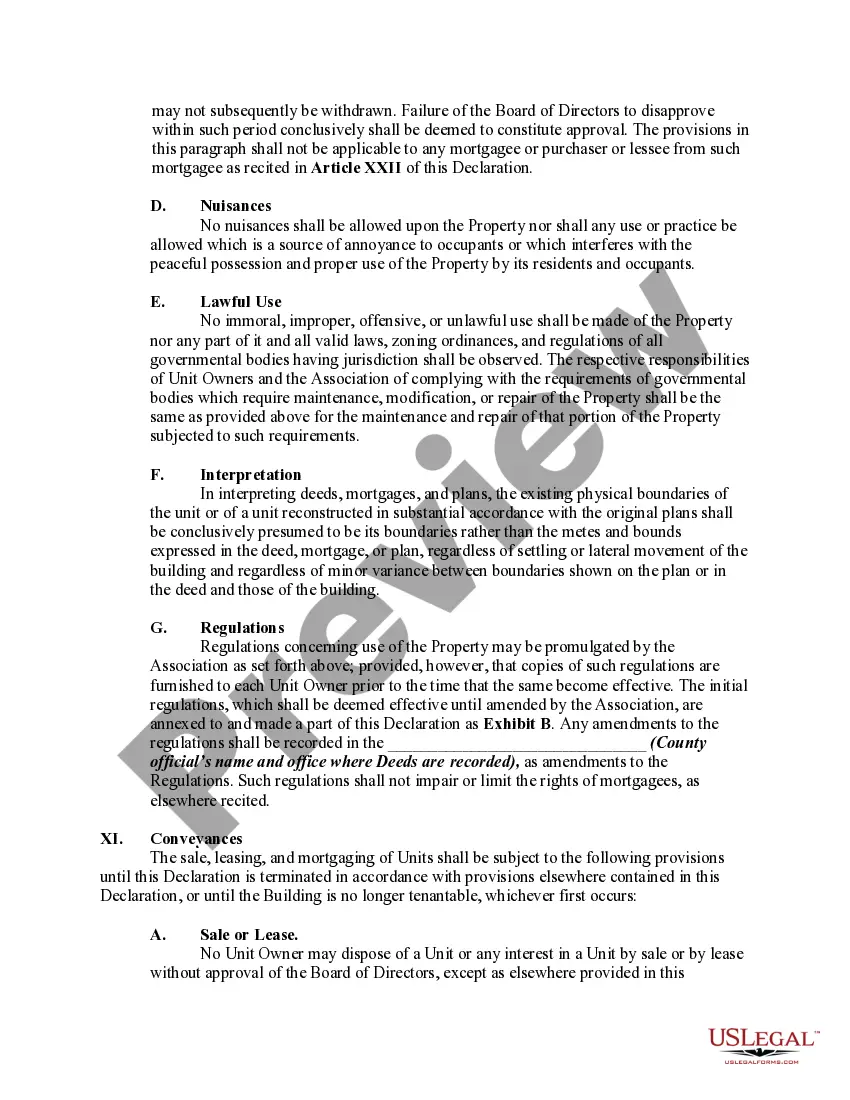


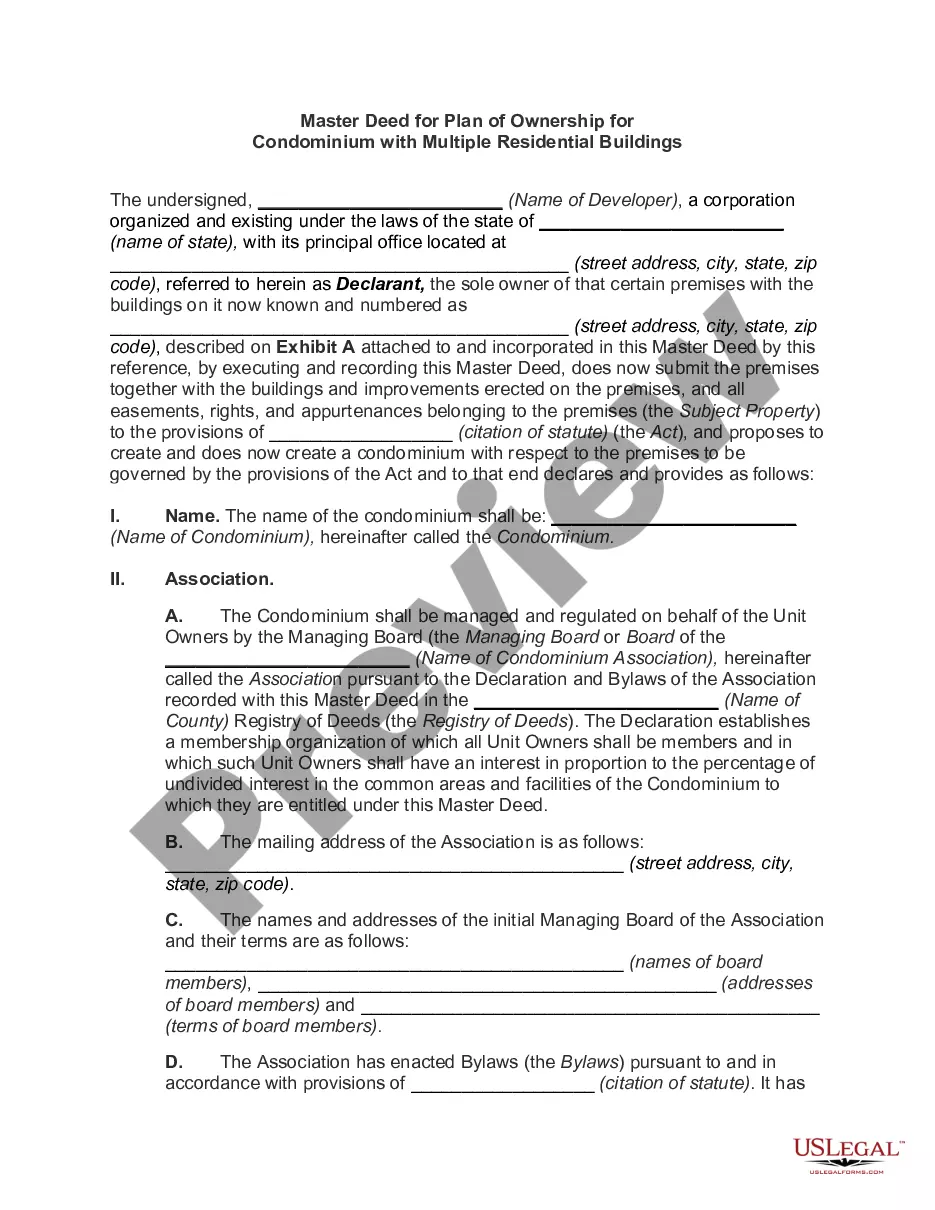

Get your form ready online
Our built-in tools help you complete, sign, share, and store your documents in one place.
Make edits, fill in missing information, and update formatting in US Legal Forms—just like you would in MS Word.
Download a copy, print it, send it by email, or mail it via USPS—whatever works best for your next step.
Sign and collect signatures with our SignNow integration. Send to multiple recipients, set reminders, and more. Go Premium to unlock E-Sign.
If this form requires notarization, complete it online through a secure video call—no need to meet a notary in person or wait for an appointment.
We protect your documents and personal data by following strict security and privacy standards.

Make edits, fill in missing information, and update formatting in US Legal Forms—just like you would in MS Word.

Download a copy, print it, send it by email, or mail it via USPS—whatever works best for your next step.

Sign and collect signatures with our SignNow integration. Send to multiple recipients, set reminders, and more. Go Premium to unlock E-Sign.

If this form requires notarization, complete it online through a secure video call—no need to meet a notary in person or wait for an appointment.

We protect your documents and personal data by following strict security and privacy standards.
Looking for another form?



How to fill out Master Deed Declaration Of Condominium?
You can spend time online attempting to locate the official document format that fulfills the federal and state requirements you require. US Legal Forms offers a vast array of legal forms that are examined by experts.
You can easily obtain or create the Rhode Island Master Deed Declaration of Condominium from my service. If you possess a US Legal Forms account, you can Log In and click on the Download button. After that, you can complete, edit, print, or sign the Rhode Island Master Deed Declaration of Condominium. Every legal document format you purchase is yours permanently.
To obtain another copy of the purchased form, go to the My documents tab and click on the corresponding button. If you are visiting the US Legal Forms site for the first time, follow the simple instructions outlined below: First, ensure that you have chosen the correct document format for the region/area of your choice. Review the form description to confirm you have selected the right form. If available, utilize the Preview button to view the document format as well.
- To find another version of the form, use the Search field to locate the format that meets your needs.
- Once you have identified the format you wish, click Get now to proceed.
- Choose the payment plan you prefer, enter your credentials, and sign up for an account on US Legal Forms.
- Complete the transaction. You can use your Visa or Mastercard or PayPal account to purchase the legal form.
- Select the format of the document and download it to your device.
- Make adjustments to your document if necessary. You can complete, edit, sign, and print the Rhode Island Master Deed Declaration of Condominium.
- Download and print a vast array of document templates using the US Legal Forms website, which provides the largest selection of legal forms. Utilize professional and state-specific templates to address your business or personal requirements.
Form popularity
FAQ
What Are My Rights as a Condo Owner? As a condo owner, you have the right to use your unit as provided in the master deed ? if it's a residential condominium unit ? in a way that allows you to maintain a reasonable standard of living as required by Massachusetts health, safety and building laws.
Among these documents is the master deed, which is required to establish a condominium. The master deed divides a single property into individually owned units, provides a master floor plan, defines common areas, and lists the rights and obligations of all unit owners. An individual unit deed is also required.
The Declaration must contain the marital status of the declarant. All title owners must sign the Declaration.
Under Massachusetts General Law 183A section 6(c), the outstanding condominium fees are treated as a lien against a delinquent unit from the date they become due. A delinquent owner incurs personal liability for delinquent common charges, as well as late fees, fines, interest, and the costs of collection.
Massachusetts law recognizes three types of deeds, each of which provides varying levels of protection for buyers and sellers. These three types are warranty deeds, quitclaim deeds, and release deeds.