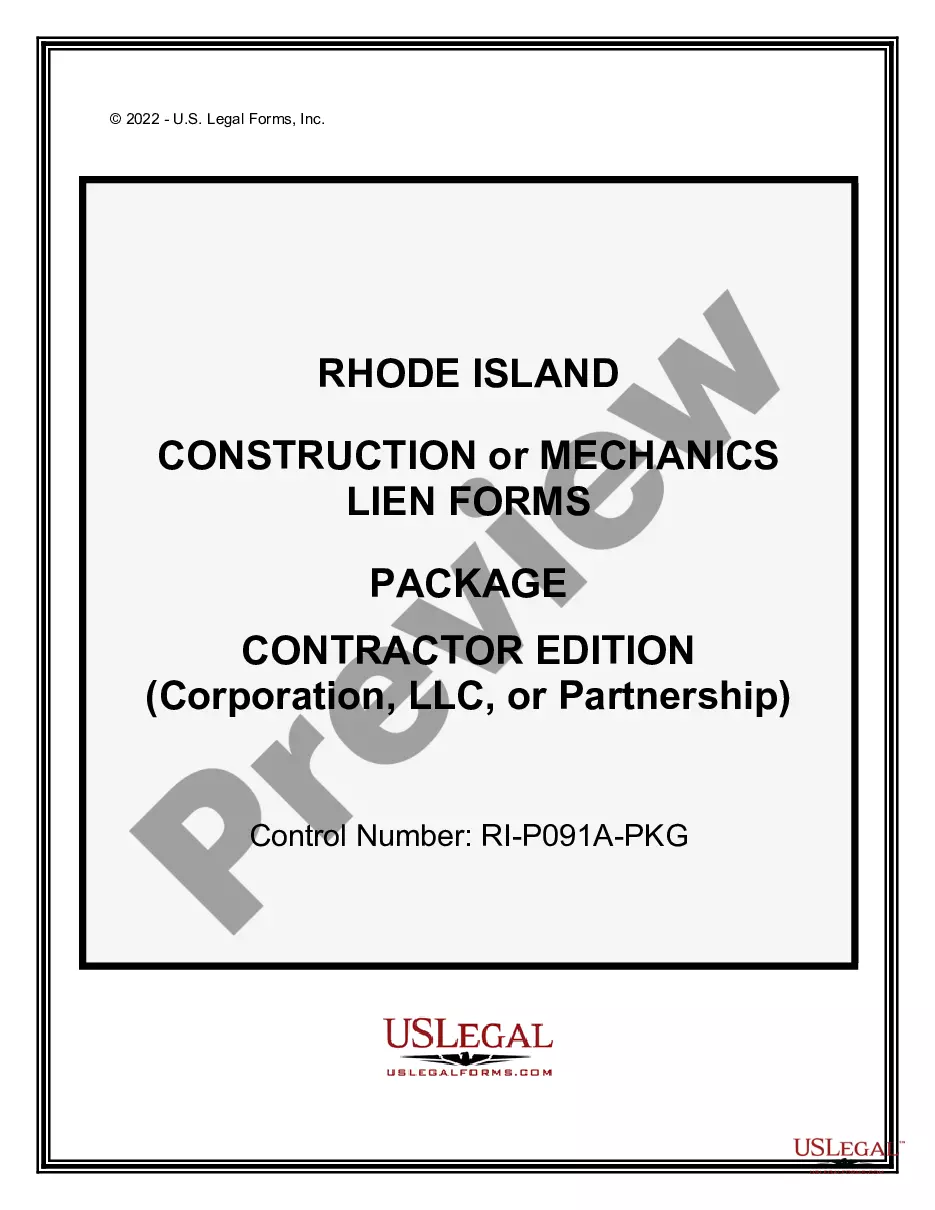
Rhode Island Construction or Mechanics Lien Package - Individual
Understanding this form package
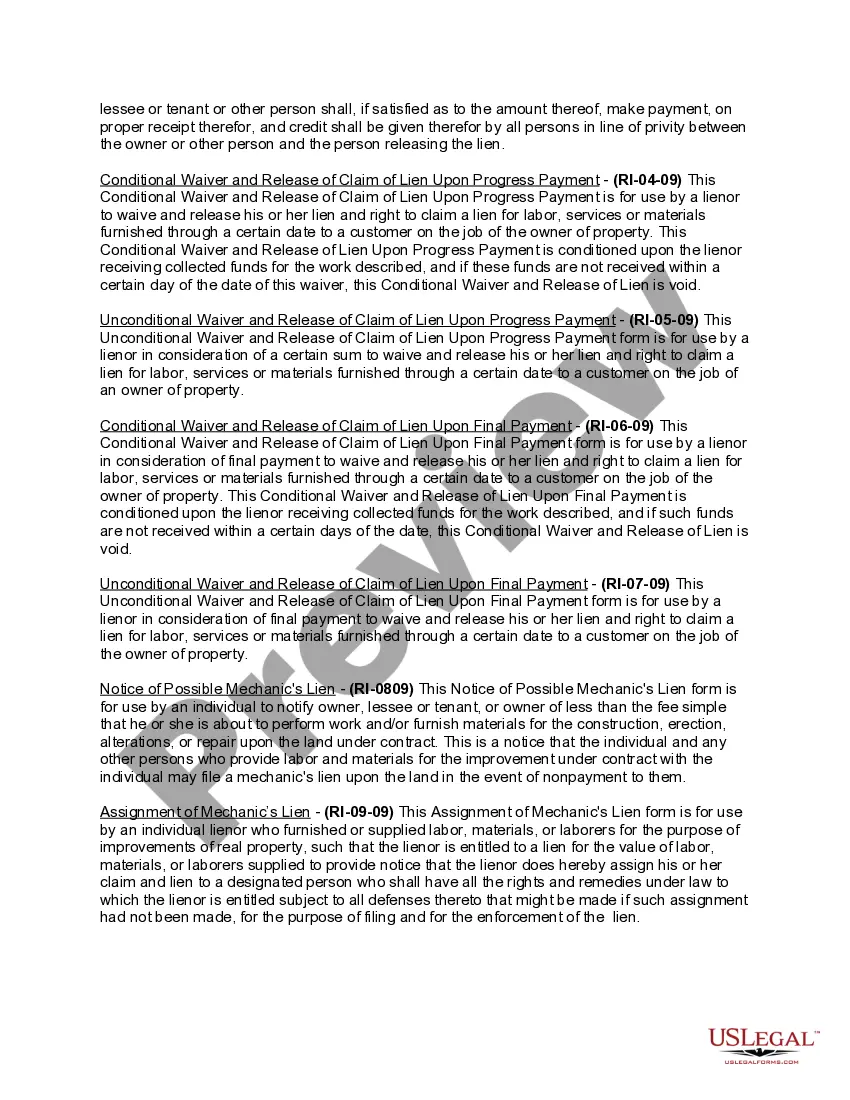
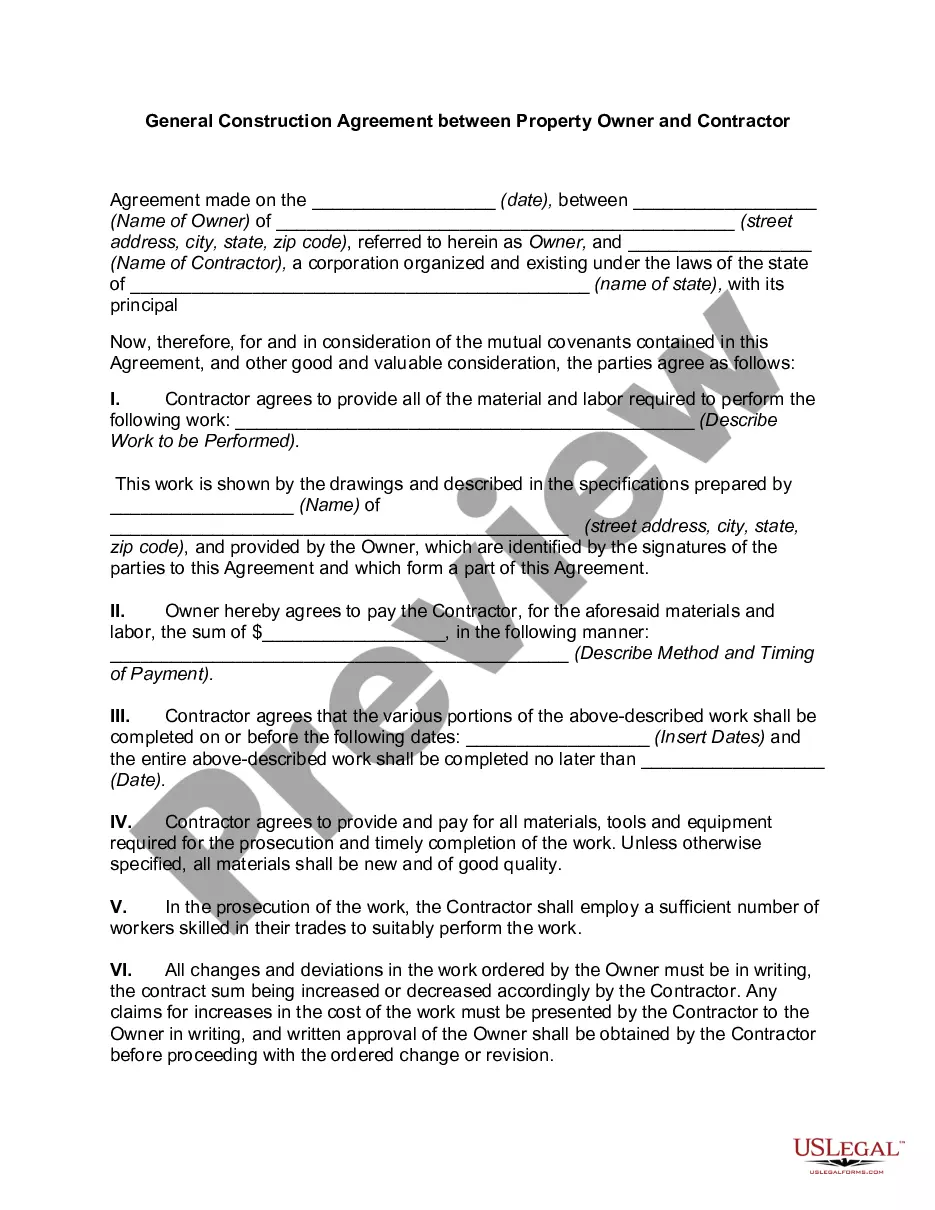
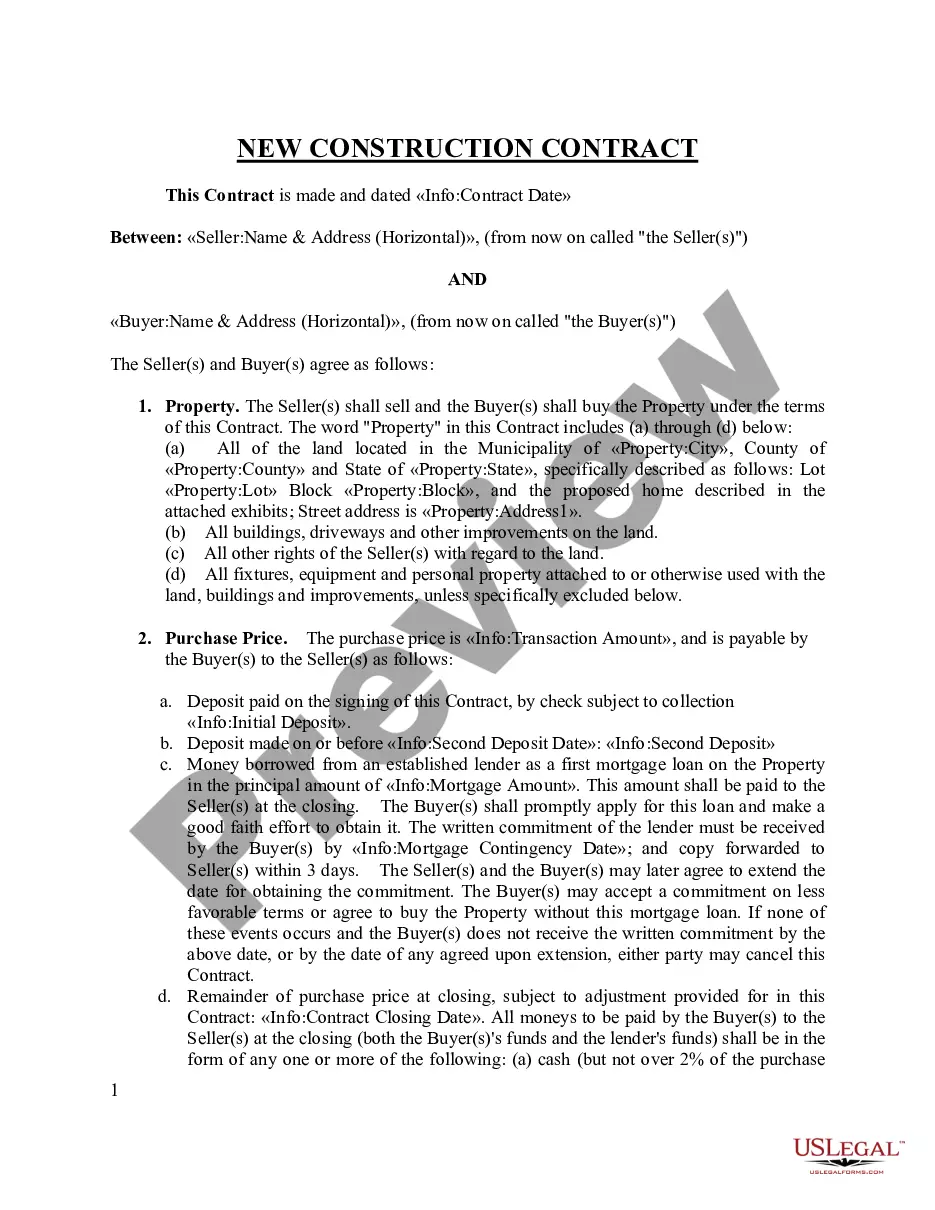
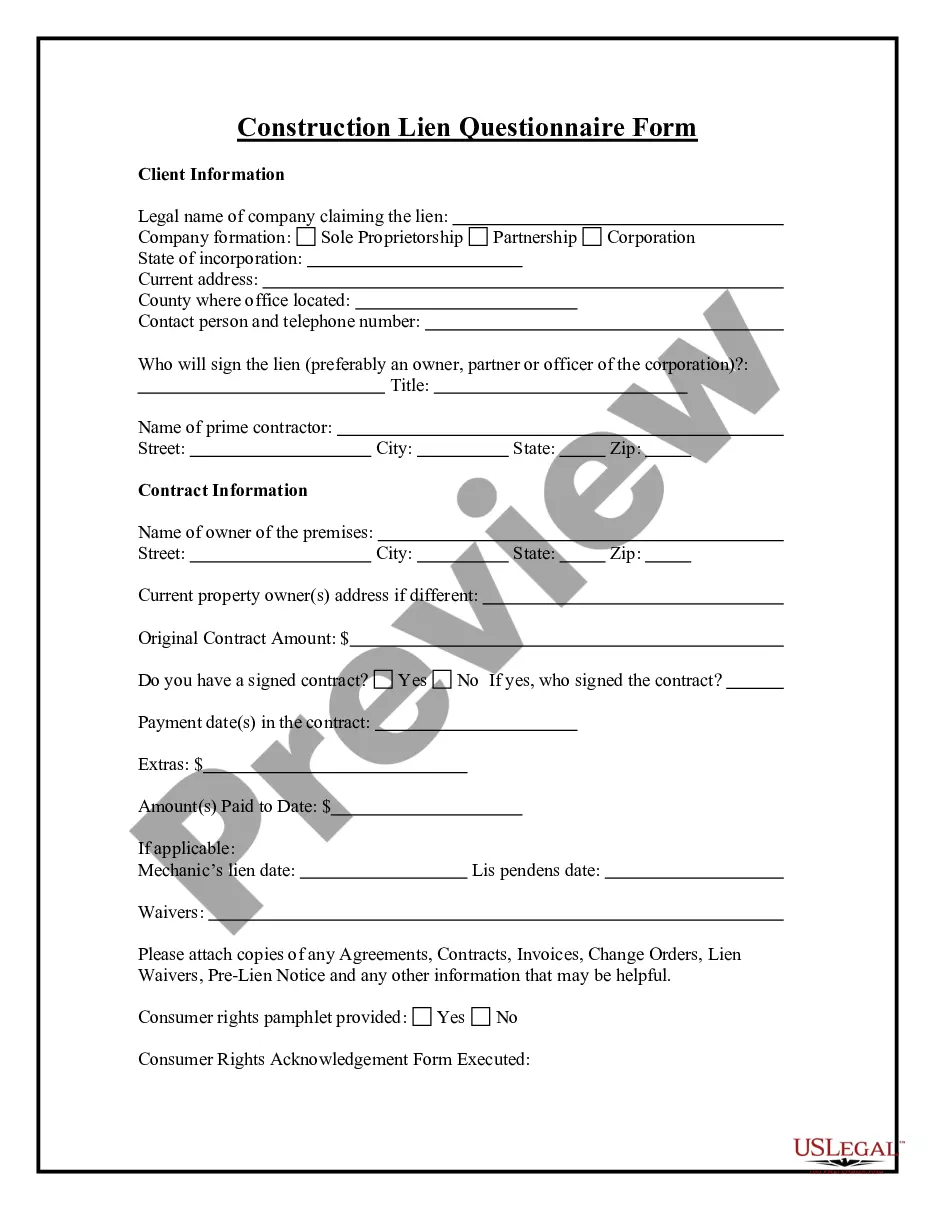
The Rhode Island Construction or Mechanics Lien Package - Individual is designed specifically for sole proprietors who provide labor, materials, or services to improve real property. This package assists them in recovering unpaid dues through a lien on the improved property. Unlike other lien packages, it focuses solely on the needs of individual contractors and does not include forms for property owners. Along with essential forms, the package includes a detailed guide on the construction lien procedure, tips for completing the forms, and access to state-specific legal summaries.
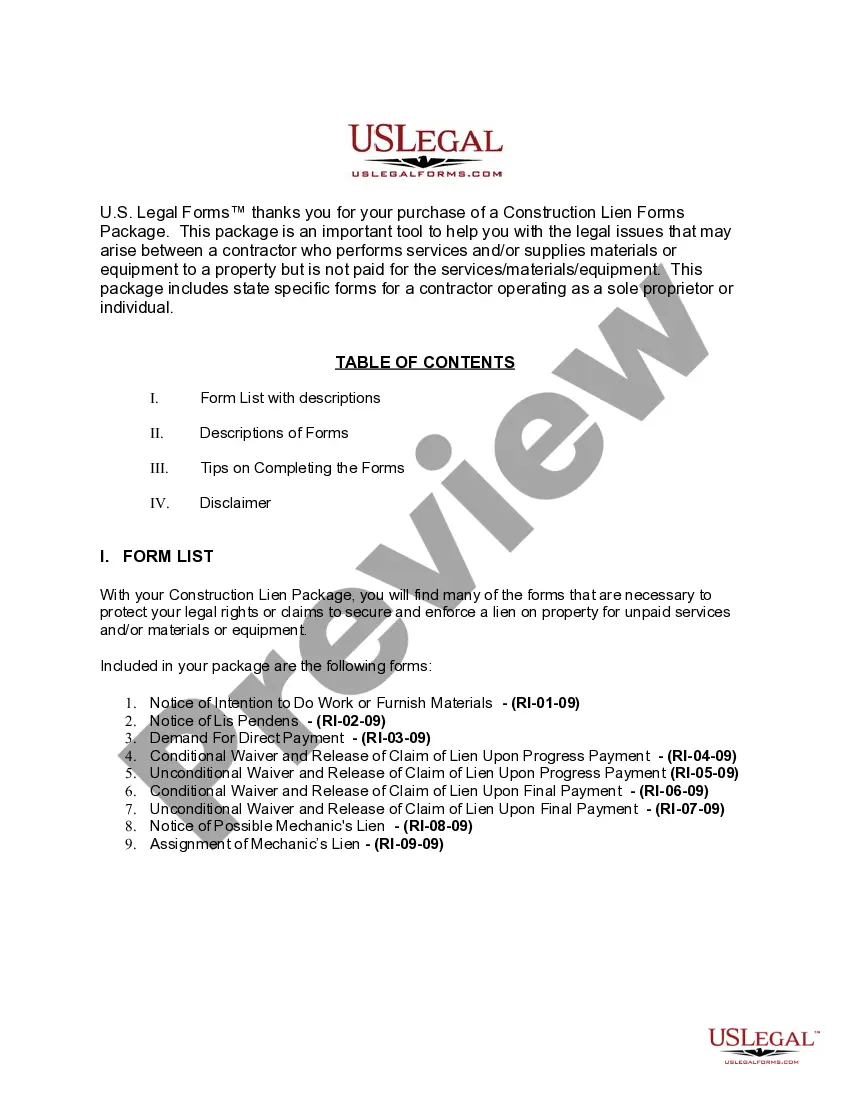
Forms provided in this package
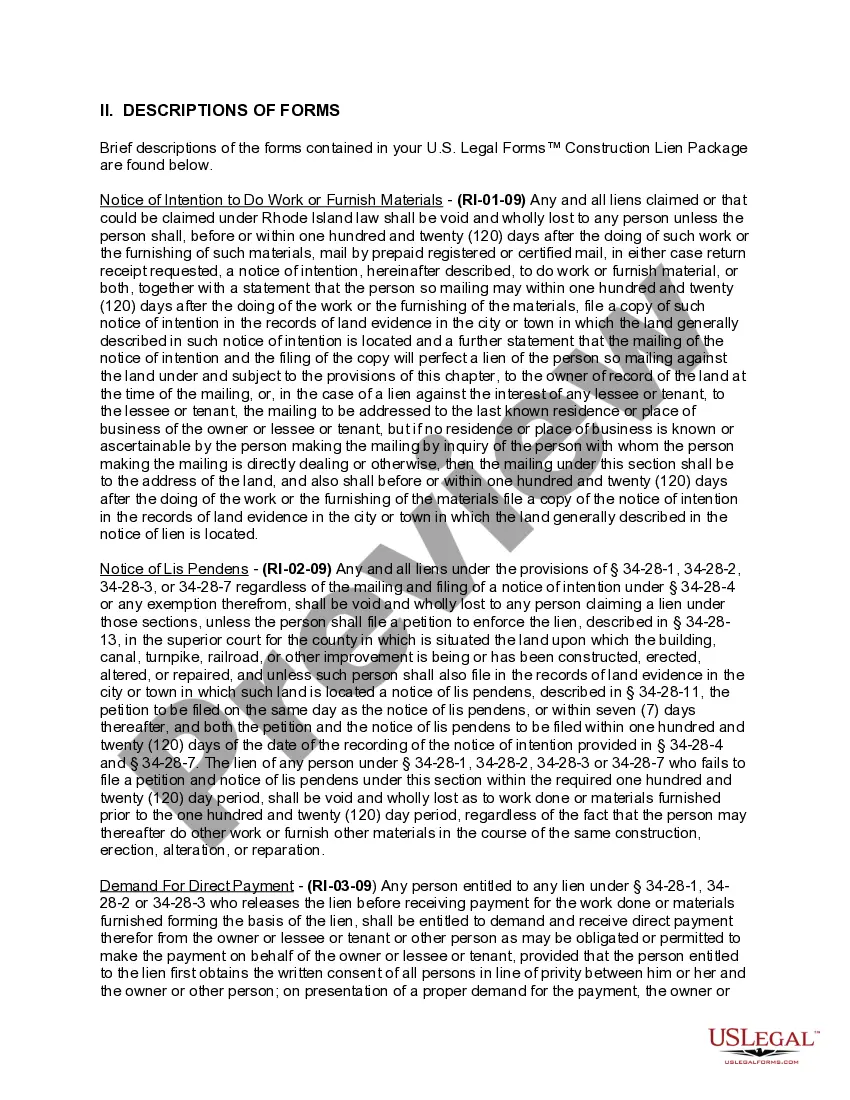
- Notice of Intention to Do Work or Furnish Materials - Individual
- Notice of Lis Pendens
- Demand For Direct Payment
- Conditional Waiver and Release of Claim of Lien Upon Progress Payment
- Unconditional Waiver and Release of Claim of Lien Upon Progress Payment
- Conditional Waiver and Release of Claim of Lien Upon Final Payment
- Unconditional Waiver and Release of Claim of Lien Upon Final Payment
- Notice of Possible Mechanic's Lien - Individual
- Assignment of Mechanic's Lien - Individual
When to use this form package
This package is useful in various scenarios, particularly when a sole proprietor has not been paid for work performed on a construction project. You should consider using this package if you:
- Have provided materials or services to a property and have not received payment.
- Need to secure your payment rights by filing a construction lien.
- Want to notify a property owner of your intention to file a lien for unpaid services.
Who can use this document
- Sole proprietors in the construction industry who provide labor or materials.
- Contractors seeking to secure payment through a mechanics lien.
- Individuals who require legal tools to enforce their rights related to unpaid work or materials.
Instructions for completing these forms
- Review the information about the construction or mechanics lien procedure included in the package.
- Gather all relevant details, such as job specifics and payment information.
- Complete the forms by entering the necessary information into the provided form fields.
- Follow the tips provided for completing the forms accurately.
- File the forms according to Rhode Island's regulations, including any required notices.
Notarization guidance for this package
Notarization is generally not required for forms in this package. However, specific circumstances or local laws may require it. You can complete notarization remotely through US Legal Forms, powered by Notarize, with 24/7 availability.
Get your form ready online
Our built-in tools help you complete, sign, share, and store your documents in one place.
Make edits, fill in missing information, and update formatting in US Legal Forms—just like you would in MS Word.
Download a copy, print it, send it by email, or mail it via USPS—whatever works best for your next step.
Sign and collect signatures with our SignNow integration. Send to multiple recipients, set reminders, and more. Go Premium to unlock E-Sign.
If this form requires notarization, complete it online through a secure video call—no need to meet a notary in person or wait for an appointment.
We protect your documents and personal data by following strict security and privacy standards.

Make edits, fill in missing information, and update formatting in US Legal Forms—just like you would in MS Word.

Download a copy, print it, send it by email, or mail it via USPS—whatever works best for your next step.

Sign and collect signatures with our SignNow integration. Send to multiple recipients, set reminders, and more. Go Premium to unlock E-Sign.

If this form requires notarization, complete it online through a secure video call—no need to meet a notary in person or wait for an appointment.

We protect your documents and personal data by following strict security and privacy standards.
Common mistakes
- Failing to file notice of intention to do work before beginning the project.
- Not including all necessary forms with the lien filing.
- Missing deadlines for filing the lien and associated notices.
- Not obtaining signatures or notarizations where required, resulting in invalidation of the lien.
Why use this package online
- Convenient access to all necessary forms in one package.
- Ability to fill out forms digitally and save your work for later.
- Drafted by licensed attorneys to ensure compliance with state laws.
- Instant access to statutory guidelines and tips for completing the forms.
Legal use & context
- The package provides legally recognized methods for contractors to secure payment.
- Filing a lien correctly is crucial for protecting claims against property.
- Understanding your rights and obligations under state laws helps avoid legal issues.
Summary of main points
- The Rhode Island Construction or Mechanics Lien Package is essential for sole proprietors seeking payments for work done.
- Complete all forms accurately and within required deadlines to maintain lien rights.
- Online access simplifies the process, ensuring compliance with Rhode Island laws.
Looking for another form?
Form popularity
FAQ
Prepare your Rhode Island Notice of Intention form. Serve the Rhode Island Notice of Intention as a preliminary notice. Record the Rhode Island Notice of Intention as a mechanics lien. File Notice of Lis Pendens and enforce the mechanics lien.
How does a creditor go about getting a judgment lien in Rhode Island? To attach the lien, the creditor must request execution of attachment within 48 hours after entry of the judgment, then file the execution with the town clerk or recorder of deeds in the Rhode Island town where the debtor's property is located.
The simplest way to prevent liens and ensure that subcontractors and suppliers are paid is to pay with joint checks. This is when both parties endorse the check. Compare the contractor's materials or labor bill to the schedule of payments in your contract and the Preliminary Notices.
Can a lien be placed on your property without you knowing? Yes, it happens. Sometimes a court decision or settlement results in a lien being placed on a property, and for some reason the owner doesn't know about it initially.
Filing a construction lien on residential projects requires filing a Notice of Unpaid Balance and Right to File Lien within 90 days of the last day of service. The homeowner must also get a copy of that notice within 10 days of its filing.
The process of bonding off a mechanics lien starts after a claimant has filed a mechanics lien. After the claim is made, a general contractor or a property owner can contact a surety bond company to purchase a surety bond that replaces the value of the lien that was filed against the property.
While it's unlikely that just anyone can put a lien on your home or land, it's not unheard of for a court decision or a settlement to result in a lien being placed against a property.
Someone who is owed money is generally not able to just put a lien on property without first securing a judgment. Securing a judgment requires the creditor to sue the debtor. This may be through circuit court in many jurisdictions. If under a certain dollar amount, this suit may be through the small claims court.
The short answer is, yes. If you want to dispute the work, then you're going to have to fight it over in court. Meanwhile, now the plumber has a lien on your building. If you want to remove the lien quickly, you will have to post a bond.