Rhode Island Claim of Lien
Overview of this form
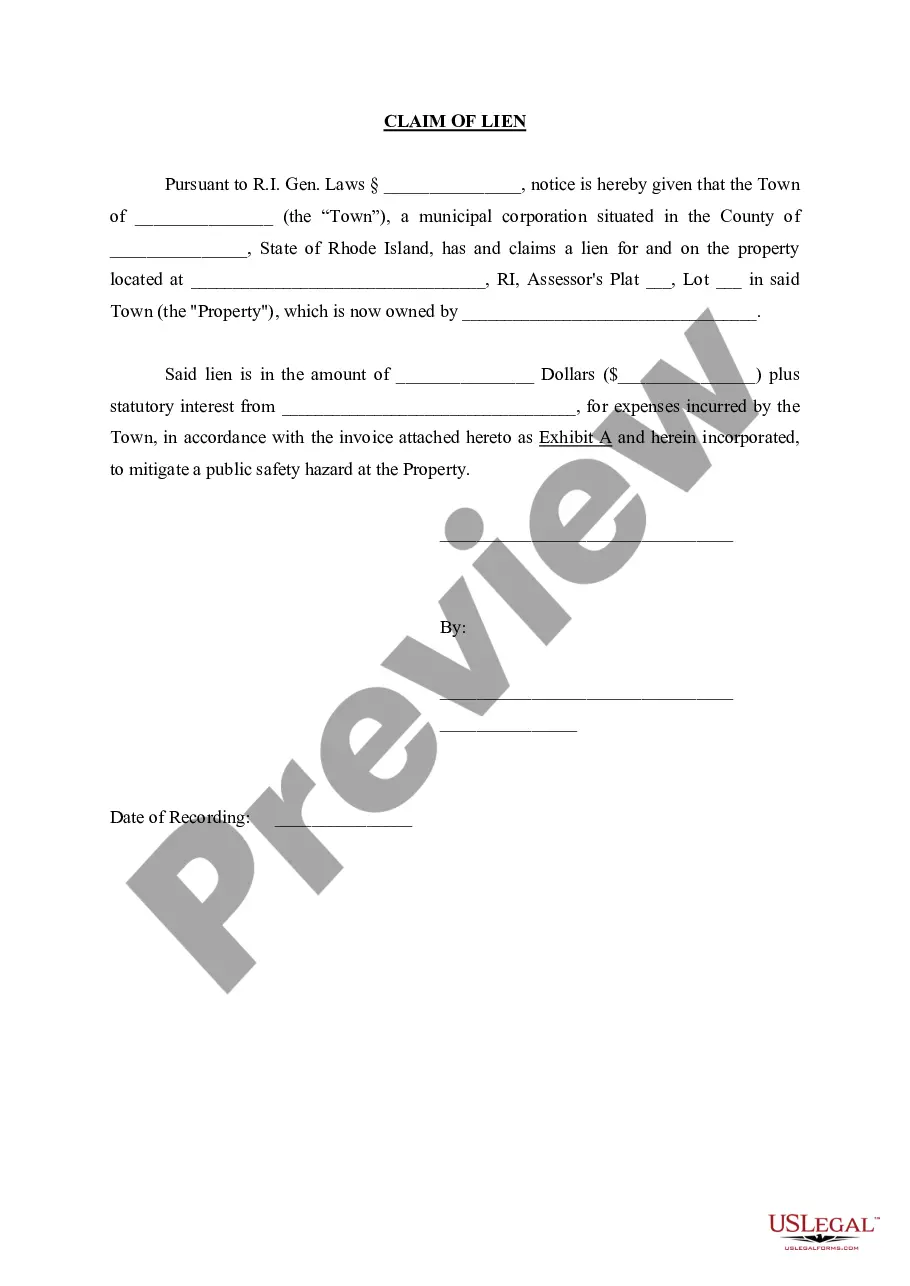
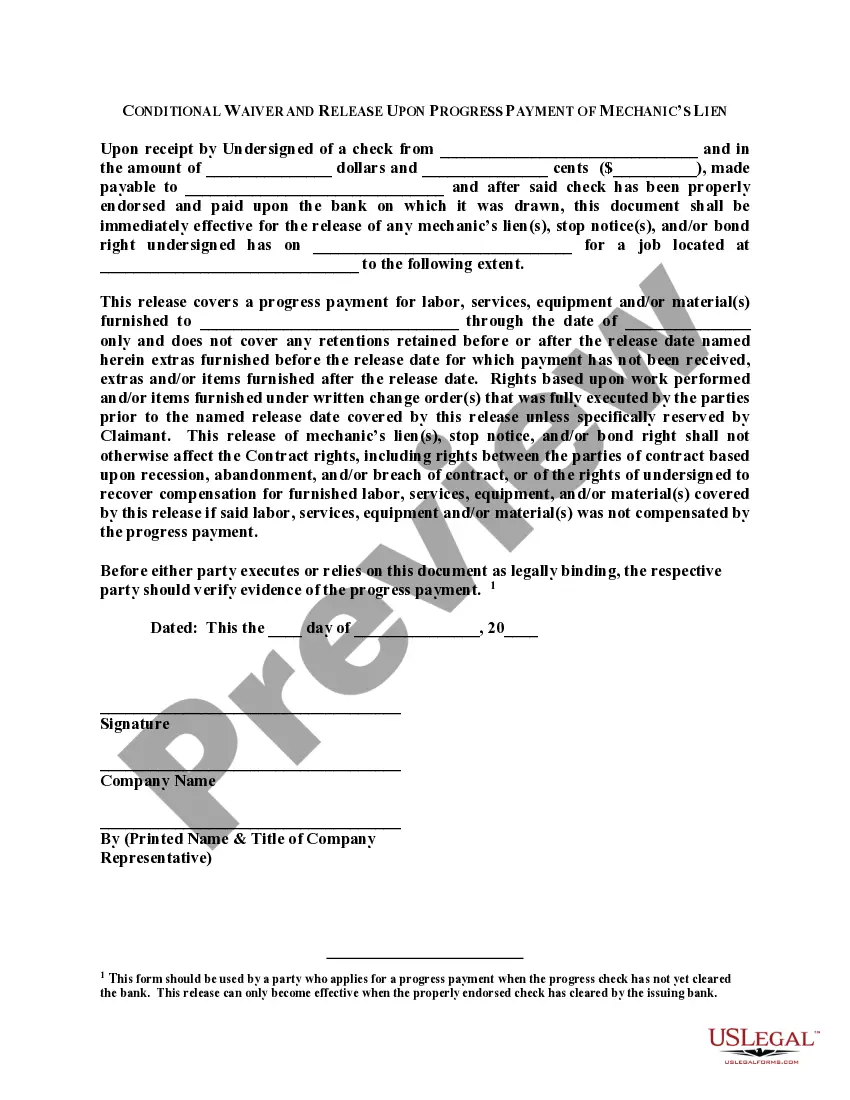
The Claim of Lien is a legal document used to formally notify a property owner that a lien has been placed on their property. This form serves as a warning that unpaid debts, typically related to municipal expenses, may lead to the loss of property rights. Unlike other forms of notice, the Claim of Lien specifies the amount owed and details about the property in question, providing clear evidence of the claim against the property owner.
Key parts of this document
- Identification of the Town and County where the property is located.
- Detailed description of the property subject to the lien.
- Amount of the lien plus any applicable statutory interest.
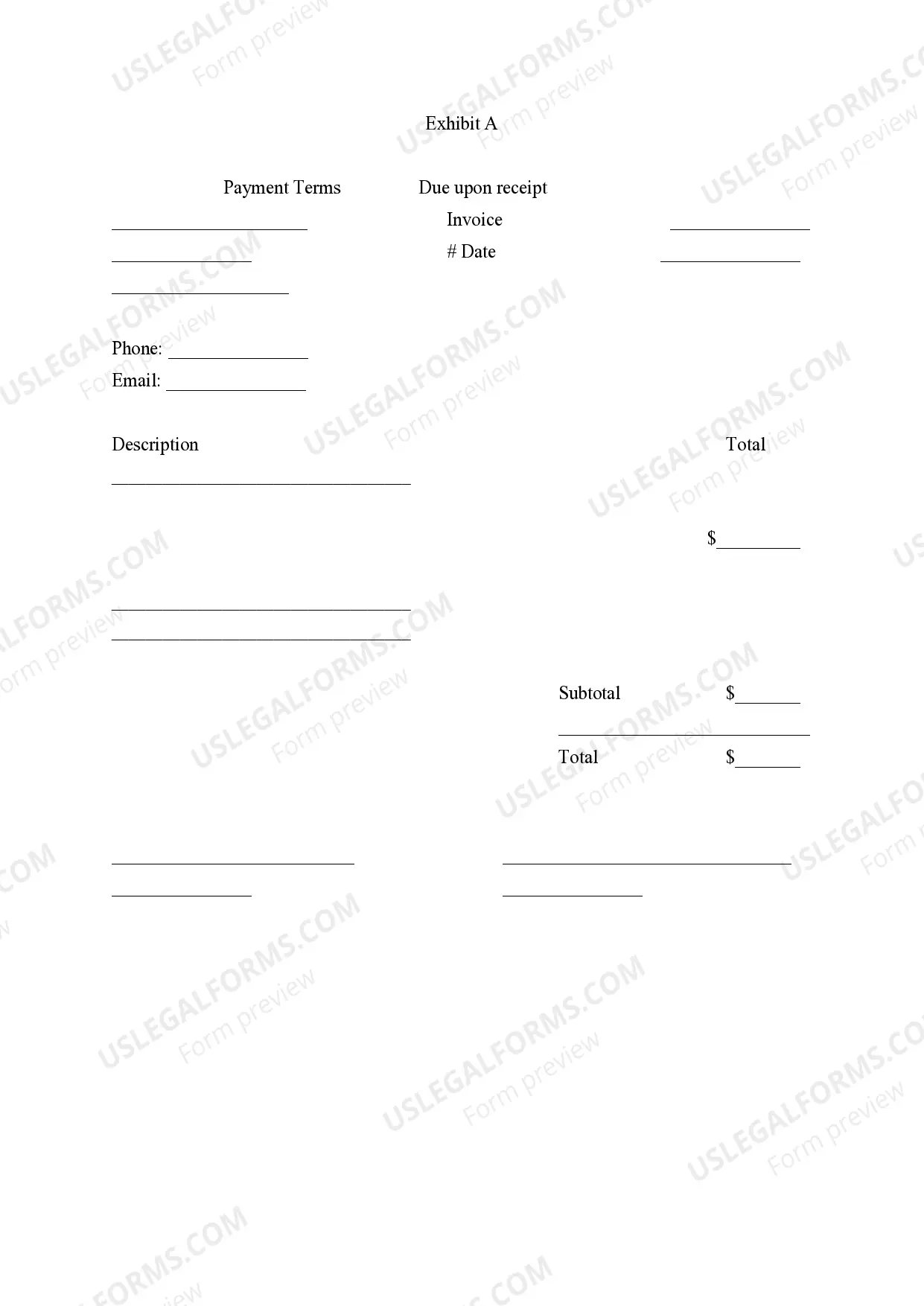
- Reference to an attached invoice that supports the claim.
- Signature of the authorized representative and date of recording.
When to use this form
This form is commonly used when a municipal corporation incurs costs to address safety hazards on a property and needs to notify the property owner of the financial obligation. It is appropriate to use the Claim of Lien when the municipality seeks to enforce payment and potentially place a lien on the property as a means of ensuring compliance and recovery of expenses.
Who can use this document
This form is intended for:
- Municipal corporations seeking to recover costs associated with public safety issues.
- Public officials or authorized agents of the municipality responsible for managing property liens.
- Property owners who may receive notice and need to understand their rights and obligations.
How to complete this form
- Identify and enter the name of the Town and County where the property is located.
- Provide a detailed description of the property, including the address and assessorâs plat and lot number.
- Specify the amount of the lien and the date from which interest accrues.
- Attach any relevant invoices as Exhibit A that support the claim.
- Sign the form and include the date of recording.
Notarization guidance
This form does not typically require notarization unless specified by local law. However, ensuring that the form is properly executed may help prevent future disputes regarding its legitimacy.
Get your form ready online
Our built-in tools help you complete, sign, share, and store your documents in one place.
Make edits, fill in missing information, and update formatting in US Legal Forms—just like you would in MS Word.
Download a copy, print it, send it by email, or mail it via USPS—whatever works best for your next step.
Sign and collect signatures with our SignNow integration. Send to multiple recipients, set reminders, and more. Go Premium to unlock E-Sign.
If this form requires notarization, complete it online through a secure video call—no need to meet a notary in person or wait for an appointment.
We protect your documents and personal data by following strict security and privacy standards.

Make edits, fill in missing information, and update formatting in US Legal Forms—just like you would in MS Word.

Download a copy, print it, send it by email, or mail it via USPS—whatever works best for your next step.

Sign and collect signatures with our SignNow integration. Send to multiple recipients, set reminders, and more. Go Premium to unlock E-Sign.

If this form requires notarization, complete it online through a secure video call—no need to meet a notary in person or wait for an appointment.

We protect your documents and personal data by following strict security and privacy standards.
Avoid these common issues
- Failing to accurately identify the property details, which can lead to disputes.
- Not attaching the supporting invoice, which is crucial for validating the claim.
- Omitting the signature or date, which may render the form invalid.
Benefits of using this form online
- Immediate access allows you to complete the form at your convenience.
- Editable templates help ensure that all necessary information is accurately filled out.
- Reliability of attorney-drafted forms for legal compliance and effectiveness.
Looking for another form?



Form popularity
FAQ
Someone who is owed money is generally not able to just put a lien on property without first securing a judgment. Securing a judgment requires the creditor to sue the debtor. This may be through circuit court in many jurisdictions. If under a certain dollar amount, this suit may be through the small claims court.
Prepare your Rhode Island Notice of Intention form. Serve the Rhode Island Notice of Intention as a preliminary notice. Record the Rhode Island Notice of Intention as a mechanics lien. File Notice of Lis Pendens and enforce the mechanics lien.
The short answer is, yes. If you want to dispute the work, then you're going to have to fight it over in court. Meanwhile, now the plumber has a lien on your building. If you want to remove the lien quickly, you will have to post a bond.
How does a creditor go about getting a judgment lien in Rhode Island? To attach the lien, the creditor must request execution of attachment within 48 hours after entry of the judgment, then file the execution with the town clerk or recorder of deeds in the Rhode Island town where the debtor's property is located.
If a creditor puts a lien on your property, you may make an offer to settle the amount for less than you owe. As part of the negotiations, get the creditor to agree to release the lien. If you need help in the negotiations, consider hiring a debt settlement lawyer to help you.
Formalize a defense for disputing the amount of the lien. Gather supporting documentation for your rebuttal, depending on the type of lien. Contact the agent representing the creditor to dispute the amount of the claim. Negotiate a payment settlement with the creditor if you cannot pay the amount you owe in full.
A lien is a claim or legal right against assets that are typically used as collateral to satisfy a debt. A lien could be established by a creditor or a legal judgement. A lien serves to guarantee an underlying obligation, such as the repayment of a loan.
Can a lien be placed on your property without you knowing? Yes, it happens. Sometimes a court decision or settlement results in a lien being placed on a property, and for some reason the owner doesn't know about it initially.
While it's unlikely that just anyone can put a lien on your home or land, it's not unheard of for a court decision or a settlement to result in a lien being placed against a property.