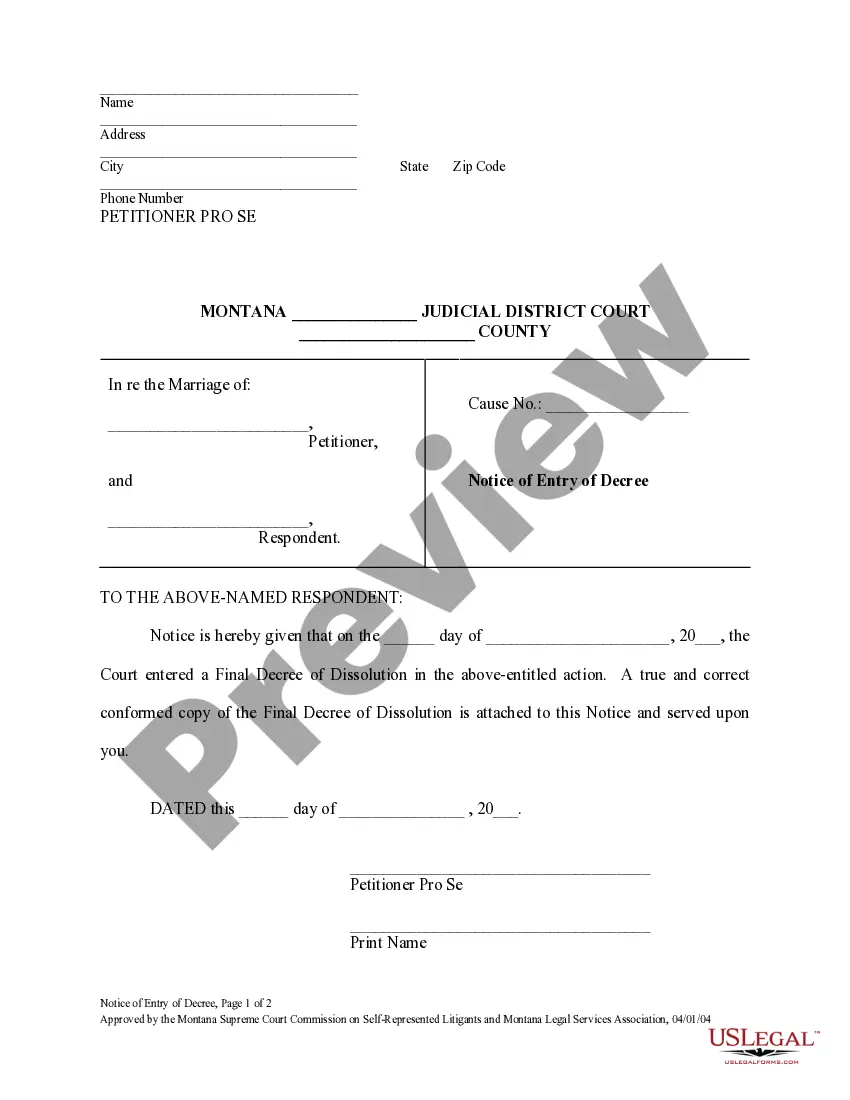
Rhode Island Certificate
What is this form?
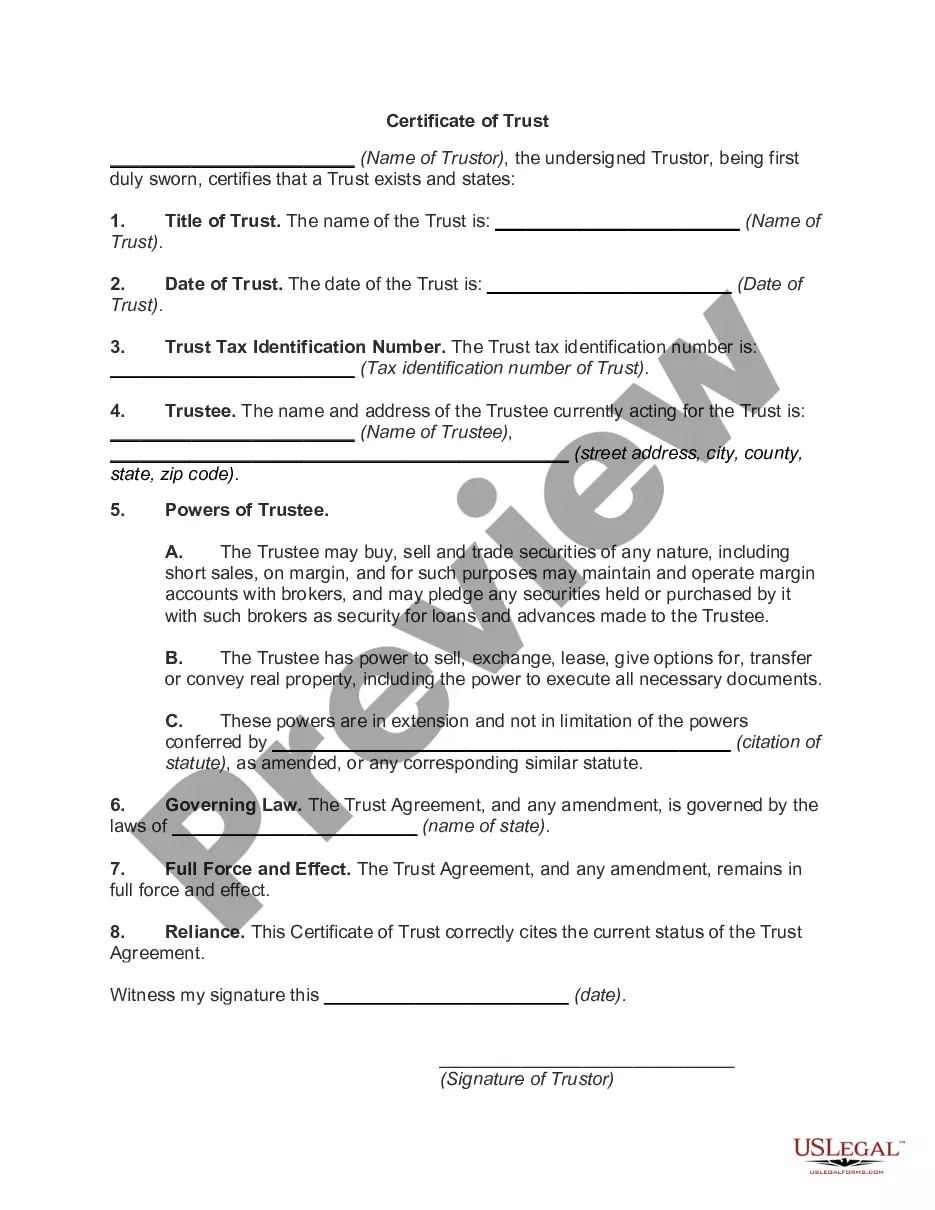
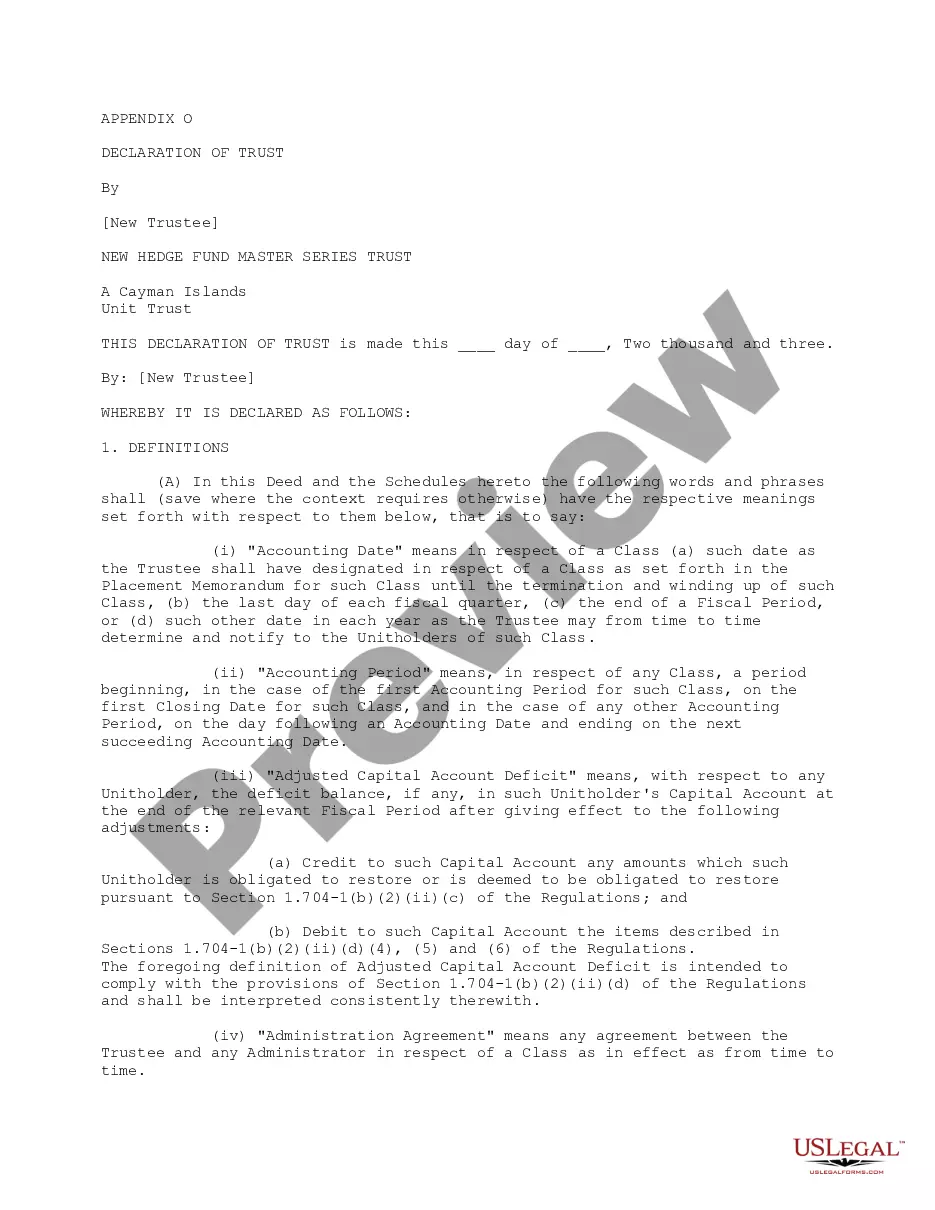
A Certificate of Trust is a legal document that provides essential information about a trust without revealing details about its assets or beneficiaries. It serves to validate that the trust exists and gives authorized parties confidence that the trust can act over its assets, particularly during transactions such as loans or property purchases. Unlike a full trust declaration, this certificate summarizes key provisions, making it easier for third parties to engage with the trust while maintaining confidentiality.
Key parts of this document
- Identification of the Trust and its Declaration Date
- Confirmation that the Trust Agreement is active and unchanged, unless specified
- Details about the grantors and Co-Trustees of the Trust
- Statement of the Trust's ownership of property and mortgage details
- Declaration of the purpose for obtaining a loan
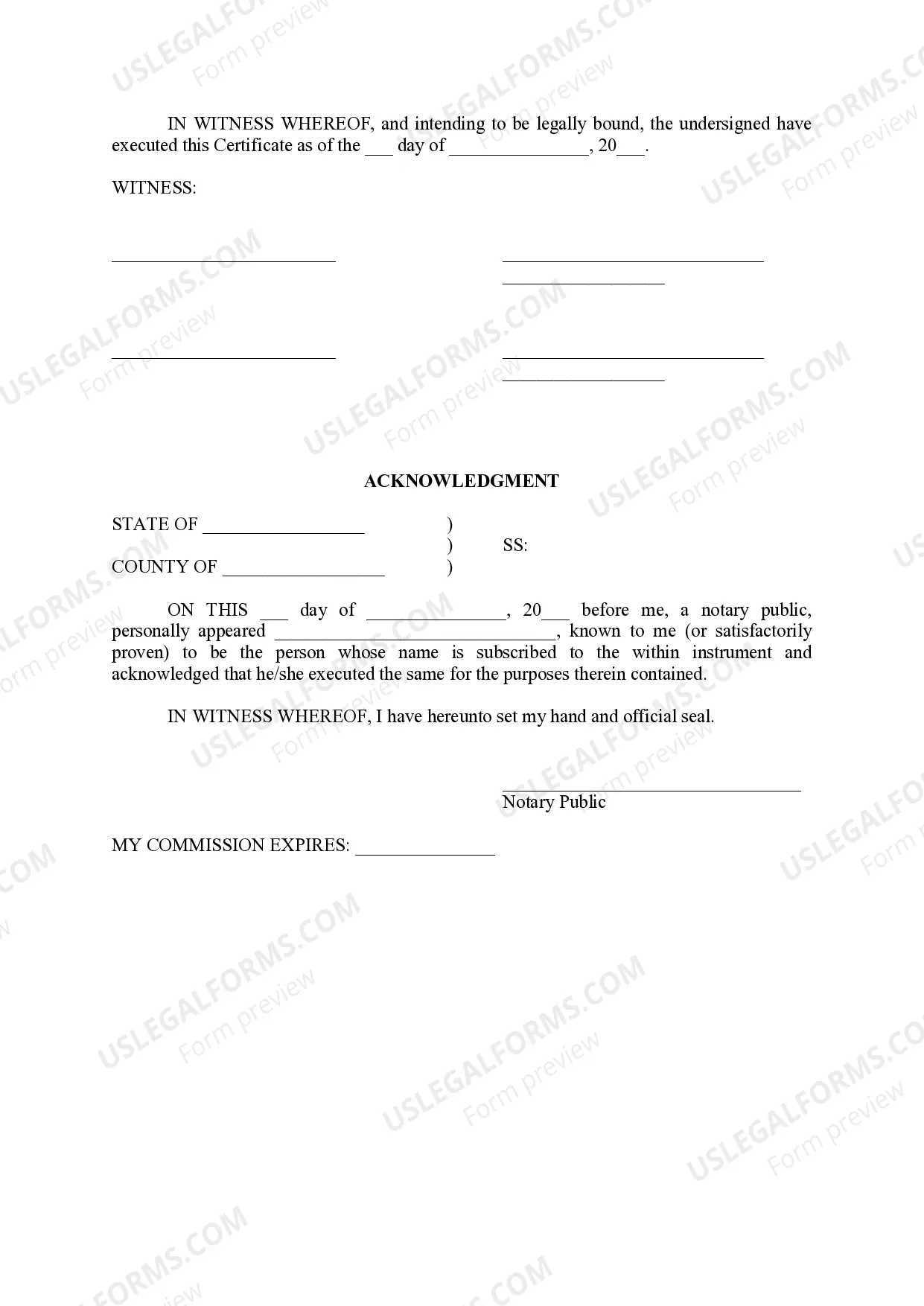
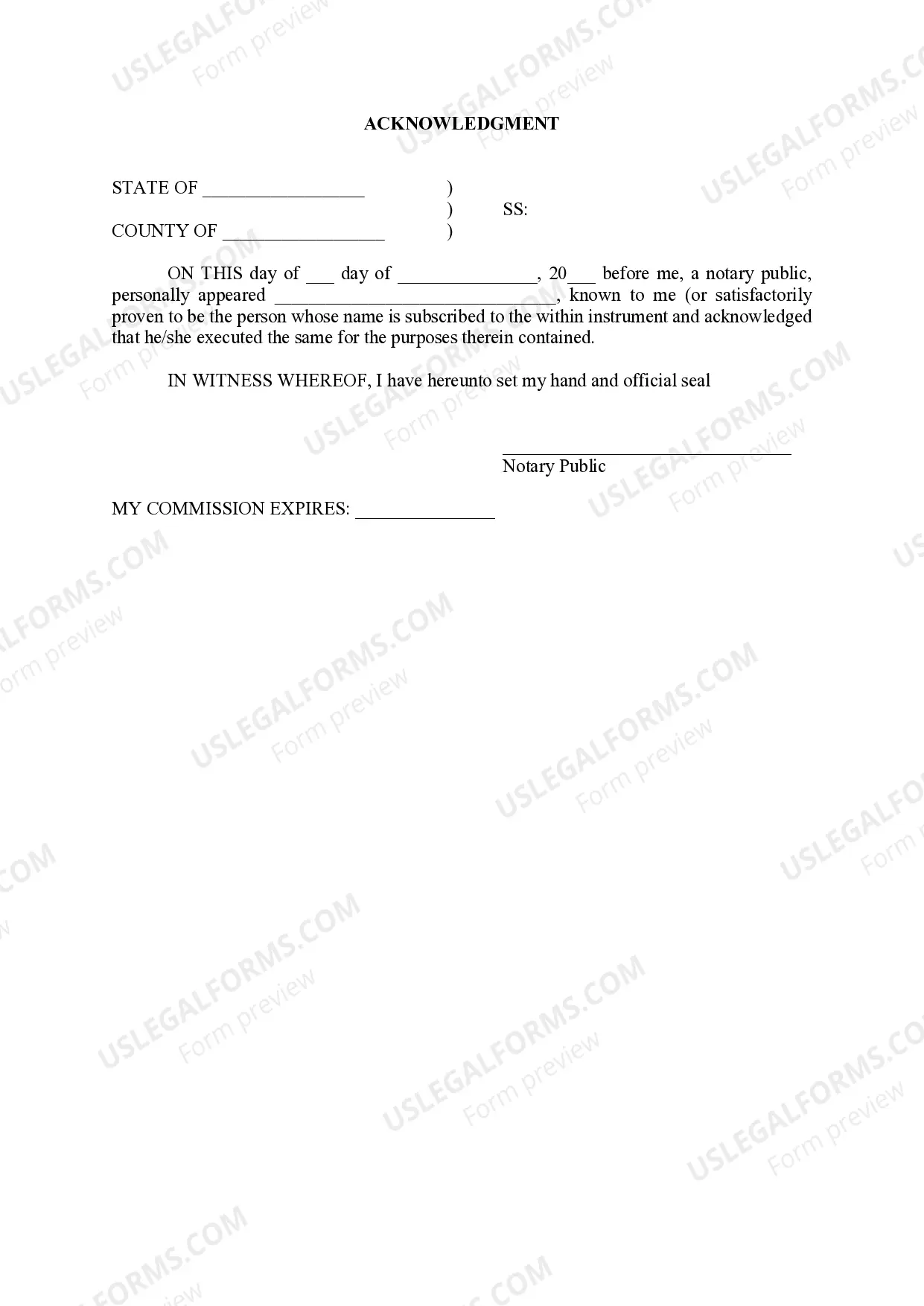
- Notary acknowledgment for the executed certificate
Situations where this form applies
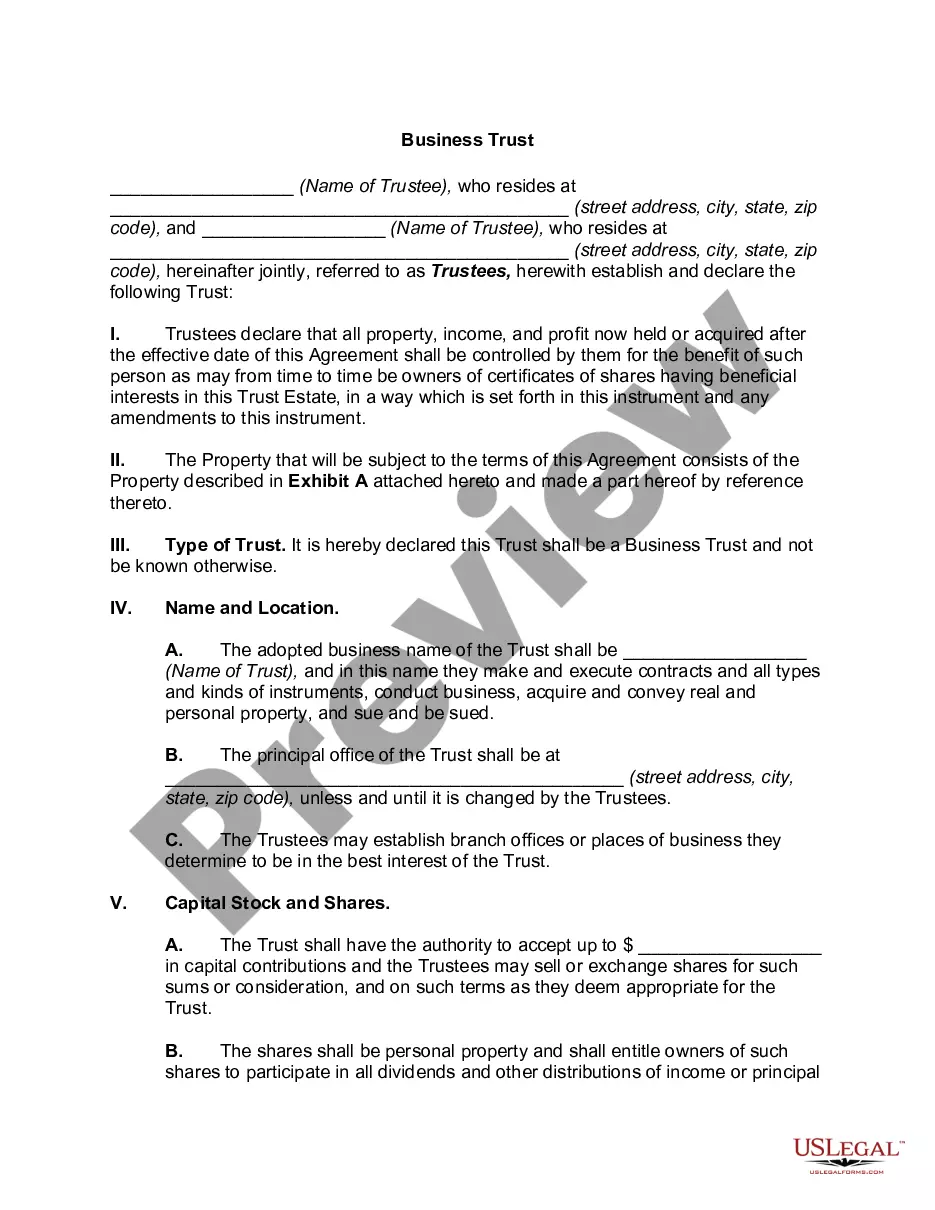
This form is particularly useful when you need to provide evidence of the existence of a trust while applying for loans, mortgages, or during property transactions. It is commonly used when a trust intends to acquire financing or transfer property into its name, ensuring that banks or other financial institutions acknowledge the trust's authority over specific assets.
Who can use this document
- Co-Trustees managing a trust seeking to secure financing.
- Estates transferring assets into a trust.
- Individuals or entities requiring proof of a trust for business transactions.
Instructions for completing this form
- Identify the parties involved, including the trust, grantors, and Co-Trustees.
- Fill in the establishment date of the trust and attach the formal Trust Agreement.
- Specify the property details included in the trustâs assets.
- Indicate the amount of the loan being sought and its intended purpose.
- Ensure signatures are gathered from all Co-Trustees and provide a notary acknowledgment.
Notarization requirements for this form
Yes, this form must be notarized to be legally valid. The notary public's acknowledgment ensures that the signatures are authentic and that the parties understand the document's purpose. US Legal Forms offers convenient online notarization services, allowing you to complete this step securely through a video call.
Get your form ready online
Our built-in tools help you complete, sign, share, and store your documents in one place.
Make edits, fill in missing information, and update formatting in US Legal Forms—just like you would in MS Word.
Download a copy, print it, send it by email, or mail it via USPS—whatever works best for your next step.
Sign and collect signatures with our SignNow integration. Send to multiple recipients, set reminders, and more. Go Premium to unlock E-Sign.
If this form requires notarization, complete it online through a secure video call—no need to meet a notary in person or wait for an appointment.
We protect your documents and personal data by following strict security and privacy standards.

Make edits, fill in missing information, and update formatting in US Legal Forms—just like you would in MS Word.

Download a copy, print it, send it by email, or mail it via USPS—whatever works best for your next step.

Sign and collect signatures with our SignNow integration. Send to multiple recipients, set reminders, and more. Go Premium to unlock E-Sign.

If this form requires notarization, complete it online through a secure video call—no need to meet a notary in person or wait for an appointment.

We protect your documents and personal data by following strict security and privacy standards.
Typical mistakes to avoid
- Failing to update the document if there are changes to the Trust Agreement.
- Omitting necessary signatures or notary acknowledgment.
- Not clearly specifying the purpose of the loan in relation to the trust.
Why complete this form online
- Convenient download and immediate access to necessary legal documentation.
- Editability allows users to customize the form easily according to their needs.
- Reliability from a resource that provides forms prepared by licensed attorneys.
Looking for another form?
Form popularity
FAQ
Earn a bachelor's degree and complete a teacher prep program. Fulfill the student teaching requirement. Earn your master's degree if your specialization requires one. Pass your state's required exam for teachers. Apply for state teacher certification.
Learning theory. Curriculum theory. Design and development. Supervision theory-application and practice. Instructional theory-application and practice.
Master's Degree and Administrative Credentials for School Principals. Principals will also need a master's degree in education, educational leadership or educational administration. Along with the higher-level degree, principals will also need to earn administrative credentials through their state.
Candidates for Rhode Island teacher certification must have at least a bachelor's degree and complete an approved teacher preparation program. The education completed must include at least 60 hours of field experience and 12 weeks of student teaching.
Wisconsin: The Department of Public Instruction announced "emergency rules changes," making it easier to renew licenses and retain substitutes. New York: NY State Board of Regents made it easier for out-of-state teachers to get certified.
Federal standards require that all public school teachers be certified and state licensed. That being said, there are some ways in which you can teach without licensure. You may function as an adjunct professor at a college and university.
A Certificate in Principal Education is an academic program for people in the educational field who are seeking positions such as principal or vice principal.
School administration covers a broad range of jobs. A person in this field may work as a principal or assistant principal of an elementary or high school, or in admissions or student affairs at a college or university. These job descriptions vary significantly, but they share some common traits.