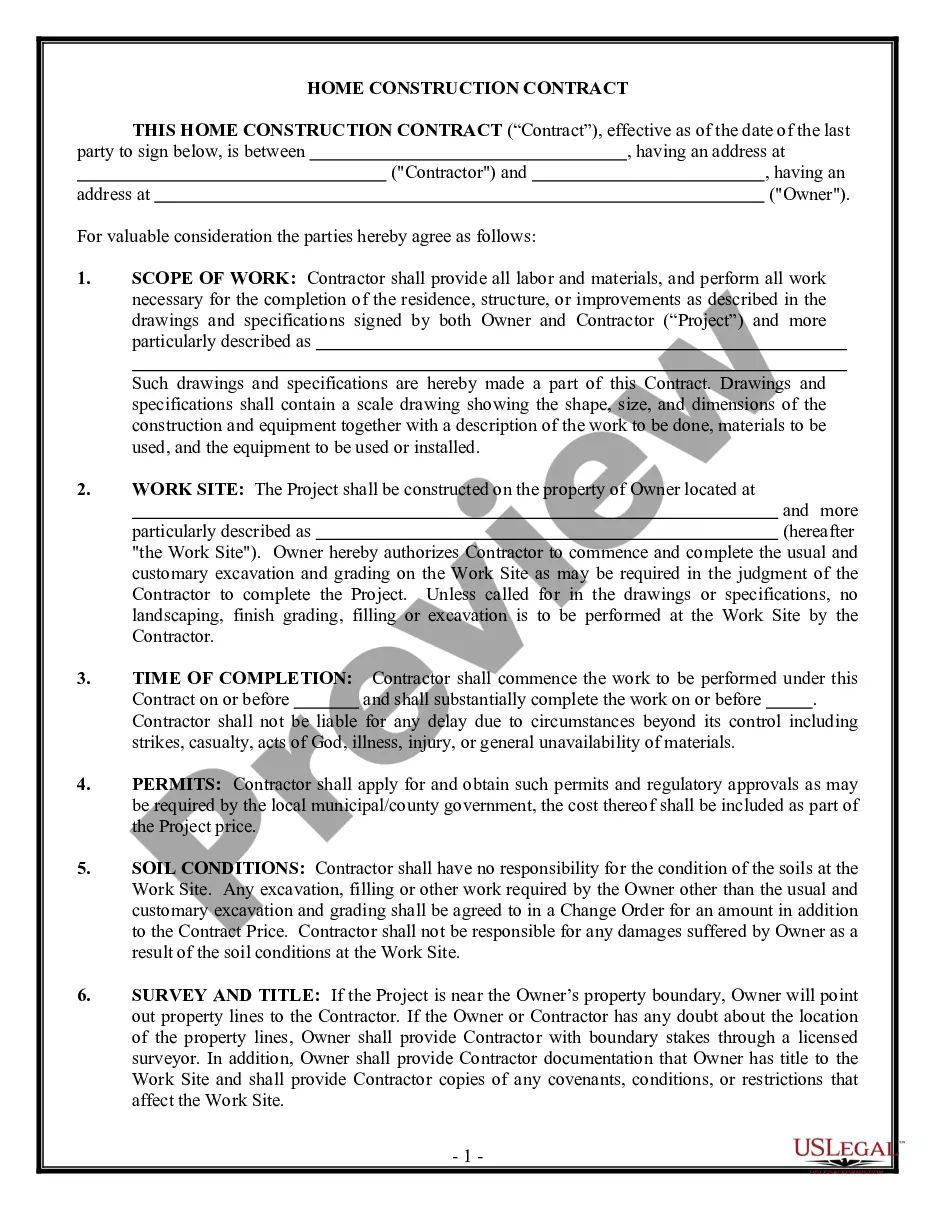
Rhode Island Letter to Lienholder to Notify of Trust
About this form
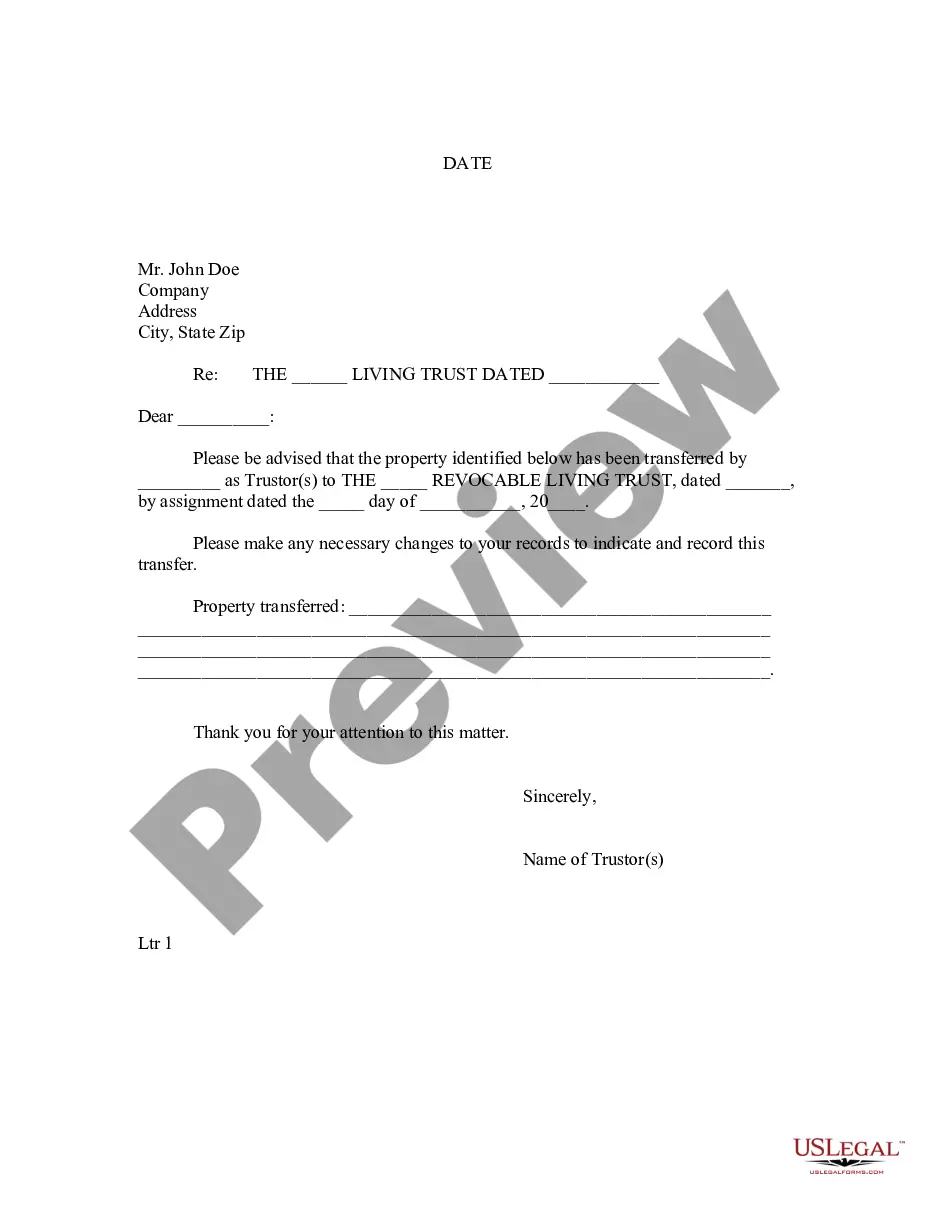
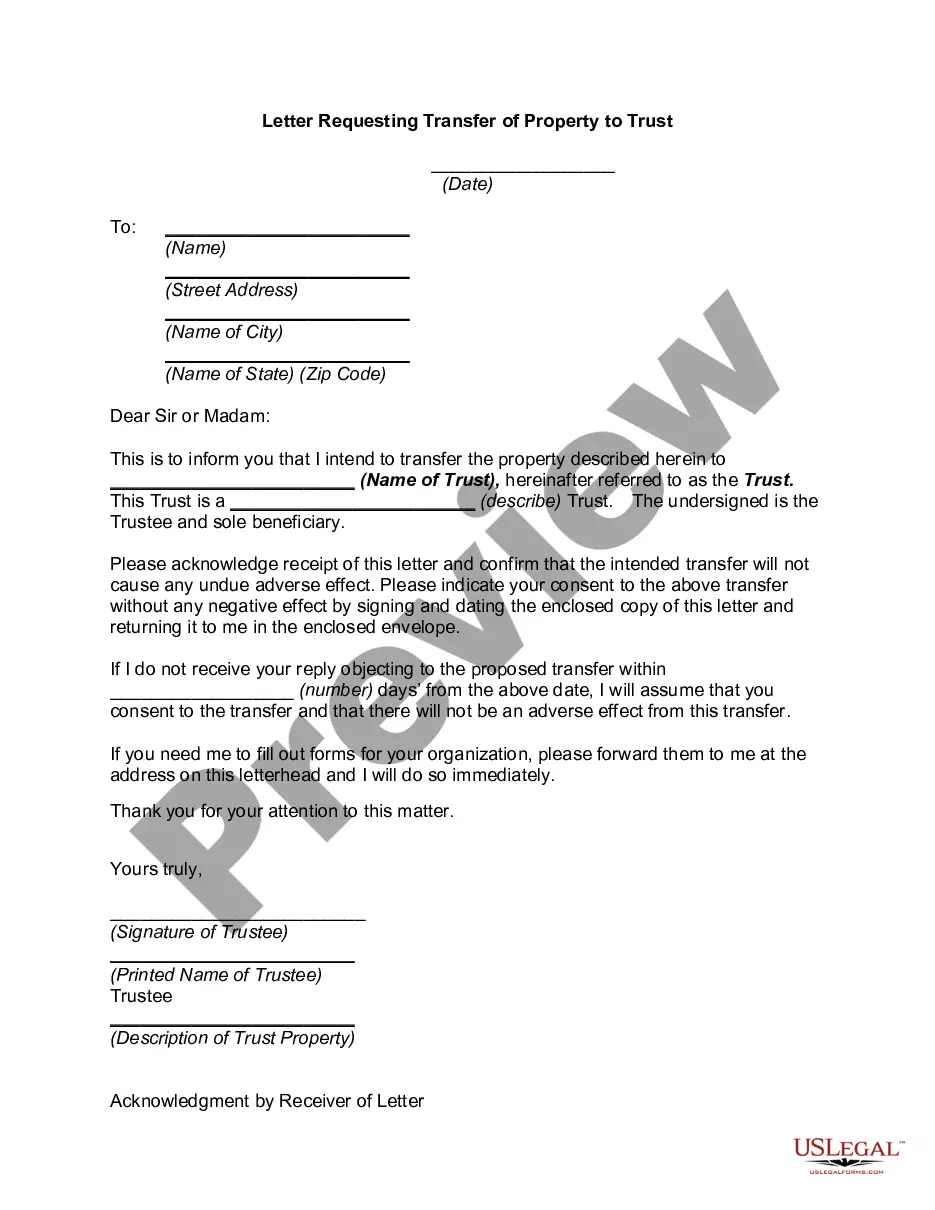
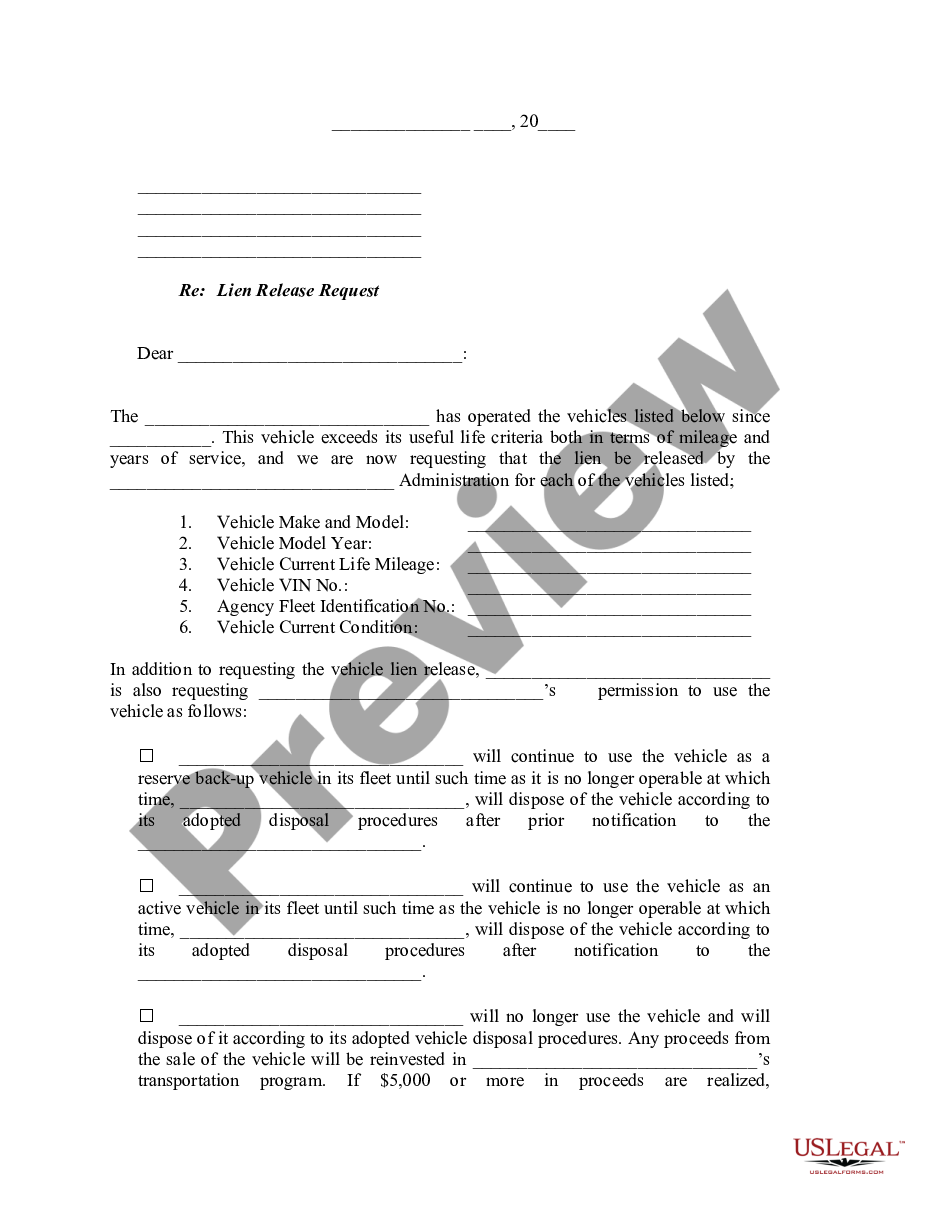
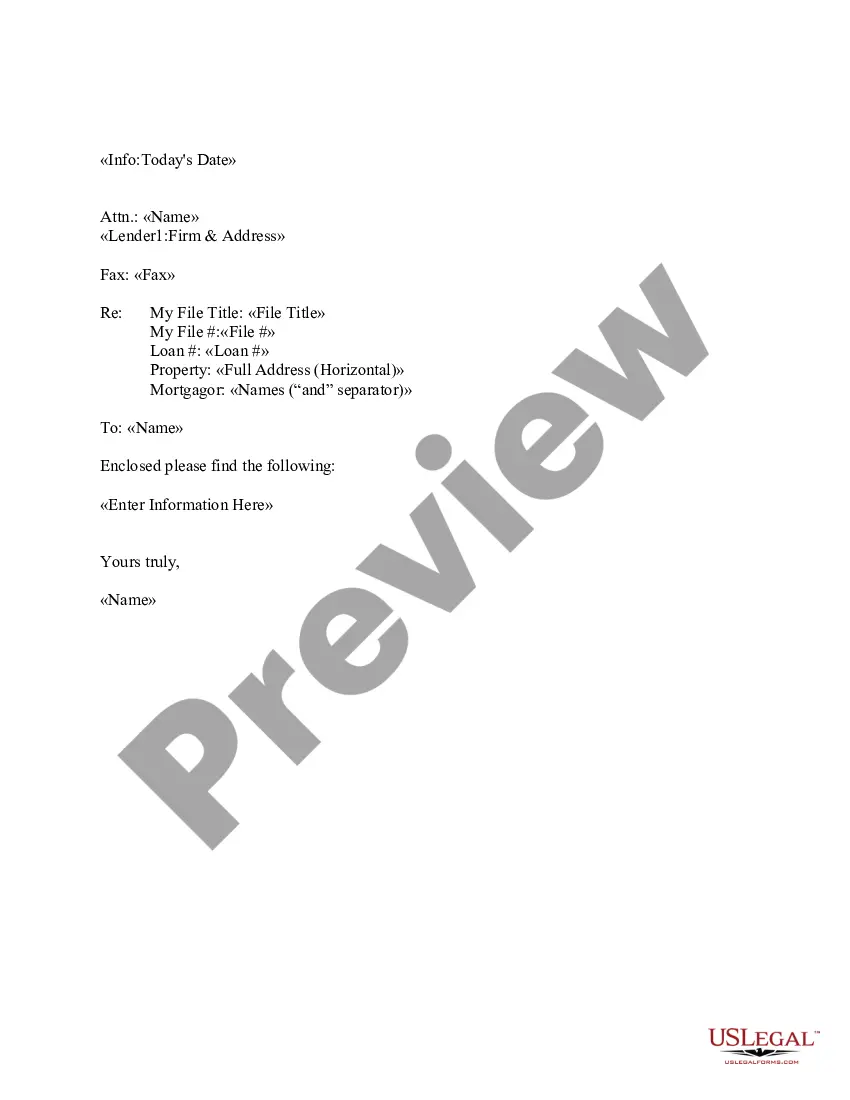
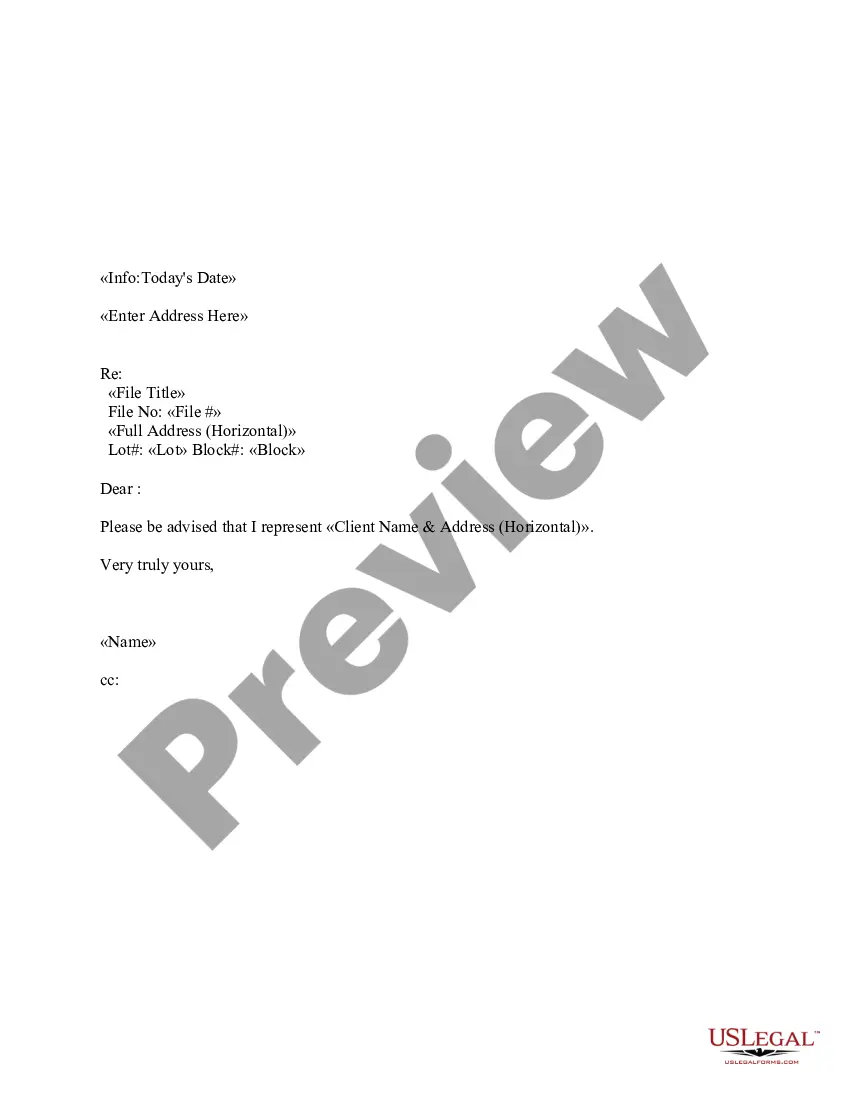
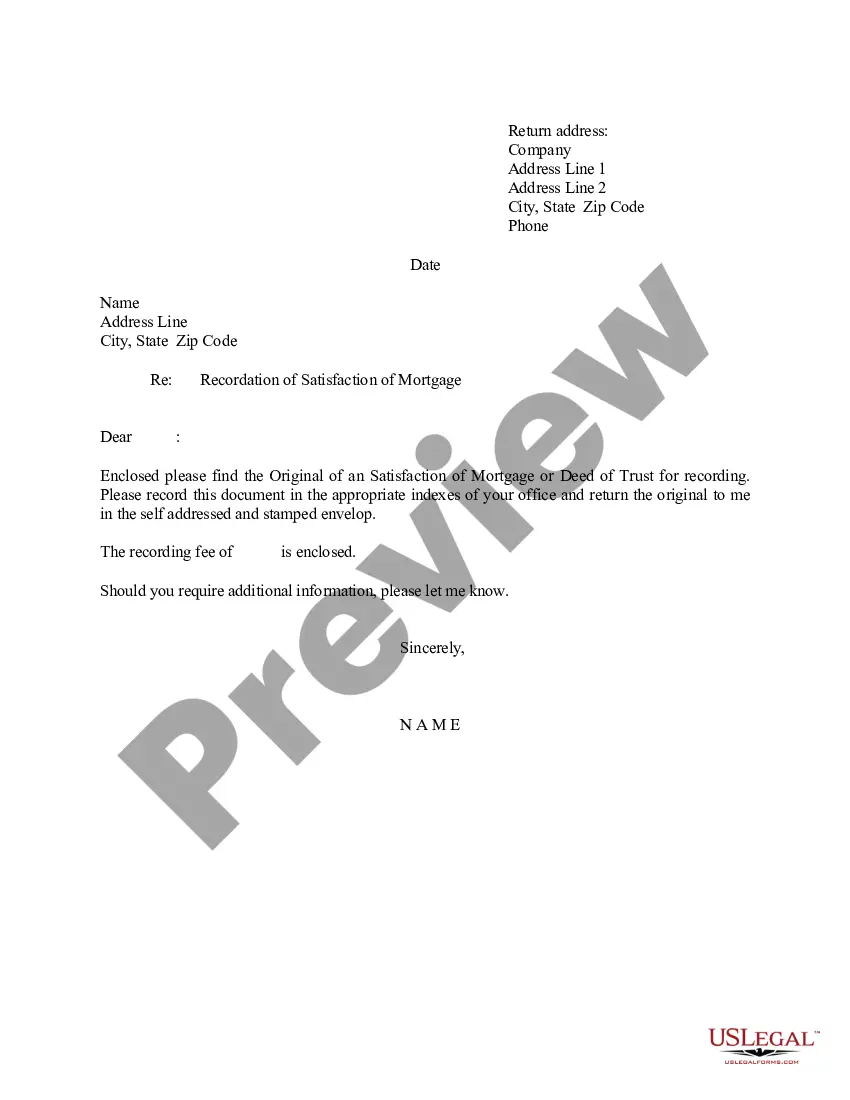
The Letter to Lienholder to Notify of Trust is a formal communication informing a lienholder that property has been transferred into a living trust. This legal form serves the purpose of clarifying ownership by notifying the lienholder about the specifics of the trust arrangement, which is primarily aimed at estate planning. Understanding how this form is distinct from other transfer notices is crucial, as it deals specifically with a trust context rather than simple property transfers or sales.
What’s included in this form
- Date of the notification letter.
- Name and address of the lienholder.
- Identification of the living trust by its name and date.
- Details of the property being transferred to the trust.
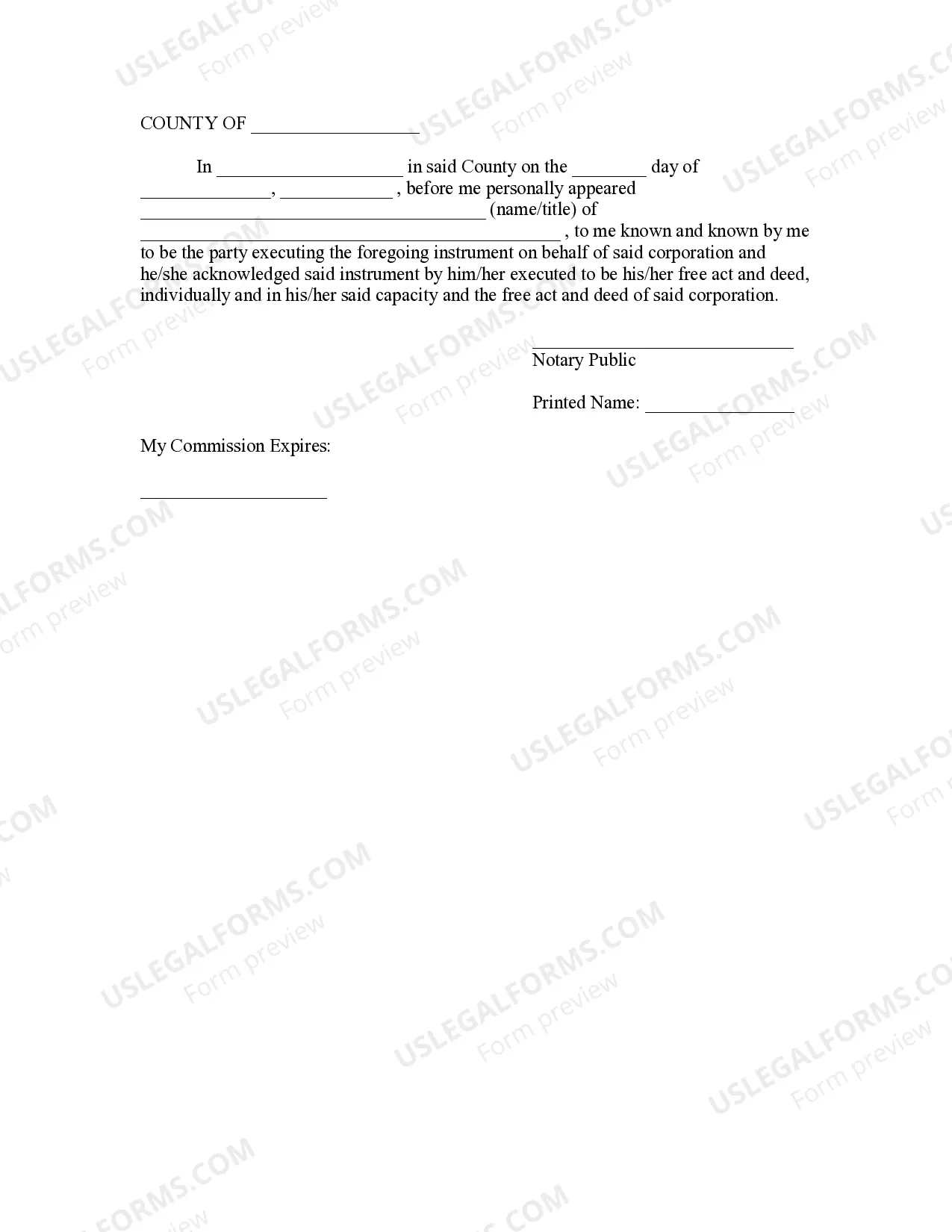
- Signature of the trustor(s) and potential notary acknowledgment.
Situations where this form applies
This form is necessary when you want to officially notify a lienholder that a specific property has been placed into a living trust. Common situations include estate planning, when a property owner seeks to ensure that their assets are managed according to their wishes after passing away, or when a property owner wishes to make ownership changes to a trust structure for financial or legal reasons.
Intended users of this form
- Property owners who have created a living trust.
- Trustors looking to formalize their asset management through a trust.
- Individuals managing the affairs of an estate.
- Legal representatives assisting clients in estate planning.
How to prepare this document
- Identify the date of the letter.
- Fill in the lienholder's name and address.
- Specify the name and date of the living trust.
- Detail the property that is being transferred to the trust.
- Include the trustorâs signature(s) and, if needed, sign in the presence of a notary.
Is notarization required?
Yes, this form must be notarized to be legally valid. Having a notary involved ensures that the signatures are authentic and that the document is executed in compliance with legal standards. US Legal Forms provides integrated online notarization, allowing users to complete this process securely via video call at any time, offering convenience and legal assurance.
Get your form ready online
Our built-in tools help you complete, sign, share, and store your documents in one place.
Make edits, fill in missing information, and update formatting in US Legal Forms—just like you would in MS Word.
Download a copy, print it, send it by email, or mail it via USPS—whatever works best for your next step.
Sign and collect signatures with our SignNow integration. Send to multiple recipients, set reminders, and more. Go Premium to unlock E-Sign.
If this form requires notarization, complete it online through a secure video call—no need to meet a notary in person or wait for an appointment.
We protect your documents and personal data by following strict security and privacy standards.

Make edits, fill in missing information, and update formatting in US Legal Forms—just like you would in MS Word.

Download a copy, print it, send it by email, or mail it via USPS—whatever works best for your next step.

Sign and collect signatures with our SignNow integration. Send to multiple recipients, set reminders, and more. Go Premium to unlock E-Sign.

If this form requires notarization, complete it online through a secure video call—no need to meet a notary in person or wait for an appointment.

We protect your documents and personal data by following strict security and privacy standards.
Mistakes to watch out for
- Not specifying the correct property details.
- Failing to include all trustor signatures.
- Omitting the date of the letter.
- Using incorrect names for the trust or lienholder.
Why complete this form online
- Convenient downloading and access to legal templates at any time.
- Editability allows for personalization to fit specific needs.
- Prepared by licensed attorneys for reliability.
Main things to remember
- The Letter to Lienholder to Notify of Trust is essential for informing lienholders of property transfers into a living trust.
- Accurate detail in the letter is crucial for maintaining clear records.
- Notarization may be required to validate the document.
Looking for another form?
Form popularity
FAQ
A lienholder is a lender that legally has an interest in your property until you pay it off in full. The lender which can be a bank, financial institution or private party holds a lien, or legal claim, on the property because they lent you the money to purchase it.
How does a creditor go about getting a judgment lien in Rhode Island? To attach the lien, the creditor must request execution of attachment within 48 hours after entry of the judgment, then file the execution with the town clerk or recorder of deeds in the Rhode Island town where the debtor's property is located.
In simple situations where you own the vehicle outright and wish to transfer ownership to someone else, all you must do is complete a title certificate. Once you have filled out and signed the certificate, the buyer or recipient can take the title to a local DMV office and officially transfer ownership.
On the title where it says Signature(s) of all purchaser(s), all persons who are buying the car should sign their names. Next to that, the seller should sign their name. On the next line, all buyers and sellers should print their names.
Release ownership by signing on line one on the front of the title. If the vehicle is, or was financed, the lienholder's name appears in the legal owner section and their release with counter signature is required on line two. For step-by-step instructions see the California DMV instructional video here.
Provide the buyer with the title, with all of the seller's information completed. You must complete the Application for Title (the seller's section). You must complete the Use Tax Return (the seller's section). Give the buyer a bill of sale. Give the buyer a lien release.
When you purchase a vehicle in Rhode Island, you are required to pay sales tax on the vehicle and obtain a title in your own name, even if you do not register the vehicle. You will need to complete both a Sales Tax form and a Application for Title (TR-2/TR-9) form.
Prepare your Rhode Island Notice of Intention form. Serve the Rhode Island Notice of Intention as a preliminary notice. Record the Rhode Island Notice of Intention as a mechanics lien. File Notice of Lis Pendens and enforce the mechanics lien.
Both are on the FRONT of the title. The first is in the center of the title and is labeled "Signature of Registered Owner." A second signature is required for the odometer statement. The field is labeled "Transferor/Seller Signature" and is located on the lower left.