Rhode Island Divorce Summons for Relief After Final Judgment
What this document covers
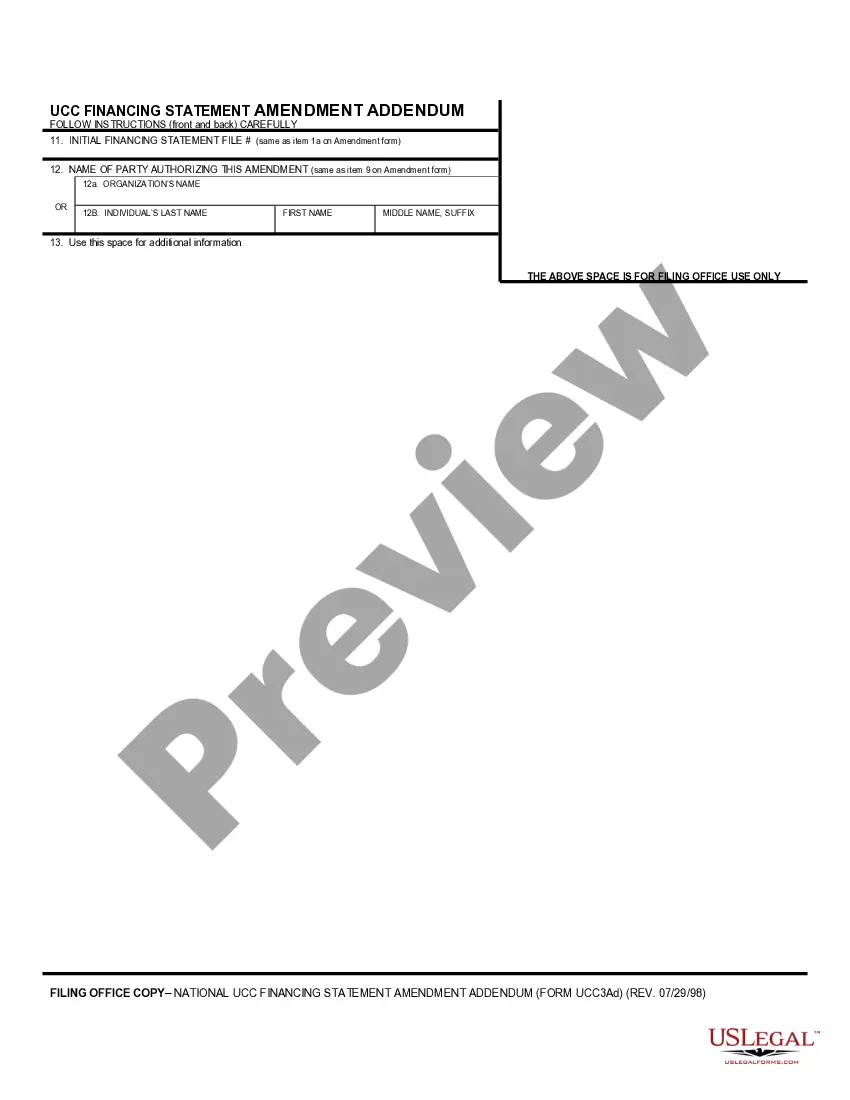
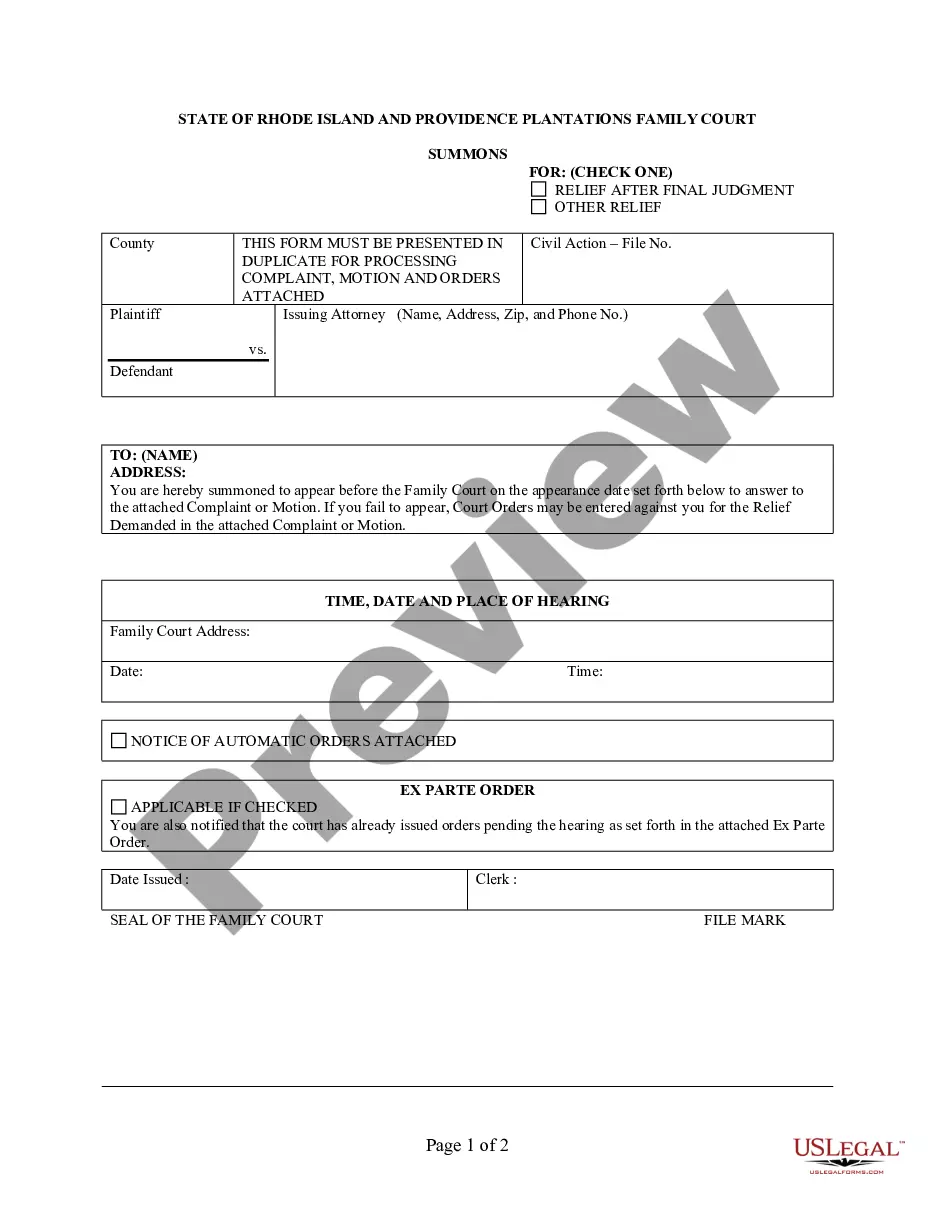
A Divorce Summons for Relief After Final Judgment is a legal document used to notify one party in a divorce that the other party is seeking post-judgment relief. This may include requests to modify alimony or support obligations, making it distinct from initial divorce summonses. Both parties may utilize this form, regardless of whether children were involved in the marriage.
What’s included in this form
- Identification of the parties involved in the divorce.
- Specification of the type of relief being requested after final judgment.
- County in which the form is filed.
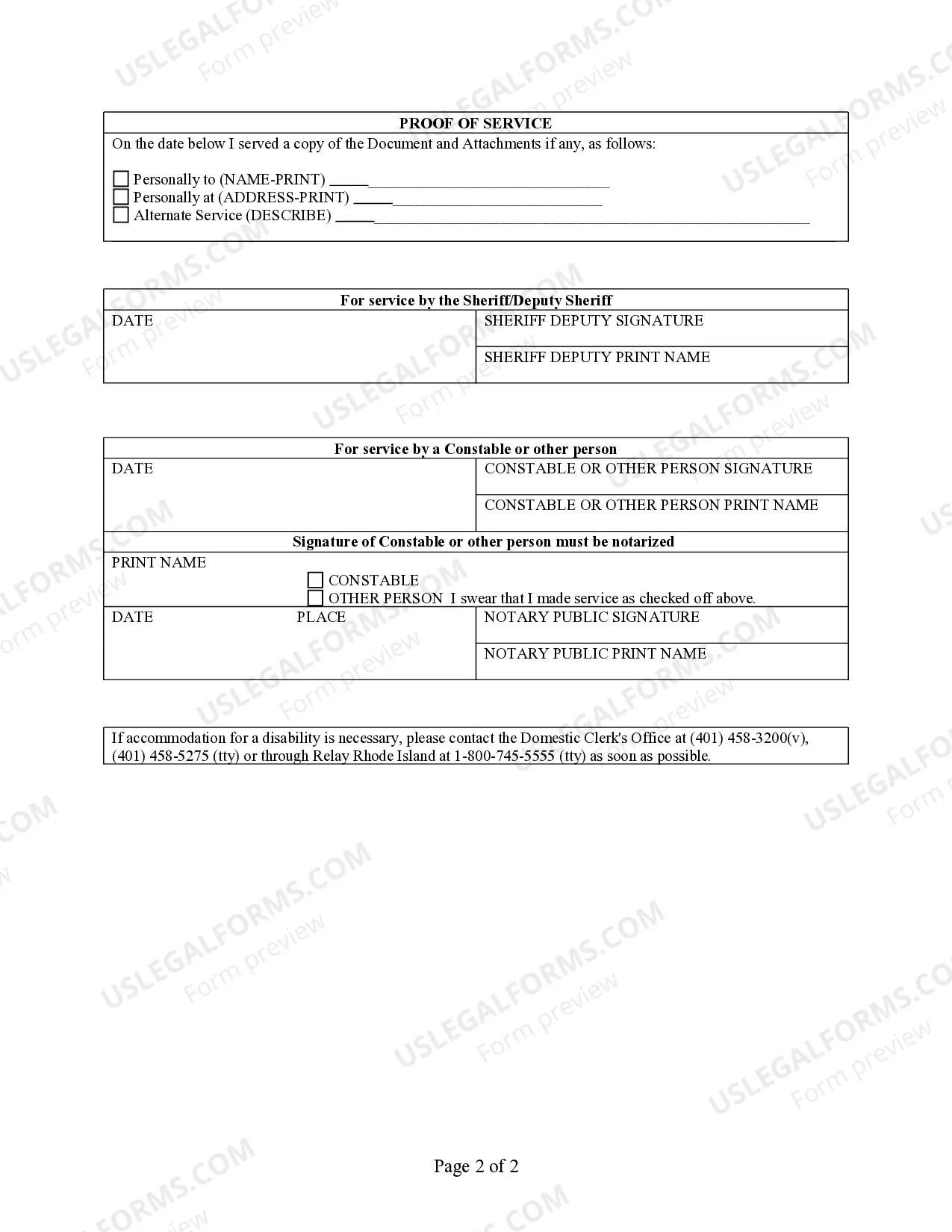
- Proof of service declaration indicating who received a copy of the document.
When to use this document
This form is necessary when one party seeks to change the terms of a divorce settlement after the final judgment has been issued. Examples include situations where one party wants to adjust alimony payments due to a change in financial circumstances, or modify child support obligations as situations change over time.
Intended users of this form
- Individuals seeking to modify existing divorce agreements.
- Parties who have experienced significant changes in their financial situations.
- Parents wishing to adjust child support following changes in custody or financial status.
Completing this form step by step
- Identify the parties involved by entering their names and addresses.
- Select the specific relief being sought after the final judgment.'
- Specify the county where the divorce proceedings took place.
- Complete the proof of service section to document the delivery of the summons.
- Ensure all sections are filled out completely and accurately before submission.
Is notarization required?
This form usually doesn’t need to be notarized. However, local laws or specific transactions may require it. Our online notarization service, powered by Notarize, lets you complete it remotely through a secure video session, available 24/7.
Get your form ready online
Our built-in tools help you complete, sign, share, and store your documents in one place.
Make edits, fill in missing information, and update formatting in US Legal Forms—just like you would in MS Word.
Download a copy, print it, send it by email, or mail it via USPS—whatever works best for your next step.
Sign and collect signatures with our SignNow integration. Send to multiple recipients, set reminders, and more. Go Premium to unlock E-Sign.
If this form requires notarization, complete it online through a secure video call—no need to meet a notary in person or wait for an appointment.
We protect your documents and personal data by following strict security and privacy standards.

Make edits, fill in missing information, and update formatting in US Legal Forms—just like you would in MS Word.

Download a copy, print it, send it by email, or mail it via USPS—whatever works best for your next step.

Sign and collect signatures with our SignNow integration. Send to multiple recipients, set reminders, and more. Go Premium to unlock E-Sign.

If this form requires notarization, complete it online through a secure video call—no need to meet a notary in person or wait for an appointment.

We protect your documents and personal data by following strict security and privacy standards.
Common mistakes
- Failing to notify the other party properly, which can invalidate the process.
- Leaving required fields blank or incomplete.
- Not understanding the specific relief options available, leading to inappropriate requests.
Why complete this form online
- Easy access to legal forms tailored by licensed attorneys.
- Editable templates to suit your specific situation.
- Convenience of downloading and printing the form at your pace.
Legal use & context
- This form is legally recognized as a formal request for modifications in divorce settlements.
- Proper completion and filing can lead to enforceable modifications in court.
- Unaddressed or improperly filed requests can result in delays or dismissals of the modification requests.
Key takeaways
- The Divorce Summons for Relief After Final Judgment enables parties to request changes to a final divorce judgment.
- It is essential to understand the specific needs for service and completion to ensure adherence to legal processes.
- Using online templates can simplify the modification process and ensure legal compliance.
Looking for another form?


Form popularity
FAQ
A final decree of divorce is the court's formal order granting a termination of a marriage. If the case goes to trial and the judge issues a judgment, the judgment is confirmed when the decree is signed and dated by the judge and court clerk.
The Rhode Island Judiciary Public Portal (Public Portal) is the point of entry for electronic access to case information from the Rhode Island Judiciary's (Judiciary) database whether at the courthouse or remotely.
You can access this database through the website of the agency at https://www.courts.ri.gov/Pages/access-caseinfo.aspx. Applicants are provided two options to initiate the warrant search. You can look for information by using the name of the defendant or the case number if it is available.
The only way to obtain an official RI criminal record is by going to the Bureau of Criminal Identification (BCI) at the Attorney General's Office on 4 Howard Ave Cranston, RI 02920. Bring $5.00 (check, money order or credit card) and photo ID to obtain a copy of the record.
Pursuant to RI law, there cannot be an expungement without a motion and a hearing on the merits. A person seeking to expunge a conviction, a filing or a dismissal should get in touch with a top RI criminal defense Attorney.