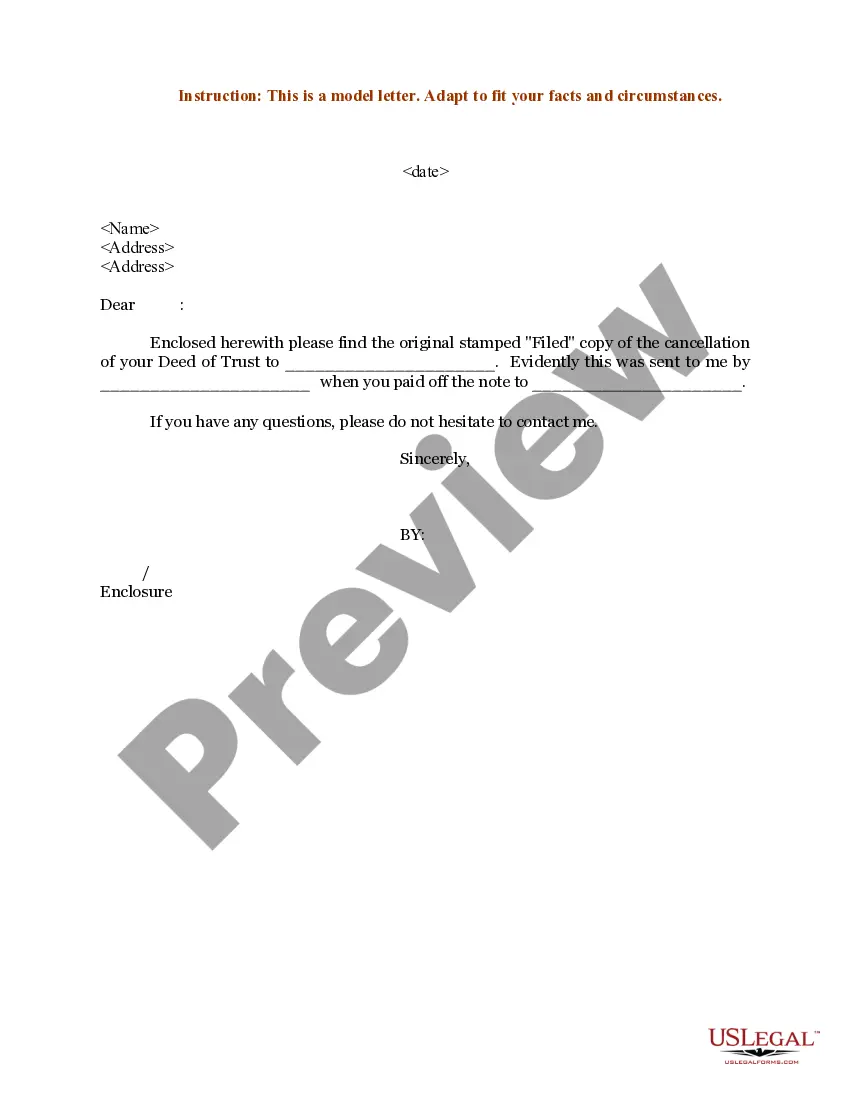
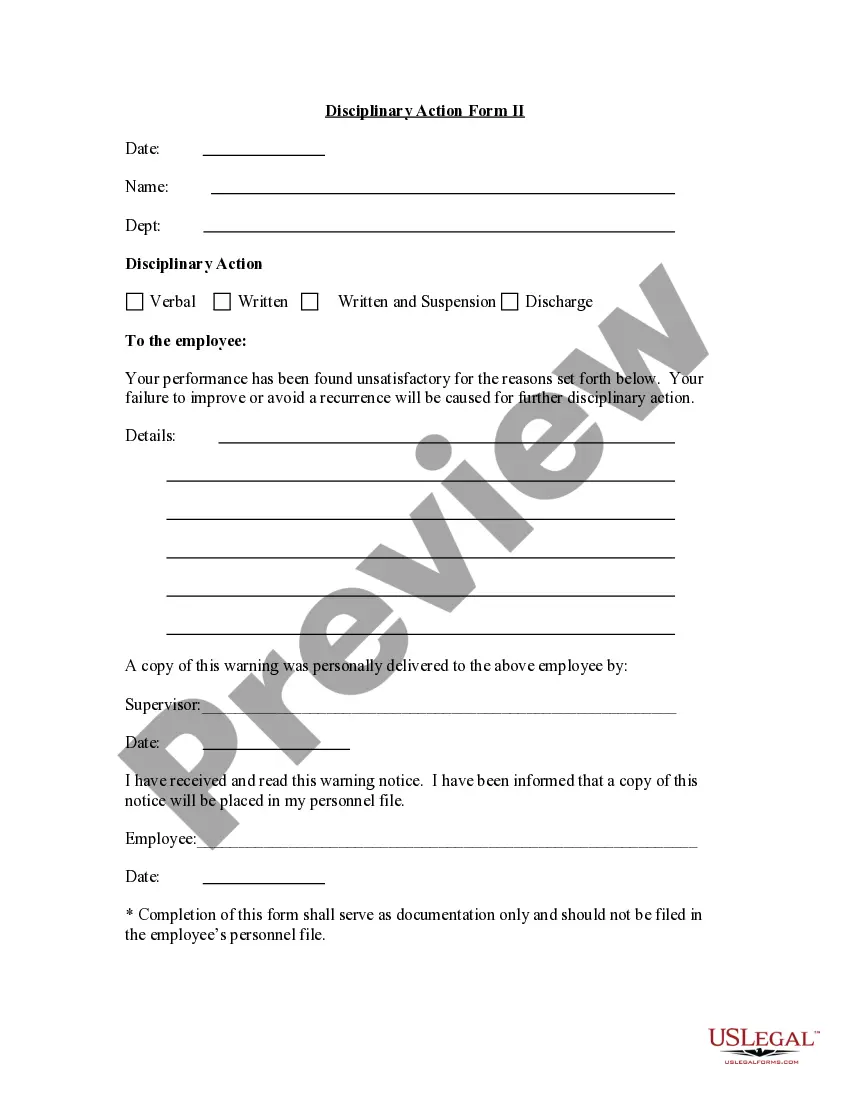
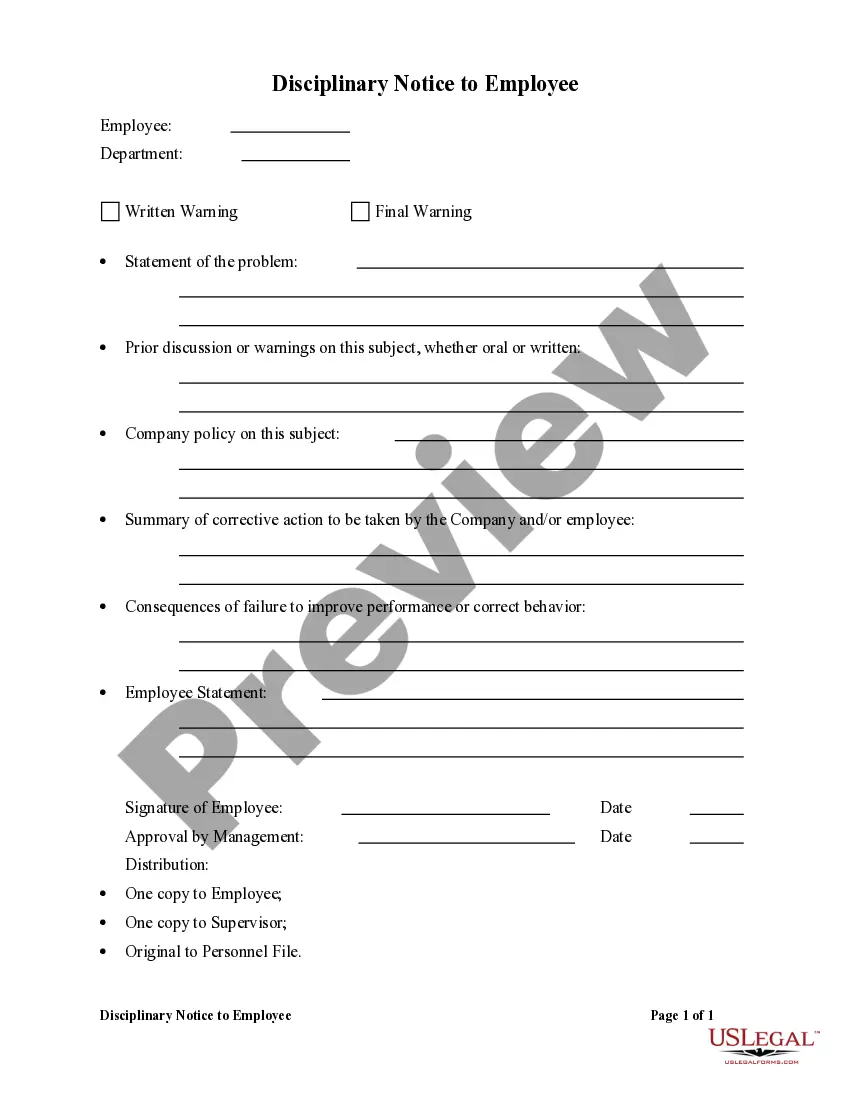
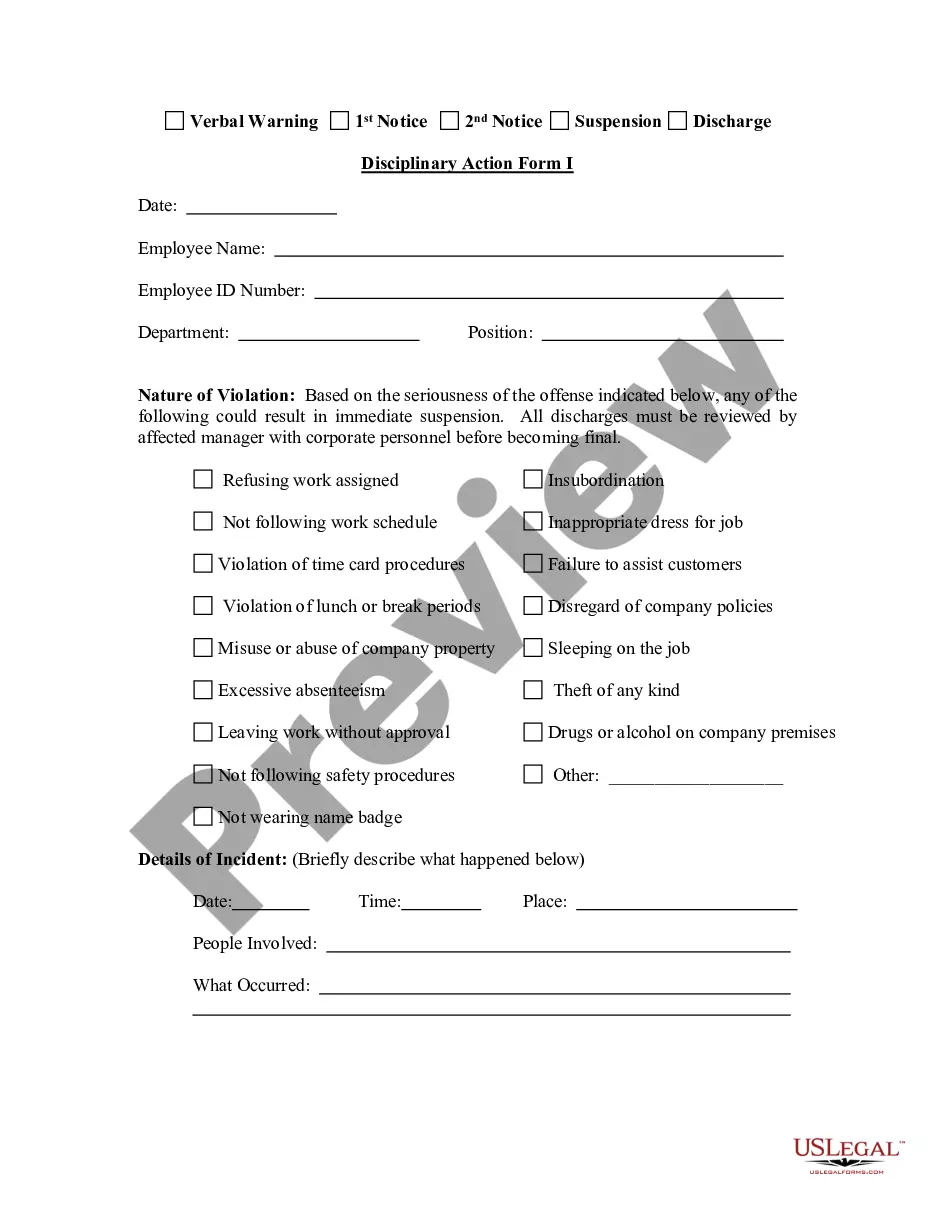
Pennsylvania Disciplinary Action Form II
Description
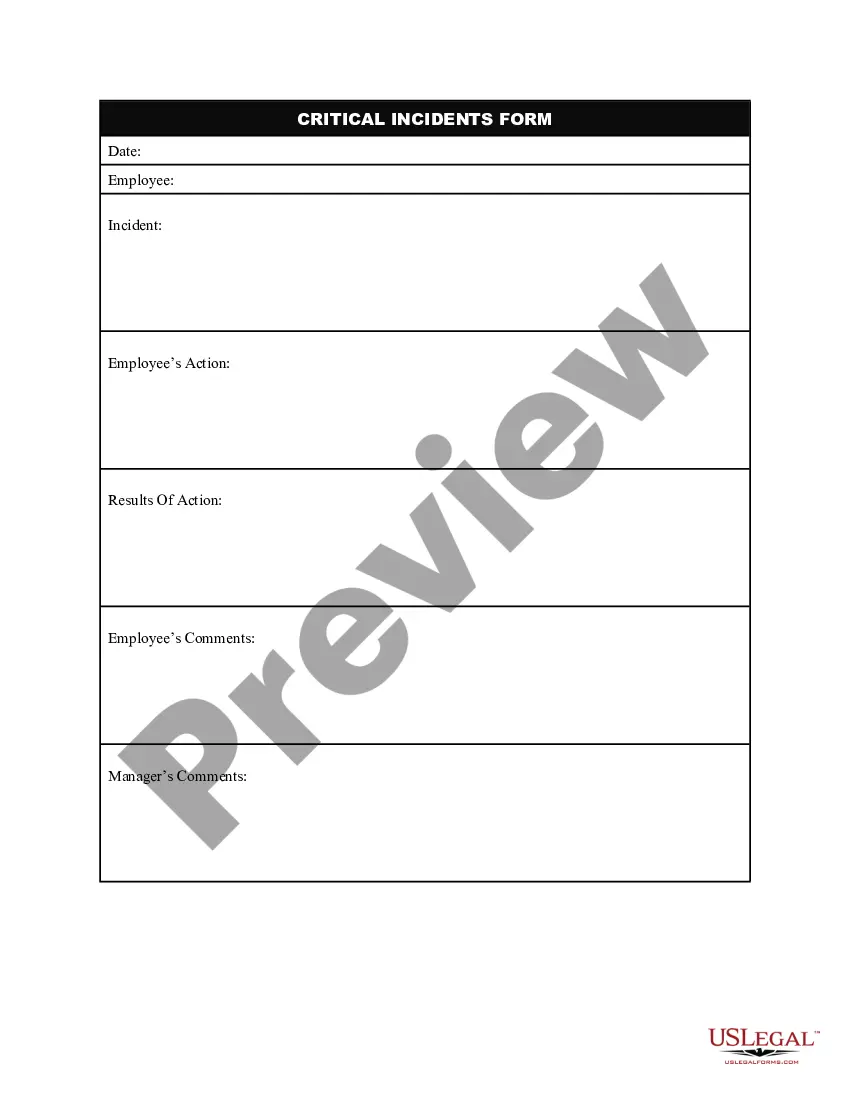
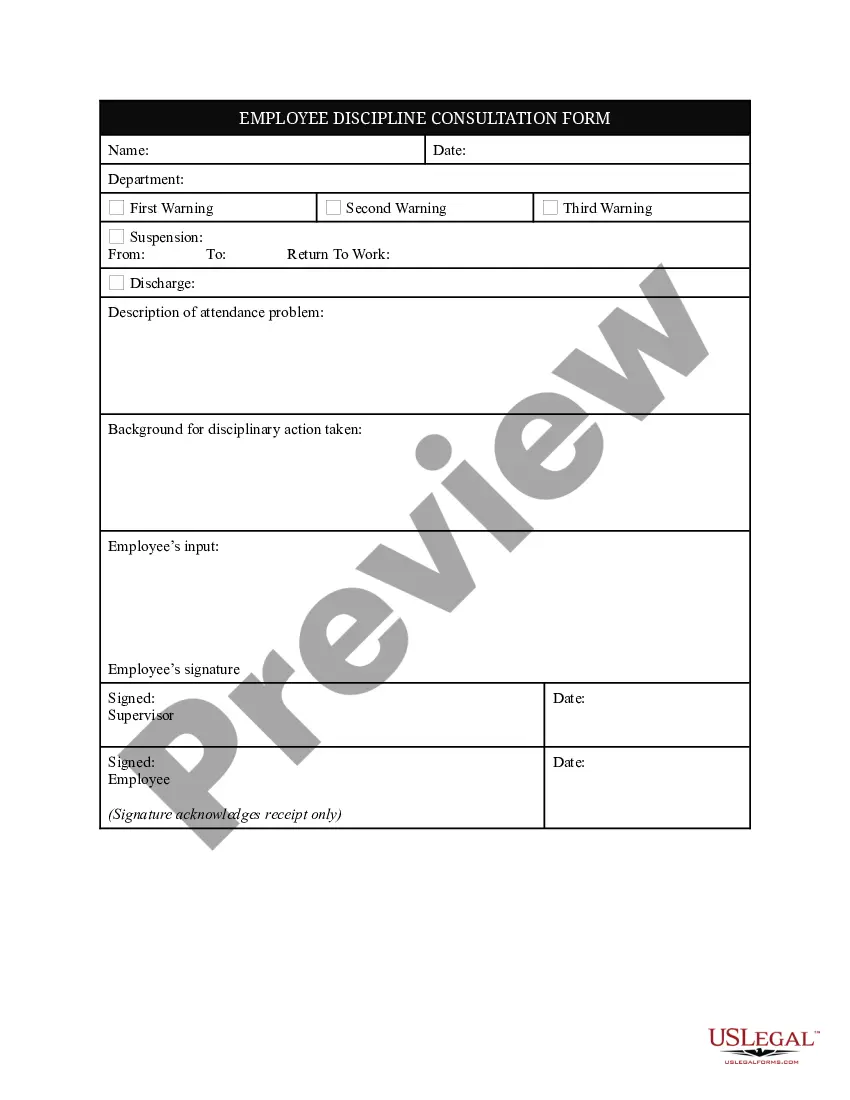
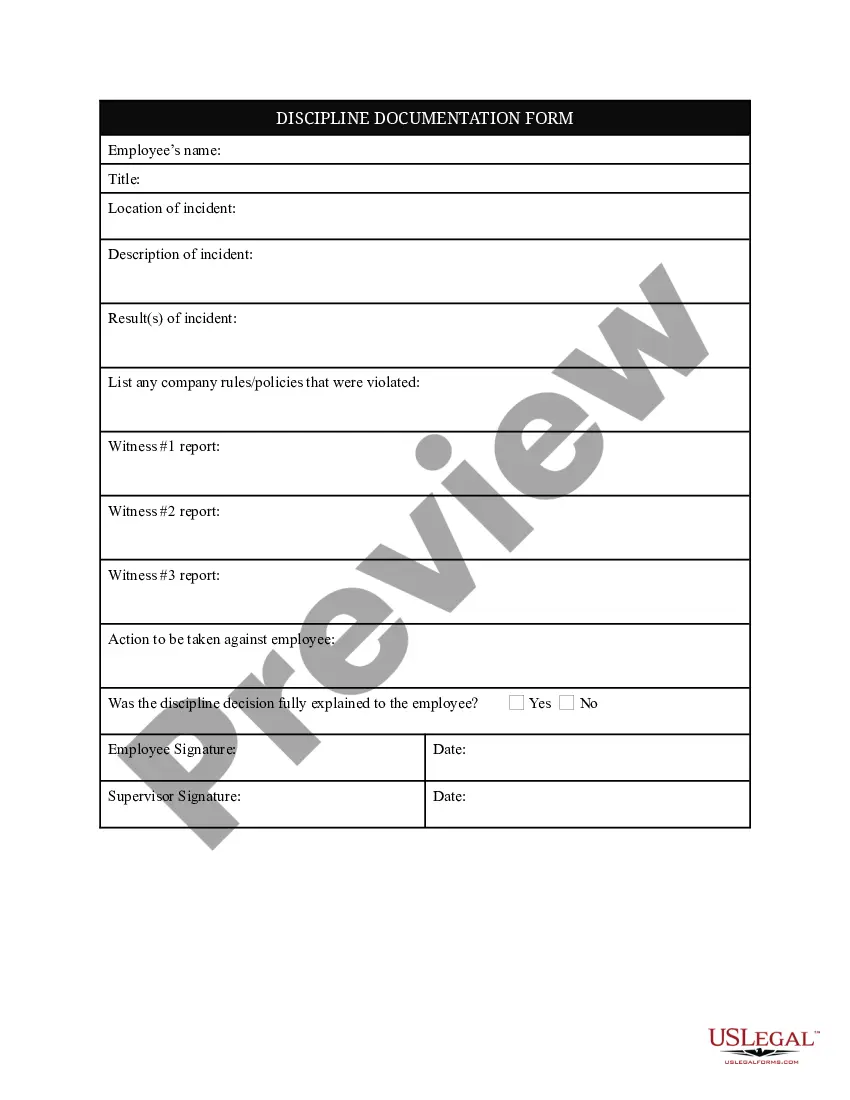
Get your form ready online
Our built-in tools help you complete, sign, share, and store your documents in one place.
Make edits, fill in missing information, and update formatting in US Legal Forms—just like you would in MS Word.
Download a copy, print it, send it by email, or mail it via USPS—whatever works best for your next step.
Sign and collect signatures with our SignNow integration. Send to multiple recipients, set reminders, and more. Go Premium to unlock E-Sign.
If this form requires notarization, complete it online through a secure video call—no need to meet a notary in person or wait for an appointment.
We protect your documents and personal data by following strict security and privacy standards.

Make edits, fill in missing information, and update formatting in US Legal Forms—just like you would in MS Word.

Download a copy, print it, send it by email, or mail it via USPS—whatever works best for your next step.

Sign and collect signatures with our SignNow integration. Send to multiple recipients, set reminders, and more. Go Premium to unlock E-Sign.

If this form requires notarization, complete it online through a secure video call—no need to meet a notary in person or wait for an appointment.

We protect your documents and personal data by following strict security and privacy standards.
Looking for another form?






How to fill out Disciplinary Action Form II?
If you desire to download, obtain, or print real document templates, utilize US Legal Forms, the most extensive selection of valid forms available online.
Employ the site’s user-friendly and accessible search feature to locate the documents you need.
Numerous templates for corporate and individual purposes are organized by categories and states, or keywords.
Step 4. Once you have identified the form you require, click the Purchase now button. Choose the pricing plan you prefer and enter your details to create an account.
Step 5. Process the payment. You can use your credit card or PayPal account to finalize the transaction.
- Utilize US Legal Forms to access the Pennsylvania Disciplinary Action Form II in just a few clicks.
- If you are already a US Legal Forms user, Log In to your account and select the Download option to retrieve the Pennsylvania Disciplinary Action Form II.
- You can also find forms previously obtained in the My documents section of your account.
- If this is your first time using US Legal Forms, follow the instructions below.
- Step 1. Ensure you have selected the form for your specific city/state.
- Step 2. Use the Review option to inspect the form’s content. Make sure to read the description.
- Step 3. If you are dissatisfied with the form, use the Search section at the top of the page to discover alternative versions of the legal form template.
Form popularity
FAQ
Rule 4.2 of the Pennsylvania Rules of Professional Conduct addresses communication with persons represented by counsel. It prohibits a lawyer from contacting another person's attorney unless the attorney has consented or a legal exception applies. Understanding Rule 4.2 is vital for legal practitioners to ensure they do not inadvertently breach ethical standards. Utilizing resources such as the Pennsylvania Disciplinary Action Form II can help ensure compliance.