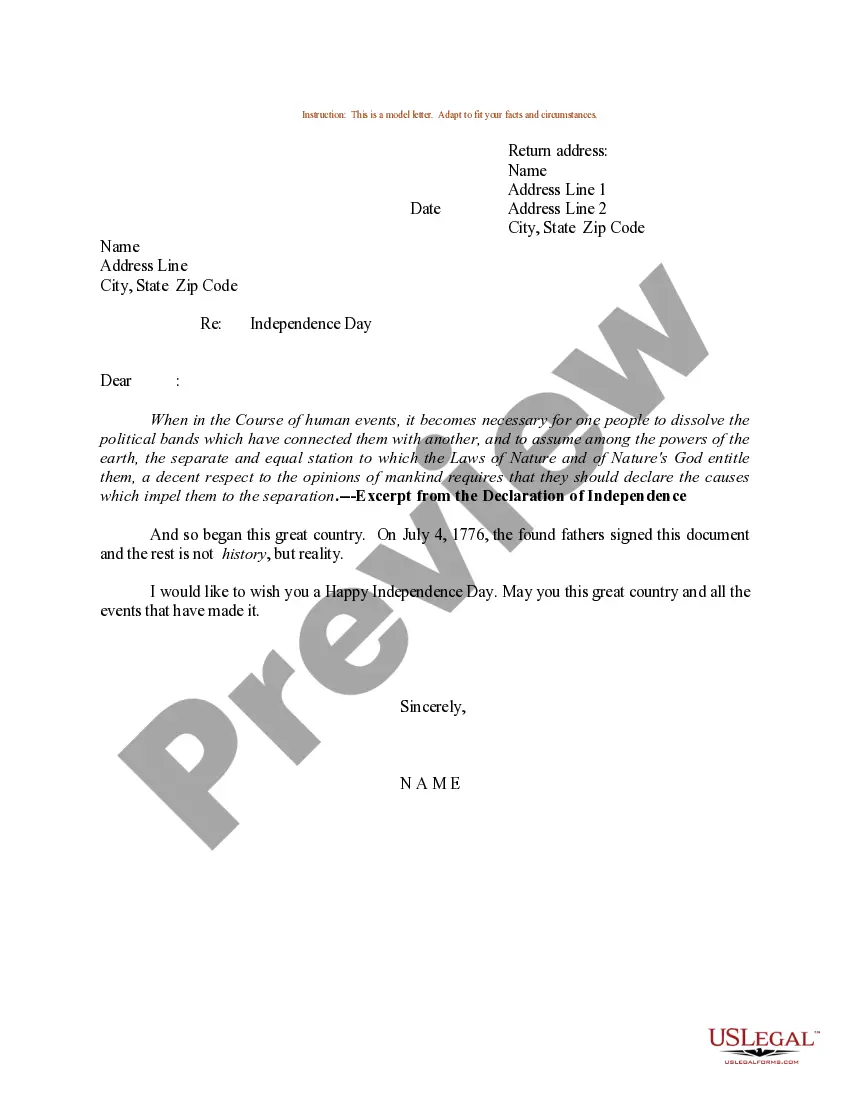
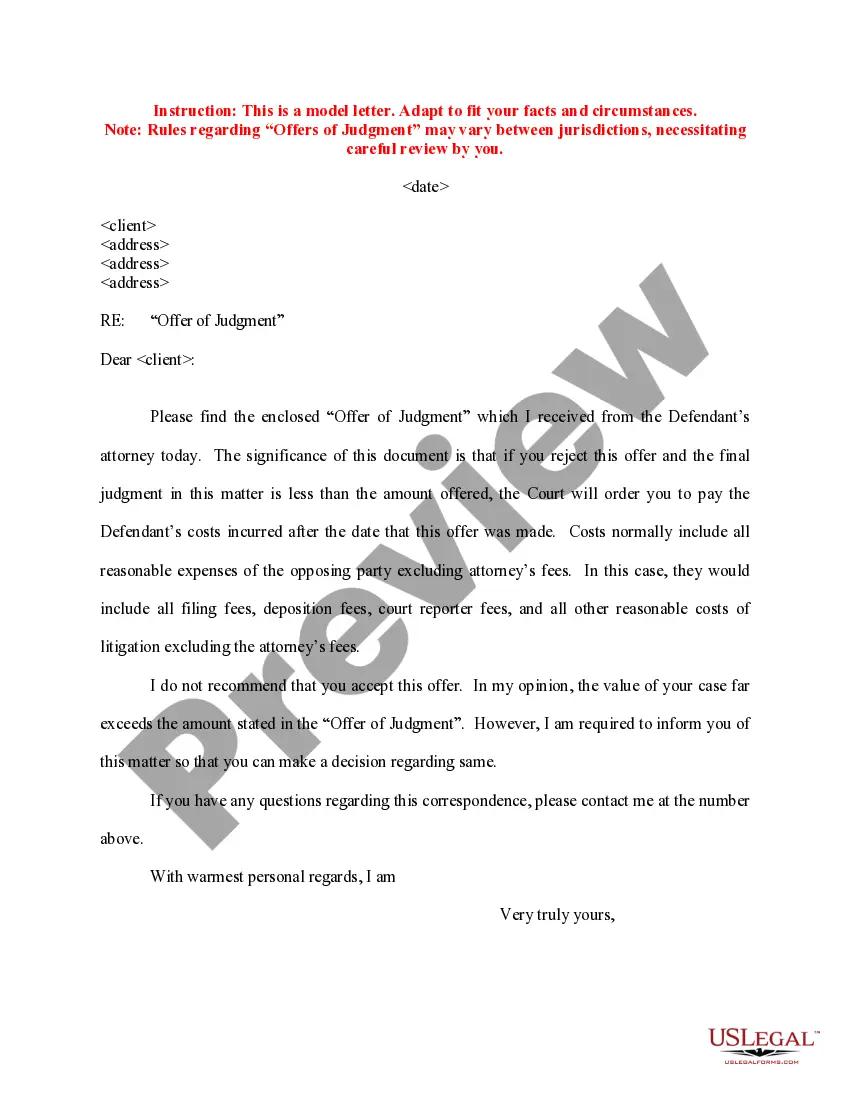
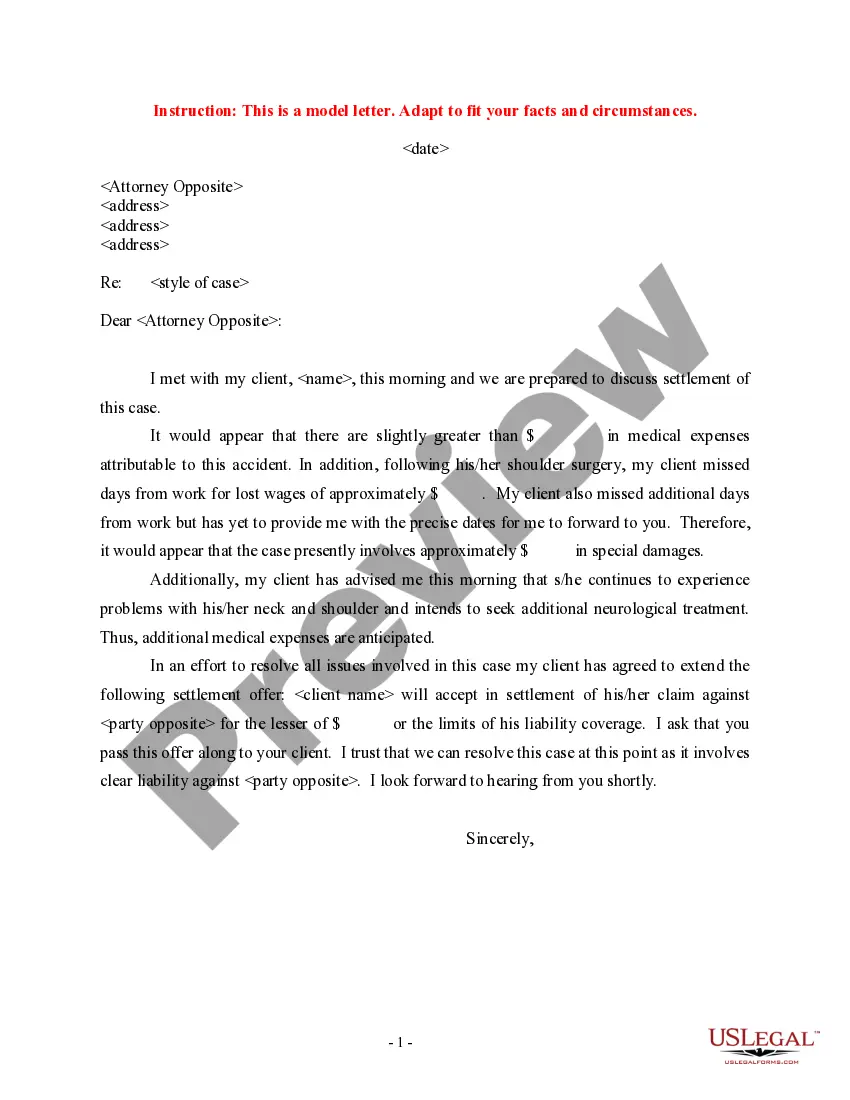
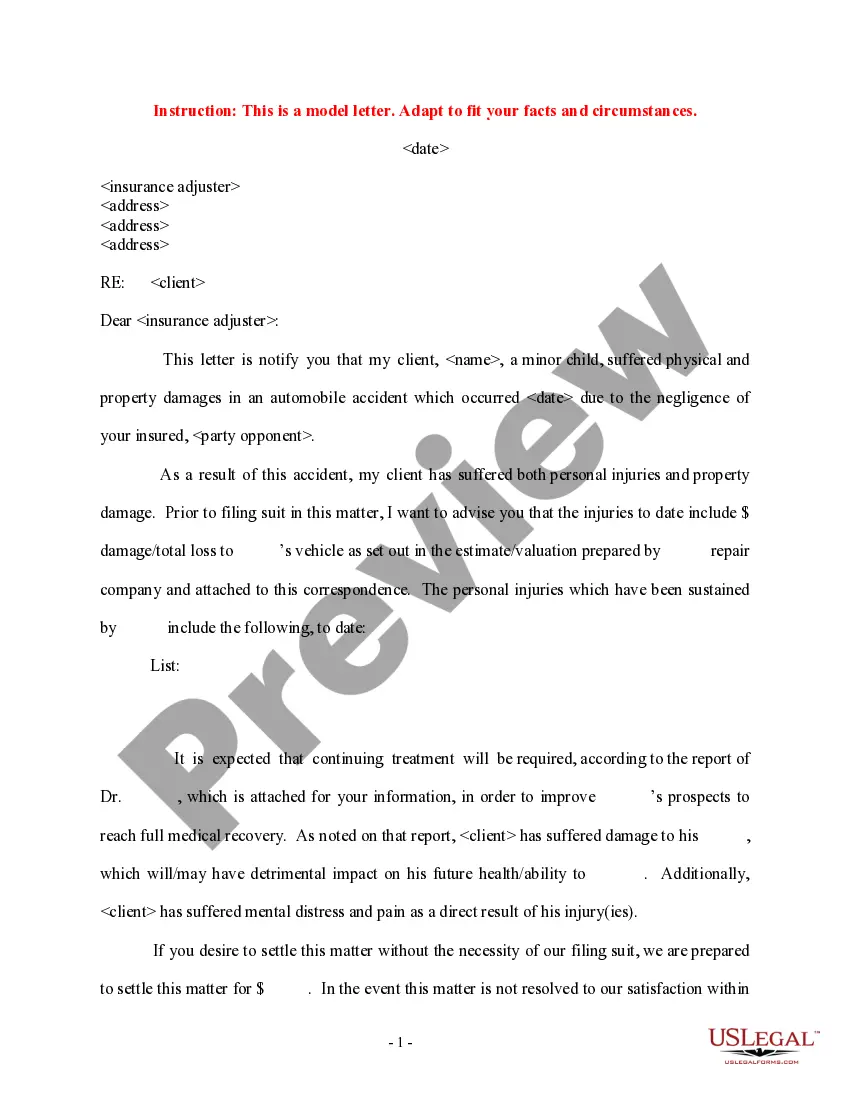
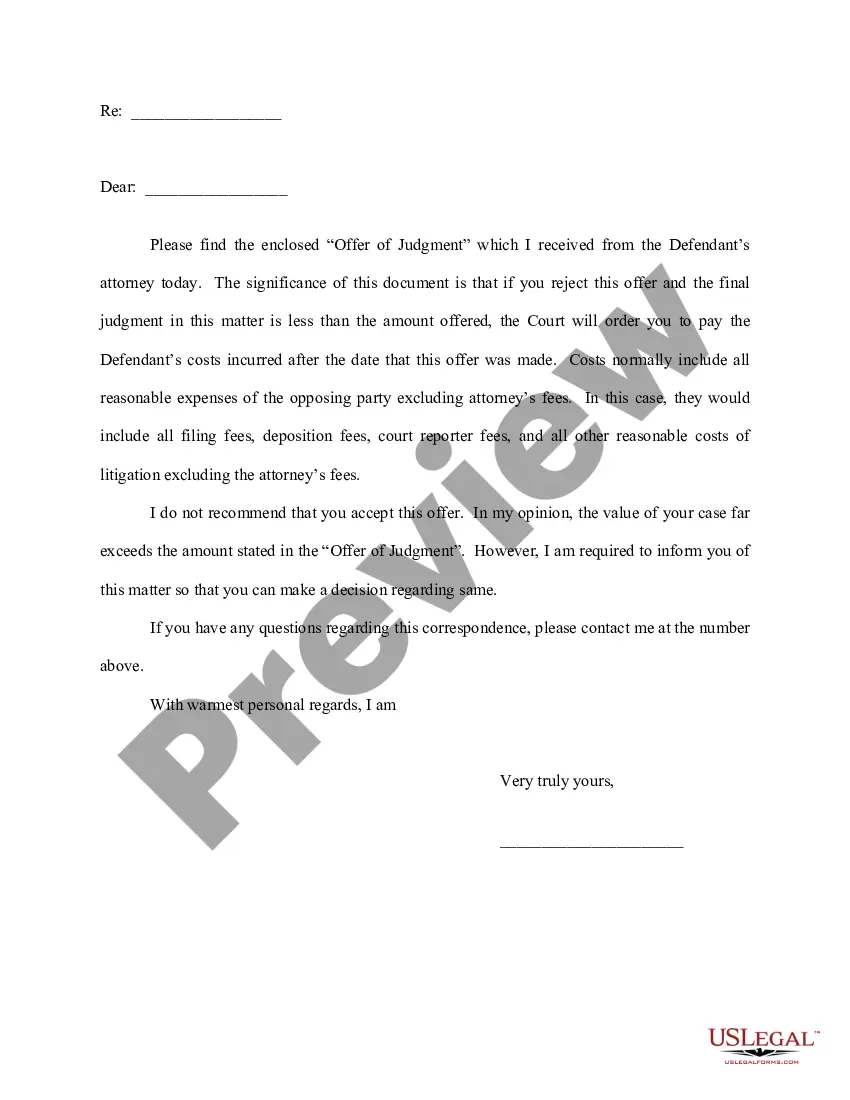
Pennsylvania Sample Letter to Client regarding Defendant's Offer of Judgment
Description

Get your form ready online
Our built-in tools help you complete, sign, share, and store your documents in one place.
Make edits, fill in missing information, and update formatting in US Legal Forms—just like you would in MS Word.
Download a copy, print it, send it by email, or mail it via USPS—whatever works best for your next step.
Sign and collect signatures with our SignNow integration. Send to multiple recipients, set reminders, and more. Go Premium to unlock E-Sign.
If this form requires notarization, complete it online through a secure video call—no need to meet a notary in person or wait for an appointment.
We protect your documents and personal data by following strict security and privacy standards.

Make edits, fill in missing information, and update formatting in US Legal Forms—just like you would in MS Word.

Download a copy, print it, send it by email, or mail it via USPS—whatever works best for your next step.

Sign and collect signatures with our SignNow integration. Send to multiple recipients, set reminders, and more. Go Premium to unlock E-Sign.

If this form requires notarization, complete it online through a secure video call—no need to meet a notary in person or wait for an appointment.

We protect your documents and personal data by following strict security and privacy standards.
Looking for another form?



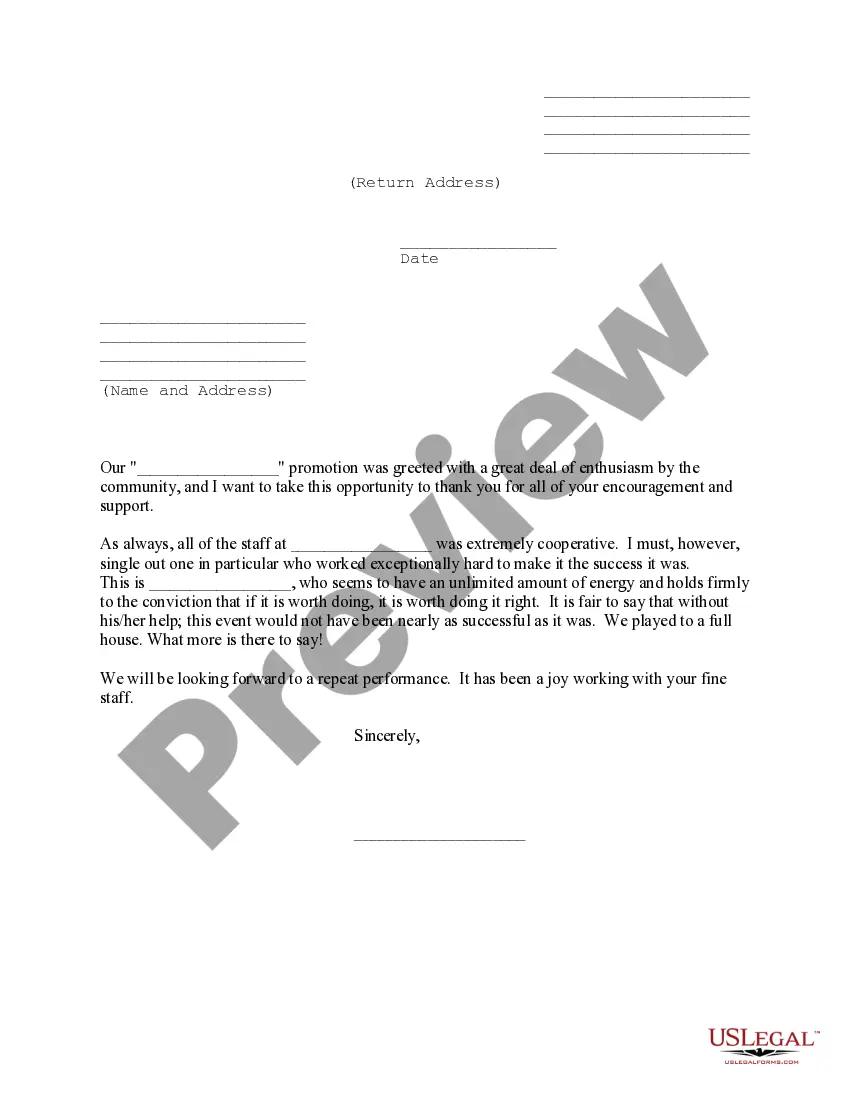
How to fill out Sample Letter To Client Regarding Defendant's Offer Of Judgment?
Discovering the right legal document design can be a have a problem. Of course, there are plenty of web templates available on the net, but how would you find the legal form you want? Use the US Legal Forms internet site. The support provides a large number of web templates, for example the Pennsylvania Sample Letter to Client regarding Defendant's Offer of Judgment, that you can use for enterprise and personal demands. Every one of the types are checked by experts and fulfill federal and state requirements.
Should you be already listed, log in to your profile and click the Obtain option to have the Pennsylvania Sample Letter to Client regarding Defendant's Offer of Judgment. Use your profile to check throughout the legal types you have purchased previously. Proceed to the My Forms tab of your own profile and obtain an additional backup in the document you want.
Should you be a fresh end user of US Legal Forms, listed here are straightforward instructions so that you can comply with:
- Very first, make sure you have chosen the right form to your metropolis/region. It is possible to check out the shape while using Review option and read the shape information to make certain this is the best for you.
- In the event the form is not going to fulfill your preferences, make use of the Seach industry to obtain the appropriate form.
- When you are certain the shape is acceptable, select the Buy now option to have the form.
- Choose the costs program you desire and type in the necessary information and facts. Build your profile and buy the order making use of your PayPal profile or credit card.
- Opt for the submit formatting and download the legal document design to your system.
- Complete, edit and print out and indicator the acquired Pennsylvania Sample Letter to Client regarding Defendant's Offer of Judgment.
US Legal Forms will be the biggest collection of legal types that you will find numerous document web templates. Use the service to download skillfully-manufactured paperwork that comply with status requirements.
Form popularity
FAQ
7068. The offer of judgment is a device to encourage settlement in that a party who refuses an offer of judgment, but does not receive a final judgment more favorable than the offer, will be assessed the costs incurred by the offer or after the making of the offer.
If the judgment that the offeree finally obtains is not more favorable than the unaccepted offer, the offeree must pay the costs incurred after the offer was made.
As the name suggests, a Rule 68 Offer of Judgment is, in fact, an offer permitting a plaintiff to accept and enter a judgment against a defendant on specified terms, subject to the court's approval of the settlement via Rule 68.
If, within 14 days after being served, the opposing party serves written notice accepting the offer, either party may then file the offer and notice of acceptance, plus proof of service. The clerk must then enter judgment.
Rule 68 provides that the defendant may serve on plaintiff an offer of judgment at any point up to fourteen days before trial. In the offer, the defendant must state that it will allow a judgment to be taken against it for a specific sum of money or on other specific terms, along with costs then accrued.
If the plaintiff either (1) declines the offer; or (2) fails to respond to the offer by the deadline, then the offer is considered withdrawn. A withdrawn offer does not preclude the defendant from making a subsequent offer.
If, within 14 days after being served, the opposing party serves written notice accepting the offer, either party may then file the offer and notice of acceptance, plus proof of service. The clerk must then enter judgment.
For example, if a defendant issues a written offer of judgment of $30,000 and the plaintiff chooses to let that offer lapse and to go to trial, the plaintiff must receive a judgment in excess of $30,000 to avoid having to pay the defendant's court costs.