Pennsylvania Order for Hearing - Family Name Change
Understanding this form
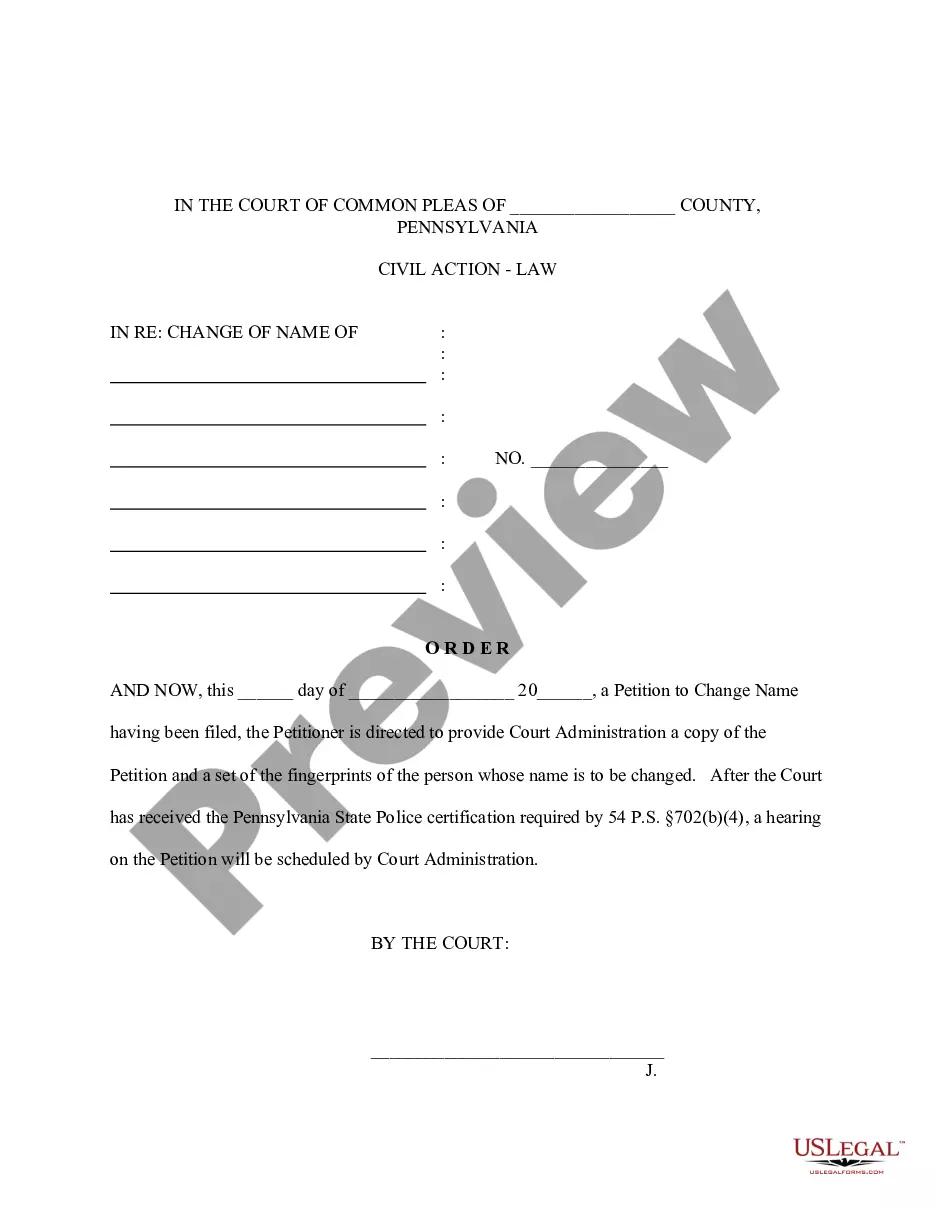
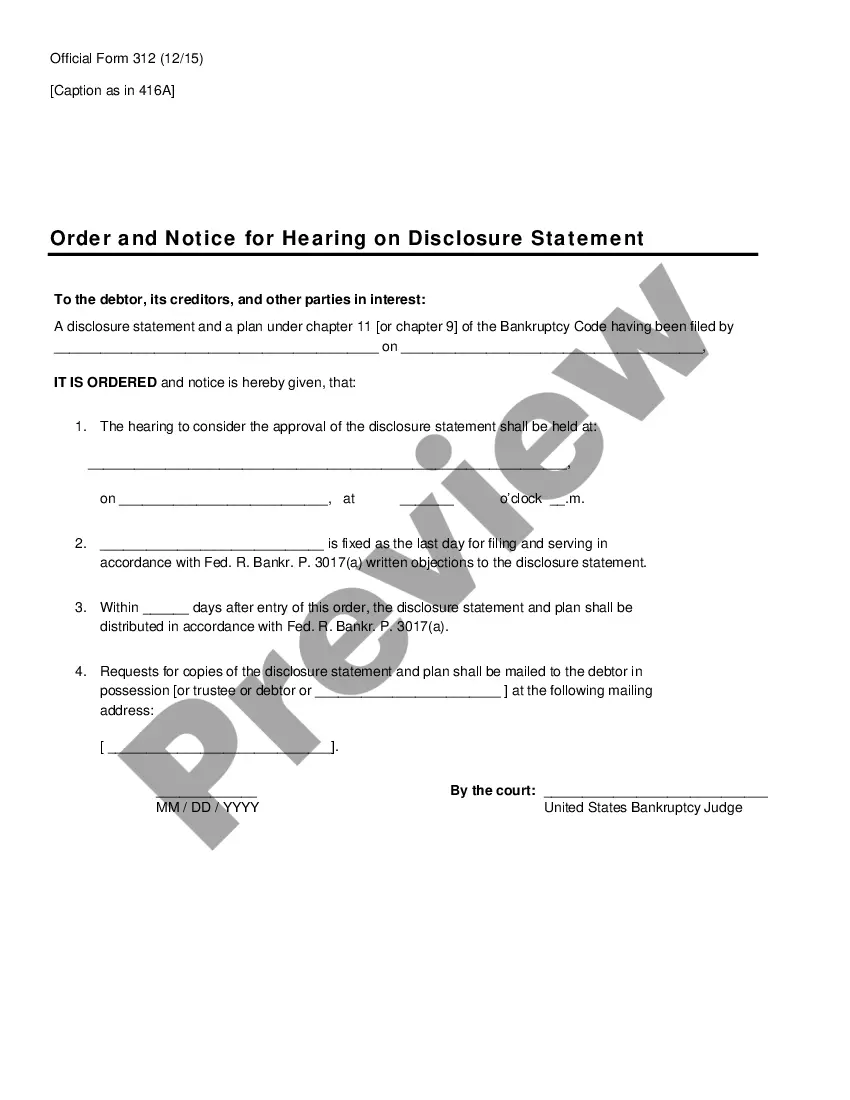
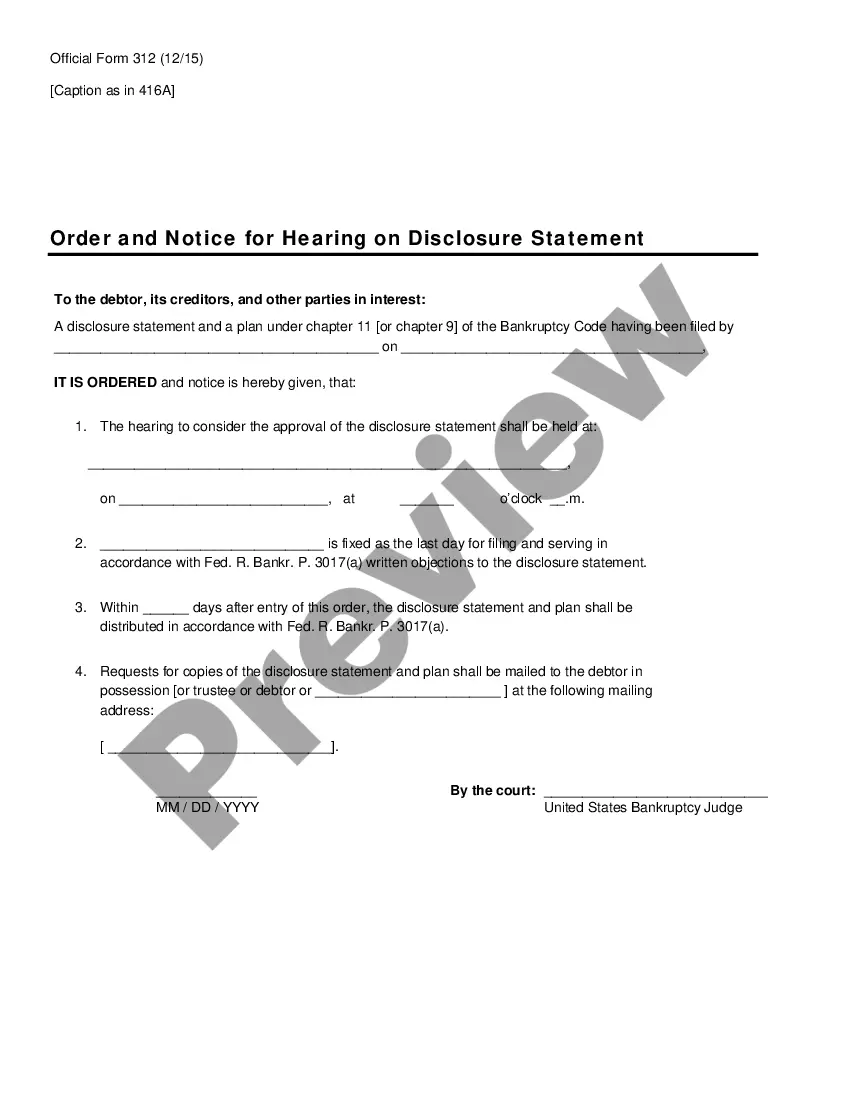
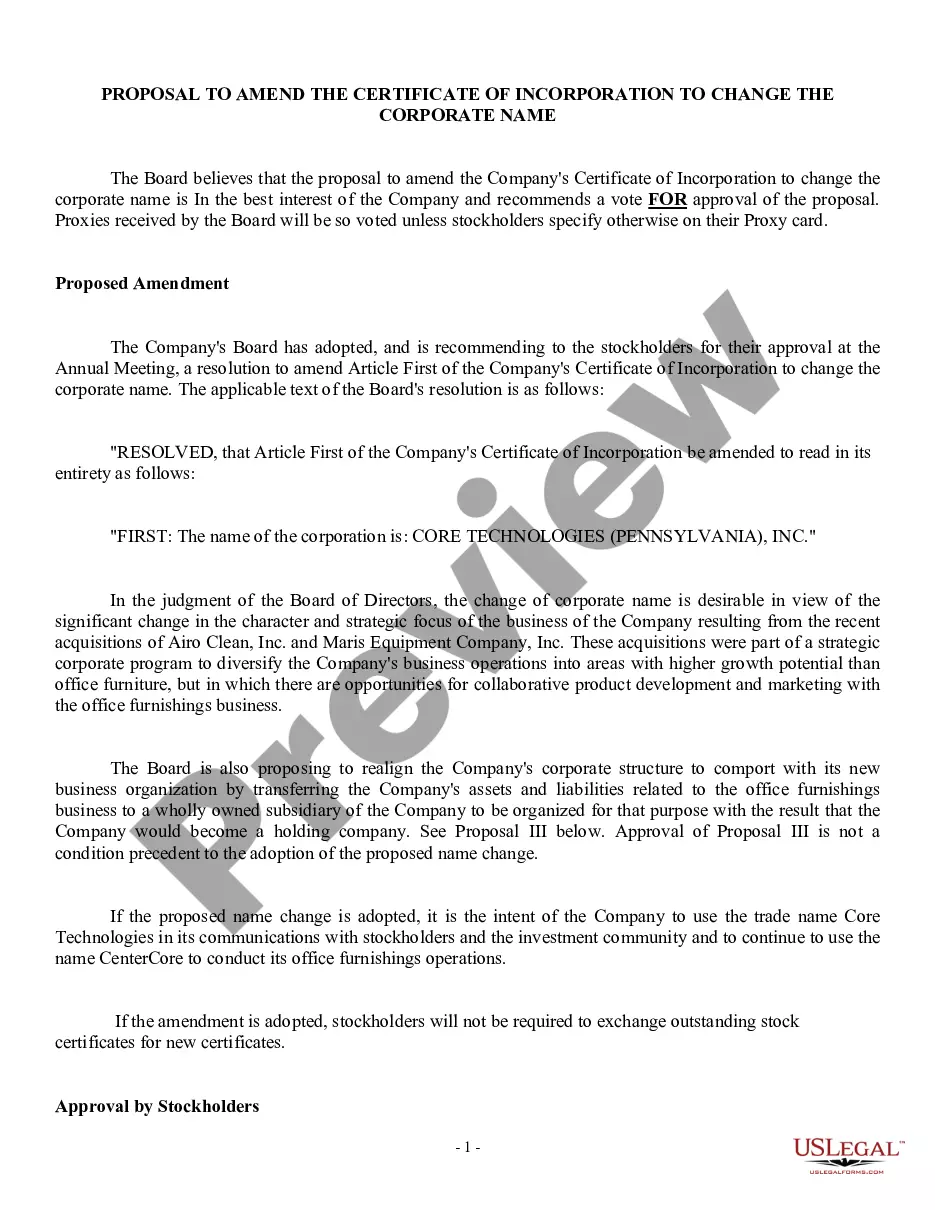
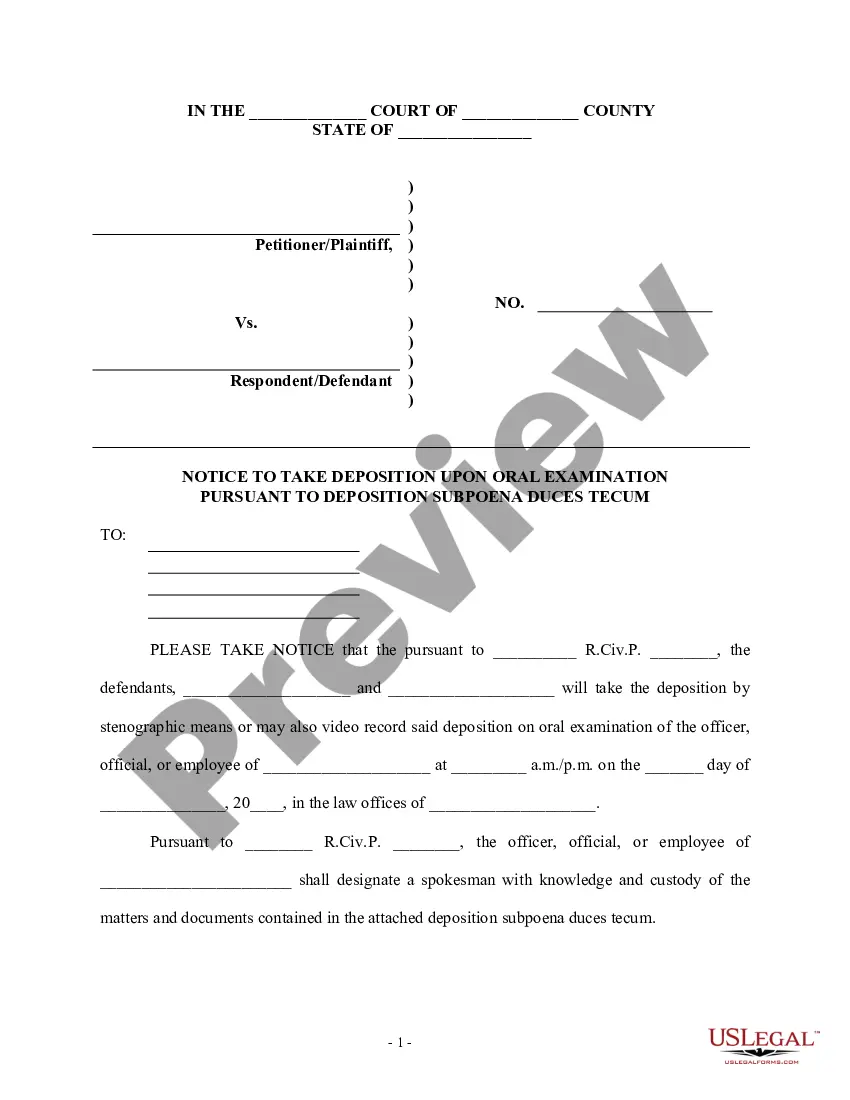
The Order for Hearing - Family Name Change is a legal document that officially sets a hearing date for an individual's request to change their name within a family context. This form is essential for ensuring that the name change request is presented formally in court and is different from other name change forms that may not require a hearing. It helps outline the case for the name change, providing the necessary framework for legal proceedings.
What’s included in this form
- Court information: Contains details about the court where the hearing will take place.
- Petitioner's information: Personal details of the individual requesting the name change.
- Date and time of hearing: Specifies when the court will review the name change request.
- Signature line: Where the petitioner signs to affirm the request for the hearing.
- Notice directive: Instructions regarding notifying interested parties about the hearing.

When this form is needed
This form is necessary when an individual wishes to legally change their name for reasons such as marriage, divorce, gender transition, or personal preference. It is used when the individual needs the name change to be recognized by a court, particularly in situations involving minors or when the name change affects legal documents and records.
Intended users of this form
- Individuals seeking to change their last name as part of a family name change.
- Parents wishing to change their child's surname.
- Individuals undergoing a legal name change related to marriage or divorce.
- Petitioners needing to legally affirm their request through the court system.
Instructions for completing this form
- Identify the court where the hearing will take place and fill in the court name and location.
- Provide your full legal name and contact information as the petitioner.
- Specify the desired name you wish to adopt after the name change.
- Enter the proposed date and time of the hearing.
- Sign the document to affirm and validate your request for a name change hearing.
Notarization guidance
This form does not typically require notarization unless specified by local law. Always check your jurisdictionâs regulations to ensure compliance.
Get your form ready online
Our built-in tools help you complete, sign, share, and store your documents in one place.
Make edits, fill in missing information, and update formatting in US Legal Forms—just like you would in MS Word.
Download a copy, print it, send it by email, or mail it via USPS—whatever works best for your next step.
Sign and collect signatures with our SignNow integration. Send to multiple recipients, set reminders, and more. Go Premium to unlock E-Sign.
If this form requires notarization, complete it online through a secure video call—no need to meet a notary in person or wait for an appointment.
We protect your documents and personal data by following strict security and privacy standards.

Make edits, fill in missing information, and update formatting in US Legal Forms—just like you would in MS Word.

Download a copy, print it, send it by email, or mail it via USPS—whatever works best for your next step.

Sign and collect signatures with our SignNow integration. Send to multiple recipients, set reminders, and more. Go Premium to unlock E-Sign.

If this form requires notarization, complete it online through a secure video call—no need to meet a notary in person or wait for an appointment.

We protect your documents and personal data by following strict security and privacy standards.
Common mistakes
- Failing to provide complete and accurate personal information.
- Not specifying the correct court for the hearing.
- Missing the hearing date or time, which may delay the process.
- Overlooking the requirement to notify other parties involved.
Advantages of online completion
- Convenience: Access and complete the form at any time without the need for in-person visits.
- Editability: Easily make changes to your information before finalizing the document.
- Reliability: Use legal forms drafted by licensed attorneys, ensuring compliance with legal standards.
Key takeaways
- The Order for Hearing - Family Name Change sets a legal hearing date for name change requests.
- Accurate completion of the form is crucial to avoid delays.
- This form simplifies the process by providing a clear framework for your name change in court.
Looking for another form?




Form popularity
FAQ
Attach a copy of the child's birth certificate and official fingerprints to the Petition; publish notice of the name change; and. give notice to the other parent.
Attach a copy of the child's birth certificate and official fingerprints to the Petition; publish notice of the name change; and. give notice to the other parent.
Marriage or Divorce Sometimes, when parents divorce, if one parent is awarded the majority of custody, they may choose to change the child's last name.This could be the last name of one of the parents, a hyphenated last name, or even a name that represents the combining of the two last names.
If you have sole parental responsibility, you will be able to change your child's name without anyone else's consent or a Court approval. You will still need to seek legal advice from a solicitor to make a formal deed to change their name.
There is no cost. It is free to change the last name of a child during the course of a Family Court proceeding. There is, however, a $65 fee for filing for a name change in Civil Court and a $210 fee for Supreme Court.
There is a small fee for the forms and filing. The fee varies from $5.00 to $8.00. A name change is not so simple when an adult wishes to have his/her given name or surname changed for a reason other than divorce.
There is a small fee for the forms and filing. The fee varies from $5.00 to $8.00. A name change is not so simple when an adult wishes to have his/her given name or surname changed for a reason other than divorce.
The Court will schedule a hearing for your Name Change. That hearing will be about 6-8 weeks after you file the Petition. Almost always, you get your judge-signed Court Order on the hearing date. Some courts take longer than that because of cutbacks and scheduling problems.
If there is only one (1) parent petitioning for the name change of their child, they must get the other parent's consent. The same goes for if none of the parents are filing the petition. Have the parent(s) fill out the Consent Form and sign it in front of a notary public.