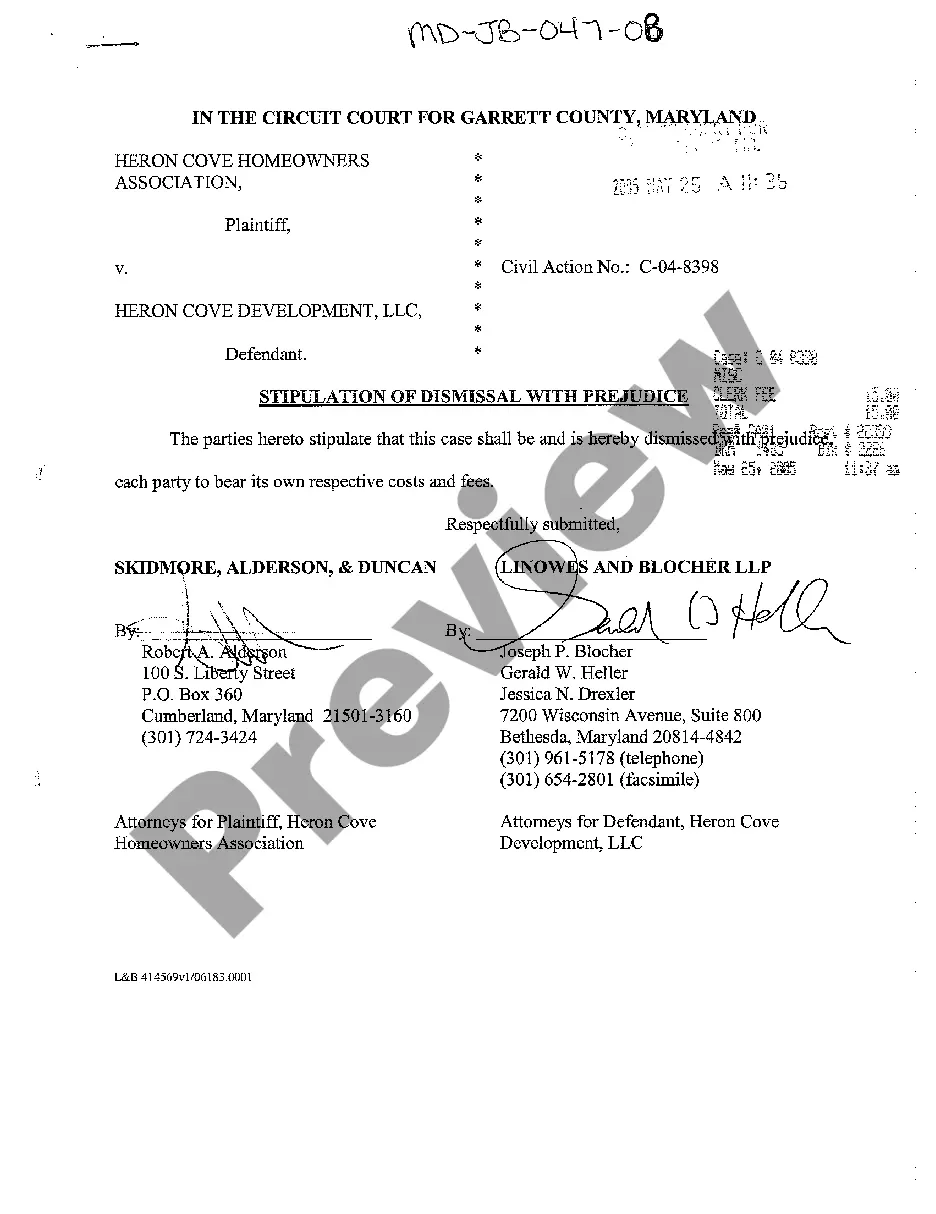
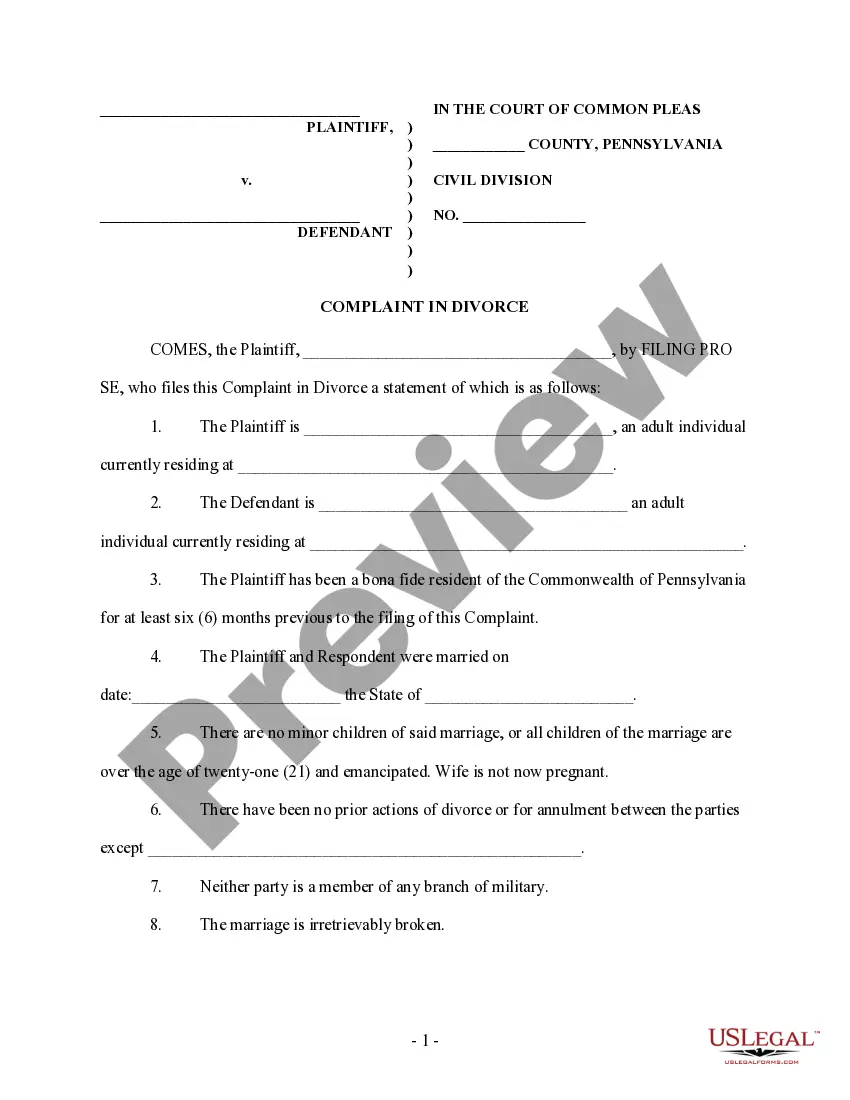
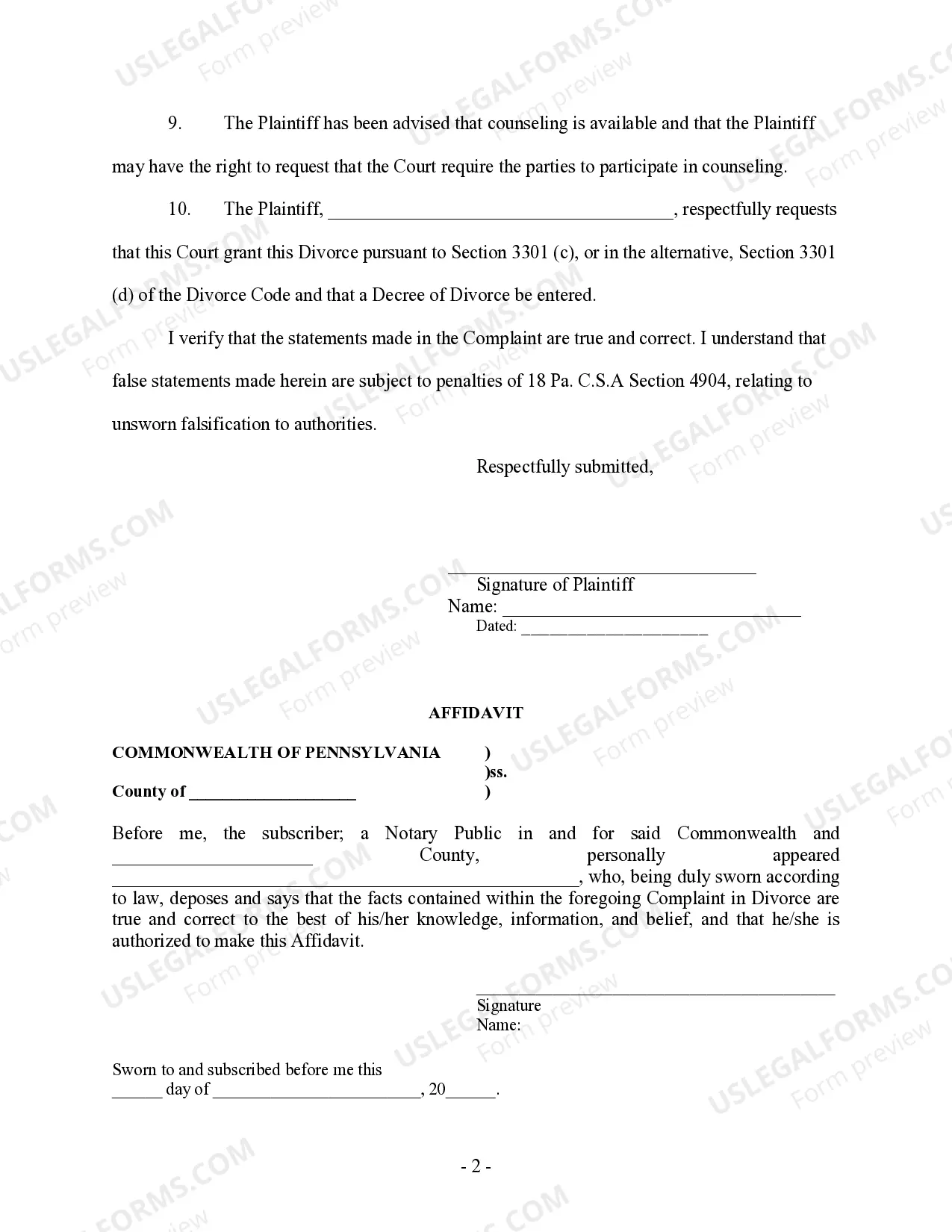
Pennsylvania Complaint for Divorce - Adult Children
Description

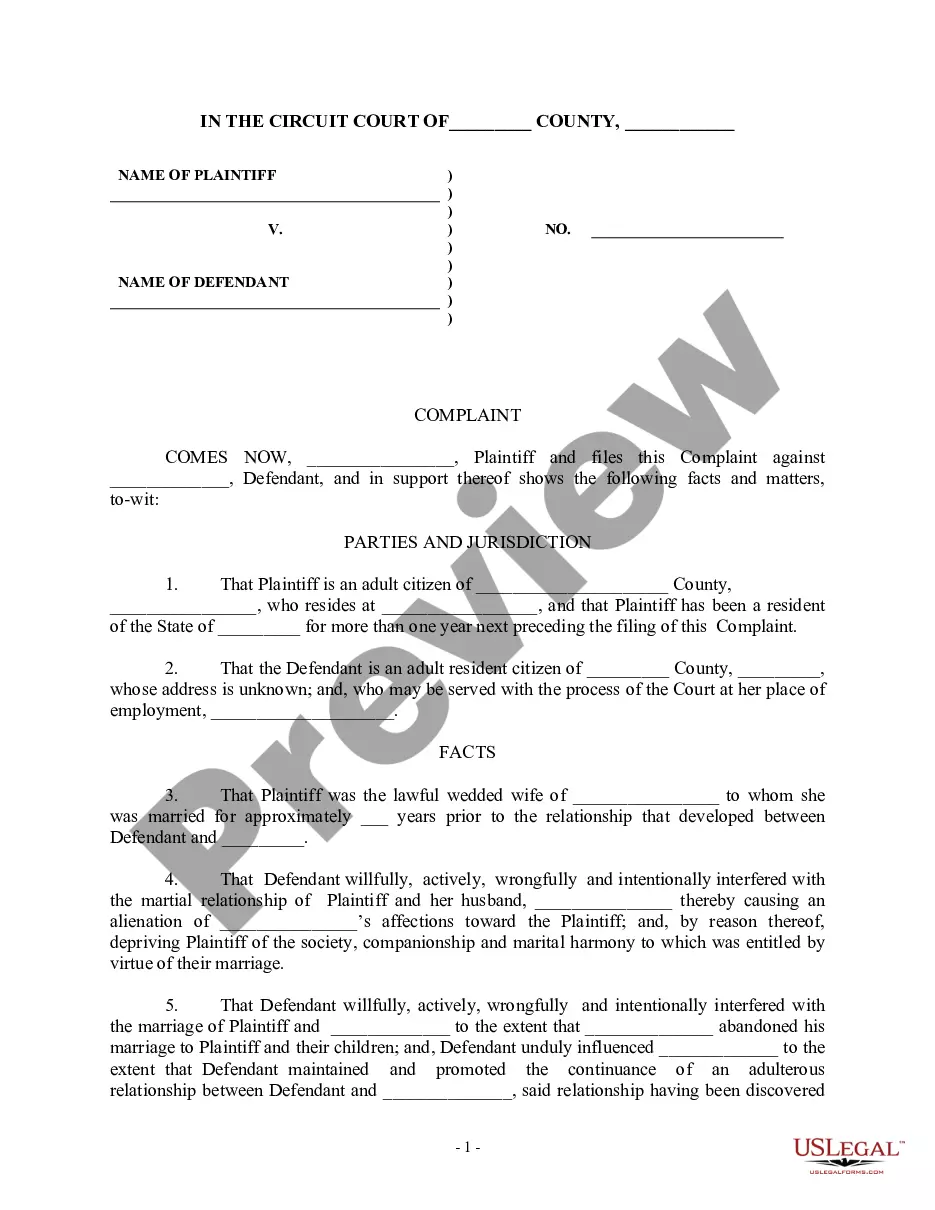
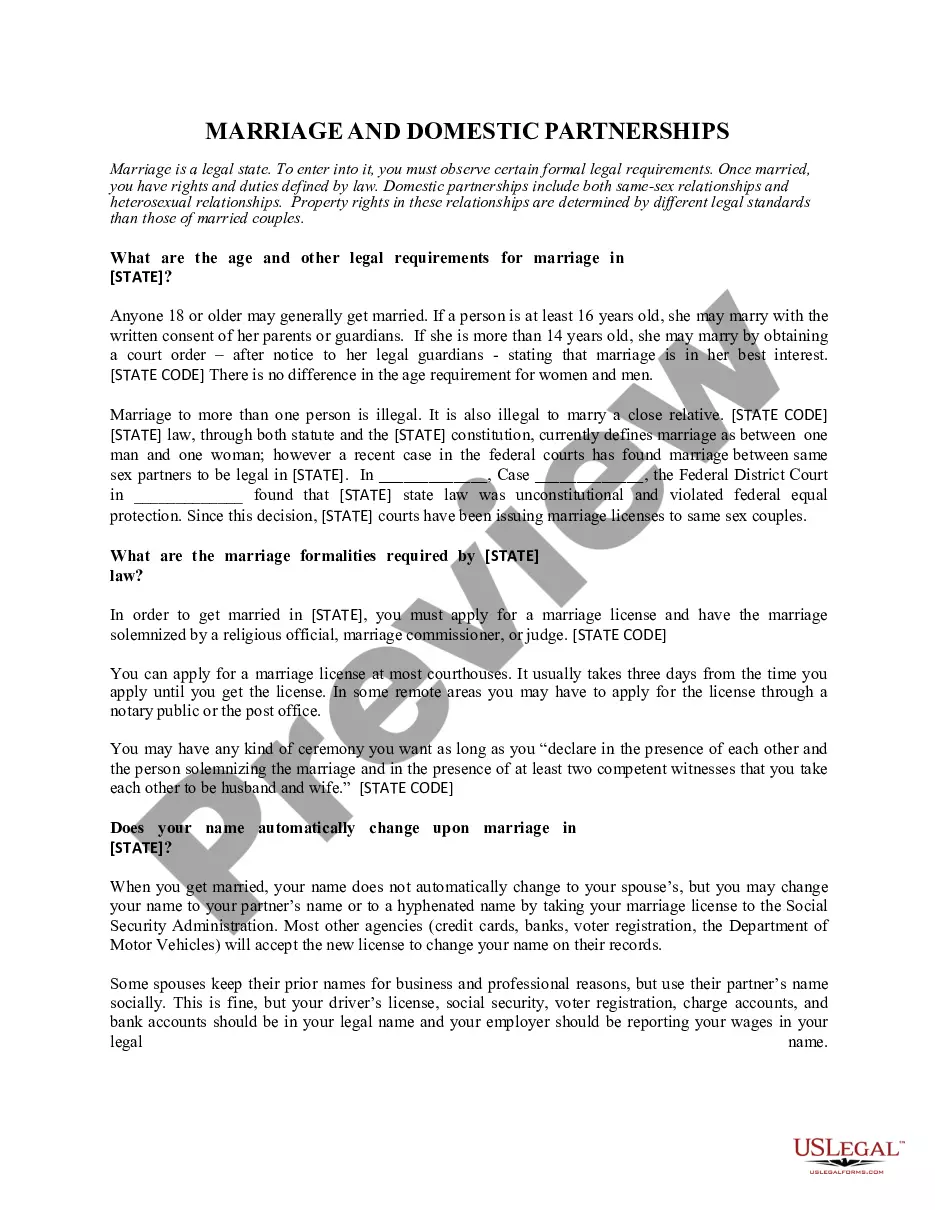
Get your form ready online
Our built-in tools help you complete, sign, share, and store your documents in one place.
Make edits, fill in missing information, and update formatting in US Legal Forms—just like you would in MS Word.
Download a copy, print it, send it by email, or mail it via USPS—whatever works best for your next step.
Sign and collect signatures with our SignNow integration. Send to multiple recipients, set reminders, and more. Go Premium to unlock E-Sign.
If this form requires notarization, complete it online through a secure video call—no need to meet a notary in person or wait for an appointment.
We protect your documents and personal data by following strict security and privacy standards.

Make edits, fill in missing information, and update formatting in US Legal Forms—just like you would in MS Word.

Download a copy, print it, send it by email, or mail it via USPS—whatever works best for your next step.

Sign and collect signatures with our SignNow integration. Send to multiple recipients, set reminders, and more. Go Premium to unlock E-Sign.

If this form requires notarization, complete it online through a secure video call—no need to meet a notary in person or wait for an appointment.

We protect your documents and personal data by following strict security and privacy standards.
Looking for another form?
How to fill out Pennsylvania Complaint For Divorce - Adult Children?
The work with documents isn't the most uncomplicated process, especially for people who almost never work with legal paperwork. That's why we recommend making use of correct Pennsylvania Complaint for Divorce - Adult Children samples created by skilled lawyers. It allows you to stay away from problems when in court or handling official institutions. Find the documents you need on our website for high-quality forms and exact information.
If you’re a user having a US Legal Forms subscription, just log in your account. Once you are in, the Download button will automatically appear on the file webpage. Right after getting the sample, it will be saved in the My Forms menu.
Customers with no an activated subscription can quickly get an account. Make use of this brief step-by-step guide to get your Pennsylvania Complaint for Divorce - Adult Children:
- Make certain that file you found is eligible for use in the state it is required in.
- Verify the document. Use the Preview option or read its description (if available).
- Buy Now if this file is what you need or go back to the Search field to find another one.
- Choose a suitable subscription and create your account.
- Make use of your PayPal or credit card to pay for the service.
- Download your file in a preferred format.
Right after doing these simple steps, it is possible to complete the form in a preferred editor. Double-check filled in info and consider requesting a legal professional to examine your Pennsylvania Complaint for Divorce - Adult Children for correctness. With US Legal Forms, everything becomes much simpler. Test it now!
Form popularity
FAQ
A spouse is entitled to alimony only if the court decides that alimony is necessary. To decide whether alimony is necessary, how much should be paid, and how long it should be paid, the court must consider many factors including but not limited to the relative income and earning capacities of the parties, the ages
At divorce, community property is generally divided equally between the spouses, while each spouse keeps his or her separate property. Equitable distribution. In all other states, assets and earnings accumulated during marriage are divided equitably (fairly), but not necessarily equally.
There's no minimum length of time that a spouse has to be married in order for alimony to apply. While the length of the marriage is an important factor in the alimony statute, it's one of 17 factors that the court will consider.
In a perfect world, separated and divorcing spouses in Pennsylvania would not start dating until their divorce was final, but that's easier said than done.If you start seeing someone else before you and your spouse decide to divorce or before you physically separate, it is considered adultery.
Pennsylvania divides marital property under the theory of equitable distribution.Community property states attempt a 50-50 distribution, as best as possible. Equitable distribution states divide property based on a determination of what's fair under the circumstances of each case.
In a Pennsylvania divorce, the court divides marital property on an equitable basis. However, this does not necessarily mean that the court will evenly split property between the two spouses. Rather, the judge presiding over the case will split up the property in a way that he or she deems fair.
When Both Individuals Live in Pennsylvania If both you and your partner currently reside within the state, there is no true advantage to filing first. Even if you file first, the case will usually be held at the Court of Common Pleas in the defendant's county, or the county where you married, by default.