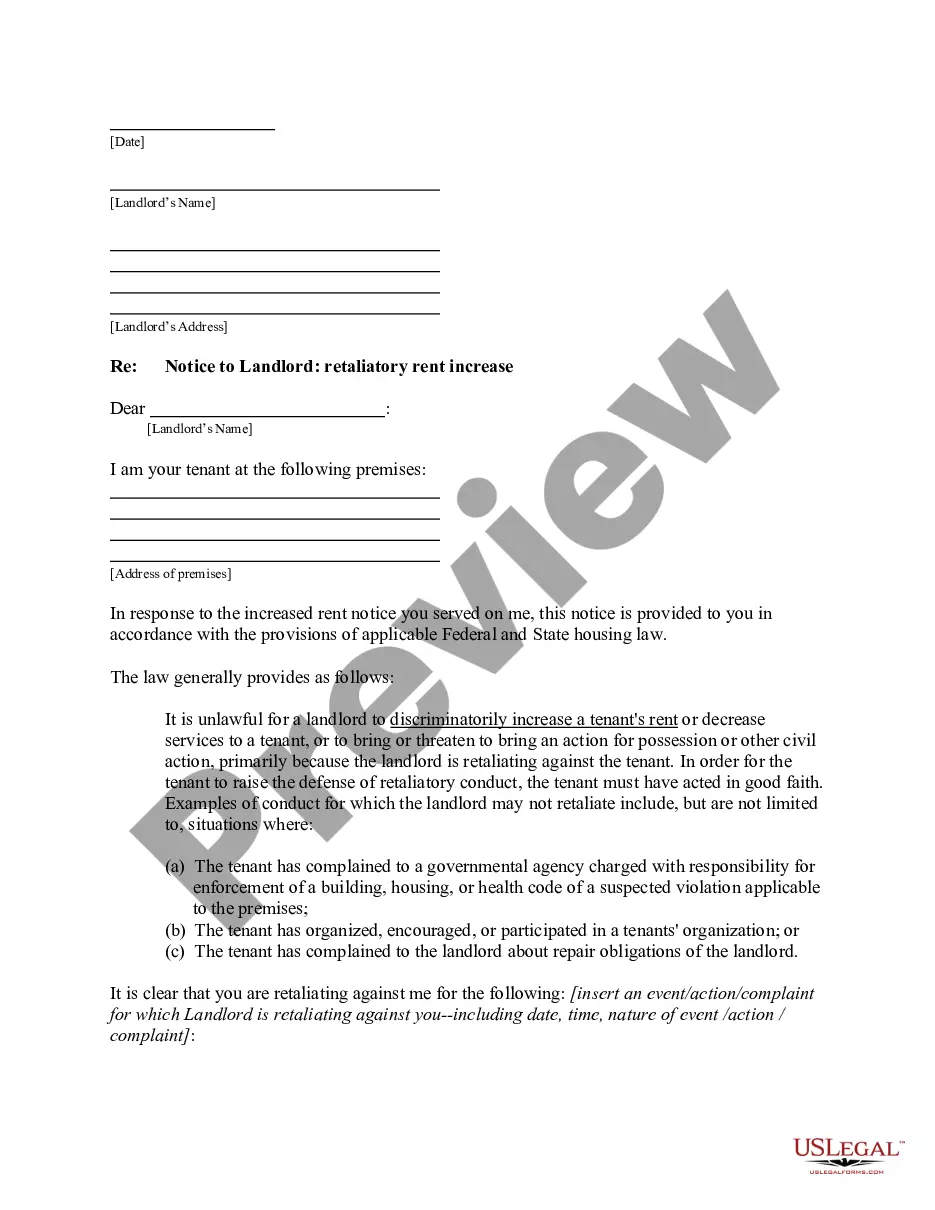
Pennsylvania Lien Claim - Individual
About this form
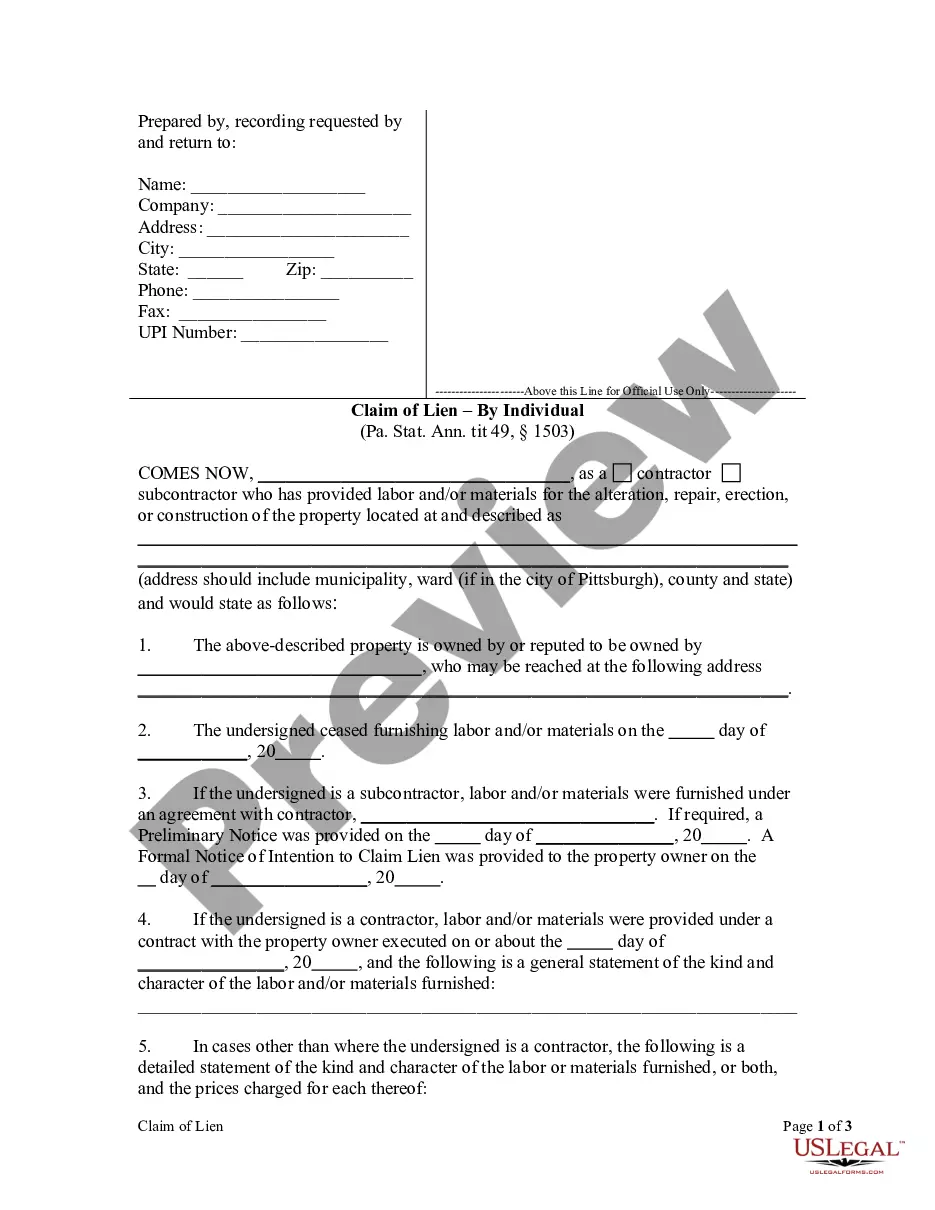
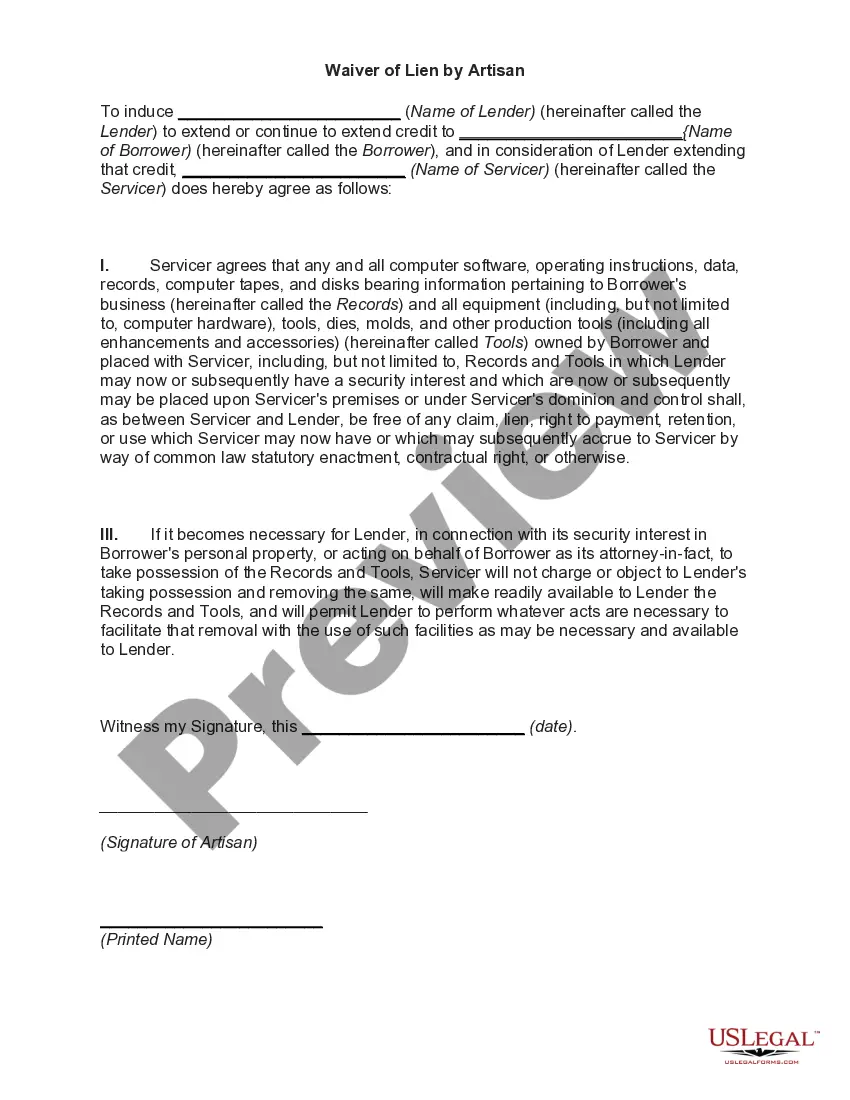
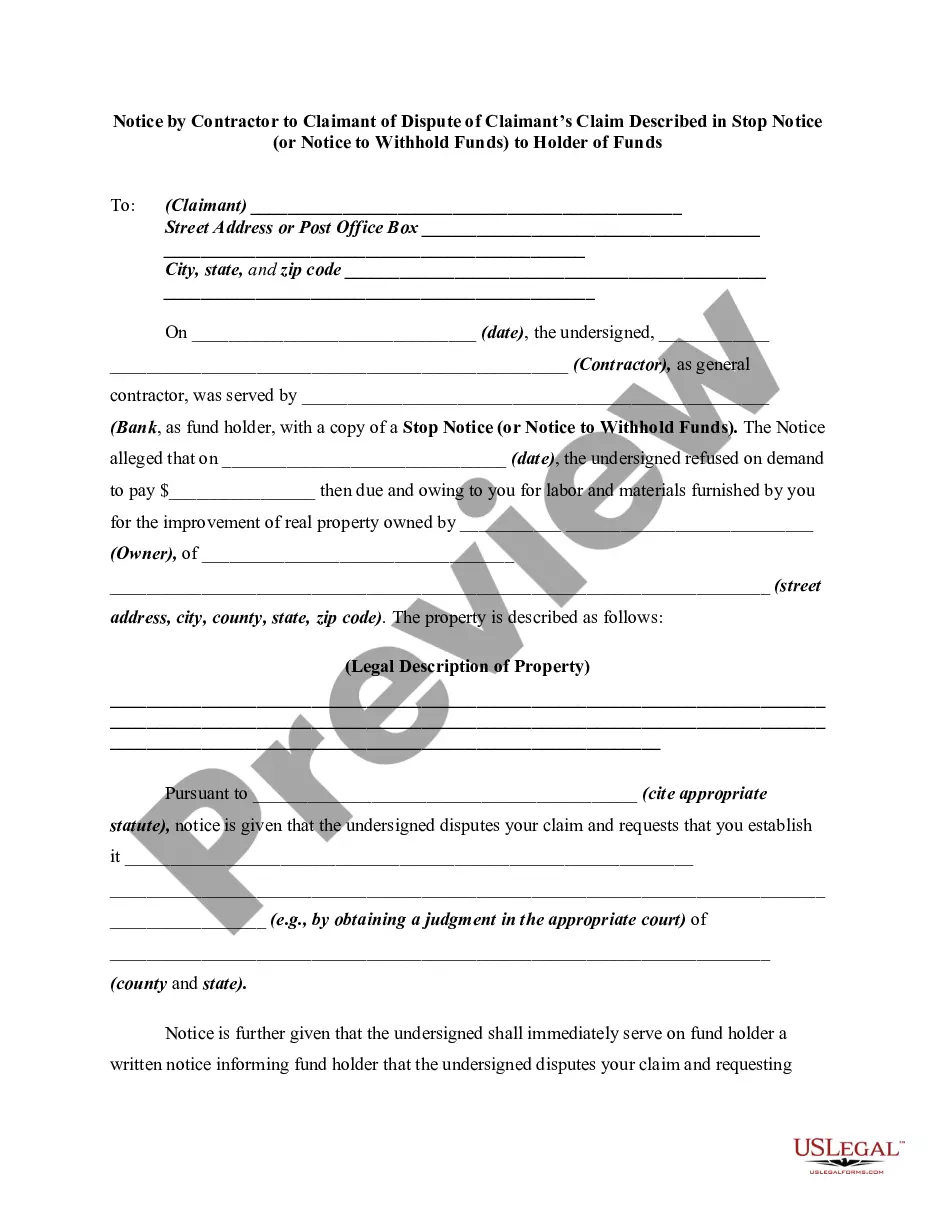
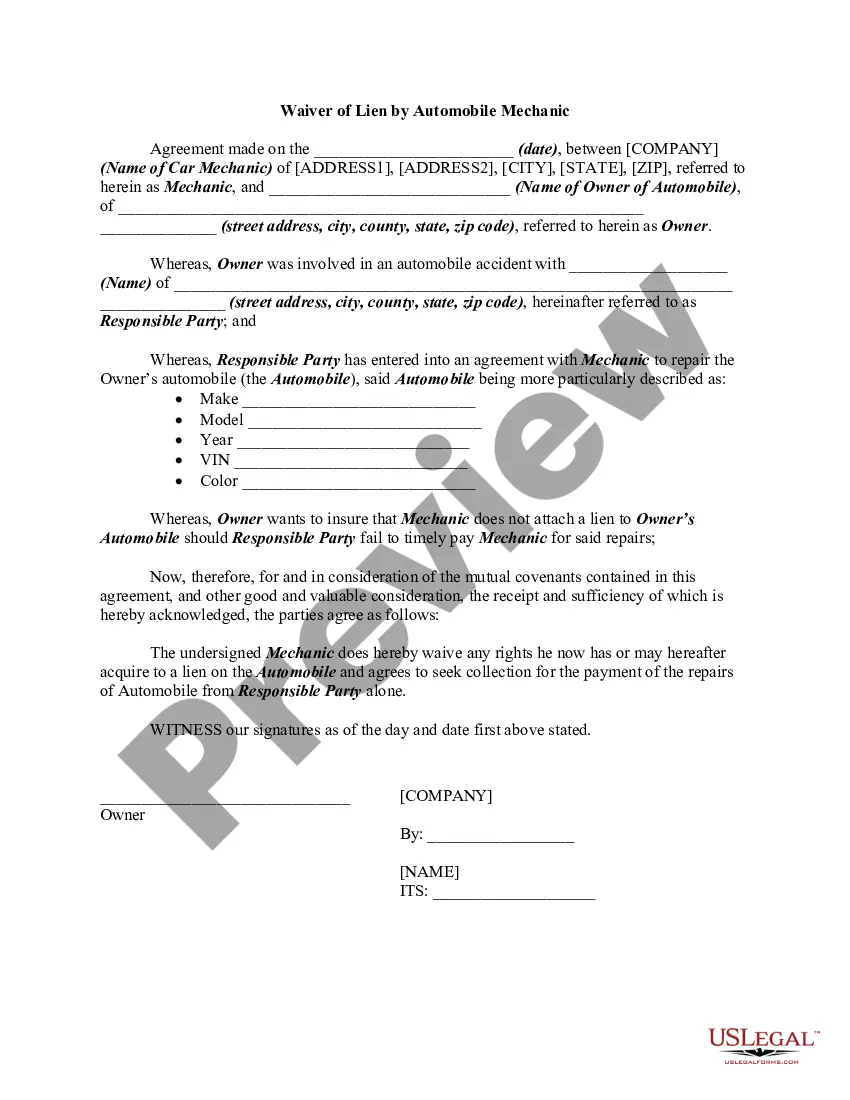
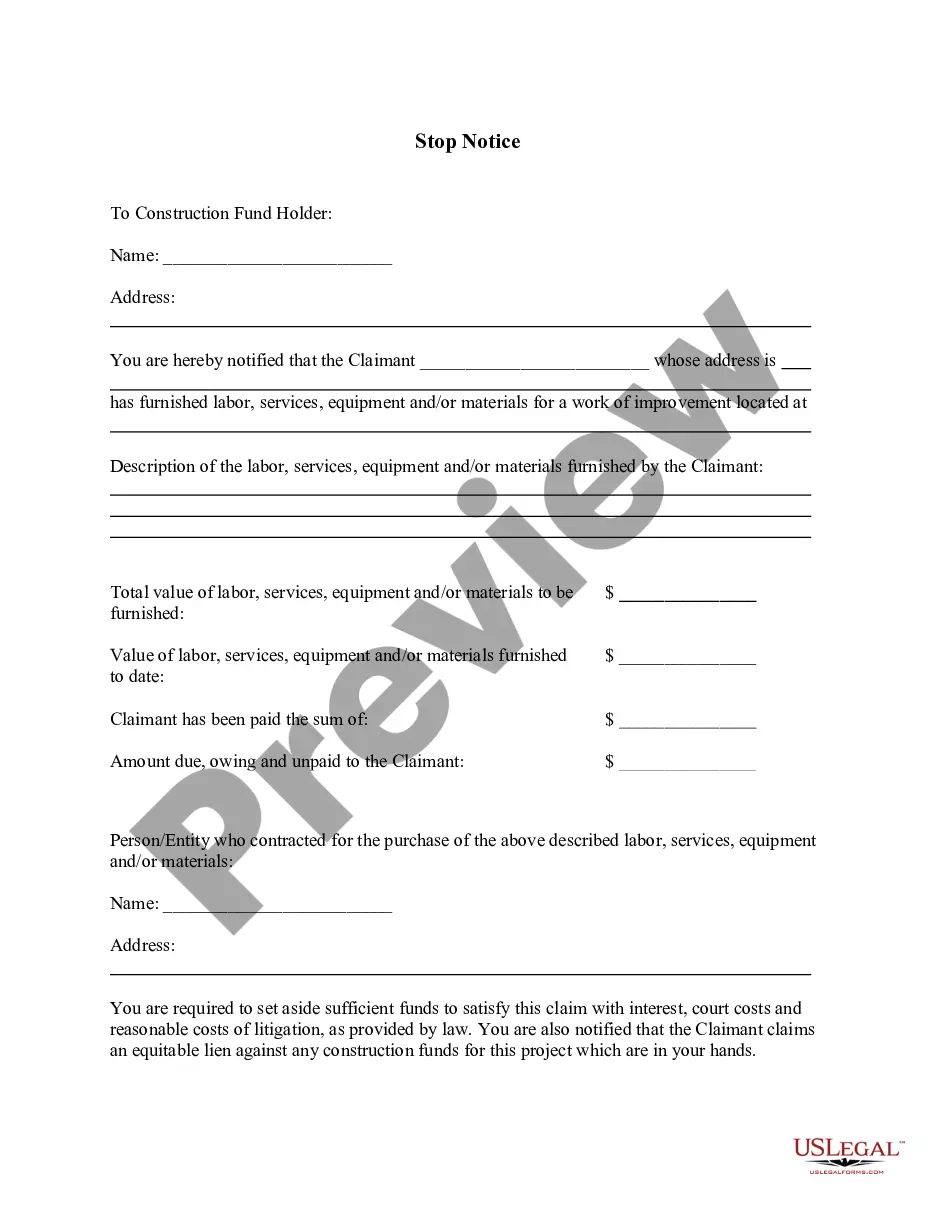
The Lien Claim - Individual form is a legal document used in Pennsylvania by contractors and subcontractors to assert a claim against a property for unpaid labor and materials. This form establishes a lien on the property, ensuring the contractor's right to payment. It is distinct from other lien forms as it specifically caters to individual contractors or subcontractors who have worked on the property in question.
Form components explained
- Contact details for the contractor or subcontractor, including name, address, and phone number.
- Property details, including the complete address and ownership information.
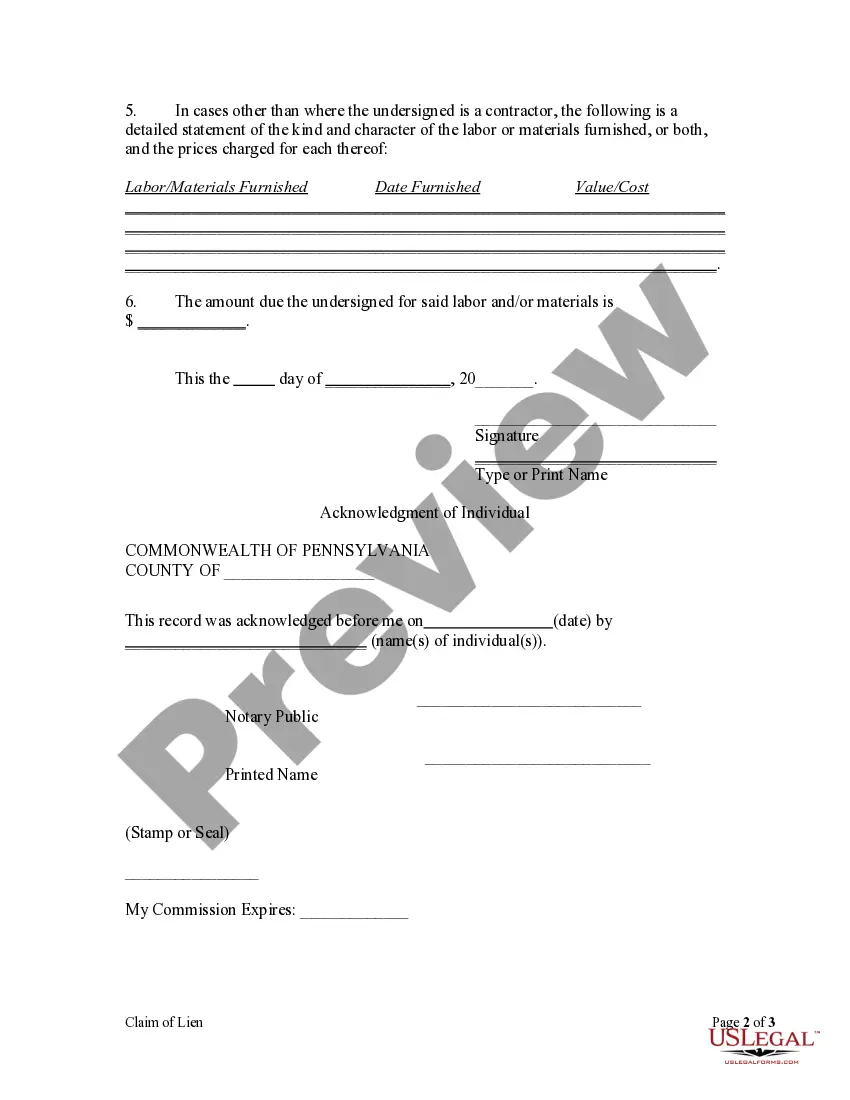
- A detailed statement outlining the labor and materials provided, including dates and costs.
- The amount owed for services rendered, specified clearly.
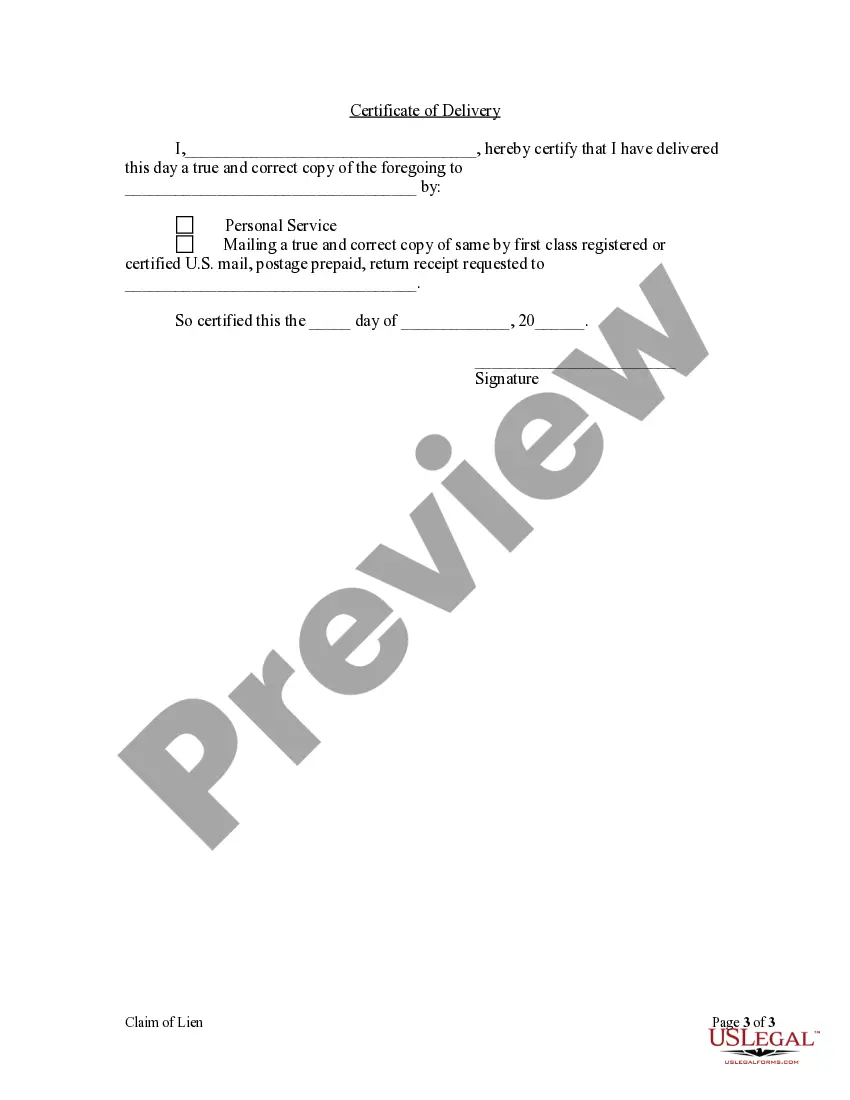
- Certification of delivery to the property owner, ensuring proper notice of the lien claim.
When this form is needed
This form should be used when a contractor or subcontractor has completed work on a property and has not received payment for their services. It is necessary to file the lien claim within four months of completing the work, and serve a notice to the property owner within one month. Failure to do so may result in losing the right to collect payment through the lien process.
Who this form is for
- Individual contractors who provided services for a construction project.
- Subcontractors who performed work or supplied materials for a project overseen by a general contractor.
- Any individual seeking to secure payment for labor or materials through a lien claim.
How to prepare this document
- Identify and enter your personal contact information as the contractor or subcontractor.
- Provide the full address of the property where work was conducted, including any relevant municipality or ward information.
- Detail the labor and materials provided, including dates and costs for each entry.
- Clearly state the total amount due for the labor and materials.
- Complete the certification of delivery section, ensuring you serve the notice correctly to the property owner.
Notarization guidance
This document requires notarization to meet legal standards. US Legal Forms provides secure online notarization powered by Notarize, allowing you to complete the process through a verified video call, available 24/7.
Get your form ready online
Our built-in tools help you complete, sign, share, and store your documents in one place.
Make edits, fill in missing information, and update formatting in US Legal Forms—just like you would in MS Word.
Download a copy, print it, send it by email, or mail it via USPS—whatever works best for your next step.
Sign and collect signatures with our SignNow integration. Send to multiple recipients, set reminders, and more. Go Premium to unlock E-Sign.
If this form requires notarization, complete it online through a secure video call—no need to meet a notary in person or wait for an appointment.
We protect your documents and personal data by following strict security and privacy standards.

Make edits, fill in missing information, and update formatting in US Legal Forms—just like you would in MS Word.

Download a copy, print it, send it by email, or mail it via USPS—whatever works best for your next step.

Sign and collect signatures with our SignNow integration. Send to multiple recipients, set reminders, and more. Go Premium to unlock E-Sign.

If this form requires notarization, complete it online through a secure video call—no need to meet a notary in person or wait for an appointment.

We protect your documents and personal data by following strict security and privacy standards.
Mistakes to watch out for
- Failing to file the lien claim within the four-month period.
- Not providing complete and accurate property information.
- Neglecting to serve the notice to the property owner within the required time frame.
- Inadequately detailing the costs of labor and materials.
Advantages of online completion
- Convenience of instant download and access from anywhere.
- Editability allows you to customize the form to your specific situation.
- Reliability of a legally vetted template crafted by licensed attorneys.
Looking for another form?
Form popularity
FAQ
Maximize the Homestead Exemption. Protect the Home with Tenancy by the Entirety. Implement an Equity Stripping Plan. Create a Domestic Asset Protection Trust (DAPT) Put the Home Title in the Low-Risk Spouse's Name. Purchase Umbrella Insurance.
The simplest way to prevent liens and ensure that subcontractors and suppliers are paid is to pay with joint checks. This is when both parties endorse the check. Compare the contractor's materials or labor bill to the schedule of payments in your contract and the Preliminary Notices.
Negotiate with the contractor who placed the lien (the "lienor" to remove it. Obtain a lien bond to discharge the lien, or. File a lawsuit to vacate the lien.
Fill out the Pennsylvania mechanics lien form. Fill out the PA lien form completely and accurately. File your lien claim with the county recorder. Serve a copy of the lien on the property owner.
A contractor's lien (often known as a mechanic's lien, or a construction lien) is a claim made by contractors or subcontractors who have performed work on a property, and have not yet been paid.After all, contractors would rather work out a deal than go through the hassle of filing a lien against your property.
Yes, absolutely. Starting work without a signed contract means that your position isn't clear, or even worse it's weak.It also means that the contract is legally enforceable and will be able to support you if you decide to take legal action.
2. States where the lien law doesn't require a written contract. In these states, contractors and suppliers are generally allowed to file a lien even if they don't have a written contract.These states typically permit parties with verbal, oral, or even implied contracts to claim lien rights.
First of all, you can sue your contractor for breach of contract, even without a written contract, and she can sue you as well.See Nolo's article, "Breach of Contract Cases in Small Claims Court," for more on this. However, an alleged oral contract does create difficult evidentiary questions for the judge.
Search the county recorder, clerk, or assessor's office website. All you need is the name of the owner and/or address to access the property records. Visit the recorder, assessor's, or county clerk's office in person. Contact a title company.