Pennsylvania Notice of Intent to Enforce Forfeiture Provisions of Contact for Deed
Description
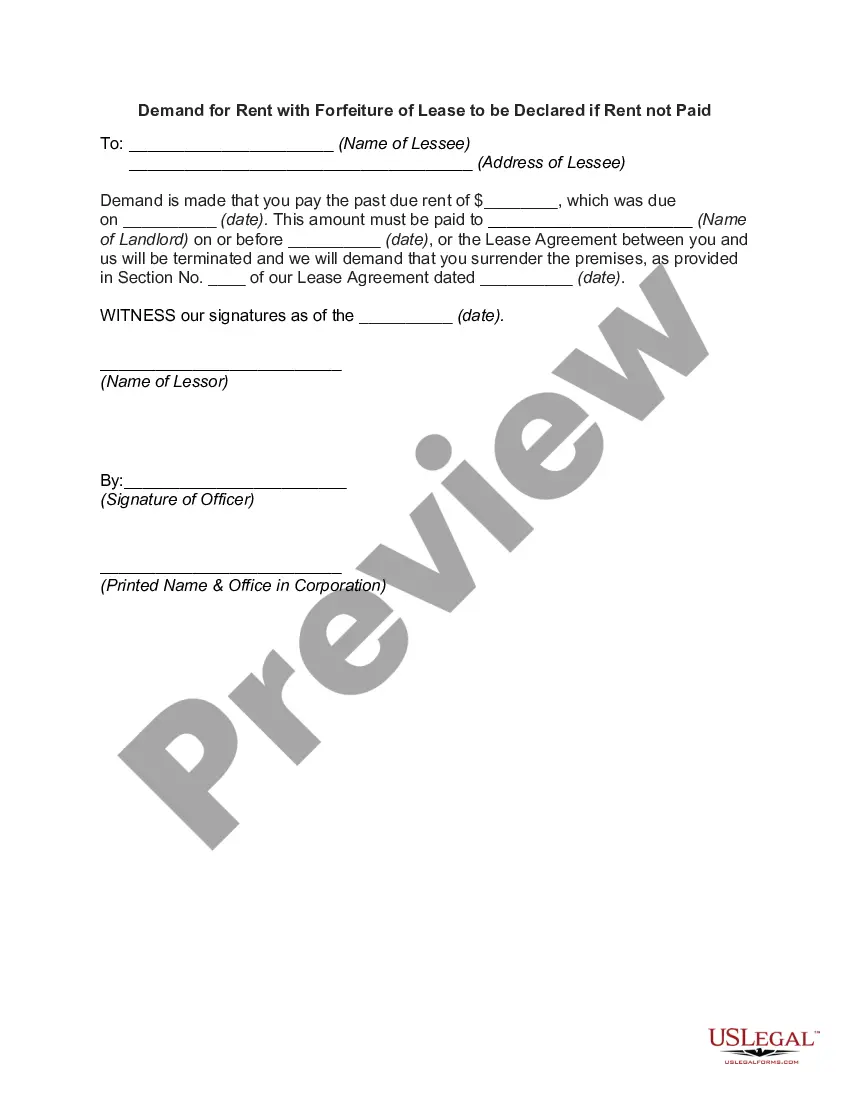
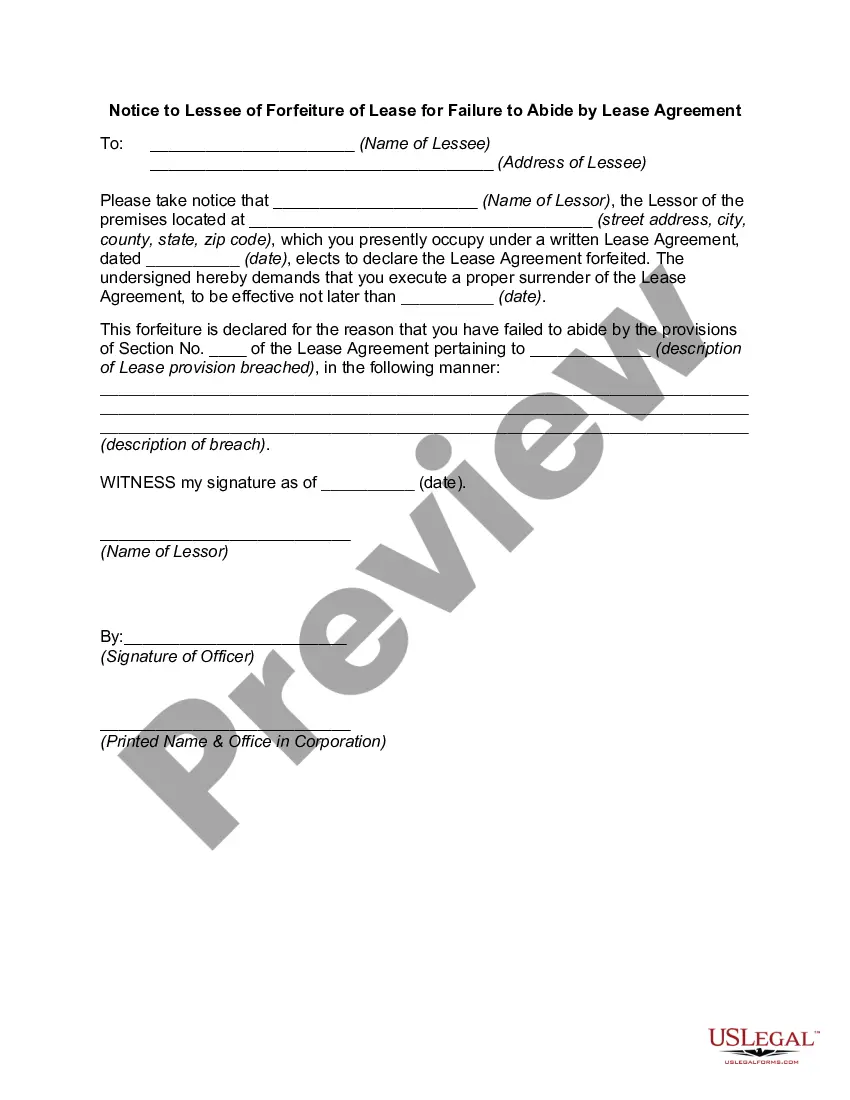
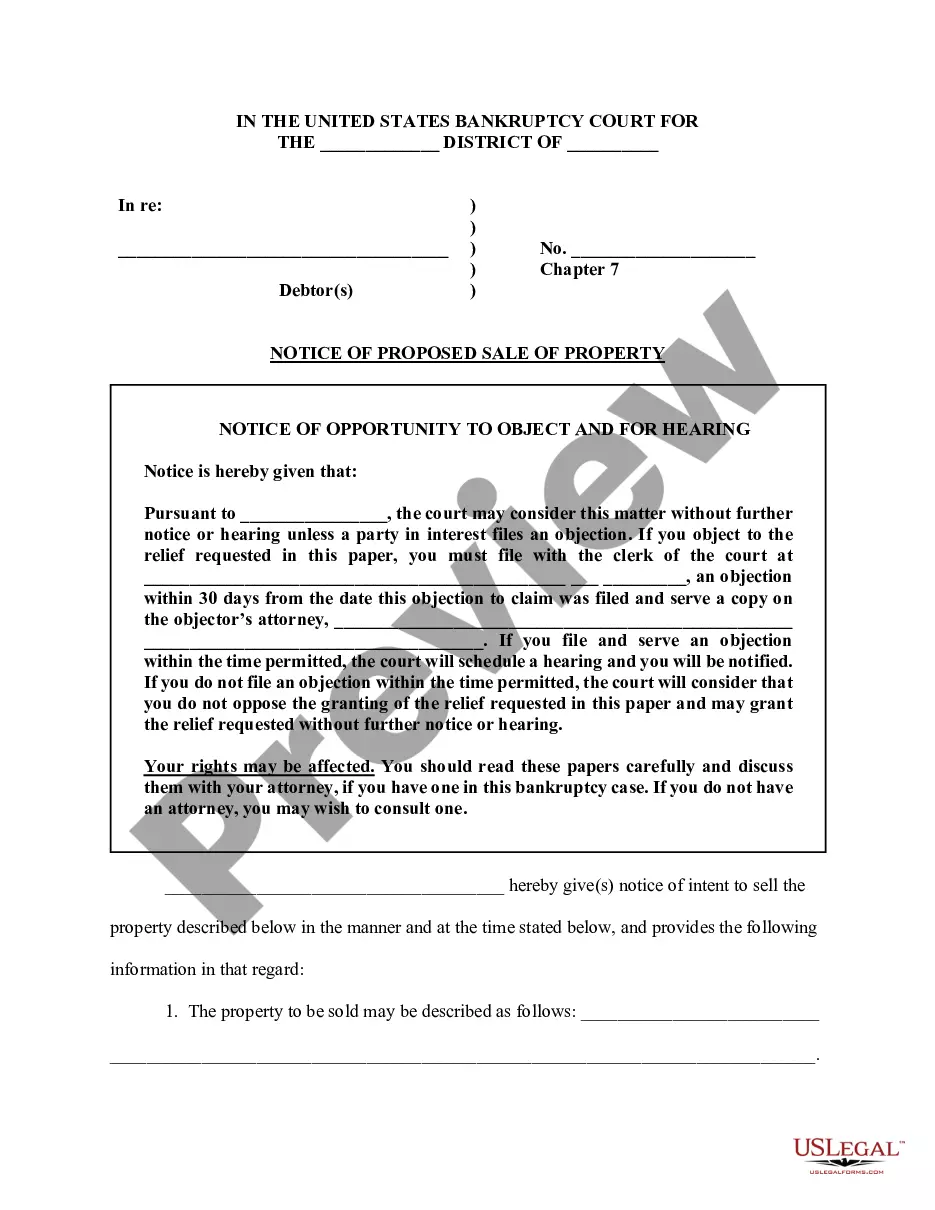
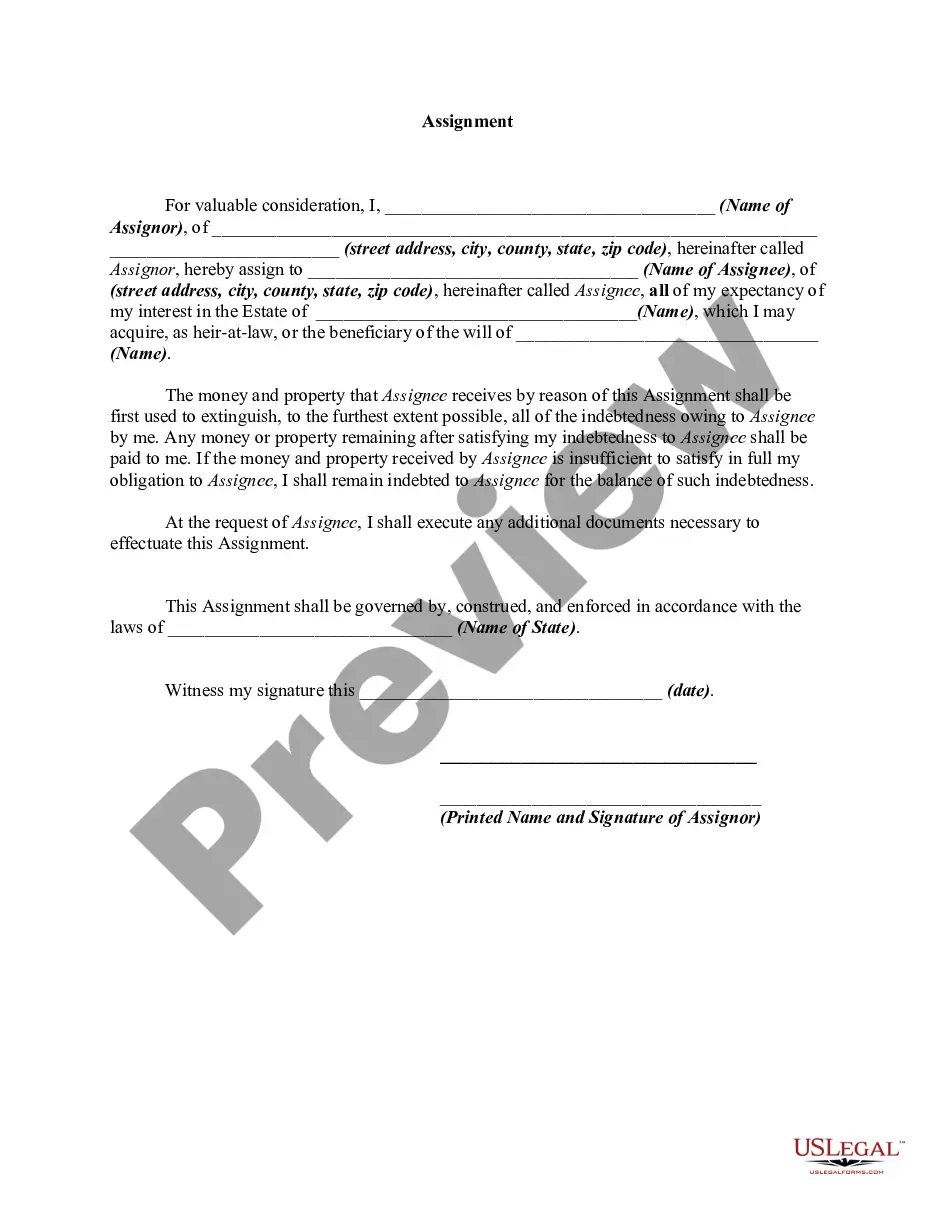
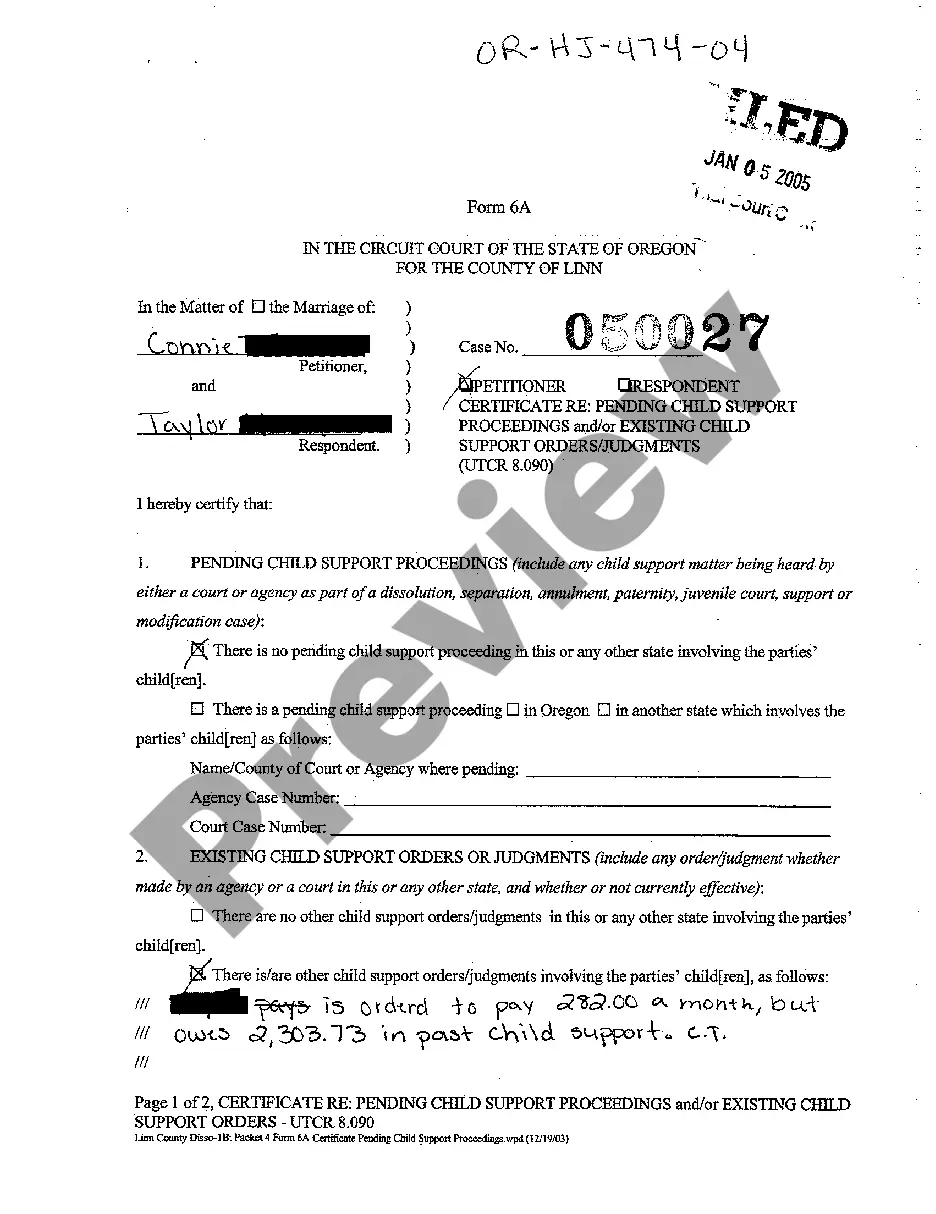

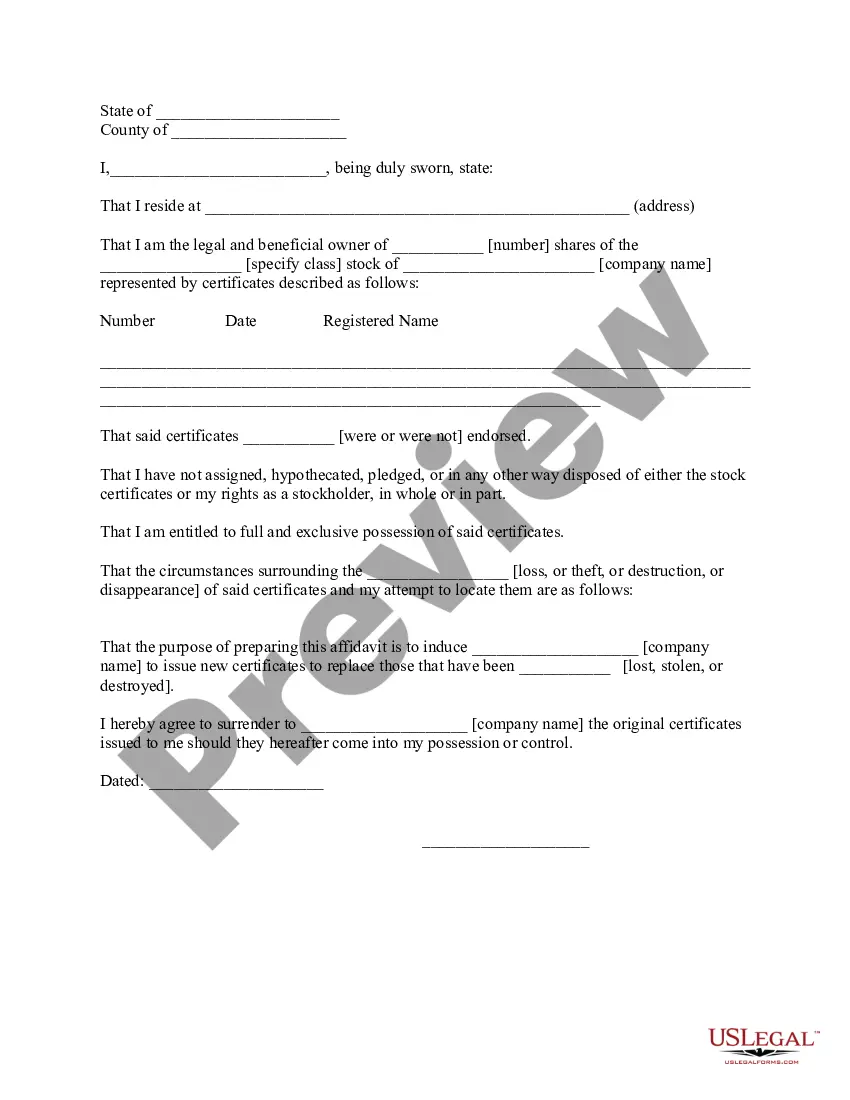
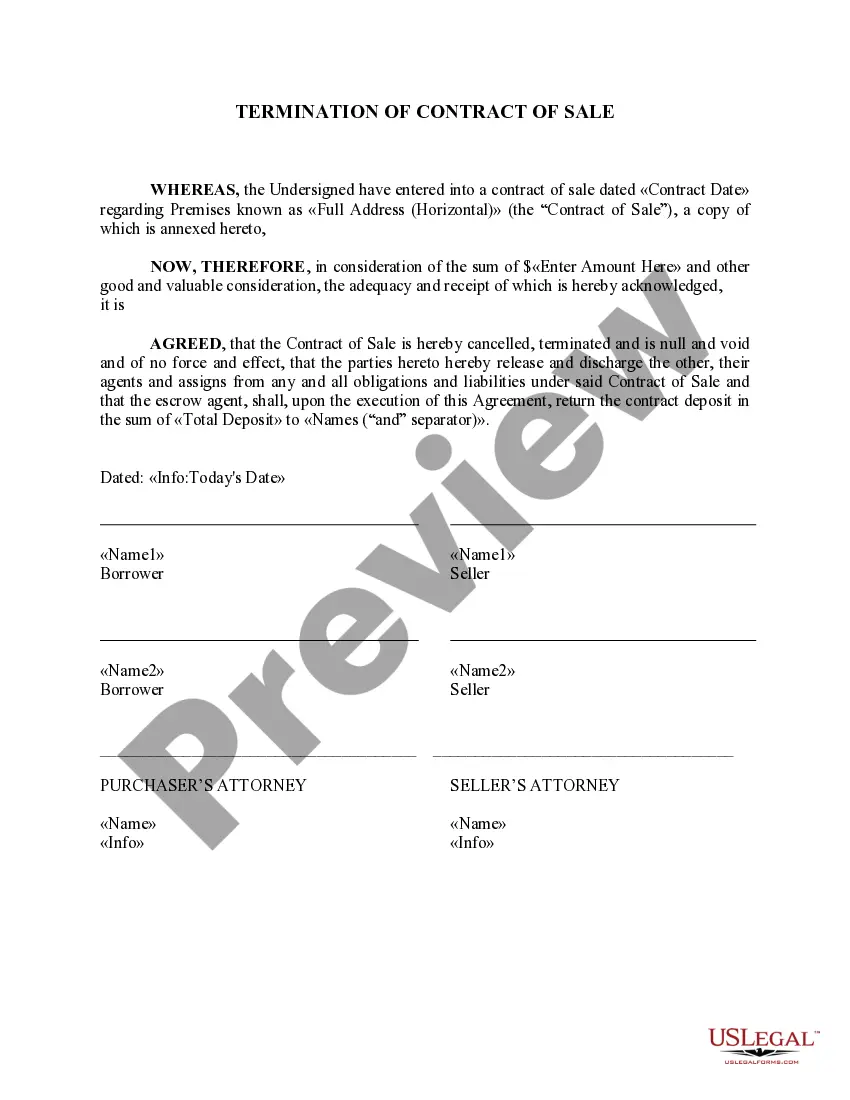

How to fill out Pennsylvania Notice Of Intent To Enforce Forfeiture Provisions Of Contact For Deed?
Use US Legal Forms to obtain a printable Pennsylvania Notice of Intent to Enforce Forfeiture Provisions of Contact for Deed. Our court-admissible forms are drafted and regularly updated by professional lawyers. Our’s is the most extensive Forms library on the web and provides reasonably priced and accurate templates for customers and lawyers, and SMBs. The templates are categorized into state-based categories and a few of them might be previewed prior to being downloaded.
To download templates, users need to have a subscription and to log in to their account. Press Download next to any template you need and find it in My Forms.
For individuals who do not have a subscription, follow the tips below to easily find and download Pennsylvania Notice of Intent to Enforce Forfeiture Provisions of Contact for Deed:
- Check to ensure that you have the right form in relation to the state it is needed in.
- Review the form by looking through the description and using the Preview feature.
- Hit Buy Now if it’s the template you need.
- Generate your account and pay via PayPal or by card|credit card.
- Download the form to the device and feel free to reuse it multiple times.
- Make use of the Search engine if you want to get another document template.
US Legal Forms offers thousands of legal and tax templates and packages for business and personal needs, including Pennsylvania Notice of Intent to Enforce Forfeiture Provisions of Contact for Deed. More than three million users have used our platform successfully. Select your subscription plan and get high-quality documents within a few clicks.
Form popularity
FAQ
Contact the other party and ask whether they are willing to negotiate the cancellation of the contract. Offer the other party an incentive to cancel the contract for deed.
A disadvantage to the seller is that a contract for deed is frequently characterized by a low down payment and the purchase price is paid in installments instead of one lump sum. If a seller needs funds from the sale to buy another property, this would not be a beneficial method of selling real estate.
Forfeiture. A foreclosure action extinguishes any claim the mortgagor may have to the real property securing a defaulted loan, whereas a forfeiture refers generally to the loss of a right to something as a result of nonperformance of an obligation or condition.
Another option is to sue for monetary damages for breach of contract. For example, if a buyer defaults on a home purchase and the seller can then only sell the home for $50,000 less than the original sales contract, the seller could sue the first buyer for these funds.
In the first instance, if your deed is not recorded, there is nothing in the public record to stop the seller from conveying the property to another person.The second situation could happen if your seller fails to pay his or her debts and the seller's creditors file liens or judgments against your property.
If a seller defaults, he must return all deposits, plus added reasonable expenses, to the buyer. The other party may also seek to compel the erring party to complete the deal under specific performance. From a buyer's point of view, it is advisable to get the sale agreement registered.
This means that if you default and can?t make your payments, you lose the property and all of the money you have already paid into it (often including repairs and improvements). Unlike a traditional mortgage, a defaulting buyer in a contact for deed may only have 30-60 days to cure the default or move out.
If a buyer backs out of a transaction without invoking her rights under a contingency, the seller could sue her to force the sale to move forward or for damages. To avoid this risk, most contracts contain a clause that allows the seller to keep the buyer's deposit if the buyer backs out.
What is the disadvantage of a forfeiture clause to the buyer? The seller can end the contract and take possession of the property. To ensure completion of the land contract if the seller dies, the deed should be held in escrow for the duration of the contract.
