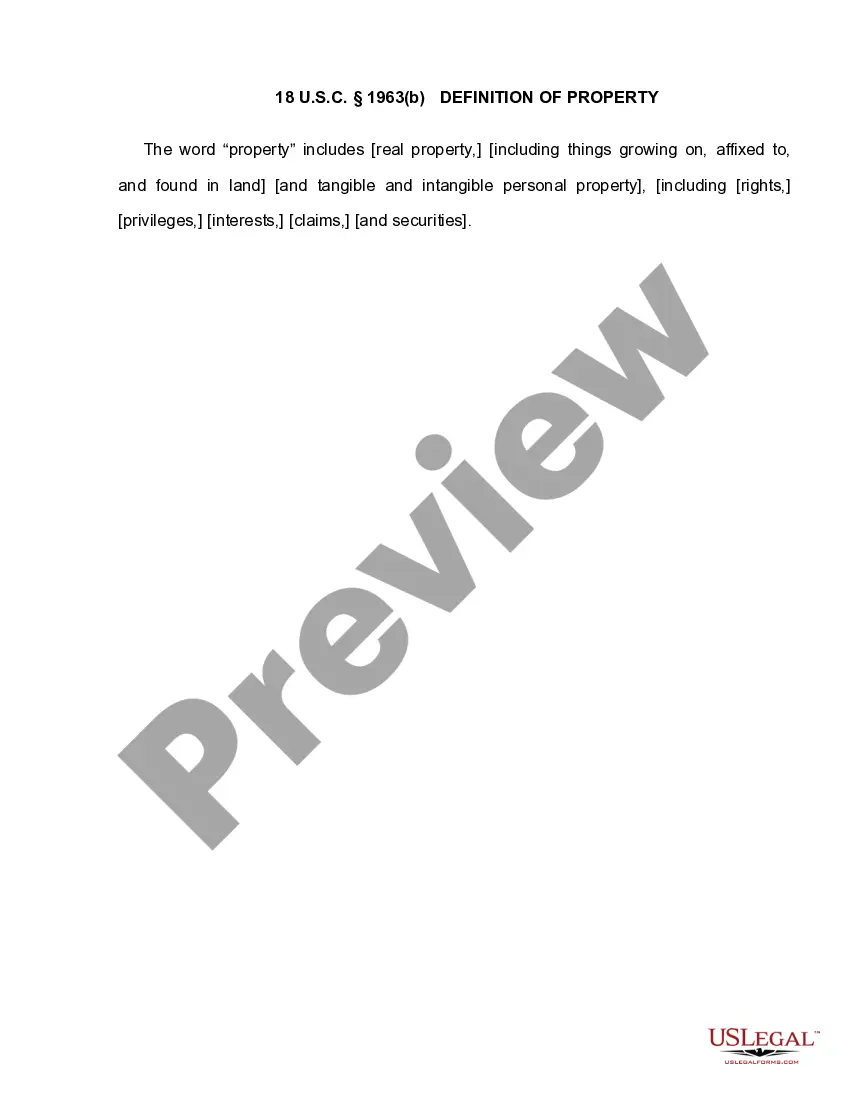
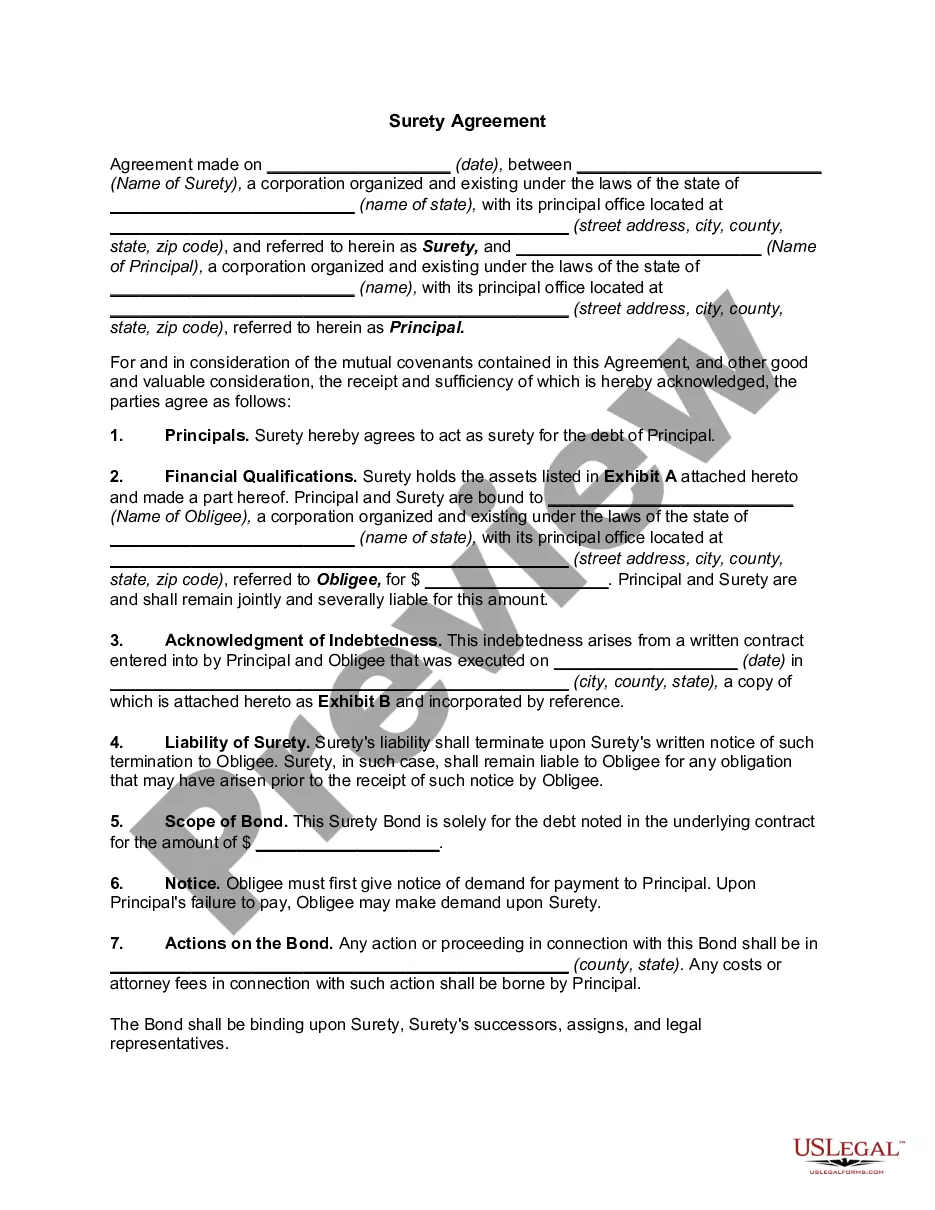
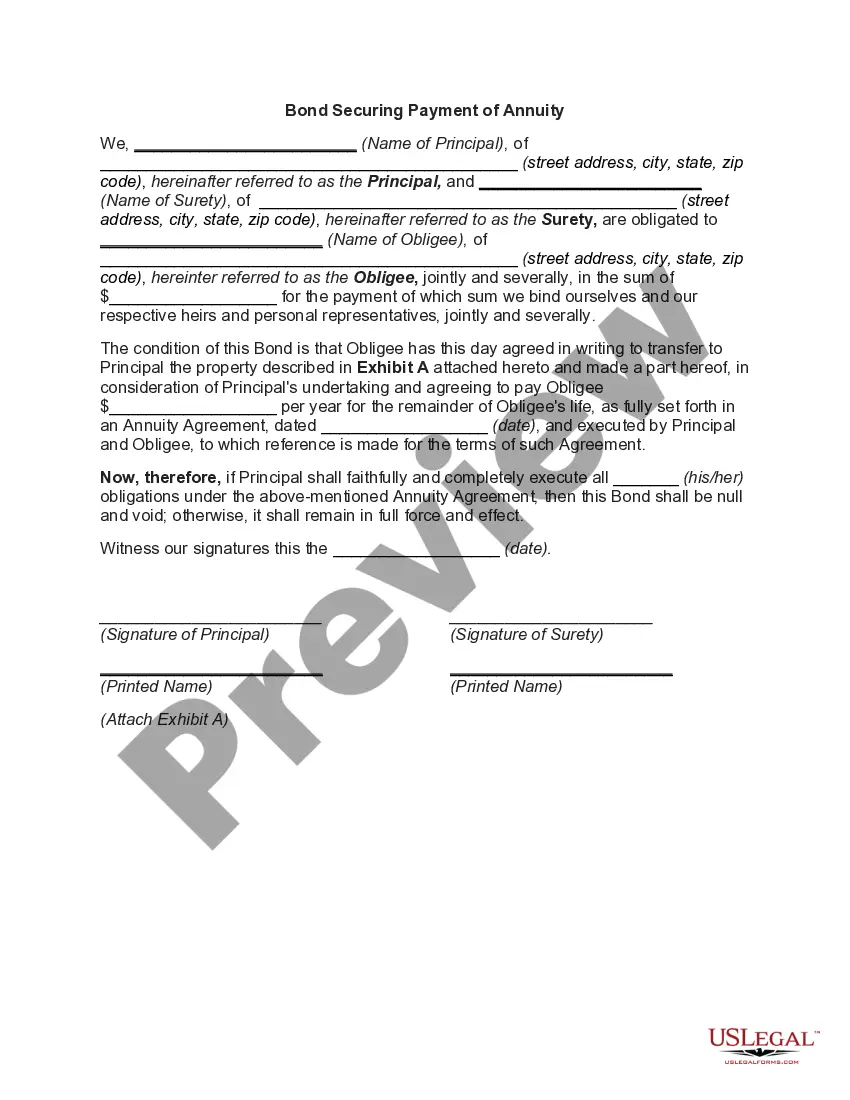
A bond placement is the process of selling a new bond issue often to an intitutional investor. For a company in need of financing, this a typical transaction arranged through an investment banker.
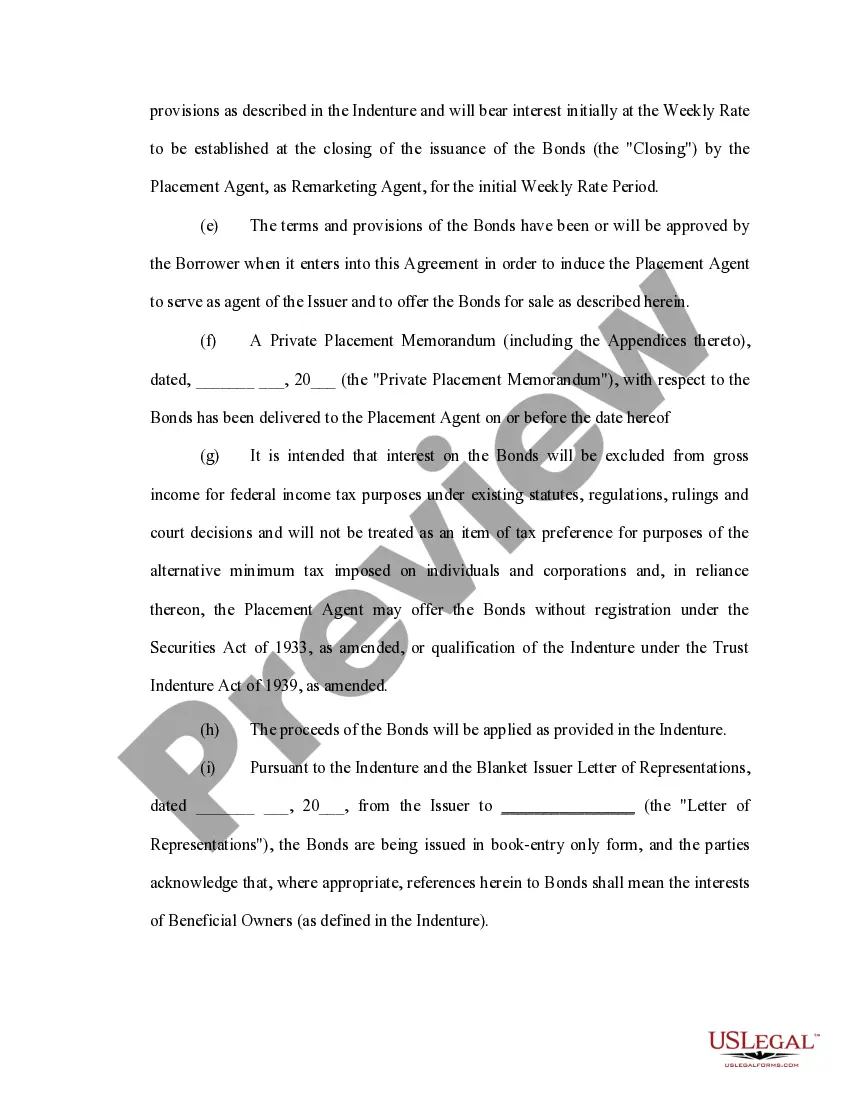
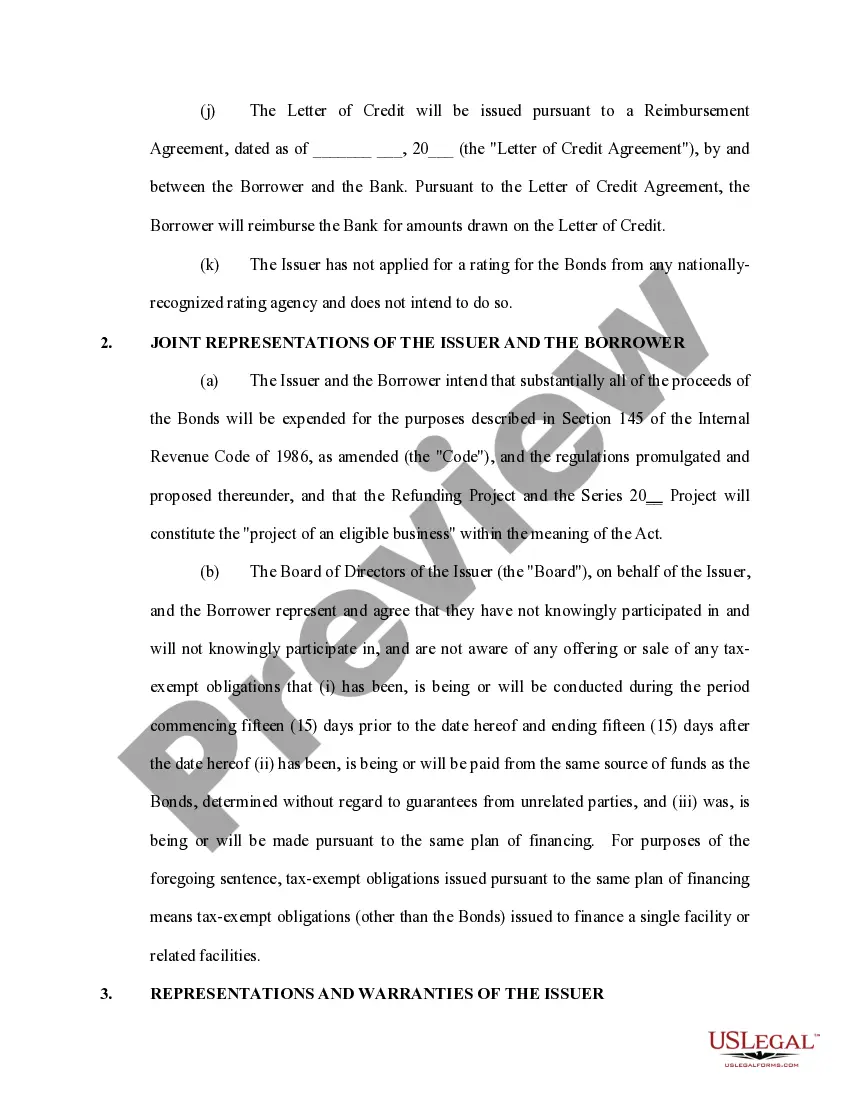
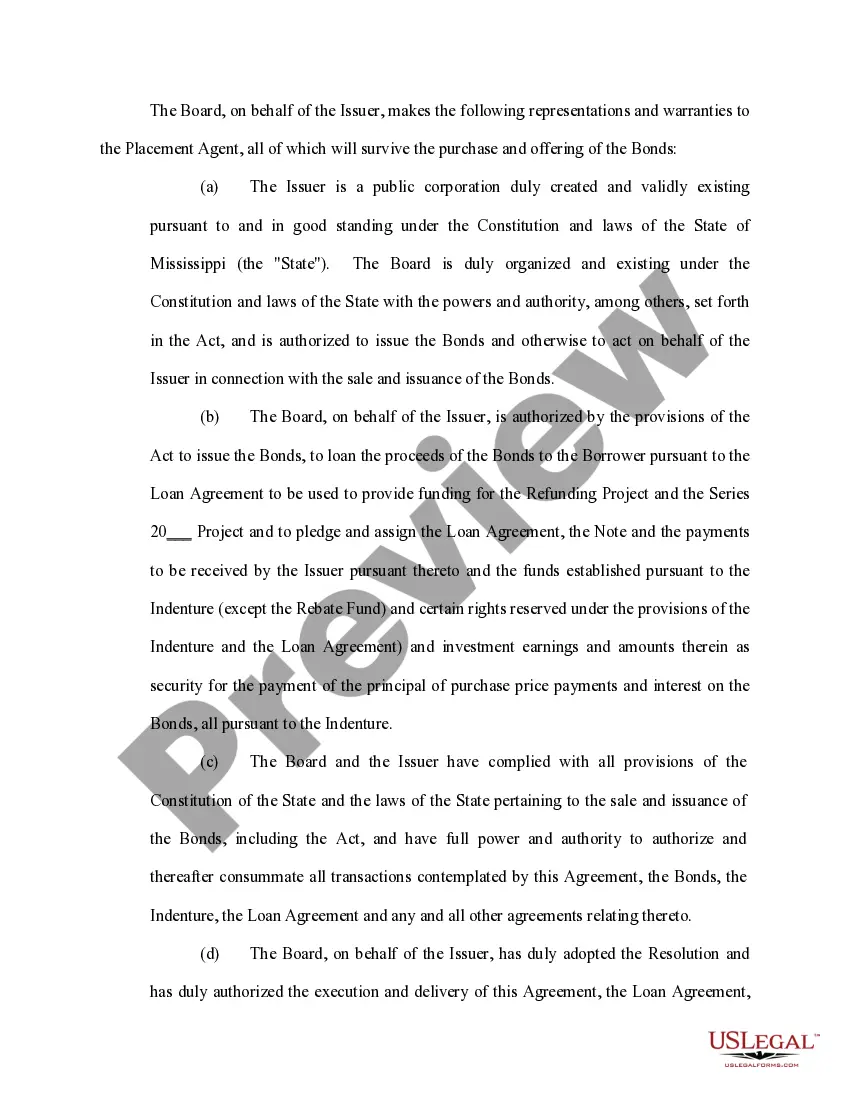
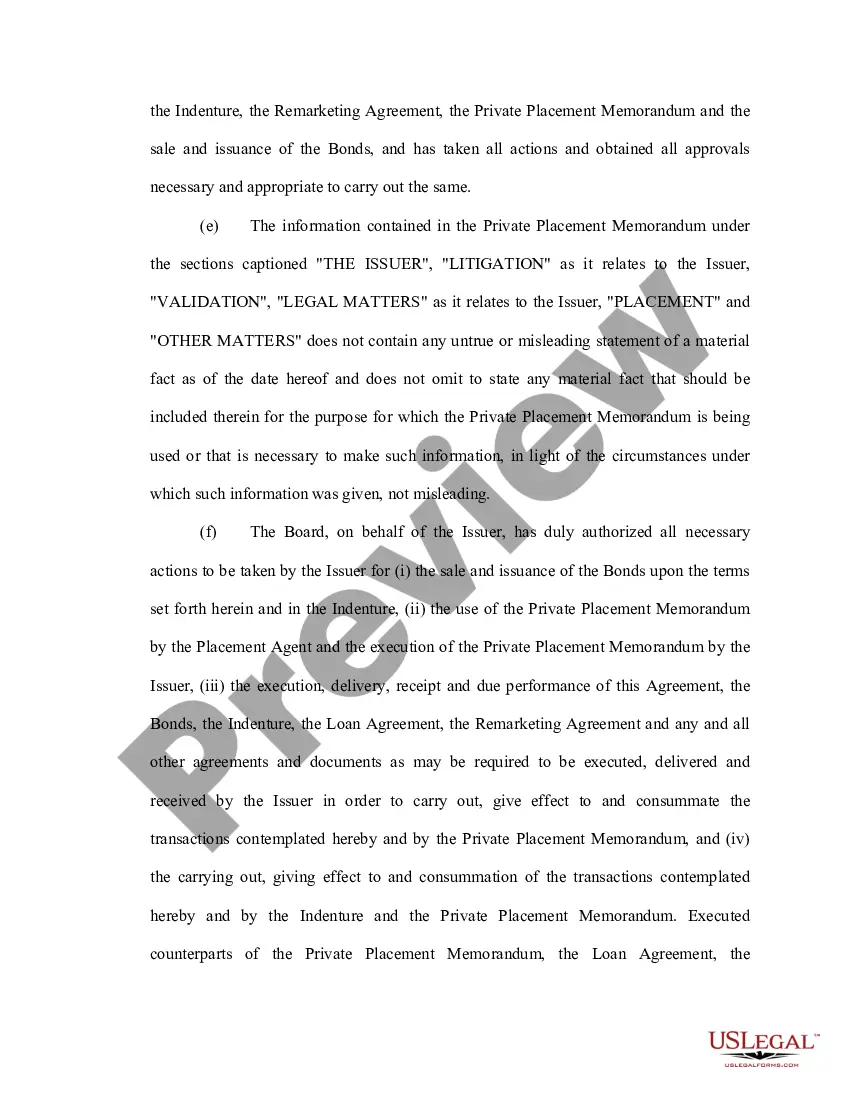
Oregon Bond placement agreement
Instant download
Description
Free preview
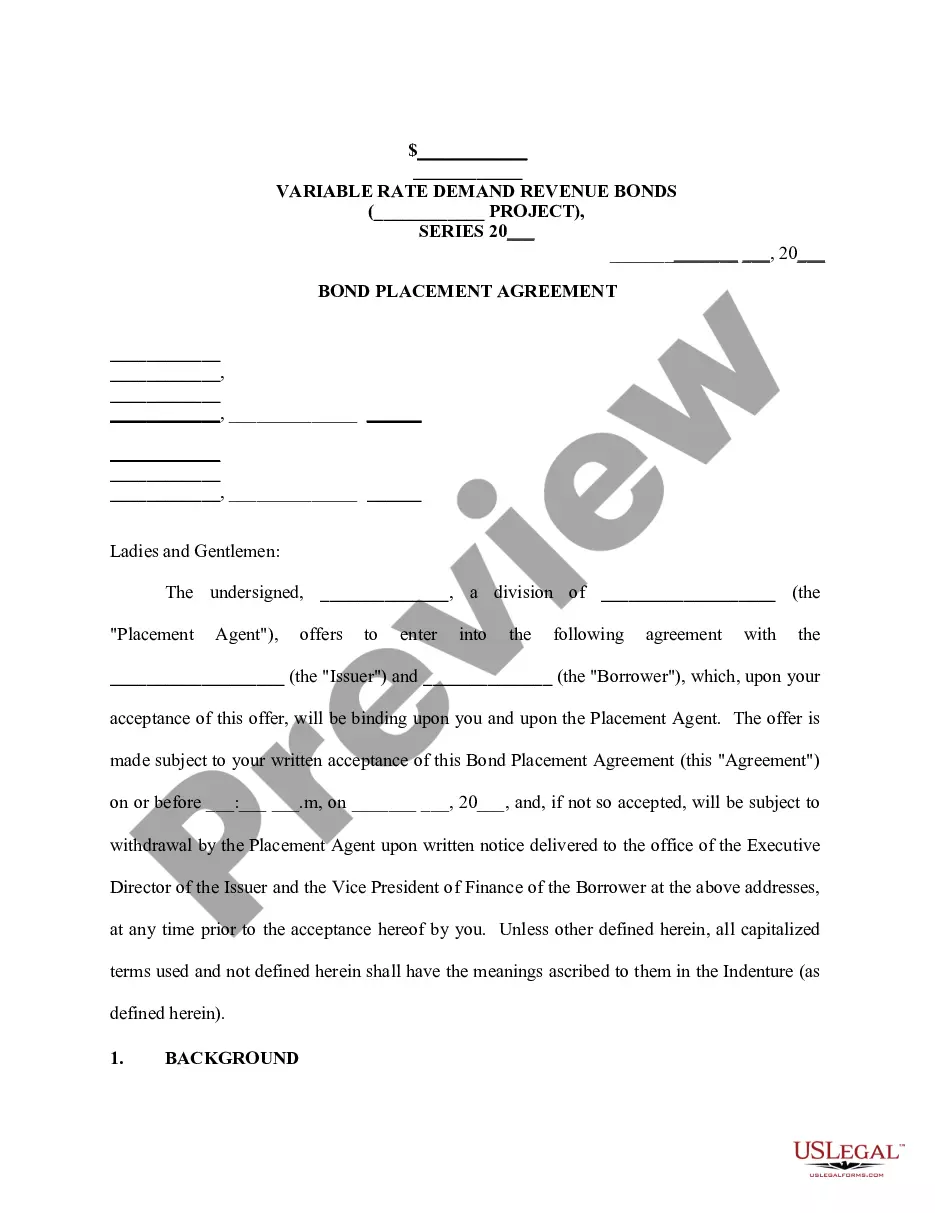
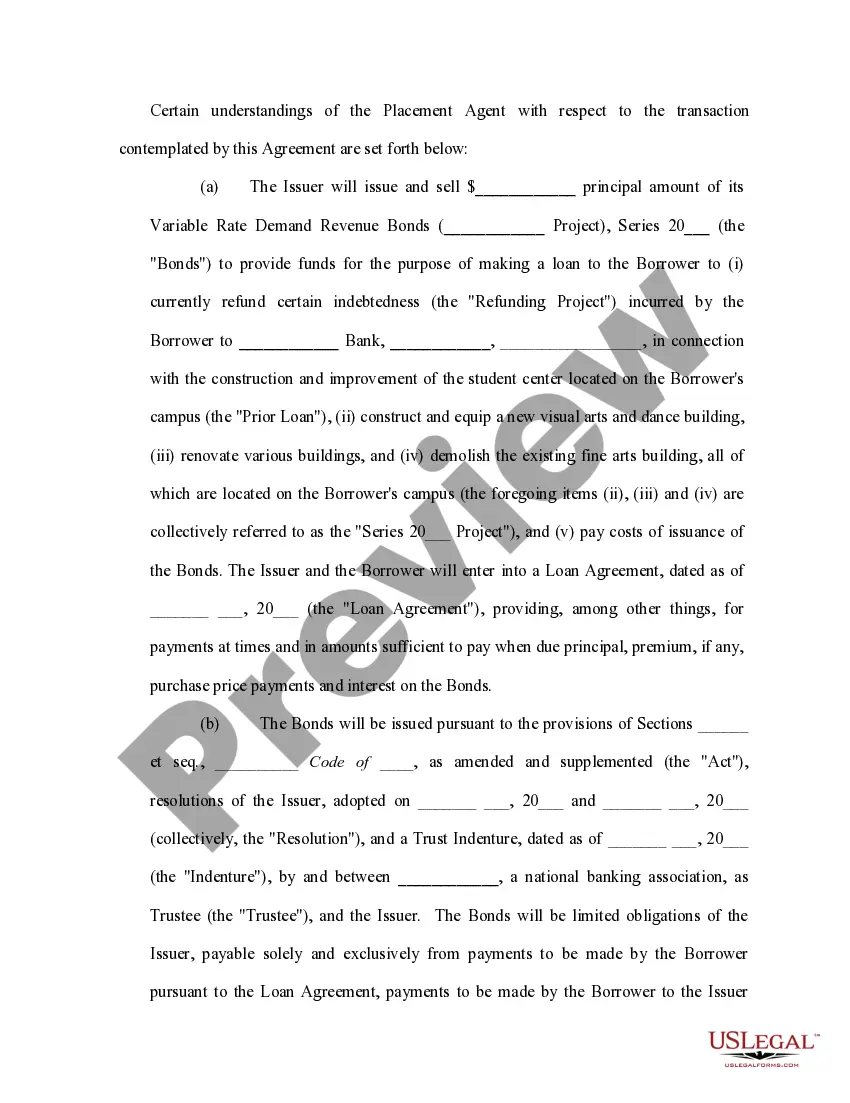
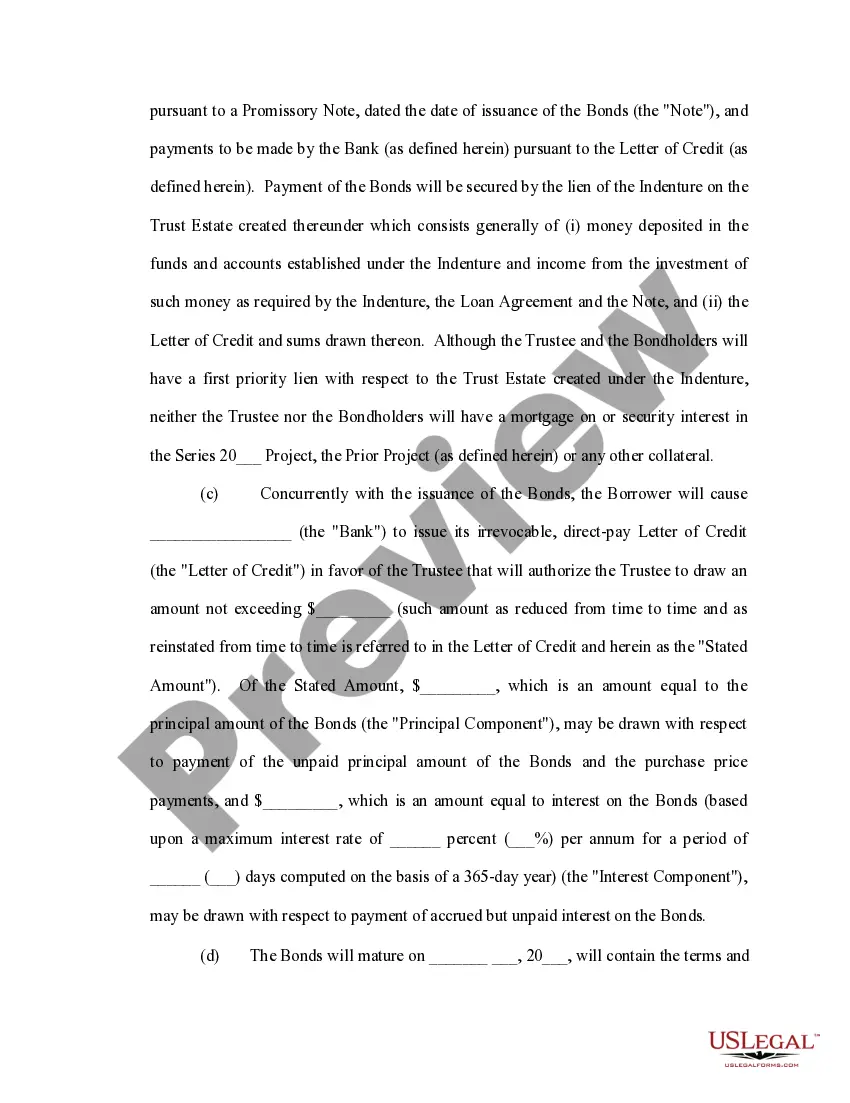
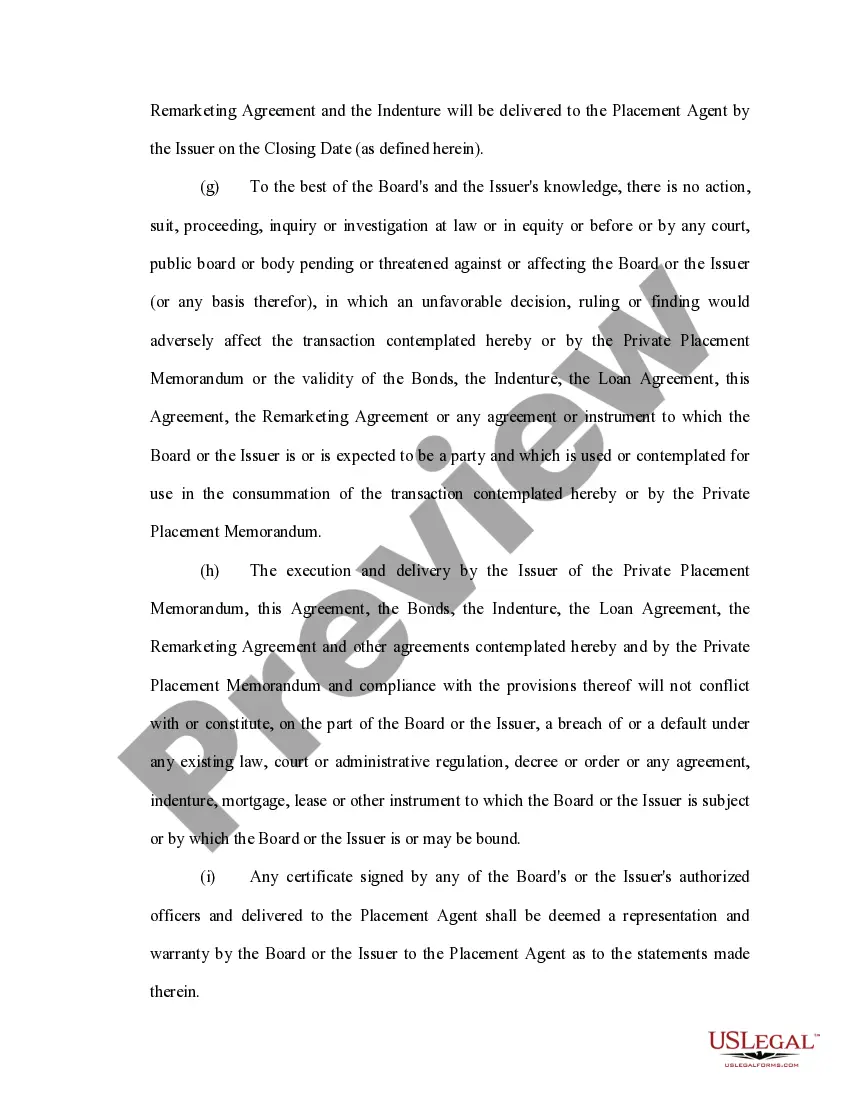
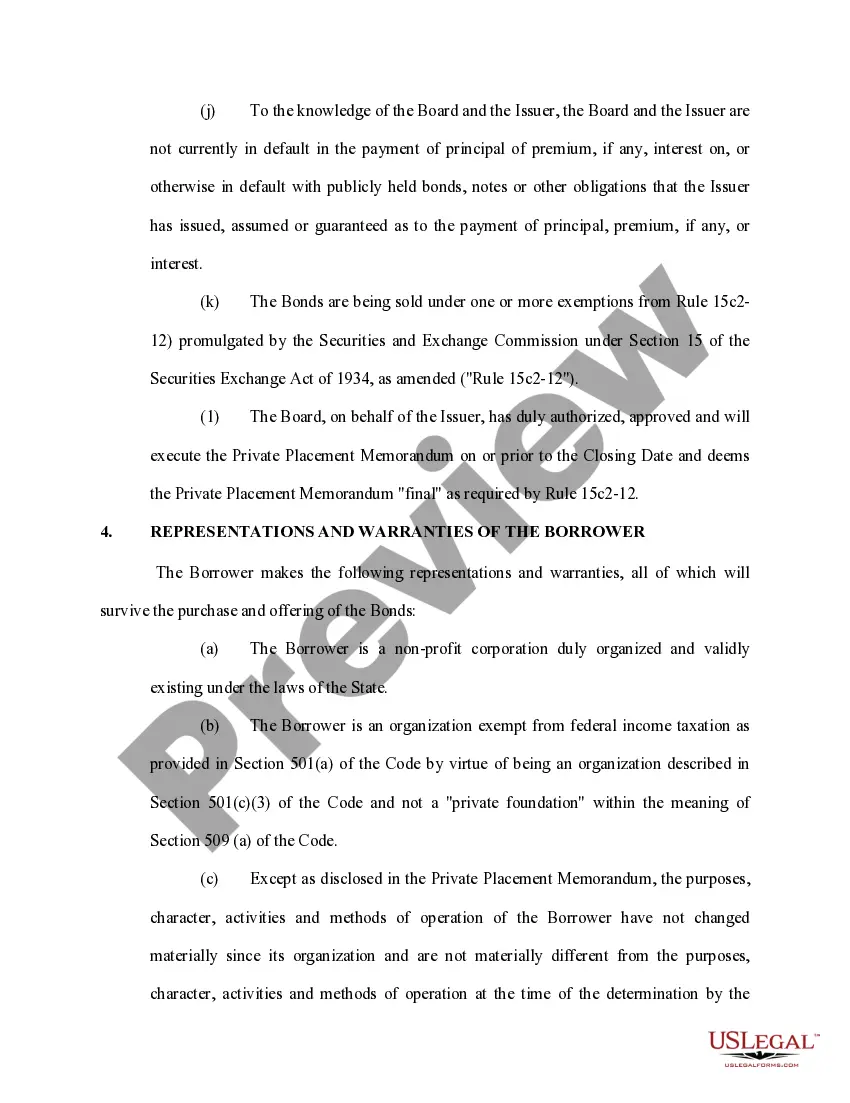
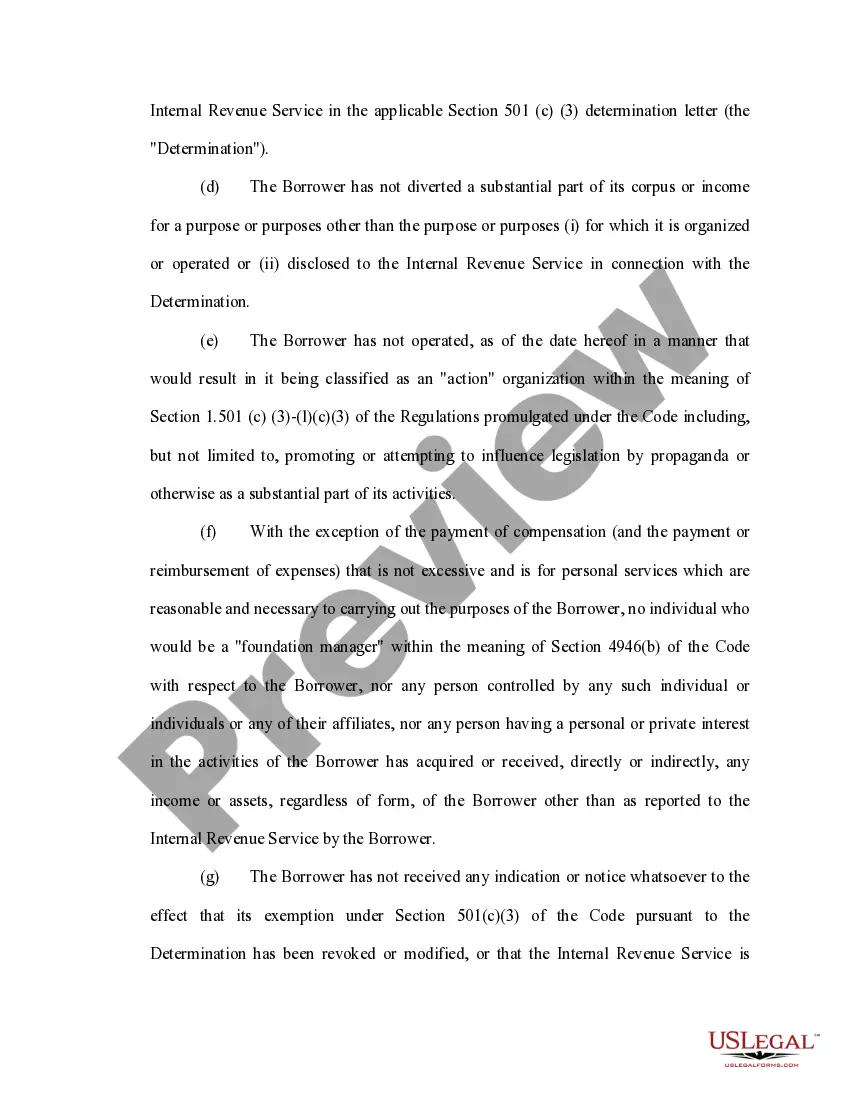


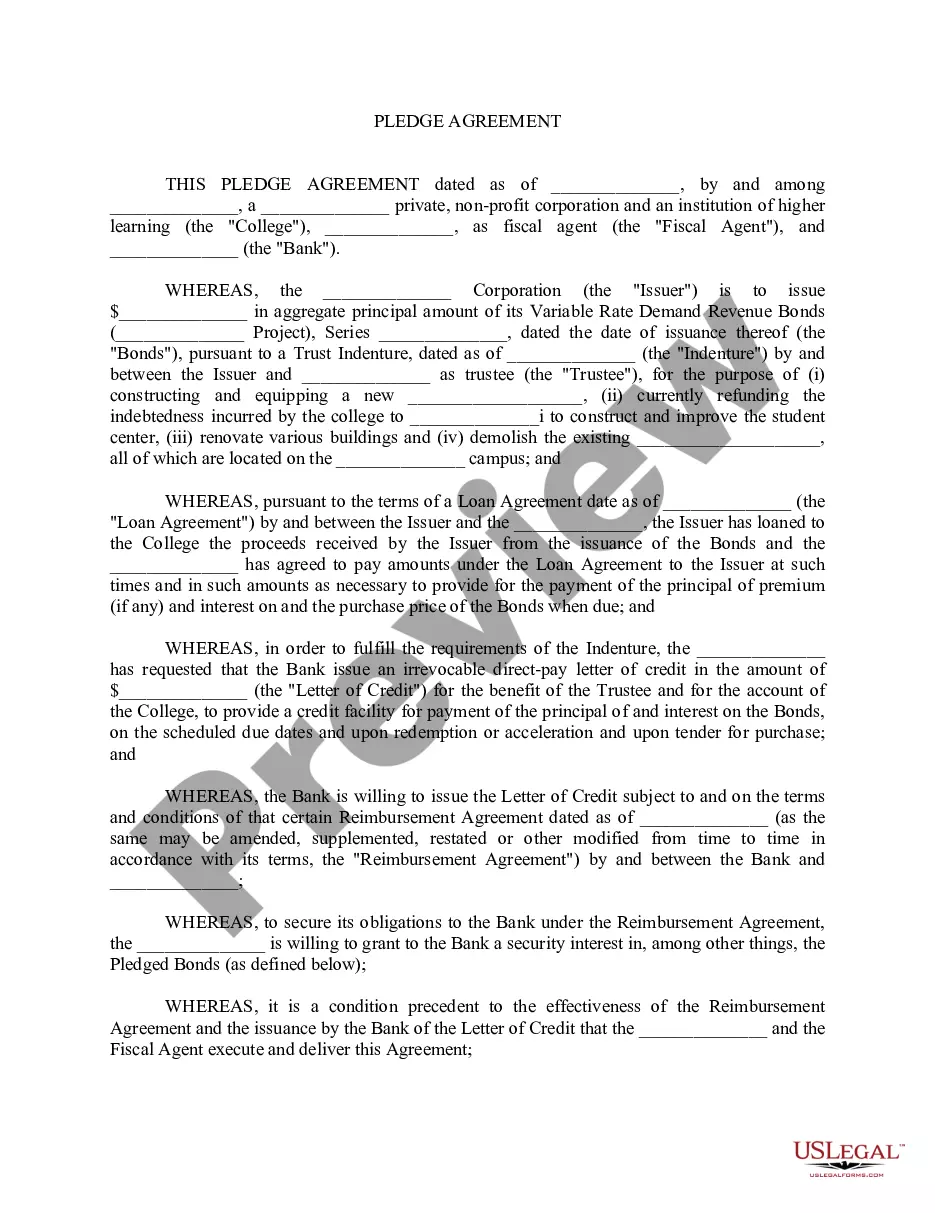

Get your form ready online
Our built-in tools help you complete, sign, share, and store your documents in one place.
Built-in online Word editor
Make edits, fill in missing information, and update formatting in US Legal Forms—just like you would in MS Word.
Export easily
Download a copy, print it, send it by email, or mail it via USPS—whatever works best for your next step.
E-sign your document
Sign and collect signatures with our SignNow integration. Send to multiple recipients, set reminders, and more. Go Premium to unlock E-Sign.
Notarize online 24/7
If this form requires notarization, complete it online through a secure video call—no need to meet a notary in person or wait for an appointment.
Store your document securely
We protect your documents and personal data by following strict security and privacy standards.

Make edits, fill in missing information, and update formatting in US Legal Forms—just like you would in MS Word.

Download a copy, print it, send it by email, or mail it via USPS—whatever works best for your next step.

Sign and collect signatures with our SignNow integration. Send to multiple recipients, set reminders, and more. Go Premium to unlock E-Sign.

If this form requires notarization, complete it online through a secure video call—no need to meet a notary in person or wait for an appointment.

We protect your documents and personal data by following strict security and privacy standards.
Looking for another form?





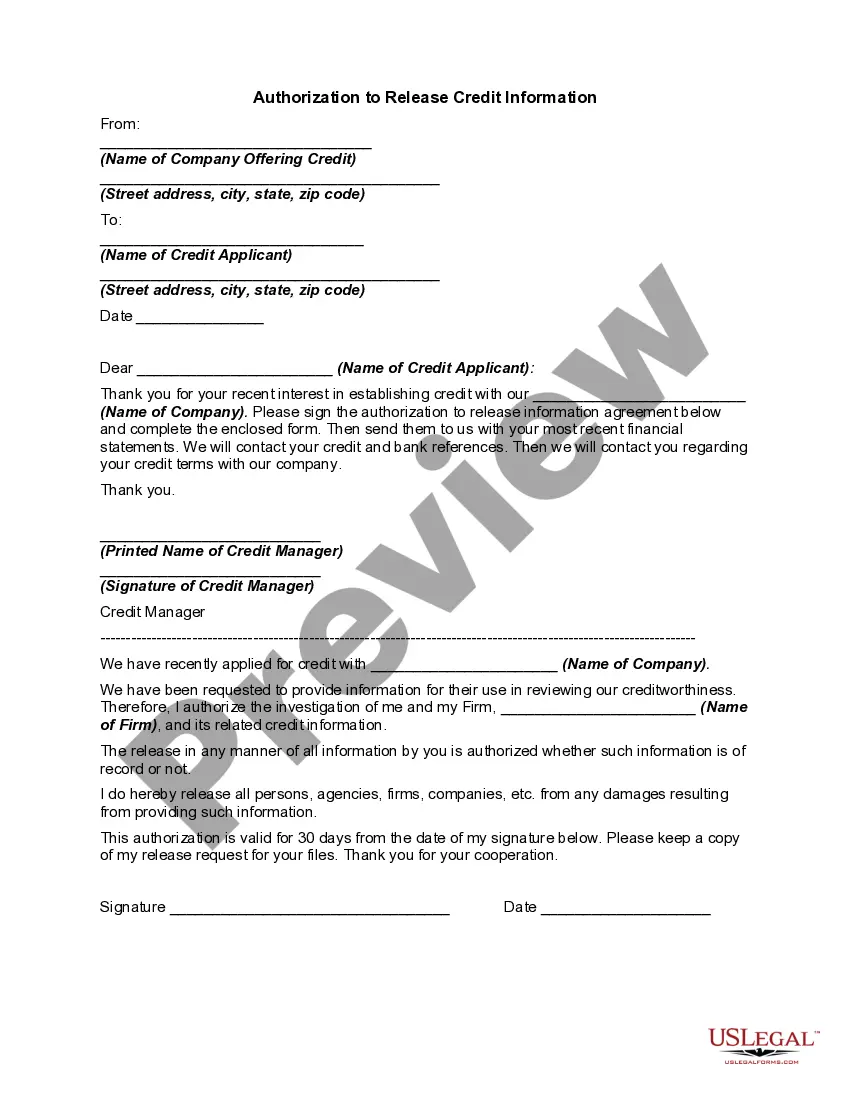
How to fill out Bond Placement Agreement?
US Legal Forms - one of the largest collections of authentic documents in the USA - offers a broad selection of legal document templates you can purchase or print.
While utilizing the website, you can access thousands of forms for business and personal purposes, organized by categories, states, or keywords. You can find the latest versions of forms such as the Oregon Bond placement agreement in moments.
If you already have a subscription, Log In and download the Oregon Bond placement agreement from the US Legal Forms collection. The Download button will appear on every form you view. You can access all previously downloaded forms in the My documents section of your account.
Complete the transaction. Use your credit card or PayPal account to finalize the purchase.
Select the format and download the form onto your device. Make edits. Fill out, modify, and print and sign the downloaded Oregon Bond placement agreement. Every template you added to your account has no expiration date and belongs to you indefinitely. So, if you need to download or print another copy, simply visit the My documents section and click on the form you desire. Access the Oregon Bond placement agreement with US Legal Forms, one of the most comprehensive libraries of legal document templates. Utilize thousands of professional and state-specific templates that meet your business or personal needs and requirements.
- If you are using US Legal Forms for the first time, here are straightforward steps to get started.
- Ensure you have chosen the correct form for your region/area.
- Click the Review button to check the content of the form.
- Read the form description to confirm you have selected the right form.
- If the form does not meet your requirements, use the Search box at the top of the screen to find one that does.
- If you are happy with the form, finalize your choice by clicking the Get now button.
- Then, choose the payment plan you prefer and provide your credentials to register for an account.
Form popularity
FAQ
How Much Does it Cost to Get a Contractor's License in Oregon? Getting your contractor's license in Oregon is relatively affordable. It costs $250 for a two-year license and $60 to take the exam.
Munis can generally be classified into two camps?general obligation bonds and revenue bonds. General obligation, or GO, bonds are backed by the general revenue of the issuing municipality, while revenue bonds are supported by a specific revenue source, such as income from a toll road or sewer system.
The bond amount varies: $10,000 ? $20,000 for residential contractors and $20,000 ? $75,000 for commercial contractors.
The Bureau of Labor and Industries (BOLI) requires any business paying prevailing wage on public works projects over $100,000 to hold a $30,000 Public Works Bond in the State of Oregon.
Projects that do not require a license from the CCB include gutter cleaning, power & pressure washing, debris clean up (yard or construction site), and handyman work on projects with a contract value of $1,000 or less.
A negotiated sale is when the issuer and a few buyers negotiate the terms of a transaction (municipal bonds) in lieu of competitive bidding. In a negotiated sale, some of the primary points to work out for an issuer are the interest rate, call features and purchase price of the issue.
The Private Activity Bond Committee is responsible for determining which private projects can qualify. Certain types of privately owned facilities such as airports, boat docks, affordable housing, or other economic development projects, provide significant benefits to the communities they serve.
This bond is for the exclusive purpose of payment of wage claims ordered by BOLI to workers performing labor upon public works projects in ance with ORS chapter 279C, as amended by Oregon Laws 2005, chapter 360.