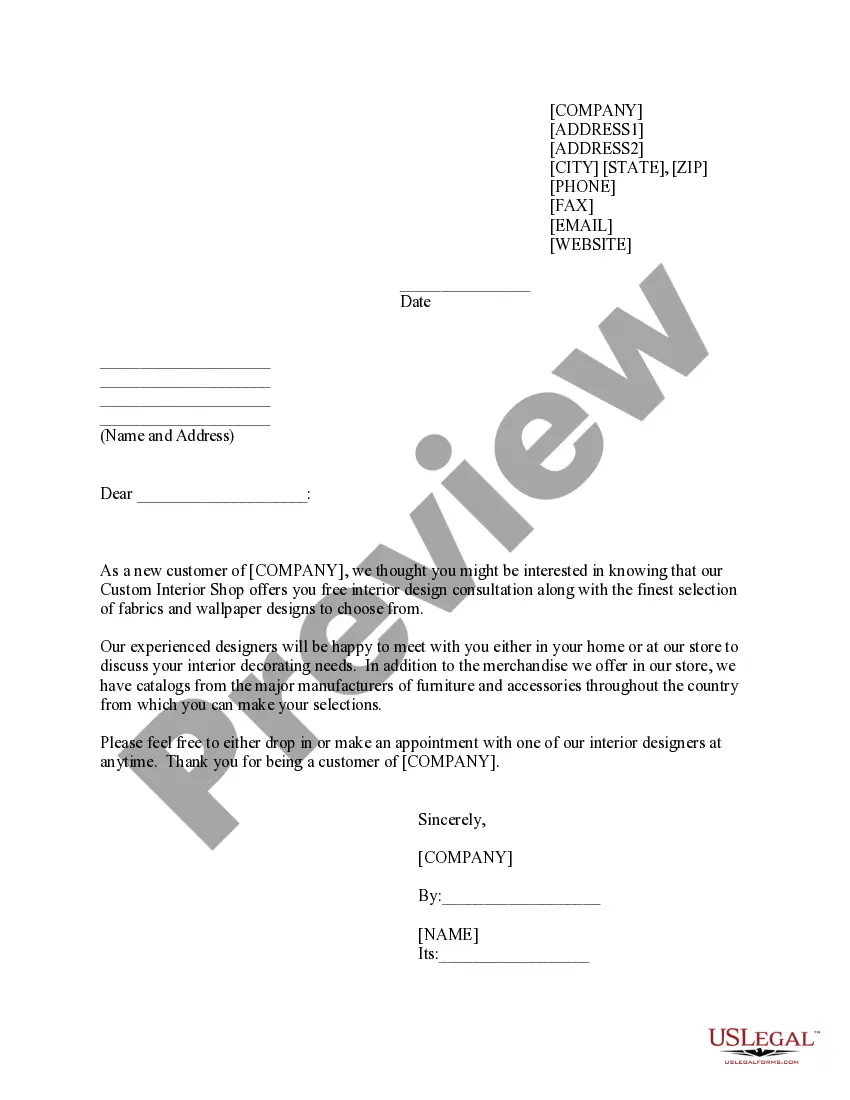
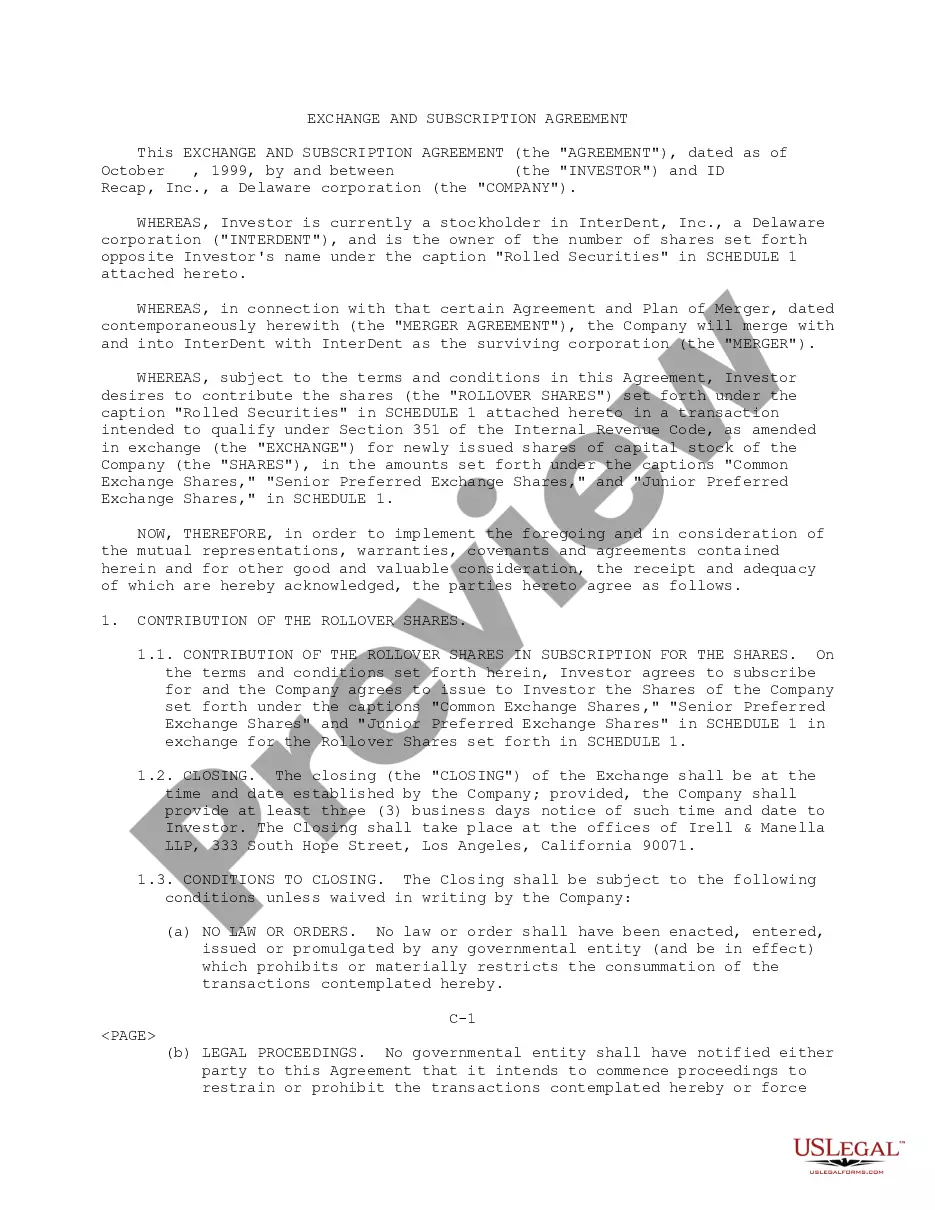
This form is a Complaint For Wrongful Termination of Insurance Under ERISA and For Bad Faith-Jury Trial Demand. Adapt to your specific circumstances. Don't reinvent the wheel, save time and money.
Oregon Complaint For Wrongful Termination of Insurance Under ERISA and For Bad Faith - Jury Trial Demand
Instant download
This website is not affiliated with any governmental entity
Public form
Description



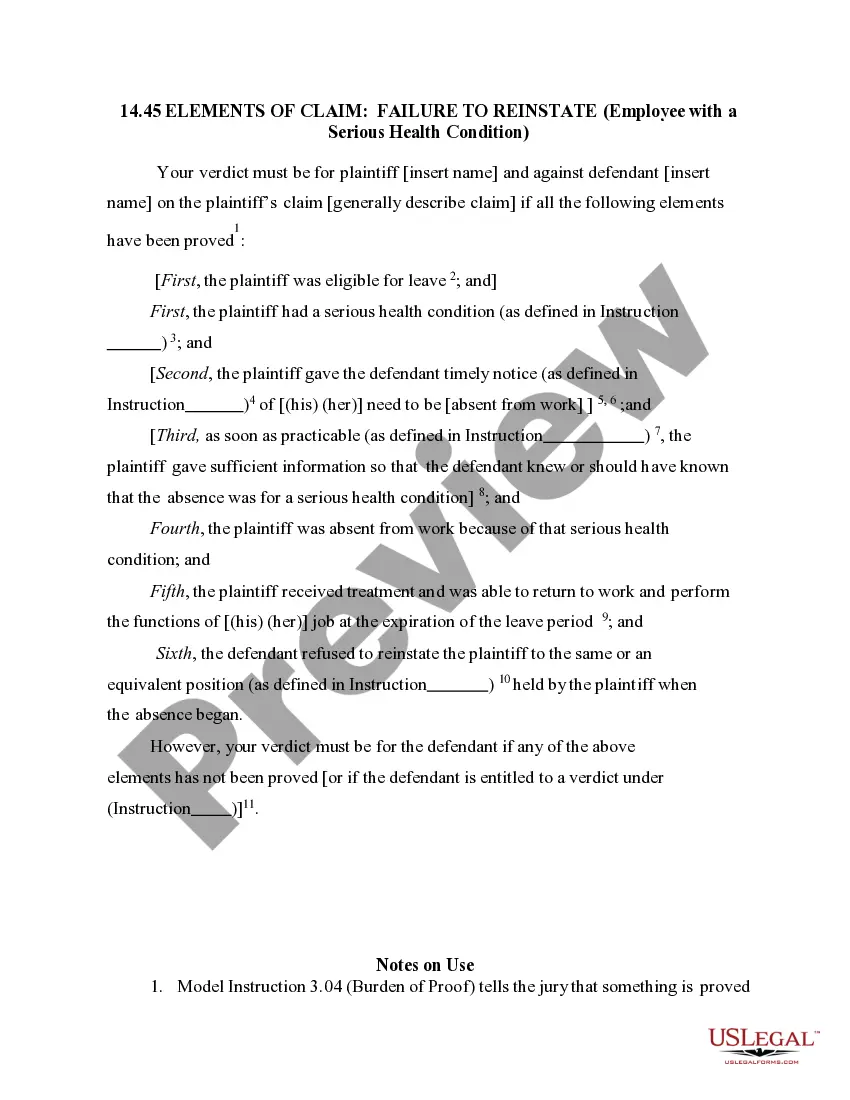


How to fill out Complaint For Wrongful Termination Of Insurance Under ERISA And For Bad Faith - Jury Trial Demand?
US Legal Forms - one of the largest collections of legal documents in the United States - provides a variety of legal document templates you can download or create.
By using the site, you can access countless documents for business and personal purposes, organized by categories, states, or keywords.
You can find the latest versions of documents such as the Oregon Complaint For Wrongful Termination of Insurance Under ERISA and For Bad Faith - Jury Trial Demand within minutes.
Check the form information to confirm that you have chosen the correct document.
If the document does not meet your requirements, use the Search section at the top of the screen to find one that does.
- If you have a subscription, Log In and download Oregon Complaint For Wrongful Termination of Insurance Under ERISA and For Bad Faith - Jury Trial Demand from the US Legal Forms library.
- The Download button will appear on every form you view.
- You have access to all previously downloaded documents in the My documents section of your account.
- If you want to use US Legal Forms for the first time, here are simple instructions to get you started.
- Ensure you have selected the correct document for your area/county.
- Click the Review button to check the form's details.
Form popularity
FAQ
To prove an insurance company acted in bad faith, you must gather evidence showing that the insurer acted unreasonably in handling your claim. Document any communications, delays, or denials that demonstrate a lack of diligence. Additionally, demonstrating that the insurer ignored relevant information or failed to follow standard procedures can bolster your case. If you are considering an Oregon complaint for wrongful termination of insurance under ERISA and for bad faith, uslegalforms offers resources to assist you in building a strong case.
An insurer can be liable for bad faith if they unjustly deny a valid claim, delay payment without reasonable cause, or fail to conduct a fair investigation. These actions can lead to a wrongful termination of insurance under ERISA and for bad faith, especially when a jury trial demand is involved. It is essential for policyholders to recognize these behaviors, as they provide grounds for legal action against the insurer. Utilizing uslegalforms can help you navigate the complexities of filing an Oregon complaint for wrongful termination of insurance.
Insurance companies in Oregon have at least 60 days to acknowledge a claim and decide whether or not to pay it. Oregon does not have a specific time frame in which the final payment must be made.
Oregon has been one of two states in the United States without the ability to sue an insurer for "first party" bad faith, regardless of whether the insurer denies a claim entirely, makes a clearly unreasonable settlement offer, or violates other legal requirements of insurers.
They include the following: Unreasonable denial of policy benefits. Misrepresenting facts or policy provisions to claimants. Failing to respond or act promptly with respect to a claim. Not having reasonable standards for the prompt investigation and processing of claims.
Both first-party and third-party insurance claims can lead to bad faith delays and denials. If any insurance company wrongfully delays or denies a valid insurance claim, it can potentially be held liable for bad faith under Oregon or Washington law.
The most typical third-party bad-faith claim alleges an improper failure to settle a third party's liability claim within policy limits followed by a verdict that exceeds the policy limits.