Notice of Intent to Exercise Warehouse Lien by Auction
What is this form?
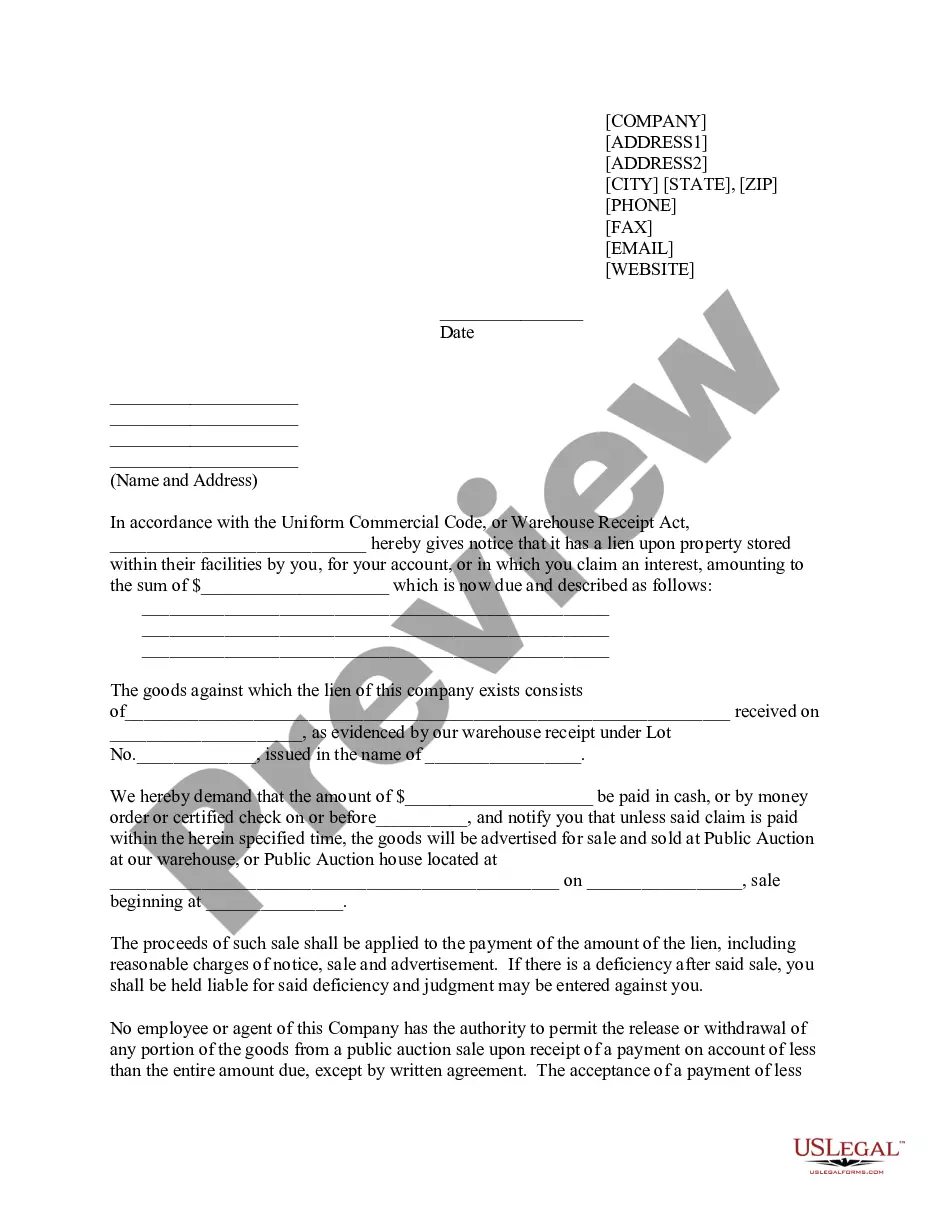
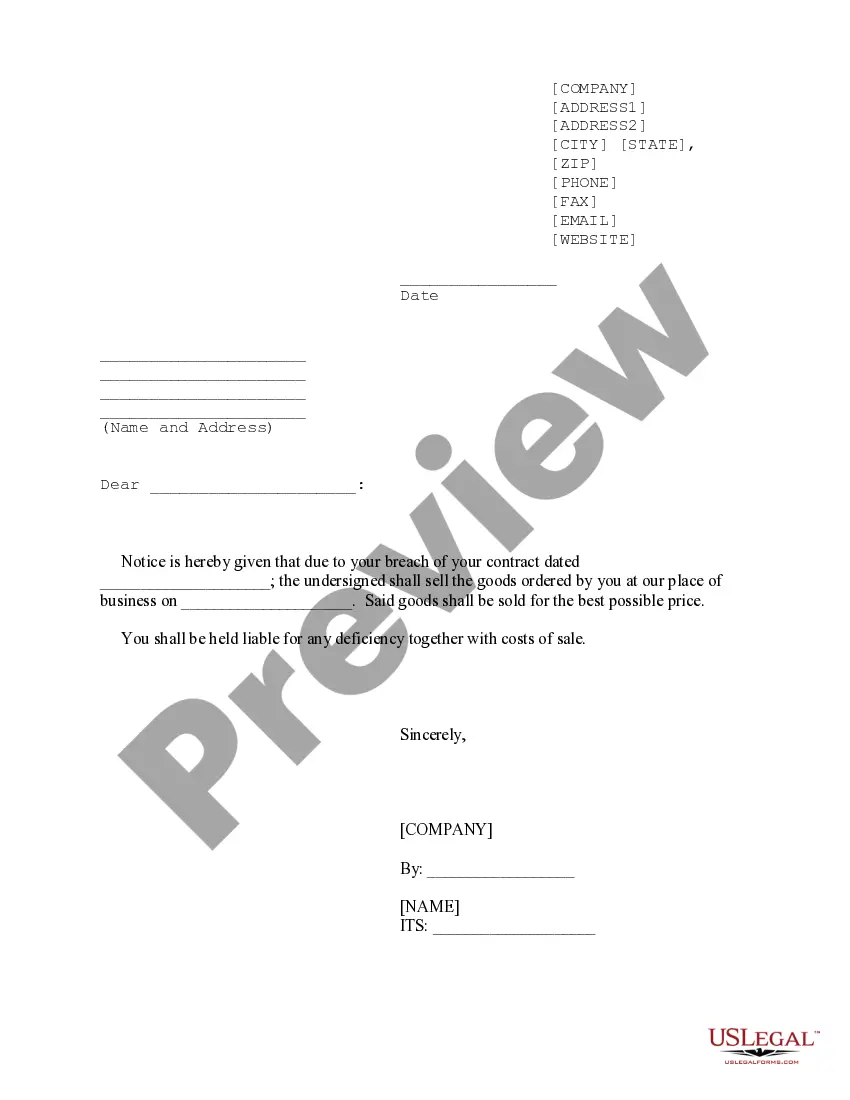
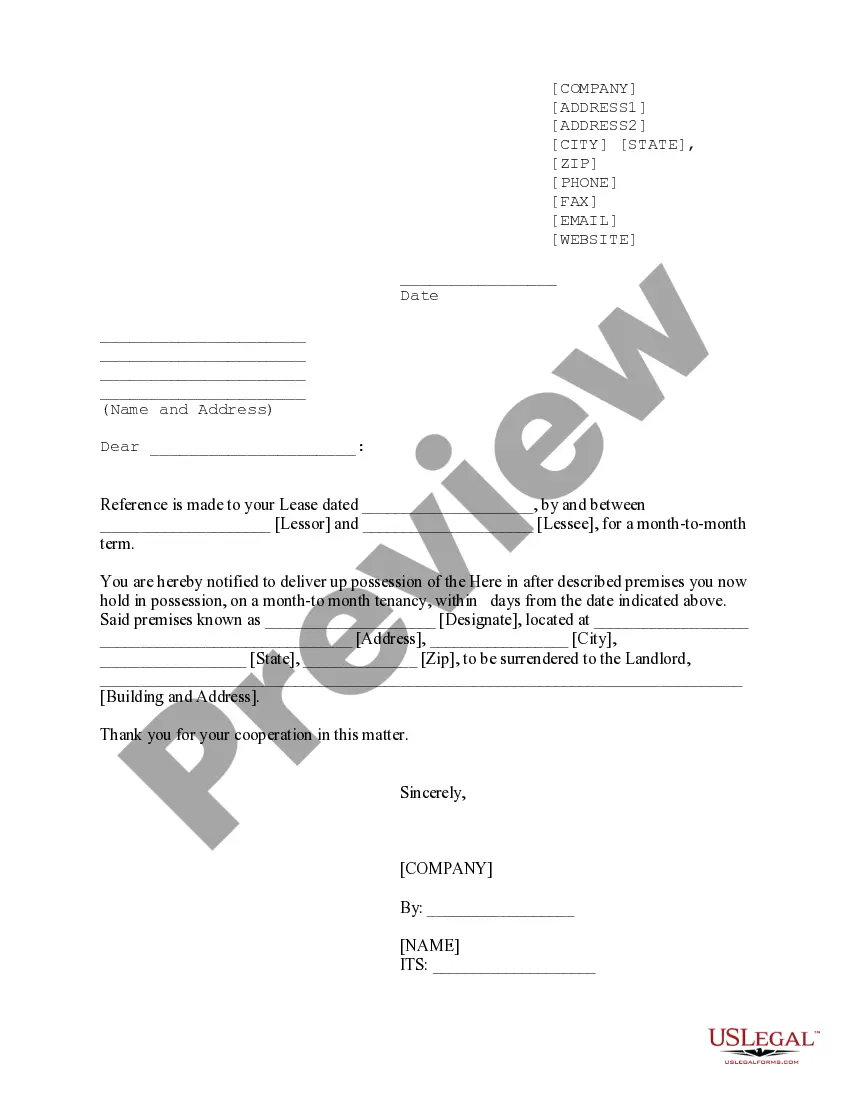
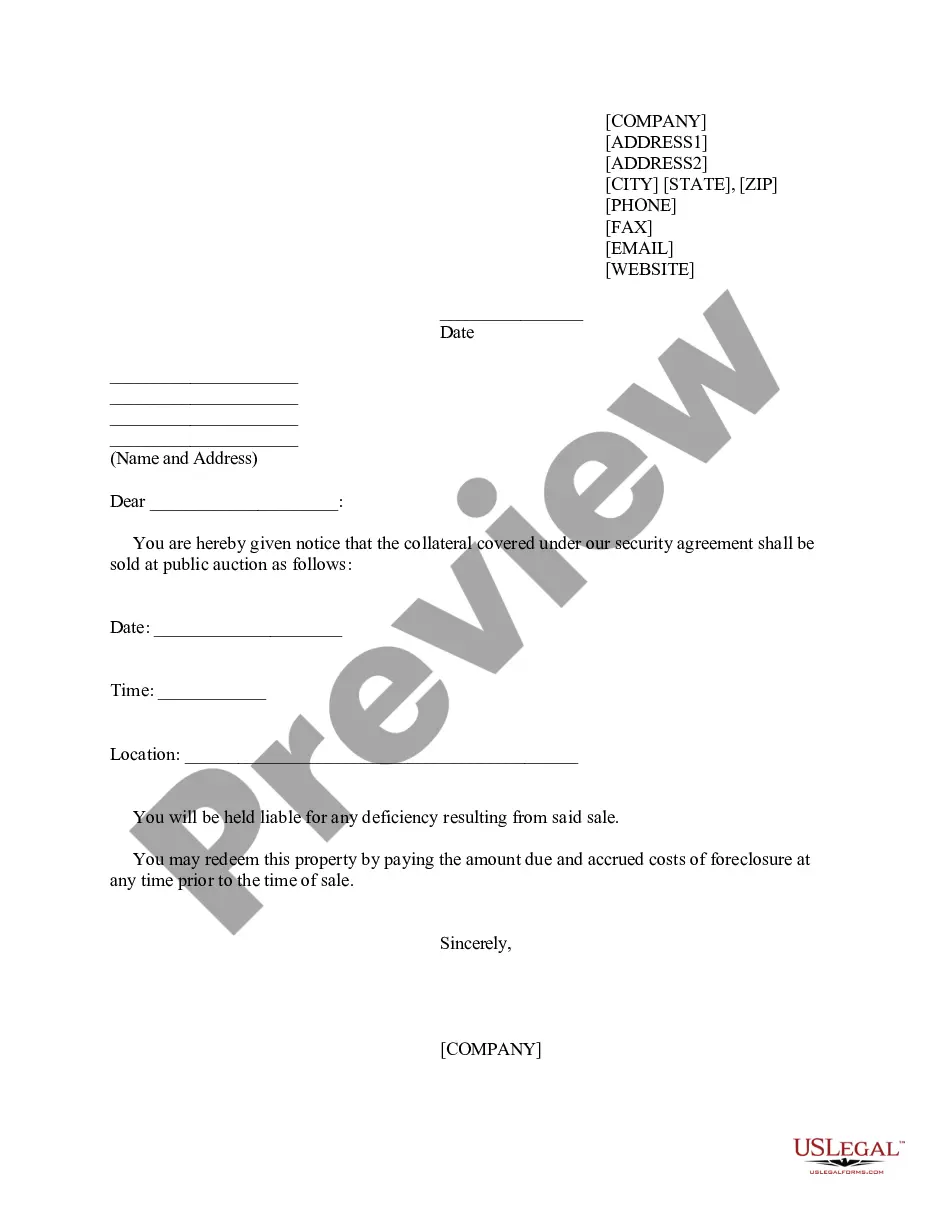
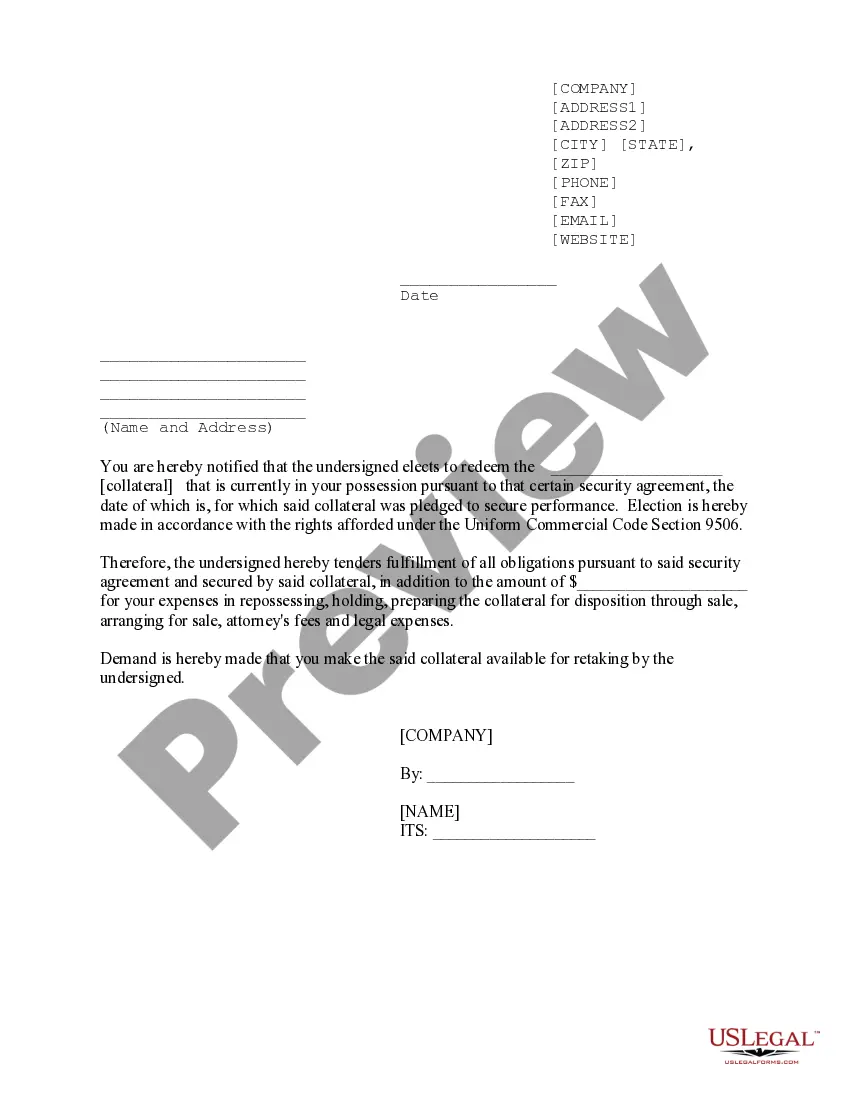
The Notice of Intent to Exercise Warehouse Lien by Auction is a legal document used by warehouse operators to formally notify customers of their intent to sell stored goods through public auction due to unpaid debts. This form is crucial for ensuring compliance with the Uniform Commercial Code and related laws, distinguishing it from other notices, such as those that simply inform about overdue payments without auction intent.
Form components explained
- Address and contact details of the warehouse provider.
- Date of issuing the notice.
- Name and address of the debtor.
- Description of the property subject to the lien and the total amount due.
- Statement of intent to auction the goods if payment is not received by the specified date.
- Details of the auction, including location, date, and time.
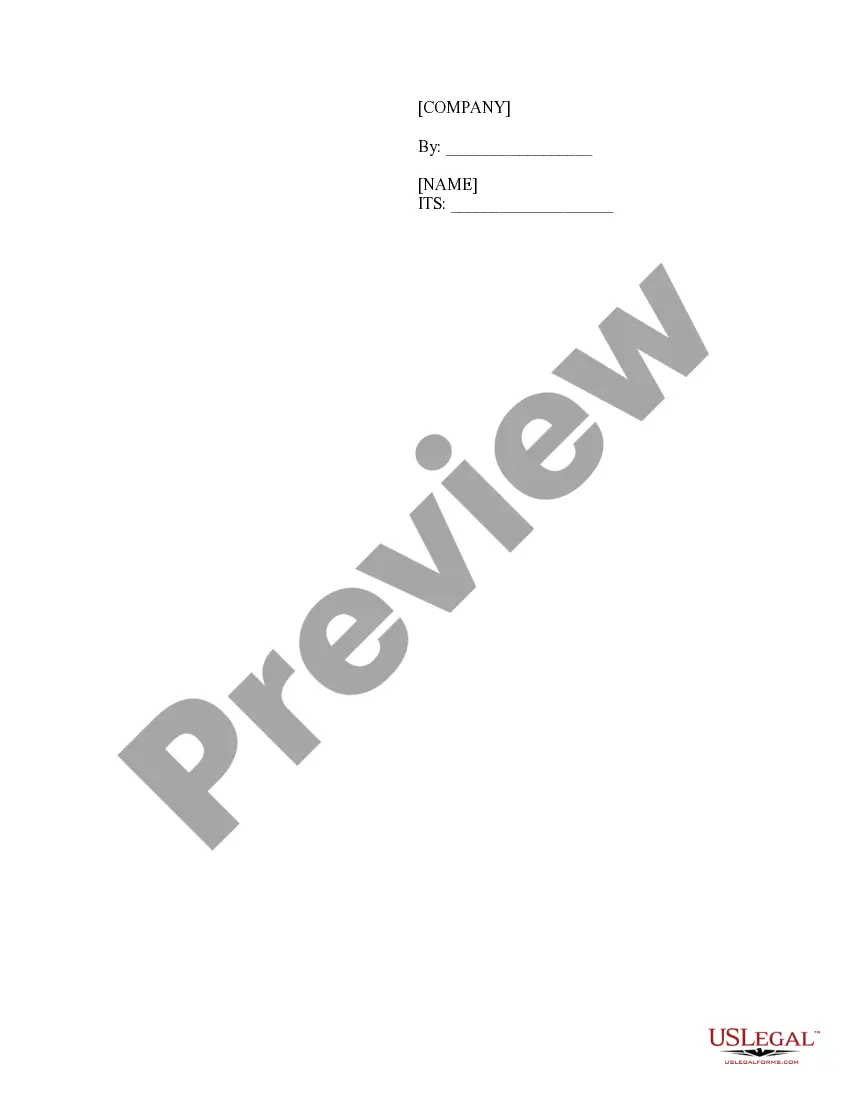
- Signature of the authorized representative of the warehouse company.
Situations where this form applies
This form is necessary when a warehouse has a lien on stored property due to unpaid charges. It is typically used when the warehouse operator intends to sell the goods through an auction if the debtor does not settle the outstanding balance within a specified timeframe. This notice will protect the warehouse's legal rights and inform the debtor of impending actions if the debt remains unpaid.
Intended users of this form
- Warehouse operators who have incurred unpaid debts from customers.
- Businesses that store goods for customers and wish to enforce a lien.
- Legal professionals seeking to assist clients in enforcing warehouse liens.
How to prepare this document
- Enter the address and contact information of the warehouse provider at the top of the form.
- Insert the date the notice is being issued.
- Fill in the name and address of the debtor.
- Detail the amount owed and describe the property subject to the lien.
- Specify the deadline for payment and the auction details, including location and time.
- Sign the document on behalf of the warehouse company, including your name and title.
Does this form need to be notarized?
In most cases, this form does not require notarization. However, some jurisdictions or signing circumstances might. US Legal Forms offers online notarization powered by Notarize, accessible 24/7 for a quick, remote process.
Get your form ready online
Our built-in tools help you complete, sign, share, and store your documents in one place.
Make edits, fill in missing information, and update formatting in US Legal Forms—just like you would in MS Word.
Download a copy, print it, send it by email, or mail it via USPS—whatever works best for your next step.
Sign and collect signatures with our SignNow integration. Send to multiple recipients, set reminders, and more. Go Premium to unlock E-Sign.
If this form requires notarization, complete it online through a secure video call—no need to meet a notary in person or wait for an appointment.
We protect your documents and personal data by following strict security and privacy standards.

Make edits, fill in missing information, and update formatting in US Legal Forms—just like you would in MS Word.

Download a copy, print it, send it by email, or mail it via USPS—whatever works best for your next step.

Sign and collect signatures with our SignNow integration. Send to multiple recipients, set reminders, and more. Go Premium to unlock E-Sign.

If this form requires notarization, complete it online through a secure video call—no need to meet a notary in person or wait for an appointment.

We protect your documents and personal data by following strict security and privacy standards.
Mistakes to watch out for
- Failing to provide complete and accurate descriptions of the goods and amounts owed.
- Not specifying the deadline for payment leading up to the auction.
- Omitting important auction details such as location and time.
Advantages of online completion
- Convenience of completing and downloading the form from any location.
- Editability allows you to customize the form to your specific situation before printing.
- Reliability and assurance that the form is compliant with legal standards.
Looking for another form?
Form popularity
FAQ
"Document of title" includes bill of lading, dock warrant, dock re- ceipt, warehouse receipt or order for the delivery of goods, and also any other document which in the regular course of business or financing is treated as adequately evidencing that the person in possession of it is entitled to receive, hold and
Section 7-209(1) of the UCC provides that a warehouser has a lien on goods covered by a warehouse receipt to recover the following charges and expenses: charges for storage or transportation, insurance, labor, and expenses necessary to preserve the goods.
The Uniform Commercial Code regulates the sale of goods. However, there are a few sales situations that the UCC does not include under its code regulations. The UCC only includes the sales from merchants with specialized knowledge. Any sales between two private parties would not be included in the UCC requirements.
Storage unit auctions are the last resort facility owners undertake when these situations arise. When the tenant doesn't pay their monthly dues or has simply just abandoned the unit, the self-storage company has the right to sell the contents of the unit in a public auction to the highest bidder.
A document used to acknowledge the receipt of a shipment of goods is known as a bill of lading. A transportation company or carrier issues a bill of lading to a shipper. A bill of lading acknowledges the receipt of goods.
Article 7 of the Uniform Commercial Code (the "UCC") governs documents of title covering goods. It focuses primarily on rights in goods held by a bailee during the storage and shipment thereof and the transfer of such rights.