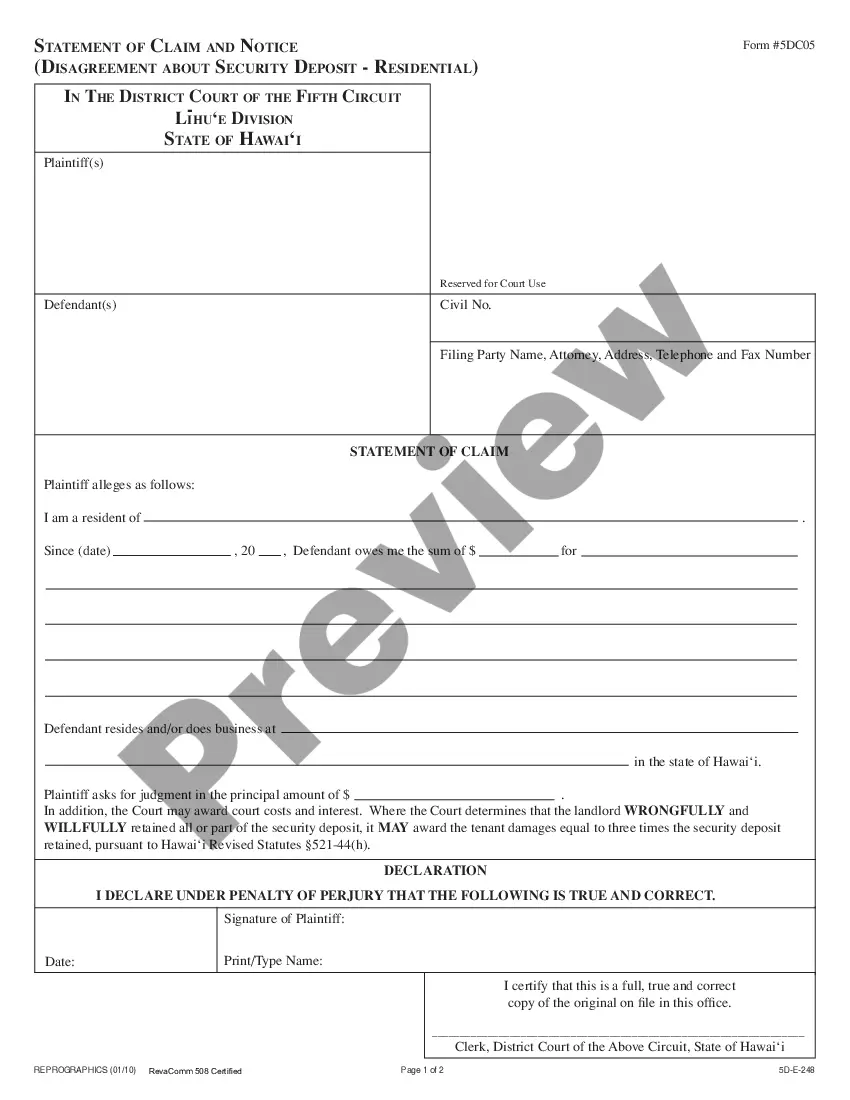
Oregon Certificate of Mailing Judgment regarding Custody Visitation and Support Order regarding Jurisdiction
Overview of this form
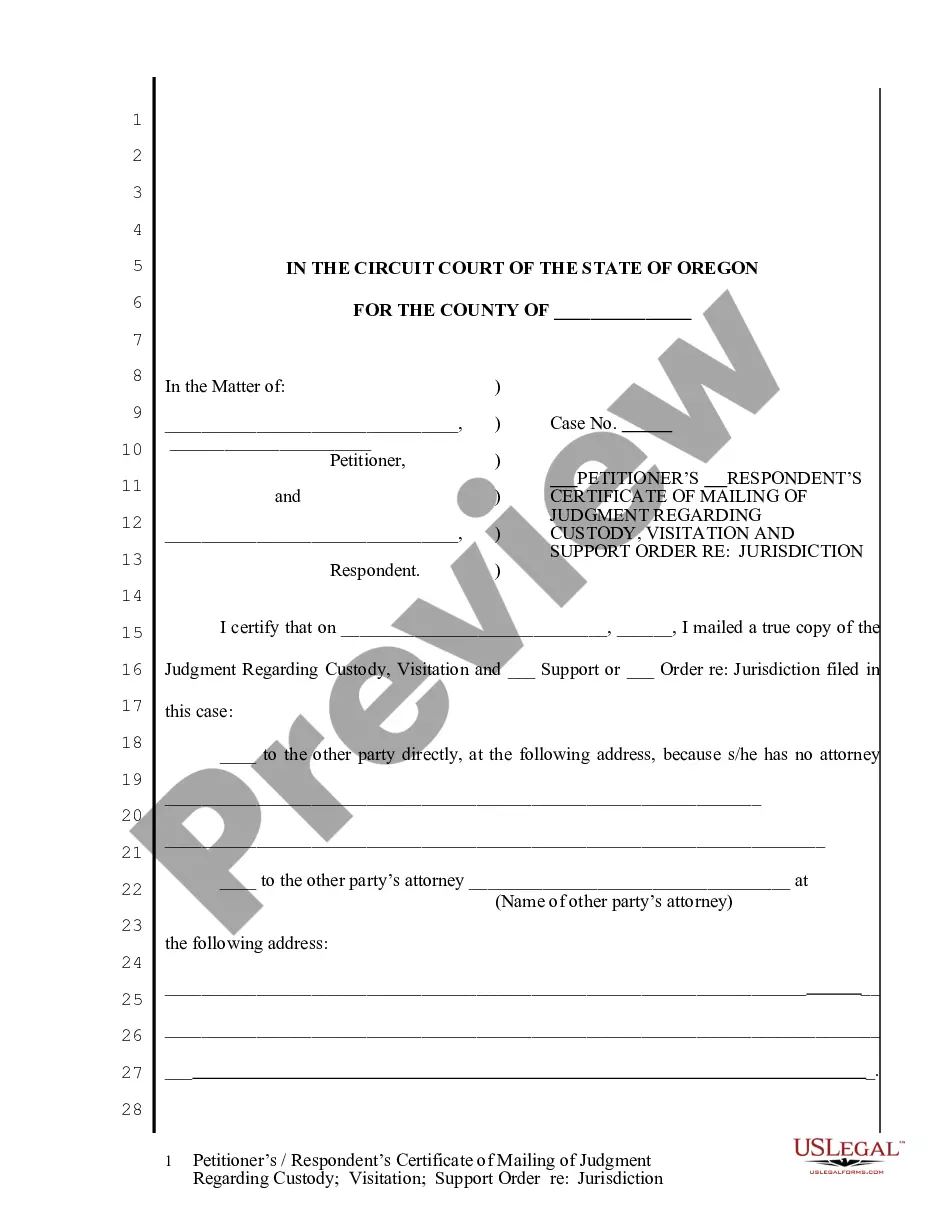
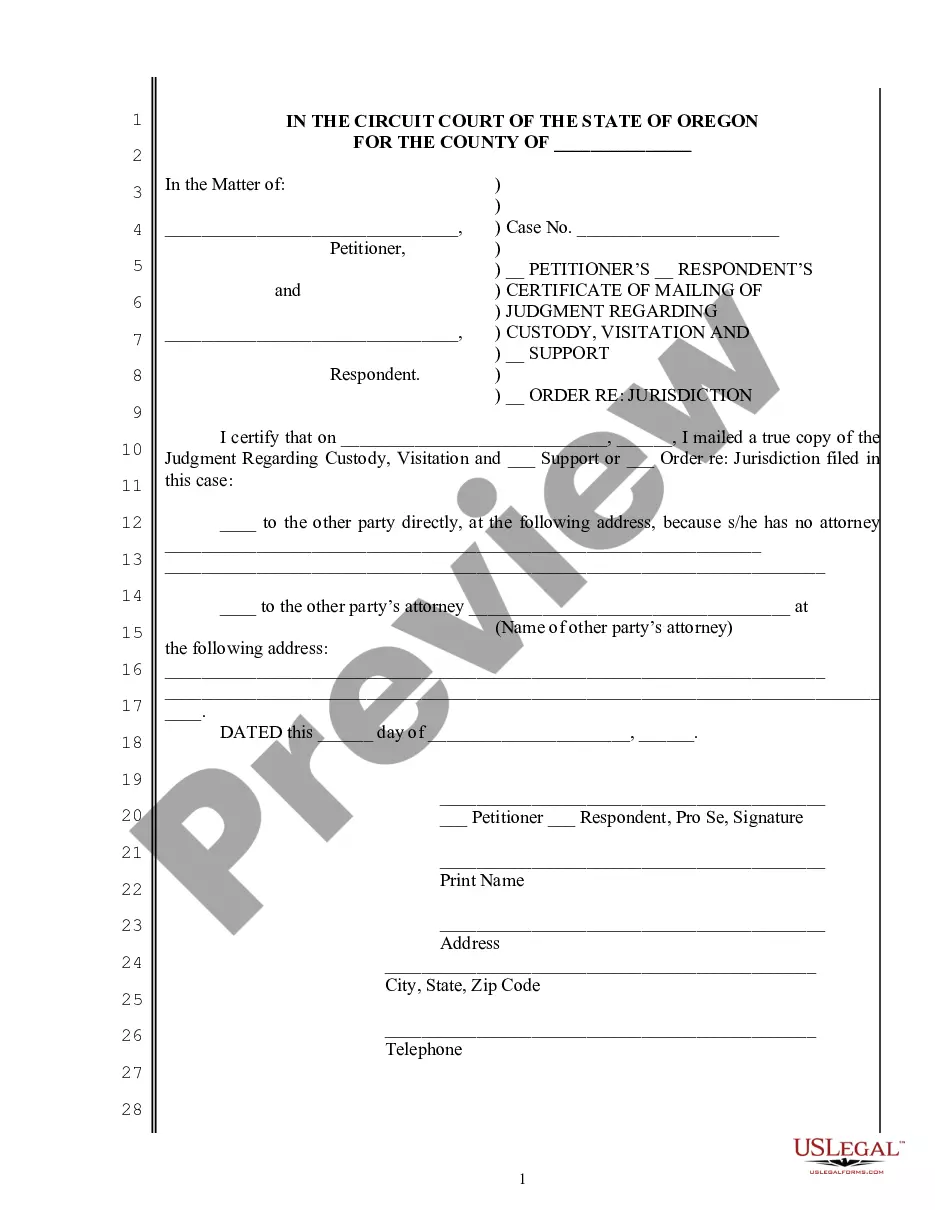
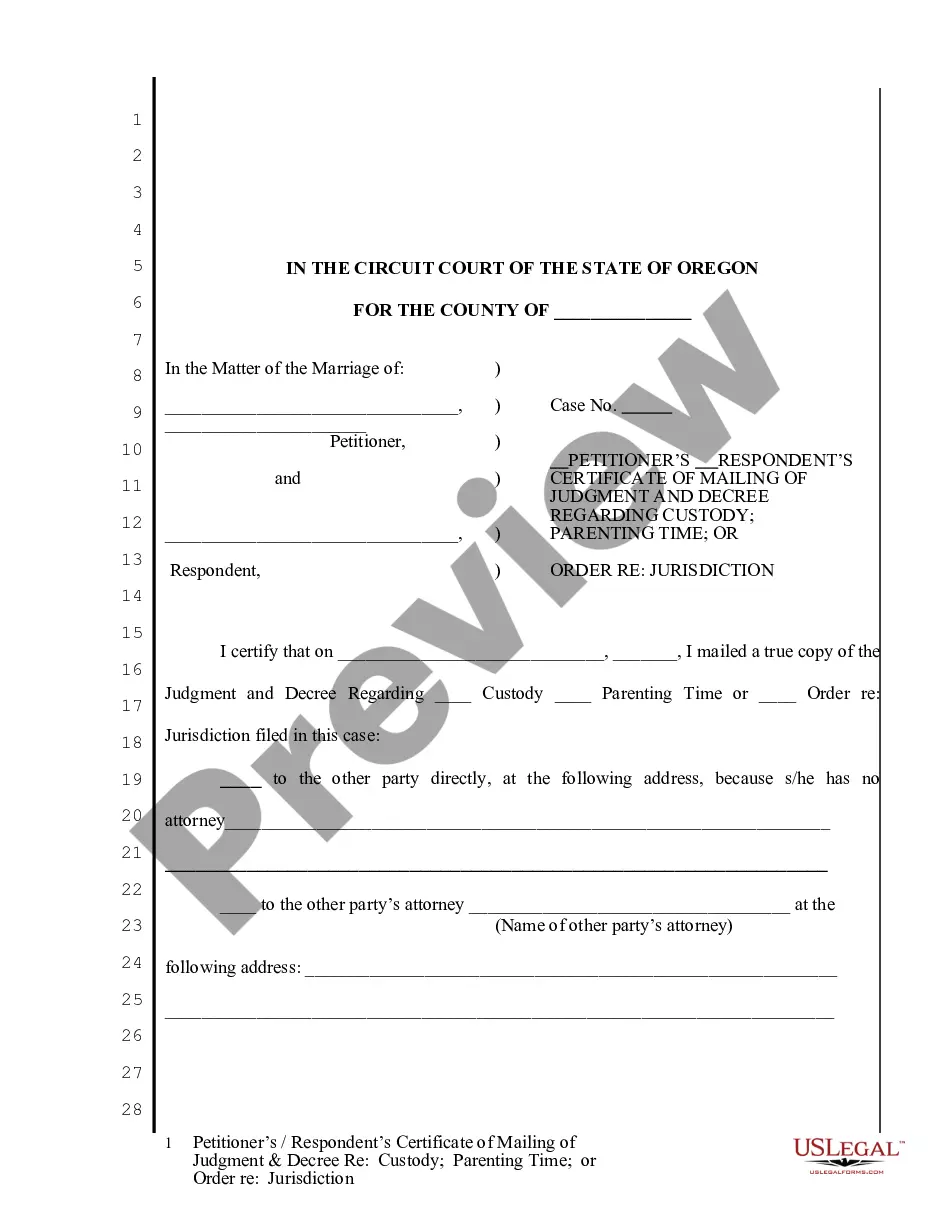
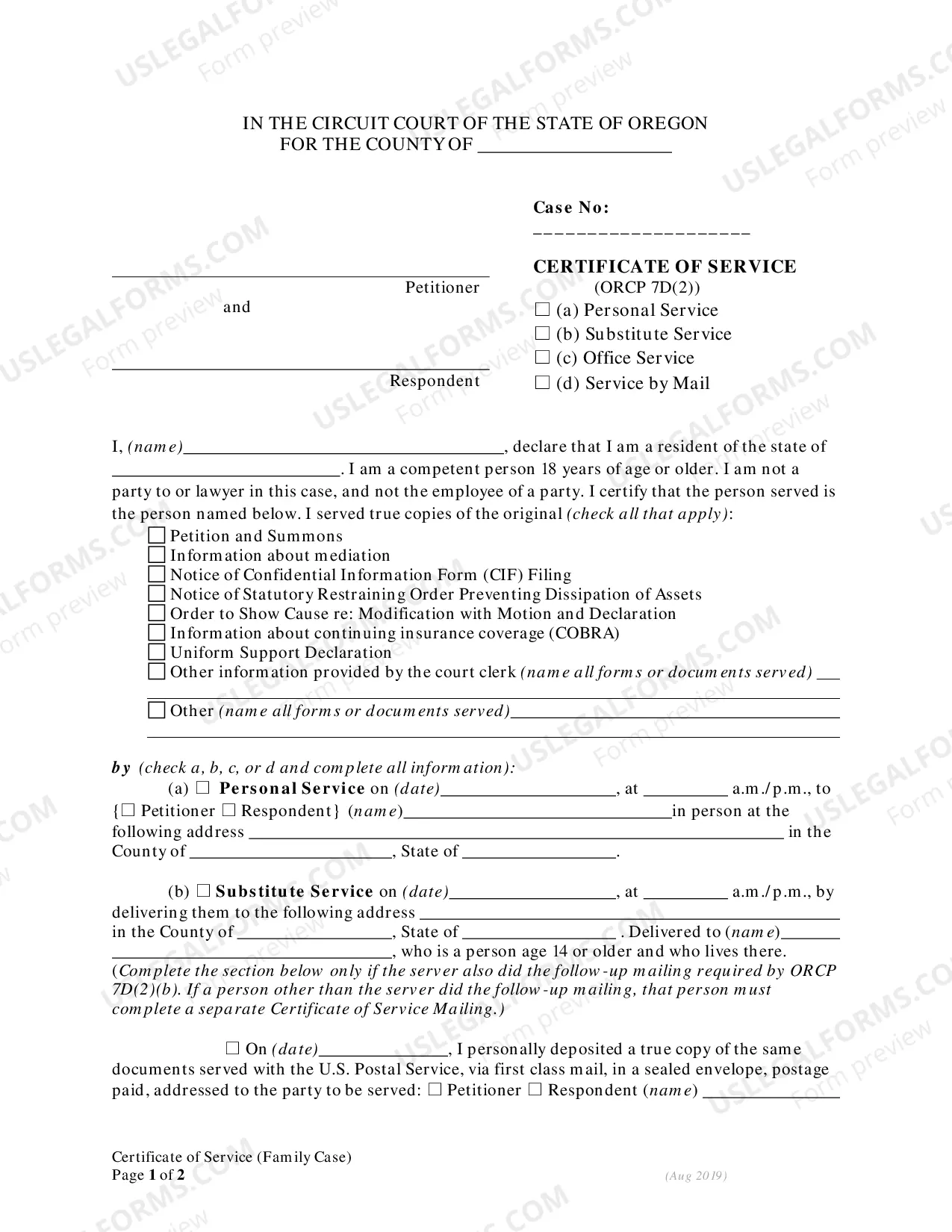
The Certificate of Mailing Judgment regarding Custody Visitation and Support Order regarding Jurisdiction is a legal document used in Oregon domestic litigation. This form confirms that a copy of the judgment related to custody, visitation, and support orders has been properly mailed to the involved parties. It serves as evidence that the judgment was communicated, ensuring compliance with legal notification requirements. Unlike other forms, this certificate specifically addresses jurisdictional matters related to custody and support judgments.
Form components explained
- Case information, including the court name and case number.
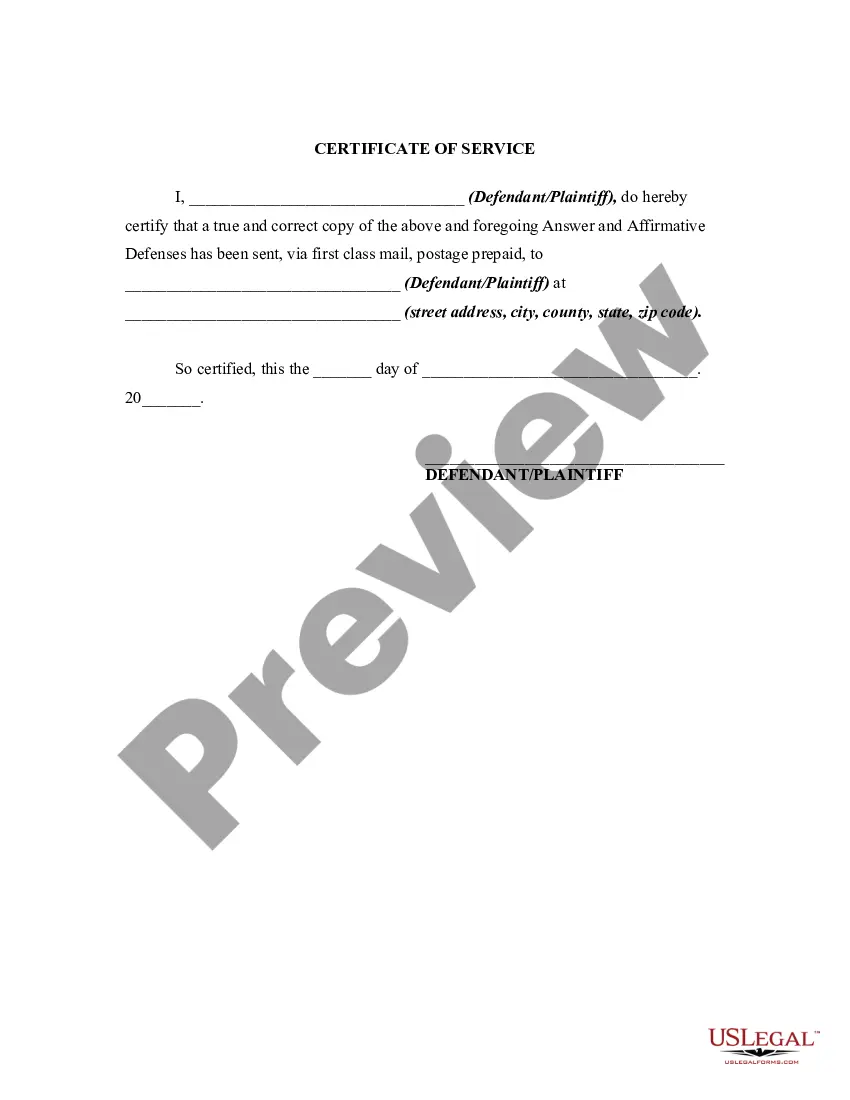
- The date and method of mailing the judgment to the parties involved.
- Address fields for the recipient and their attorney, if applicable.
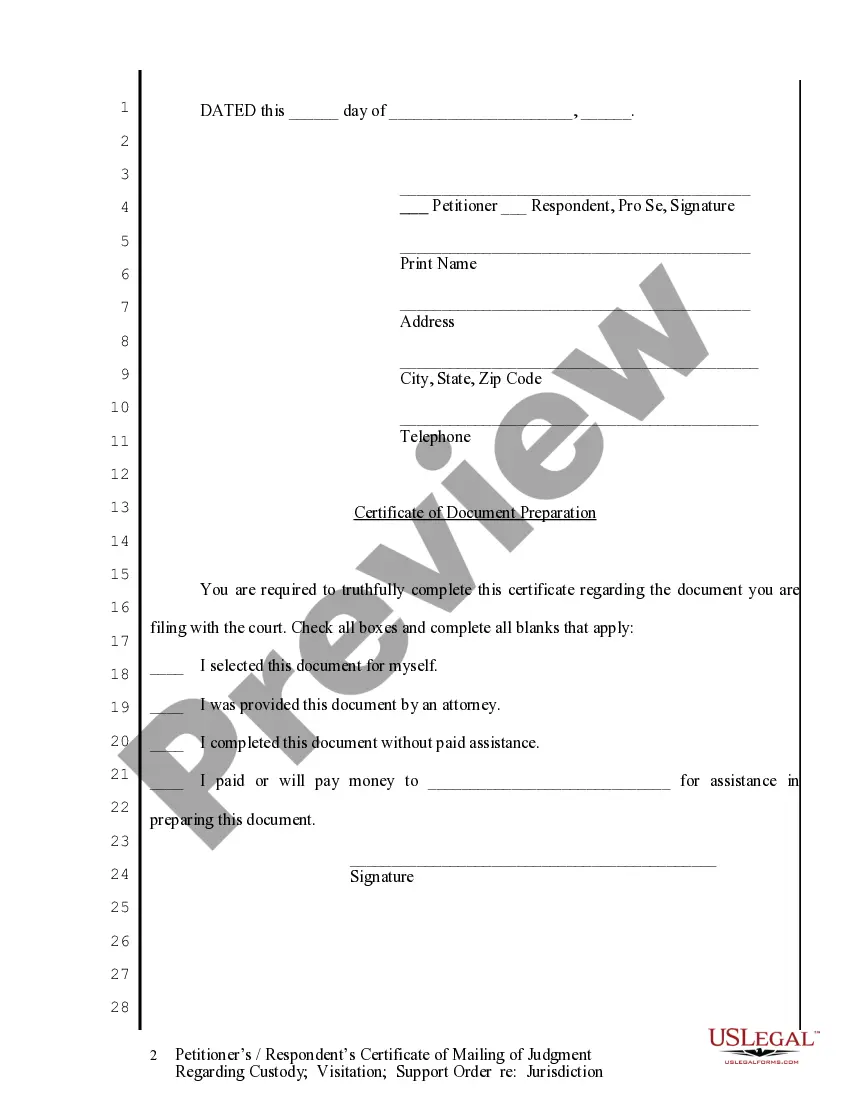
- Signature block for the Petitioner or Respondent certifying the mailing.
- Certificate of Document Preparation section to disclose assistance in completing the document.
When to use this form
This form should be used after a judgment regarding custody, visitation, or support has been issued by the court. It is necessary to provide proof that the judgment has been mailed to all relevant parties, particularly in cases where the recipients do not have legal representation. Using this form helps ensure that all parties are informed and that the court is aware of the notifications made.
Who can use this document
- Petitioners or Respondents involved in custody or support cases in Oregon.
- Individuals representing themselves without an attorney (Pro Se litigants).
- Those required to provide proof of mailing judgments for the court's records.
How to complete this form
- Enter the court name and the case number at the top of the form.
- Specify the date you mailed the judgment.
- Fill in the name and address of the other party and their attorney, if they have one.
- Sign the form as either Petitioner or Respondent to certify the mailing.
- Complete the Certificate of Document Preparation section as applicable.
Is notarization required?
Notarization is generally not required for this form. However, certain states or situations might demand it. You can complete notarization online through US Legal Forms, powered by Notarize, using a verified video call available anytime.
Get your form ready online
Our built-in tools help you complete, sign, share, and store your documents in one place.
Make edits, fill in missing information, and update formatting in US Legal Forms—just like you would in MS Word.
Download a copy, print it, send it by email, or mail it via USPS—whatever works best for your next step.
Sign and collect signatures with our SignNow integration. Send to multiple recipients, set reminders, and more. Go Premium to unlock E-Sign.
If this form requires notarization, complete it online through a secure video call—no need to meet a notary in person or wait for an appointment.
We protect your documents and personal data by following strict security and privacy standards.

Make edits, fill in missing information, and update formatting in US Legal Forms—just like you would in MS Word.

Download a copy, print it, send it by email, or mail it via USPS—whatever works best for your next step.

Sign and collect signatures with our SignNow integration. Send to multiple recipients, set reminders, and more. Go Premium to unlock E-Sign.

If this form requires notarization, complete it online through a secure video call—no need to meet a notary in person or wait for an appointment.

We protect your documents and personal data by following strict security and privacy standards.
Avoid these common issues
- Failing to include correct addresses for all parties.
- Not signing the certificate, which may lead to rejection by the court.
- Incorrectly dating the form or omitting the date altogether.
- Not completing the Certificate of Document Preparation fully, which is required.
Why complete this form online
- Easy to download and complete at your convenience.
- Editable format allows you to fill in personal information without hassle.
- Forms are drafted by licensed attorneys, ensuring their reliability and legality.
Looking for another form?

Form popularity
FAQ
In order to request a modification to the child custody agreement, the parent requesting the change must file a petition with the court. Each side gets the opportunity to present their arguments as to whether the current arrangement should or should not be changed.
When a default is entered, the party who requested the entry of default must obtain a default judgment against the defaulting party within 45 days after the default was entered, unless the court has granted an extension of time.
After you notify the defendant of the judgment, you can begin to enforce the judgment. Your judgment might be for money, repossession, eviction, foreclosure, or any number of things. In any case, your rights at this point would be the same as if you had gone to trial and won.
This includes meeting the court's deadlines, completing financial disclosures, and responding to pleadings. When an opposing party does not respond to a petition, complaint, or motion, they are in default. As a case progresses forward, it is more and more difficult for a party in default to catch up.
Determining a Child's Home StateJurisdiction will lie in the child's home state, or in a state where the child has resided for the six months prior to the filing of the action. Any parent seeking custody must also reside in the state in which the custody action is filed for six months prior to filing the action.
Child custody cases are filed in the jurisdiction of the family court/competent court where minor child ordinarily resides. For example, father is living in Mumbai.Thus, family court or concerned competent court shall have the exclusive jurisdiction over the child custody to the exclusion of all other courts.
Jurisdiction in the courts of a particular state may be determined by the location of real property in a state (in rem jurisdiction), or whether the parties are located within the state (in personam jurisdiction).
Paying child support obligations alone is not enough of a factor for access or visitation to be given, if it is not deemed to be in the best interests of the child.
A default judgment in a child custody case is a decision made by a judge in favor of one party due to the inaction of the opposing party. In a child custody battle, if a defendant fails to respond to the inquires of the court within enough time, a default judgment can be granted in favor of the plaintiff.