Oregon Irrevocable Trust for Lifetime Benefit of Disabled Trustor with Power of Invasion in Trustor
About this form
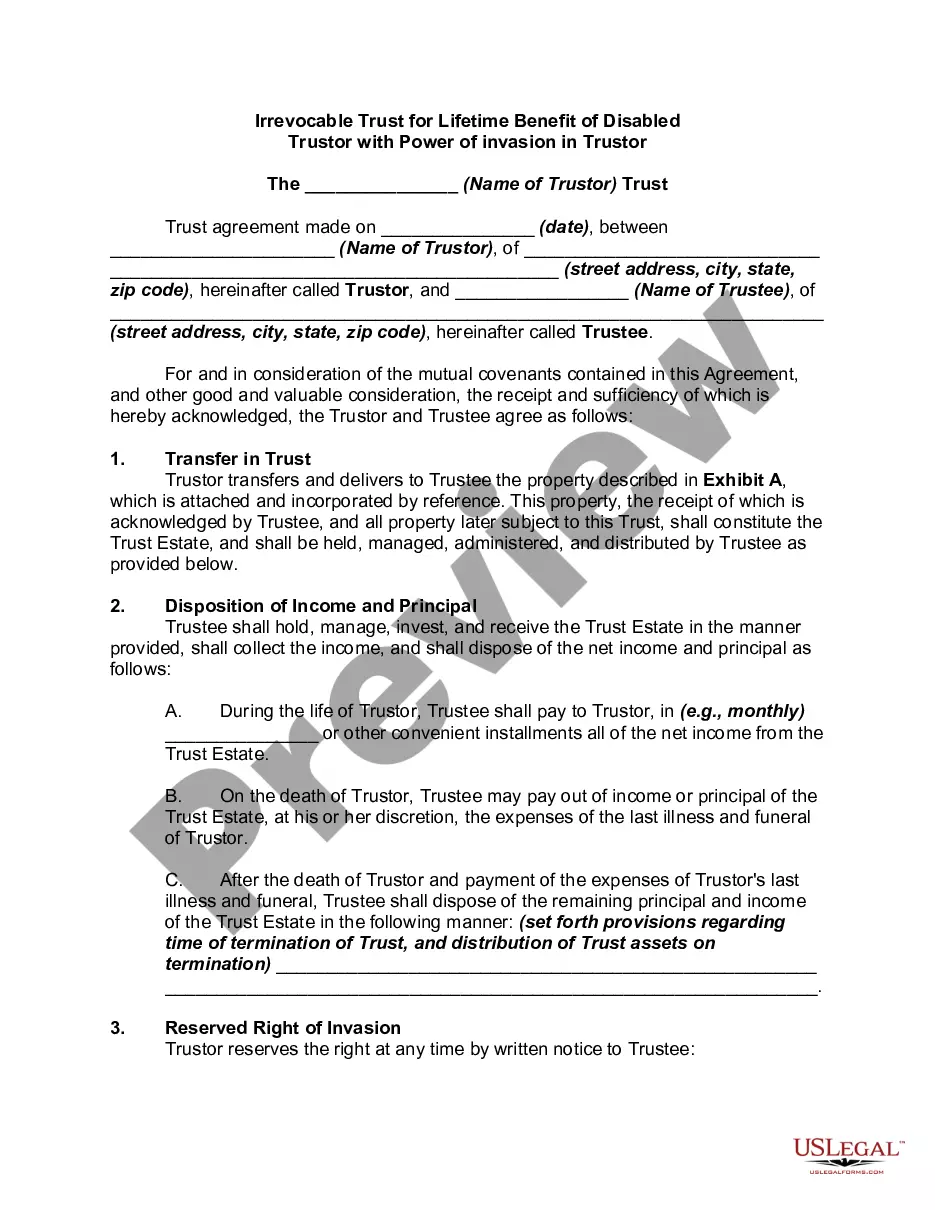
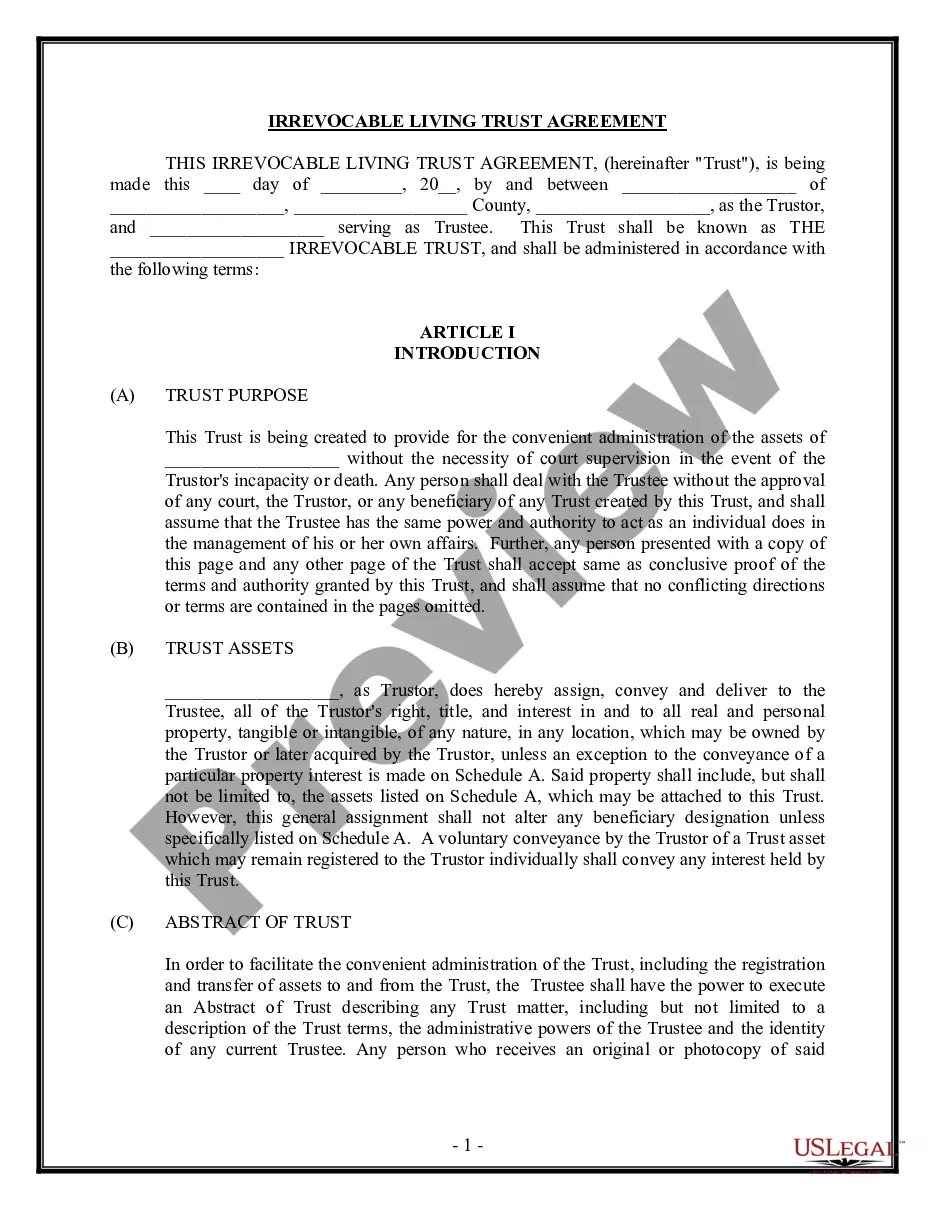
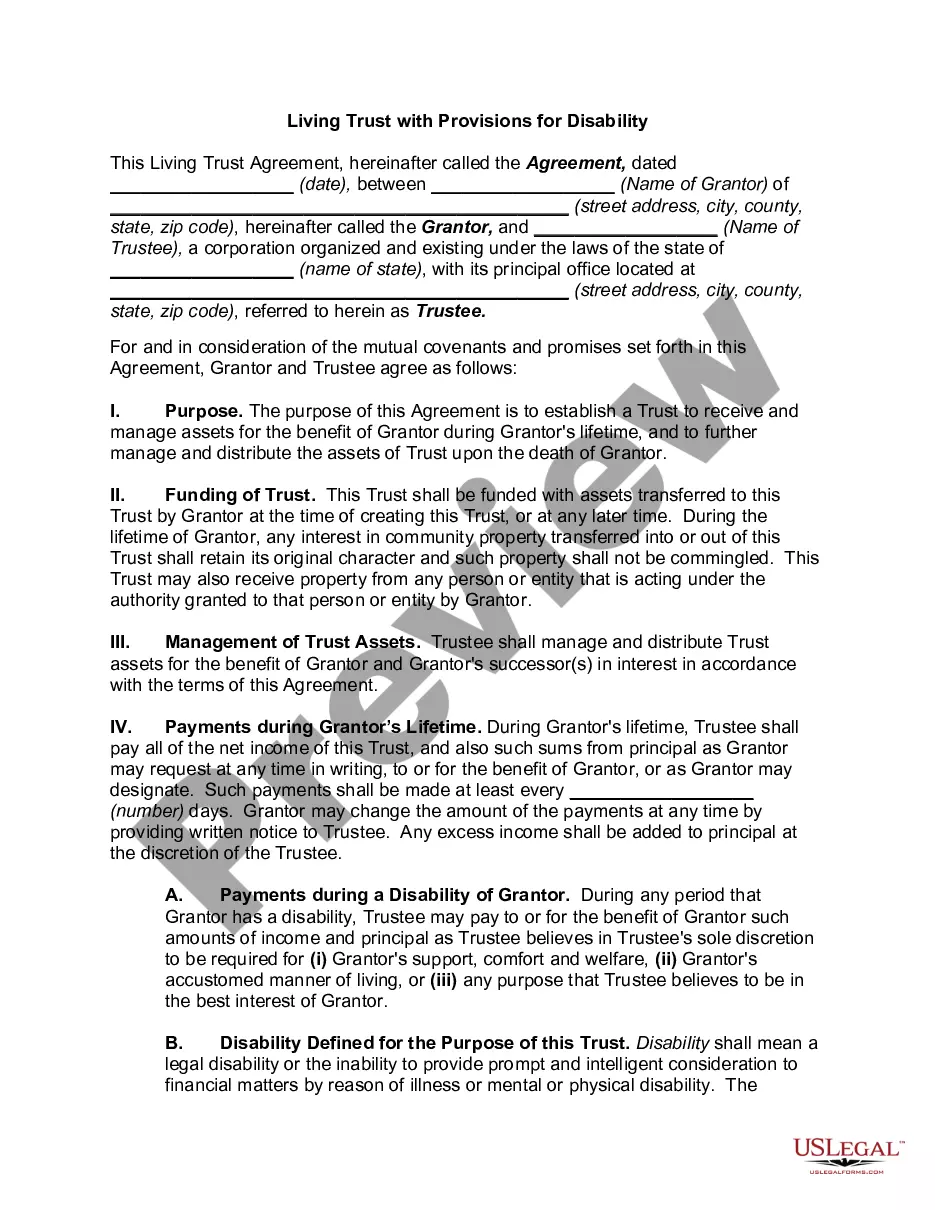
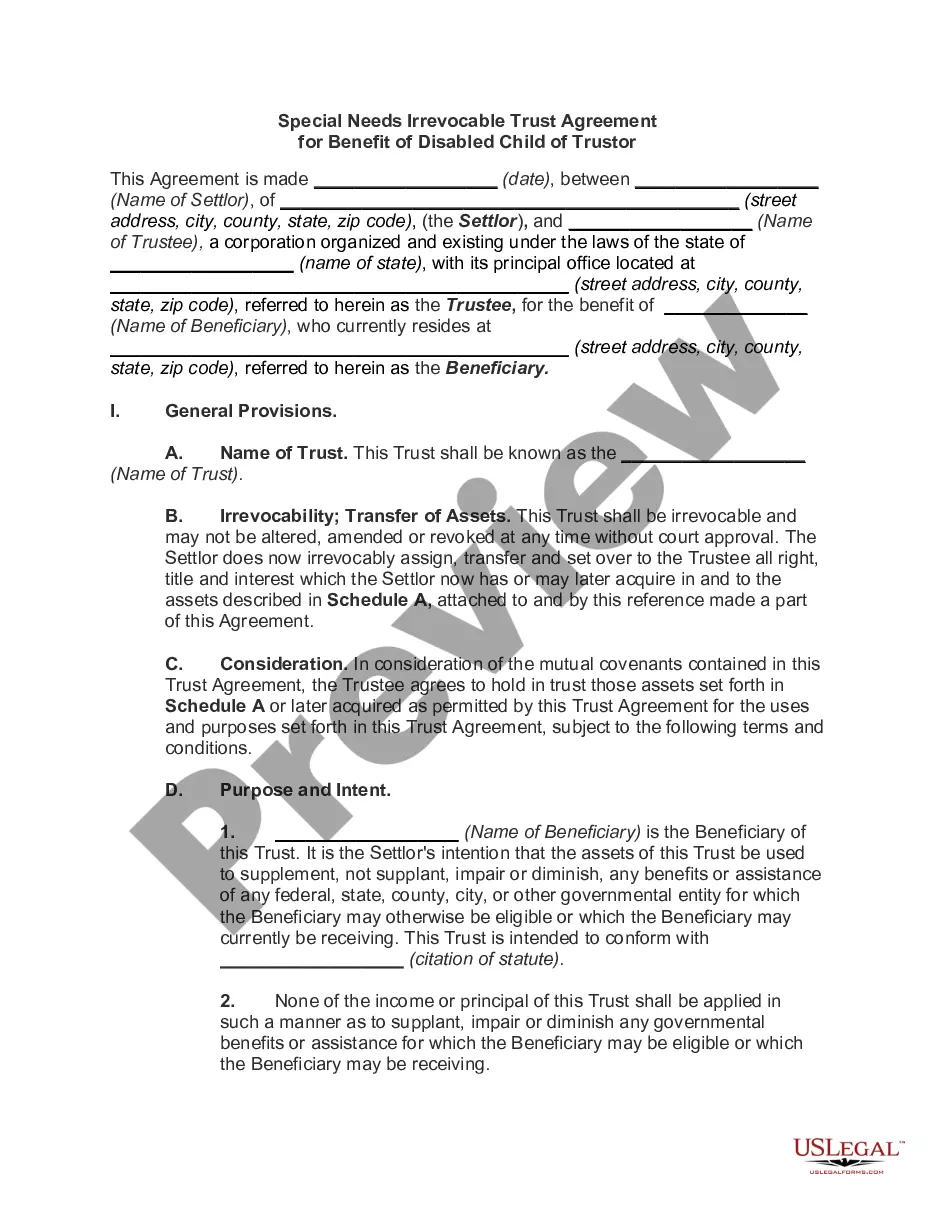
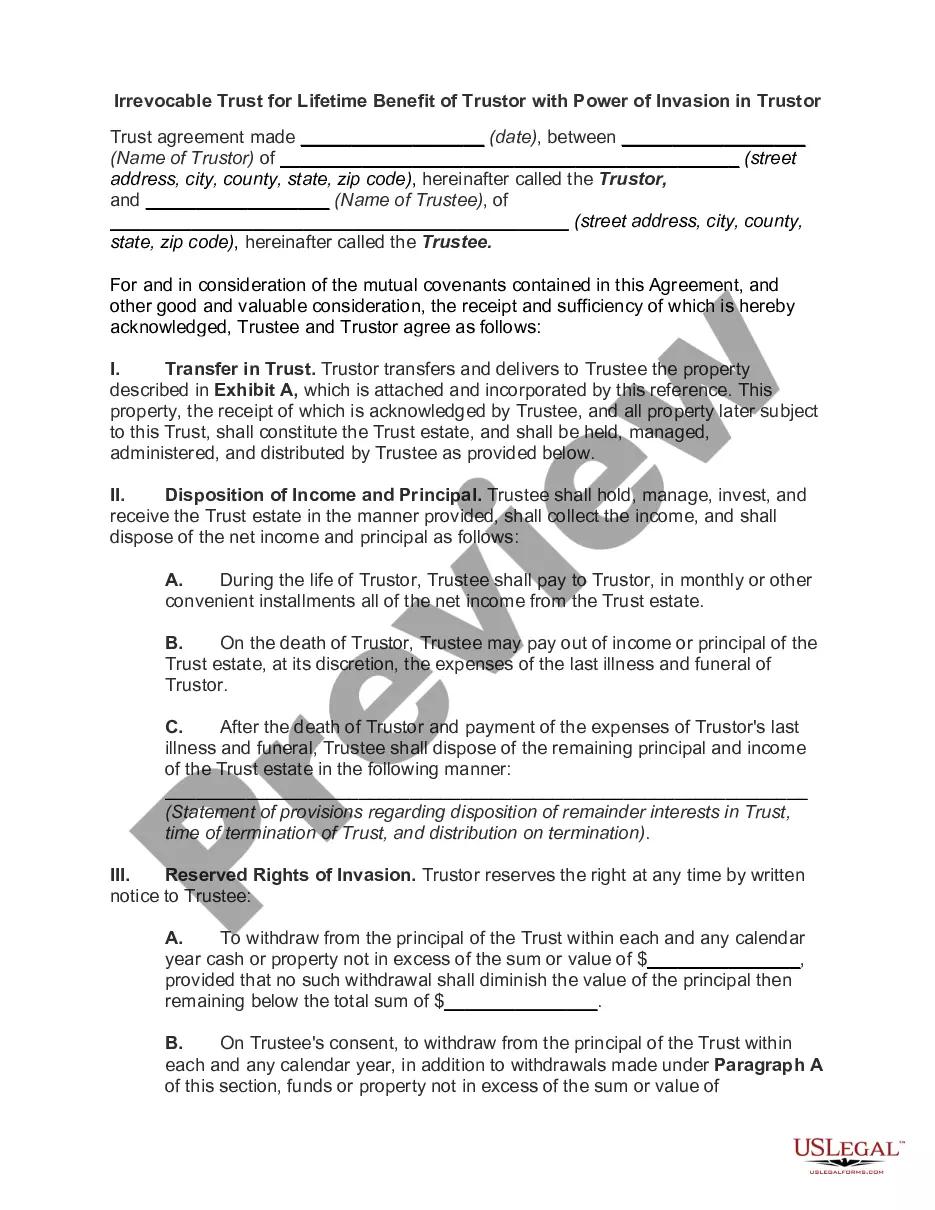
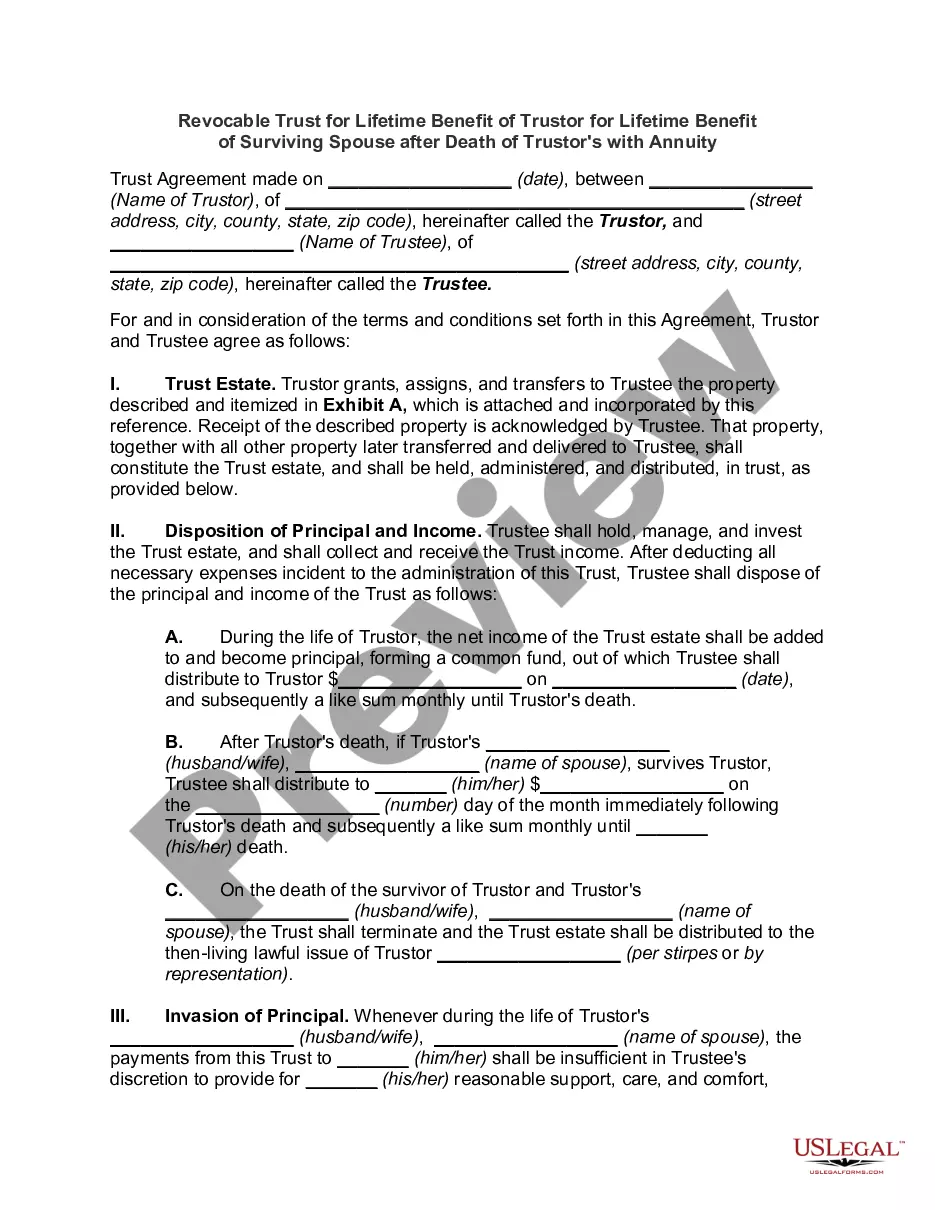
The Irrevocable Trust for Lifetime Benefit of Disabled Trustor with Power of Invasion in Trustor is a legal document that establishes a trust intended to manage and protect assets for a disabled trustor's benefit during their lifetime. This type of trust differs from revocable trusts because it cannot be altered or terminated once created. Additionally, the trustor retains some rights to withdraw certain amounts from the trust under specified conditions. It is particularly useful for individuals looking to secure their assets while ensuring proper management during their lifetime.
Main sections of this form
- Transfer of property into trust by the trustor, defining the trust estate.
- Provision for income distribution to the trustor during their lifetime.
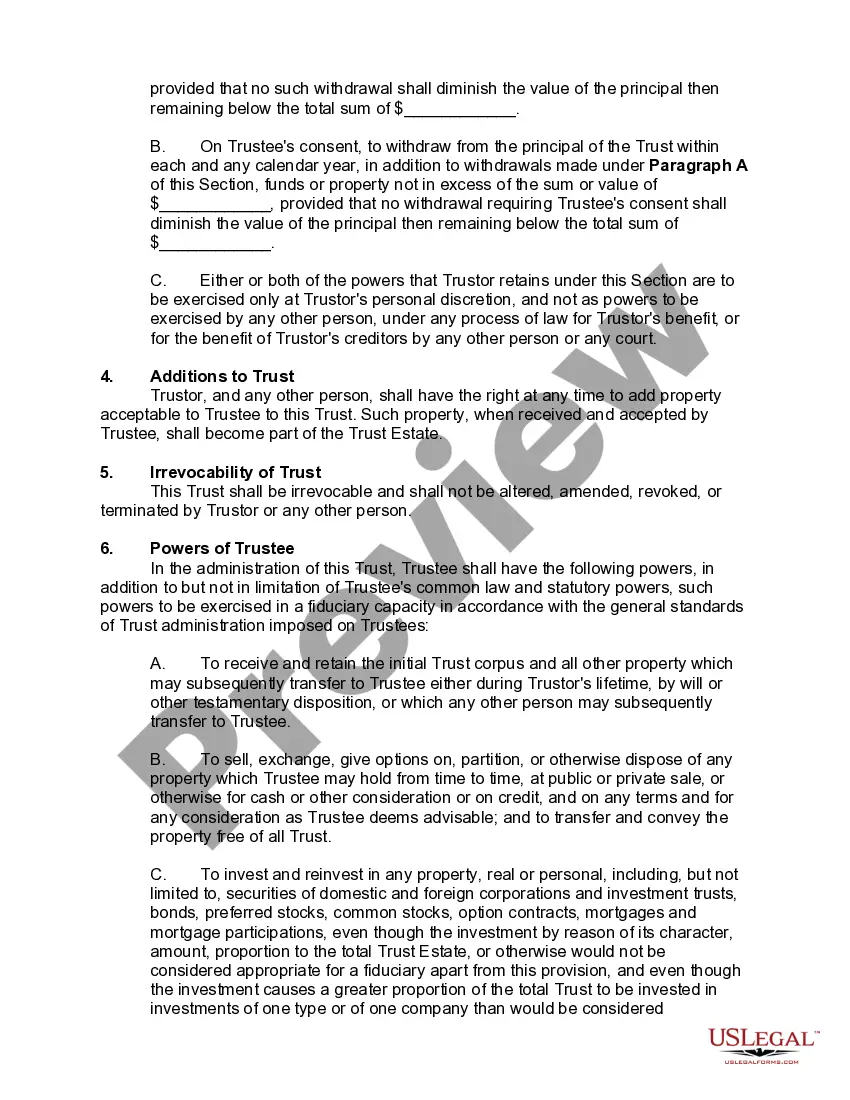
- Details on the power of invasion allowing the trustor to withdraw funds under specific conditions.
- Irrevocability clause preventing changes to the trust after its establishment.
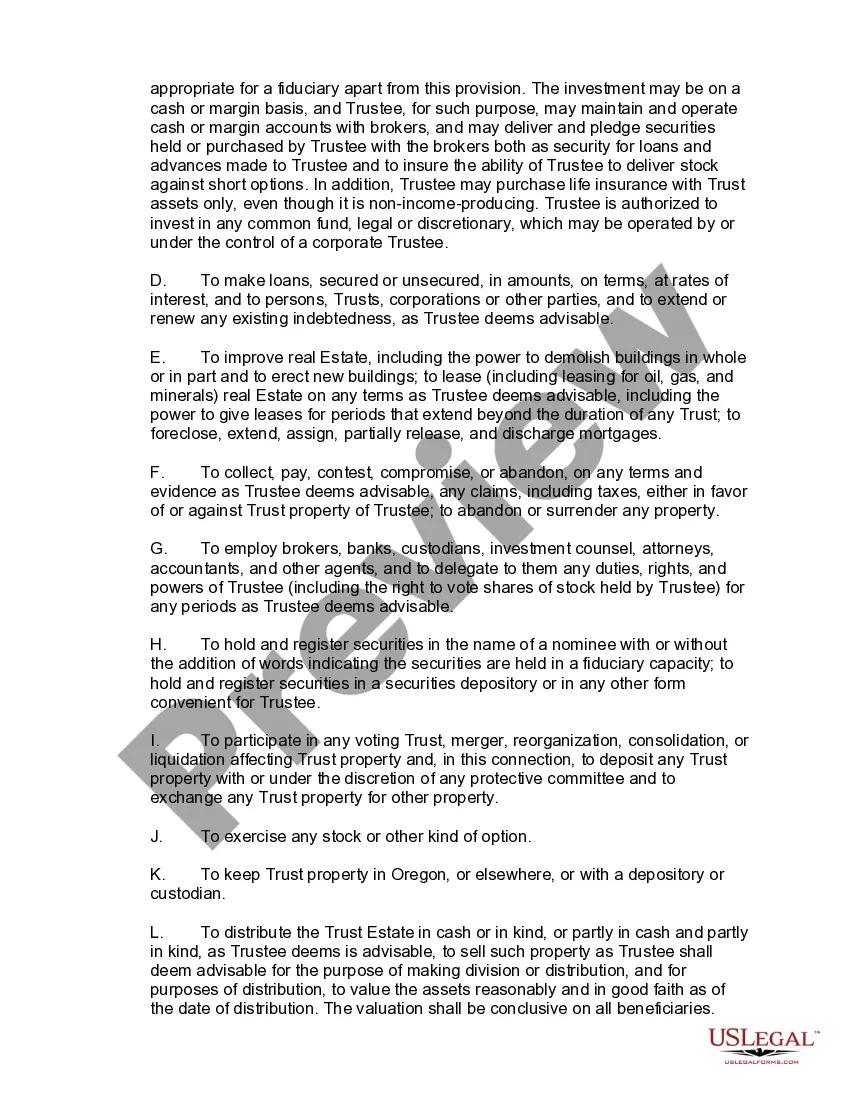
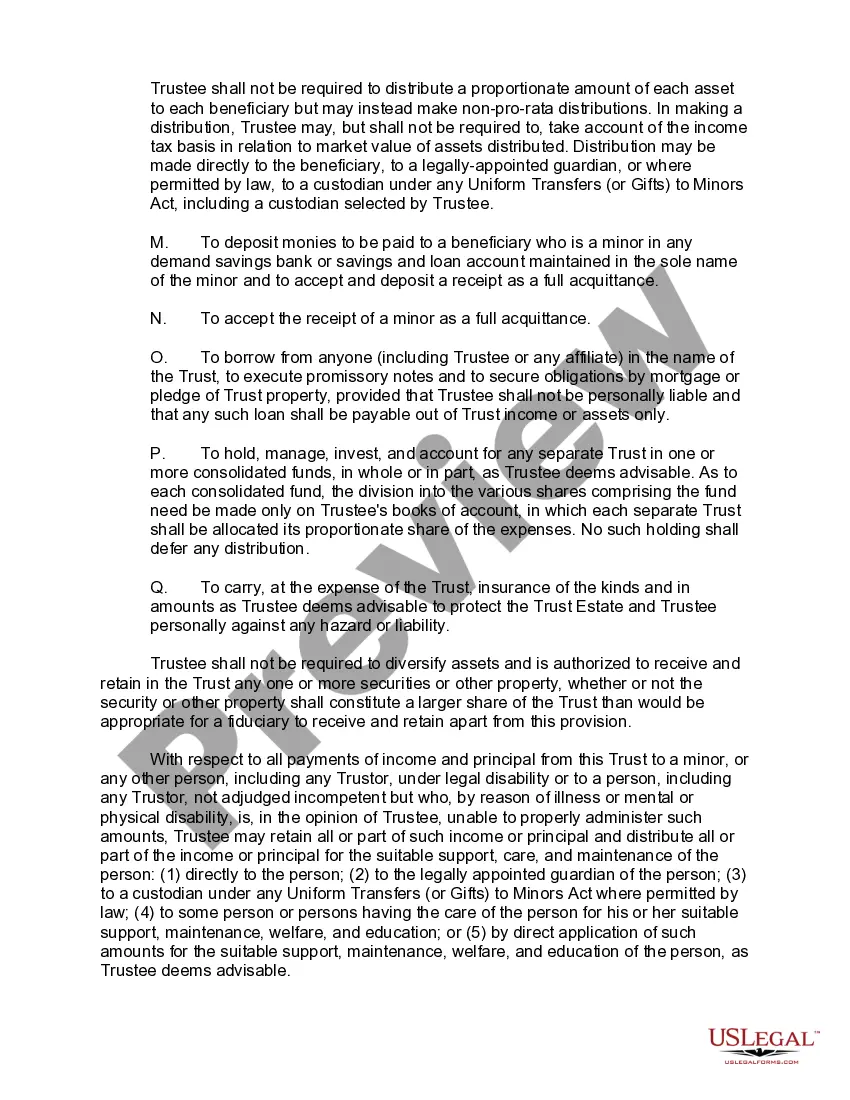
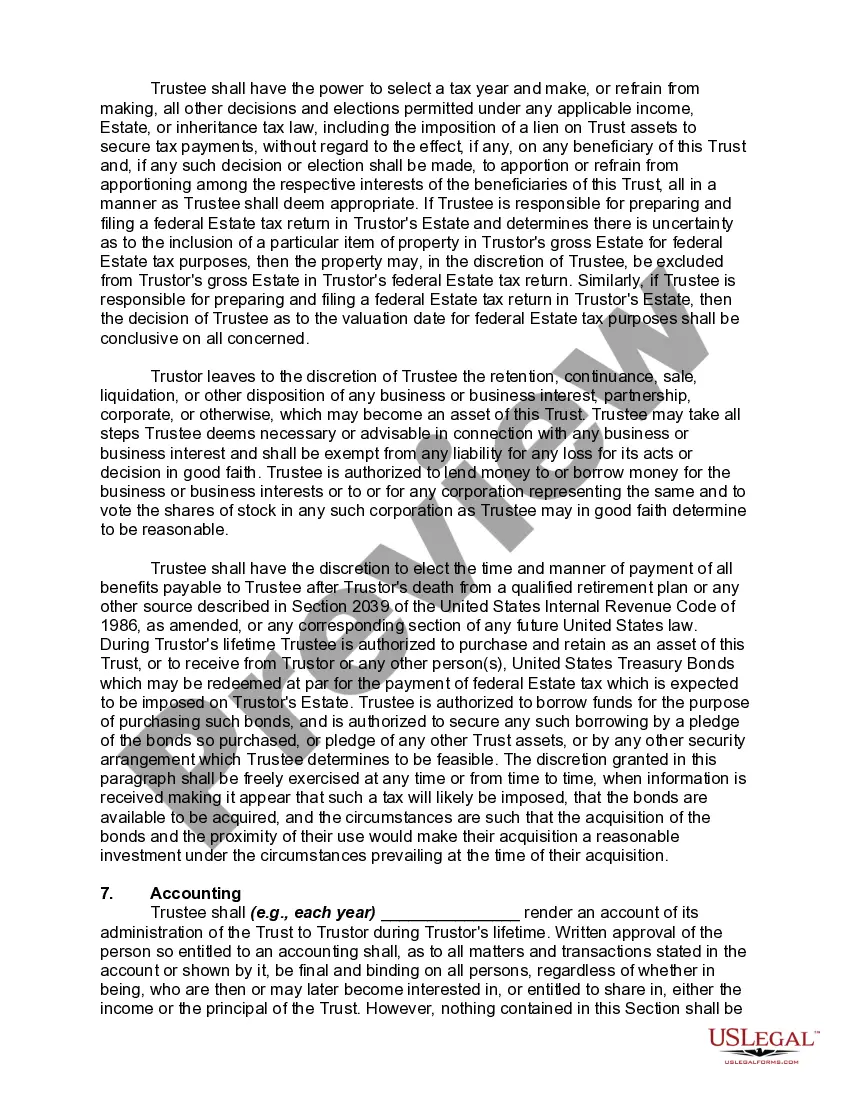
- Powers and responsibilities of the trustee in managing the trust assets.
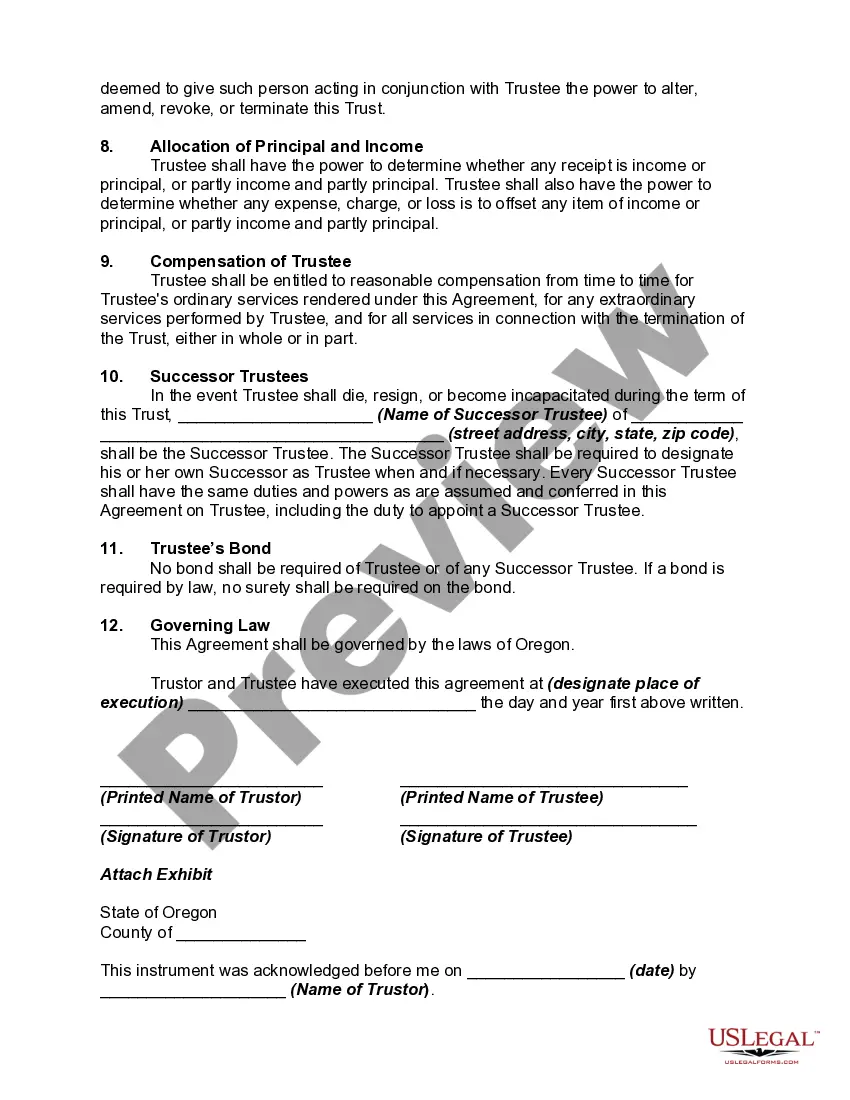
- Successor trustee designation in case the initial trustee cannot serve.
When to use this document
This form should be used when a disabled individual wishes to establish a trust that will manage their assets for their benefit, ensuring they have access to funds while providing protection from creditors and ensuring proper asset management. It is suitable for individuals who want to maintain control over their trust estate while also securing support for their ongoing needs.
Who needs this form
- Disabled individuals looking to manage their financial assets securely.
- Family members or guardians of disabled individuals wanting to assist in asset management.
- Trustors seeking to ensure their income needs are met while protecting their assets.
- Individuals interested in estate planning strategies that involve trusts.
Instructions for completing this form
- Identify the parties involved: the trustor and the trustee, including their names and addresses.
- Specify the property being transferred into the trust, listing it in Exhibit A.
- Enter the details regarding the distribution of income and principal during the trustor's lifetime.
- Document any rights reserved for the trustor, particularly those regarding the power of invasion.
- Designate provisions for a successor trustee in case the original trustee is unable to serve.
Does this form need to be notarized?
This form must be notarized to be legally valid. US Legal Forms provides secure online notarization powered by Notarize, allowing you to complete the process through a verified video call.
Get your form ready online
Our built-in tools help you complete, sign, share, and store your documents in one place.
Make edits, fill in missing information, and update formatting in US Legal Forms—just like you would in MS Word.
Download a copy, print it, send it by email, or mail it via USPS—whatever works best for your next step.
Sign and collect signatures with our SignNow integration. Send to multiple recipients, set reminders, and more. Go Premium to unlock E-Sign.
If this form requires notarization, complete it online through a secure video call—no need to meet a notary in person or wait for an appointment.
We protect your documents and personal data by following strict security and privacy standards.

Make edits, fill in missing information, and update formatting in US Legal Forms—just like you would in MS Word.

Download a copy, print it, send it by email, or mail it via USPS—whatever works best for your next step.

Sign and collect signatures with our SignNow integration. Send to multiple recipients, set reminders, and more. Go Premium to unlock E-Sign.

If this form requires notarization, complete it online through a secure video call—no need to meet a notary in person or wait for an appointment.

We protect your documents and personal data by following strict security and privacy standards.
Typical mistakes to avoid
- Failing to clearly identify the trust property or provide complete information in Exhibit A.
- Not specifying the amounts or conditions under which the trustor can withdraw funds.
- Overlooking the designation of a successor trustee, which can lead to complications in trust management.
- Neglecting to ensure that the agreement is compliant with state laws.
Benefits of completing this form online
- Convenient access allows users to complete the form from home.
- Editable templates enable customization to fit specific needs.
- Reliable drafting by licensed attorneys ensures legal compliance.
- Quick download eliminates the need for in-person appointments or trips to the office.
Legal use & context
- This trust is legally binding and ensures that the trustor's needs are prioritized throughout their lifetime.
- Establishing an irrevocable trust can help protect assets from creditors and support eligibility for certain benefits.
- Trustees have specific fiduciary duties to manage trust assets responsibly and in the best interest of the trustor.
Looking for another form?
Form popularity
FAQ
A trustee only has power over an asset that is owned by the trust. A trustee may delegate their power to a third party by use of a power of attorney.A document which merely gives the attorney-in-fact power over the principal's personal affairs is not sufficient to permit them to exercise authority over the trust.
Your power of attorney can only make changes to your living trust if you specifically grant them that authority.However, if the POA document fails to include the power to change your living trust, your agent doesn't have the right to do so.
If your trust is irrevocable, any power of attorney won't be able to alter it no matter what authority you give her. All trusts become irrevocable upon your death, so if you want your attorney-in-fact to change your revocable trust, you need to do it while you're alive and competent to make such decisions.
Irrevocable Trust If you don't pay next year's tax bill, the IRS can't usually go after the assets in your trust unless it proves you're pulling some sort of tax scam. If your trust earns any income, it has to pay income taxes. If it doesn't pay, the IRS might be able to lien the trust assets.
Revocable trusts, as their name implies, can be altered or completely revoked at any time by their grantorthe person who established them. The first step in dissolving a revocable trust is to remove all the assets that have been transferred into it.
The successor trustee usually takes power when the person that created the trust either becomes incapacitated or has died. The Trustee only manages the assets that are owned by the trust, not assets outside the trust.In contrast, a Power of Attorney does not control anything that is owned by your trust.
A General Power of Attorney Does Not Authorize Agent to Establish An Irrevocable Trust.
A court can, when given reasons for a good cause, amend the terms of irrevocable trust when a trustee and/or a beneficiary petitions the court for a modification. Fifth, and finally, exercise allowable trustee or beneficiary modifications.
The grantor can transfer assets, bank accounts, and real estate ownership into the trust. However, pursuant to federal law, you cannot transfer a 401(k) account to a living trust.If a grantor transfers assets to an irrevocable living trust, however, the trust owns those assets.