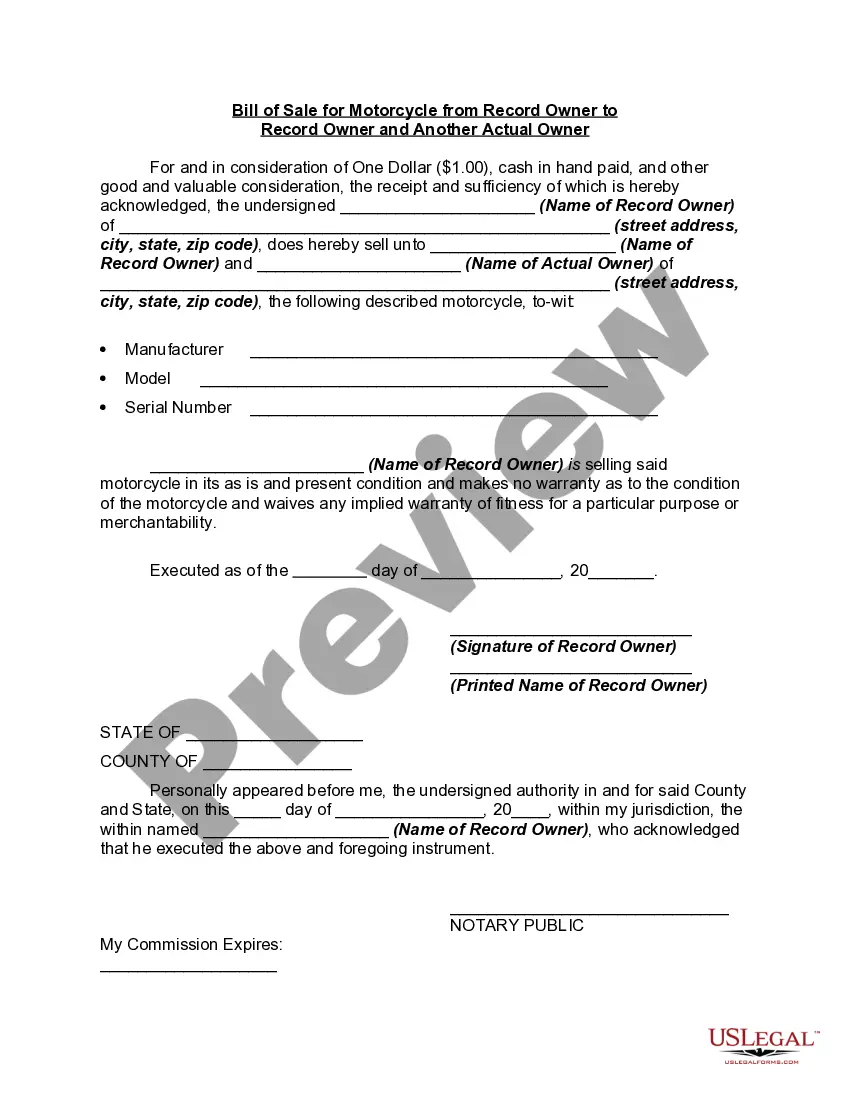
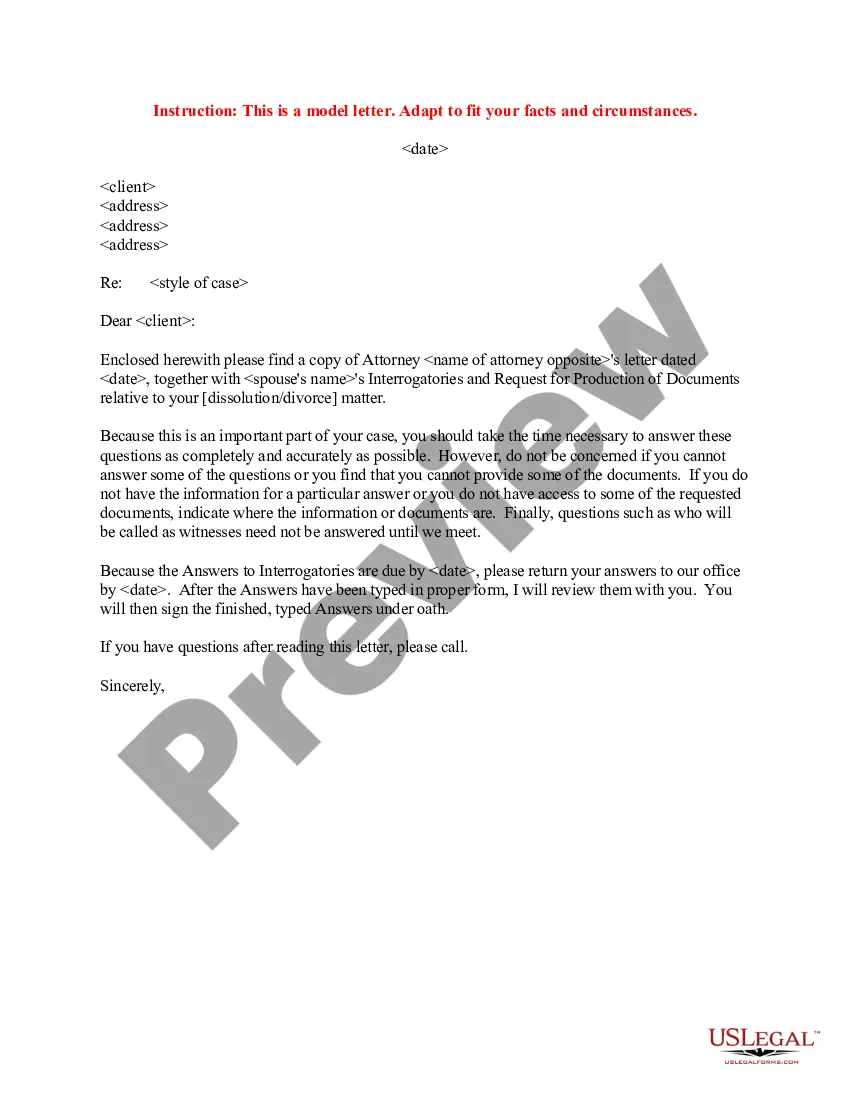
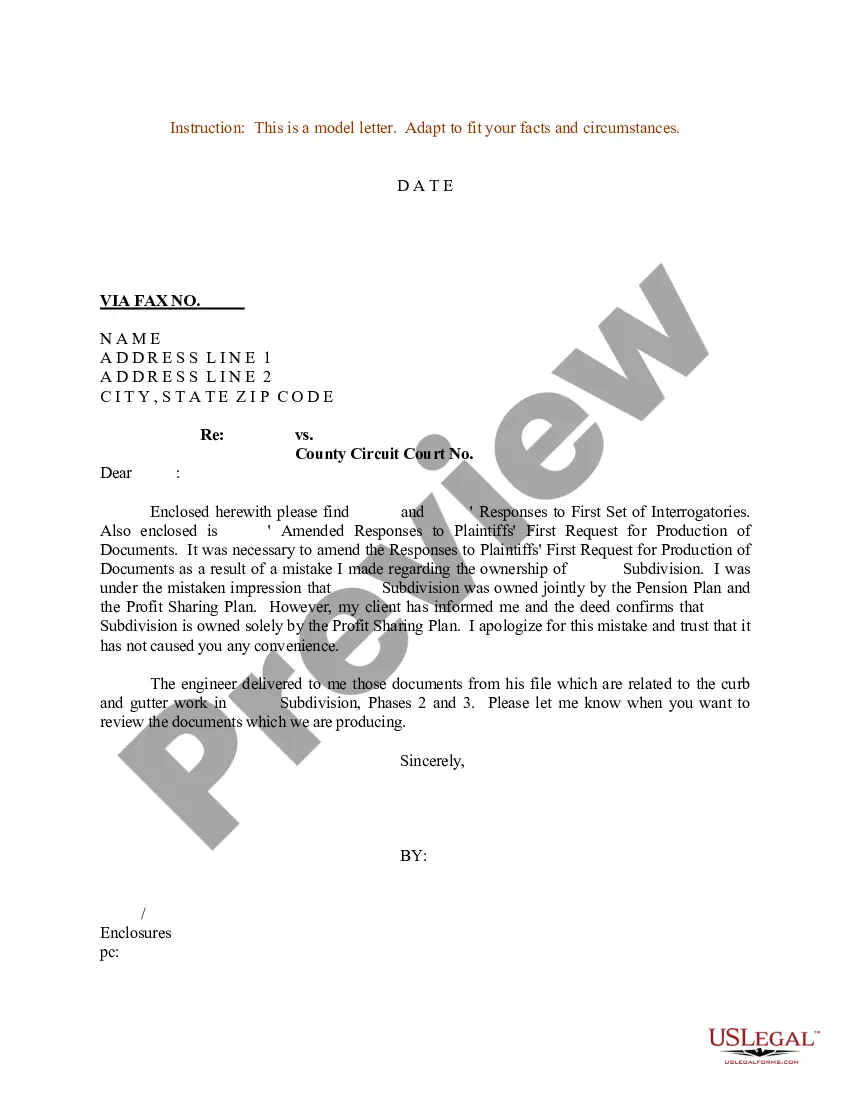
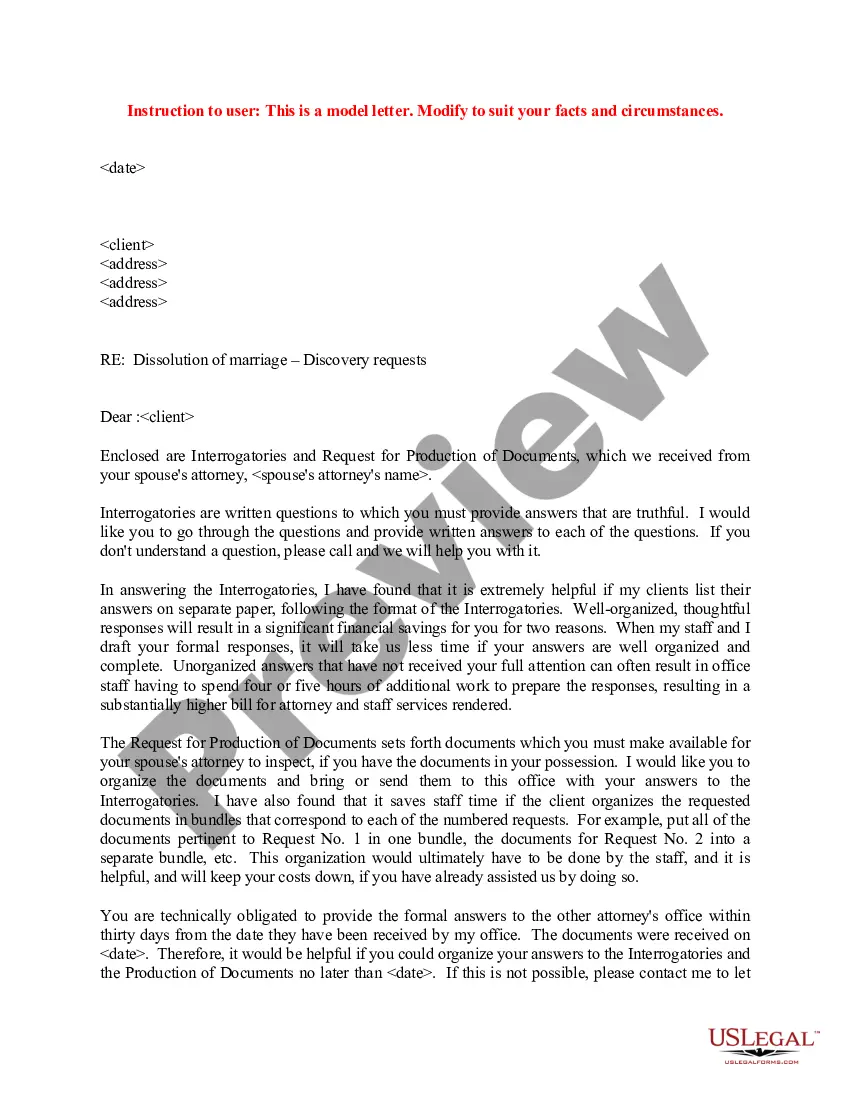
Oklahoma Cover Sample Letter to Client regarding Answering Interrogatories
Description
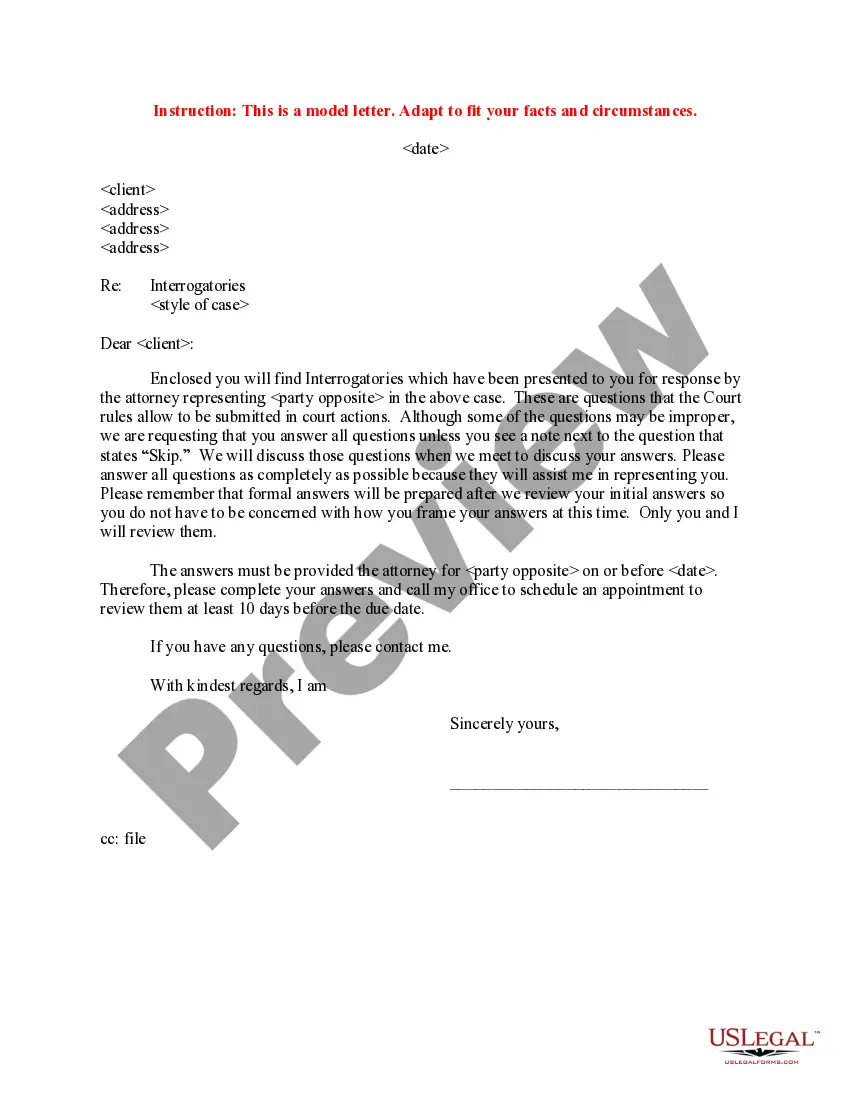
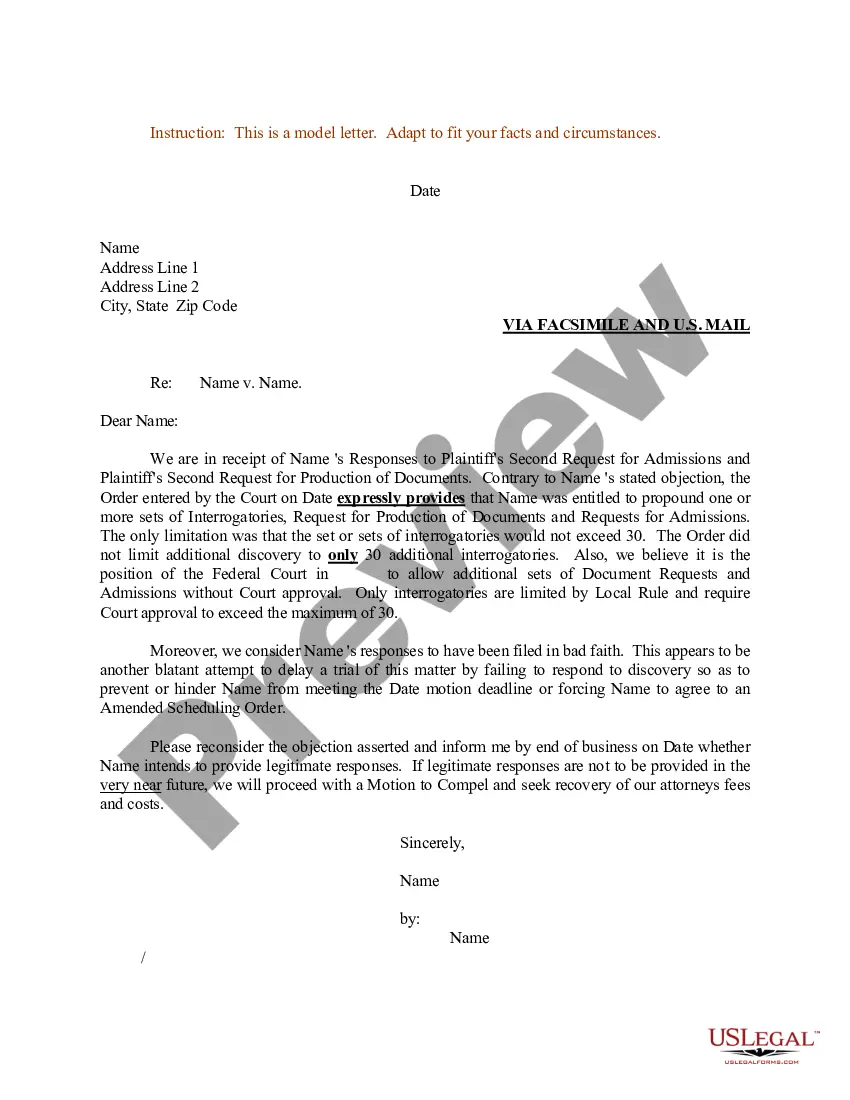
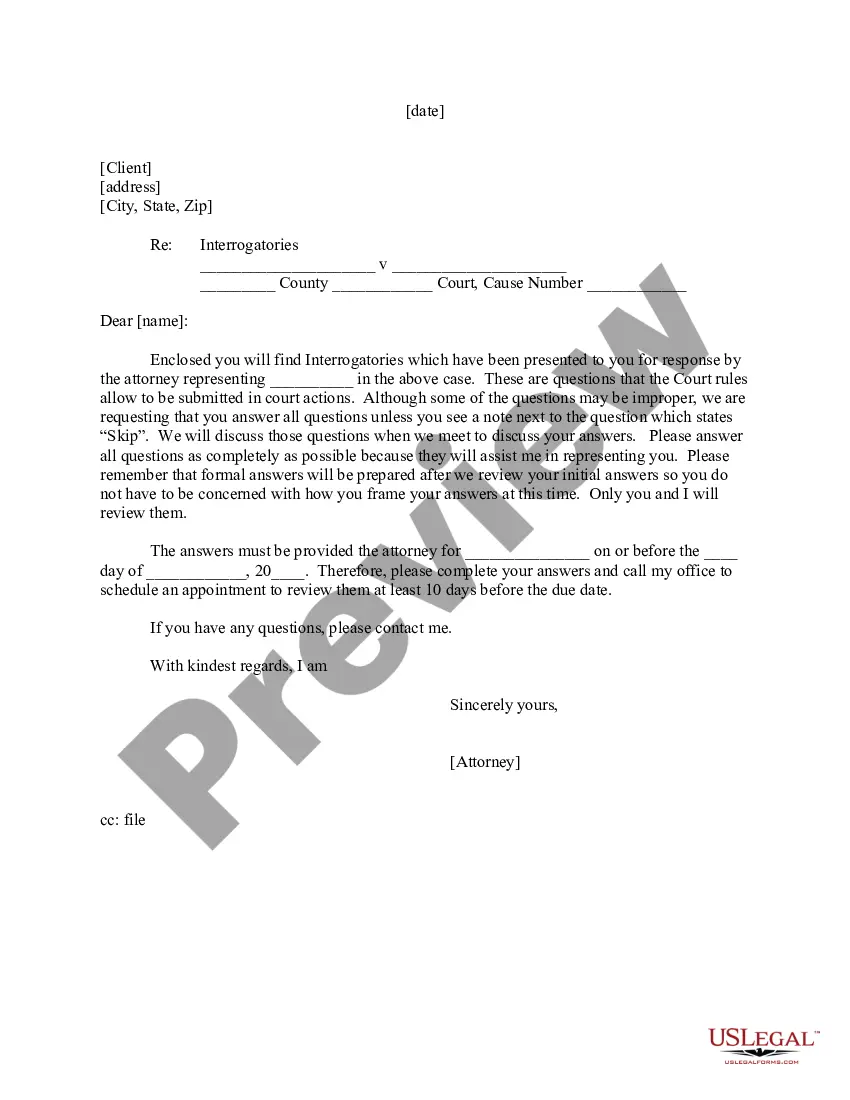
Get your form ready online
Our built-in tools help you complete, sign, share, and store your documents in one place.
Make edits, fill in missing information, and update formatting in US Legal Forms—just like you would in MS Word.
Download a copy, print it, send it by email, or mail it via USPS—whatever works best for your next step.
Sign and collect signatures with our SignNow integration. Send to multiple recipients, set reminders, and more. Go Premium to unlock E-Sign.
If this form requires notarization, complete it online through a secure video call—no need to meet a notary in person or wait for an appointment.
We protect your documents and personal data by following strict security and privacy standards.

Make edits, fill in missing information, and update formatting in US Legal Forms—just like you would in MS Word.

Download a copy, print it, send it by email, or mail it via USPS—whatever works best for your next step.

Sign and collect signatures with our SignNow integration. Send to multiple recipients, set reminders, and more. Go Premium to unlock E-Sign.

If this form requires notarization, complete it online through a secure video call—no need to meet a notary in person or wait for an appointment.

We protect your documents and personal data by following strict security and privacy standards.
Looking for another form?

How to fill out Cover Sample Letter To Client Regarding Answering Interrogatories?
US Legal Forms - one of several biggest libraries of legitimate forms in America - provides an array of legitimate file themes you are able to acquire or print. Using the site, you can find 1000s of forms for company and specific functions, sorted by categories, says, or search phrases.You will find the latest types of forms such as the Oklahoma Cover Sample Letter to Client regarding Answering Interrogatories within minutes.
If you already have a subscription, log in and acquire Oklahoma Cover Sample Letter to Client regarding Answering Interrogatories from the US Legal Forms catalogue. The Obtain switch will appear on each kind you see. You have access to all formerly saved forms in the My Forms tab of your respective accounts.
If you wish to use US Legal Forms the first time, listed below are basic recommendations to obtain began:
- Make sure you have picked out the correct kind for the area/county. Click the Review switch to examine the form`s content material. Read the kind explanation to actually have selected the correct kind.
- If the kind does not match your demands, take advantage of the Research discipline at the top of the monitor to discover the one that does.
- If you are pleased with the form, confirm your choice by clicking the Purchase now switch. Then, select the costs prepare you like and give your credentials to register on an accounts.
- Process the purchase. Utilize your Visa or Mastercard or PayPal accounts to perform the purchase.
- Select the structure and acquire the form on your device.
- Make modifications. Load, change and print and sign the saved Oklahoma Cover Sample Letter to Client regarding Answering Interrogatories.
Every web template you put into your bank account does not have an expiration day and is your own forever. So, if you would like acquire or print an additional copy, just go to the My Forms segment and click on about the kind you will need.
Get access to the Oklahoma Cover Sample Letter to Client regarding Answering Interrogatories with US Legal Forms, probably the most substantial catalogue of legitimate file themes. Use 1000s of professional and status-certain themes that satisfy your organization or specific demands and demands.
Form popularity
FAQ
There is no form for your answer, but you typically have to respond in a specified format, using paper with numbers down the left-hand side, with your name and address at the top left, the name of the court and of the case, and the case number.
Your answers to the interrogatories should usually be short, clear, and direct and should answer only the question that is being asked. This is not the time to set out your entire case or defense to the other side. Take the time to make sure your answers are correct and truthful.
Begin by explaining that the case has reached the discovery stage and what that means. Something like this: At this stage of the pending action, all parties are subject to procedures called ?discovery? that allow each party to obtain information and documents relevant to the case.
You can object to an interrogatory if the information sought is known by the requesting party or available to both parties equally. For example, you should raise this objection if the answers are publicly available or in a third-party's custody or control.
An interrogatory is not objectionable merely because it asks for an opinion or contention that relates to fact or the application of law to fact, but the court may order that the interrogatory need not be answered until designated discovery is complete, or until a pretrial conference or some other time.
Some of the valid grounds for objecting to interrogatories are: Irrelevant questions or questions outside the scope of permissible discovery. The information sought for is privileged (protected under the attorney client privilege doctrine or the like)
As the party resisting discovery by objecting to an interrogatory, you have the burden to explain why your objections are proper. To satisfy this burden, you should state your objection with specificity. This means giving specific facts, statutes, or judicial precedent supporting your position.
If you are unable to answer an interrogatory because it is too vague, ambiguous, or somehow objectionable, you can state an objection and the reason for your objection. You must then answer to the extent the interrogatory is not objectionable.