Oklahoma Unimproved Land Sales Agreement
Understanding this form
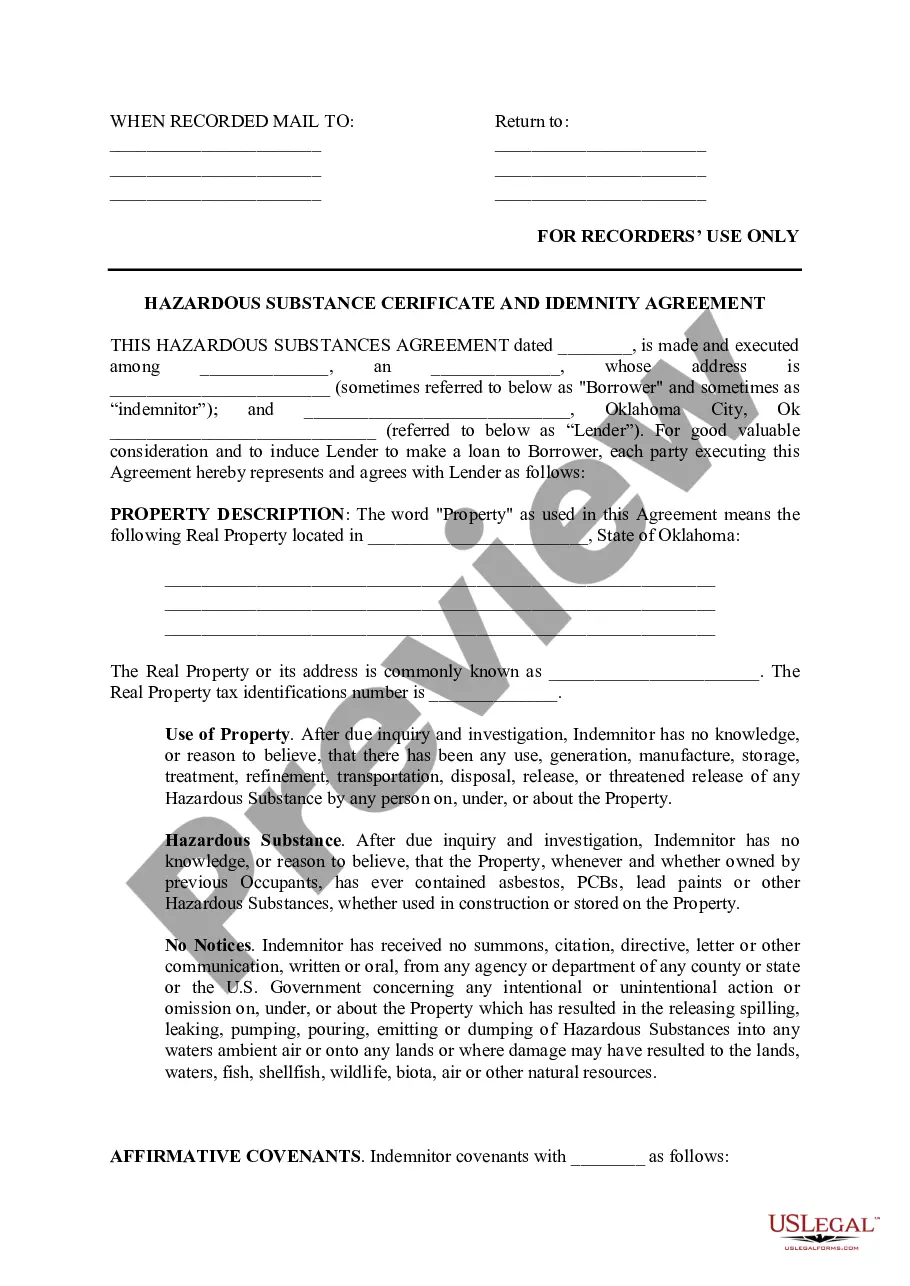
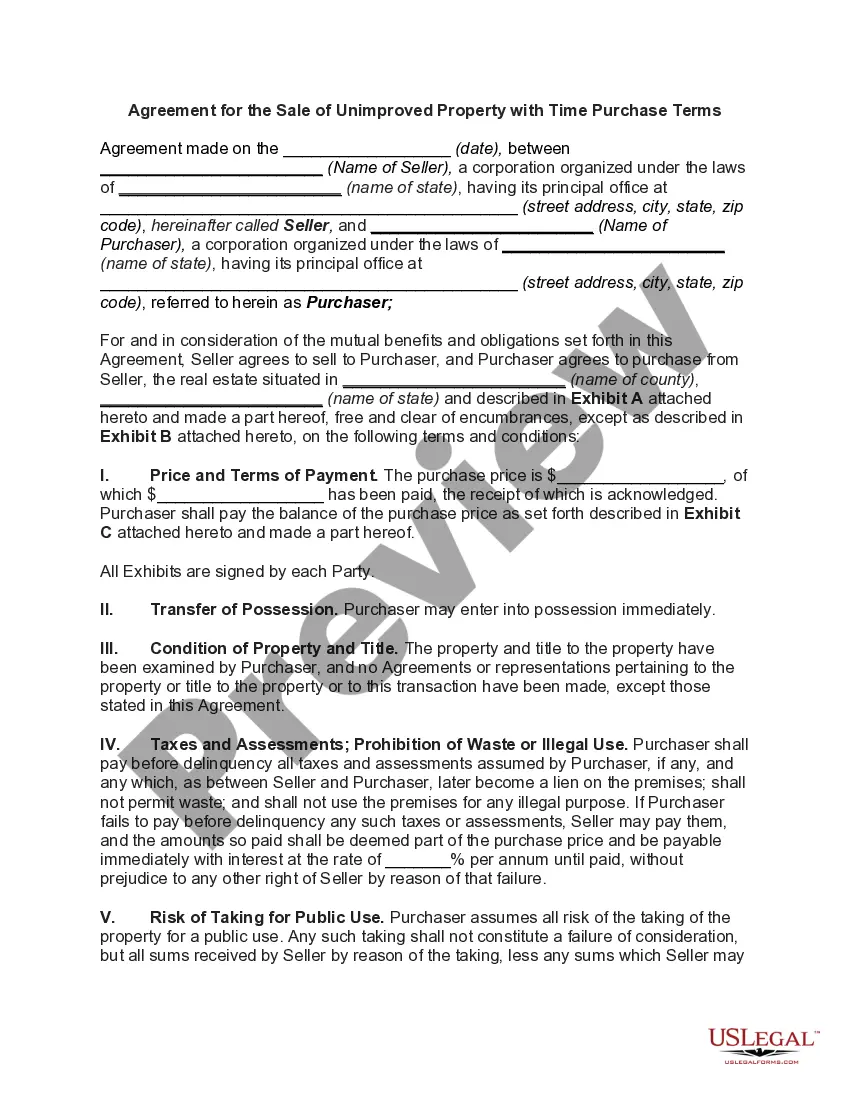
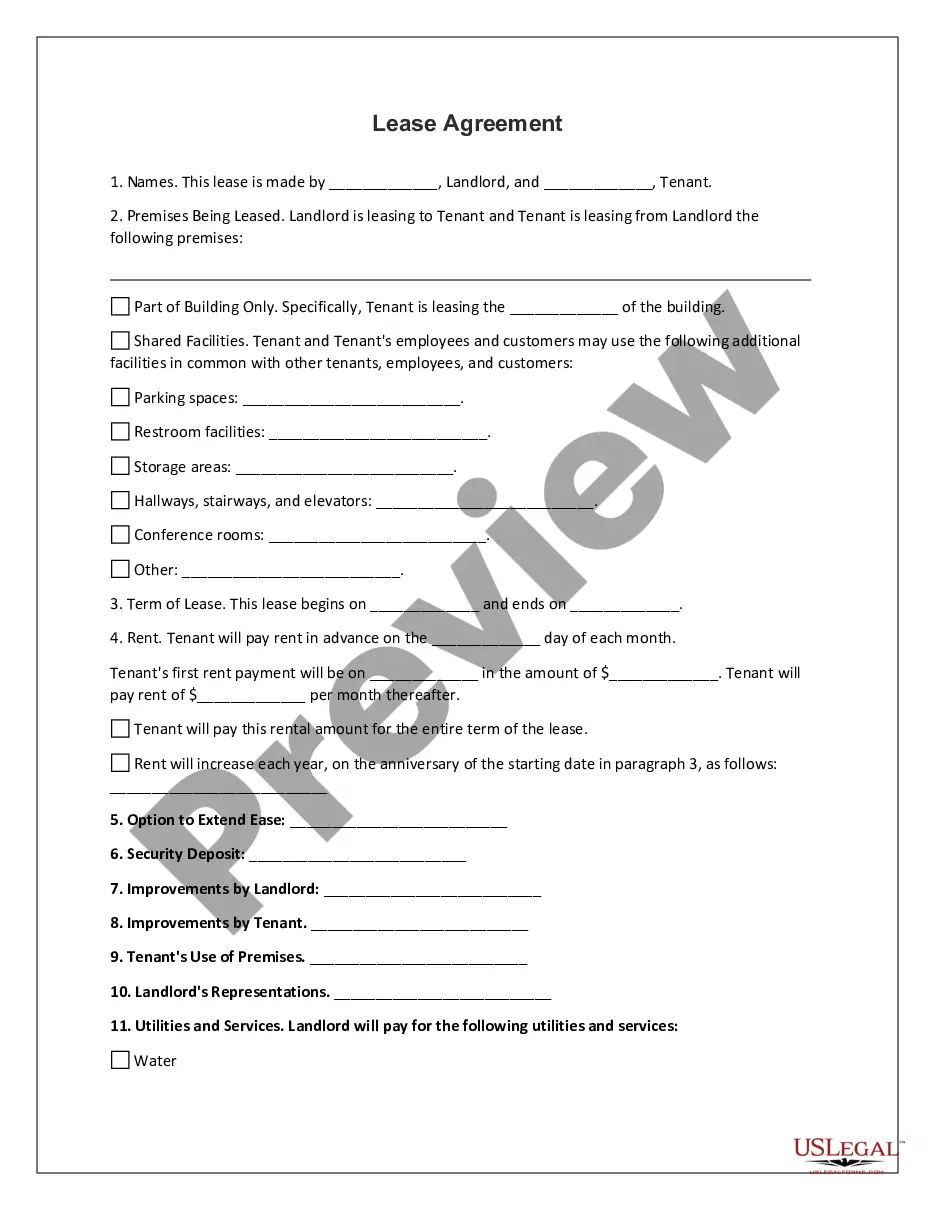
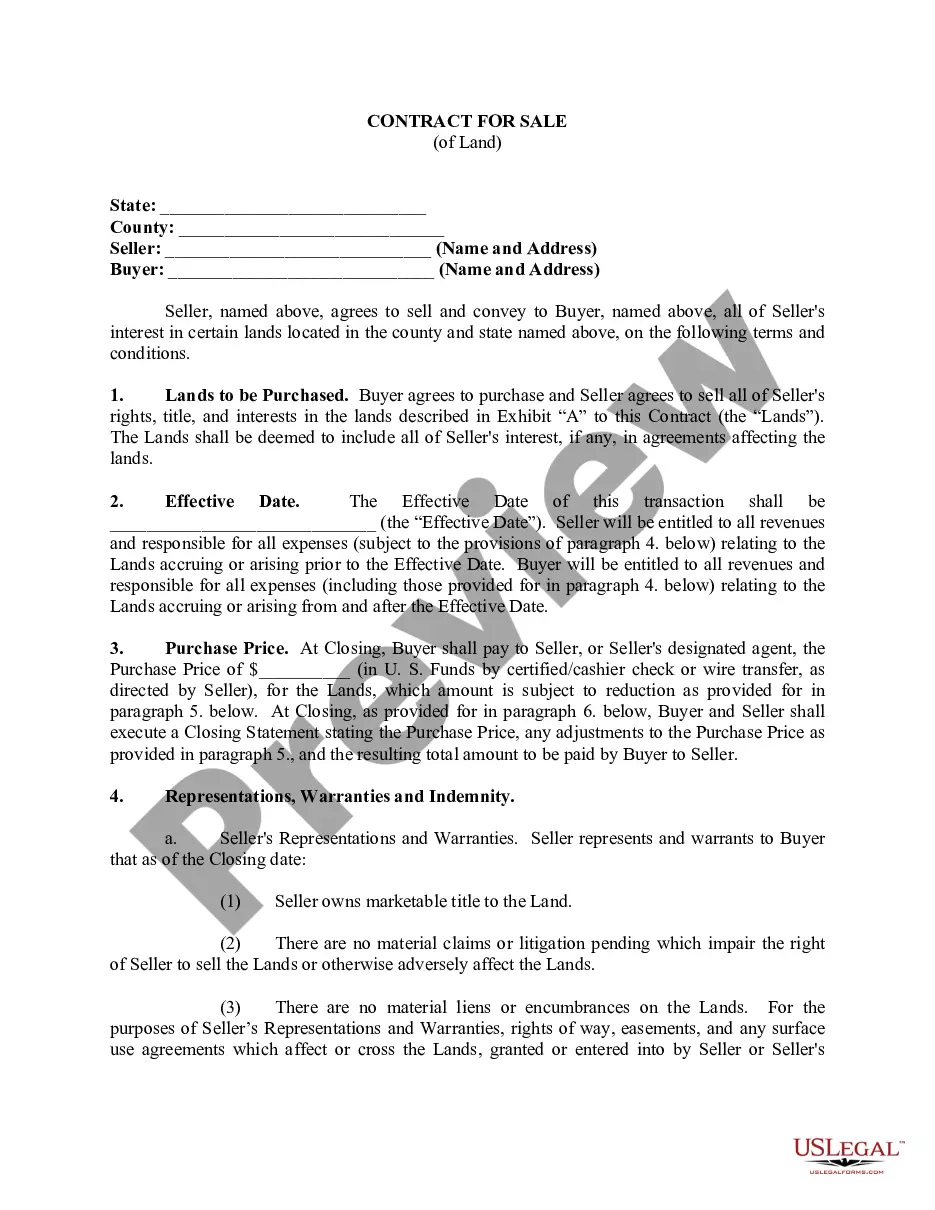
The Unimproved Land Sales Agreement is a legal document that outlines the terms and conditions under which unimproved land is sold. This agreement serves to clarify the responsibilities and expectations of the buyer and seller, ensuring that both parties understand their rights and obligations. Unlike other real estate contracts, this agreement specifically addresses properties that do not have any buildings or significant improvements, focusing on the transfer of raw land ownership.
Key components of this form
- Property Description: Identifies the specific unimproved land being sold, including its location and tax identification number.
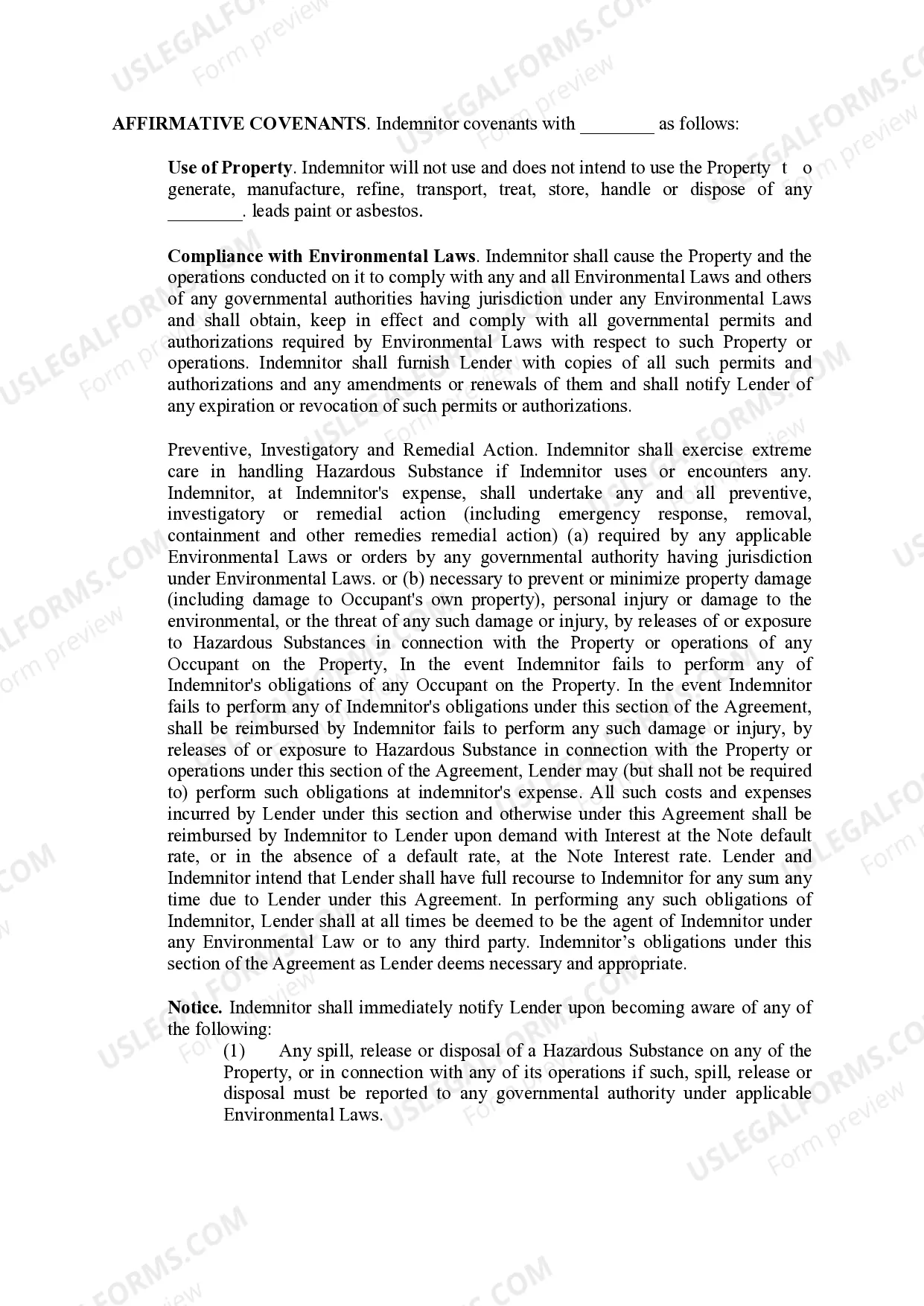
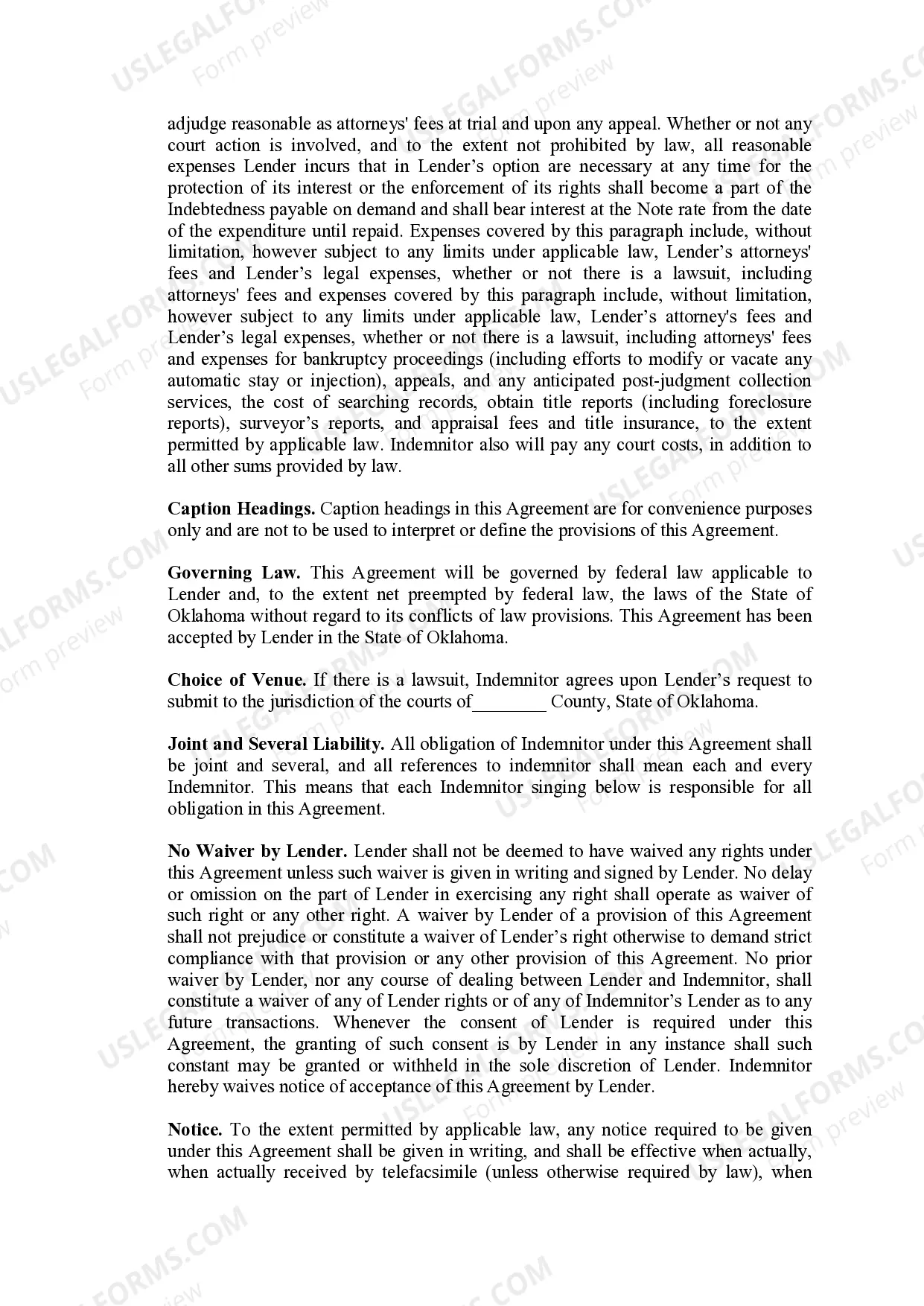
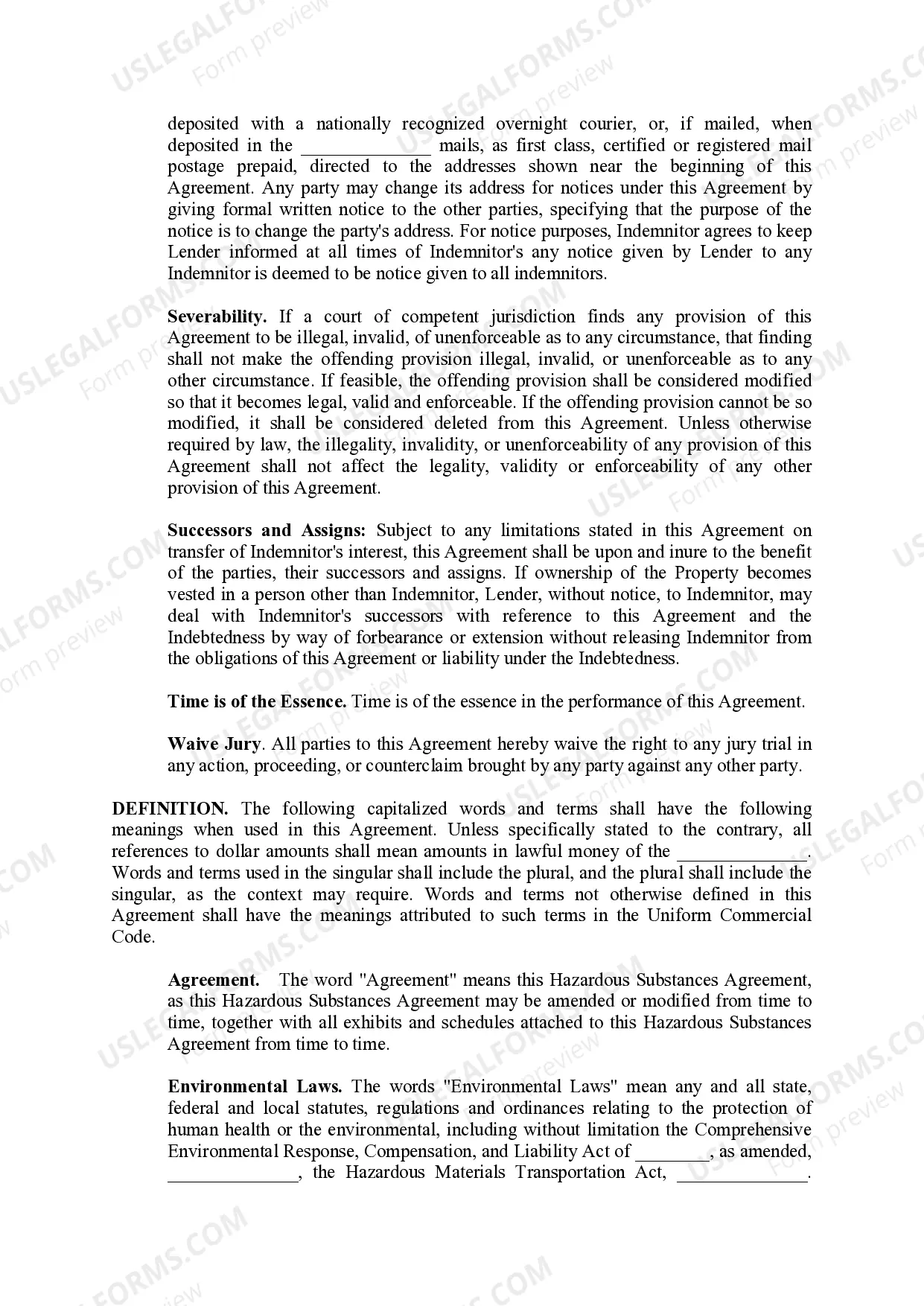
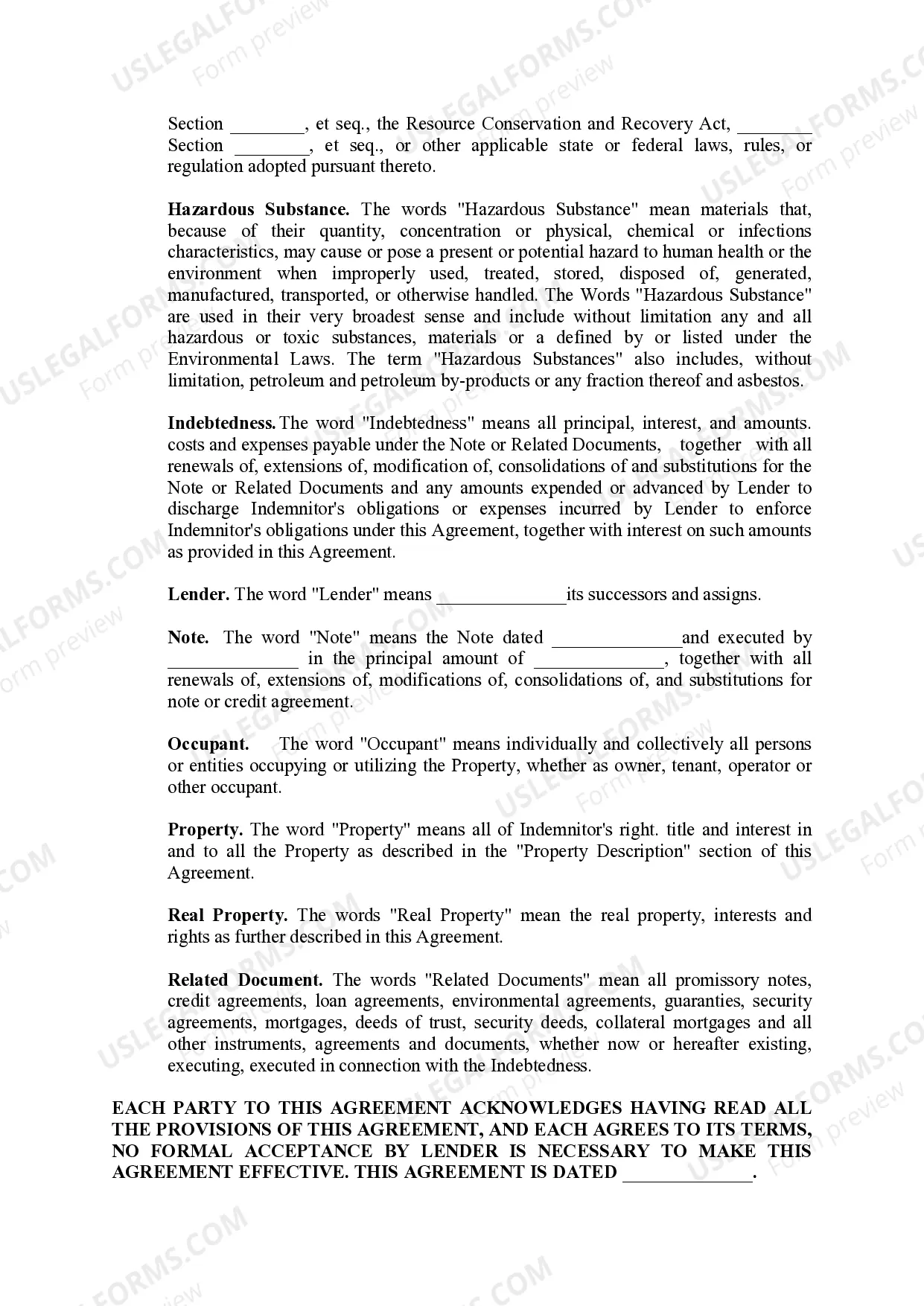
- Use of Property Clause: States the intended use of the property and restricts any activities related to hazardous substances.
- Compliance with Environmental Laws: Requires the indemnitor to adhere to all applicable environmental regulations regarding the property.
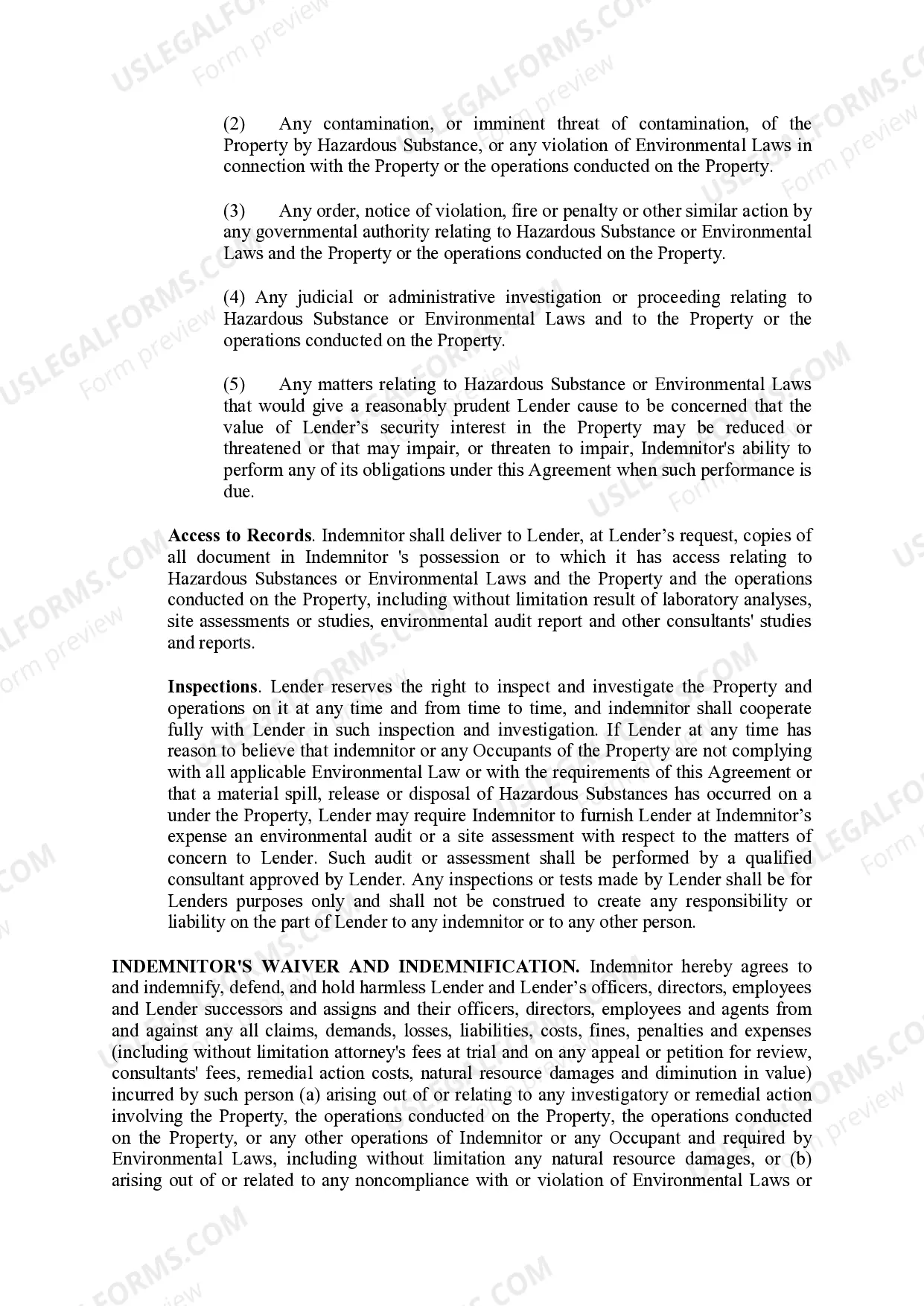
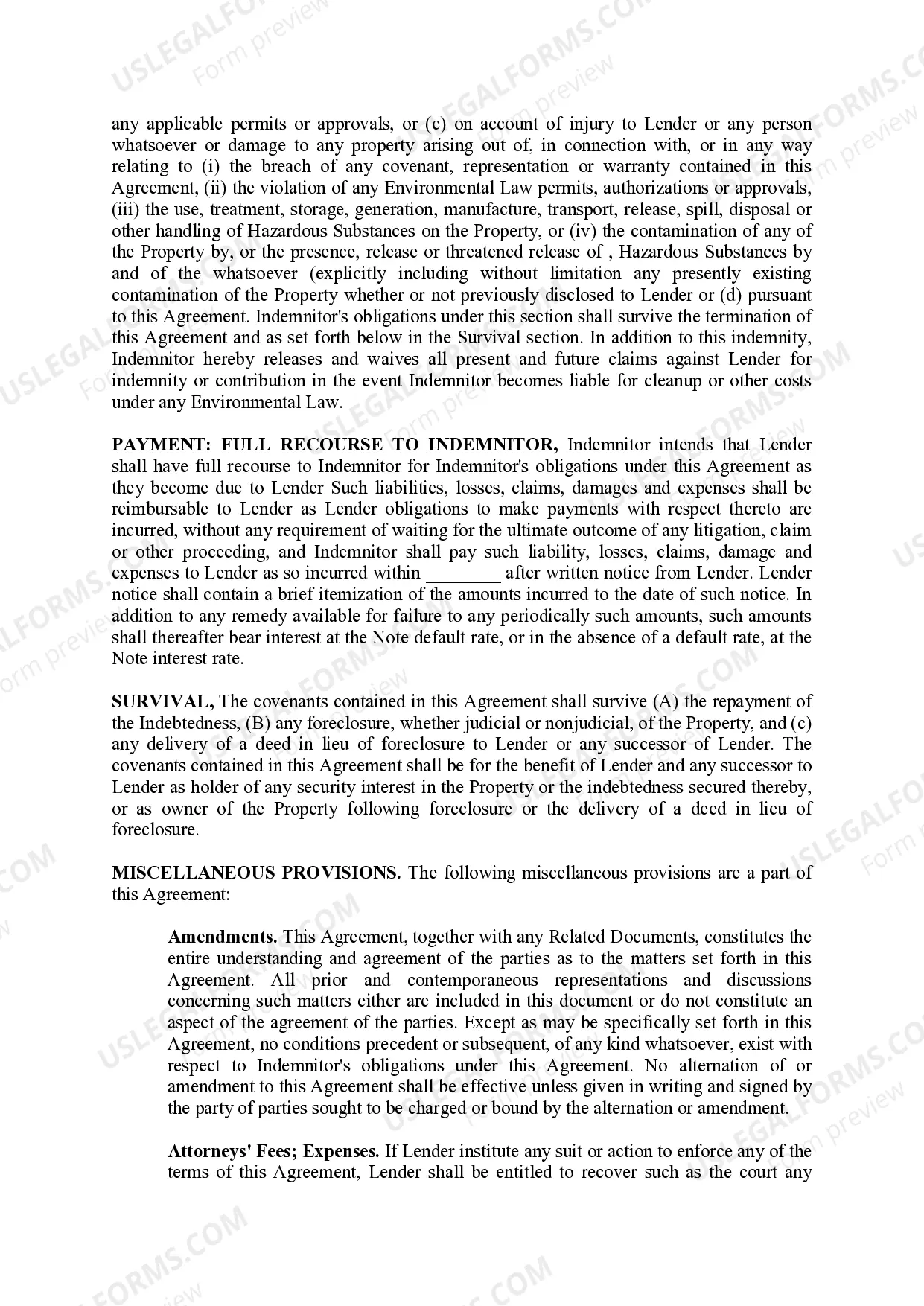
- Indemnification Clause: Details the indemnitor's responsibility to protect the lender against any environmental liabilities associated with the property.
- Notices and Access: Mandates that the indemnitor must inform the lender of any hazardous material management issues and grants the lender the right to inspect the property.
When to use this document
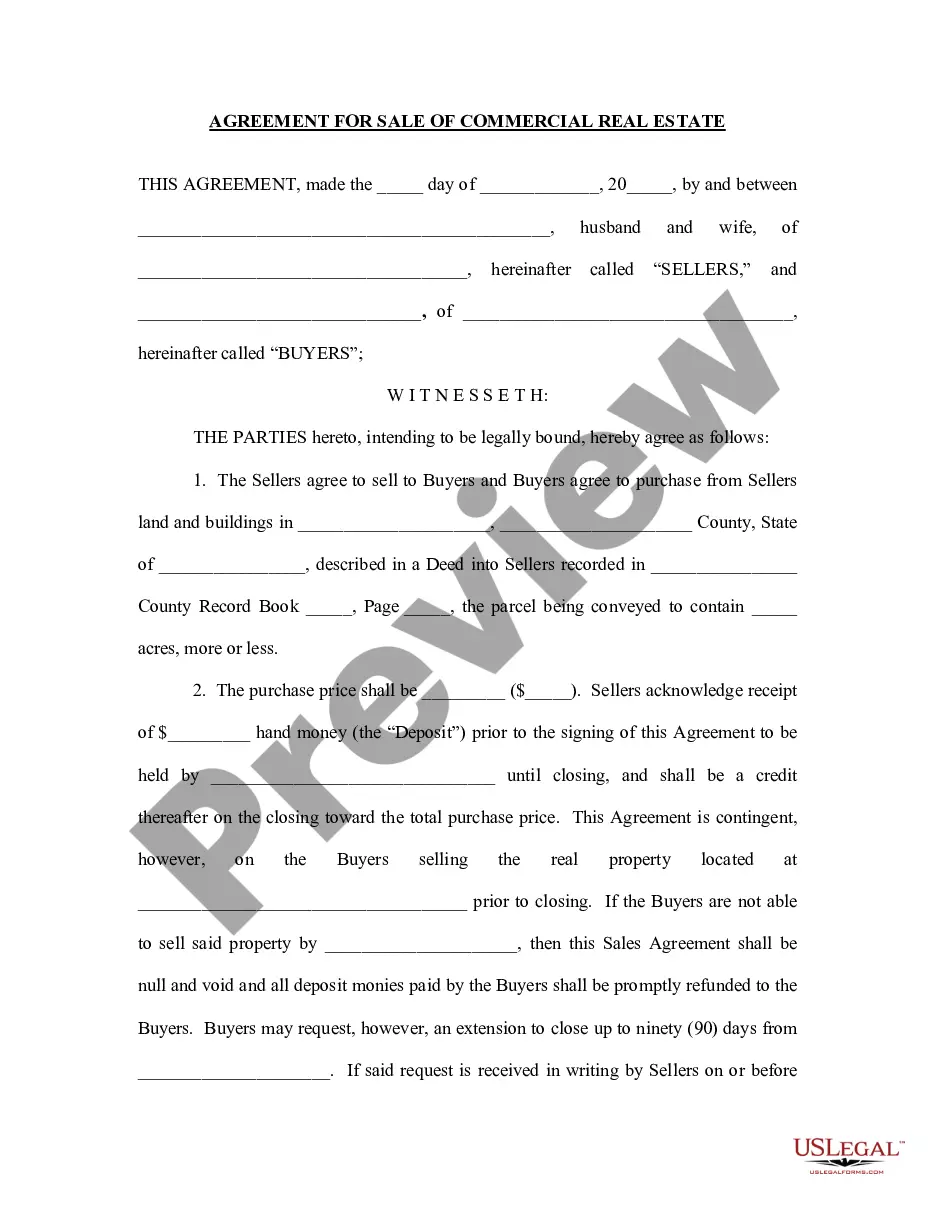
This form is essential when you are buying or selling unimproved land. Use this agreement to establish clear guidelines around the transaction, especially if environmental considerations are a factor. It is particularly relevant when dealing with any past land use that may have involved hazardous substances or when the buyer requires assurances regarding the property's environmental compliance.
Who this form is for
- Individuals or entities looking to purchase unimproved land.
- Landowners wishing to sell unimproved property.
- Real estate agents representing buyers or sellers of raw land.
- Investors planning to develop unimproved land.
Steps to complete this form
- Identify the parties involved in the transaction, including the buyer and seller.
- Specify the detailed description of the unimproved property being sold.
- Clearly outline the intended use of the property and any restrictions pertaining to hazardous substances.
- Fill in the compliance and indemnification clauses according to environmental regulations.
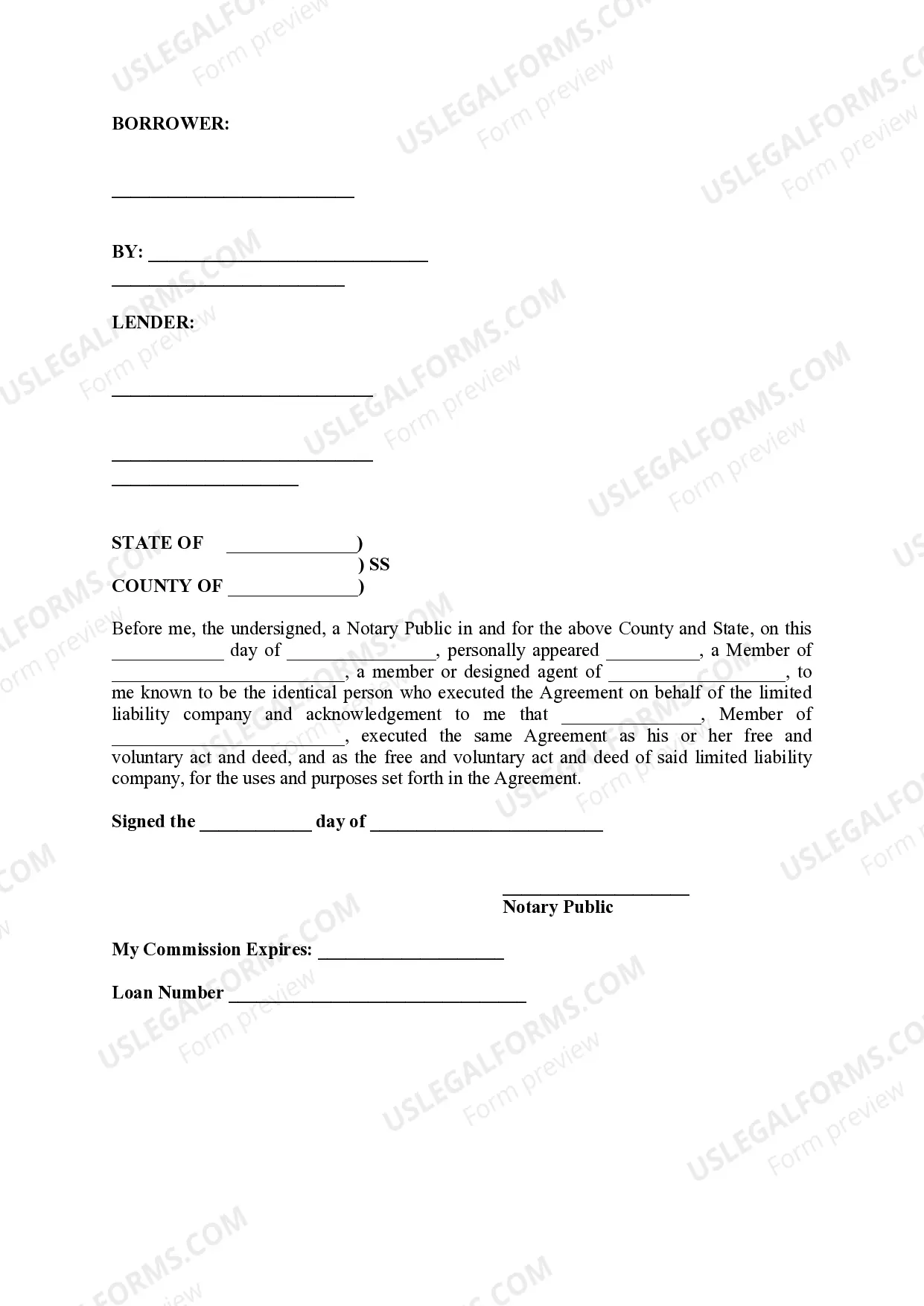
- Obtain signatures from both parties to finalize the agreement, including any required notarization.
Does this form need to be notarized?
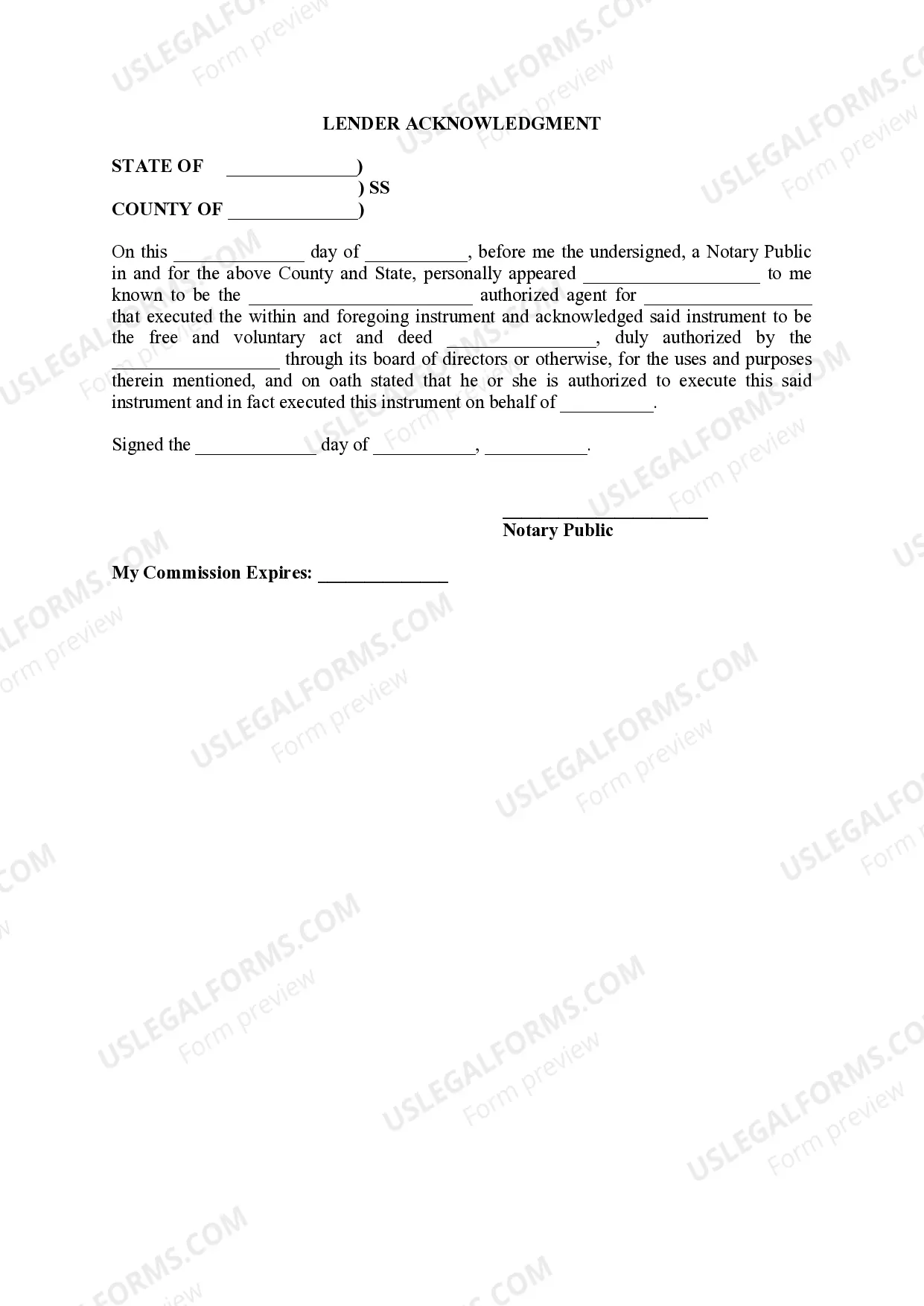
This form does not typically require notarization unless specified by local law. However, it is advisable to have the agreement notarized to ensure its validity and enforceability, particularly in real estate transactions.
Get your form ready online
Our built-in tools help you complete, sign, share, and store your documents in one place.
Make edits, fill in missing information, and update formatting in US Legal Forms—just like you would in MS Word.
Download a copy, print it, send it by email, or mail it via USPS—whatever works best for your next step.
Sign and collect signatures with our SignNow integration. Send to multiple recipients, set reminders, and more. Go Premium to unlock E-Sign.
If this form requires notarization, complete it online through a secure video call—no need to meet a notary in person or wait for an appointment.
We protect your documents and personal data by following strict security and privacy standards.

Make edits, fill in missing information, and update formatting in US Legal Forms—just like you would in MS Word.

Download a copy, print it, send it by email, or mail it via USPS—whatever works best for your next step.

Sign and collect signatures with our SignNow integration. Send to multiple recipients, set reminders, and more. Go Premium to unlock E-Sign.

If this form requires notarization, complete it online through a secure video call—no need to meet a notary in person or wait for an appointment.

We protect your documents and personal data by following strict security and privacy standards.
Typical mistakes to avoid
- Failing to provide a complete property description, including tax ID and location details.
- Omitting the intended use clause leading to misunderstandings about property management.
- Neglecting to disclose past environmental concerns related to the property.
- Forgetting to include signatures from all relevant parties, which may render the agreement unenforceable.
Why complete this form online
- Immediate access to a legally vetted document tailored for unimproved land transactions.
- Convenience to customize the form according to your specific needs without unnecessary delays.
- Secure storage and easy retrieval of your documents for future reference.
- Ability to update and modify the agreement as needed before finalizing the sale.
Looking for another form?
Form popularity
FAQ
Spent solvent wastes, Electroplating and other metal finishing wastes, Dioxin-bearing wastes, Chlorinated aliphatic hydrocarbons production, Wood preserving wastes,
Spent solvent wastes, Electroplating and other metal finishing wastes, Dioxin-bearing wastes, Chlorinated aliphatic hydrocarbons production, Wood preserving wastes,
The EPA defines three types of hazardous waste: listed, characteristic, and mixed radiological waste. Each of these categories has subcategories that can become very precise, but the basics are as follows.
Overview of the Hazardous Waste Identification ProcessEPA's regulations in the Code of Federal Regulations (40 CFR) define four hazardous waste characteristic properties: ignitability, corrosivity, reactivity, or toxicity (see 40 CFR 261.21- 261.24).
Ignitability, or something flammable. corrosivity, or something that can rust or decompose. reactivity, or something explosive. toxicity, or something poisonous.
Industrial Waste. These are the wastes created in factories and industries. Commercial Waste. Commercial wastes are produced in schools, colleges, shops, and offices. Domestic Waste. Agricultural Waste.
Ignitability, or something flammable. corrosivity, or something that can rust or decompose. reactivity, or something explosive. toxicity, or something poisonous.
Industrial Waste. These are the wastes created in factories and industries. Commercial Waste. Commercial wastes are produced in schools, colleges, shops, and offices. Domestic Waste. Agricultural Waste.
Hazardous wastes are defined under RCRA in 40 CFR 261 where they are divided into two major categories: characteristic wastes and listed wastes. The requirements of the RCRA apply to all the companies that generate hazardous waste as well as those companies that store or dispose hazardous waste in the United States.