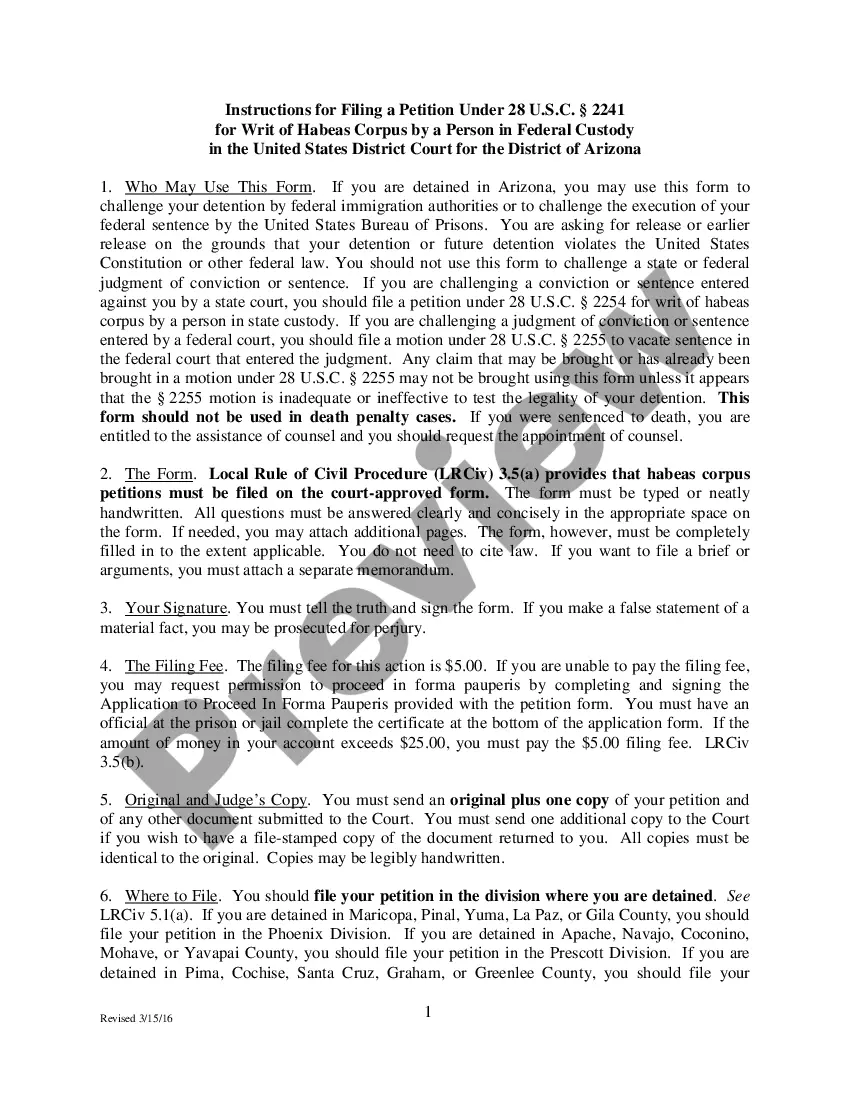
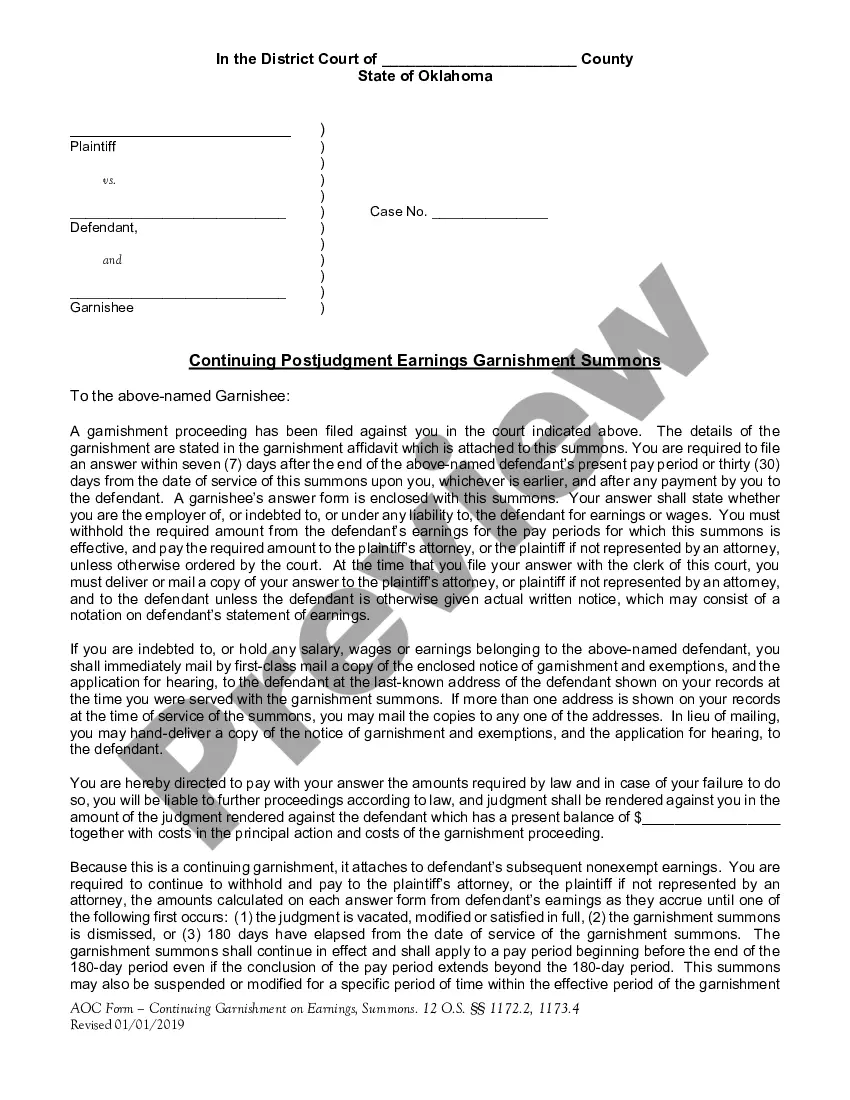
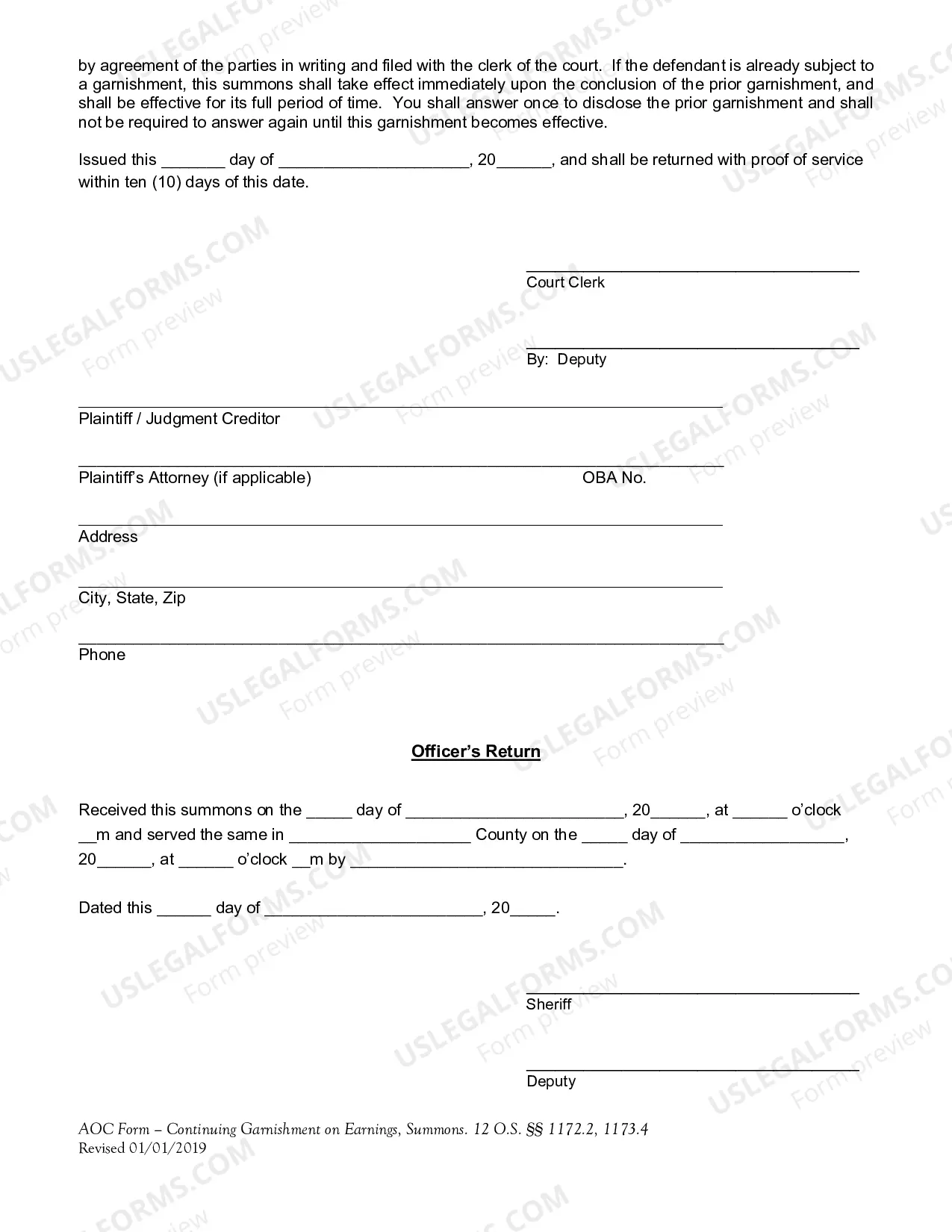
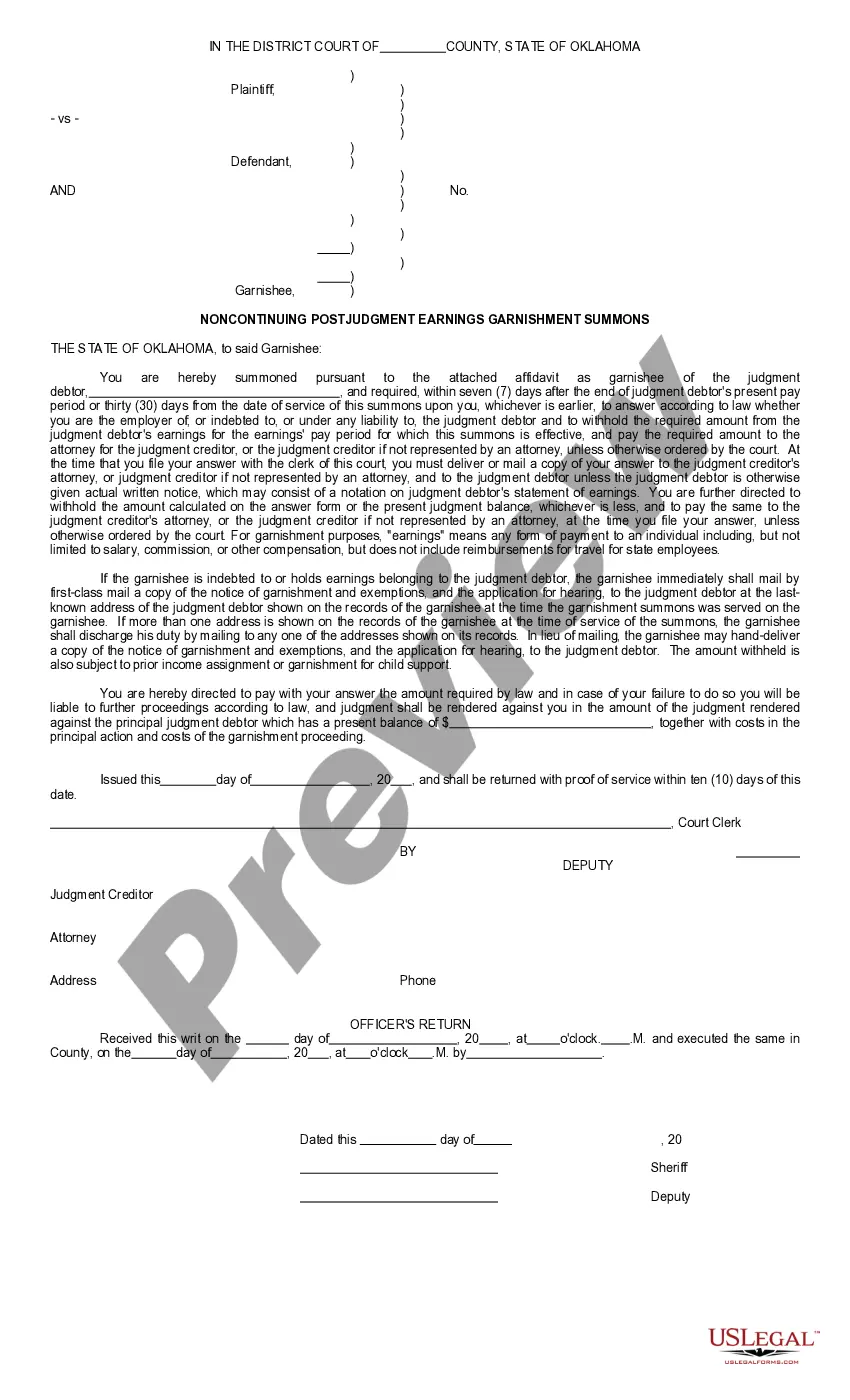
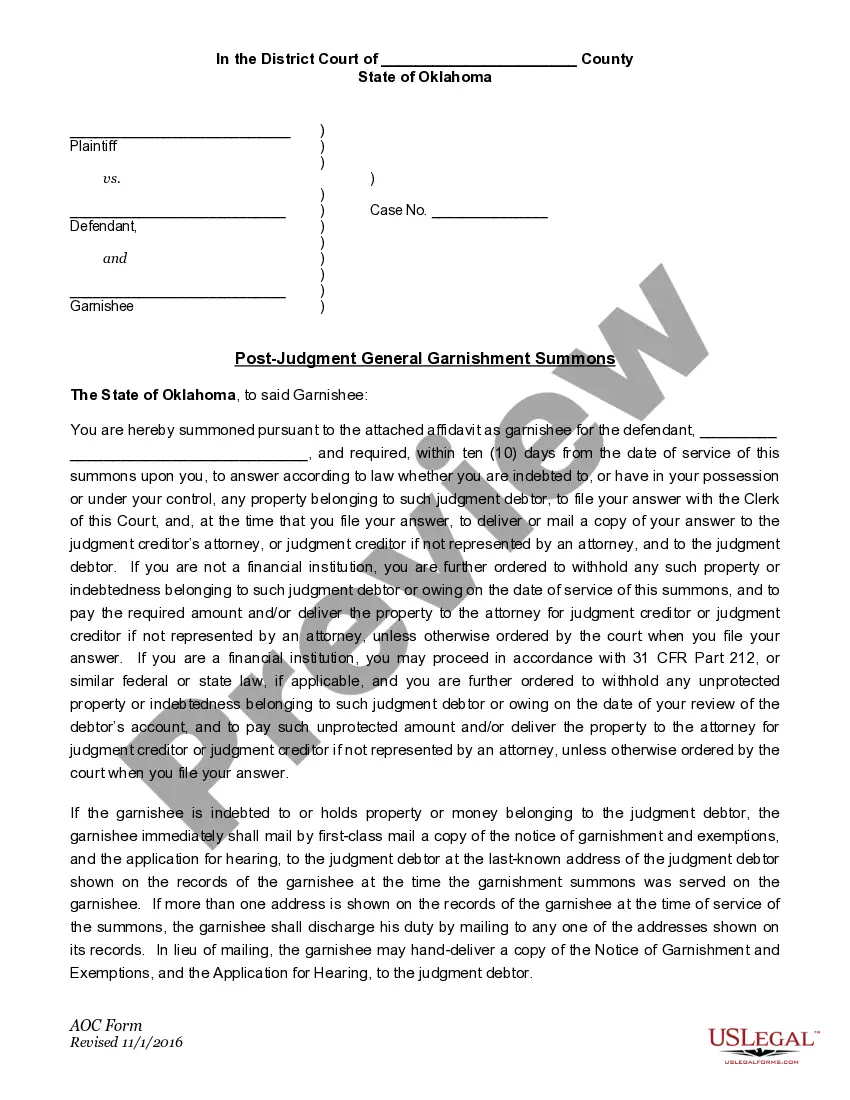
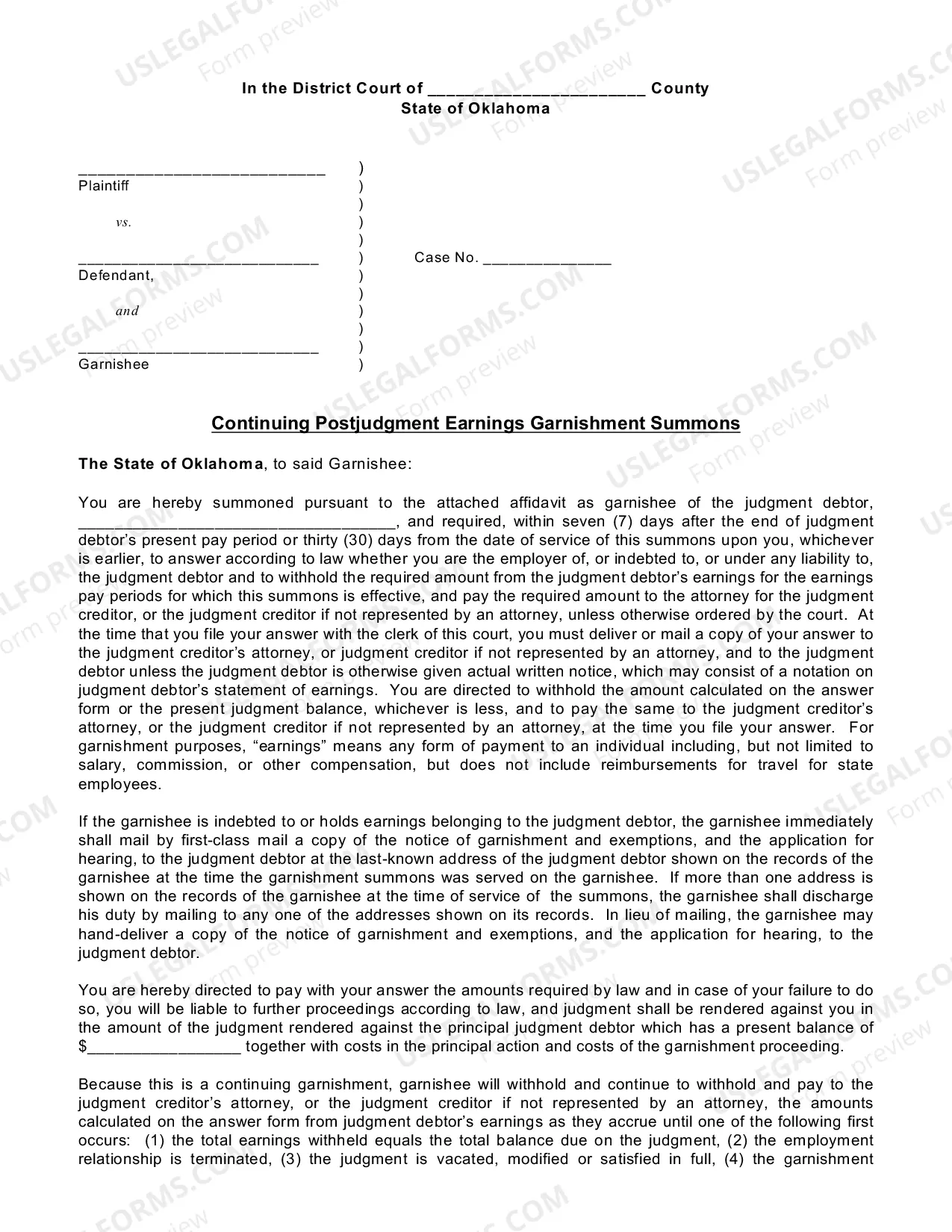
Oklahoma Continuing Post-Judgment Earnings Garnishment Summons
Description
Get your form ready online
Our built-in tools help you complete, sign, share, and store your documents in one place.
Make edits, fill in missing information, and update formatting in US Legal Forms—just like you would in MS Word.
Download a copy, print it, send it by email, or mail it via USPS—whatever works best for your next step.
Sign and collect signatures with our SignNow integration. Send to multiple recipients, set reminders, and more. Go Premium to unlock E-Sign.
If this form requires notarization, complete it online through a secure video call—no need to meet a notary in person or wait for an appointment.
We protect your documents and personal data by following strict security and privacy standards.

Make edits, fill in missing information, and update formatting in US Legal Forms—just like you would in MS Word.

Download a copy, print it, send it by email, or mail it via USPS—whatever works best for your next step.

Sign and collect signatures with our SignNow integration. Send to multiple recipients, set reminders, and more. Go Premium to unlock E-Sign.

If this form requires notarization, complete it online through a secure video call—no need to meet a notary in person or wait for an appointment.

We protect your documents and personal data by following strict security and privacy standards.
Looking for another form?

How to fill out Oklahoma Continuing Post-Judgment Earnings Garnishment Summons?
When it comes to filling out Oklahoma Continuing Post-Judgment Earnings Garnishment Summons, you most likely think about an extensive process that involves choosing a ideal form among countless similar ones and then being forced to pay out a lawyer to fill it out for you. Generally speaking, that’s a sluggish and expensive option. Use US Legal Forms and select the state-specific template within just clicks.
If you have a subscription, just log in and then click Download to have the Oklahoma Continuing Post-Judgment Earnings Garnishment Summons sample.
If you don’t have an account yet but need one, keep to the step-by-step guideline below:
- Be sure the document you’re downloading applies in your state (or the state it’s required in).
- Do this by looking at the form’s description and through visiting the Preview option (if readily available) to see the form’s content.
- Click Buy Now.
- Find the proper plan for your budget.
- Subscribe to an account and choose how you want to pay: by PayPal or by card.
- Save the file in .pdf or .docx format.
- Find the file on your device or in your My Forms folder.
Skilled lawyers work on creating our samples so that after saving, you don't have to worry about editing content outside of your individual information or your business’s info. Join US Legal Forms and get your Oklahoma Continuing Post-Judgment Earnings Garnishment Summons example now.
Form popularity
FAQ
If it's already started, you can try to challenge the judgment or negotiate with the creditor. But, they're in the driver's seat, and if they don't allow you to stop a garnishment by agreeing to make voluntary payments, you can't really force them to. You can, however, stop the garnishment by filing a bankruptcy case.
In Oklahoma, wage garnishments stay in force for the lesser of the following: (1) satisfaction of the debt, or (2) the lapse of 180 days (or about six months) from the date the garnishment process started. Some debtor employees are saddled with more than one garnishment order.
Garnishment is a proceeding by a creditor (a person or entity to whom money is owed) to collect a debt by taking the property or assets of a debtor (a person who owes money). Wage garnishment is a court procedure where a court orders a debtor's employer to hold the debtor's earnings in order to pay a creditor.
Respond to the Creditor's Demand Letter. Seek State-Specific Remedies. Get Debt Counseling. Object to the Garnishment. Attend the Objection Hearing (and Negotiate if Necessary) Challenge the Underlying Judgment. Continue Negotiating.
Continuous writ of garnishment could refer to a garnishment order granting a third party to attach money or property of a defendant on a continuing basis for so long as the court may decide or until otherwise ordered by the court having competent jurisdiction.
In most states, employers answer a writ of garnishment by filling out the paperwork attached to the judgment and returning it to the creditor or the creditor's attorney.
If money is being taken out of your paycheck or bank account, you may be able to ask the court to stop or lower the amount of the garnishment. Lawyers call this a "Request or Claim for Exemption" from garnishment. An "exemption" means you will not have to pay the money to the creditor.
If you are served with a garnishment summons, do not ignore these documents because they do not directly involve a debt that you owe. Instead, you should immediately freeze any payments to the debtor, retain the necessary property, and provide the required written disclosure.