Oklahoma Site Work Contract for Contractor
What is this form?
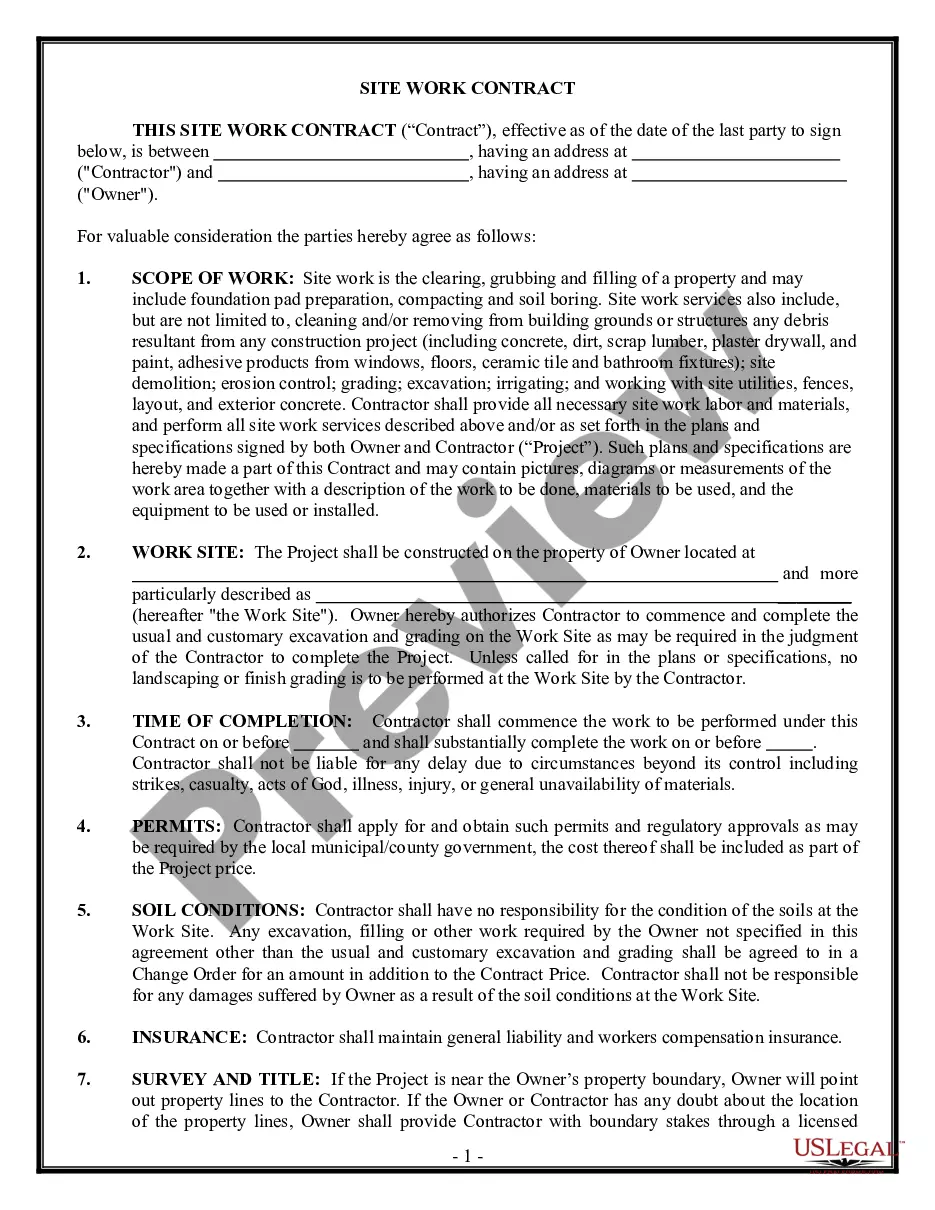
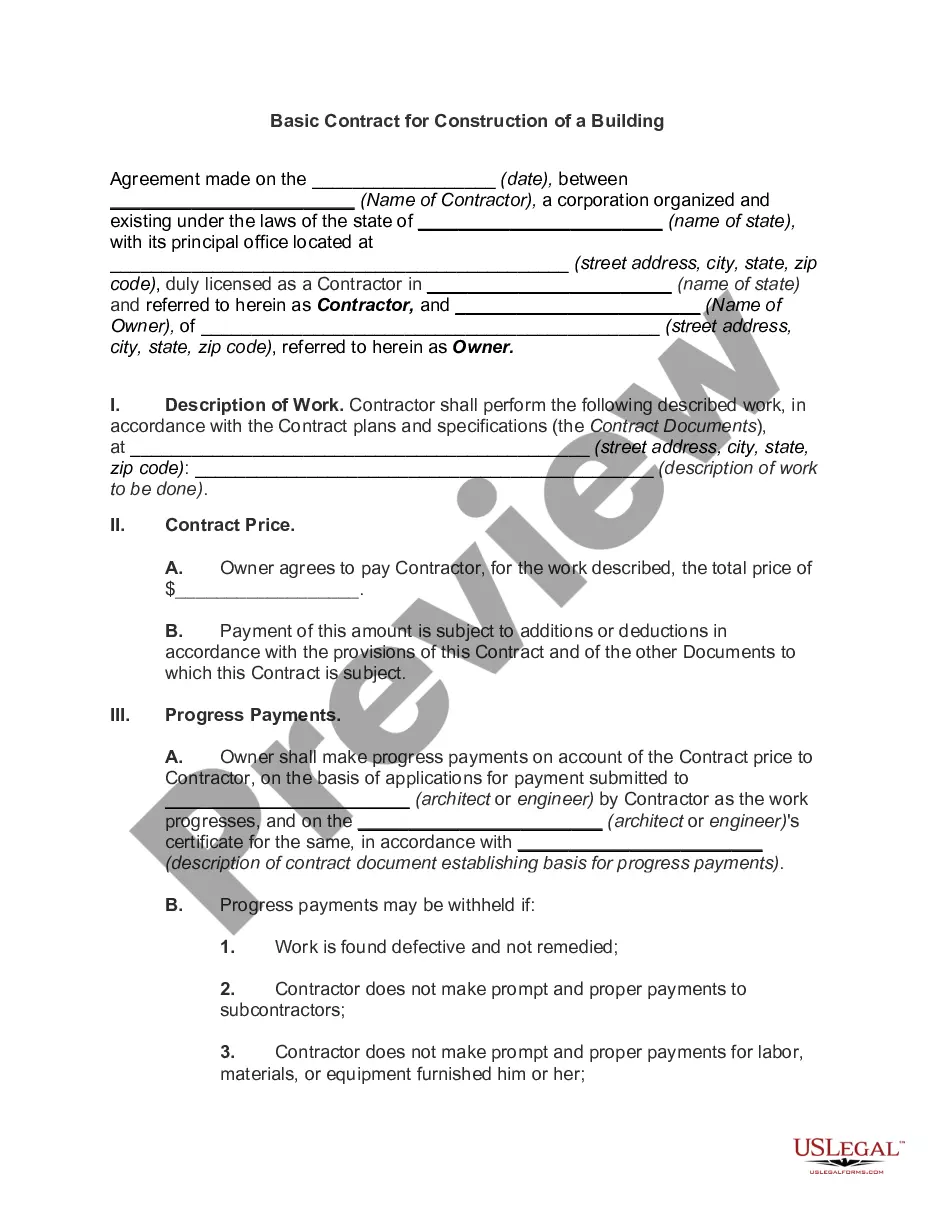
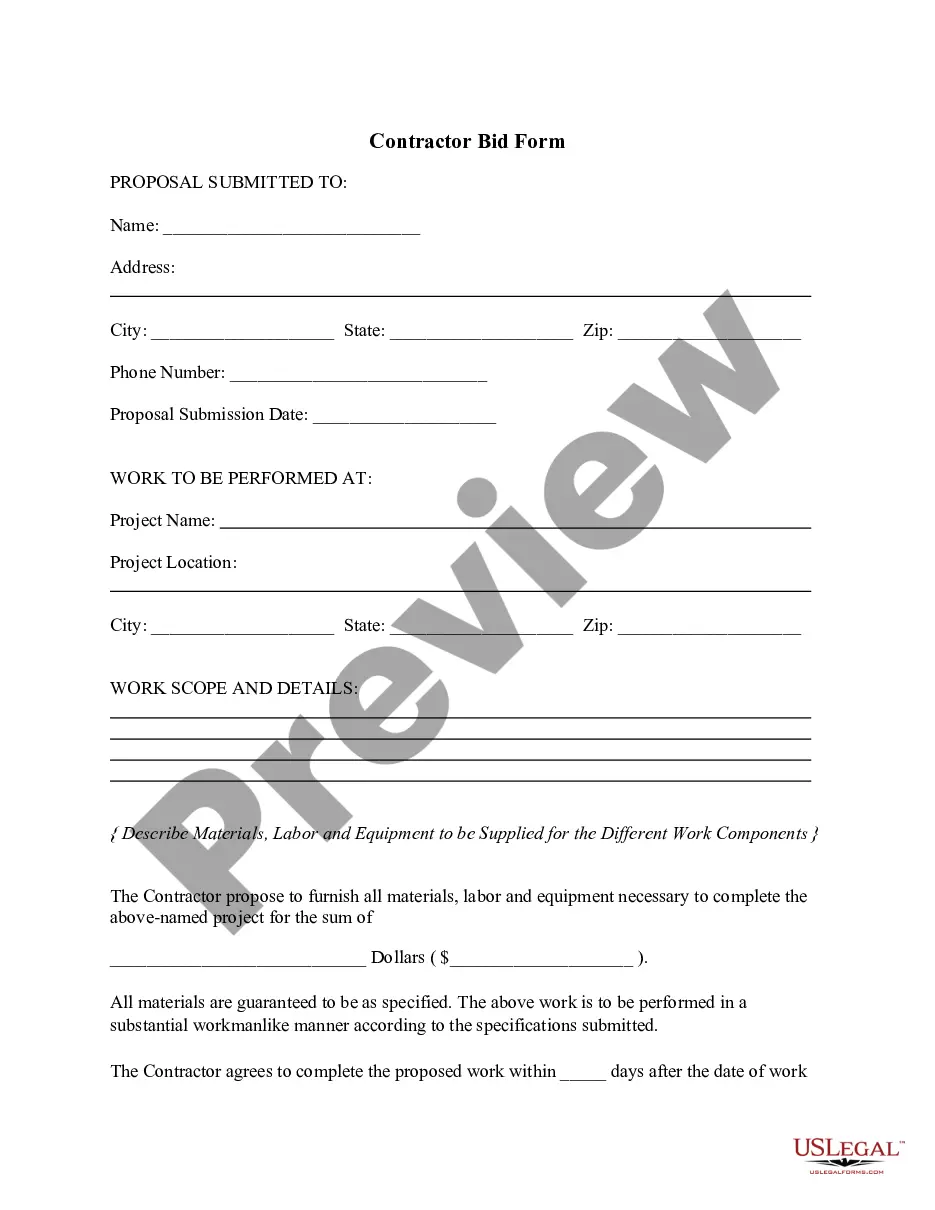
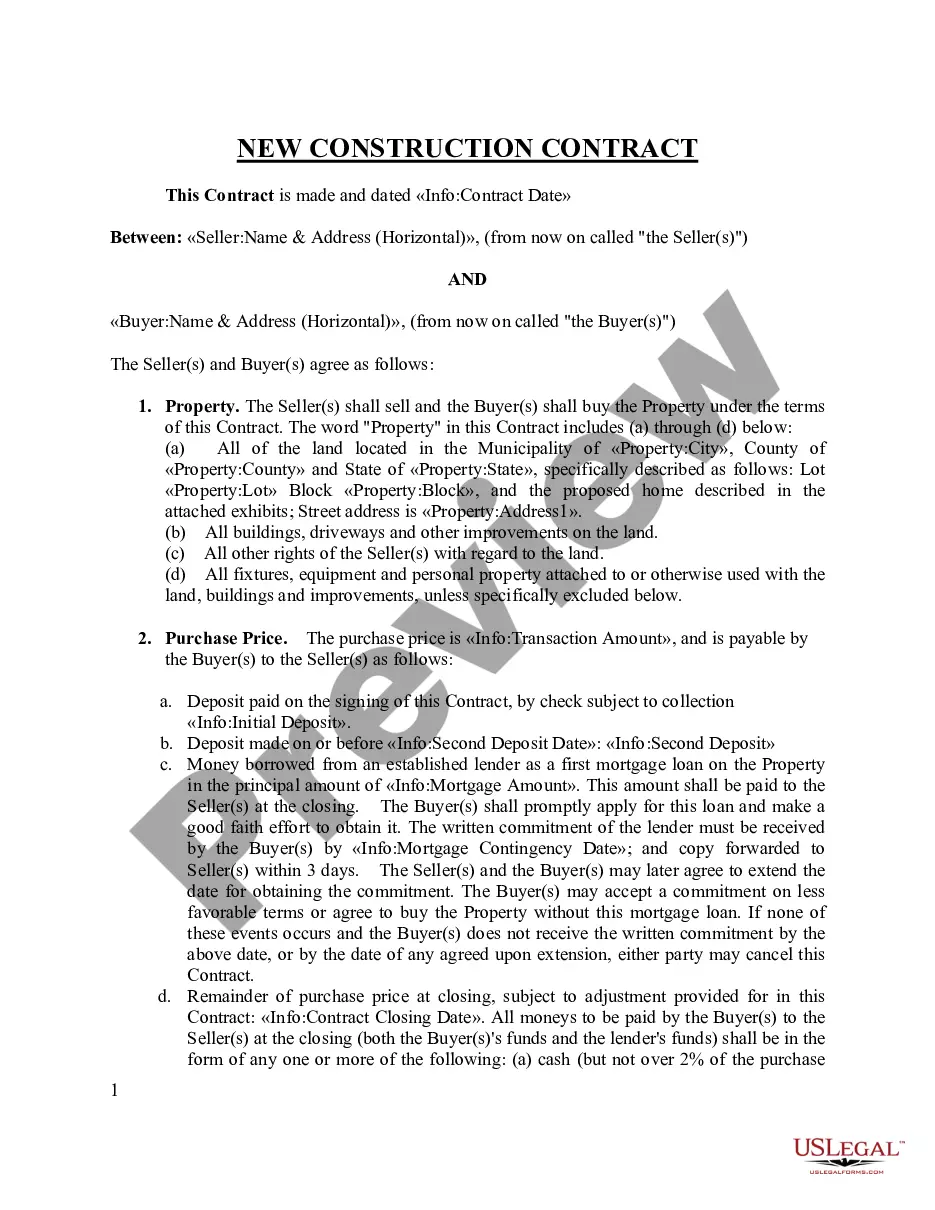
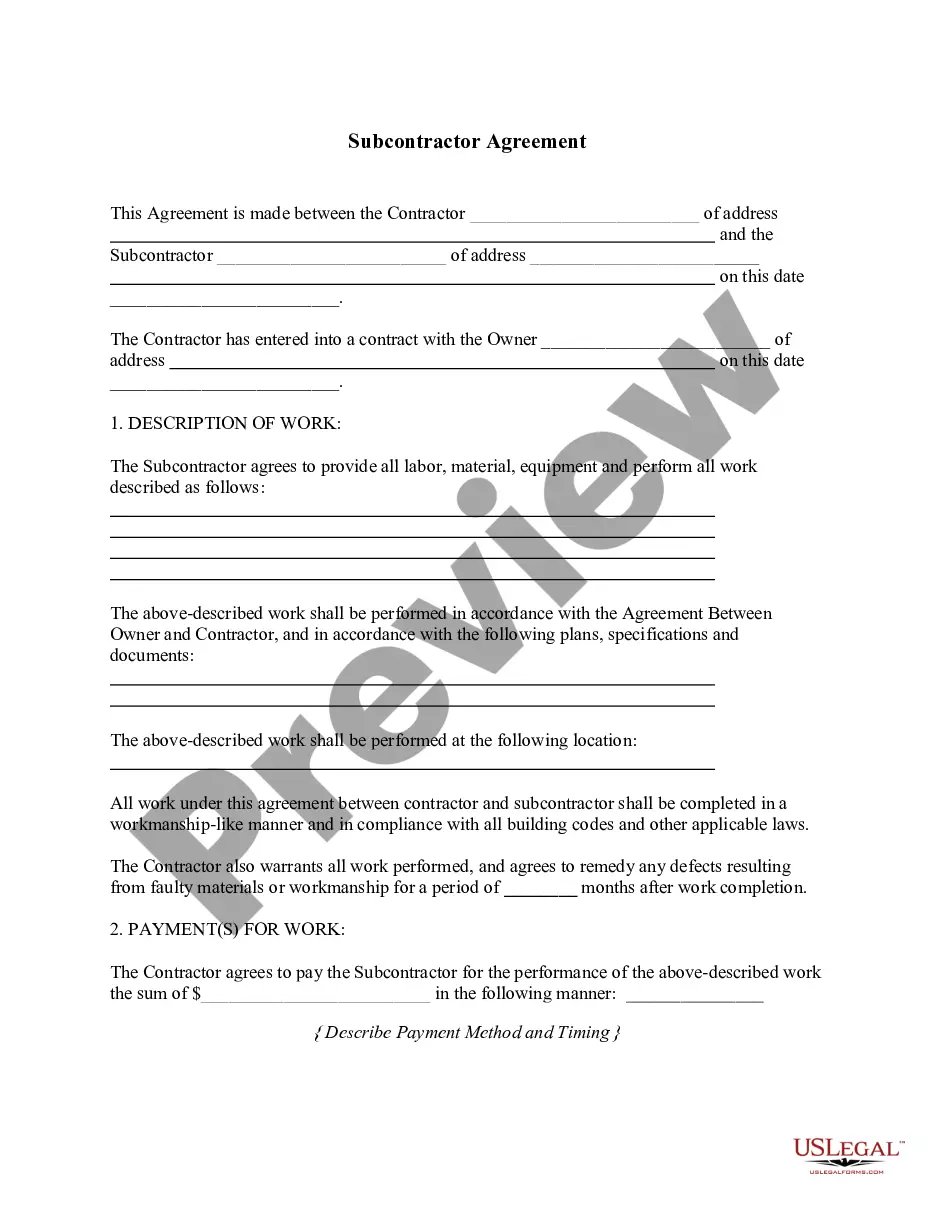
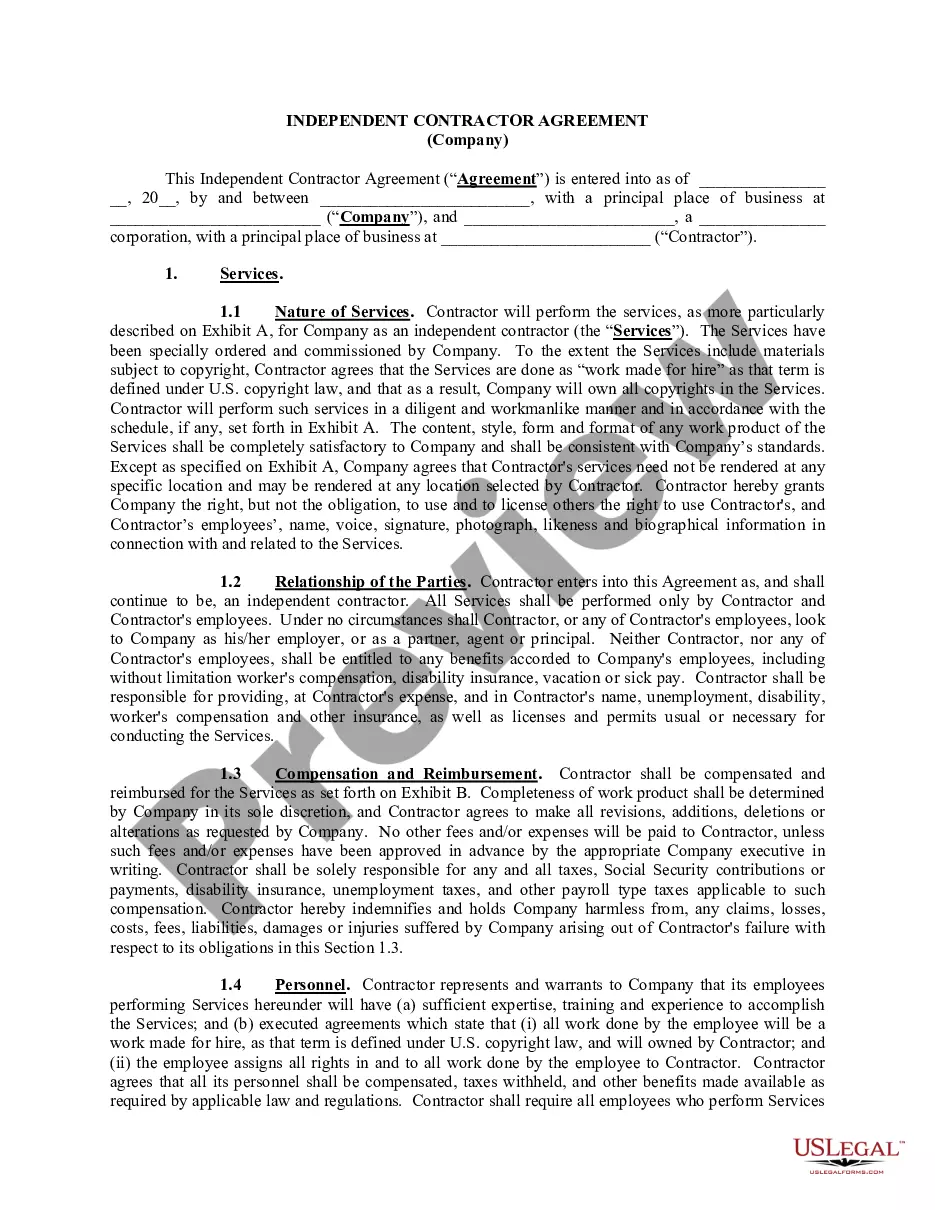
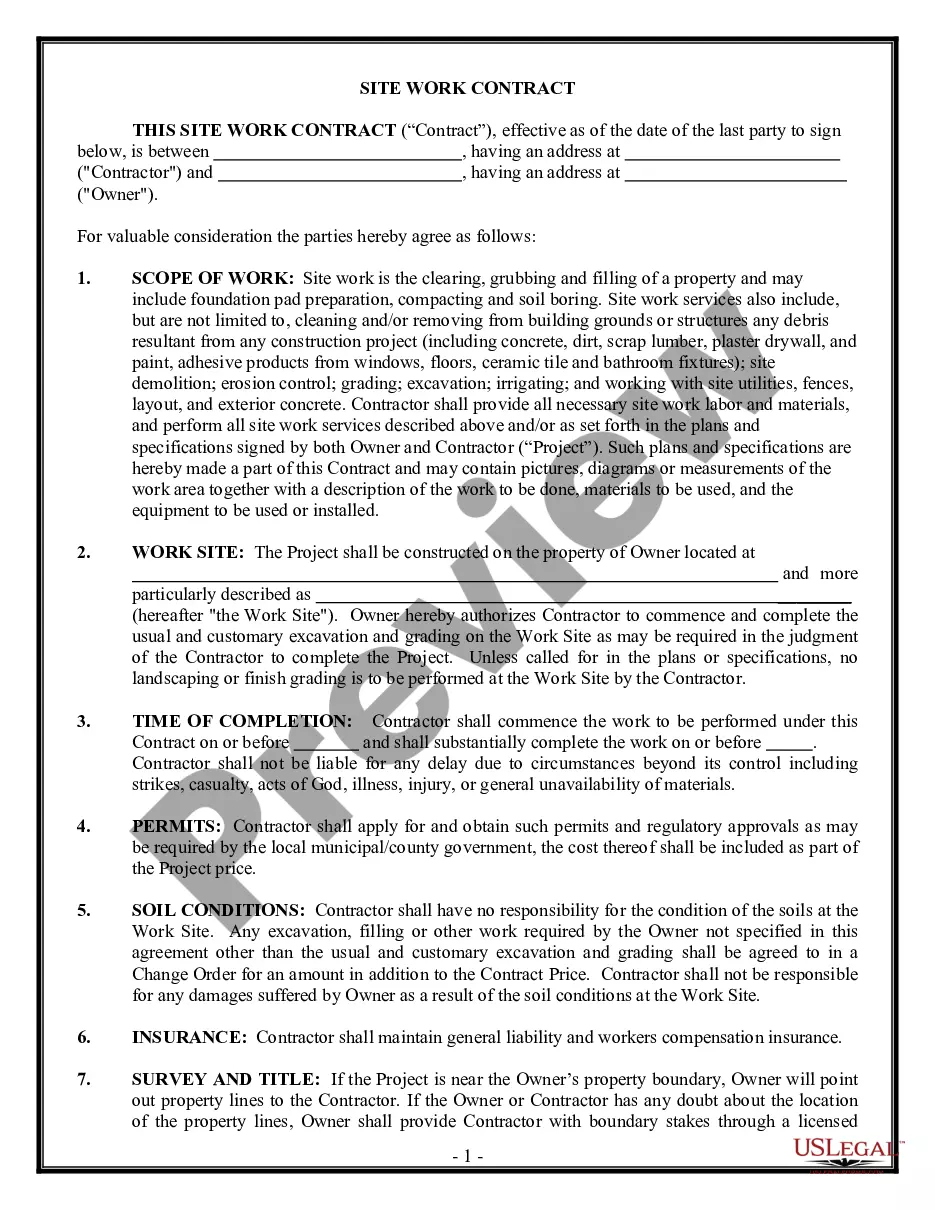
The Site Work Contract for Contractor is a legal document designed for use between site work contractors and property owners. It outlines the terms and conditions of a construction project, including payment arrangements, warranties, and insurance requirements. This contract distinguishes itself by its specific focus on site work and compliance with Oklahoma laws, making it ideal for parties involved in construction in that jurisdiction.
What’s included in this form
- Work Site: Identifies the location where the project will be conducted.
- Permits: Details the contractor's responsibility for obtaining necessary permits.
- Soil Conditions: Clarifies that the contractor is not liable for soil-related issues at the work site.
- Insurance: Requires the contractor to maintain general liability and workers compensation insurance.
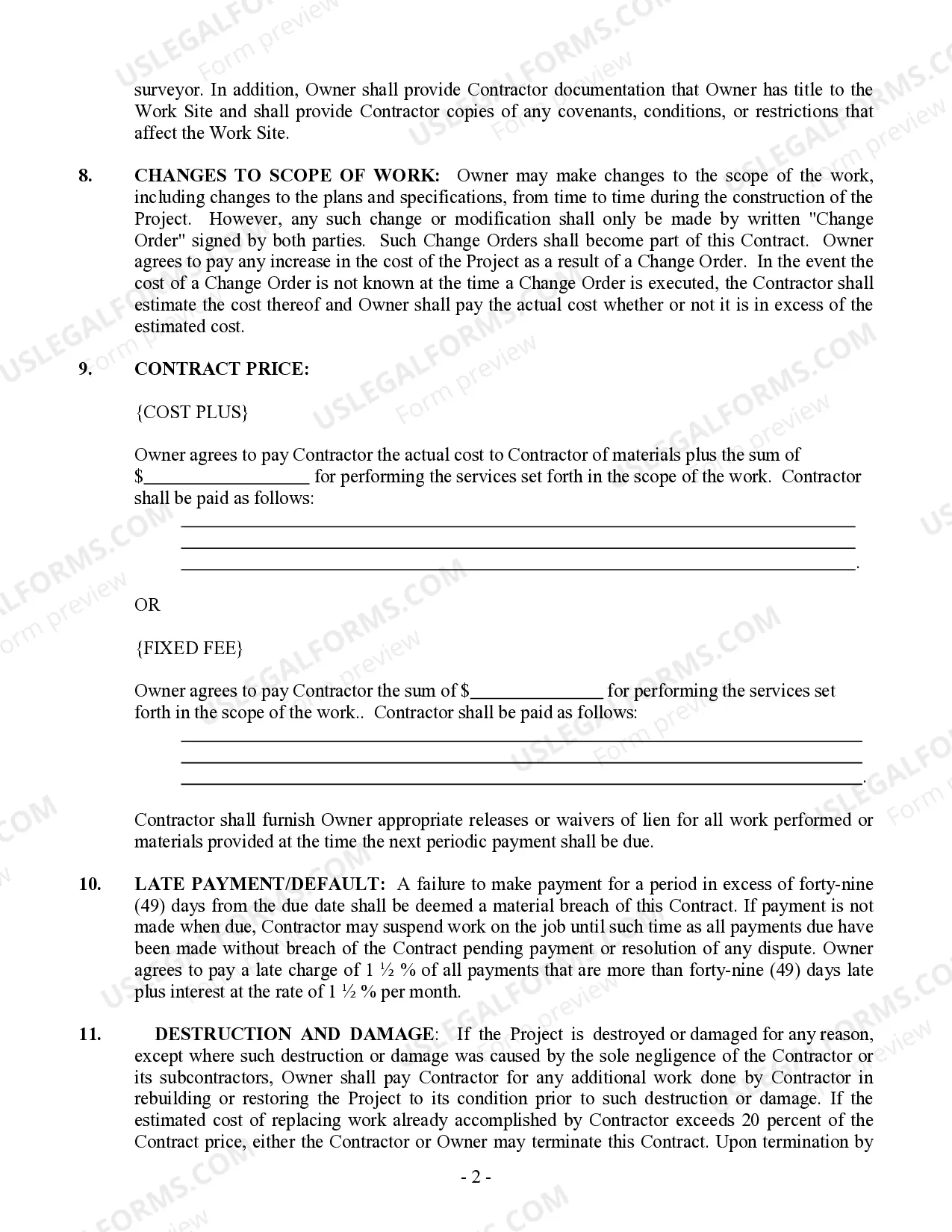
- Changes to Scope of Work: Outlines the procedure for making changes during the project.
- Contract Price: Specifies payment structures, including cost plus and fixed fee arrangements.
When to use this document
This form should be used when property owners and contractors need a formal agreement for site work projects. It is particularly useful when there is a need to clarify responsibilities, payment terms, and potential changes during the project's execution. Situations such as new construction, land development, or renovations may warrant the use of this contract to avoid misunderstandings and ensure legal protection for both parties.
Who can use this document
- Property owners looking to hire a contractor for site work.
- Site work contractors seeking to establish clear terms with property owners.
- Parties engaged in construction projects who require a legally binding agreement.
Instructions for completing this form
- Identify the parties involved: Clearly state the names of the contractor and property owner.
- Specify the work site: Fill in the address where the project will occur.
- Outline the scope of work: Describe the specific tasks and responsibilities expected of the contractor.
- Include payment details: Indicate whether the arrangement is cost plus or fixed fee, along with any associated terms.
- Sign and date the document: Ensure both parties sign and date the contract to make it legally binding.
Notarization guidance
This form does not typically require notarization unless specified by local law. Parties should check for any additional requirements that may apply in their jurisdiction.
Get your form ready online
Our built-in tools help you complete, sign, share, and store your documents in one place.
Make edits, fill in missing information, and update formatting in US Legal Forms—just like you would in MS Word.
Download a copy, print it, send it by email, or mail it via USPS—whatever works best for your next step.
Sign and collect signatures with our SignNow integration. Send to multiple recipients, set reminders, and more. Go Premium to unlock E-Sign.
If this form requires notarization, complete it online through a secure video call—no need to meet a notary in person or wait for an appointment.
We protect your documents and personal data by following strict security and privacy standards.

Make edits, fill in missing information, and update formatting in US Legal Forms—just like you would in MS Word.

Download a copy, print it, send it by email, or mail it via USPS—whatever works best for your next step.

Sign and collect signatures with our SignNow integration. Send to multiple recipients, set reminders, and more. Go Premium to unlock E-Sign.

If this form requires notarization, complete it online through a secure video call—no need to meet a notary in person or wait for an appointment.

We protect your documents and personal data by following strict security and privacy standards.
Avoid these common issues
- Failing to specify the work site address, leading to confusion.
- Not including all necessary details in the scope of work, potentially causing disputes.
- Neglecting to sign and date the contract, which undermines its enforceability.
Why complete this form online
- Convenience: Access and download the form anytime, from anywhere.
- Editability: Easily fill in your specific details before printing.
- Reliability: Forms drafted by licensed attorneys, ensuring legal accuracy and compliance.
Legal use & context
- This contract creates legally binding obligations between the contractor and property owner.
- Properly completed and signed, it can be enforceable in the event of disputes.
- It is crucial that both parties understand their rights and obligations as outlined in the contract.
Main things to remember
- The Site Work Contract establishes clear terms between property owners and contractors.
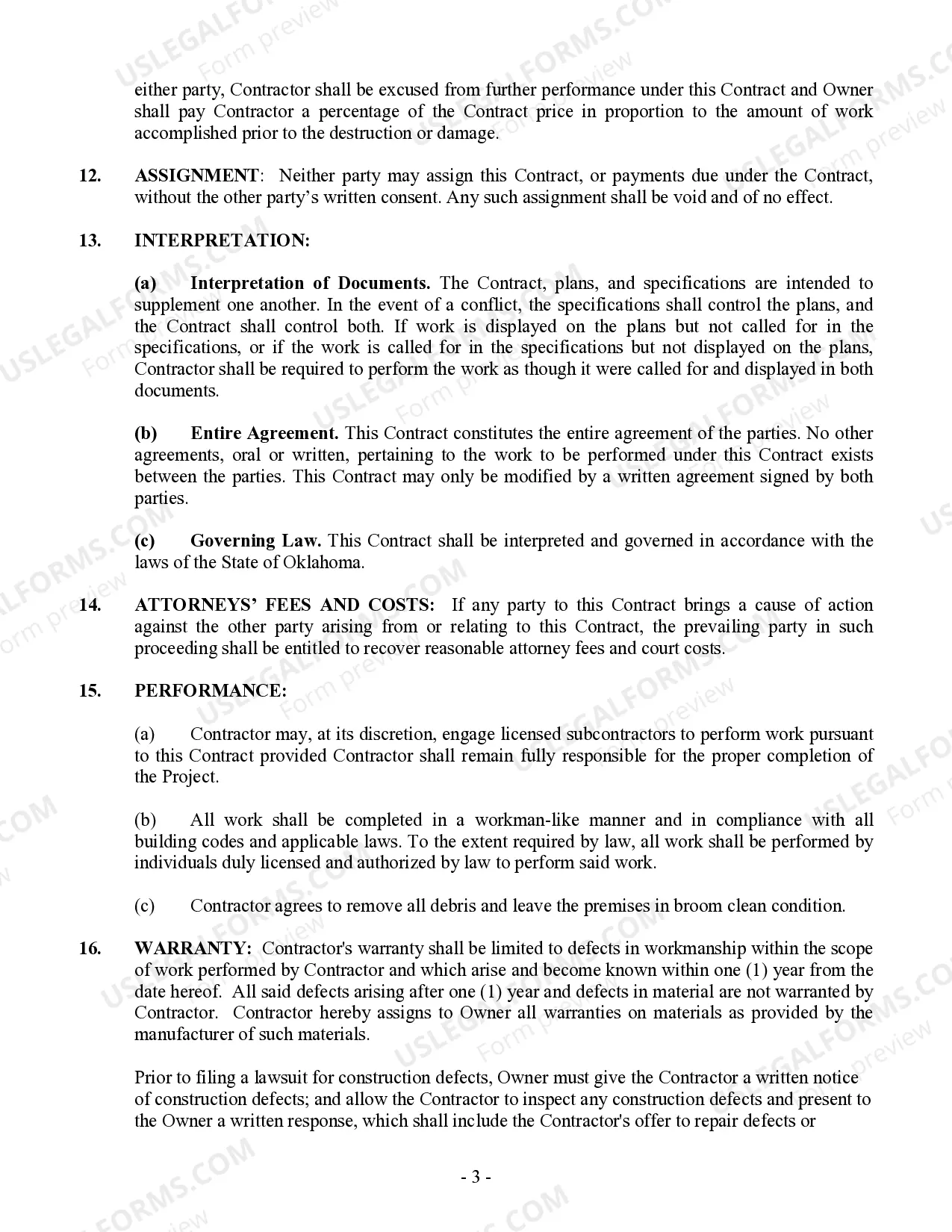
- It is specifically designed to comply with Oklahoma law.
- Using this contract helps avoid misunderstandings about costs, changes, and responsibilities.
Looking for another form?
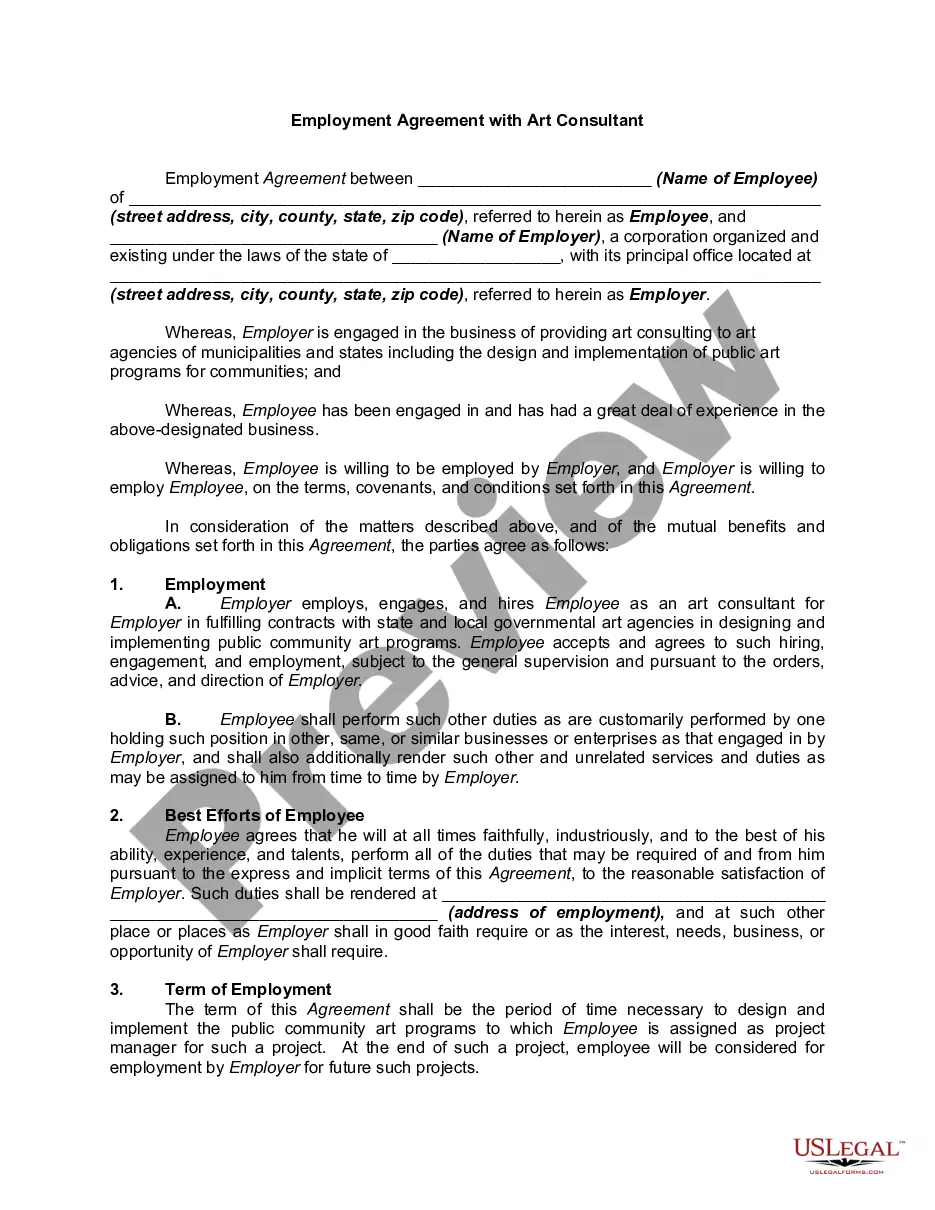

Form popularity
FAQ
Terms. This is the first section of any agreement or contract and states the names and locations of the parties involved. Responsibilities & Deliverables. Payment-Related Details. Confidentiality Clause. Contract Termination. Choice of Law.
Timeframe or key milestones of the project; hours of work; deliverables of the project; and. way the business will pay the contractor for their services.
Identifying/Contact Information. Title and Description of the Project. Projected Timeline and Completion Date. Cost Estimate and Payment Schedule. Stop Work Clause and Stop Payment Clause. Act of God Clause. Change Order Agreement. Warranty.
Timeframe or key milestones of the project; hours of work; deliverables of the project; and. way the business will pay the contractor for their services.
Name of contractor and contact information. Name of homeowner and contact information. Describe property in legal terms. List attachments to the contract. The cost. Failure of homeowner to obtain financing. Description of the work and the completion date. Right to stop the project.
#1: Review Your Bid. #2: Review Complete Plans. #3: Review All Specifications. #4: Visit the Job Site. #5: Review the Job Schedule. #6: Complete a Project Checklist. #7: Verify Project Funding. #8: Read Complete Contract.
Get it in writing. Keep it simple. Deal with the right person. Identify each party correctly. Spell out all of the details. Specify payment obligations. Agree on circumstances that terminate the contract. Agree on a way to resolve disputes.