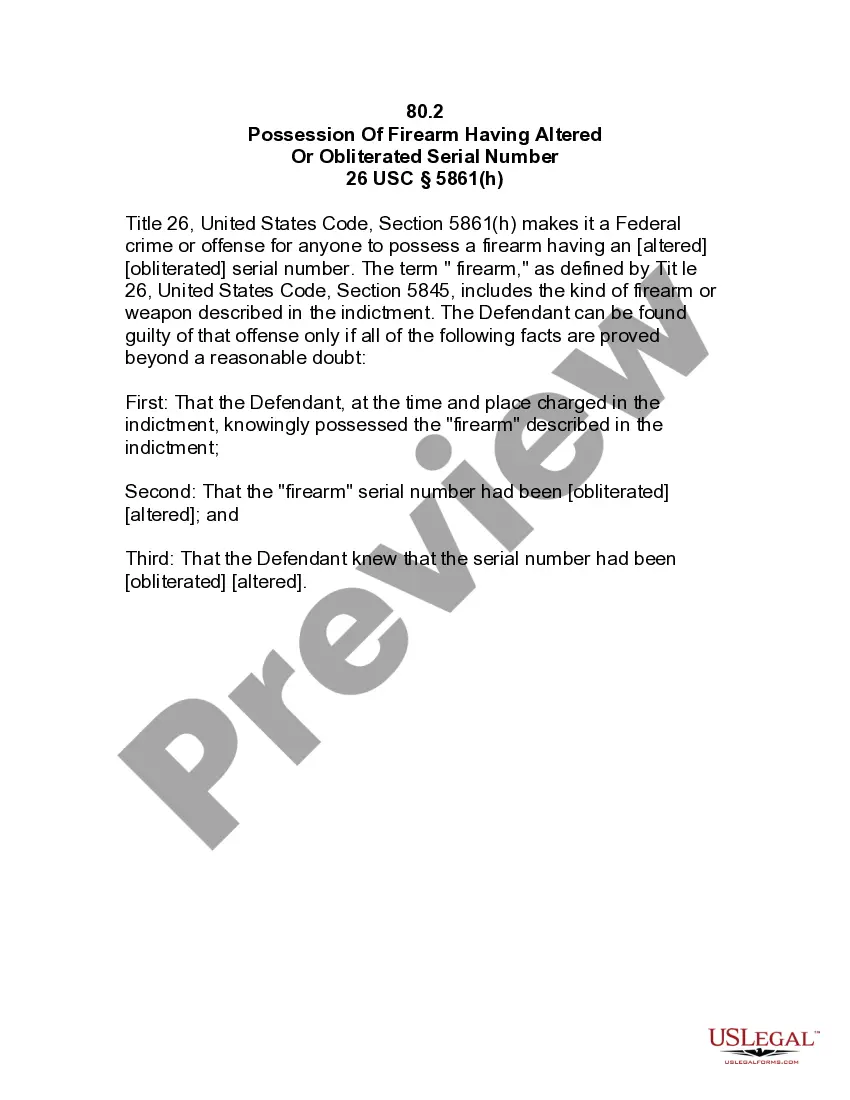
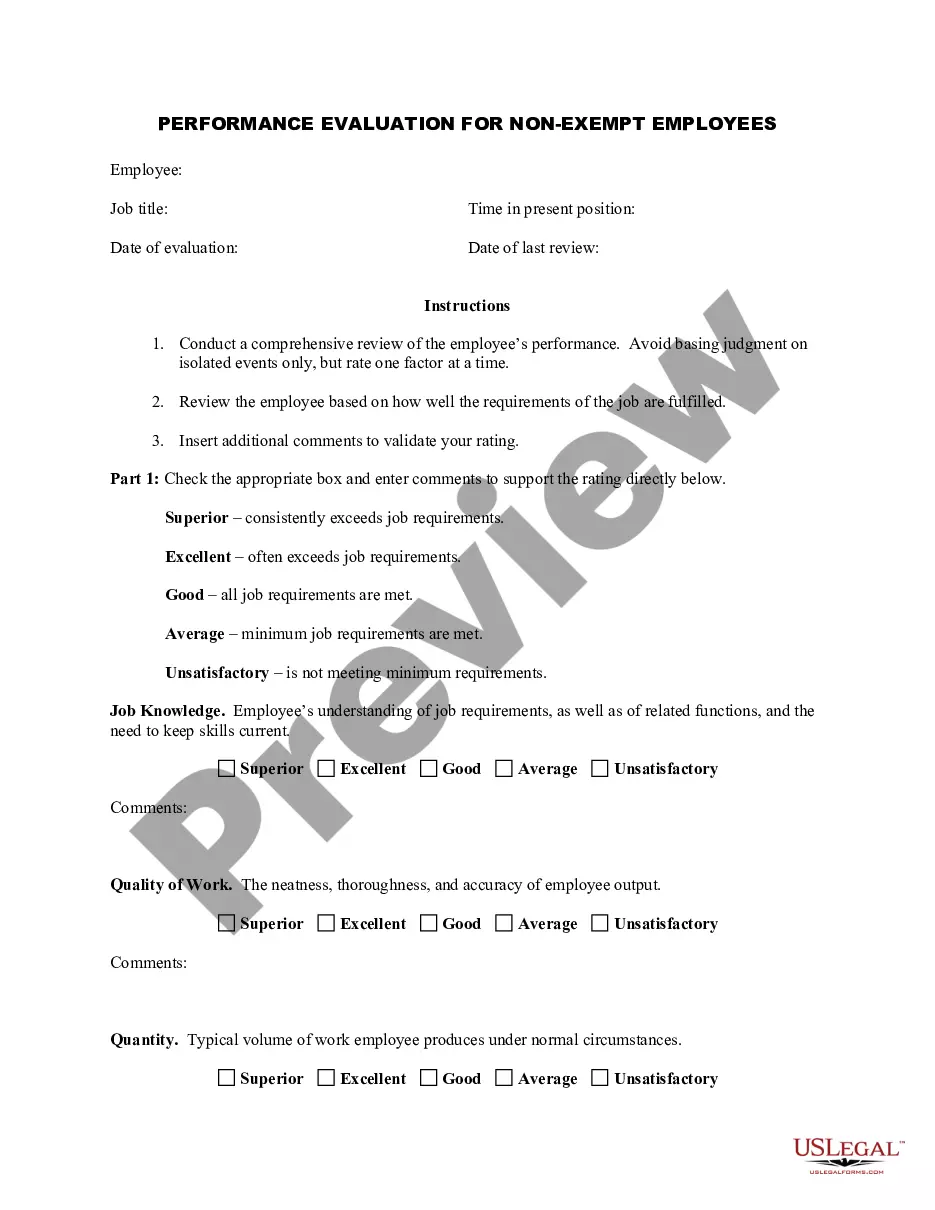
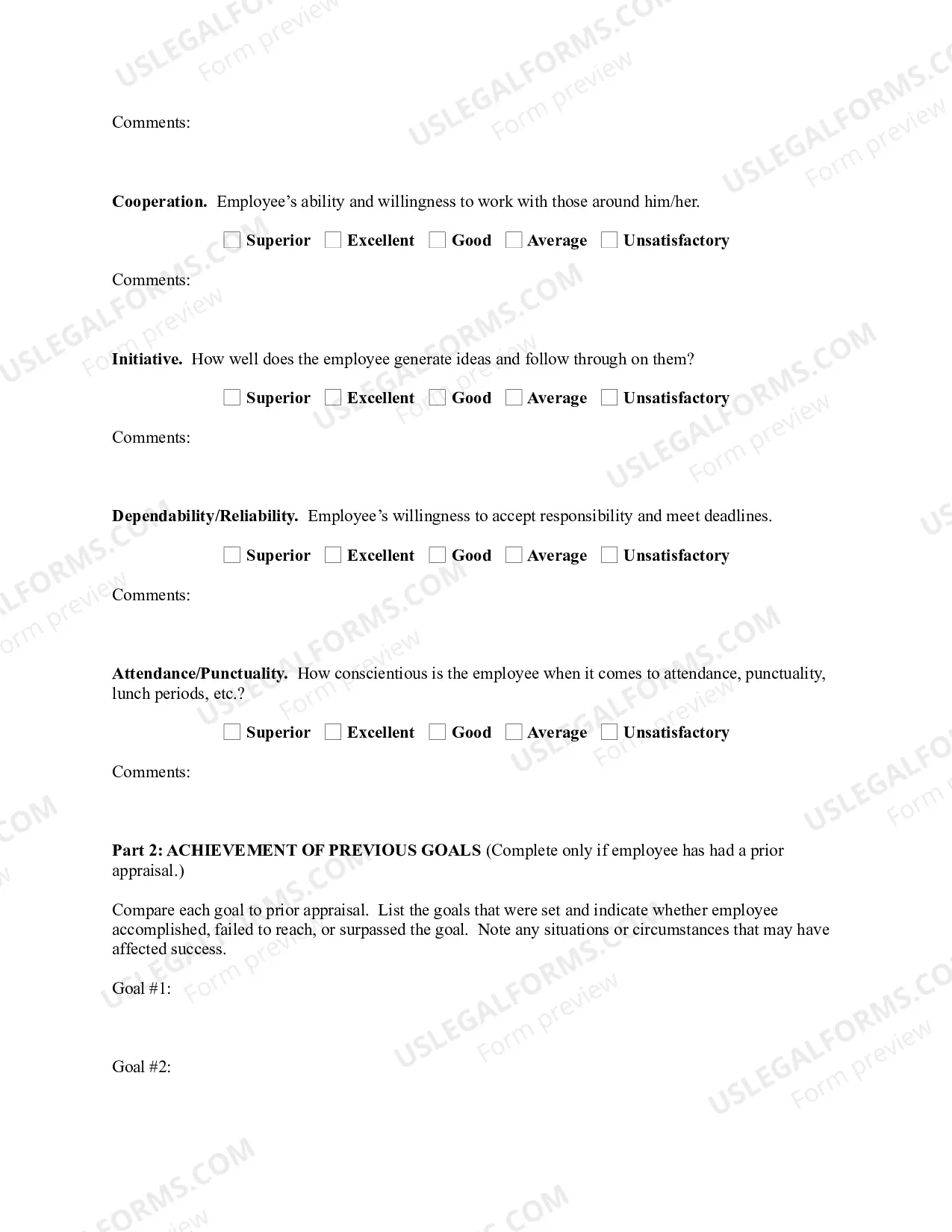
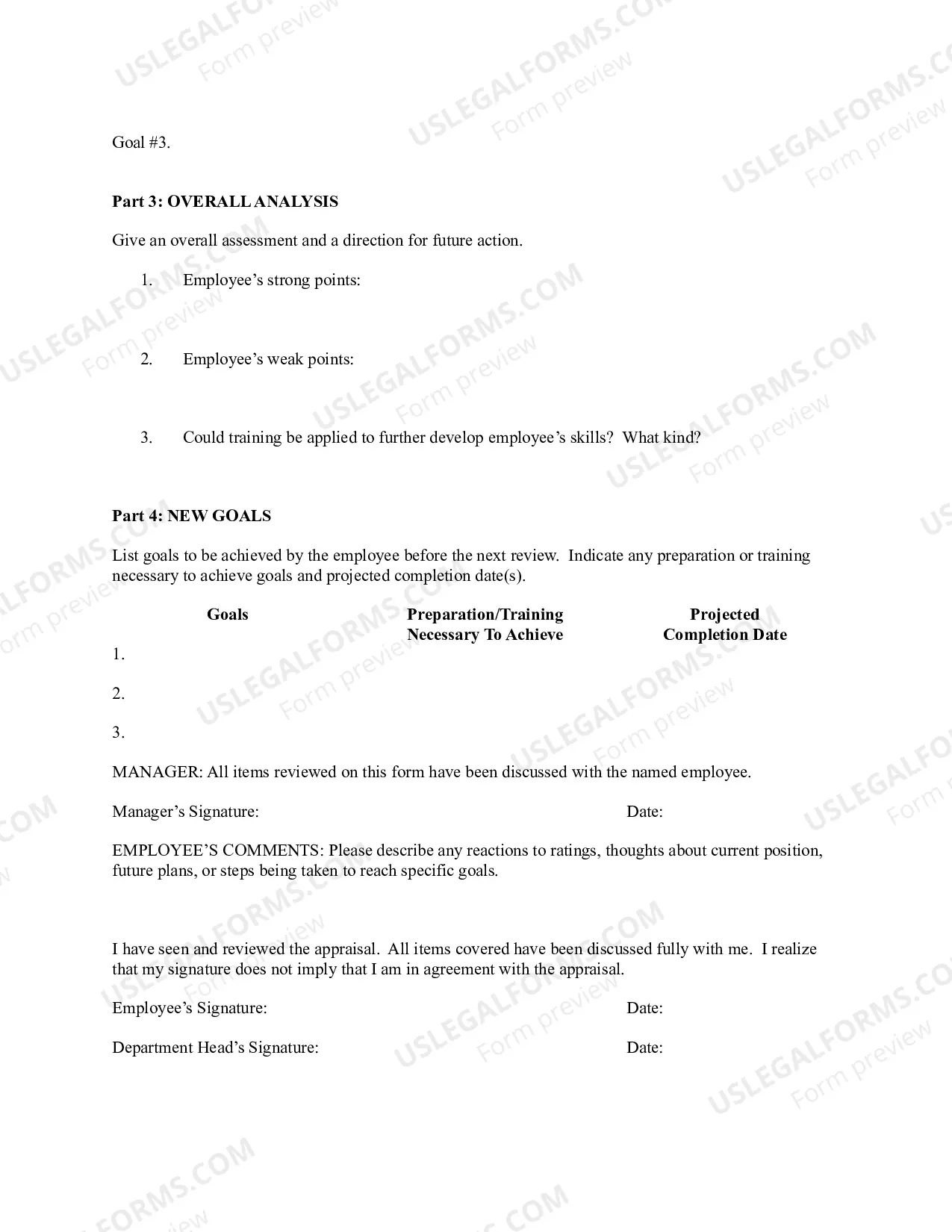
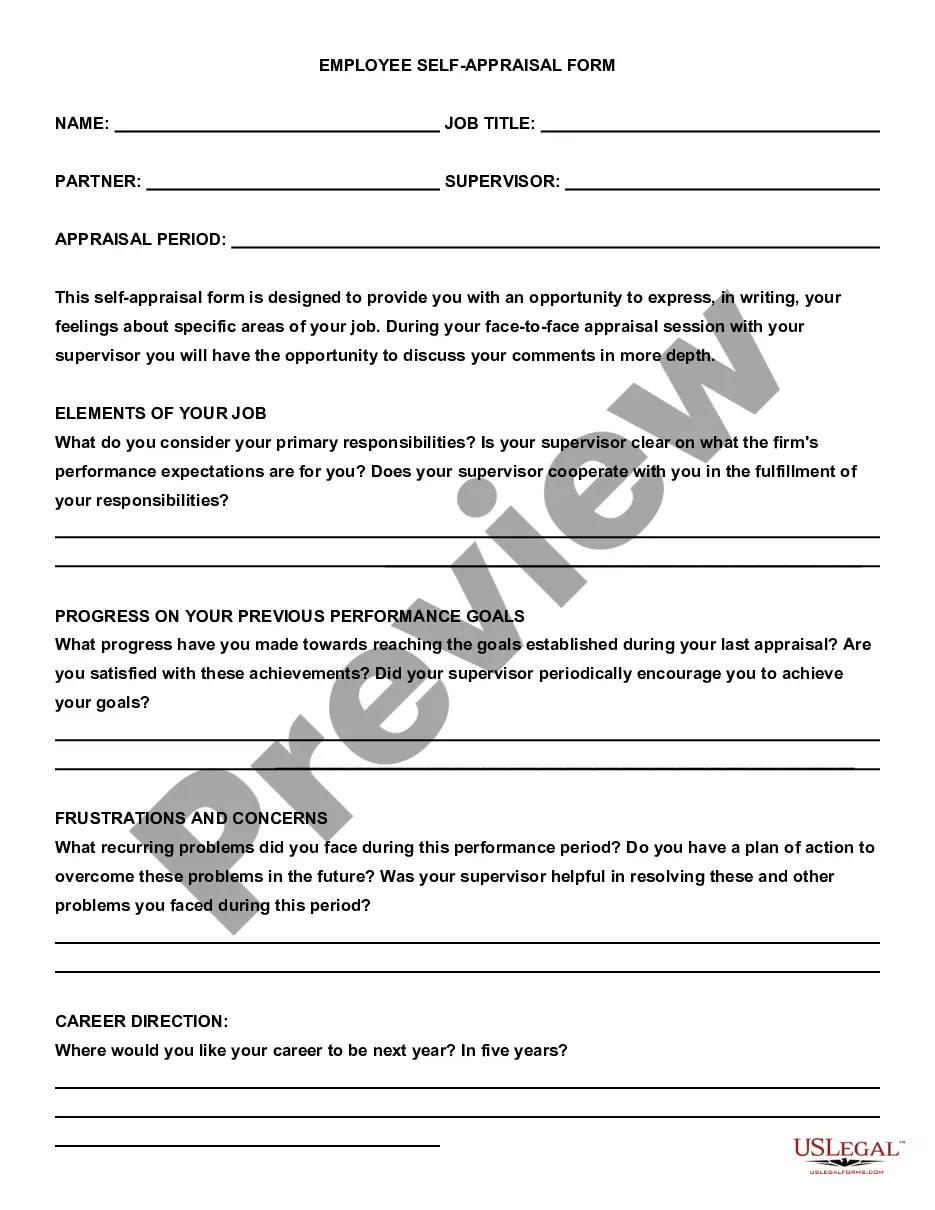
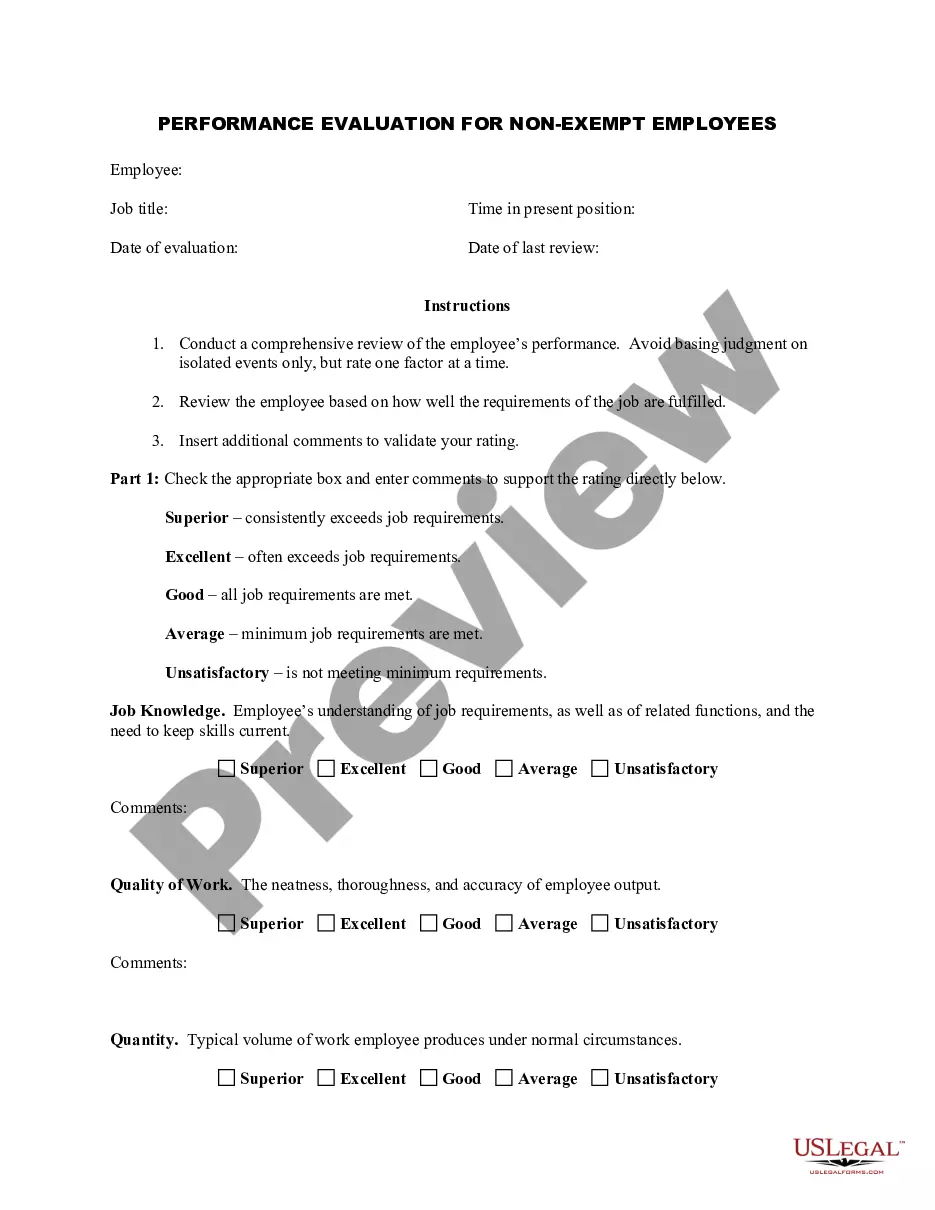
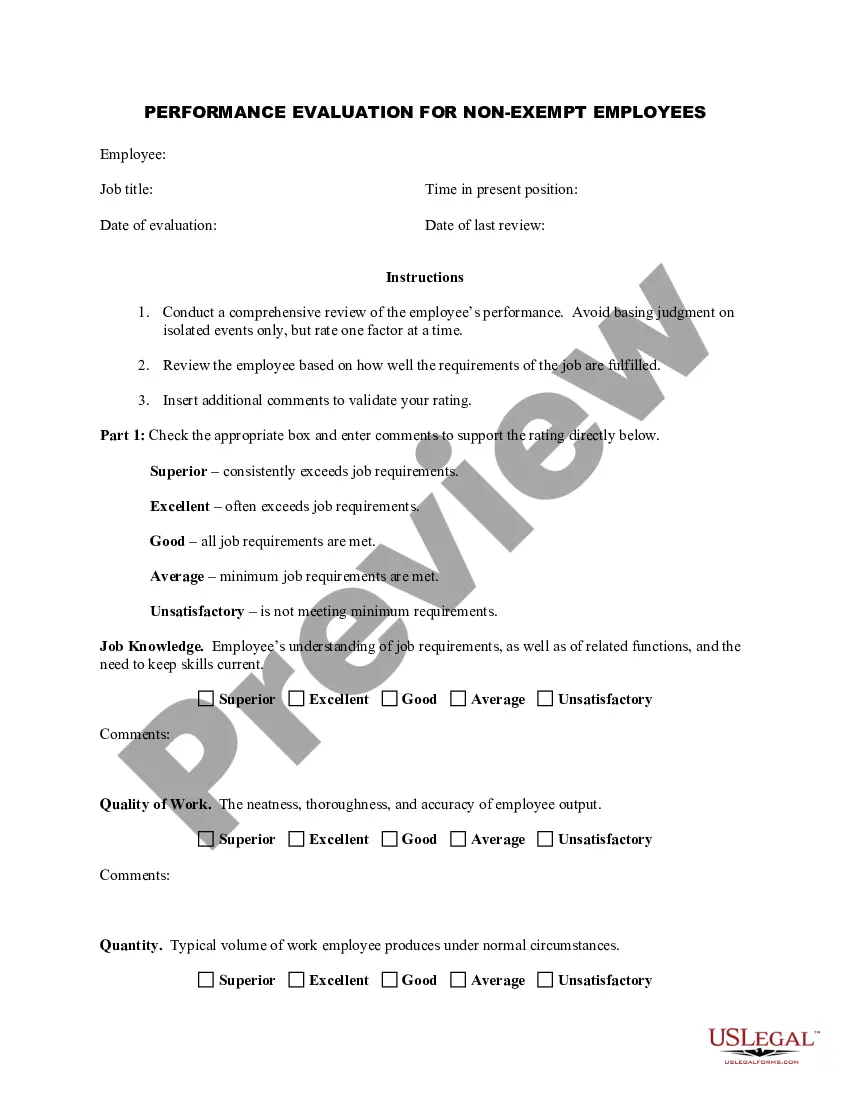
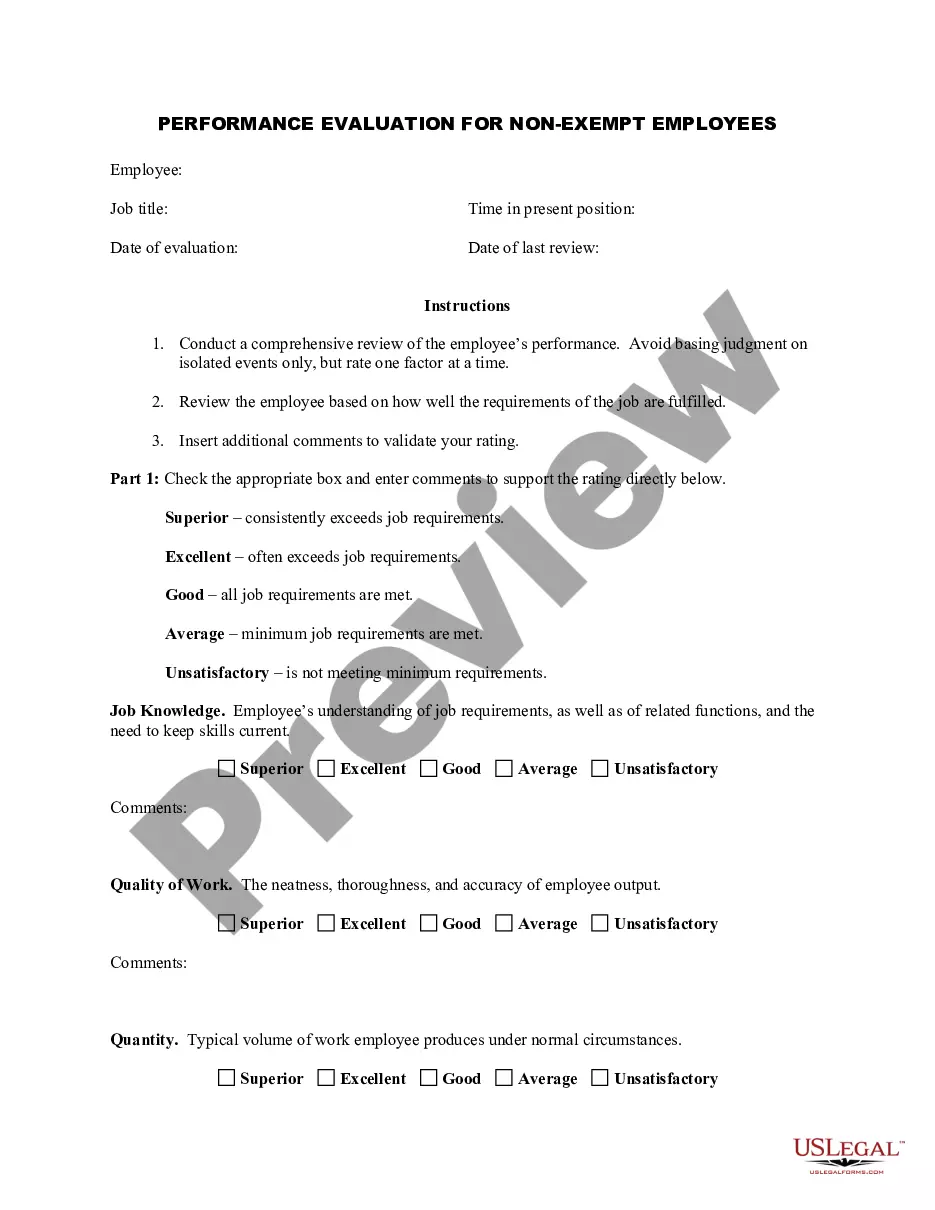
Ohio Employee Evaluation Form for Teacher
Description
Get your form ready online
Our built-in tools help you complete, sign, share, and store your documents in one place.
Make edits, fill in missing information, and update formatting in US Legal Forms—just like you would in MS Word.
Download a copy, print it, send it by email, or mail it via USPS—whatever works best for your next step.
Sign and collect signatures with our SignNow integration. Send to multiple recipients, set reminders, and more. Go Premium to unlock E-Sign.
If this form requires notarization, complete it online through a secure video call—no need to meet a notary in person or wait for an appointment.
We protect your documents and personal data by following strict security and privacy standards.

Make edits, fill in missing information, and update formatting in US Legal Forms—just like you would in MS Word.

Download a copy, print it, send it by email, or mail it via USPS—whatever works best for your next step.

Sign and collect signatures with our SignNow integration. Send to multiple recipients, set reminders, and more. Go Premium to unlock E-Sign.

If this form requires notarization, complete it online through a secure video call—no need to meet a notary in person or wait for an appointment.

We protect your documents and personal data by following strict security and privacy standards.
Looking for another form?

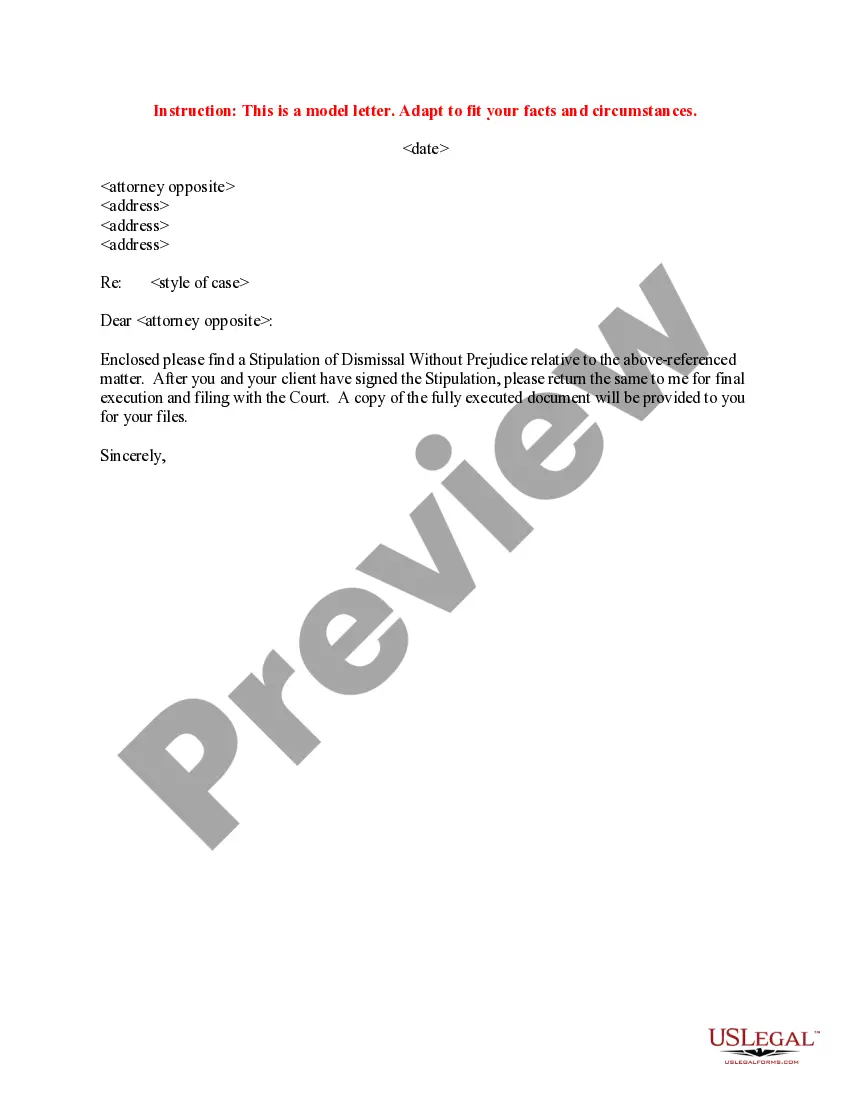





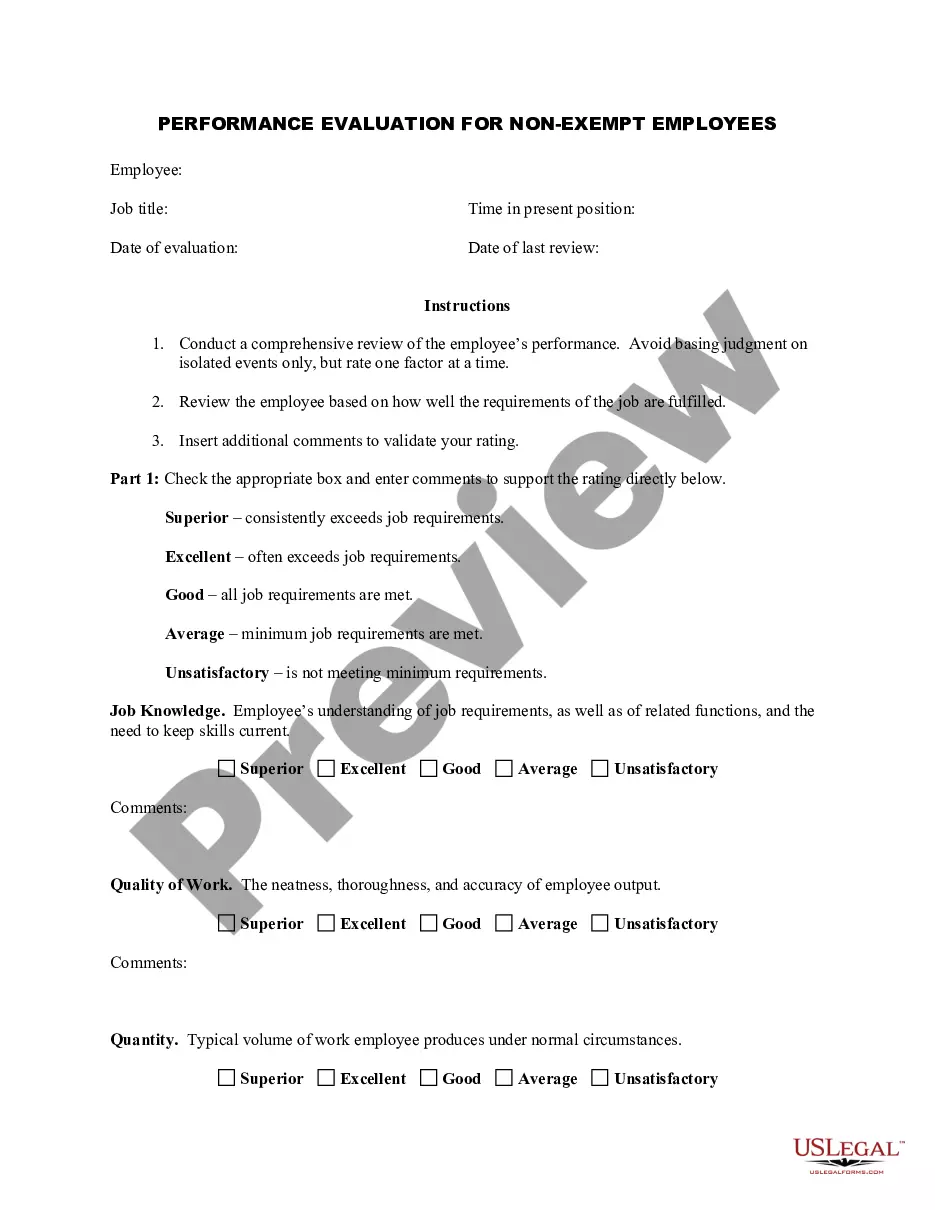
How to fill out Employee Evaluation Form For Teacher?
You might spend numerous hours online searching for the valid file format that meets the state and federal criteria you require.
US Legal Forms offers a vast array of valid templates that are reviewed by experts.
It's easy to obtain or create the Ohio Employee Evaluation Form for Teacher from the platform.
If available, utilize the Preview button to browse through the file format as well.
- If you already have a US Legal Forms account, you can Log In and then click the Download button.
- Subsequently, you can fill out, modify, print, or sign the Ohio Employee Evaluation Form for Teacher.
- Each valid file format you receive is yours indefinitely.
- To retrieve another copy of the purchased form, go to the My documents tab and then click the corresponding button.
- If you are using the US Legal Forms website for the first time, follow the simple instructions provided below.
- First, verify that you have selected the correct file format for the county/town of your choice.
- Check the form description to ensure you have selected the right type.
Form popularity
FAQ
OTES stands for the Ohio Teacher Evaluation System, which is a comprehensive framework used to evaluate teachers across the state. This system focuses on enhancing instructional quality and promoting student achievement. Using the Ohio Employee Evaluation Form for Teacher, educators can receive constructive feedback that fosters their development.
This brief outlines six major components of an aligned teacher evaluation and professional learning system: teaching standards; multiple measures of teacher performance; training on standards, tools, and measures; trained individuals to evaluate and provide feedback; professional learning opportunities; and
The Ohio Teacher Evaluation System 2.0 is a professional growth model designed to help educators continually improve their performance. This process is to be collaborative, ongoing and support teachers' professional growth.
Two of the most widely used measures of teacher effectiveness value-added models and classroom observationsare discussed. Then, other methodsprincipal evaluations, analyses of classroom artifacts, portfolios, self-reports of practice, and student evaluationsare examined.
See AlsoUnderstand Your Evaluation Tool. Get out of the compliance mindset.Pre-Game With the Teacher.Visit Classrooms Early and Often.Observe EverythingNot Just the Teacher.Provide Immediate Feedback.Find a 'Root Cause'Give Teachers a Voice.Provide Opportunities to Improve and Grow.
BEFORE A TEACHER EVALUATIONChoose a topic wisely. Select a subject about which you feel passionate and well-versed.Test drive the lesson.Talk to your evaluator.Explain the scope and sequence.Consider classroom decor and seating.Move around.
For teachers rated accomplished The district may decide to evaluate all teachers annually. Or, the district may elect to evaluate these teachers once every three years per the prior Ohio Revised Code 3319.111.
Teacher performance and student academic growth are the two key components of Ohio's evaluation system.
For a teacher evaluation system to be truly effective, it should set clear, rigorous performance expectations for teachers that lead to strong student achievement. Evaluations should use objective data to fairly and reliably measure teacher performance against those standards.
In general, teacher evaluation refers to the formal process a school uses to review and rate teachers' performance and effectiveness in the classroom. Ideally, the findings from these evaluations are used to provide feedback to teachers and guide their professional development.