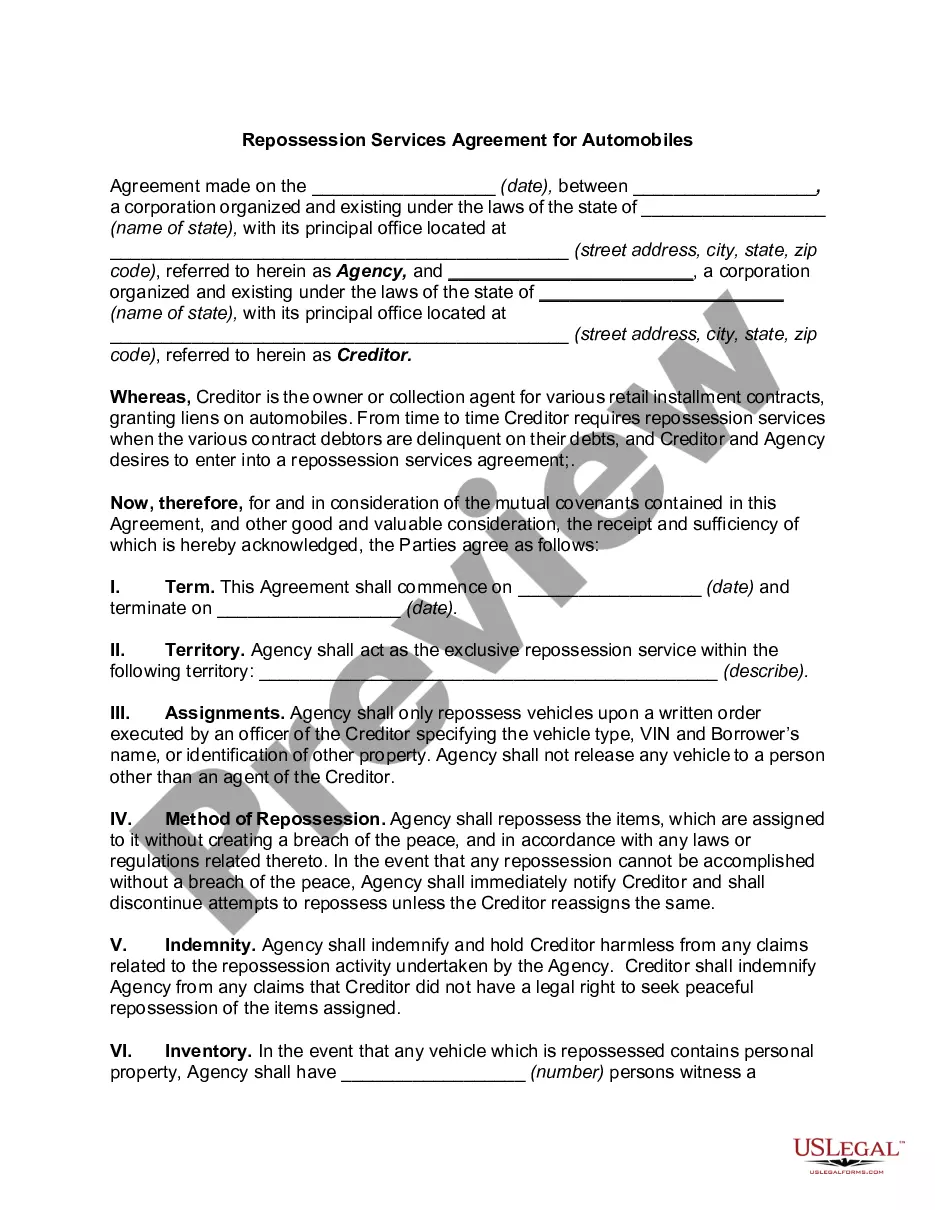
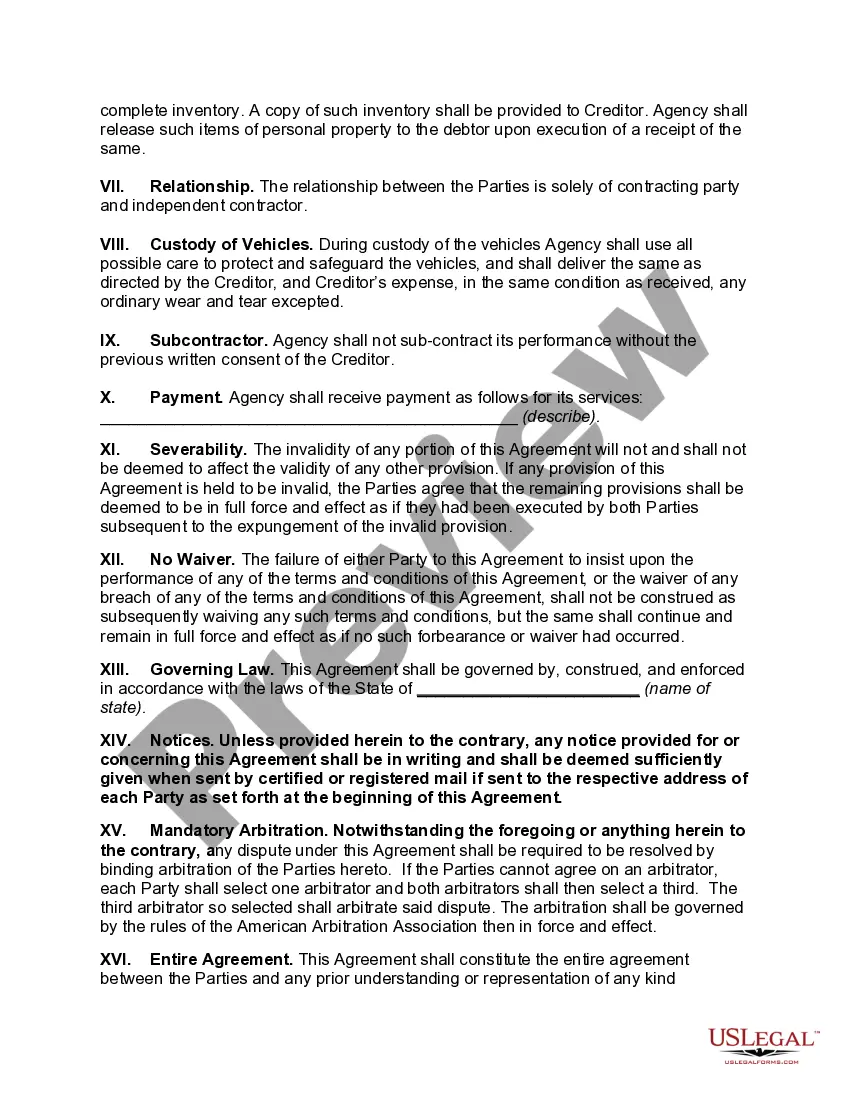
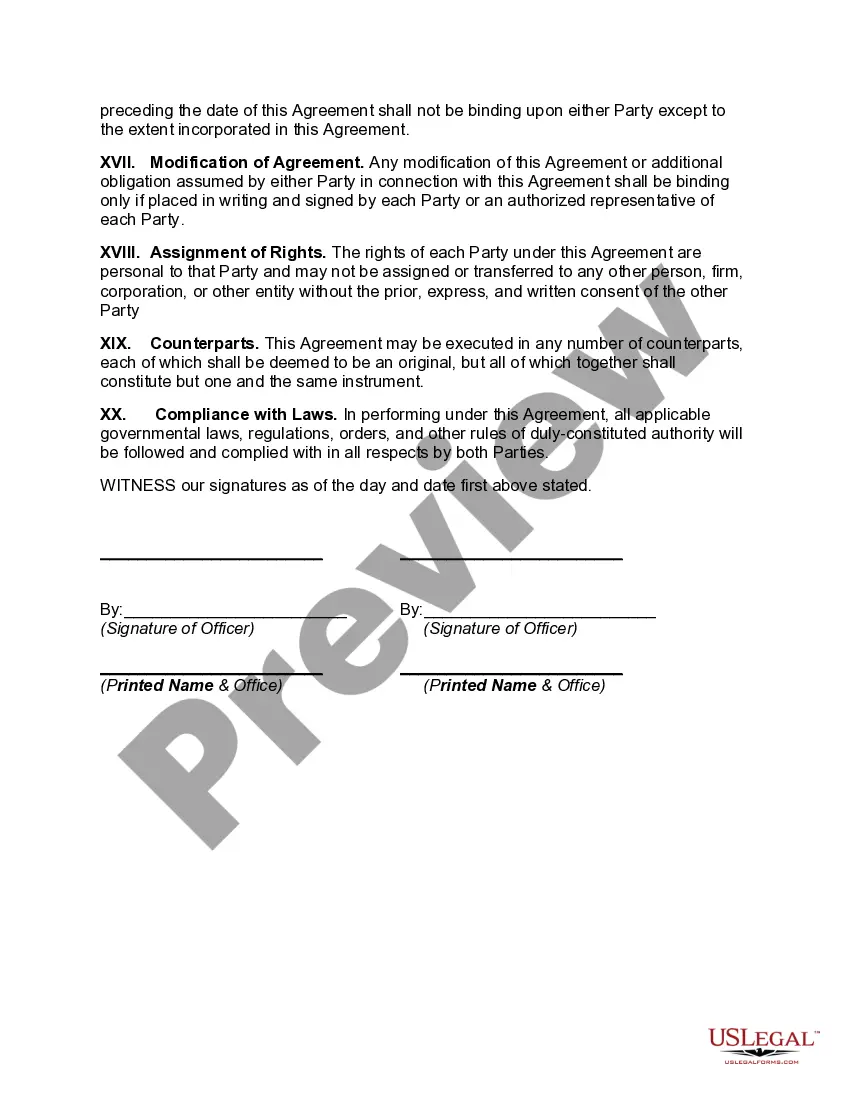
Ohio Repossession Services Agreement for Automobiles
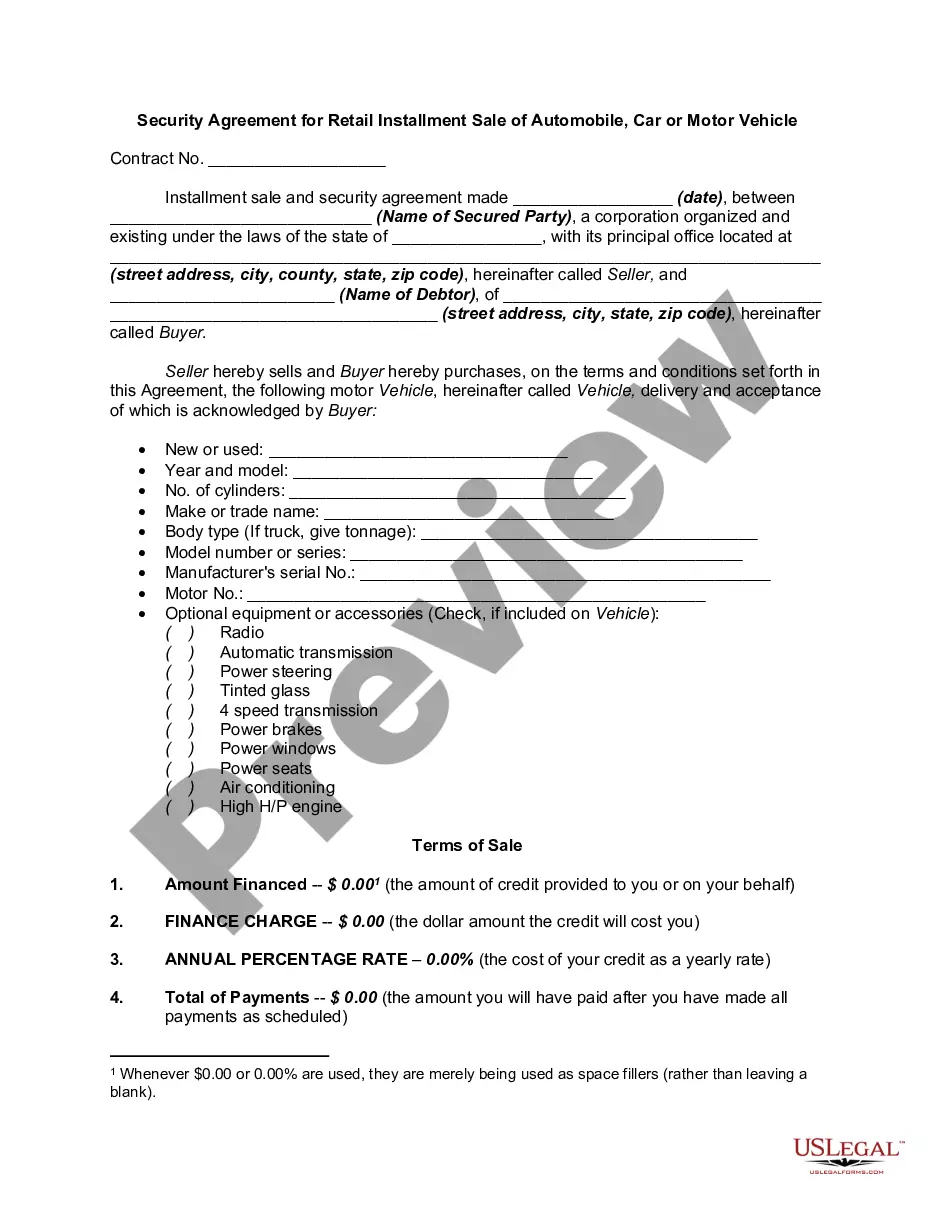
Description

Get your form ready online
Our built-in tools help you complete, sign, share, and store your documents in one place.
Make edits, fill in missing information, and update formatting in US Legal Forms—just like you would in MS Word.
Download a copy, print it, send it by email, or mail it via USPS—whatever works best for your next step.
Sign and collect signatures with our SignNow integration. Send to multiple recipients, set reminders, and more. Go Premium to unlock E-Sign.
If this form requires notarization, complete it online through a secure video call—no need to meet a notary in person or wait for an appointment.
We protect your documents and personal data by following strict security and privacy standards.

Make edits, fill in missing information, and update formatting in US Legal Forms—just like you would in MS Word.

Download a copy, print it, send it by email, or mail it via USPS—whatever works best for your next step.

Sign and collect signatures with our SignNow integration. Send to multiple recipients, set reminders, and more. Go Premium to unlock E-Sign.

If this form requires notarization, complete it online through a secure video call—no need to meet a notary in person or wait for an appointment.

We protect your documents and personal data by following strict security and privacy standards.
Looking for another form?

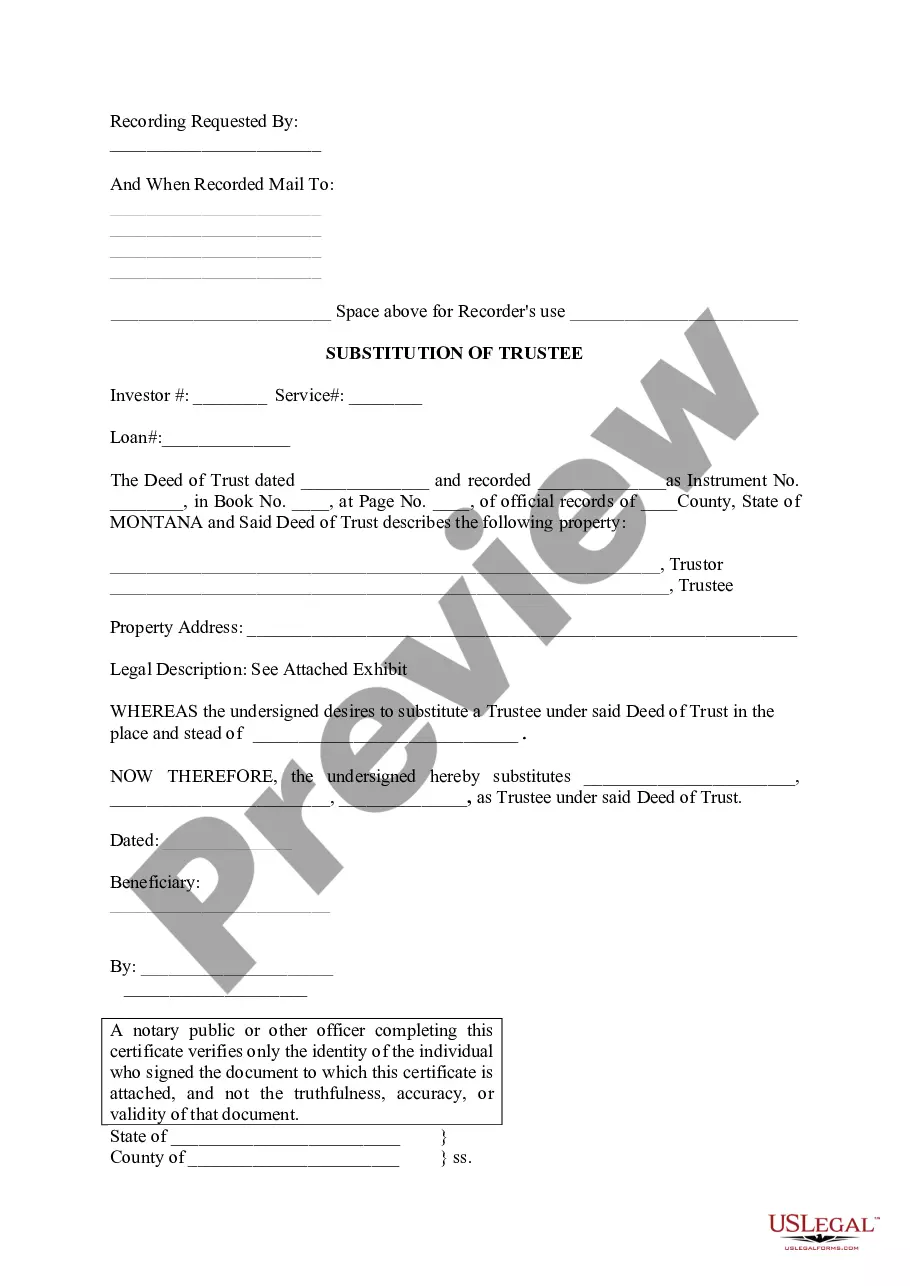
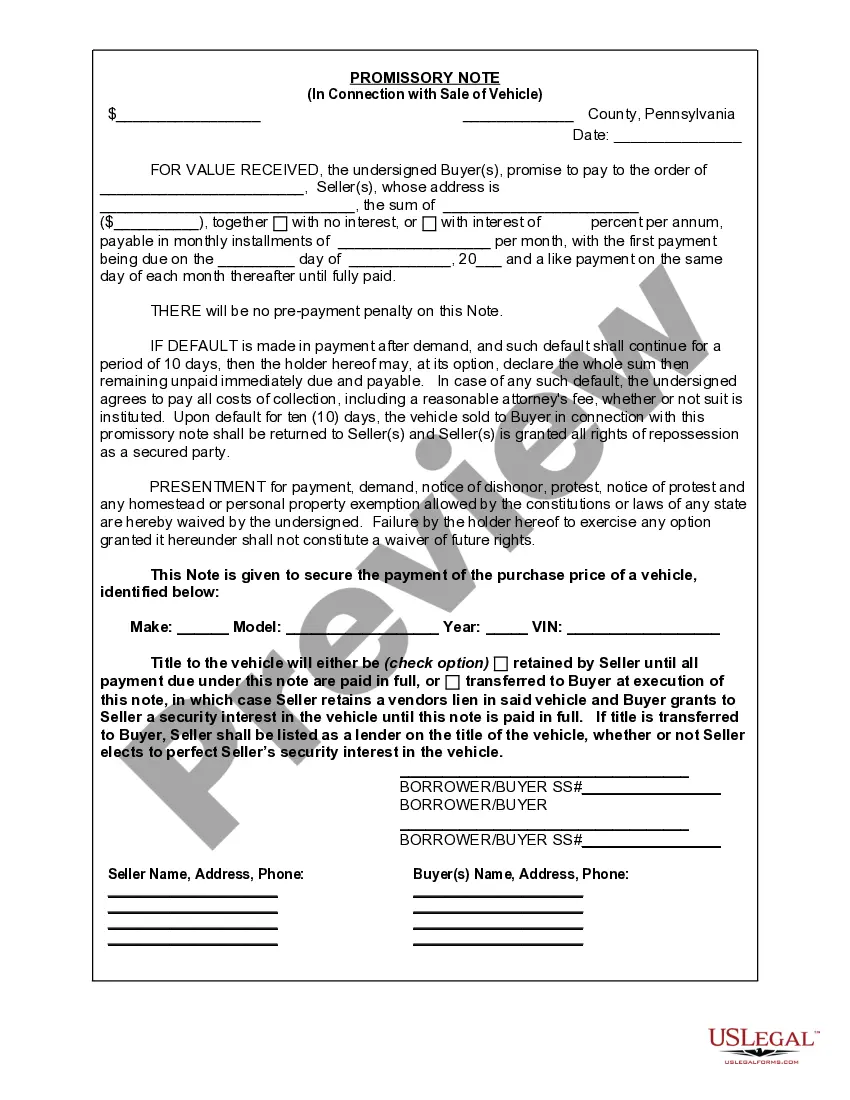
How to fill out Repossession Services Agreement For Automobiles?
If you aim to be thorough, obtain, or generate legal document templates, utilize US Legal Forms, the most extensive collection of legal forms available online.
Employ the site’s straightforward and user-friendly search to locate the documents you need.
Numerous templates for business and personal purposes are organized by categories and jurisdictions, or by keywords.
Step 4. Once you’ve found the form you need, click the Buy now button. Select the pricing option you prefer and fill in your details to register for an account.
Step 5. Complete the transaction. You can use your credit card or PayPal account to finalize the purchase.
- Use US Legal Forms to quickly acquire the Ohio Repossession Services Agreement for Automobiles.
- If you are already a US Legal Forms user, Log In to your account and click the Acquire button to find the Ohio Repossession Services Agreement for Automobiles.
- You can also access forms you have previously obtained from the My documents section of your account.
- If this is your first time using US Legal Forms, follow the instructions below.
- Step 1. Make sure you have chosen the form for the correct region/state.
- Step 2. Use the Review feature to examine the form’s details. Don’t forget to read the description.
- Step 3. If you’re not satisfied with the form, use the Search box at the top of the screen to find alternative versions of the legal form template.
Form popularity
FAQ
Repossession happens when your lender or leasing company takes your car away because you've missed payments on your loanand it can occur without warning if you've defaulted on your auto loan.
What is Repossession? The contractual right of repossession is a process where a creditor can legally take possession of a specific asset or property if a debtor fails to meet their obligations on a contract. This right of repossession exists in many different sorts of agreements and transactions.
In fact, Ohio's auto repossession law says that the vehicle lender or secured party can repossess your vehicle if you are just one day late with your payment. But your loan contract may give you more leeway and outline the actions the lender can take when you go into default.
Chapter 1312 of the Ohio Revised Code became effective in 2005 and embodies Ohio's Right to Cure Statute. It sets forth the procedure under which a residential contractor may cure a defect prior to an Owner commencing arbitration proceedings or a civil action.
What is the Repossession Law in Ohio? In Ohio, a lender or creditor can sell your repossessed vehicle to pay off your loan(s) if you have a number of missed payments. A lender can only repossess your car if you have a signed agreement that explicitly states that you are using the property as collateral for a loan.
You can't use force to try to stop the repo man from taking your vehicle, and you can't try to hide your car so he can't get it. If you do, the lender can file a replevin lawsuit against you in Ohio.
Two or three consecutive missed payments can lead to repossession, which damages your credit score. And some lenders have adopted technology to remotely disable cars after even one missed payment. You have options to handle a missed payment, and your lender will likely work with you to find a solution.
Repossession is used to help lenders ensure that their debt is paid or as close to paid as is possible.
You can "redeem" the property by offering the creditor the entire unpaid balance on the debt plus expenses reasonably caused by the repossession. You must do this before the creditor has disposed of or sold the property. Usually you cannot redeem just by paying the amount in arrears unless the creditor approves it.