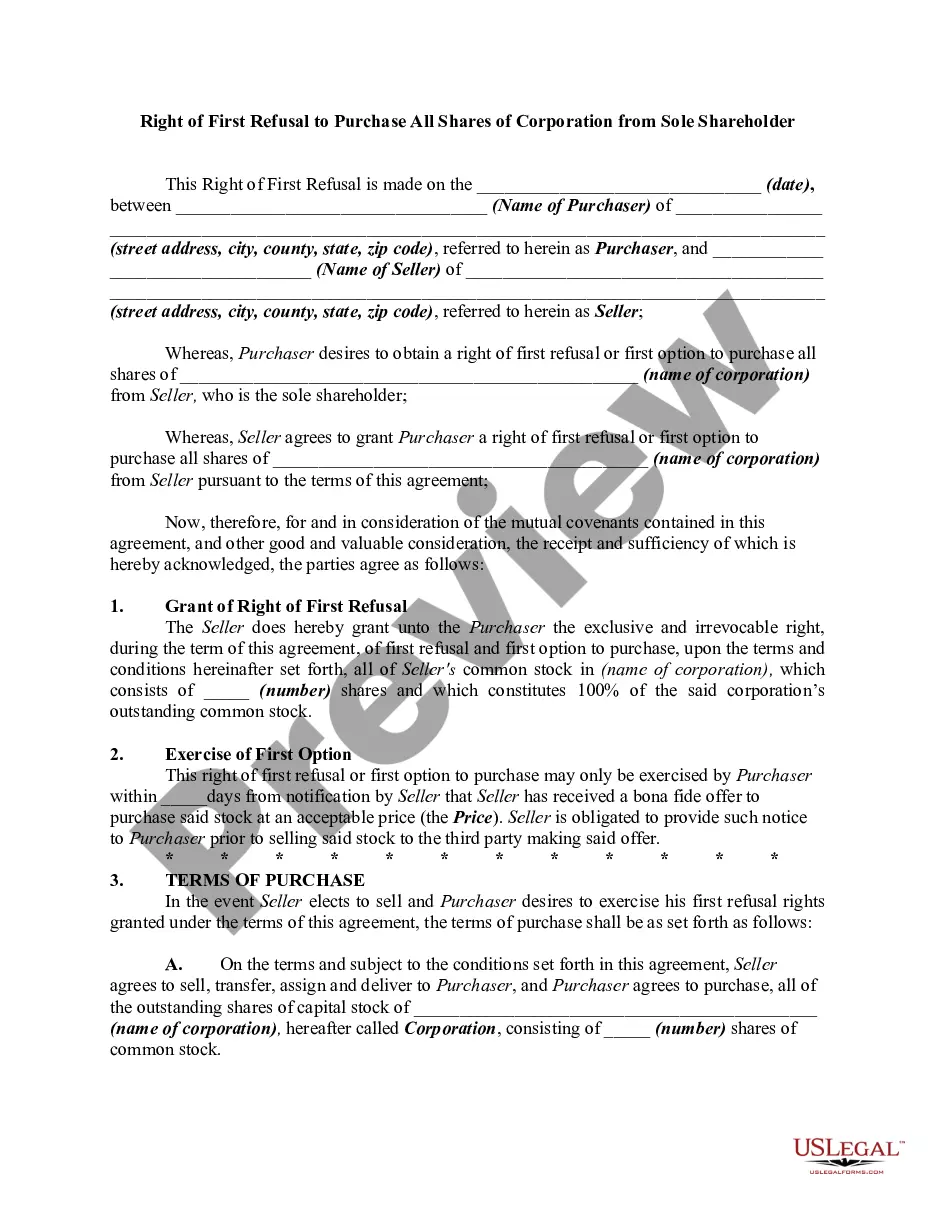
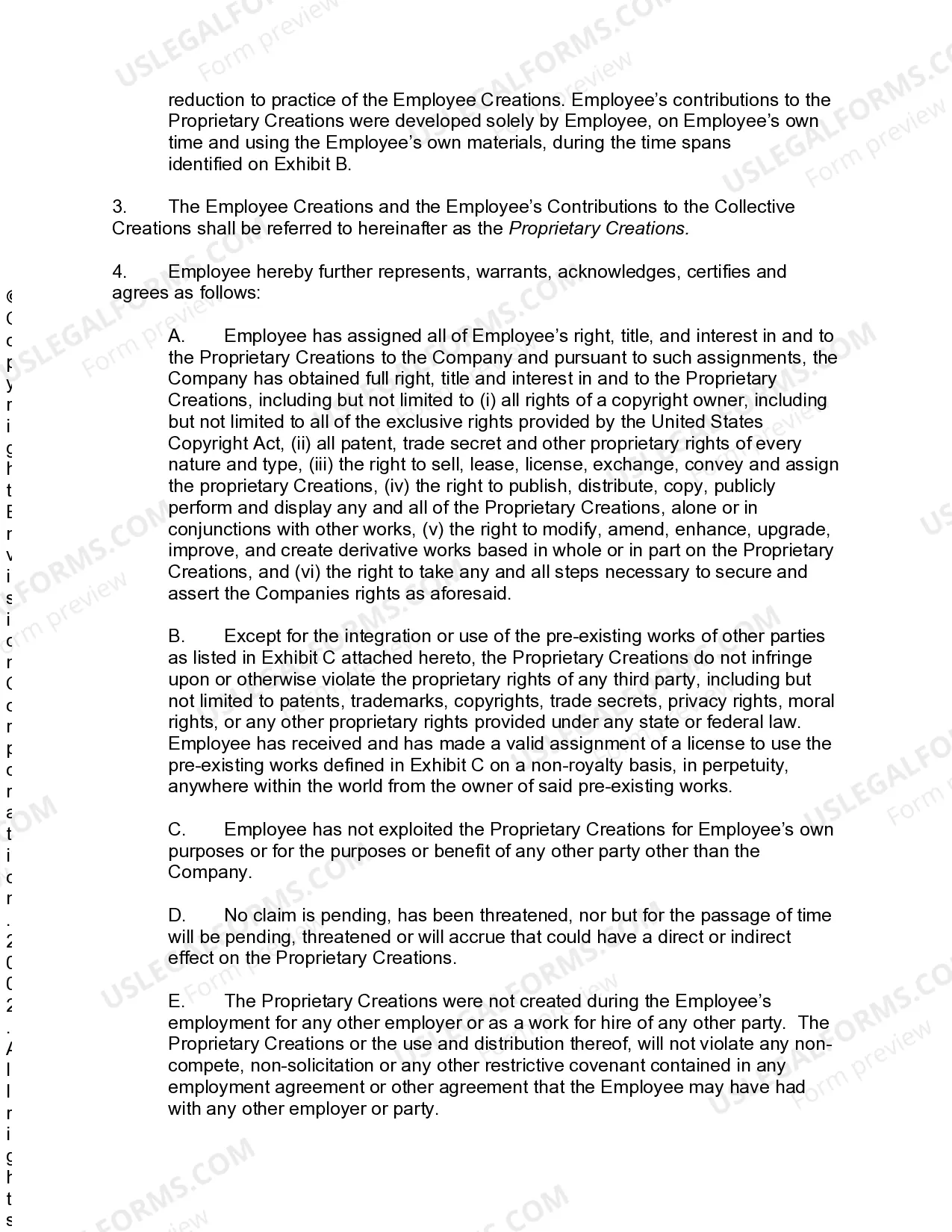
Ohio Employee Authorship Certificate
Description
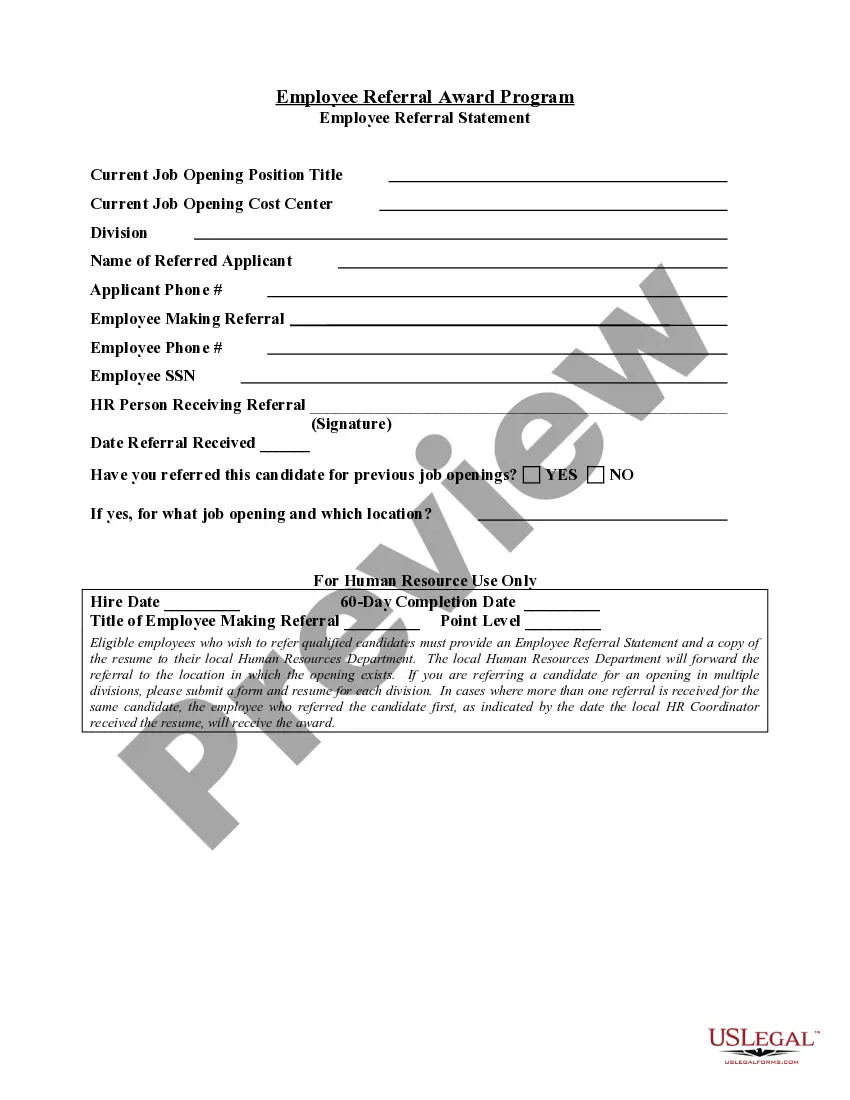
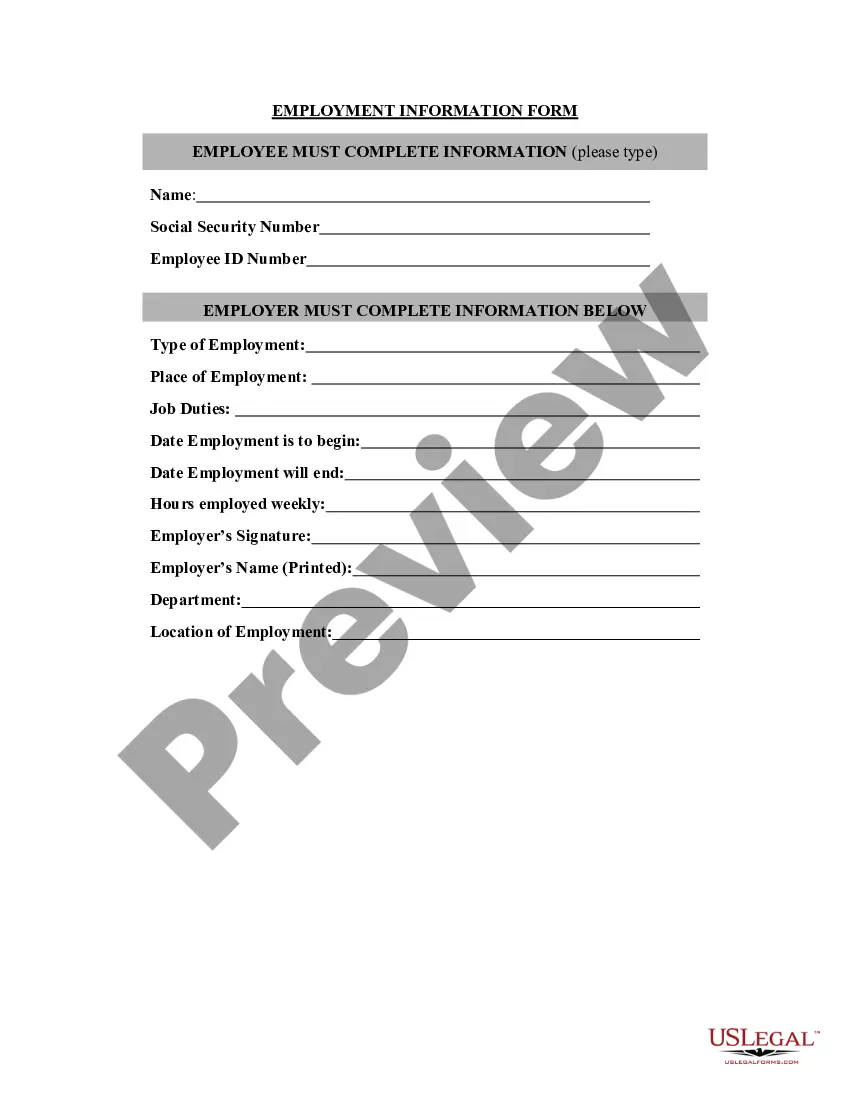
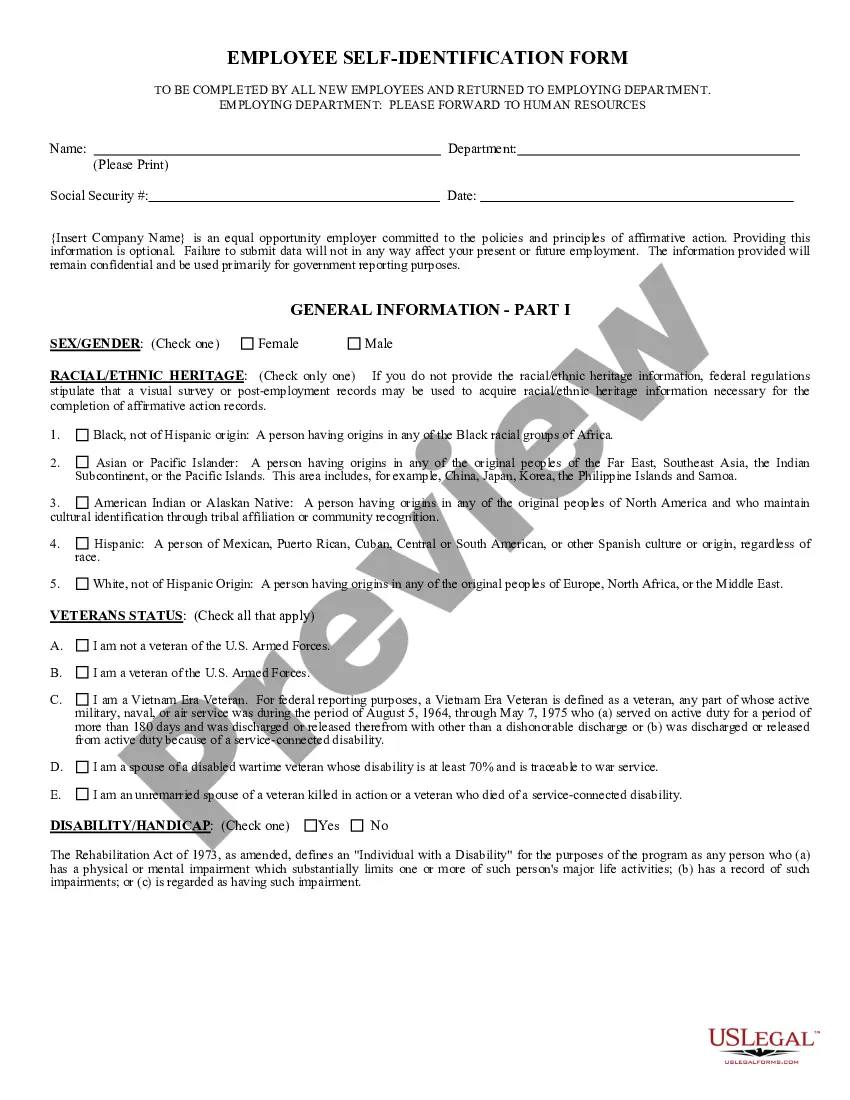
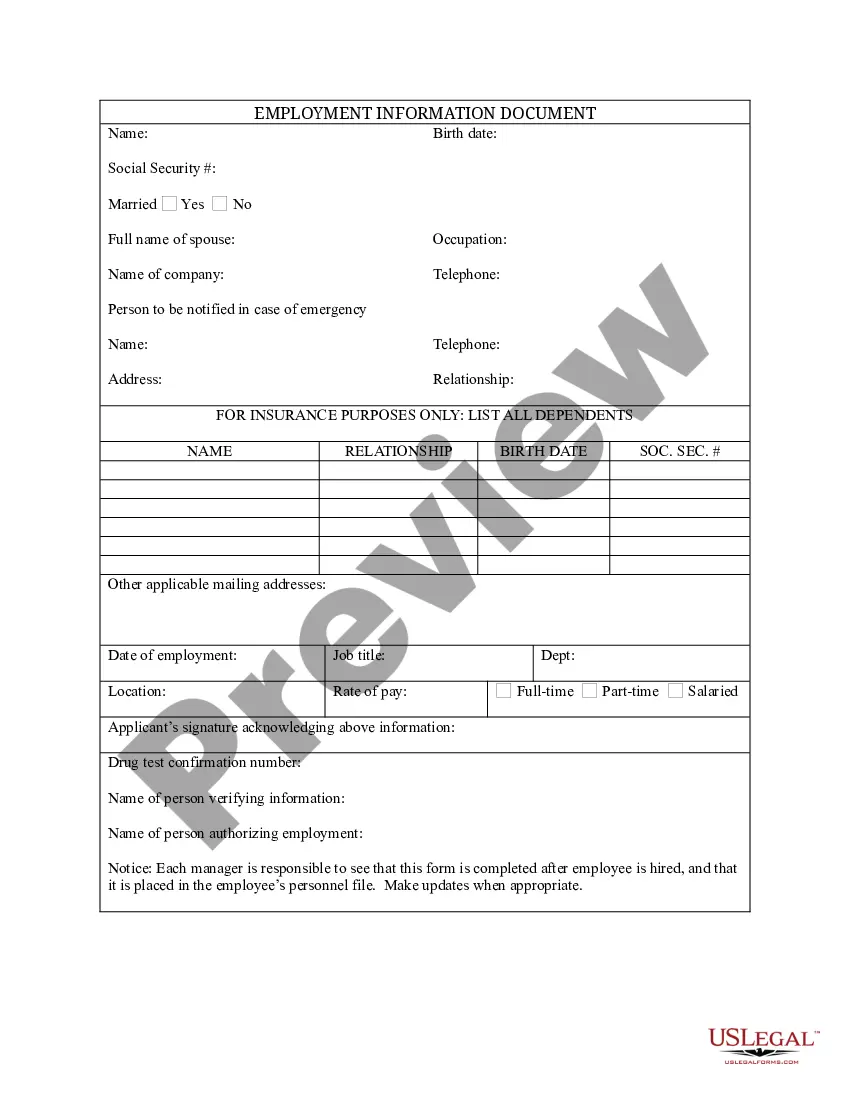
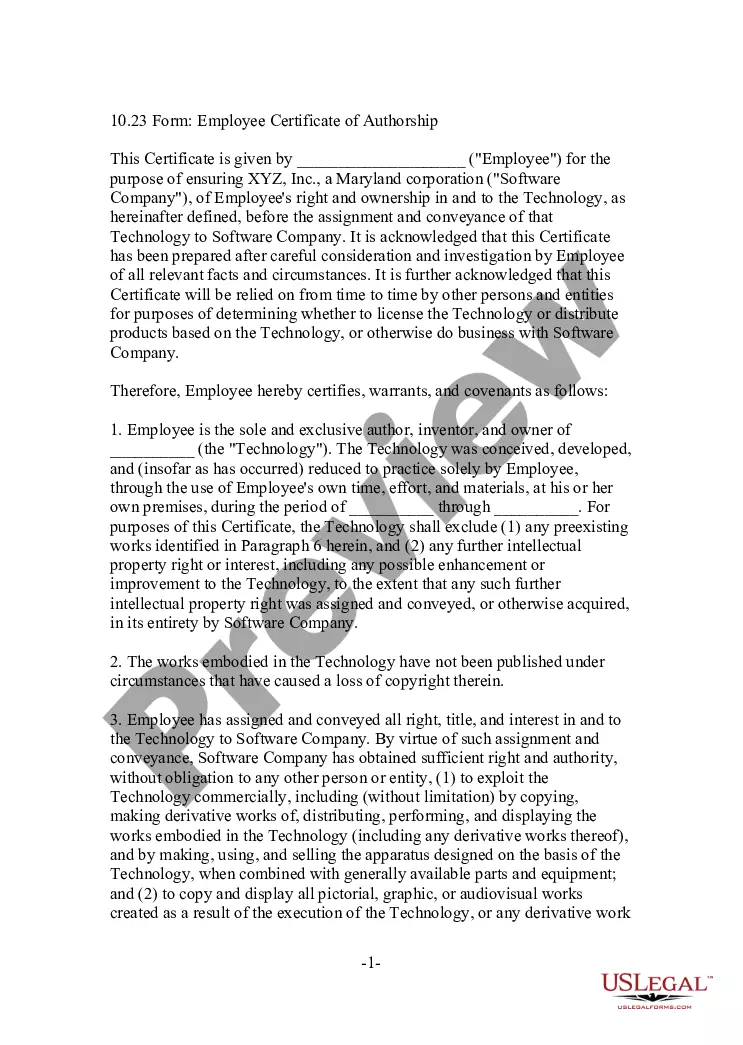
Get your form ready online
Our built-in tools help you complete, sign, share, and store your documents in one place.
Make edits, fill in missing information, and update formatting in US Legal Forms—just like you would in MS Word.
Download a copy, print it, send it by email, or mail it via USPS—whatever works best for your next step.
Sign and collect signatures with our SignNow integration. Send to multiple recipients, set reminders, and more. Go Premium to unlock E-Sign.
If this form requires notarization, complete it online through a secure video call—no need to meet a notary in person or wait for an appointment.
We protect your documents and personal data by following strict security and privacy standards.

Make edits, fill in missing information, and update formatting in US Legal Forms—just like you would in MS Word.

Download a copy, print it, send it by email, or mail it via USPS—whatever works best for your next step.

Sign and collect signatures with our SignNow integration. Send to multiple recipients, set reminders, and more. Go Premium to unlock E-Sign.

If this form requires notarization, complete it online through a secure video call—no need to meet a notary in person or wait for an appointment.

We protect your documents and personal data by following strict security and privacy standards.
Looking for another form?
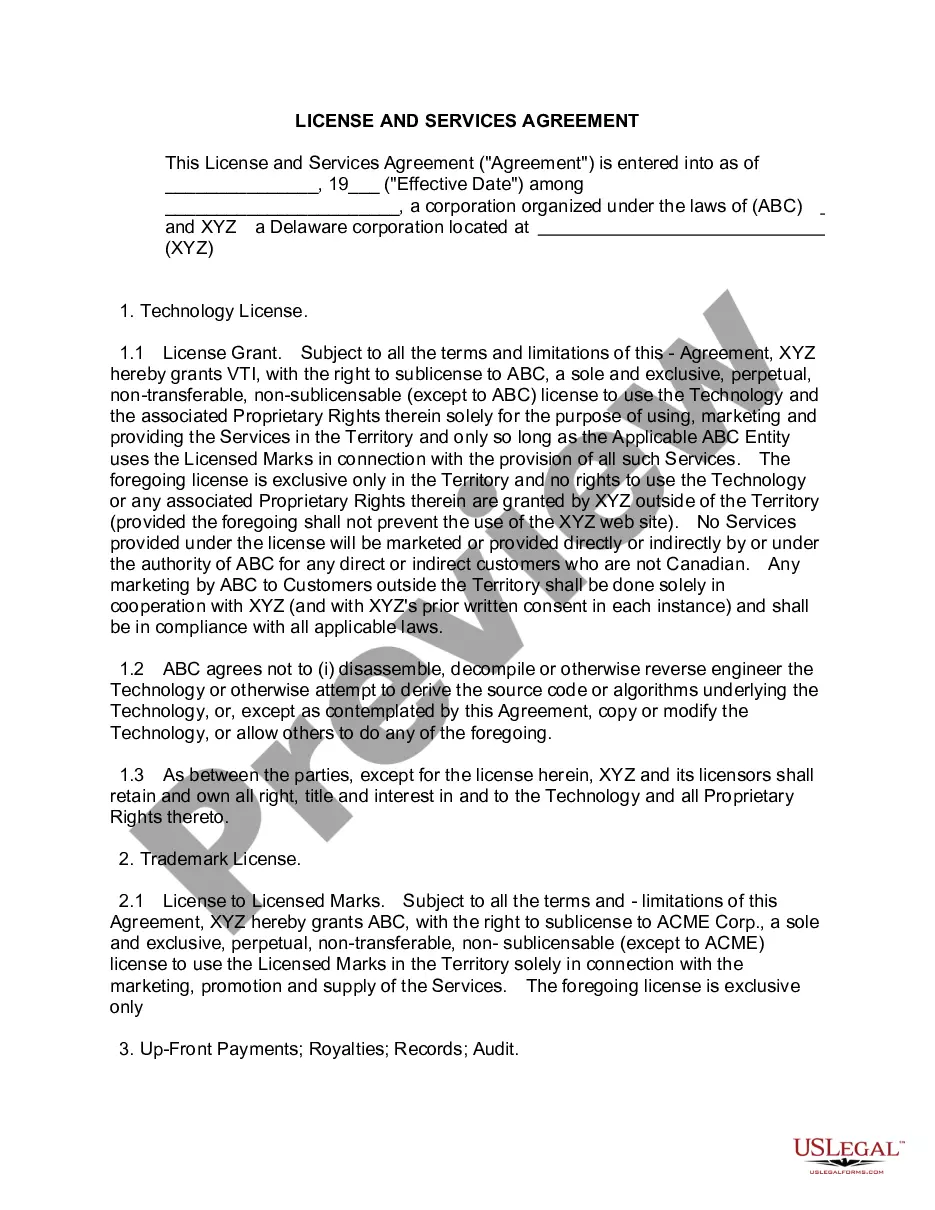
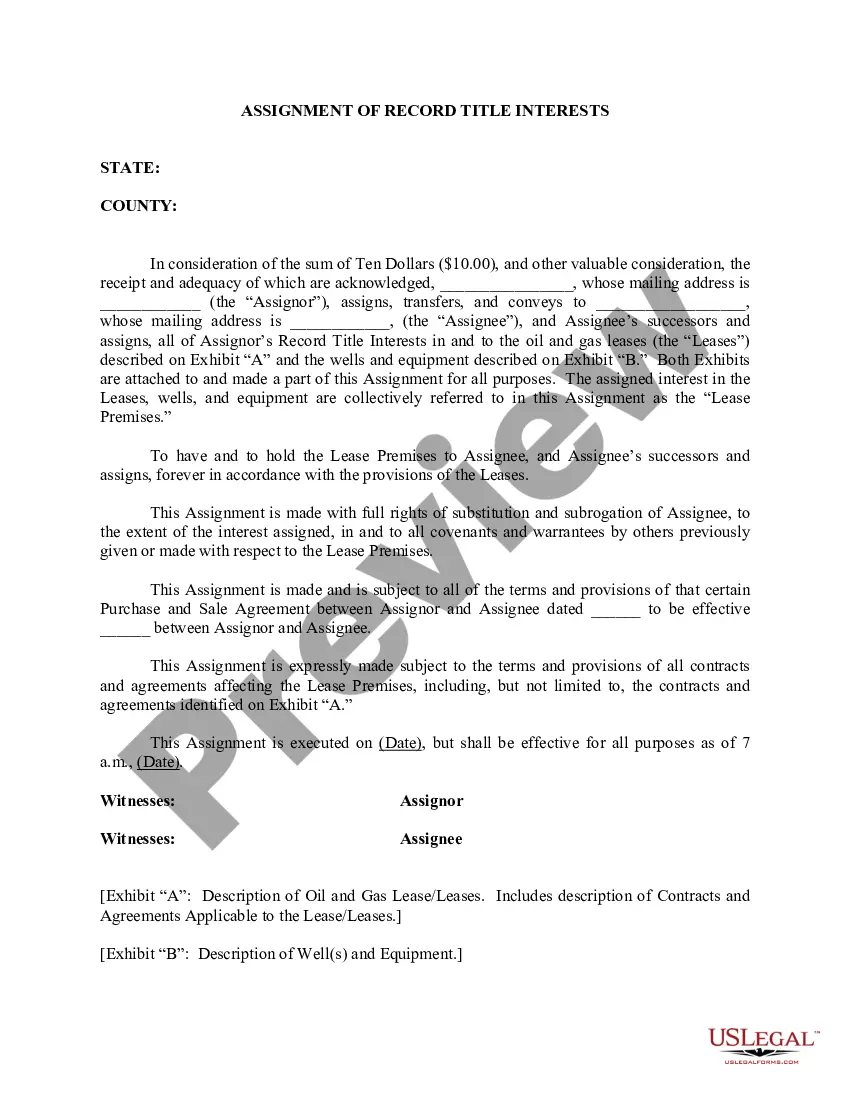
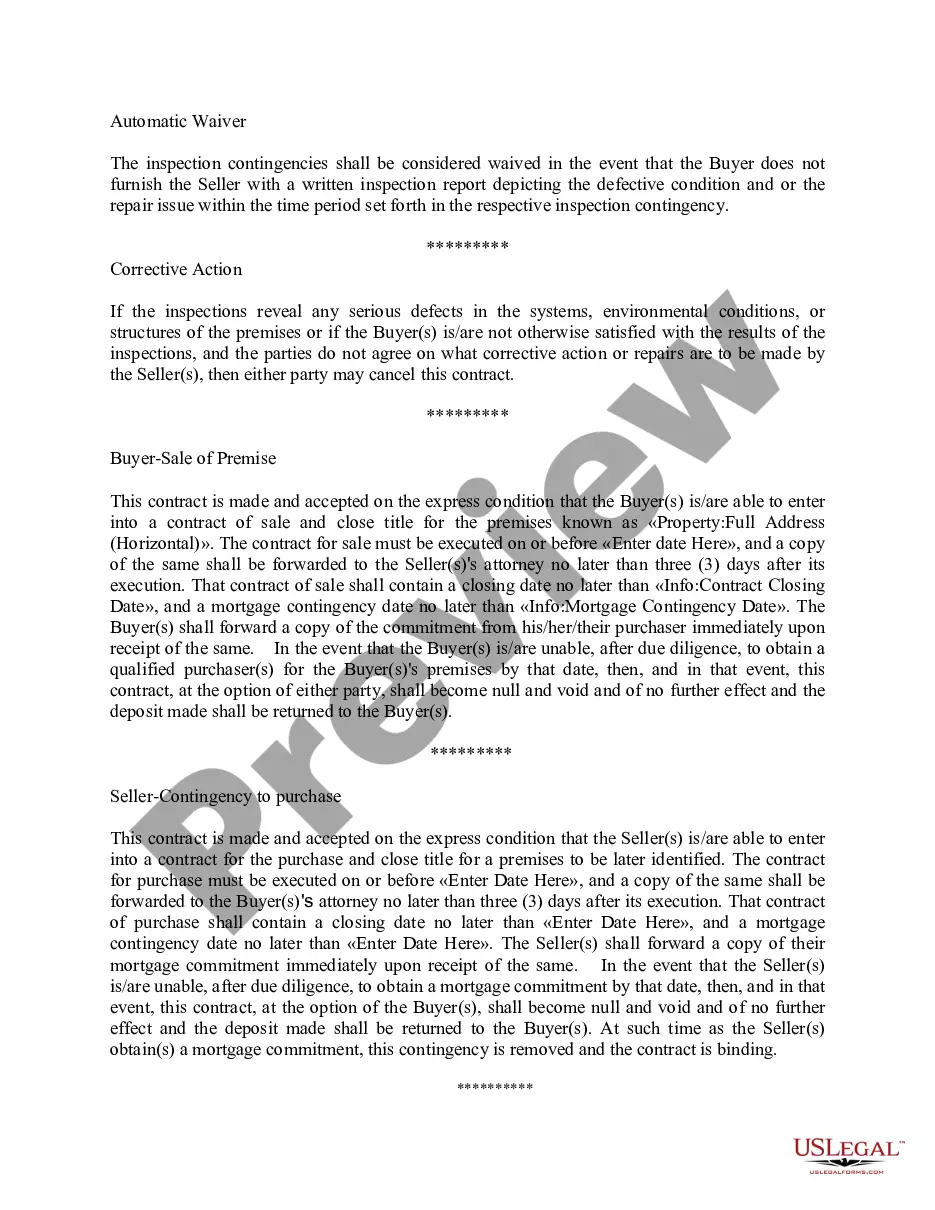


How to fill out Employee Authorship Certificate?
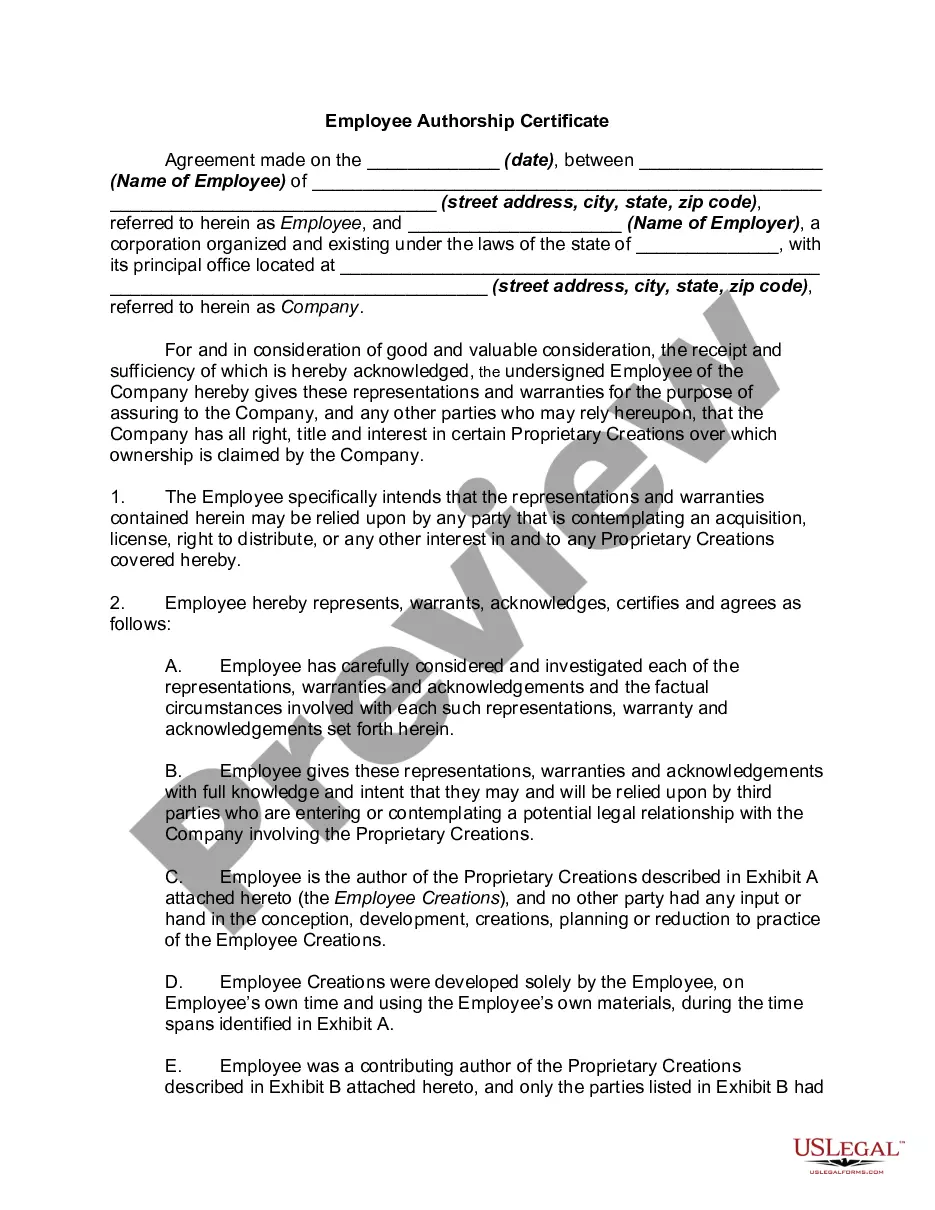
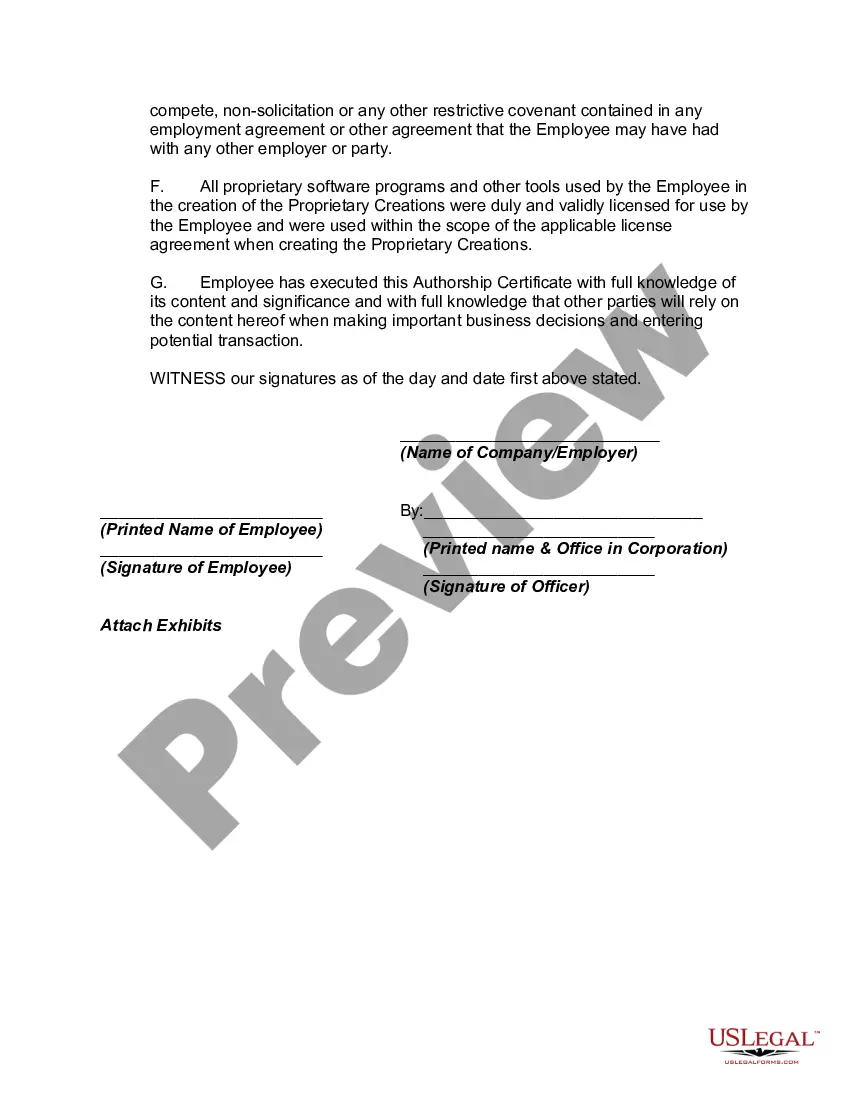
Choosing the right authorized document format can be quite a have a problem. Of course, there are a lot of layouts available on the net, but how do you obtain the authorized form you require? Utilize the US Legal Forms site. The service provides a large number of layouts, including the Ohio Employee Authorship Certificate, that you can use for business and private requirements. All the forms are checked by professionals and satisfy state and federal needs.
Should you be presently authorized, log in for your profile and then click the Acquire option to have the Ohio Employee Authorship Certificate. Make use of your profile to search with the authorized forms you may have acquired earlier. Proceed to the My Forms tab of your own profile and acquire one more version from the document you require.
Should you be a brand new customer of US Legal Forms, allow me to share simple recommendations that you can comply with:
- First, be sure you have selected the right form for the city/state. You may examine the form while using Preview option and browse the form information to make certain this is the right one for you.
- When the form fails to satisfy your needs, use the Seach discipline to get the appropriate form.
- When you are certain the form is acceptable, click the Acquire now option to have the form.
- Pick the costs strategy you want and type in the needed info. Design your profile and pay for an order with your PayPal profile or bank card.
- Pick the submit formatting and obtain the authorized document format for your device.
- Comprehensive, edit and produce and indication the received Ohio Employee Authorship Certificate.
US Legal Forms is the largest library of authorized forms where you can see different document layouts. Utilize the company to obtain appropriately-made files that comply with express needs.
Form popularity
FAQ
Federal law doesn't prohibit employers from sharing the reasons for terminating an employee. Some state laws regulate what employers can say about former employees. Check with the state department of labor for restrictions in your location.
If you quit on bad terms, were fired, or just performed poorly while employed there, your former boss can likely disclose any of that information to other prospective employers. However, your former employer doesn't have the right to say anything he or she wants.
BWC issues certificates of coverage to employers after they submit an Application for Workers' Compensation Coverage (U-3) and pay a non-refundable application fee of $120. They'll also receive a new certificate at the beginning of each policy year.
Employers must comply with state and federal laws governing employment verification checks to avoid legal liability. Ohio law requires employers to obtain written consent from job candidates before conducting background checks.
The truth is, no federal or state law prohibits your former employer from stating that you were fired; most employers just choose not to, and for valid reasons. The most common reason why your past employer may not disclose that you were fired is because of the risk of a defamation lawsuit.
Yes, they can. In fact, chances are, by the time hiring managers ask why you got fired from your previous job, they probably know the answer to this question based on their communication with your former employer. Being honest will save you a lot of trouble and could actually work in your favor.
R.C. 4113.71 provides that a former employer may disclose to a prospective employer information pertaining to the job performance of the employee, without risk of liability to the employee, the prospective employer or any other person for any harm sustained as a result of making the disclosure.
An employer can legally disclose information about former employees, as long as the company follows any applicable state requirements.