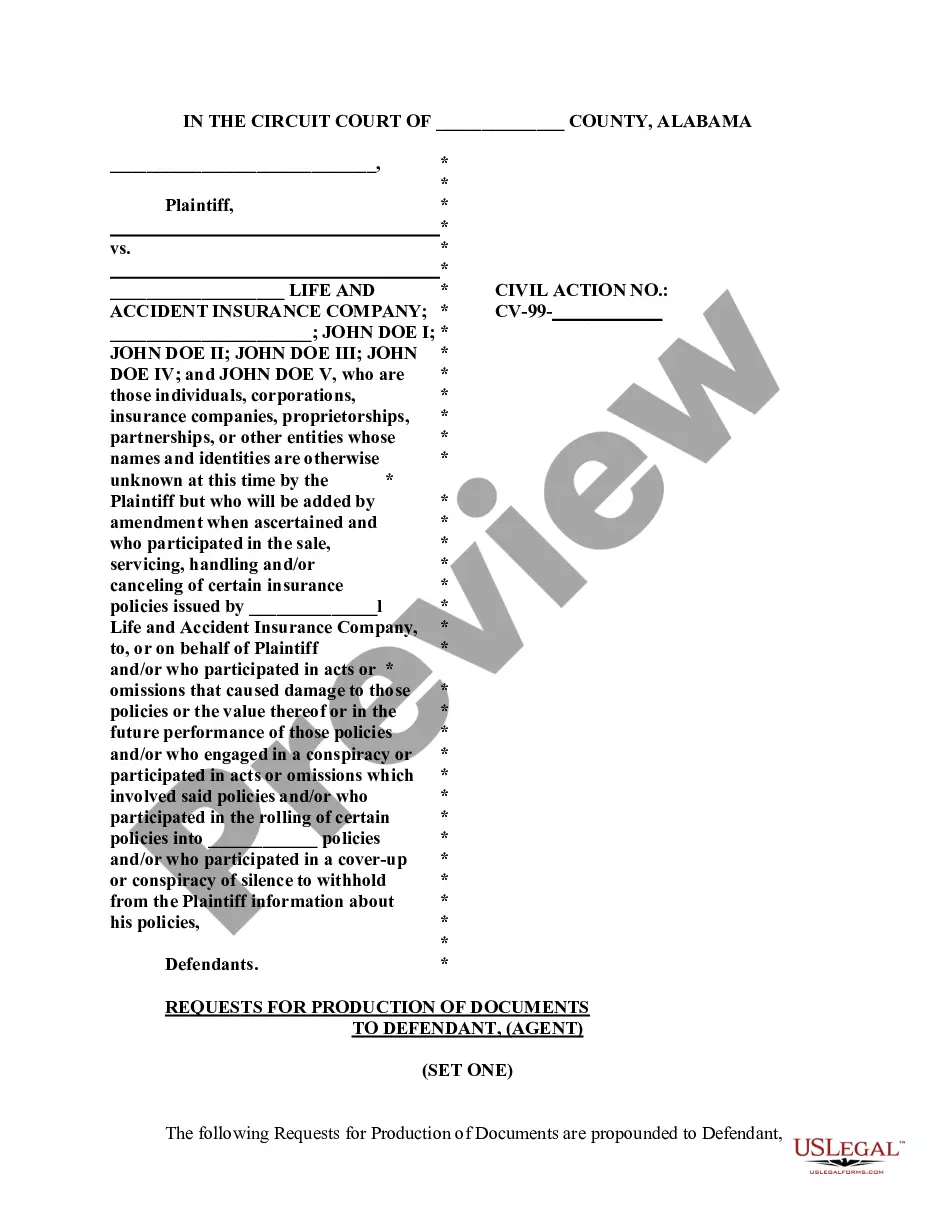
Ohio Recording Supplement to Operating Agreement and Financing Statement
Overview of this form
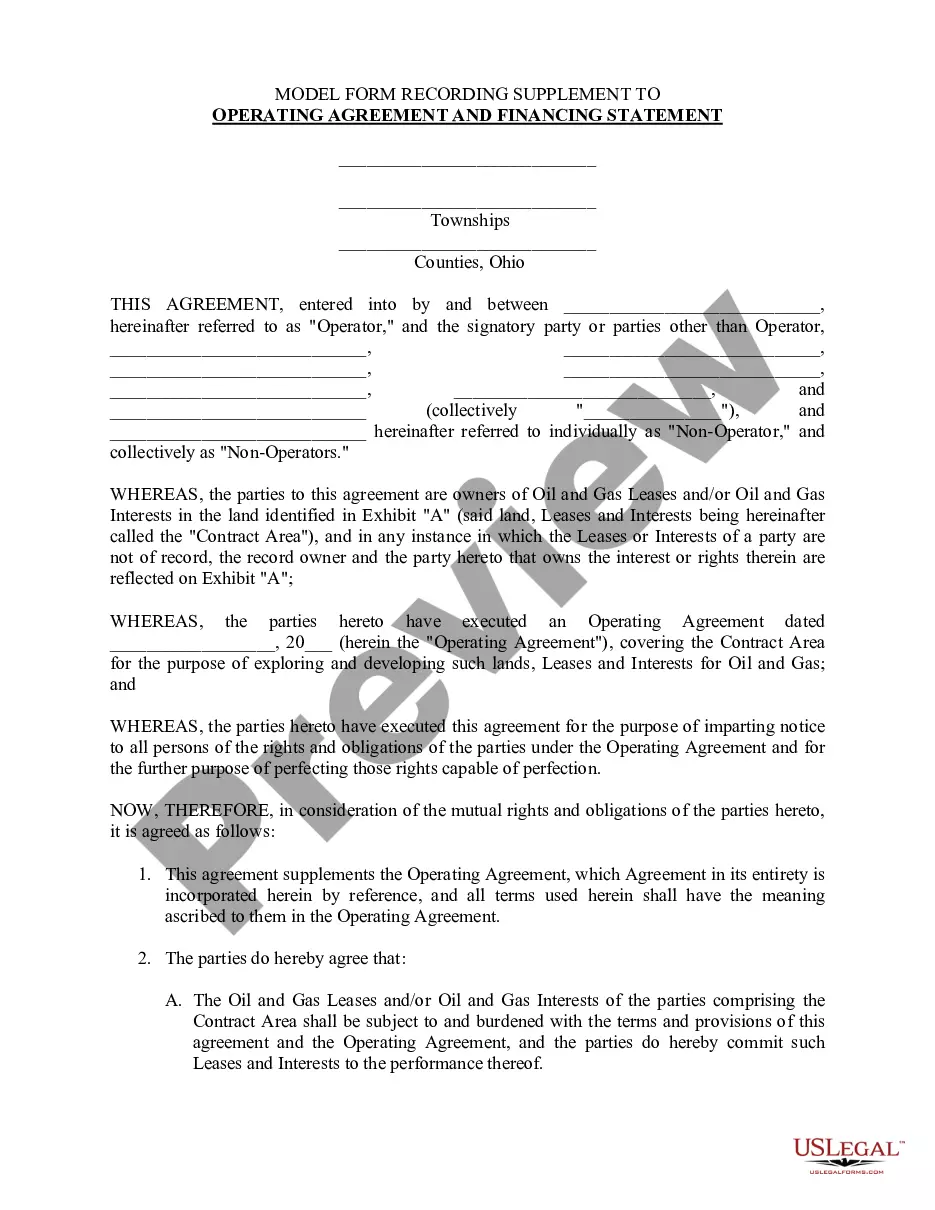
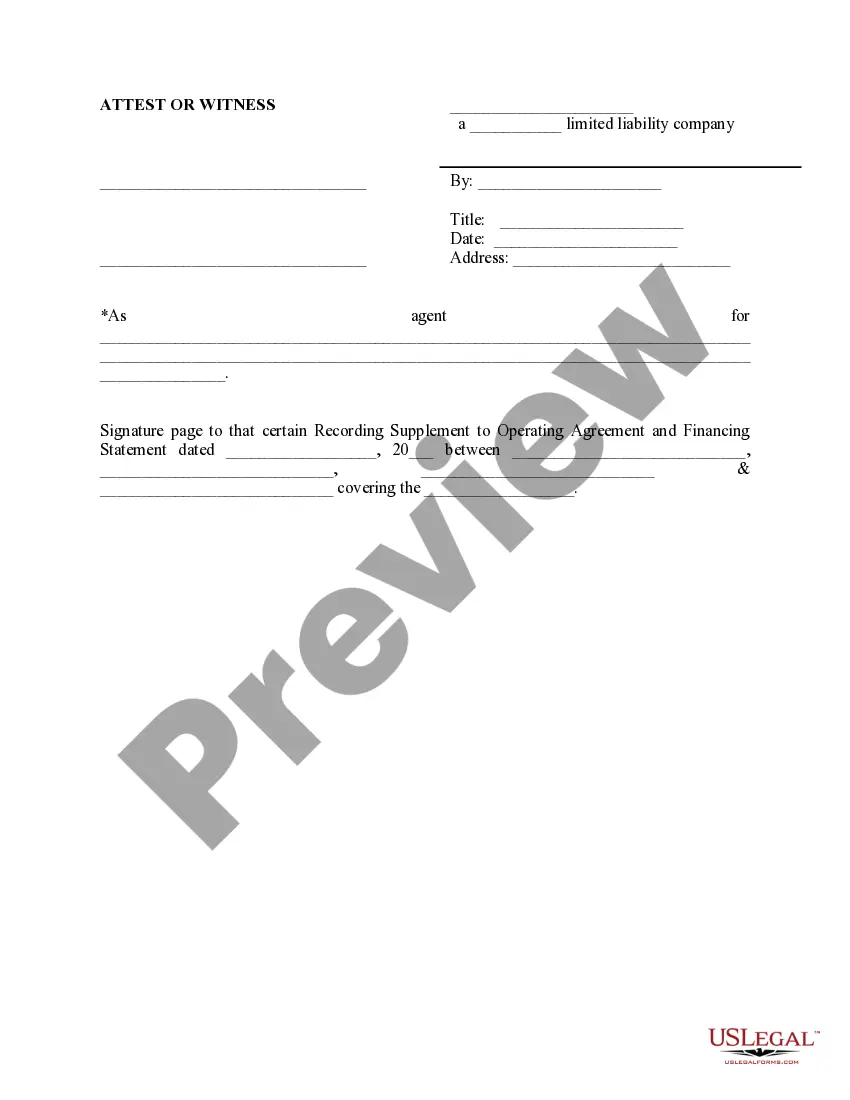
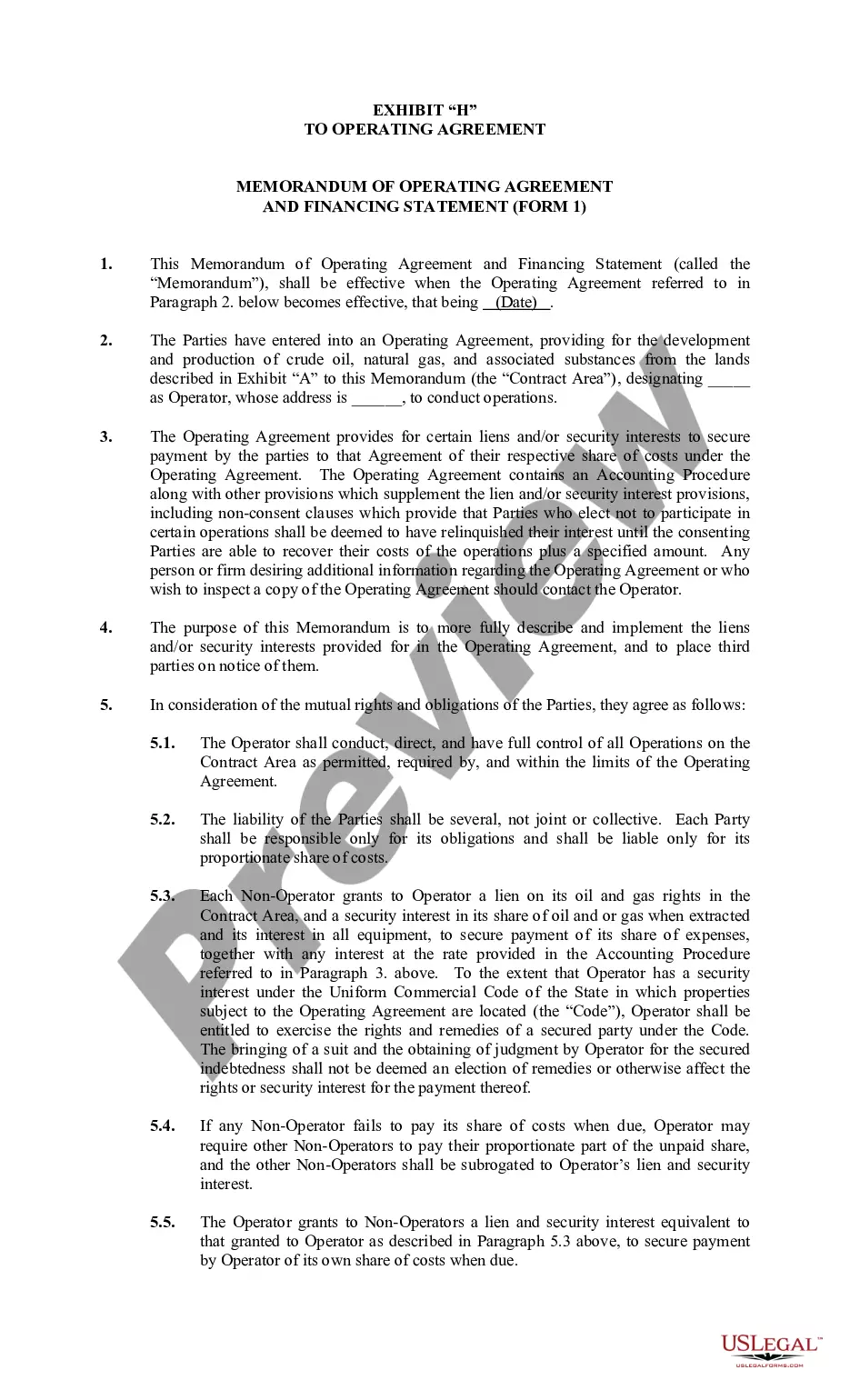
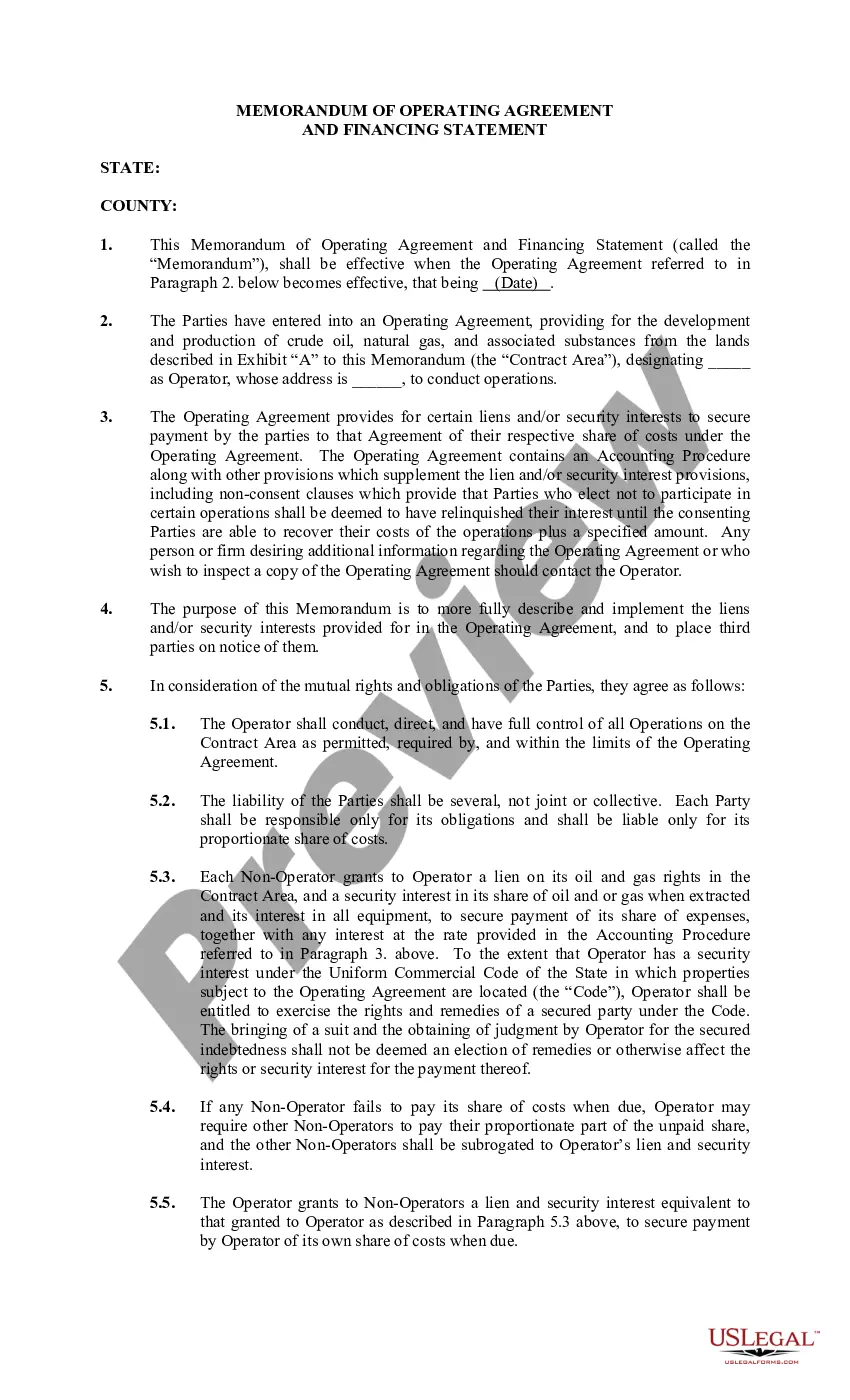
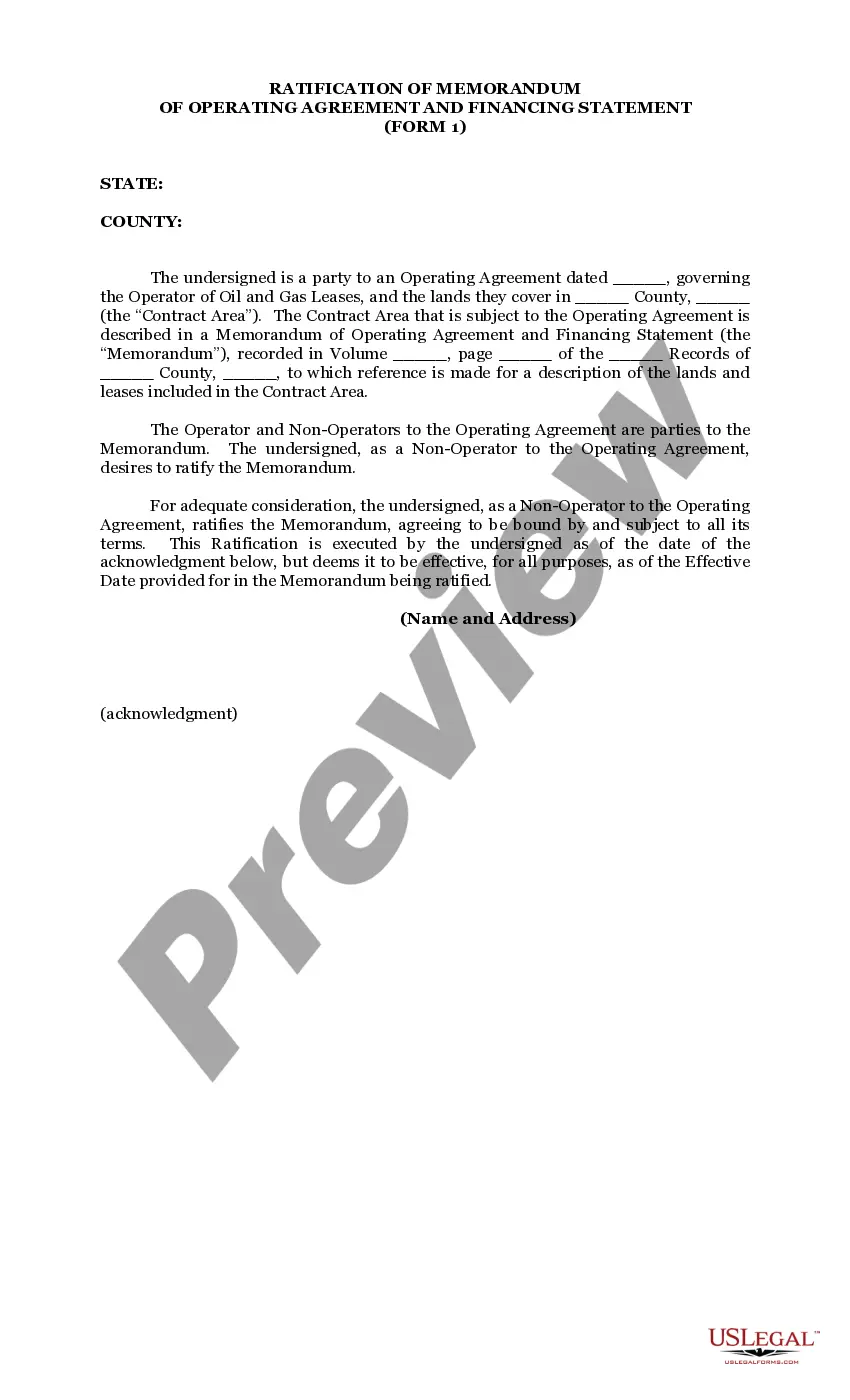
The Recording Supplement to Operating Agreement and Financing Statement is a legal document used by parties involved in oil and gas leases. It supplements an existing operating agreement, establishing the rights and responsibilities related to the exploration and development of land designated for oil and gas interests. This form is essential for providing notice to other parties regarding these rights and for perfecting any interests as required under the law. Unlike a standard operating agreement, this supplement clarifies the specific obligations concerning production and ownership interests among operators and non-operators in the contract area.
Key parts of this document
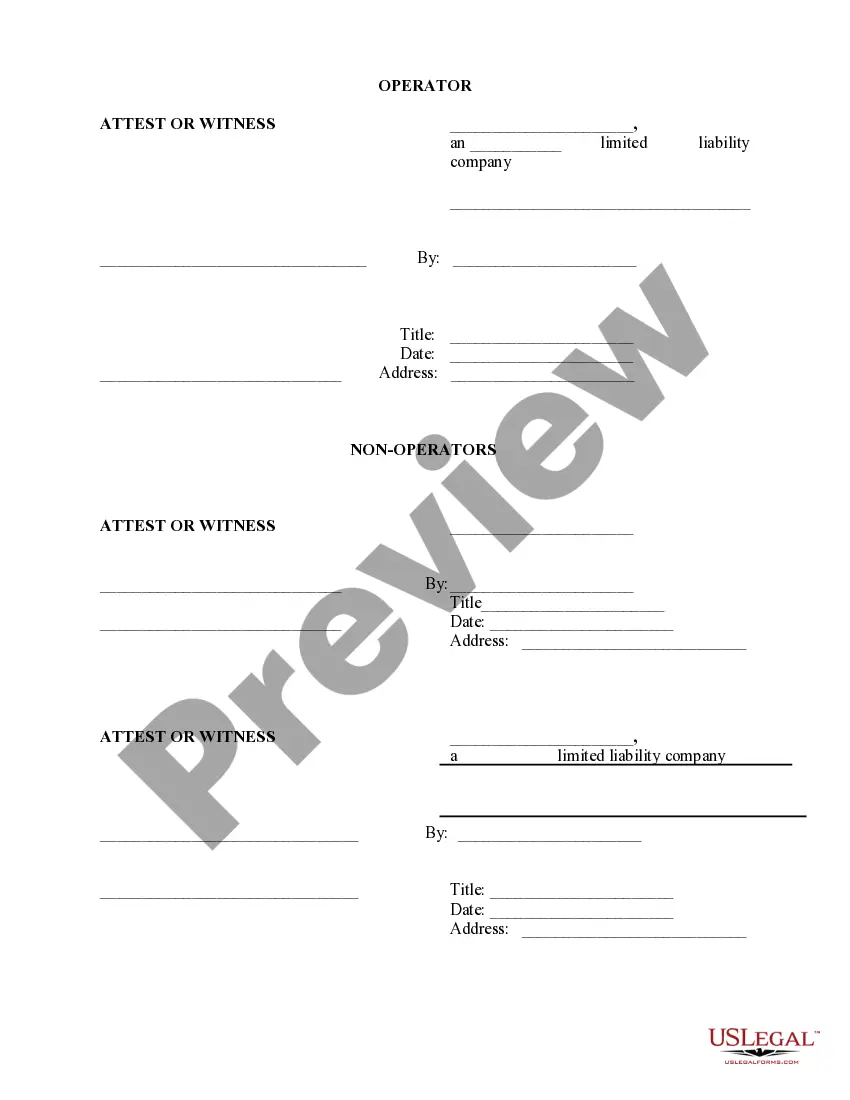
- Identification of the operator and non-operators involved in the agreement.
- Description of the contract area, including specific townships and counties in Ohio.
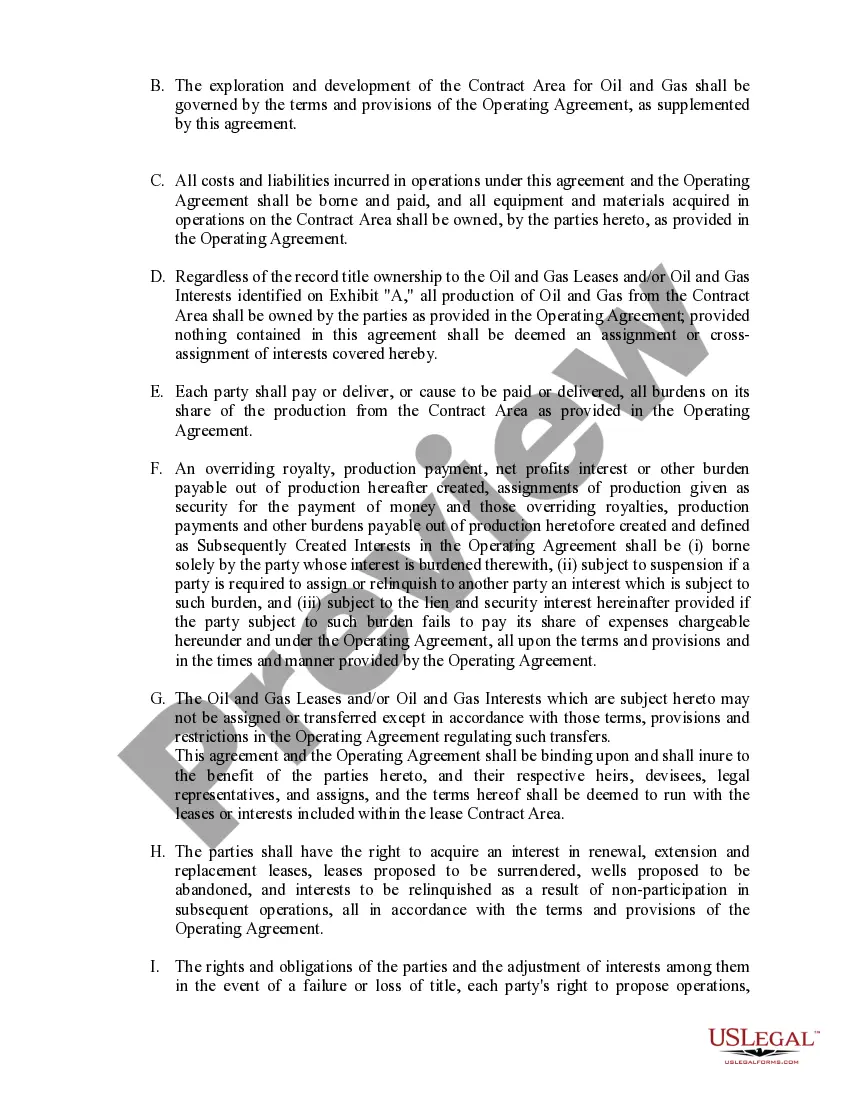
- Clauses outlining the obligations for costs and liabilities in operations.
- Details regarding the ownership structure of oil and gas production.
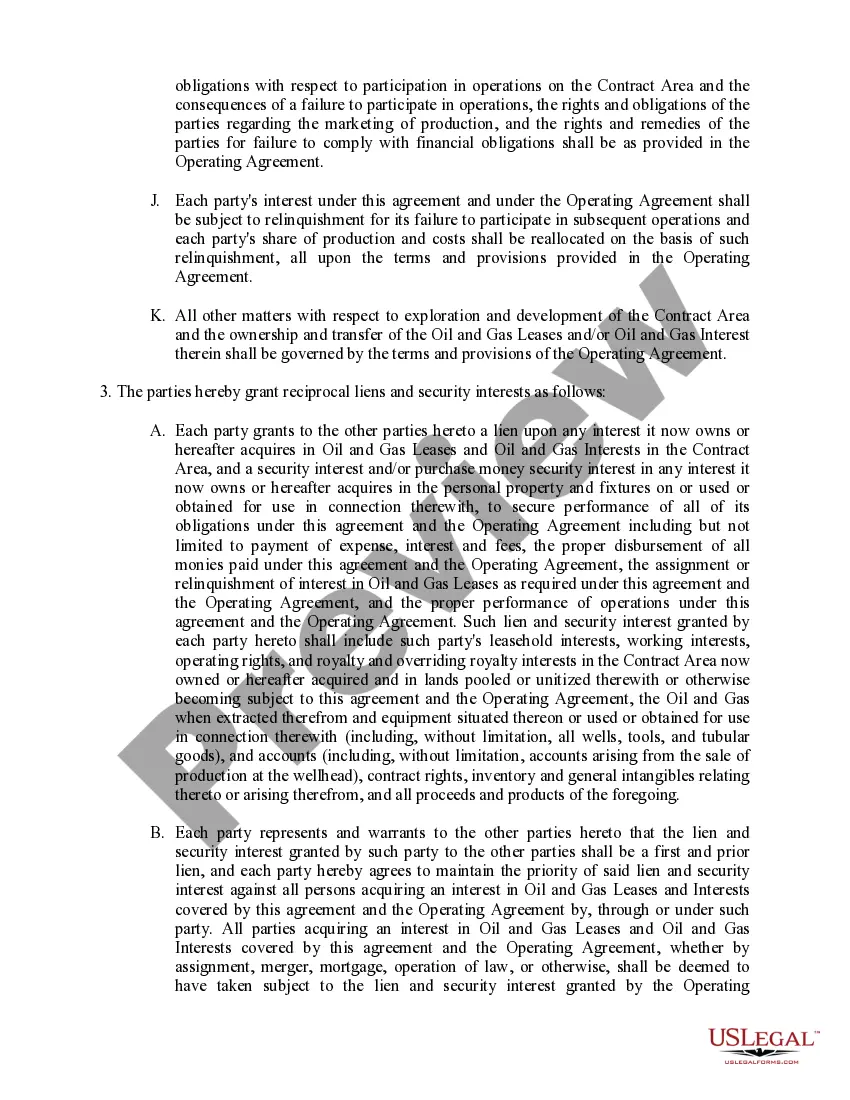
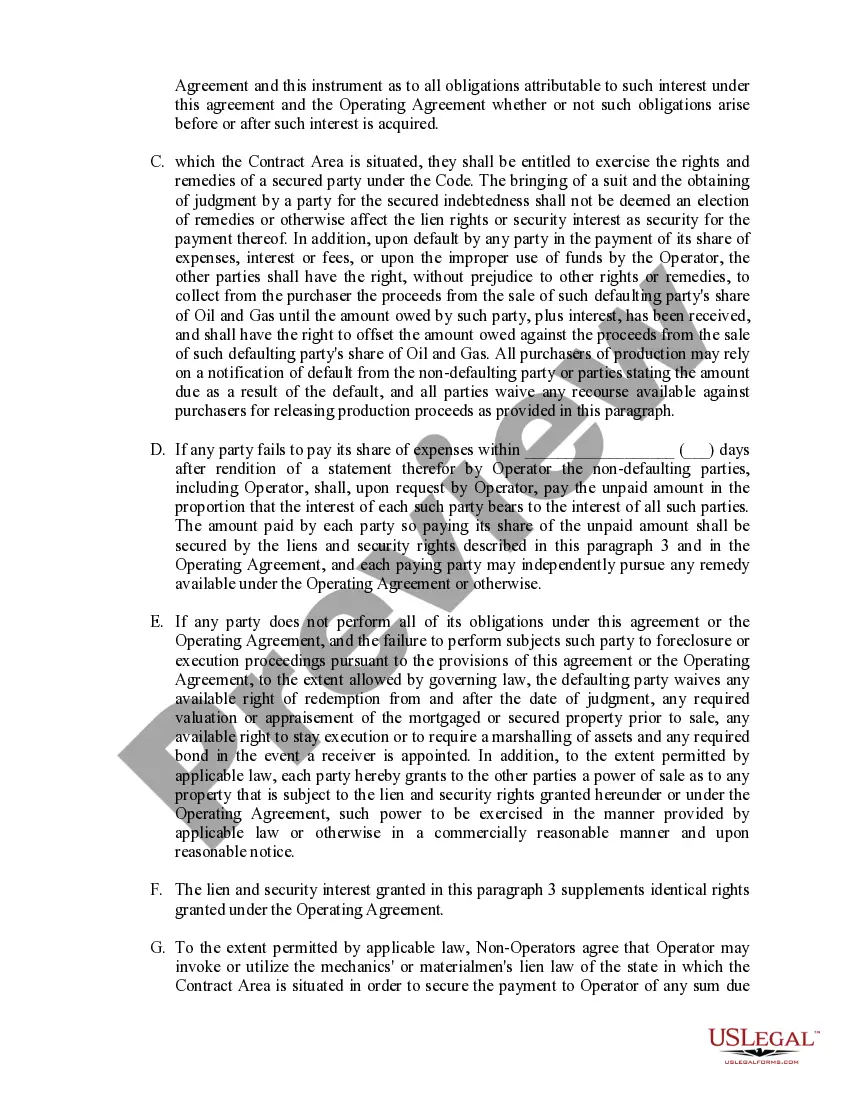
- Provisions for liens and security interests related to operational obligations.
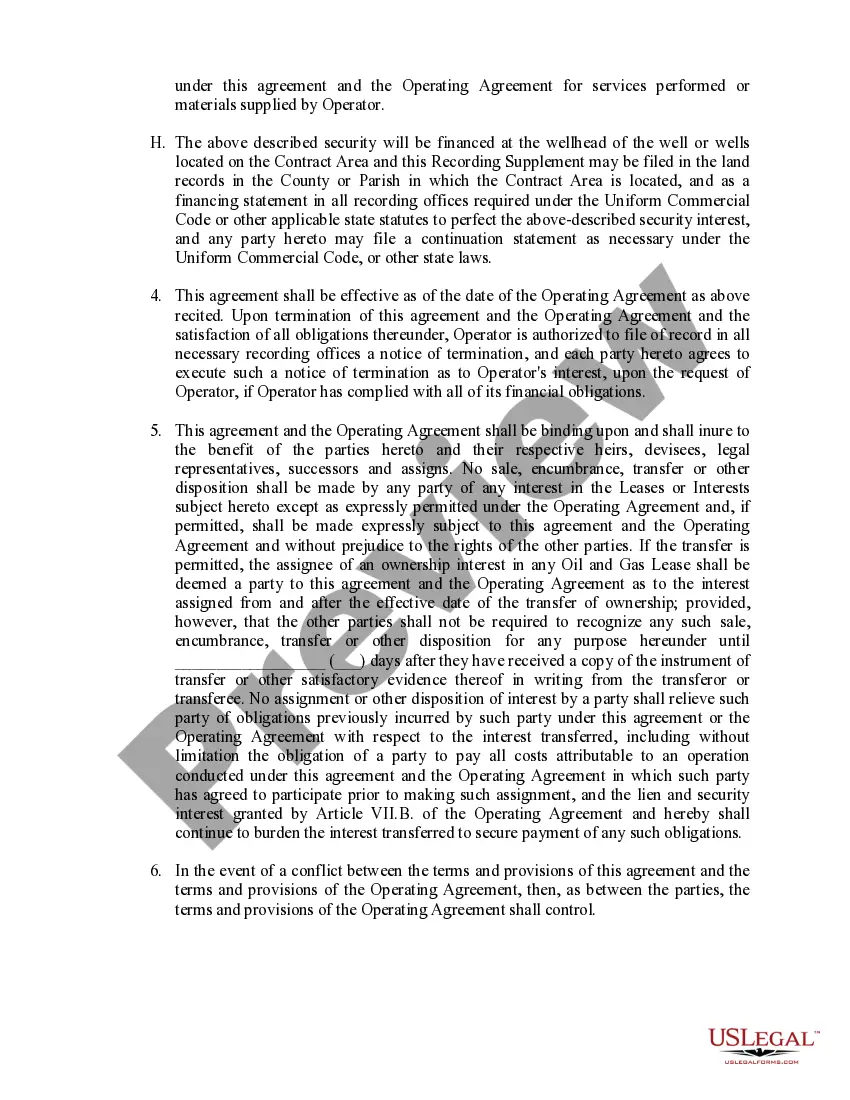
- Termination procedures and the effects of assignment of interests in the contract area.

When to use this form
This form is necessary when there are multiple parties involved in an oil and gas operation, and there is a need to clarify the rights and obligations stemming from an existing operating agreement. It is typically used when new interests are being identified, during property transitions, or when establishing formal notice of operating conditions to protect all parties' legal rights. Use this form to ensure that all operational changes and financial responsibilities are accurately documented.
Who should use this form
- Operators looking to formalize agreements with non-operators in oil and gas leases.
- Non-operators who are part of an agreement for the exploration and development of oil and gas resources.
- Attorneys representing clients in oil and gas transactions requiring formal documentation.
- Landowners seeking to understand their rights and obligations in oil and gas leases on their property.
How to prepare this document
- Identify all parties involved by entering their names in the designated sections.
- Specify the townships and counties related to the contract area in Ohio.
- Fill out the date of the original operating agreement and ensure all references are accurate.
- Clarify financial obligations and agreements on costs for operations in the relevant sections.
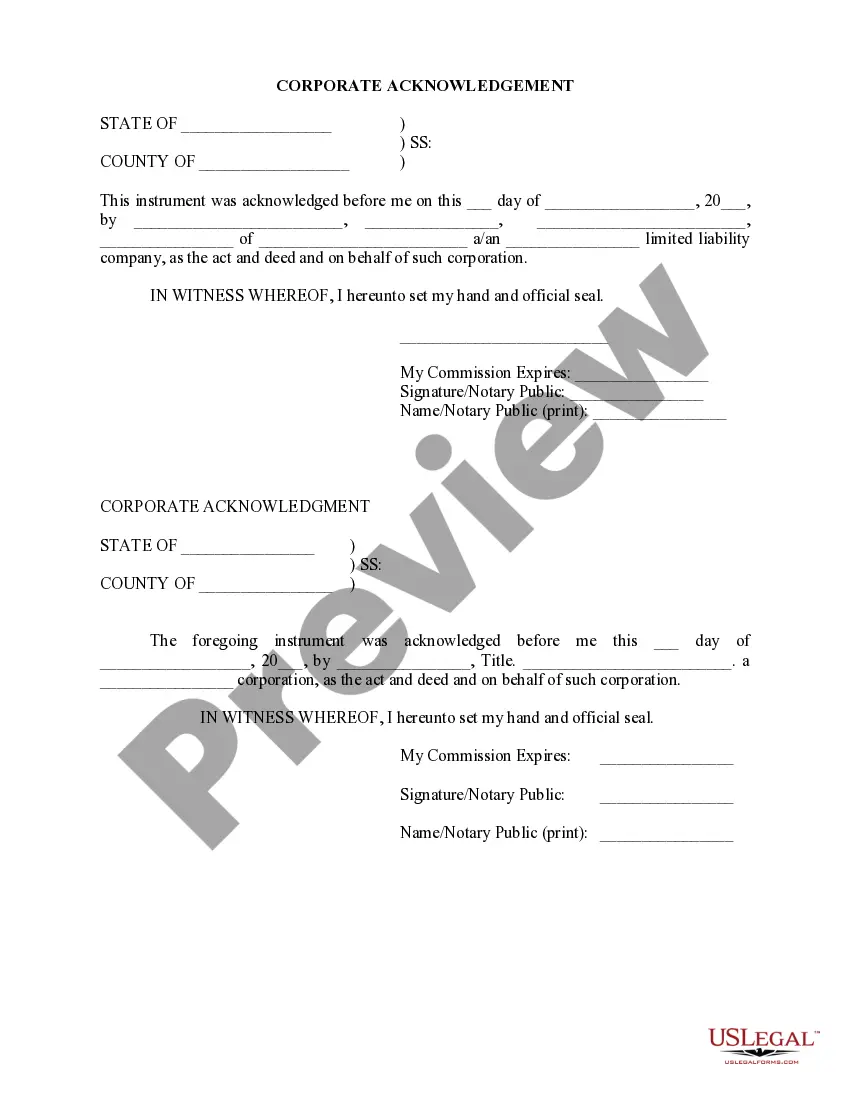
- Obtain necessary signatures from all parties involved and ensure the form is notarized if required.
Does this document require notarization?
Yes, this form must be notarized to be legally valid. US Legal Forms offers integrated online notarization services, available 24/7, ensuring a secure video call process that maintains legal equivalence without the need for travel.
Get your form ready online
Our built-in tools help you complete, sign, share, and store your documents in one place.
Make edits, fill in missing information, and update formatting in US Legal Forms—just like you would in MS Word.
Download a copy, print it, send it by email, or mail it via USPS—whatever works best for your next step.
Sign and collect signatures with our SignNow integration. Send to multiple recipients, set reminders, and more. Go Premium to unlock E-Sign.
If this form requires notarization, complete it online through a secure video call—no need to meet a notary in person or wait for an appointment.
We protect your documents and personal data by following strict security and privacy standards.

Make edits, fill in missing information, and update formatting in US Legal Forms—just like you would in MS Word.

Download a copy, print it, send it by email, or mail it via USPS—whatever works best for your next step.

Sign and collect signatures with our SignNow integration. Send to multiple recipients, set reminders, and more. Go Premium to unlock E-Sign.

If this form requires notarization, complete it online through a secure video call—no need to meet a notary in person or wait for an appointment.

We protect your documents and personal data by following strict security and privacy standards.
Common mistakes to avoid
- Not clearly identifying all parties involved, which can lead to disputes later.
- Failing to specify the exact location and details of the contract area.
- Not including all necessary signatures or notarization when required.
- Overlooking the implications of financial obligations and liabilities.
Benefits of using this form online
- Convenient access to legal forms that can be tailored to fit specific needs.
- Easy downloading allows for quick completion and filing.
- Reliability of documents prepared by licensed attorneys recognized in their field.
- Editing options to ensure all information is accurate before submission.
Looking for another form?


Form popularity
FAQ
The financing statement describes the types of collateral or personal property that is pledged against the value of the loan, and it identifies the parties that have an interest or stake in the collateral if the debtor defaults.
Filer Information. Name and phone number of contact at filer. Email contact at filer. Debtor Information. Organization or individual's name. Mailing address. Secured Party Information. Organization or individual's name. Mailing address. Collateral Information. Description of collateral.
Security agreements and financing statements are often confused with one another. The primary difference is that the financing statement largely serves as notice that a creditor possesses security interest in the debtor's assets or property. The financing statement is not a contract.
A UCC-1 financing statement (an abbreviation for Uniform Commercial Code-1) is a legal form that a creditor files to give notice that it has or may have an interest in the personal property of a debtor (a person who owes a debt to the creditor as typically specified in the agreement creating the debt).
Section 9-503 of the UCC provides various, more specific rules regarding the sufficiency of a debtor's name on a financing statement.However, unlike with a security agreement, on a financing statement it is acceptable to use a supergeneric description of collateral.
A UCC filing is a legal notice a lender files with the secretary of state when they have a security interest against one of your assets. It gives notice that the lender has an interest, or lien, against the asset being used by you to secure the financing. The term UCC filing comes from the uniform commercial code.
If you're approved for a small-business loan, a lender might file a UCC financing statement or a UCC-1 filing. This is just a legal form that allows for the lender to announce lien on a secured loan. This allows for the lender to seize, foreclose or even sell the underlying collateral if you fail to repay your loan.
Under the Uniform Commercial Code, a UCC-3 is used to continue, assign, terminate, or amend an existing UCC-1 financing statement (UCC-1).
The UCC-1 Financing Statement is filed to protect a lender's or creditor's security interest by giving public notice that there is a right to take possession of and sell certain assets for repayment of a specific debt with a certain debtor.