Release of Lien
About this form
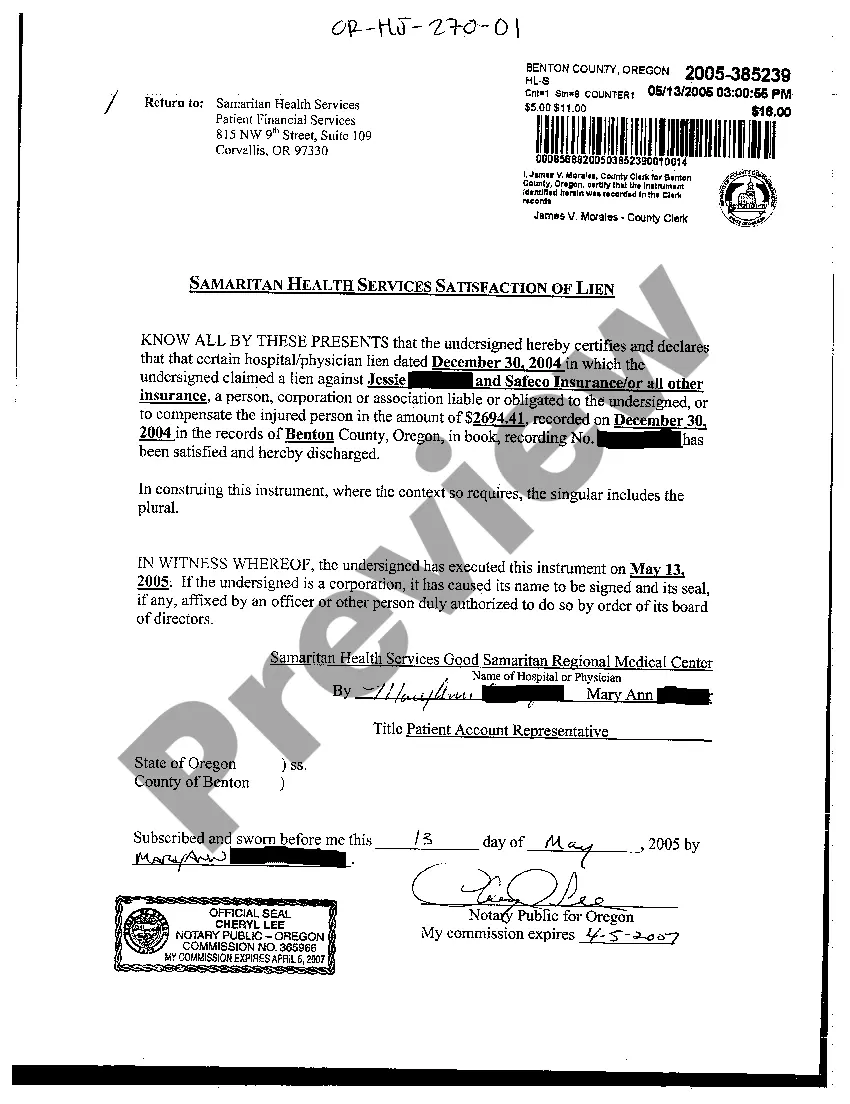
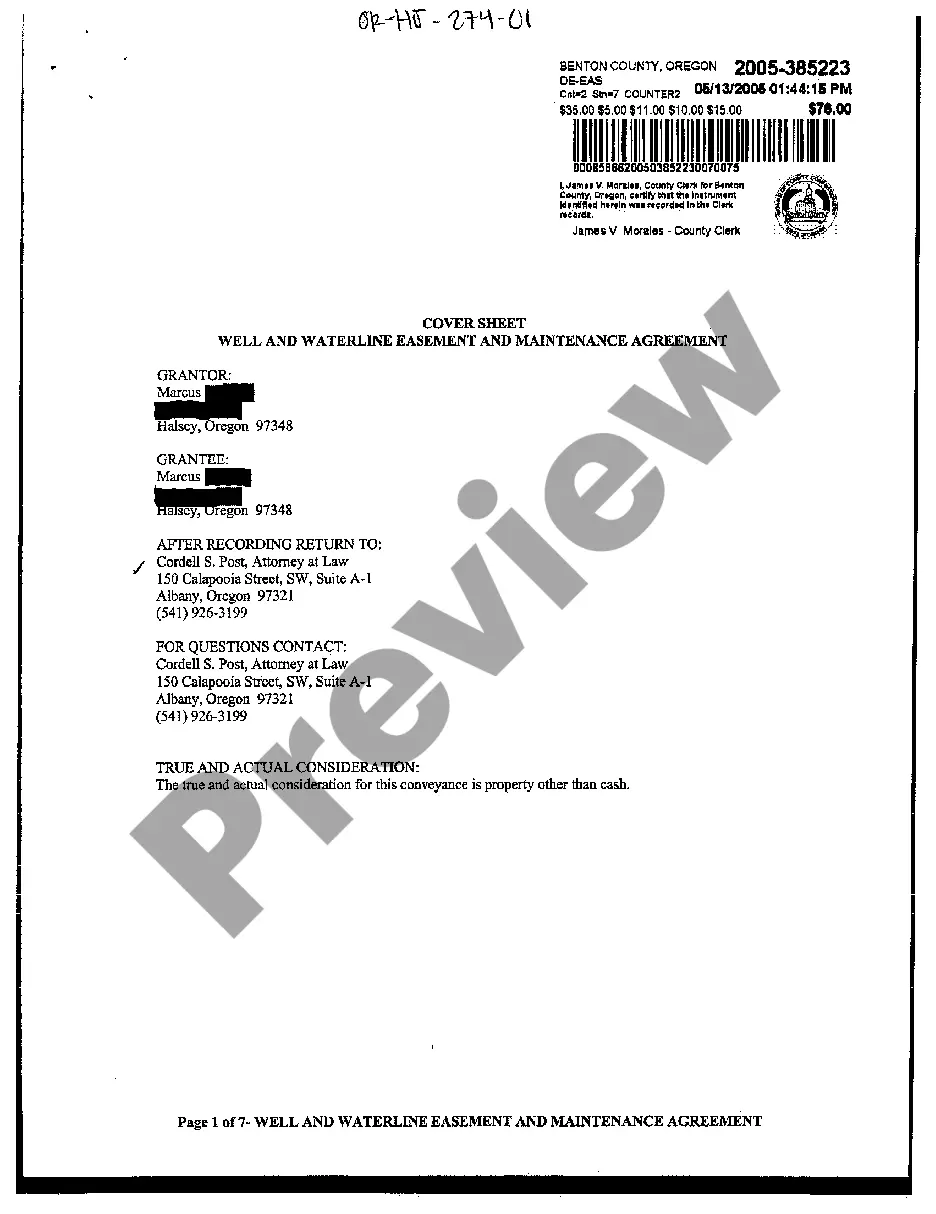
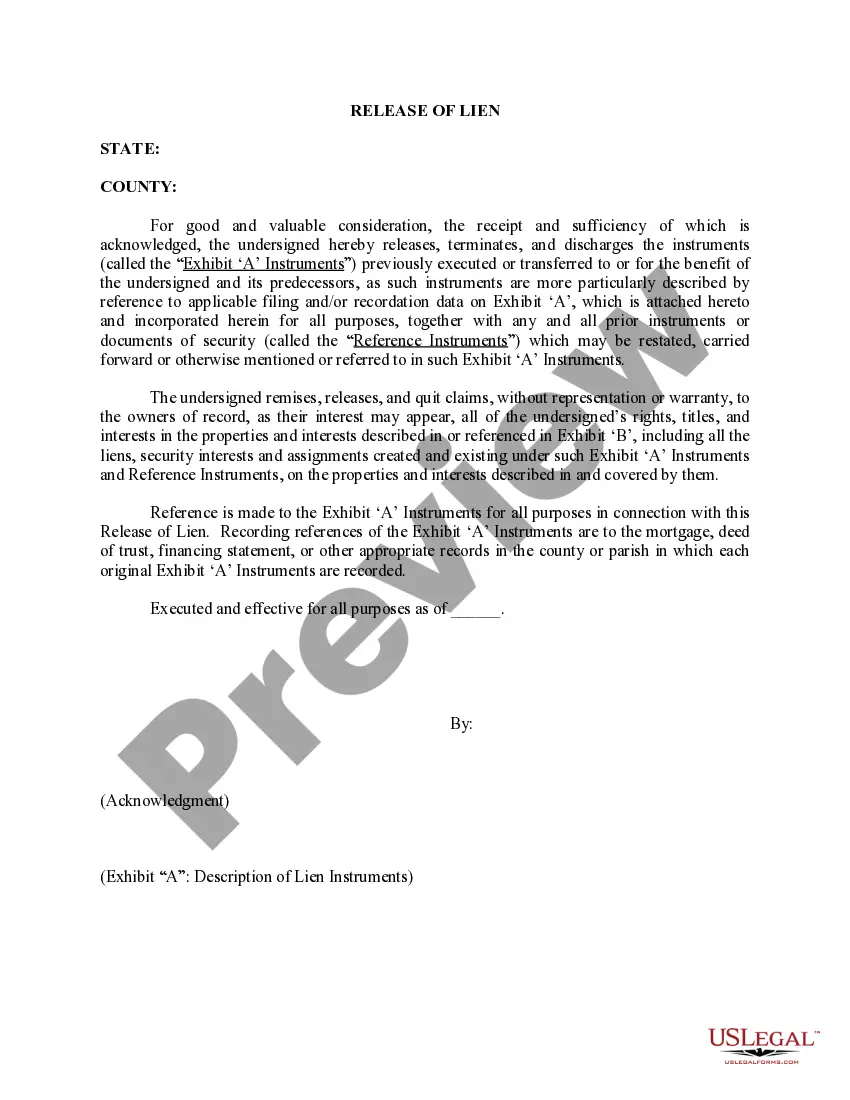
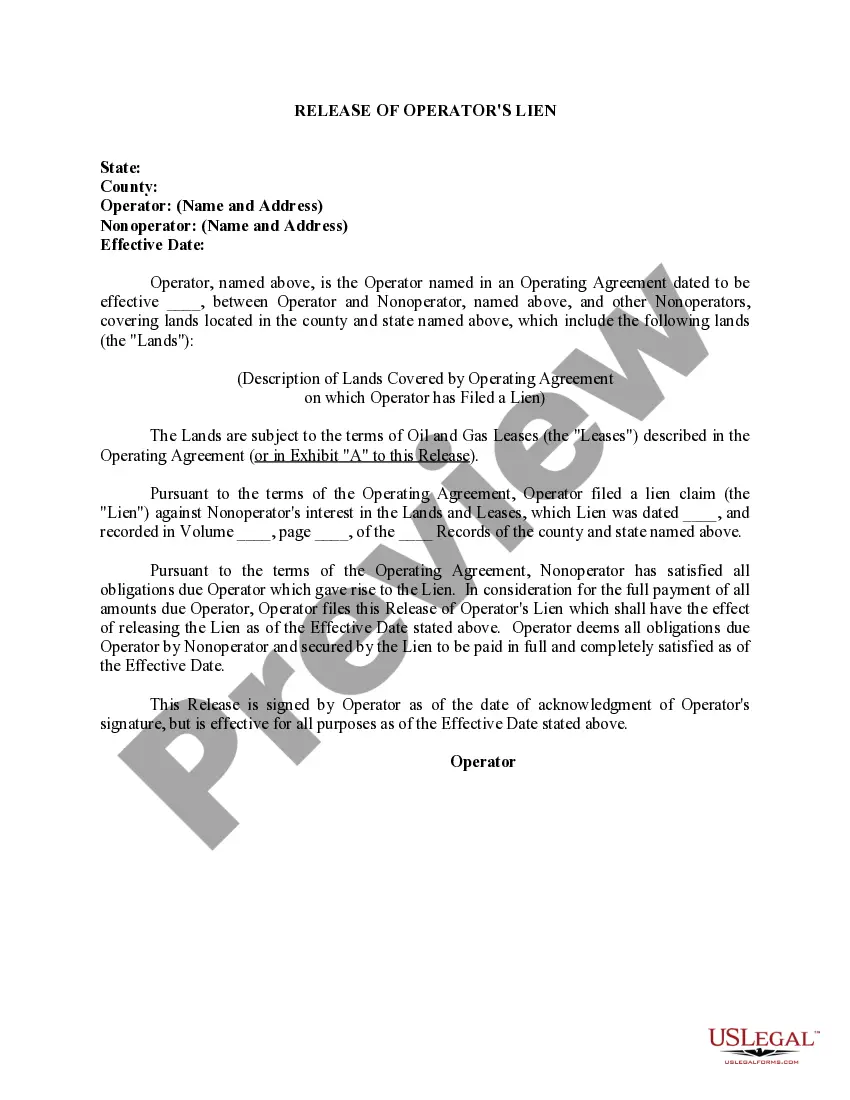
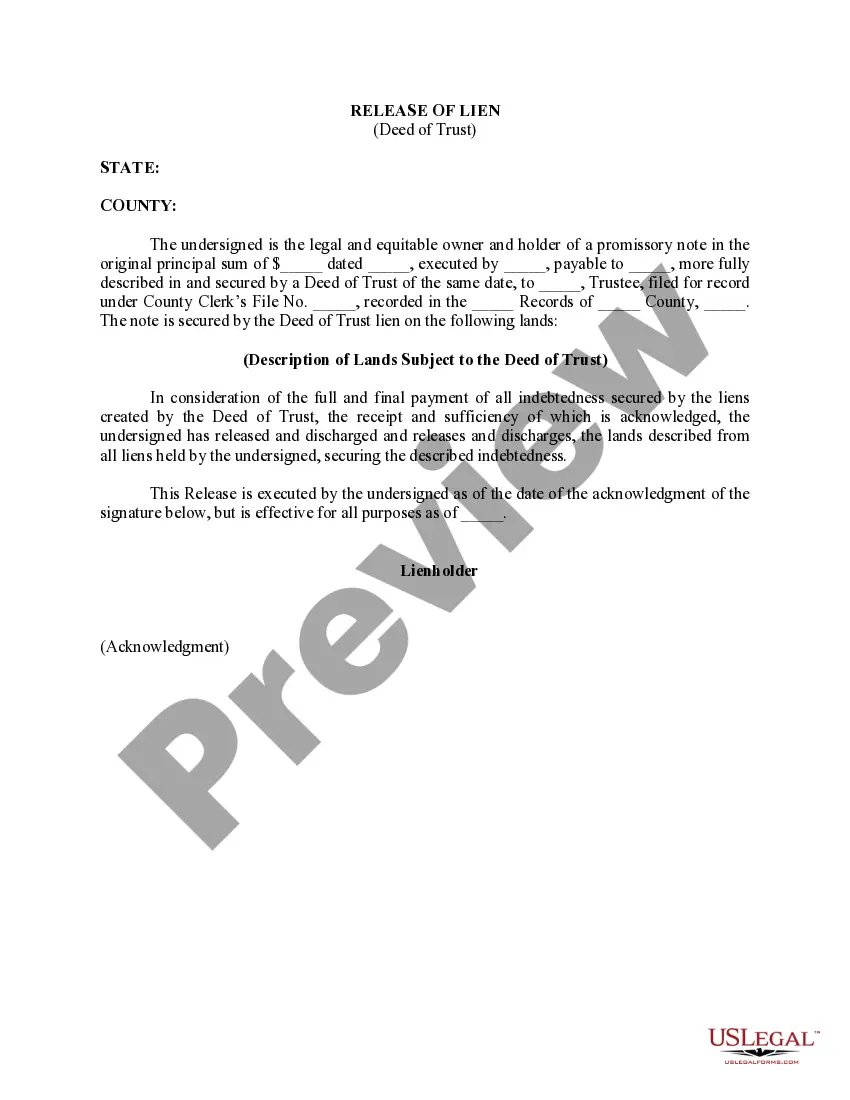
The Release of Lien form is a legal document used by a lienholder to formally release their claim against a property. This form signifies that the lienholder has received adequate payment and waives any further rights to pursue the property owner for payment related to the labor or materials supplied. Unlike similar forms, which may establish a new lien, this form specifically serves to remove an existing lien from the property records.
Main sections of this form
- Identification of the lienholder and property owner
- Description of the lien to be released, referenced in Exhibit A
- Statement of release of rights and claims against the property
- Execution date and signatures of the parties involved
- Incorporation of any related documents referenced in Exhibit B
Common use cases
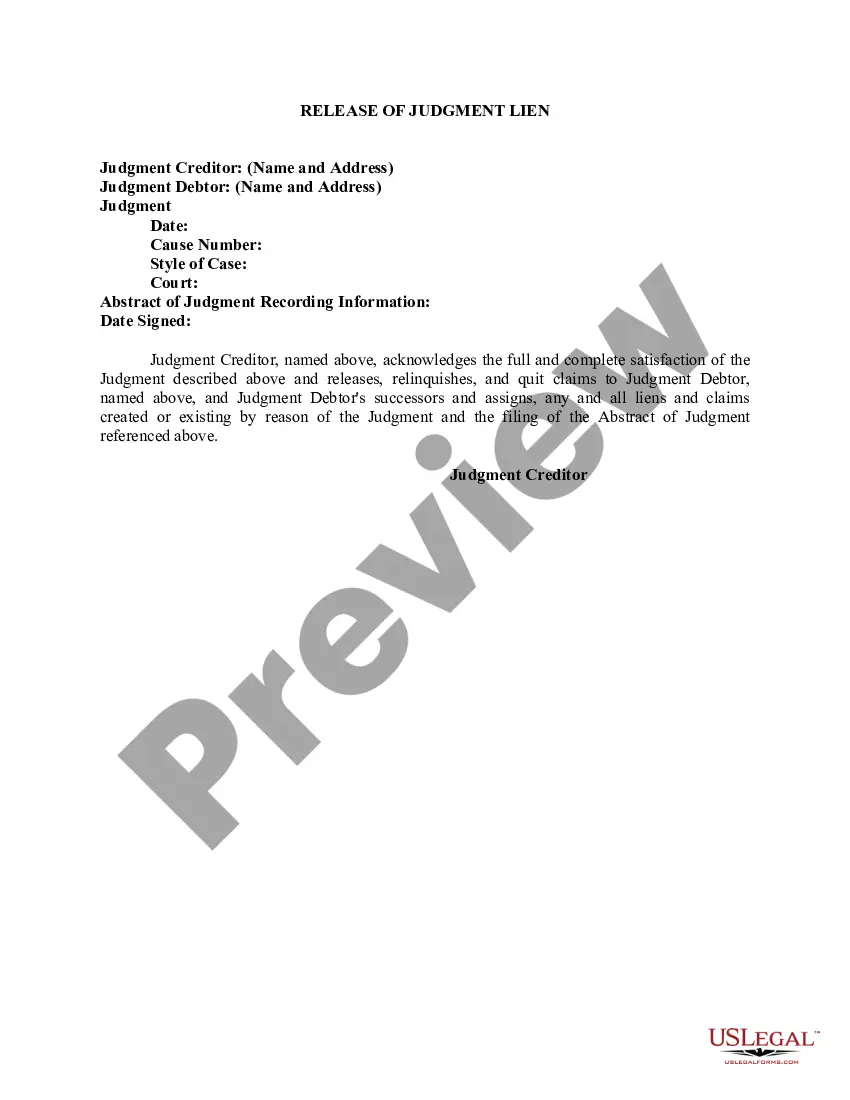
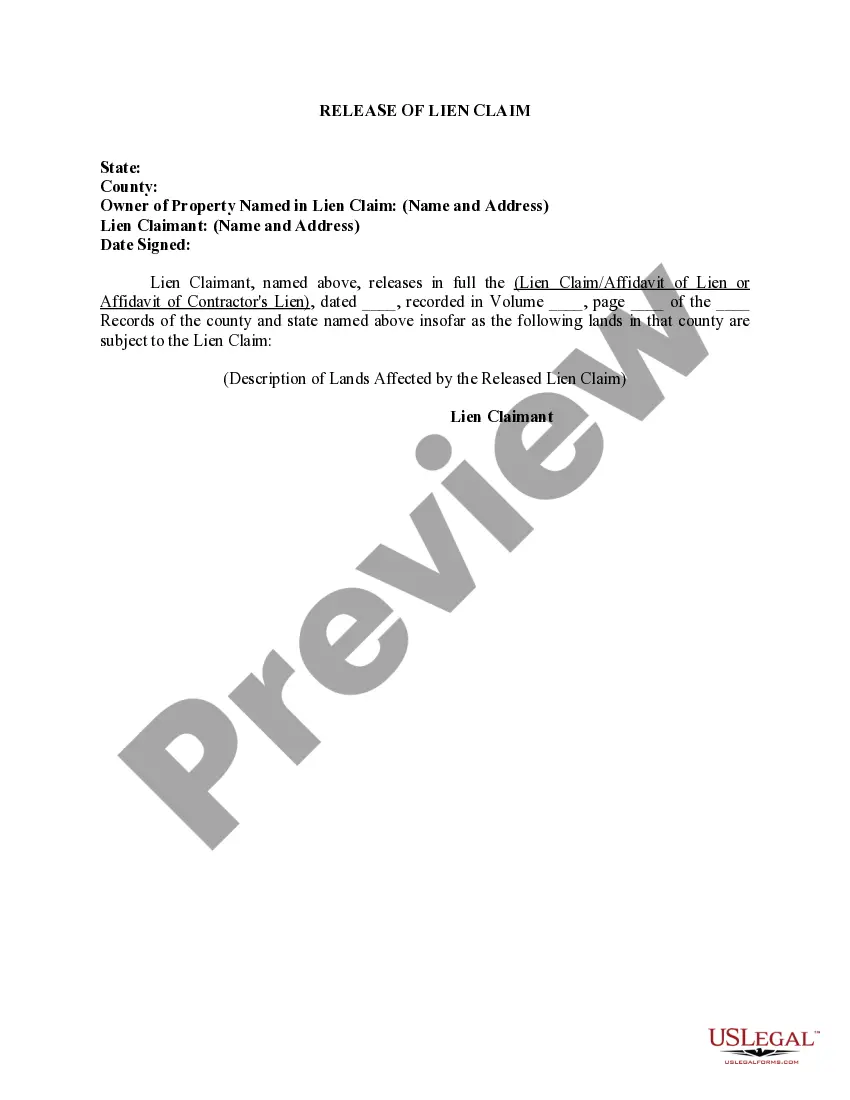
This form should be used when a lienholder has received payment and wants to officially acknowledge that the lien on a specific property is discharged. It is essential in real estate transactions where liens may be applied for renovations, construction, or unpaid debts. This document ensures that the property owner is free of any claims related to the previously filed lien, providing clarity and security during property transfers.
Who can use this document
- Property owners looking to clear their title of a lien
- Contractors or suppliers who have completed their work and received payment
- Real estate professionals managing property transactions
- Lienholders who have decided to relinquish their claim against a property
Completing this form step by step
- Identify the parties involved: Include the names and addresses of both the lienholder and the property owner.
- Specify the property: Provide a detailed description of the property on which the lien exists, referencing Exhibit A for specifics.
- Review the lien details: Confirm the lien information and ensure it corresponds correctly to the Exhibit A Instruments.
- Enter dates and signatures: Fill in the execution date and have both parties sign to validate the release.
- Attach any necessary exhibits: Ensure that the related Exhibit A and any additional documentation are included with the form when filed.
Is notarization required?
This document requires notarization to meet legal standards. US Legal Forms provides secure online notarization powered by Notarize, allowing you to complete the process through a verified video call, available 24/7.
Get your form ready online
Our built-in tools help you complete, sign, share, and store your documents in one place.
Make edits, fill in missing information, and update formatting in US Legal Forms—just like you would in MS Word.
Download a copy, print it, send it by email, or mail it via USPS—whatever works best for your next step.
Sign and collect signatures with our SignNow integration. Send to multiple recipients, set reminders, and more. Go Premium to unlock E-Sign.
If this form requires notarization, complete it online through a secure video call—no need to meet a notary in person or wait for an appointment.
We protect your documents and personal data by following strict security and privacy standards.

Make edits, fill in missing information, and update formatting in US Legal Forms—just like you would in MS Word.

Download a copy, print it, send it by email, or mail it via USPS—whatever works best for your next step.

Sign and collect signatures with our SignNow integration. Send to multiple recipients, set reminders, and more. Go Premium to unlock E-Sign.

If this form requires notarization, complete it online through a secure video call—no need to meet a notary in person or wait for an appointment.

We protect your documents and personal data by following strict security and privacy standards.
Avoid these common issues
- Failing to properly identify the property or lien involved.
- Not including necessary signatures from all parties.
- Omitting related documents that verify the lien release.
- Leaving the execution date blank.
- Using outdated forms or not adapting to state requirements.
Why complete this form online
- Convenience of completing the form at your own pace without the need to schedule an appointment.
- Editability allows you to make changes easily before finalizing the release.
- Access to professionally drafted templates ensures legal compliance and accuracy.
- Quick download and instant access to your completed forms.
Looking for another form?
Form popularity
FAQ
This release of mortgage is recorded or filed and gives notice to the world that the lien is no more. On the other hand, when you have a trust deed or deed of trust, the lender files a release deed.When you call the lender, ask for the release of lien department.
It basically states that you've paid the subcontractor what is owed, they accept the payment in full, and they waive the right to put a lien on your property. Simply present this form to the subcontractor with your payment and ask them to sign it. Make sure you get their signature!
A deed of trust or mortgage is a contract that places a lien on your property. Both provide a way for your lender to take back your home through foreclosure. Deeds of trust and mortgages both serve the same basic purpose.
Satisfy the terms of the loan by paying the balance of the loan back to the lender, including any interest incurred. If you don't receive the lien release, submit a request to your lender for proof that the loan has been satisfied.
It basically states that you've paid the subcontractor what is owed, they accept the payment in full, and they waive the right to put a lien on your property. Simply present this form to the subcontractor with your payment and ask them to sign it. Make sure you get their signature!
A lien release is used to cancel a lien that has already been filed. Lien releases are also referred to as a release of lien, cancellation of lien, or a lien cancellation. These are typically used to cancel the filed claim from public records.
The main purpose of a lien waiver is to provide protection to the paying party. In exchange for such payment, the lien waiver waives the payee's right to file a lien for the exact value of the payment they have received.