Ohio Assignment to Living Trust
What this document covers
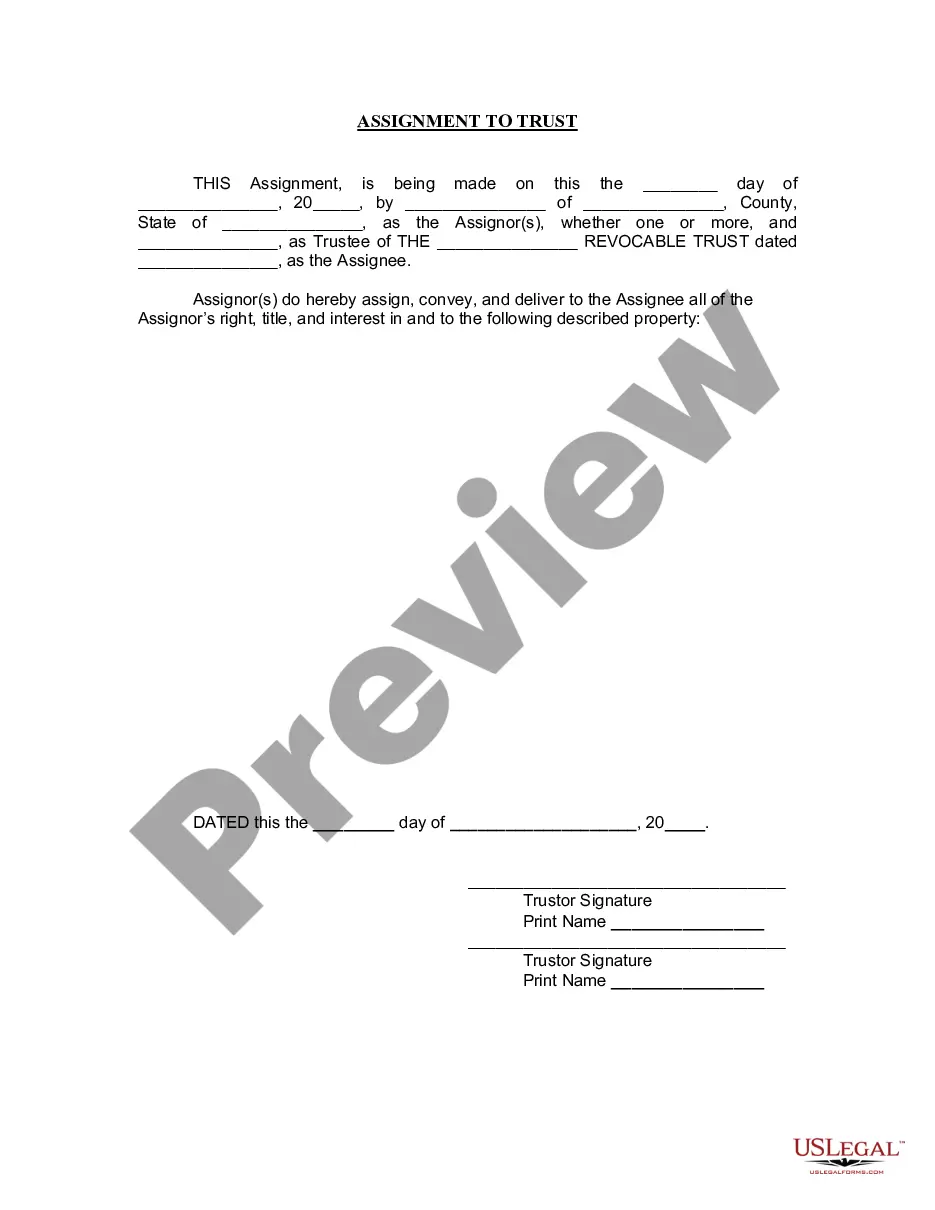
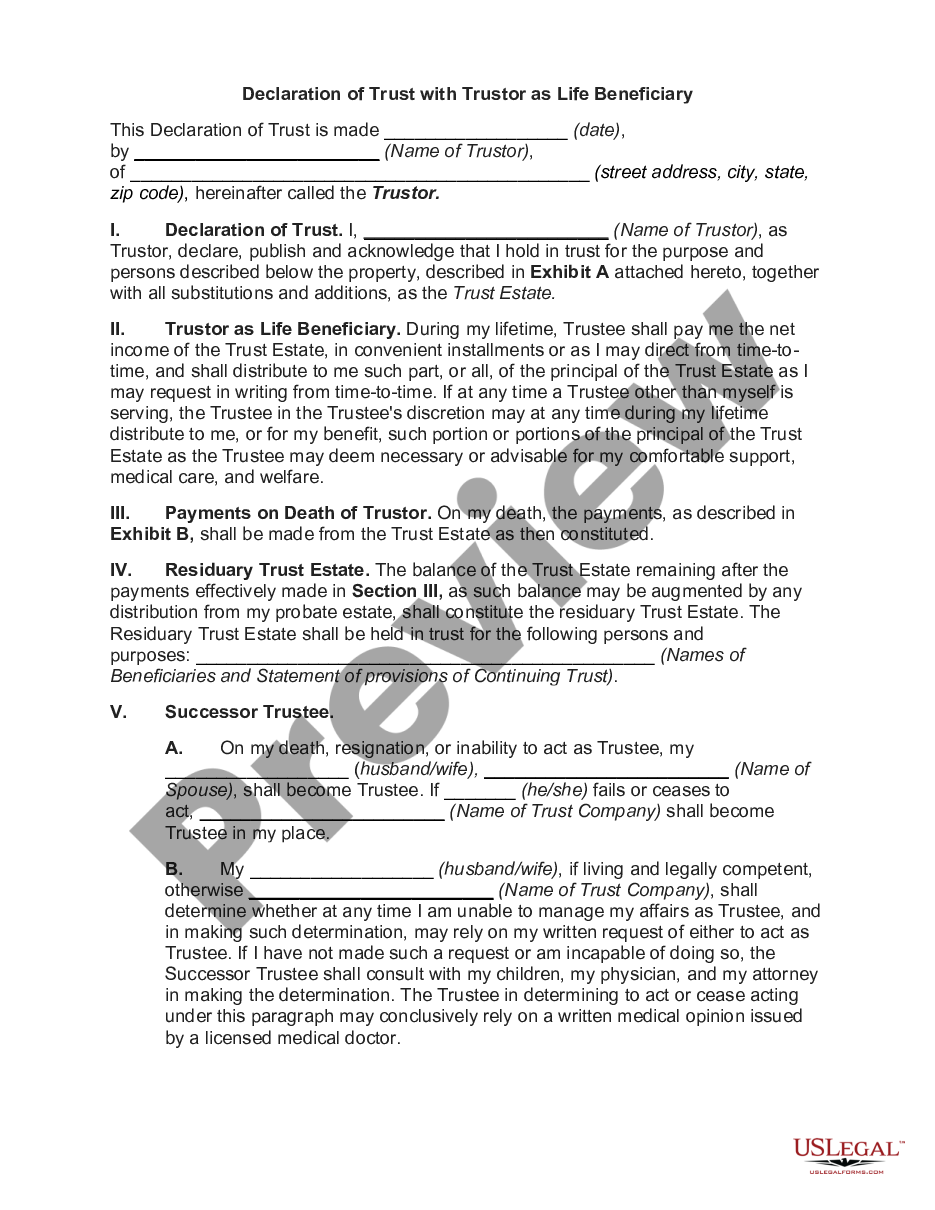
The Assignment to Living Trust form is a legal document that allows an individual, known as the Assignor, to transfer ownership of specific property to a Living Trust. A Living Trust is created during a personâs lifetime, typically for estate planning purposes, and helps manage assets, avoid probate, and facilitate the distribution of property upon death. This form is essential for ensuring that the designated property is legally recognized as part of the trust's assets, distinguishing it from other estate planning documents such as wills or powers of attorney.
Key parts of this document
- Identification of the Assignor and the Trustee of the Living Trust.
- Date of the assignment.
- Property details being assigned to the trust.
- Signature of the Assignor in front of a notary public.
- Notary acknowledgment section confirming the authenticity of the Assignor's signature.

When this form is needed
This form should be used when you wish to assign ownership of specific property, such as real estate, bank accounts, or personal assets, to your Living Trust. It is particularly useful when you are preparing for estate planning, ensuring that your assets are handled according to your wishes after your passing. Additionally, you should consider this form if you want to protect those assets from probate or simplify the transfer of property to your beneficiaries.
Who should use this form
- Individuals creating or managing a Living Trust.
- Those involved in estate planning who want to assign property for better asset management.
- Anyone looking to avoid probate complications regarding specific property transfers.
Completing this form step by step
- Identify the parties involved: the Assignor and the Trustee.
- Write the date of the assignment.
- Specify the property being assigned to the Living Trust.
- Have the Assignor sign the form in the presence of a notary public.
- Ensure the notary public completes the acknowledgment section.
Notarization requirements for this form
Yes, this form must be notarized to be legally valid. A notary public will verify the identity of the Assignor and authenticate the signature, ensuring that the document meets legal requirements. US Legal Forms offers integrated online notarization options, available 24/7 through secure video calls, making the process easy and accessible.
Get your form ready online
Our built-in tools help you complete, sign, share, and store your documents in one place.
Make edits, fill in missing information, and update formatting in US Legal Forms—just like you would in MS Word.
Download a copy, print it, send it by email, or mail it via USPS—whatever works best for your next step.
Sign and collect signatures with our SignNow integration. Send to multiple recipients, set reminders, and more. Go Premium to unlock E-Sign.
If this form requires notarization, complete it online through a secure video call—no need to meet a notary in person or wait for an appointment.
We protect your documents and personal data by following strict security and privacy standards.

Make edits, fill in missing information, and update formatting in US Legal Forms—just like you would in MS Word.

Download a copy, print it, send it by email, or mail it via USPS—whatever works best for your next step.

Sign and collect signatures with our SignNow integration. Send to multiple recipients, set reminders, and more. Go Premium to unlock E-Sign.

If this form requires notarization, complete it online through a secure video call—no need to meet a notary in person or wait for an appointment.

We protect your documents and personal data by following strict security and privacy standards.
Common mistakes to avoid
- Failing to properly identify all parties involved.
- Not providing complete and accurate property details.
- Omitting the need for notarization.
- Not signing in front of a notary public.
Why complete this form online
- Convenience: Download and complete the form from anywhere at any time.
- Editability: Easily modify the document to fit your specific needs.
- Reliability: Access forms that are drafted by licensed attorneys.
Main things to remember
- The Assignment to Living Trust form is vital for transferring property into a trust.
- Proper completion and notarization are essential for legal validity.
- Using this form can simplify estate management and distribution.
Looking for another form?
Form popularity
FAQ
The average cost for an attorney to create your trust ranges from $1,000 to $1,500 for an individual and $1,200 to $1,500 for a couple. Legal fees vary by location, so your costs could be much higher or slightly lower.
The cost of making a living trust in Ohio depends on the method you use to set it up. You can use an online program to make the trust document yourself, and the cost will likely be a few hundred dollars. Alternatively, you can hire an attorney, which will likely end up costing you more than $1,000.
Pick a type of living trust. If you're married, you'll first need to decide whether you want a single or joint trust. Take stock of your property. Choose a trustee. Draw up the trust document. Sign the trust. Transfer your property to the trust.
The process of funding your living trust by transferring your assets to the trustee is an important part of what helps your loved ones avoid probate court in the event of your death or incapacity. Qualified retirement accounts such as 401(k)s, 403(b)s, IRAs, and annuities, should not be put in a living trust.
Determine which type of trust you'll need. Take stock of your property. Figure out who you want to serve as your trustee. Make a trust document, either by yourself or with the help of a lawyer. Sign the trust in front of a notary public. Fund the trust by placing your property into it.
No, you don't need a lawyer to set up a trust, but it might be a good idea to seek legal advice to ensure the trust is set up correctly and that you have considered all long-term financial and estate planning aspects of the trust.Some living trusts are revocable, which means the trust can be changed at any time.
Open a bank account in the name of the trust. Close out any bank accounts the grantor established for the trust and put the proceeds into the new trust bank account. Cash in any life insurance policies that name the trust as beneficiary and put the proceeds into the trust bank account.
You don't need a lawyer to complete most of your tasks during the first few months of a trust administration.If you'll be distributing all the trust property to beneficiaries quickly, you'll probably get most of your work done in about six months.
The average cost for an attorney to create your trust ranges from $1,000 to $1,500 for an individual and $1,200 to $1,500 for a couple. Legal fees vary by location, so your costs could be much higher or slightly lower.