Arizona Assignment to Living Trust
What is this form?
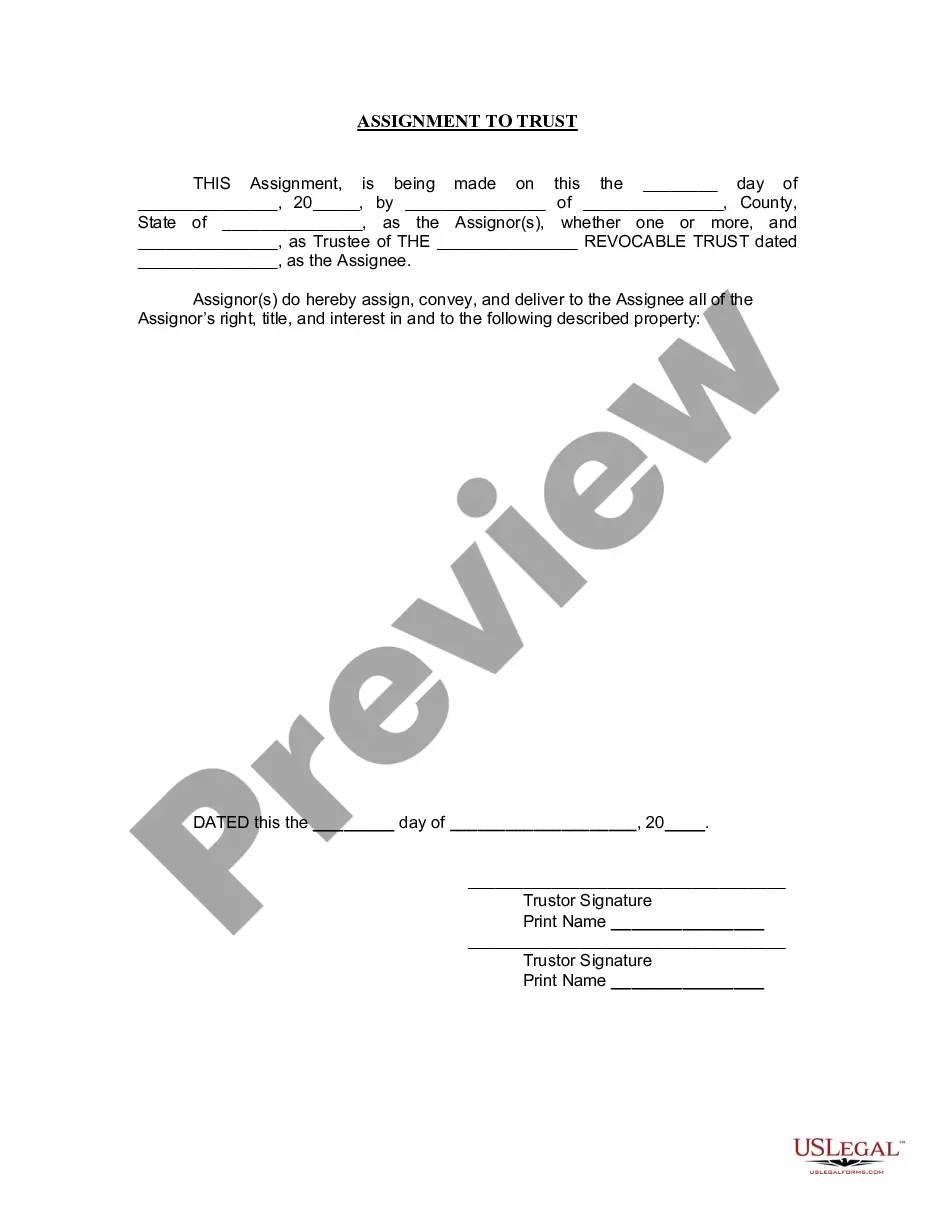
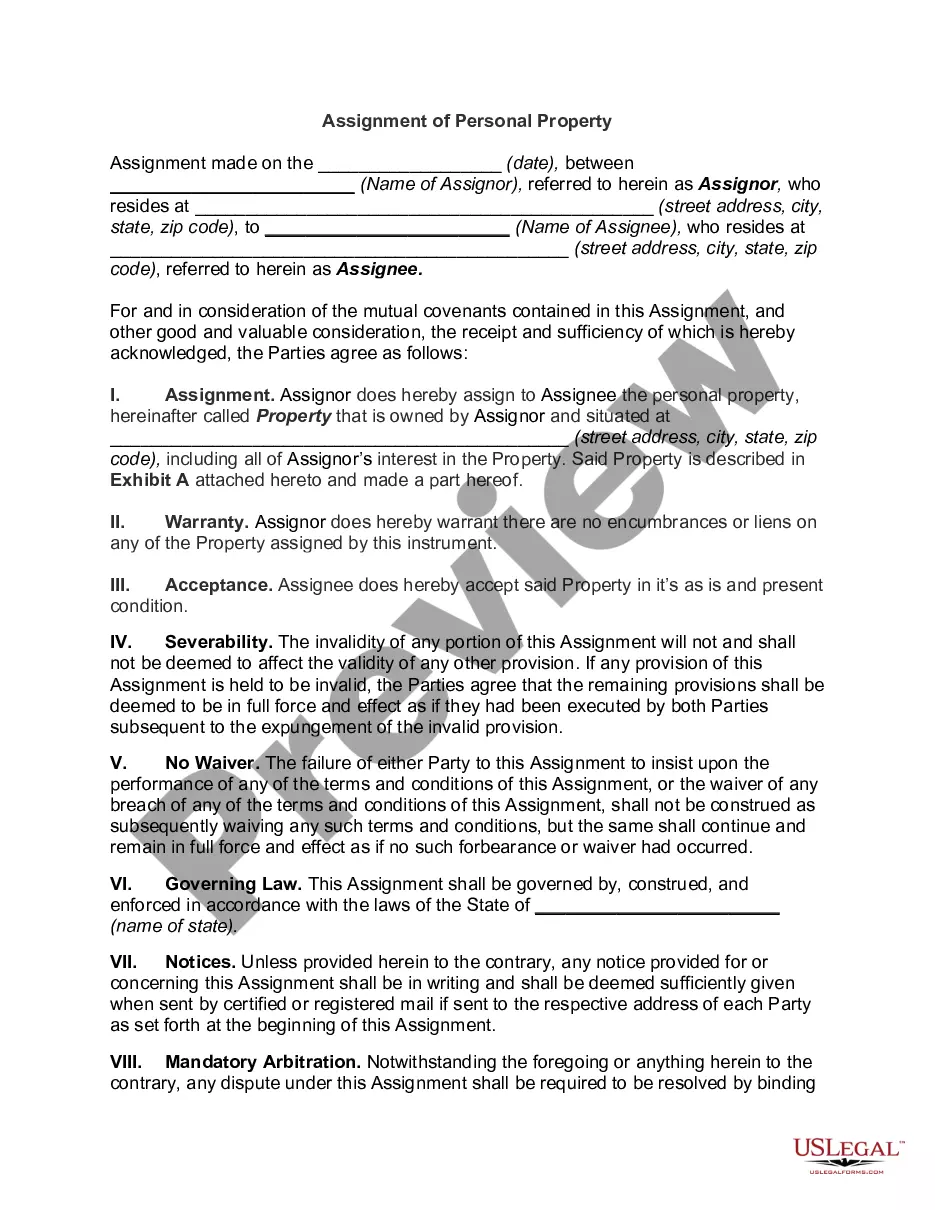
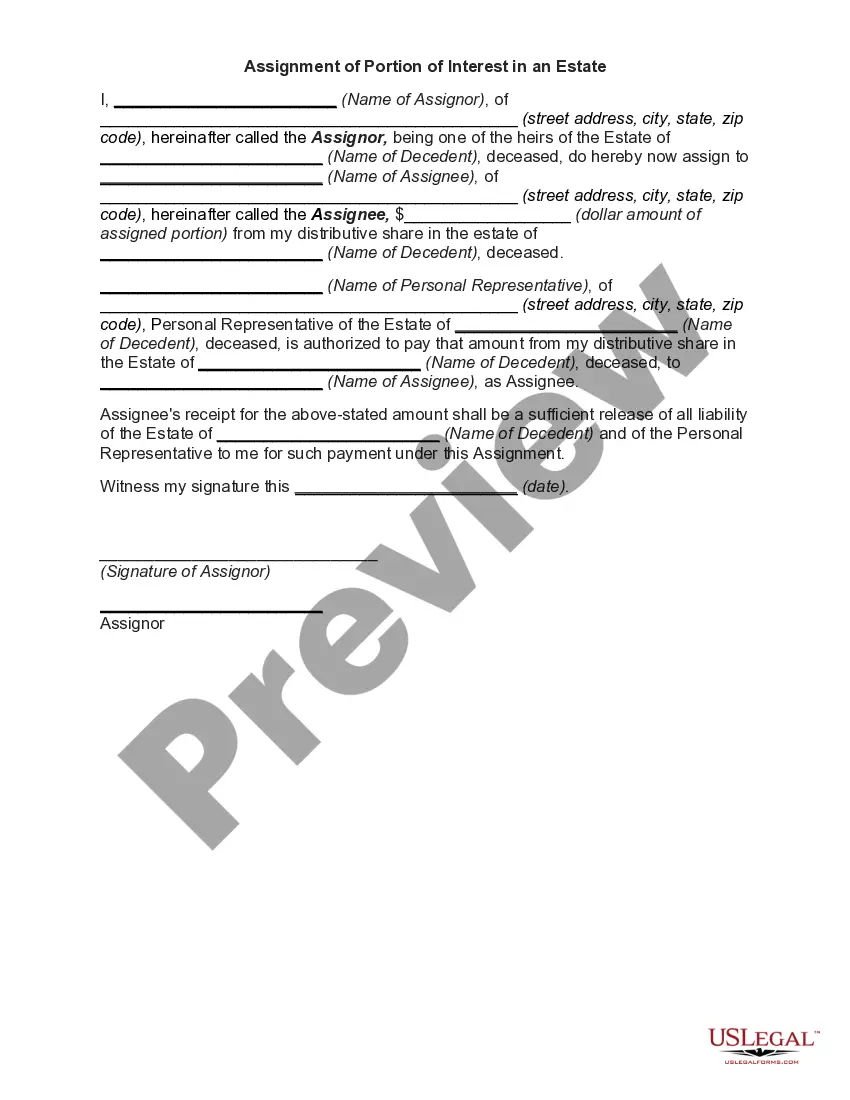
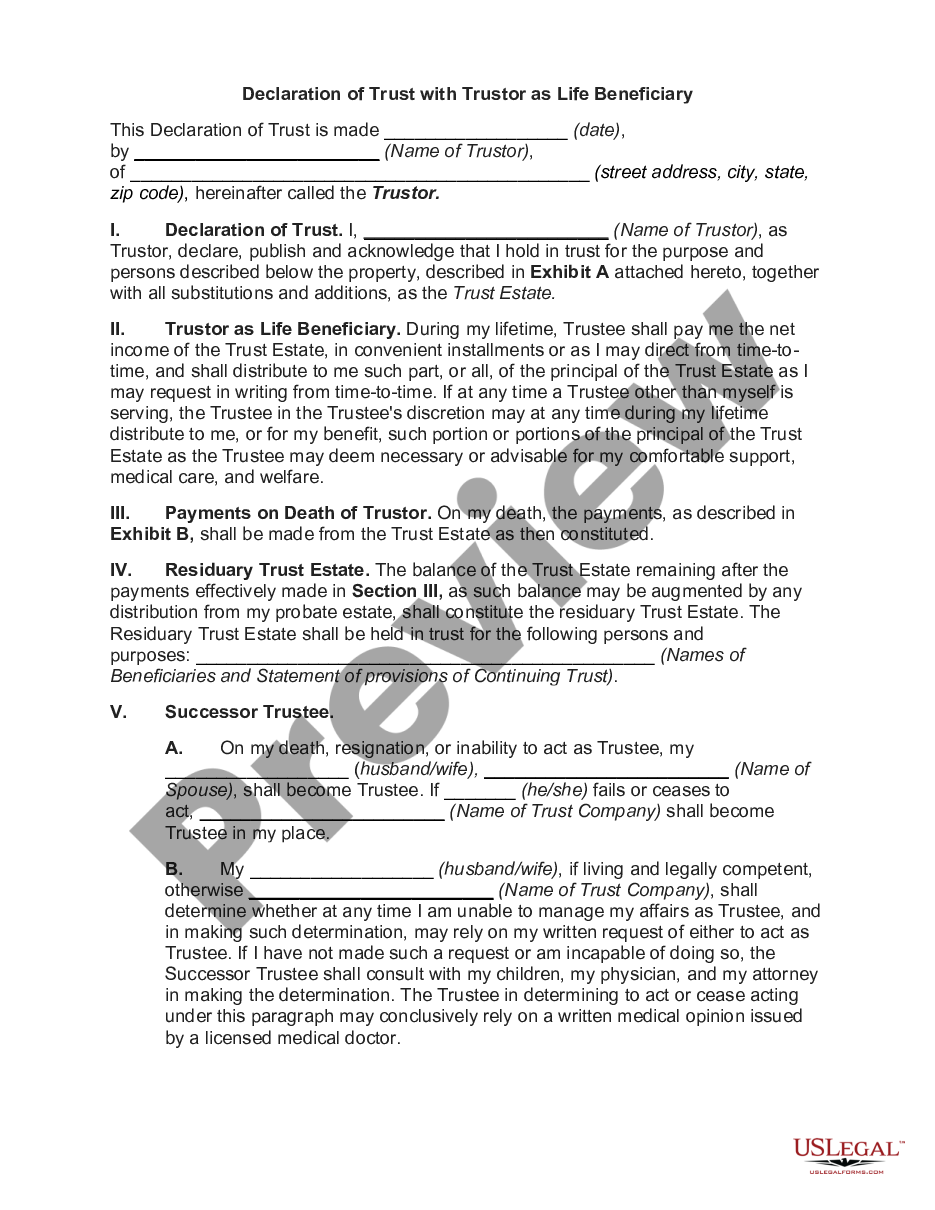
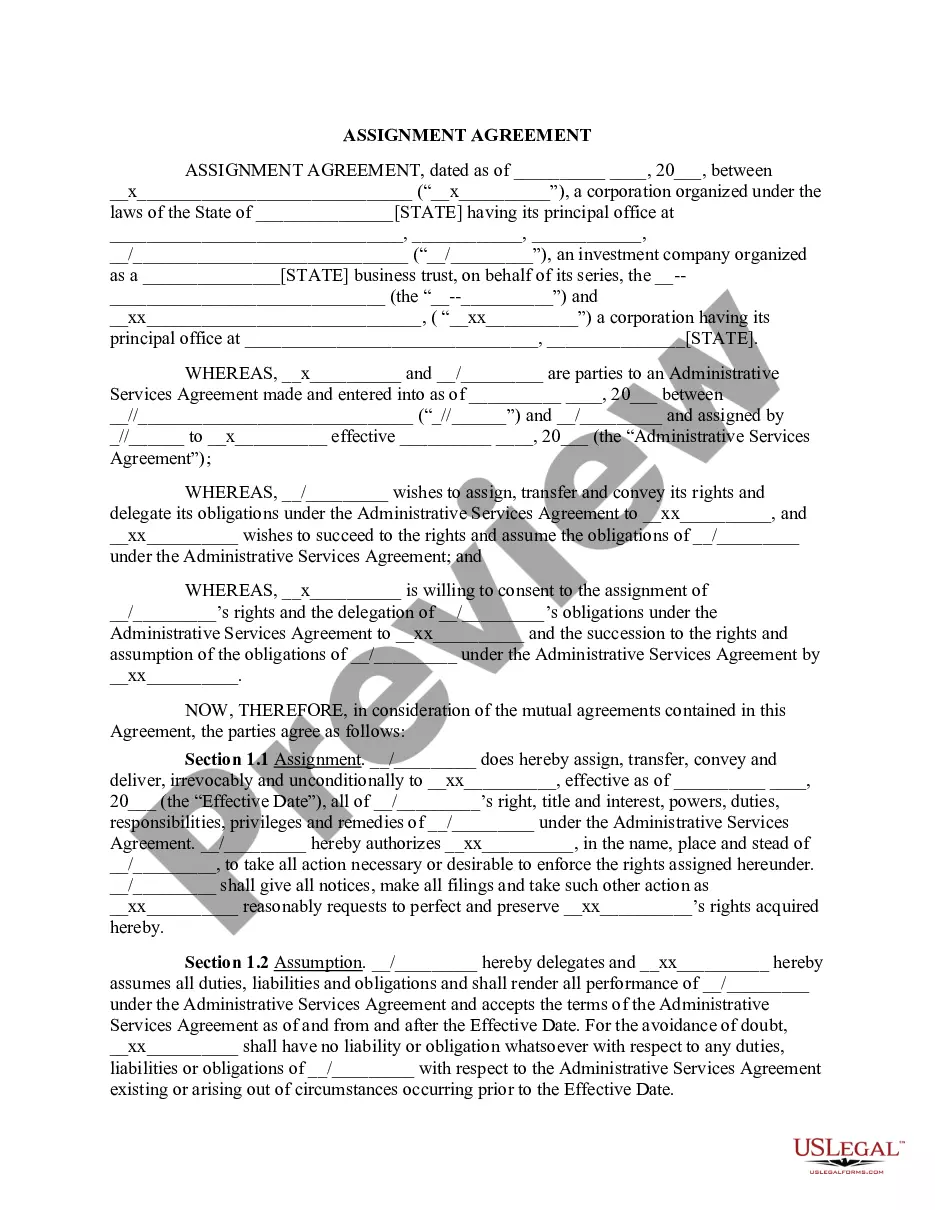
The Assignment to Living Trust form is designed to transfer ownership rights of specific property to a Living Trust. This type of trust is created during a personâs lifetime and holds their assets for different purposes, primarily estate planning. Unlike wills, which distribute assets after death, this form facilitates the immediate management of assets within a trust framework during the trustor's life.
What’s included in this form
- Date of the assignment
- Name and address of the Assignor
- Name of the Trustee
- Details of the Living Trust being assigned
- Signature of Assignor
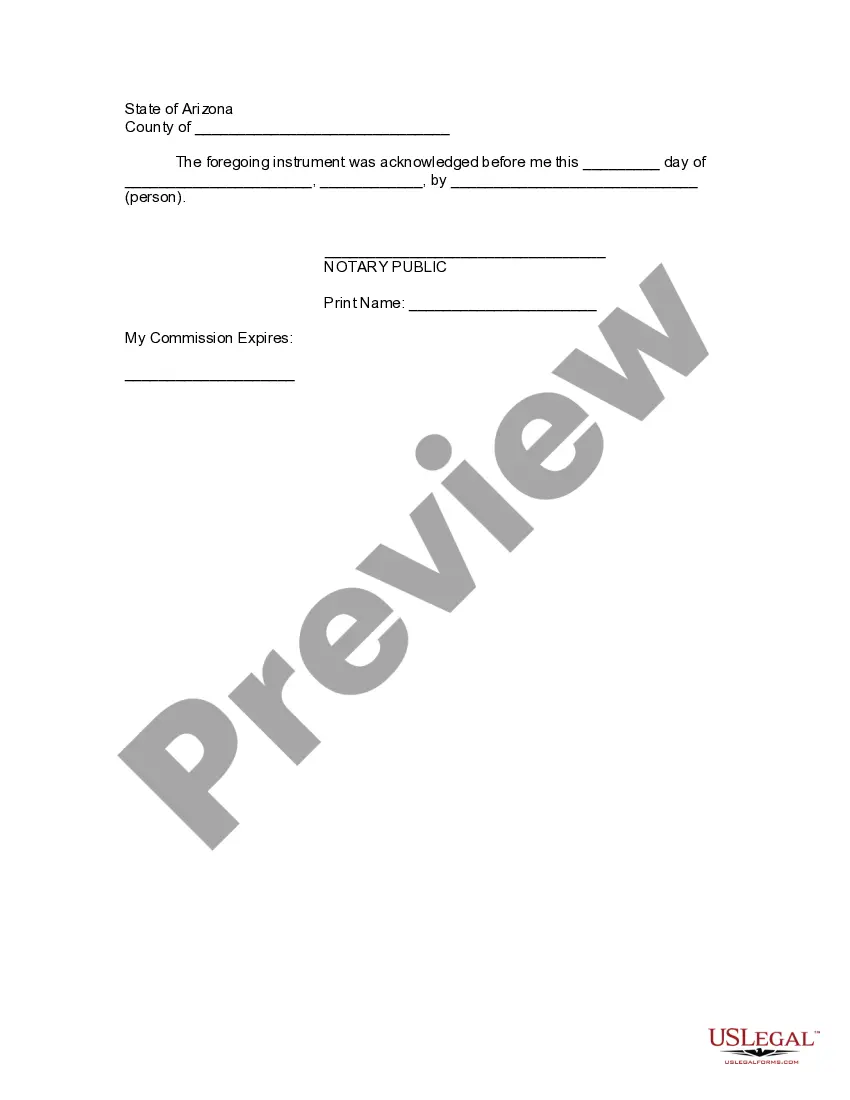
- Space for notarization

When to use this form
This form should be used when an individual wishes to transfer their property into a Living Trust. Common scenarios include estate planning when the trustor wants to manage assets during their life or prepare for the distribution of their estate upon their death while avoiding probate delays.
Who needs this form
- Individuals creating a Living Trust
- Assignors looking to simplify asset management
- Anyone planning their estate to avoid probate
Instructions for completing this form
- Identify and enter the date of the assignment.
- Provide the full name and address of the Assignor.
- Specify the name of the Trustee and the Living Trust.
- Sign the form in the presence of a notary public.
- Ensure the notary public completes the required acknowledgment section.
Notarization requirements for this form
Yes, this form must be notarized to be legally valid. US Legal Forms offers integrated online notarization, allowing you to complete the process securely via video call at any time without needing to travel.
Get your form ready online
Our built-in tools help you complete, sign, share, and store your documents in one place.
Make edits, fill in missing information, and update formatting in US Legal Forms—just like you would in MS Word.
Download a copy, print it, send it by email, or mail it via USPS—whatever works best for your next step.
Sign and collect signatures with our SignNow integration. Send to multiple recipients, set reminders, and more. Go Premium to unlock E-Sign.
If this form requires notarization, complete it online through a secure video call—no need to meet a notary in person or wait for an appointment.
We protect your documents and personal data by following strict security and privacy standards.

Make edits, fill in missing information, and update formatting in US Legal Forms—just like you would in MS Word.

Download a copy, print it, send it by email, or mail it via USPS—whatever works best for your next step.

Sign and collect signatures with our SignNow integration. Send to multiple recipients, set reminders, and more. Go Premium to unlock E-Sign.

If this form requires notarization, complete it online through a secure video call—no need to meet a notary in person or wait for an appointment.

We protect your documents and personal data by following strict security and privacy standards.
Avoid these common issues
- Failing to include specific property details.
- Not obtaining notarization, if required.
- Incorrectly identifying the Trust or Trustee.
Benefits of using this form online
- Convenience of immediate download at your convenience.
- Edit and customize the form to fit specific needs.
- Access to reliable legal language drafted by professionals.
Summary of main points
- The Assignment to Living Trust form is essential for transferring property into a living trust.
- Proper completion and notarization are critical for the document's validity.
- Clear identification of all parties and property is necessary to avoid future disputes.
Looking for another form?
Form popularity
FAQ
In Arizona, a living trust does not need to be recorded with the county; however, any property transferred into the trust must be properly recorded. While the trust document itself remains private, the assets within it must have their titles changed. For clarity and simplicity, using a platform like USLegalForms can help ensure each component of your Arizona Assignment to Living Trust is handled correctly.
To transfer property to a living trust in Arizona, you need to change the title of the property into the name of the trust. This generally requires you to complete a deed form, sign it, and file it with the county recorder. It's crucial to follow all steps accurately to avoid complications, and using USLegalForms provides you with the guidance needed for a smooth Arizona Assignment to Living Trust process.
Transferring property titles between family members can often be done through a quitclaim deed or warranty deed. This process involves filling out the appropriate deed form, signing it, and recording it with the county recorder's office. This ensures that the property is legally recognized under the new owner's name, which can be particularly beneficial with your Arizona Assignment to Living Trust.
To file a living trust in Arizona, you must first create a trust document that outlines your intentions. Then, you should get the document signed by you and any witnesses. After that, you can fund the trust by transferring your assets into it. Using a platform like USLegalForms can streamline this process and ensure all necessary steps are correctly followed for your Arizona Assignment to Living Trust.
In Arizona, a valid trust requires specific elements. The trust must have a clear purpose, identifiable beneficiaries, and a trustee to manage the assets. Moreover, the trust should be created in writing to comply with Arizona law. When setting up your Arizona Assignment to Living Trust, consider utilizing resources from USLegalForms to ensure that you meet all necessary legal standards.
Yes, you can set up a trust without an attorney in Arizona. Many people choose to handle their Arizona Assignment to Living Trust independently, especially with the right resources. However, it is important to ensure that you follow the state's legal requirements carefully. Using platforms like USLegalForms can provide you with templates and guidance to help you navigate this process effectively.
While it is not legally required to have an attorney set up an Arizona Assignment to Living Trust, consulting a legal expert can provide valuable insights. An attorney can help you navigate complex laws and ensure your trust is set up correctly to achieve your goals. Using platforms like US Legal Forms can also support your DIY efforts while providing you with necessary templates. Ultimately, the decision depends on your comfort level with legal paperwork and your specific financial situation.
Transferring property into an Arizona Assignment to Living Trust involves executing a deed to change the ownership of the property. You will need to complete and file a new deed with the local county recorder's office, effectively transferring title from your name to the trust. It’s also helpful to review your bank and investment accounts, as you may need to designate the trust as the account holder. This ensures your assets are managed according to your trust's terms.
Yes, you can create your own living trust in Arizona. Many online legal platforms, like US Legal Forms, provide templates and resources to help you draft a trust according to your specific needs. However, it is important to ensure that all legal requirements are met to make the Arizona Assignment to Living Trust valid. Consider seeking guidance if you feel uncertain about the process, as any mistakes can lead to complications in the future.
One major mistake parents often make when setting up an Arizona Assignment to Living Trust is not clearly defining the terms of the trust. Without clear instructions, beneficiaries may face confusion or disputes regarding asset distribution. Additionally, failing to update the trust when life changes occur can lead to outdated provisions, which may not reflect your current wishes. It's crucial to review and adjust your trust periodically to ensure it adequately protects your family's future.