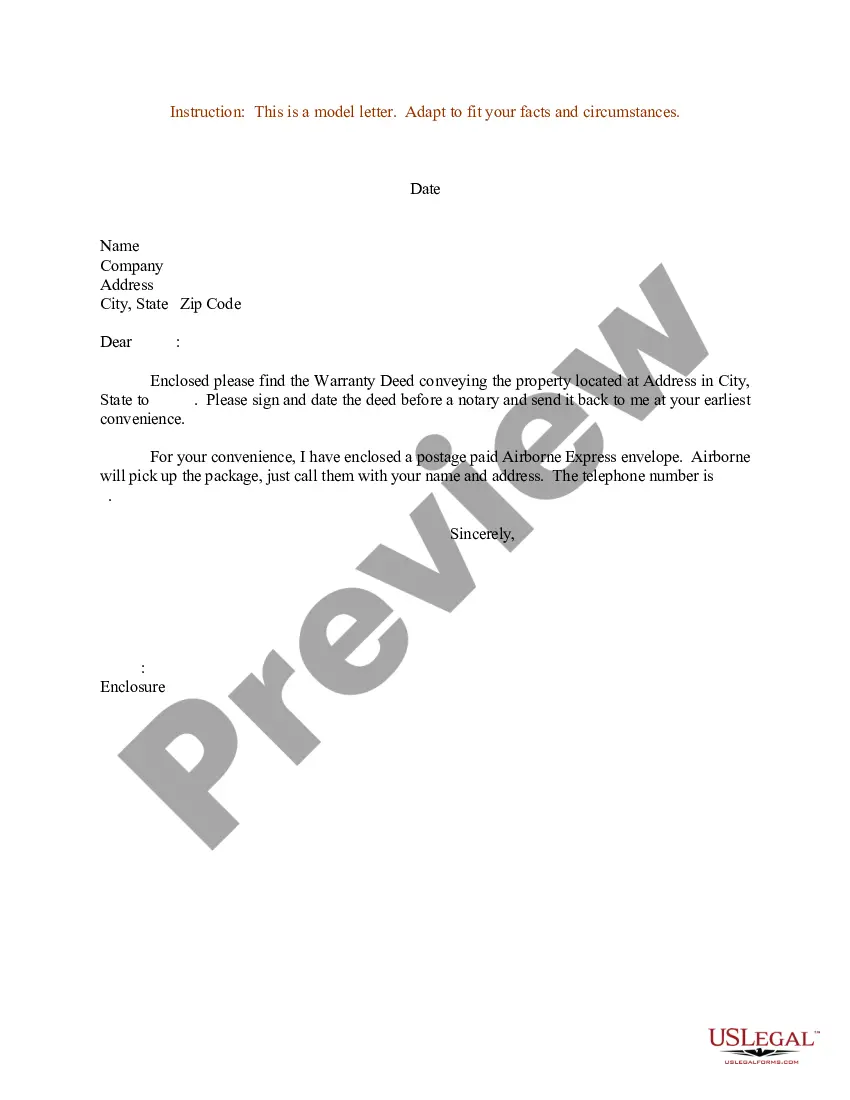
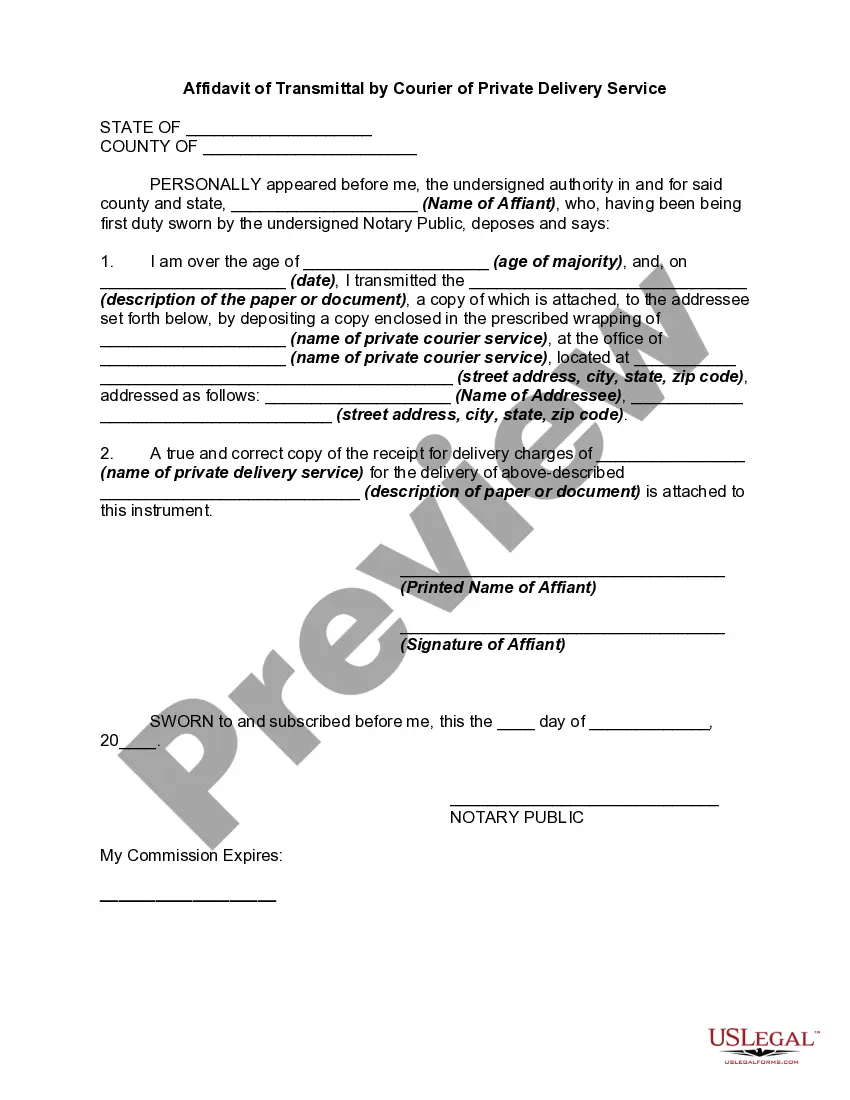
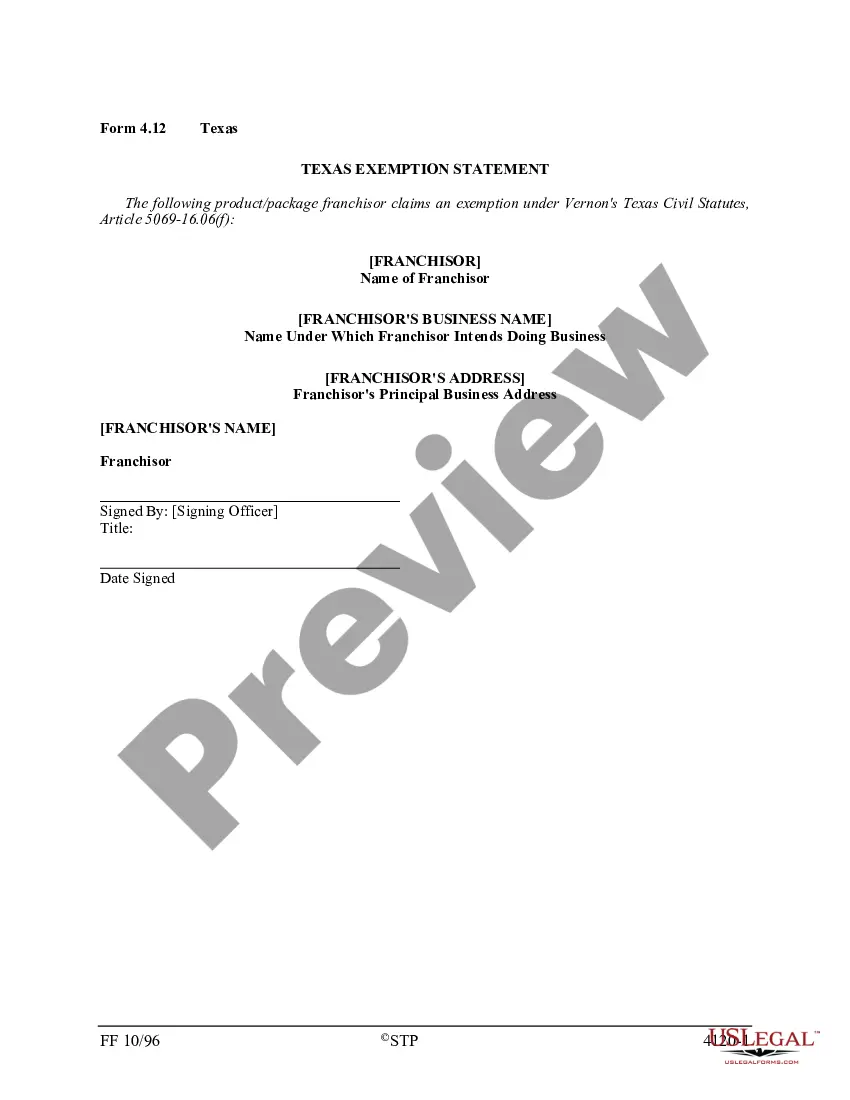
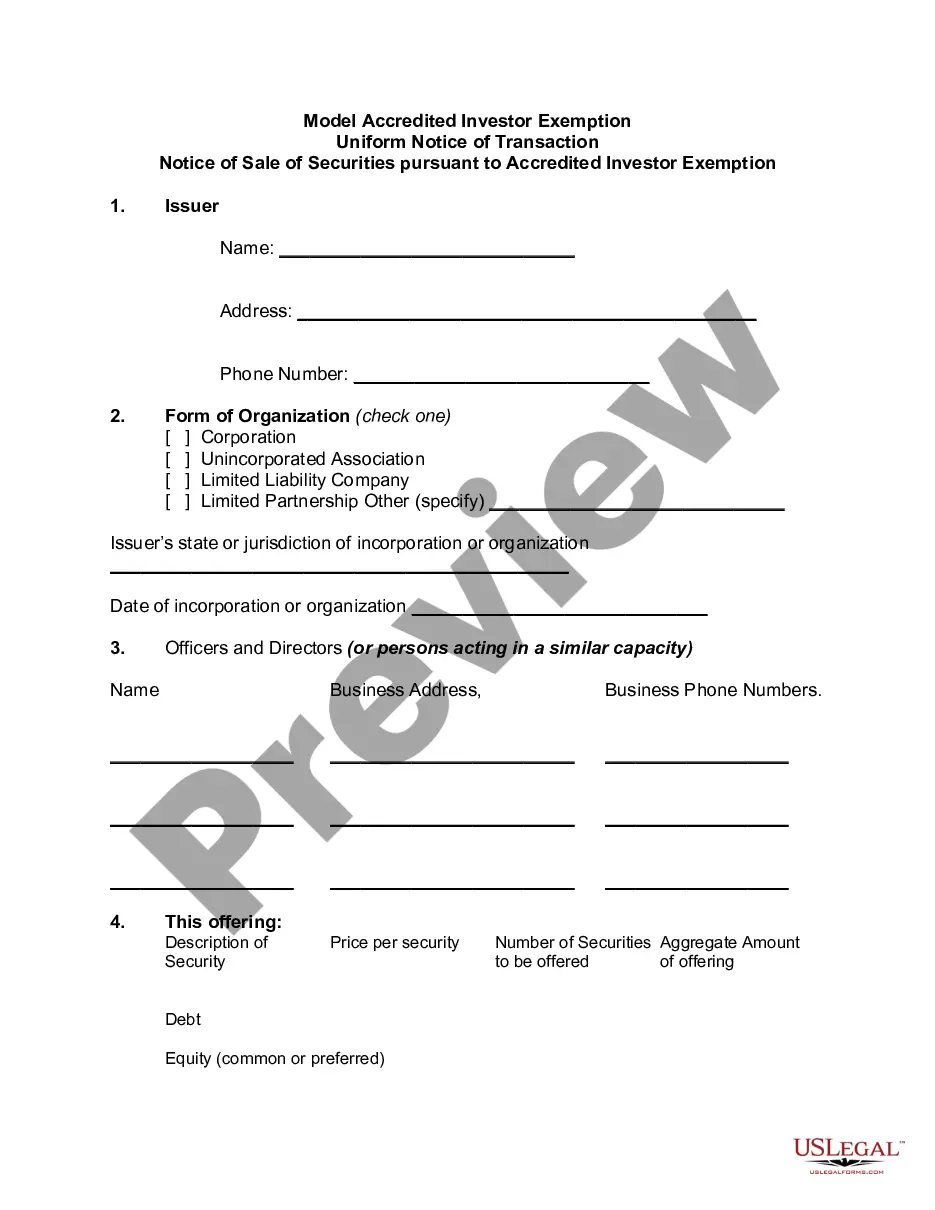
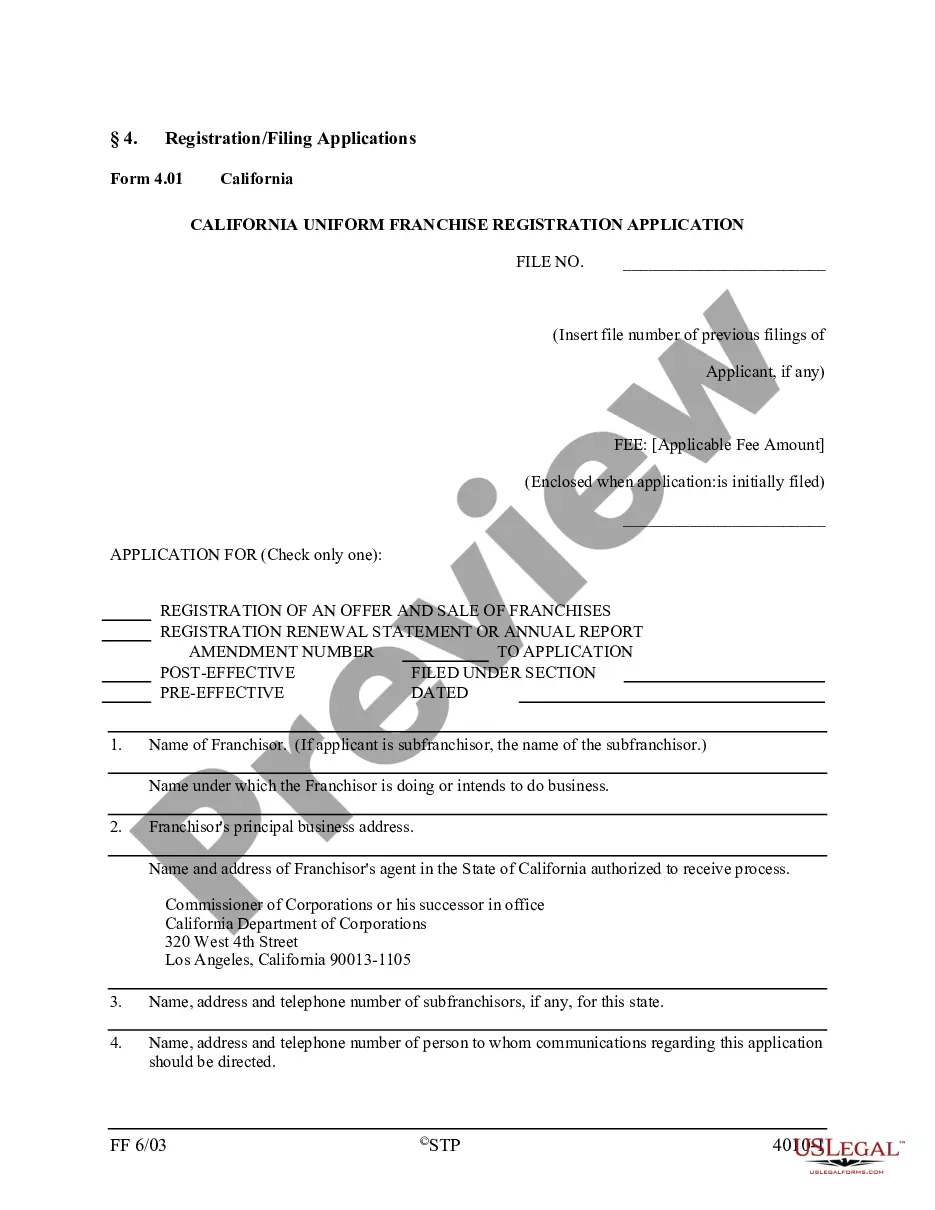
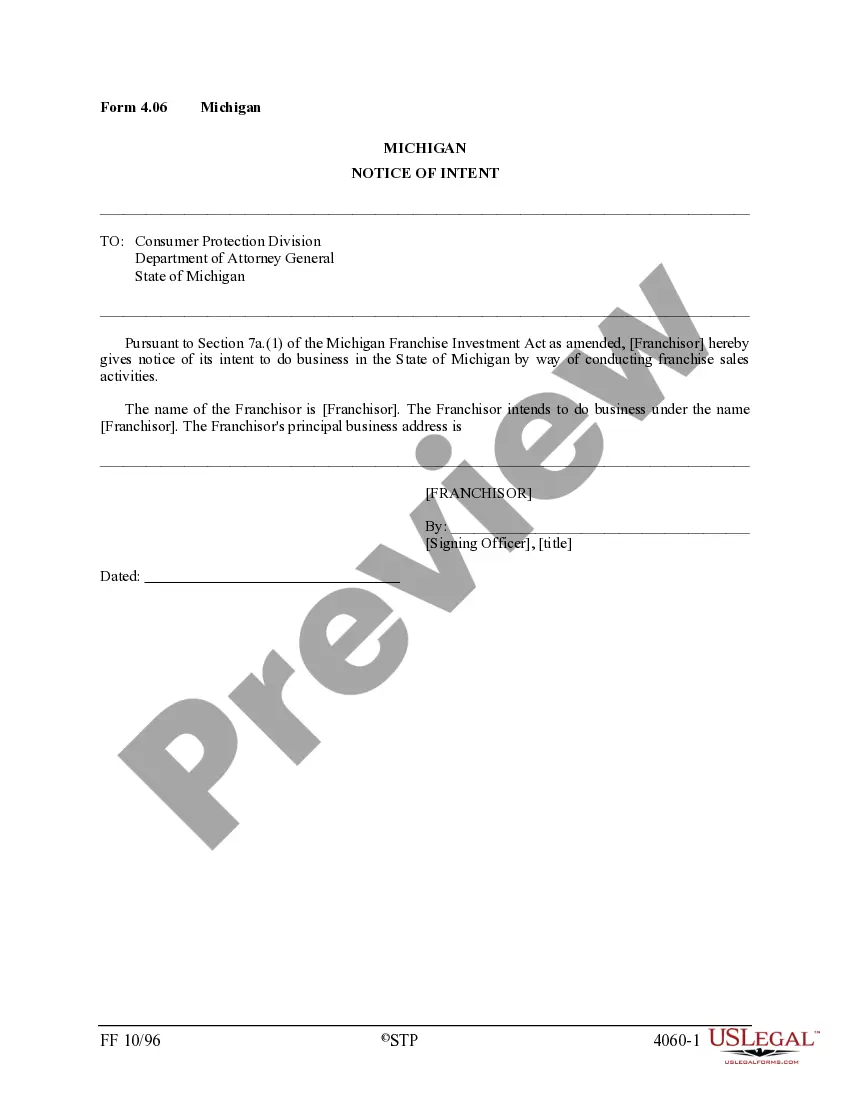
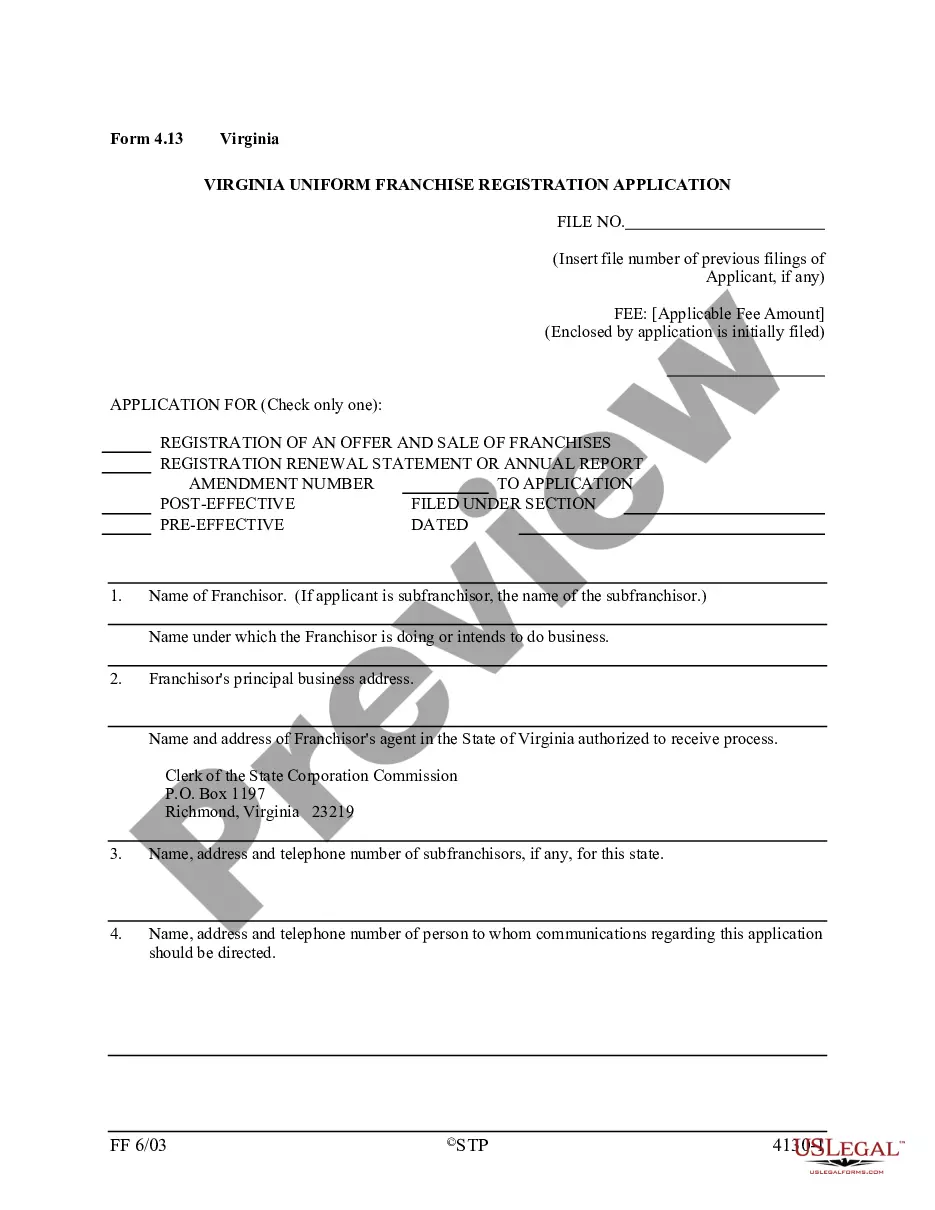
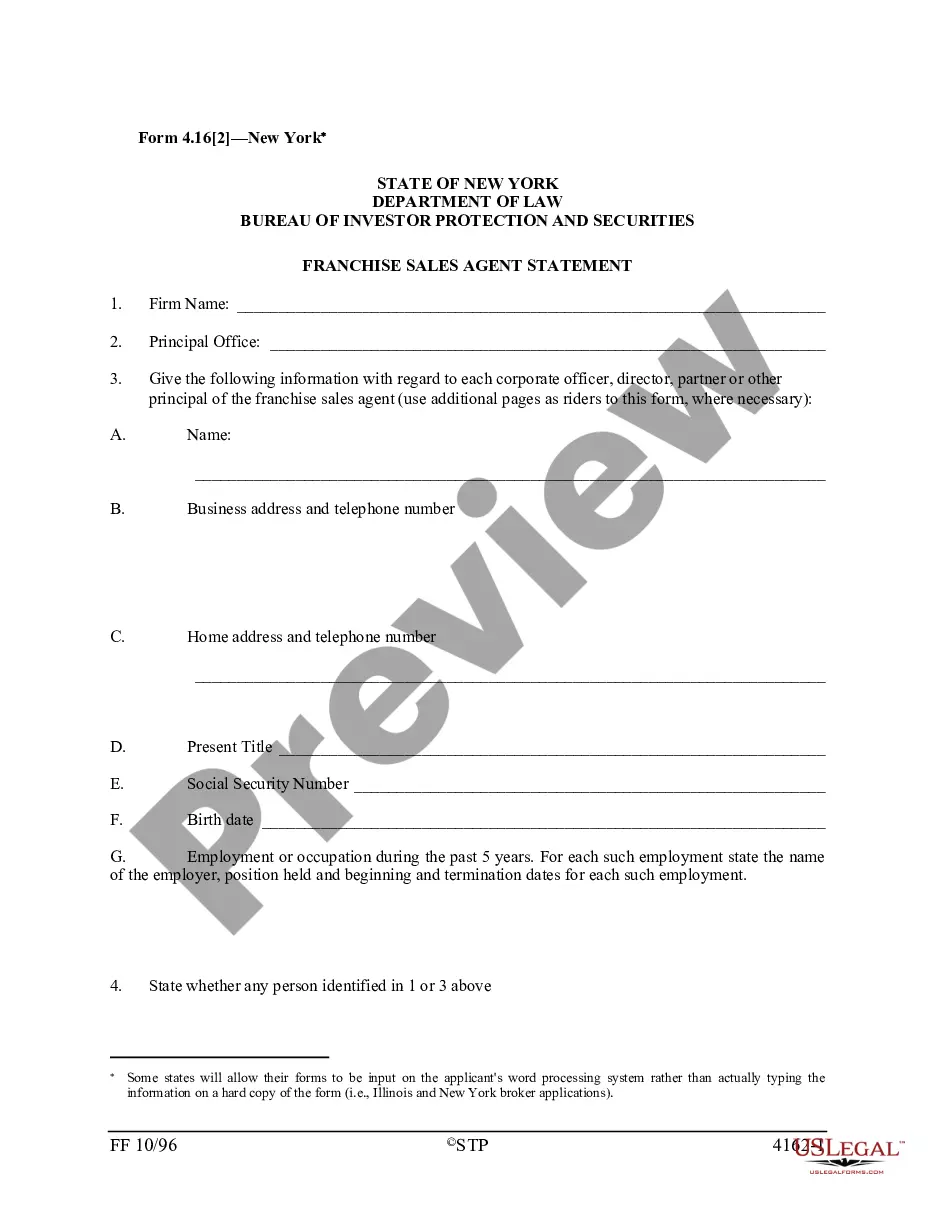
A franchisor may use this form to claim an exemption under Vernon's Texas Civil Statutes Article 5069-16.06(f). The form also requires the name of the franchisor, the franchisor's business name, and the franchisor's address.
New York Exemption Statement
Category:
State:
Multi-State
Control #:
US-4-12-STP
Format:
Word;
Rich Text
Instant download
Description
Get your form ready online
Our built-in tools help you complete, sign, share, and store your documents in one place.
Built-in online Word editor
Make edits, fill in missing information, and update formatting in US Legal Forms—just like you would in MS Word.
Export easily
Download a copy, print it, send it by email, or mail it via USPS—whatever works best for your next step.
E-sign your document
Sign and collect signatures with our SignNow integration. Send to multiple recipients, set reminders, and more. Go Premium to unlock E-Sign.
Notarize online 24/7
If this form requires notarization, complete it online through a secure video call—no need to meet a notary in person or wait for an appointment.
Store your document securely
We protect your documents and personal data by following strict security and privacy standards.

Make edits, fill in missing information, and update formatting in US Legal Forms—just like you would in MS Word.

Download a copy, print it, send it by email, or mail it via USPS—whatever works best for your next step.

Sign and collect signatures with our SignNow integration. Send to multiple recipients, set reminders, and more. Go Premium to unlock E-Sign.

If this form requires notarization, complete it online through a secure video call—no need to meet a notary in person or wait for an appointment.

We protect your documents and personal data by following strict security and privacy standards.
Looking for another form?


How to fill out Exemption Statement?
You may commit several hours online looking for the legal papers format that suits the state and federal requirements you want. US Legal Forms supplies 1000s of legal types which can be reviewed by professionals. You can actually acquire or printing the New York Exemption Statement - Texas from your services.
If you have a US Legal Forms account, you are able to log in and click on the Acquire button. After that, you are able to complete, modify, printing, or indication the New York Exemption Statement - Texas. Every single legal papers format you buy is your own property permanently. To acquire another backup of the obtained type, proceed to the My Forms tab and click on the related button.
Should you use the US Legal Forms site initially, keep to the straightforward directions below:
- First, be sure that you have chosen the proper papers format for the region/area of your liking. See the type outline to make sure you have picked the correct type. If accessible, make use of the Preview button to check from the papers format as well.
- In order to find another edition of your type, make use of the Lookup area to get the format that meets your requirements and requirements.
- Once you have discovered the format you need, just click Buy now to proceed.
- Select the prices program you need, type in your qualifications, and sign up for a free account on US Legal Forms.
- Total the deal. You can utilize your Visa or Mastercard or PayPal account to pay for the legal type.
- Select the format of your papers and acquire it for your product.
- Make alterations for your papers if required. You may complete, modify and indication and printing New York Exemption Statement - Texas.
Acquire and printing 1000s of papers layouts while using US Legal Forms web site, which provides the largest assortment of legal types. Use professional and condition-certain layouts to deal with your organization or person demands.
Form popularity
FAQ
Eligibility Requirements All owners of the property must be 65 or older, unless the owners are spouses or siblings. If you own the property with a spouse or sibling, only one of you must meet this age requirement. The total combined annual income of the property owner and spouse or co-owner cannot exceed $58,399.
If you earn income in one state while living in another, you should expect to file a tax return for the state where you are living (your ?resident? state). You may also be required to file a state tax return where your employer is located or any state where you have a source of income.
Contact the sales tax information center to verify an organization's exempt status.
To claim exemption from New York State and City withholding taxes, you must certify the following conditions in writing: You must be under age 18, or over age 65, or a full-time student under age 25 and. You did not have a New York income tax liability for the previous year; and.
Generally, for New York estate tax purposes, if the value of assets passing to beneficiaries other than a spouse or charity is below a certain threshold ($6.58 million in 2023), the assets are fully exempt from tax and no New York estate taxes will be due.
An exemption certificate must show: (1) the name and address of the purchaser; (2) a description of the item to be purchased; (3) the reason the purchase is exempt from tax; (4) the signature of the purchaser and the date; and. (5) the name and address of the seller.
Who Does Not Have to Pay Taxes? Generally, you don't have to pay taxes if your income is less than the standard deduction, you have a certain number of dependents, working abroad and are below the required thresholds, or are a qualifying non-profit organization.
When can a taxpayer claim personal exemptions? To claim a personal exemption, the taxpayer must be able to answer ?no? to the intake question, ?Can anyone claim you or your spouse as a dependent?? This applies even if another taxpayer does not actually claim the taxpayer as a dependent.