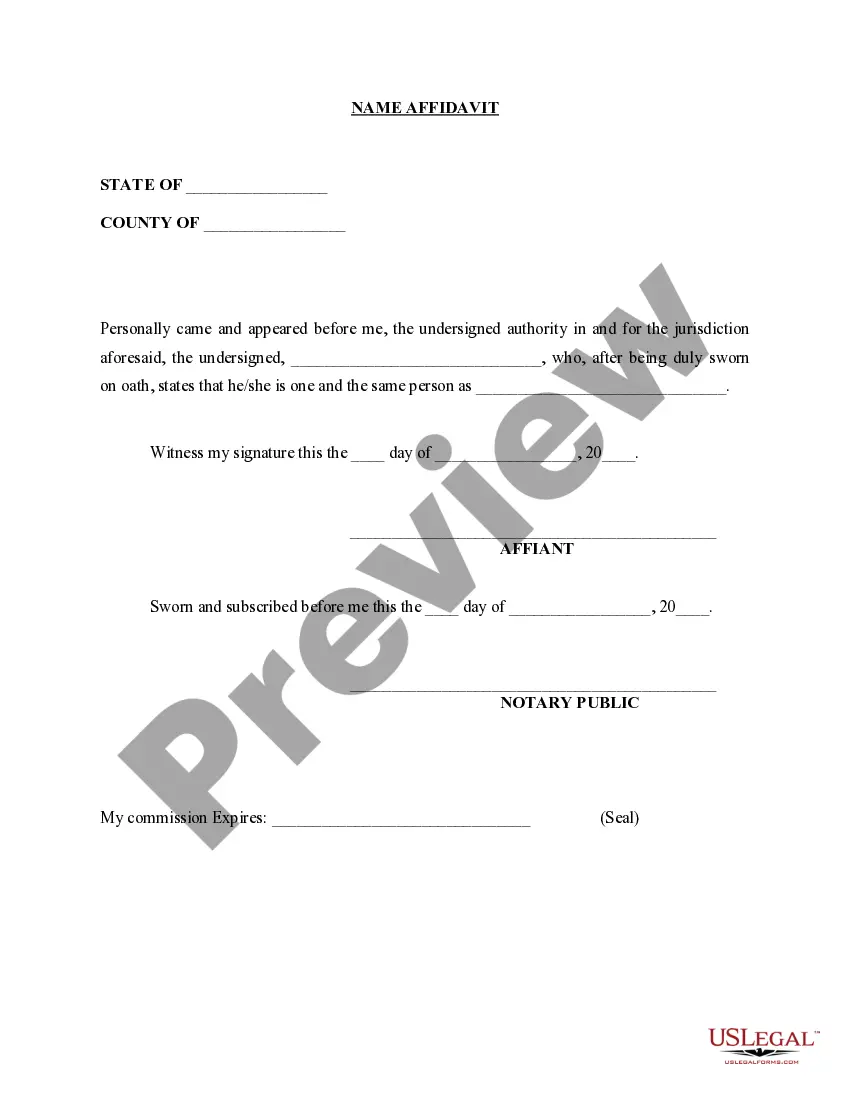
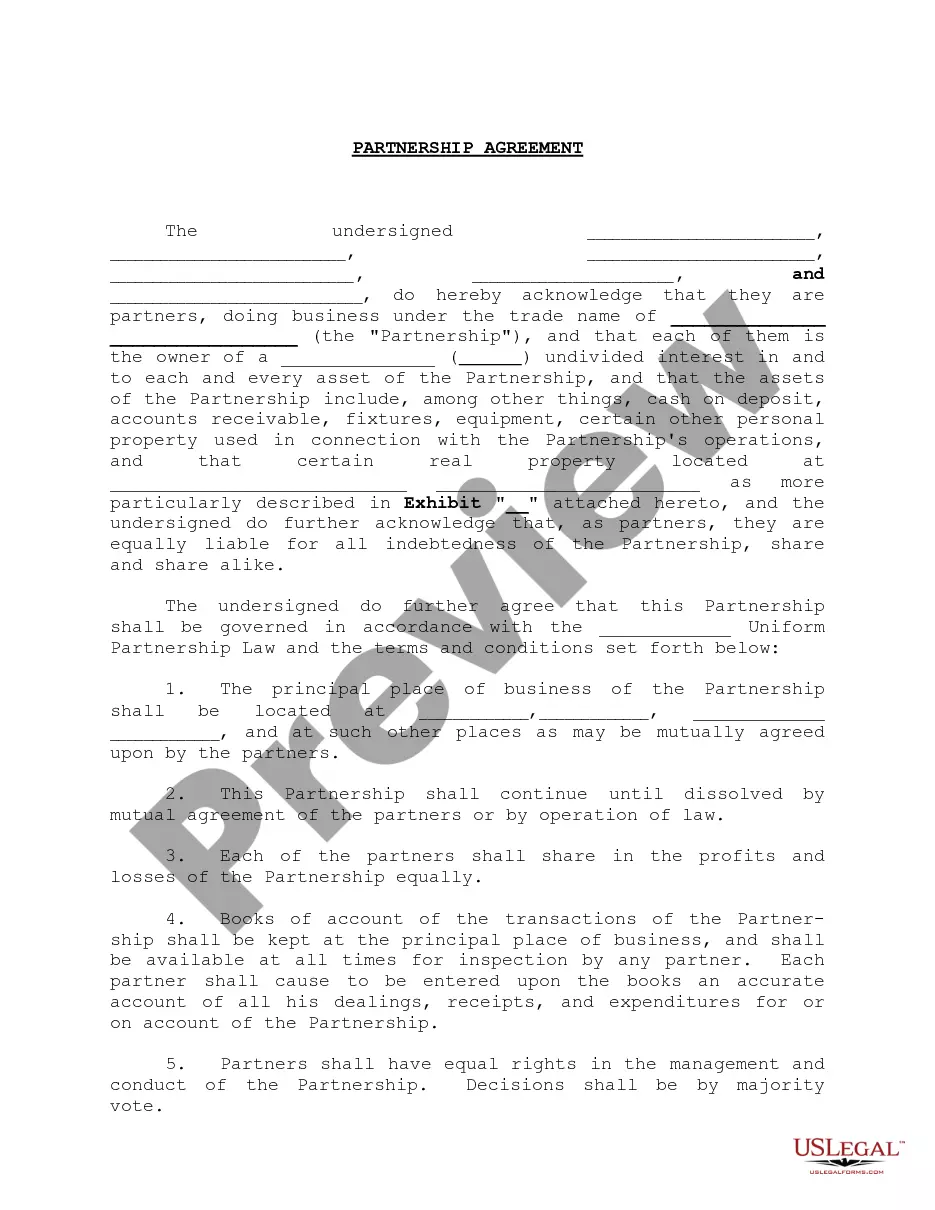
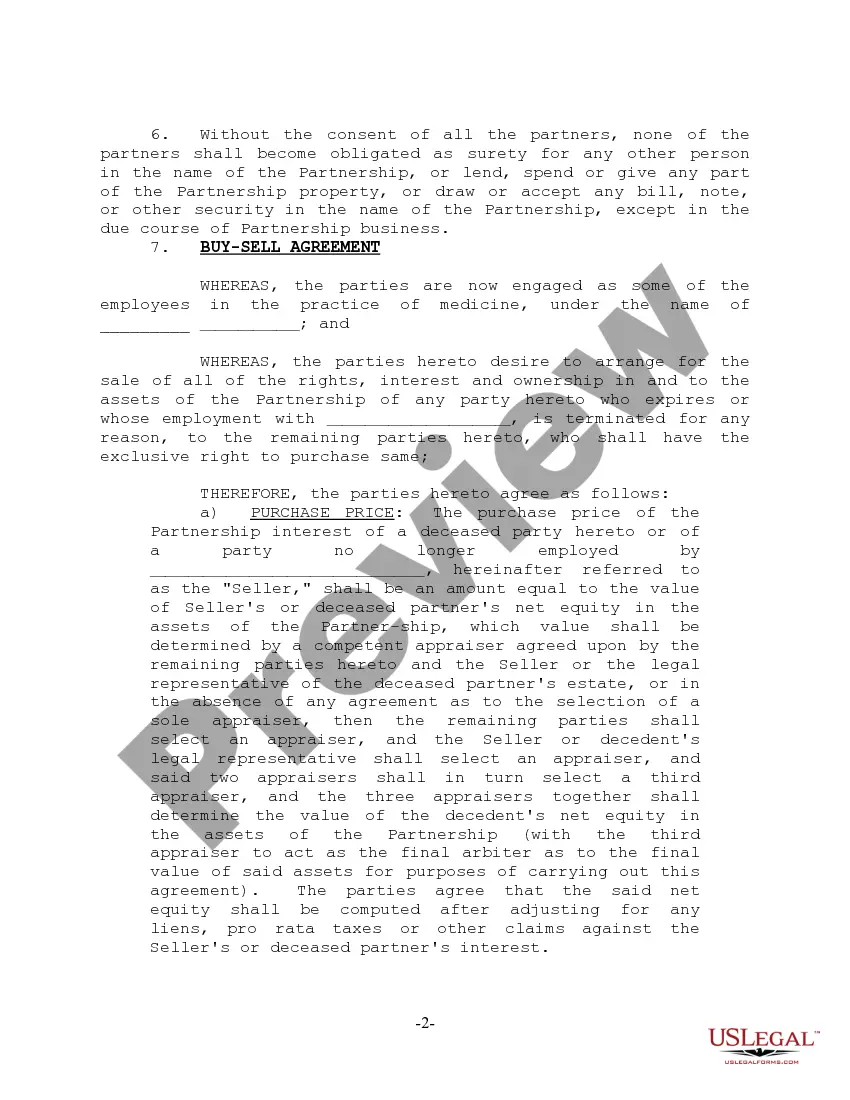
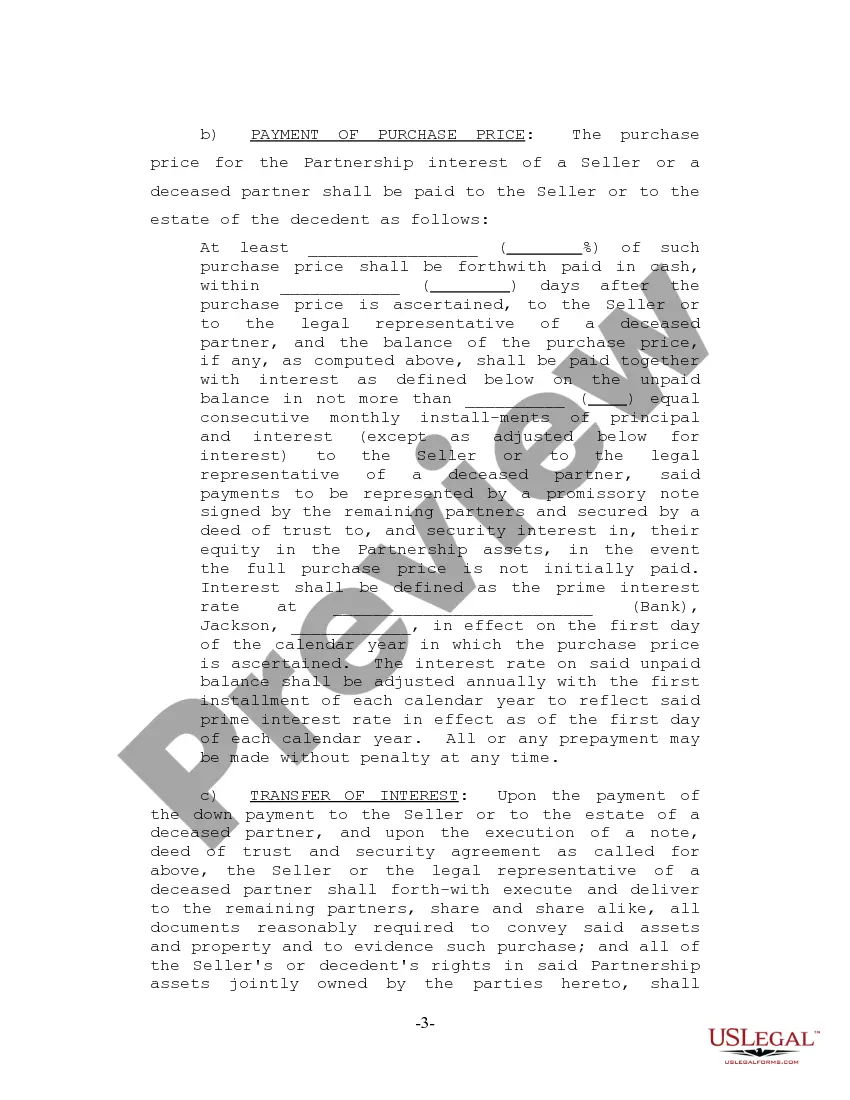
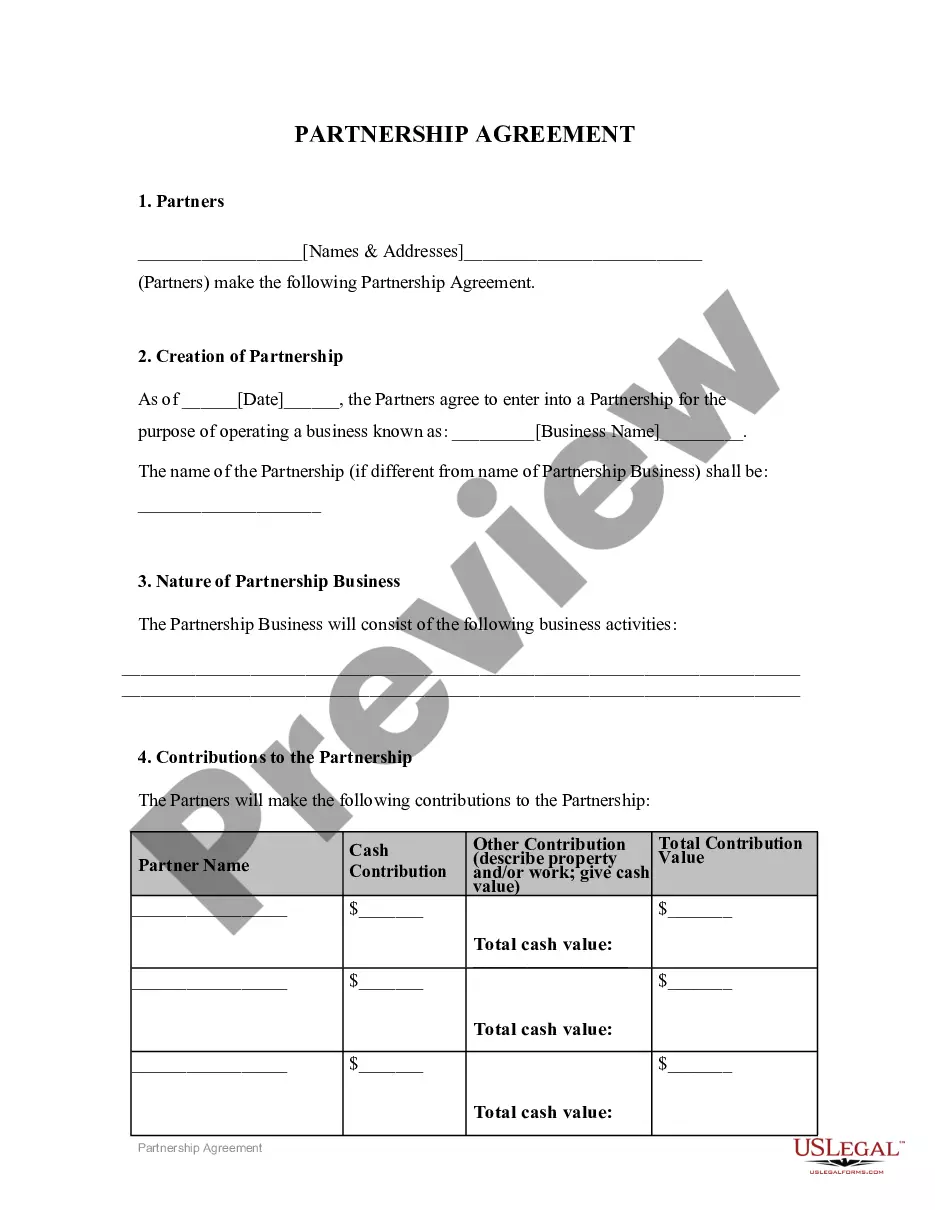
New York Partnership Agreement for Law Firm
Description
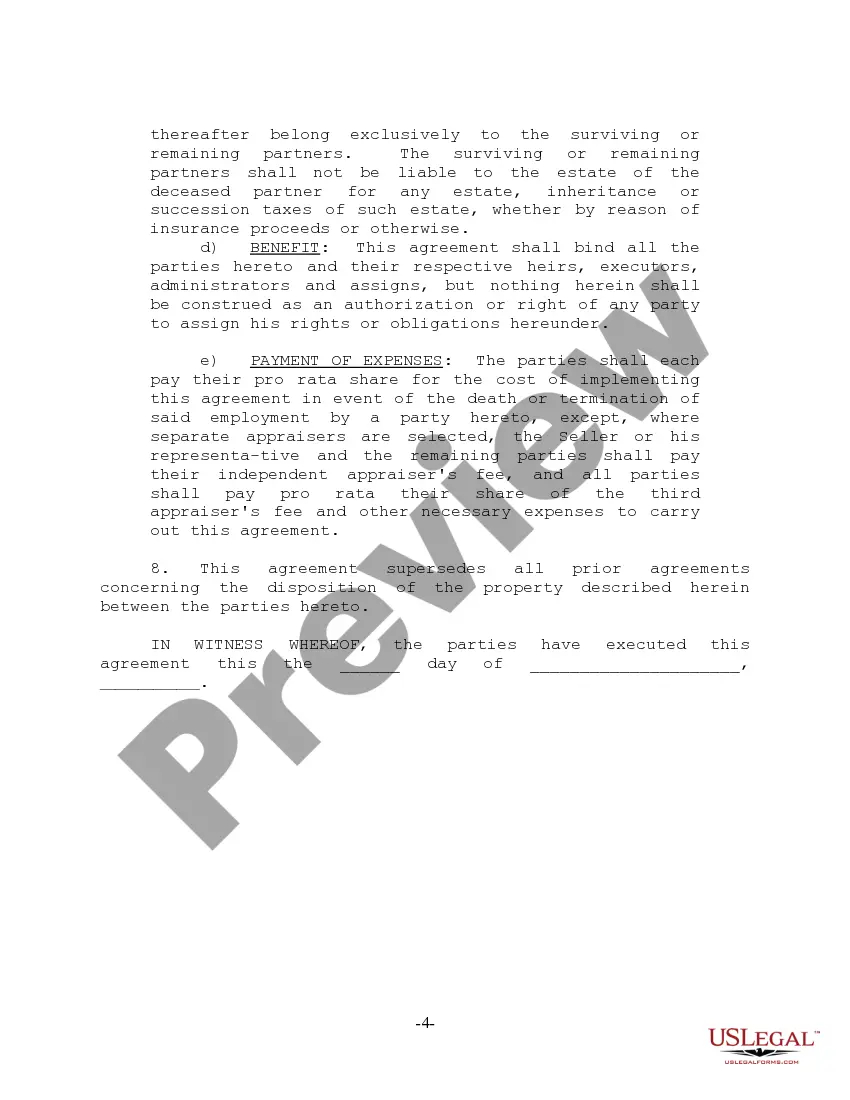

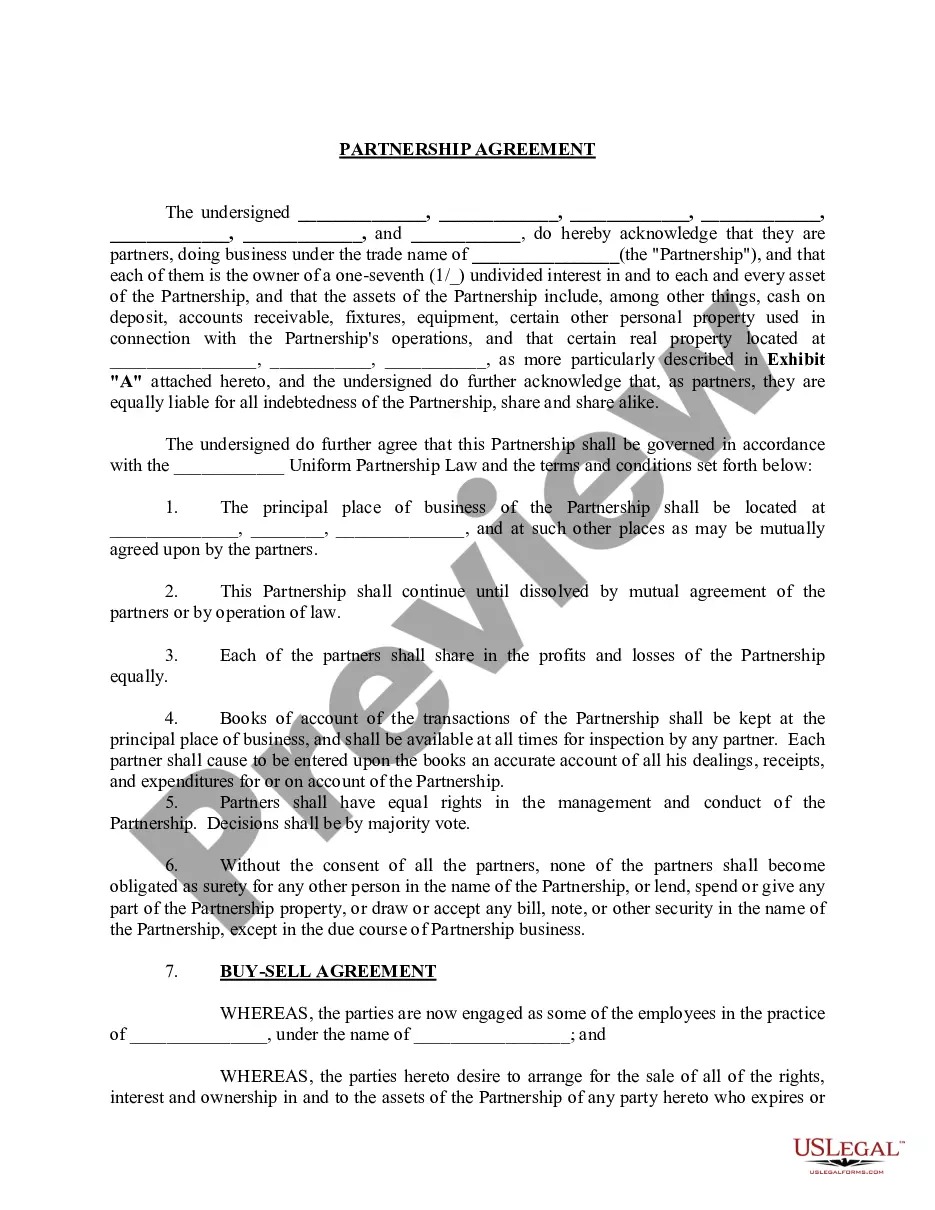
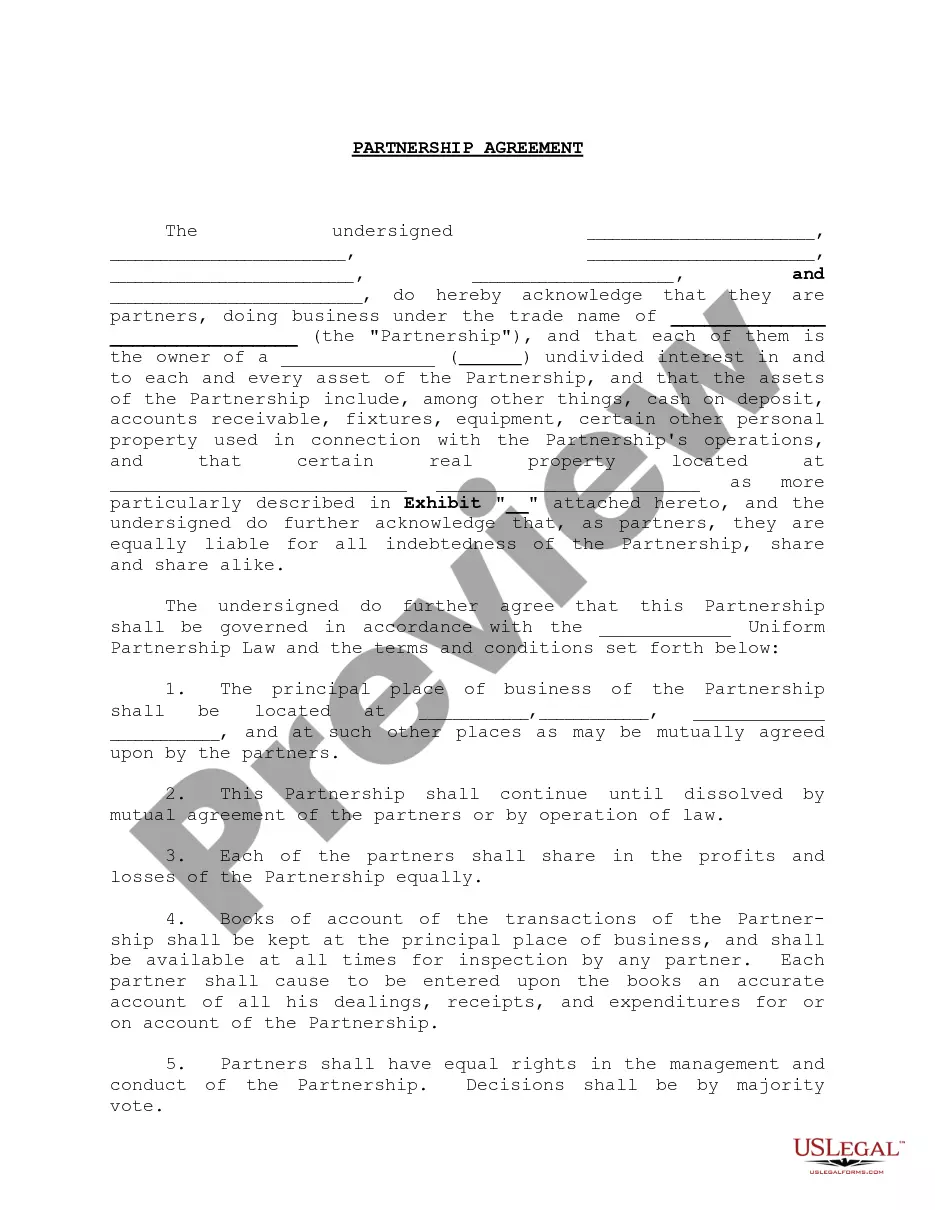
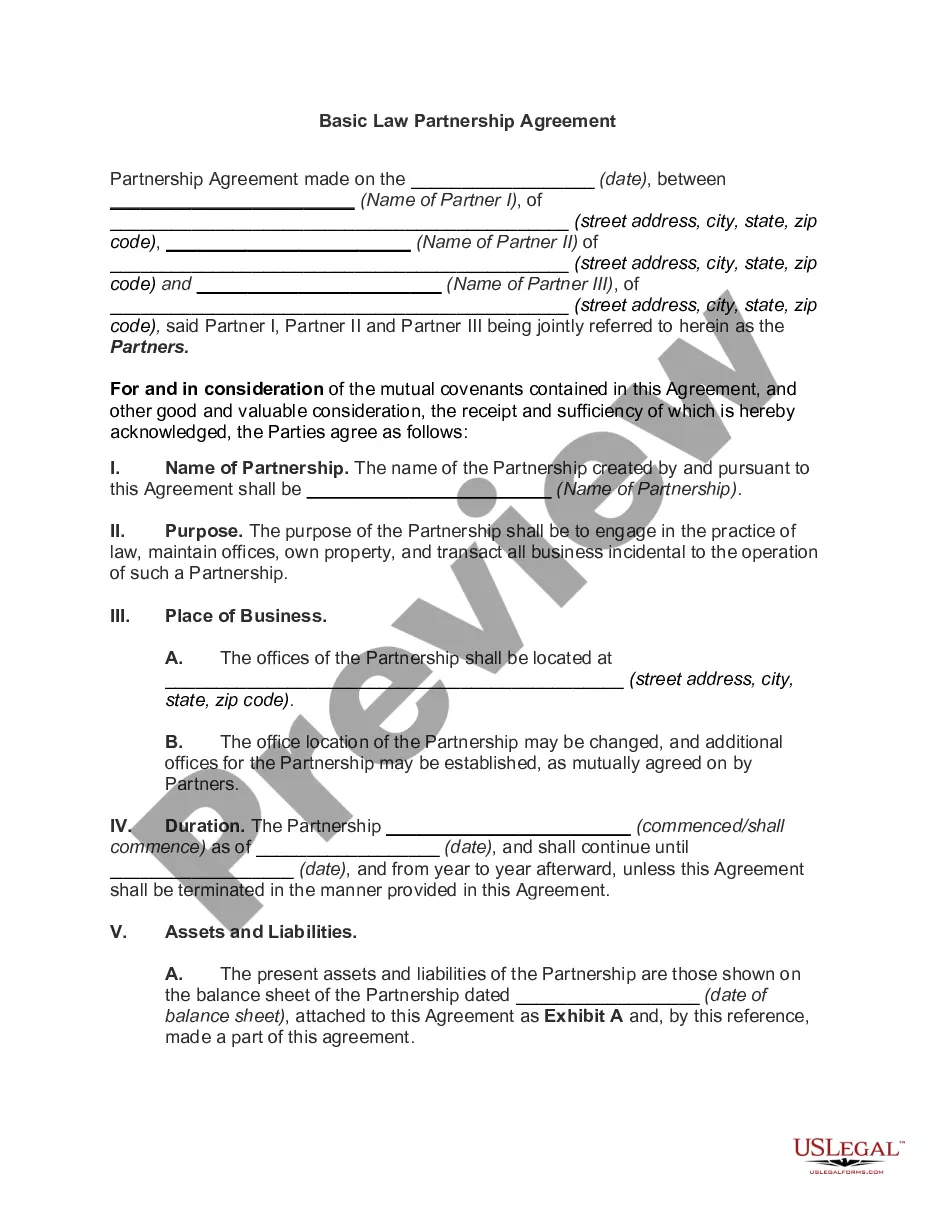
Get your form ready online
Our built-in tools help you complete, sign, share, and store your documents in one place.
Make edits, fill in missing information, and update formatting in US Legal Forms—just like you would in MS Word.
Download a copy, print it, send it by email, or mail it via USPS—whatever works best for your next step.
Sign and collect signatures with our SignNow integration. Send to multiple recipients, set reminders, and more. Go Premium to unlock E-Sign.
If this form requires notarization, complete it online through a secure video call—no need to meet a notary in person or wait for an appointment.
We protect your documents and personal data by following strict security and privacy standards.

Make edits, fill in missing information, and update formatting in US Legal Forms—just like you would in MS Word.

Download a copy, print it, send it by email, or mail it via USPS—whatever works best for your next step.

Sign and collect signatures with our SignNow integration. Send to multiple recipients, set reminders, and more. Go Premium to unlock E-Sign.

If this form requires notarization, complete it online through a secure video call—no need to meet a notary in person or wait for an appointment.

We protect your documents and personal data by following strict security and privacy standards.
Looking for another form?
How to fill out Partnership Agreement For Law Firm?
Have you ever been in a situation where you need documents for various commercial or specific purposes almost daily.
There are many legal document templates accessible online, yet finding ones you can trust isn't easy.
US Legal Forms offers a vast array of template forms, such as the New York Partnership Agreement for Law Firm, which are designed to comply with state and federal regulations.
Once you find the suitable form, click Buy now.
Choose the pricing plan you prefer, provide the necessary information to create your account, and complete the payment using your PayPal or credit card.
- If you are already familiar with the US Legal Forms website and have an account, simply Log In.
- Then, you can download the New York Partnership Agreement for Law Firm template.
- If you don’t have an account and wish to start using US Legal Forms, follow these steps.
- Find the form you need and ensure it is for the correct city/county.
- Utilize the Review button to examine the form.
- Check the description to confirm that you have chosen the correct form.
- If the form isn’t what you’re looking for, use the Search section to find the form that meets your needs and requirements.
Form popularity
FAQ
To set up a New York Partnership Agreement for Law Firm, start by clearly defining the partners' roles and responsibilities. Next, outline the terms regarding profit sharing, decision-making processes, and dispute resolution mechanisms. You can also use templates available on platforms like US Legal Forms to ensure your agreement meets all legal requirements and protects your interests.
A general partnership has no separate legal existence distinct from the partners. Unlike a private limited company or limited liability partnership, it does not need to be registered at or make regular filings to Companies House, which can help keep things simple.
While there are no formal filing or registration requirements needed to create a partnership, partnerships must comply with registration, filing, and tax requirements applicable to any business.
Features of partnership form of organisation are discussed as below:Two or More Persons:Contract or Agreement:Lawful Business:Sharing of Profits and Losses:Liability:Ownership and Control:Mutual Trust and Confidence:Restriction on Transfer of Interest:More items...
To form a partnership in New York, you should take the following steps:Choose a business name.File a fictitious business name.Draft and sign a partnership agreement.Obtain licenses, permits, and zoning clearance.Obtain an Employer Identification Number.
8 things your small business partnership agreement should includeWhat each business partner will contribute.How finances will be managed.Distribution of profits and losses.A process for dispute resolution.A non-compete clause.A non-disclosure confidentiality clause.A non-solicitation clause.More items...?
A partner in a law firm, accounting firm, consulting firm, or financial firm is a highly ranked position, traditionally indicating co-ownership of a partnership in which the partners were entitled to a share of the profits as "equity partners." The title can also be used in corporate entities where equity is held by
The state of New York does not have a general business license that all general partnerships are required to obtain. However, depending on what industry you operate in, your business may need licenses or permits to enable you to run your company in a compliant fashion.
There are three relatively common partnership types: general partnership (GP), limited partnership (LP) and limited liability partnership (LLP). A fourth, the limited liability limited partnership (LLLP), is not recognized in all states.
Traditionally, law firms have been run by partnerships a group of senior lawyers who put their own money into the firm in return for a share of the profits. However, in the modern legal profession there are many different types of partnership, with huge variety in terms of how firms are structured.