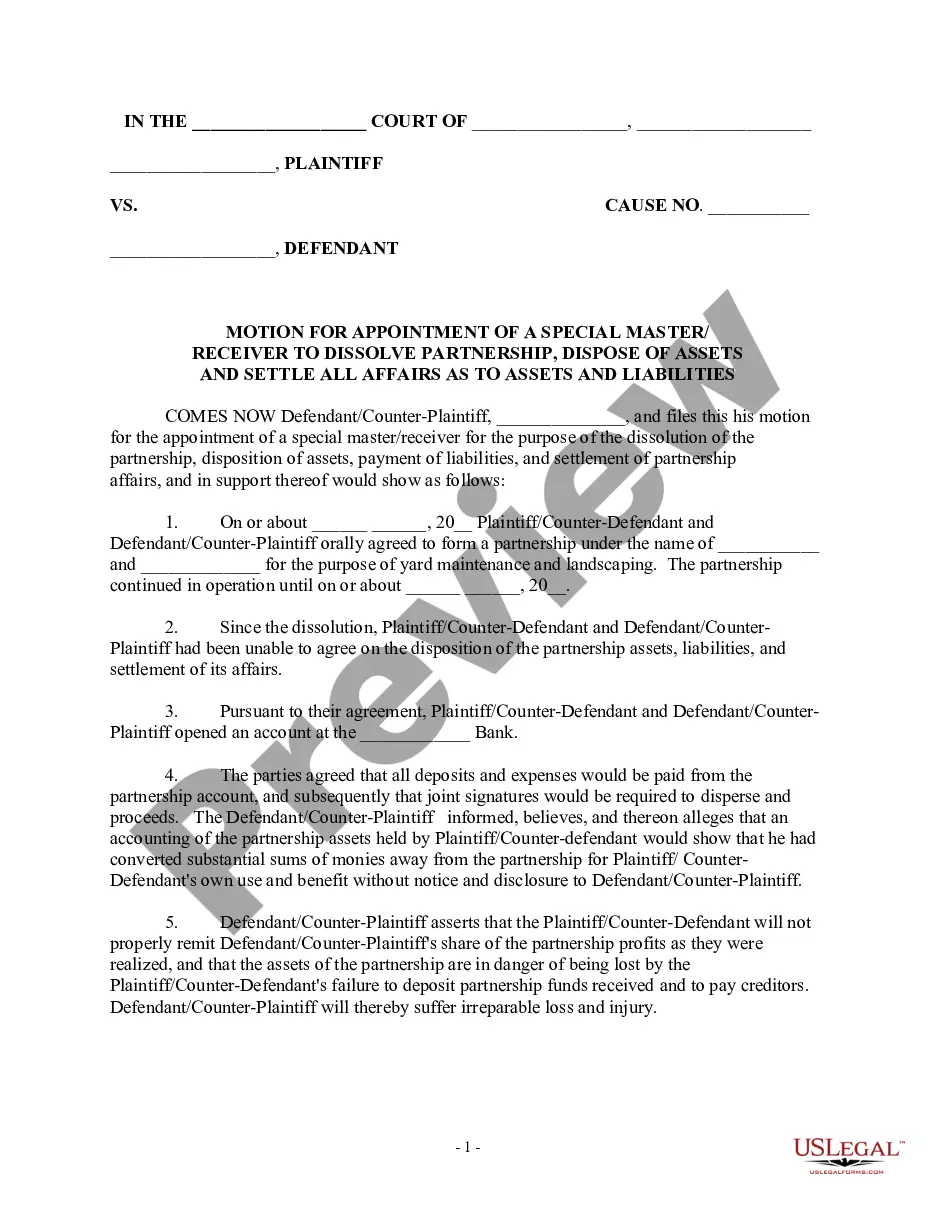
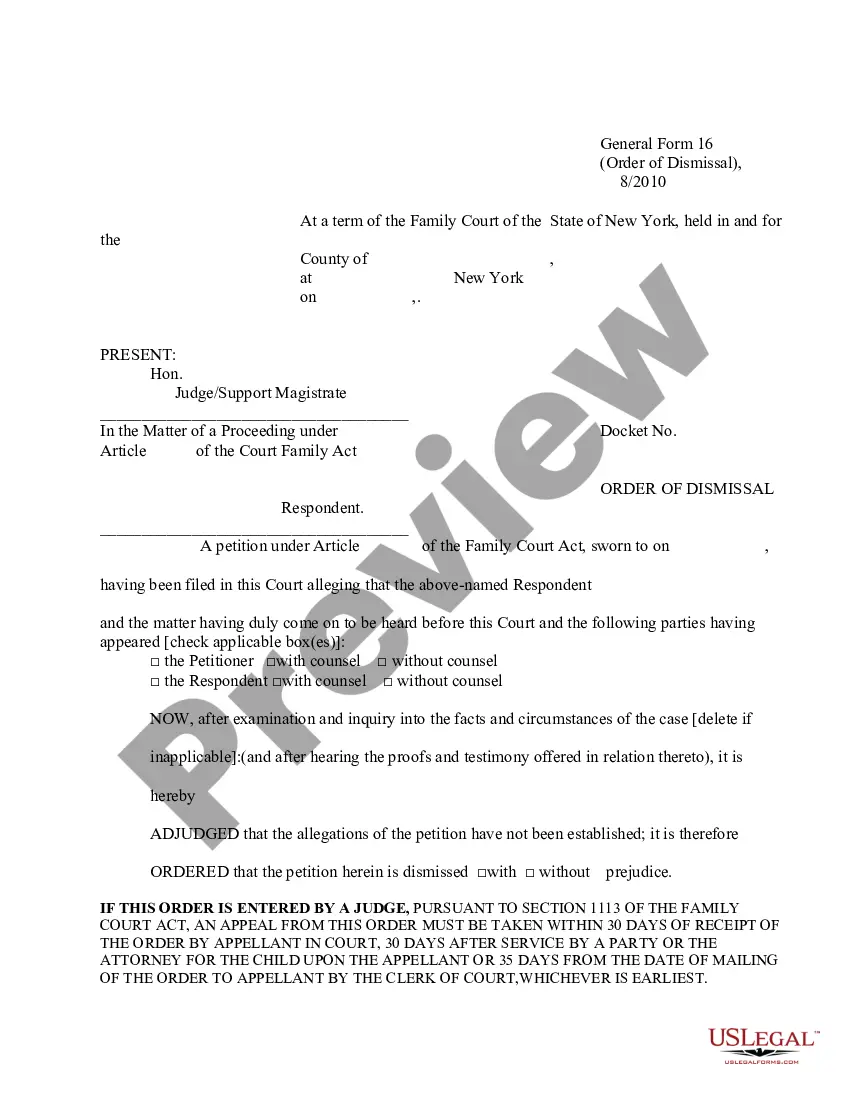
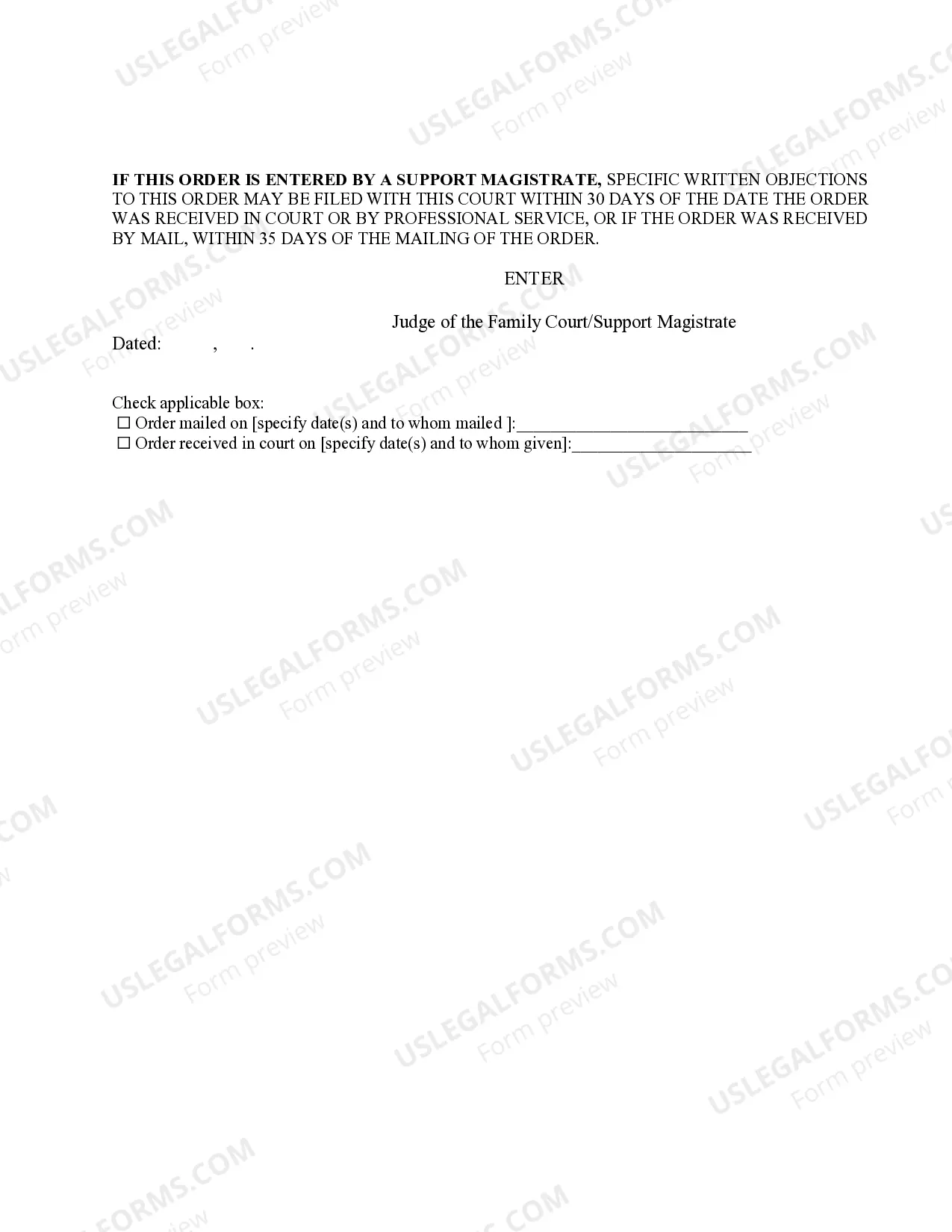
New York Order of Dismissal
Description
Get your form ready online
Our built-in tools help you complete, sign, share, and store your documents in one place.
Make edits, fill in missing information, and update formatting in US Legal Forms—just like you would in MS Word.
Download a copy, print it, send it by email, or mail it via USPS—whatever works best for your next step.
Sign and collect signatures with our SignNow integration. Send to multiple recipients, set reminders, and more. Go Premium to unlock E-Sign.
If this form requires notarization, complete it online through a secure video call—no need to meet a notary in person or wait for an appointment.
We protect your documents and personal data by following strict security and privacy standards.

Make edits, fill in missing information, and update formatting in US Legal Forms—just like you would in MS Word.

Download a copy, print it, send it by email, or mail it via USPS—whatever works best for your next step.

Sign and collect signatures with our SignNow integration. Send to multiple recipients, set reminders, and more. Go Premium to unlock E-Sign.

If this form requires notarization, complete it online through a secure video call—no need to meet a notary in person or wait for an appointment.

We protect your documents and personal data by following strict security and privacy standards.
Looking for another form?
How to fill out New York Order Of Dismissal?
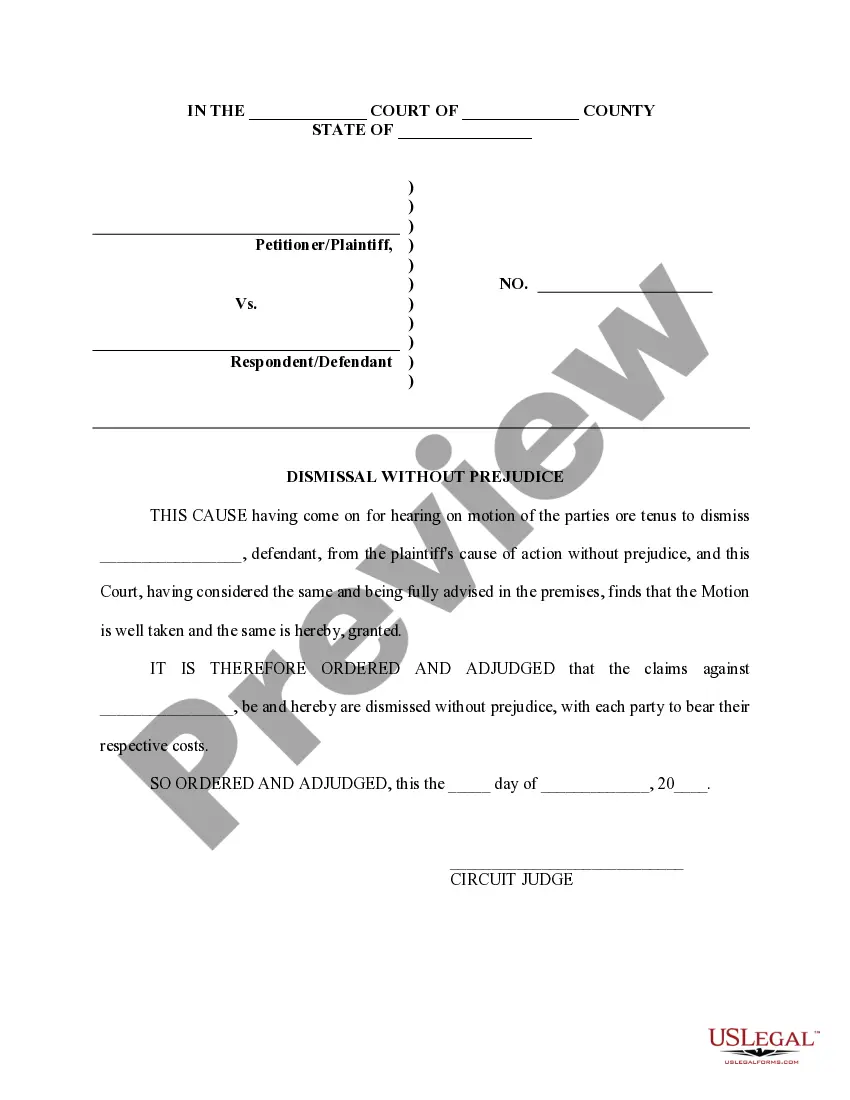
In terms of submitting New York Order of Dismissal, you probably visualize an extensive process that requires choosing a ideal sample among hundreds of similar ones after which having to pay an attorney to fill it out for you. Generally, that’s a slow and expensive option. Use US Legal Forms and select the state-specific form in a matter of clicks.
If you have a subscription, just log in and click on Download button to have the New York Order of Dismissal template.
In the event you don’t have an account yet but want one, stick to the step-by-step guide listed below:
- Be sure the document you’re saving applies in your state (or the state it’s required in).
- Do so by reading through the form’s description and also by visiting the Preview option (if accessible) to see the form’s information.
- Click on Buy Now button.
- Find the proper plan for your budget.
- Subscribe to an account and select how you want to pay out: by PayPal or by credit card.
- Save the file in .pdf or .docx format.
- Get the file on the device or in your My Forms folder.
Skilled lawyers work on creating our templates to ensure after downloading, you don't have to bother about enhancing content material outside of your individual info or your business’s info. Be a part of US Legal Forms and receive your New York Order of Dismissal example now.
Form popularity
FAQ
Dismissal. Dismissal is when your employer ends your employment.employer tells you they are ending your employment, with or without notice. employer constructively dismisses you by breaching your employment contract so badly that you are forced to leave. fixed-term contract is not renewed.
The ruling by a judge that all or a portion (one or more of the causes of action) of the plaintiff's lawsuit is terminated (thrown out) at that point without further evidence or testimony.A defendant may be "dismissed" from a lawsuit, meaning the suit is dropped against that party.
Dis2022miss. 1. to direct or allow to leave: dismissed the class. 2. to discharge from service: to dismiss an employee. 3. to discard or reject; put aside from consideration: to dismiss a story as rumor.
Dismiss means to let go. If a judge dismisses a case, it means he's saying it has no merit, and is throwing it out of court. If you are dismissed from your job, it means you've been fired. And if you've been ignoring your friends' warnings that your boyfriend is cheating, you've been dismissing their concerns.
Dismissal is when your employer ends your employment. This could happen in several ways, including if your: employer tells you they are ending your employment, with or without notice. employer constructively dismisses you by breaching your employment contract so badly that you are forced to leave.
Fair dismissal. Voluntary redundancy. Unfair dismissal. Constructive dismissal. Wrongful dismissal.
A dismissal is when your employer brings your employment contract to an end, thereby terminating your job with them. If you have two years' service with your employer you are protected from being unfairly dismissed.
Dismiss means to let go. If a judge dismisses a case, it means he's saying it has no merit, and is throwing it out of court. If you are dismissed from your job, it means you've been fired.
Dismissal is when your employer ends your employment. This could happen in several ways, including if your: employer tells you they are ending your employment, with or without notice. employer constructively dismisses you by breaching your employment contract so badly that you are forced to leave.